In this guide
- Should you take Northeast Regional, Acela, bus or a flight?
- Which Boston station should you use?
- What happens between the Boston hotel and the New York hotel?
- How do you navigate Moynihan Train Hall and Penn Station?
- What is the train like with luggage?
- What can go wrong, and what is the minimum fix?
- Frequently asked questions about Boston to New York
- Sources and freshness
Visitors staying near central Boston and Manhattan who value fewer transfers and can book before the cheapest fares disappear.
Travelers whose actual start or end is far from the rail corridor, or whose budget only works with a deeply discounted bus.
Should you take Northeast Regional, Acela, bus or a flight?
Northeast Regional is the best default for most Boston-to-New York visitors because it combines direct service, central stations and coach fares. Acela is the time-and-comfort upgrade, not the automatic best train. A bus is the budget fallback, while a flight makes sense mainly when the trip already starts or ends at an airport.
Compare two or three departures around the target time rather than comparing only train brands. A slightly earlier Northeast Regional can arrive before a later Acela, and a train that matches hotel checkout can produce the shortest real travel day even when its scheduled ride is longer.
The hotel-to-hotel ranges below are TrailGuider planning estimates for a central Boston hotel and a Midtown Manhattan hotel. They include a practical station or airport buffer and the local transfer at both ends; they are not published schedules or delay guarantees.
| Option | Published or scheduled segment | Central hotel-to-hotel plan | Choose it when | Main tradeoff |
|---|---|---|---|---|
| Northeast Regional | Usually 4–4½ hr, South Station–Moynihan | Allow about 5–6 hr | You want the best overall value | Longer ride and open coach seating |
| Acela | Roughly 3¾–4¼ hr on current timetables | Allow about 4¾–5¾ hr | Time or assigned premium seating matters more | Often materially more expensive |
| Intercity bus | Often 4½–6 hr before severe traffic | Allow about 5–7 hr | Price is the hard constraint | Stops vary: South Station/Back Bay to Port Authority or a Midtown curb |
| Flight | Roughly 1¼ hr airborne | Allow about 4½–6 hr | The trip already begins or ends at an airport | Two airport transfers, security and weather exposure |
Which Boston station should you use?
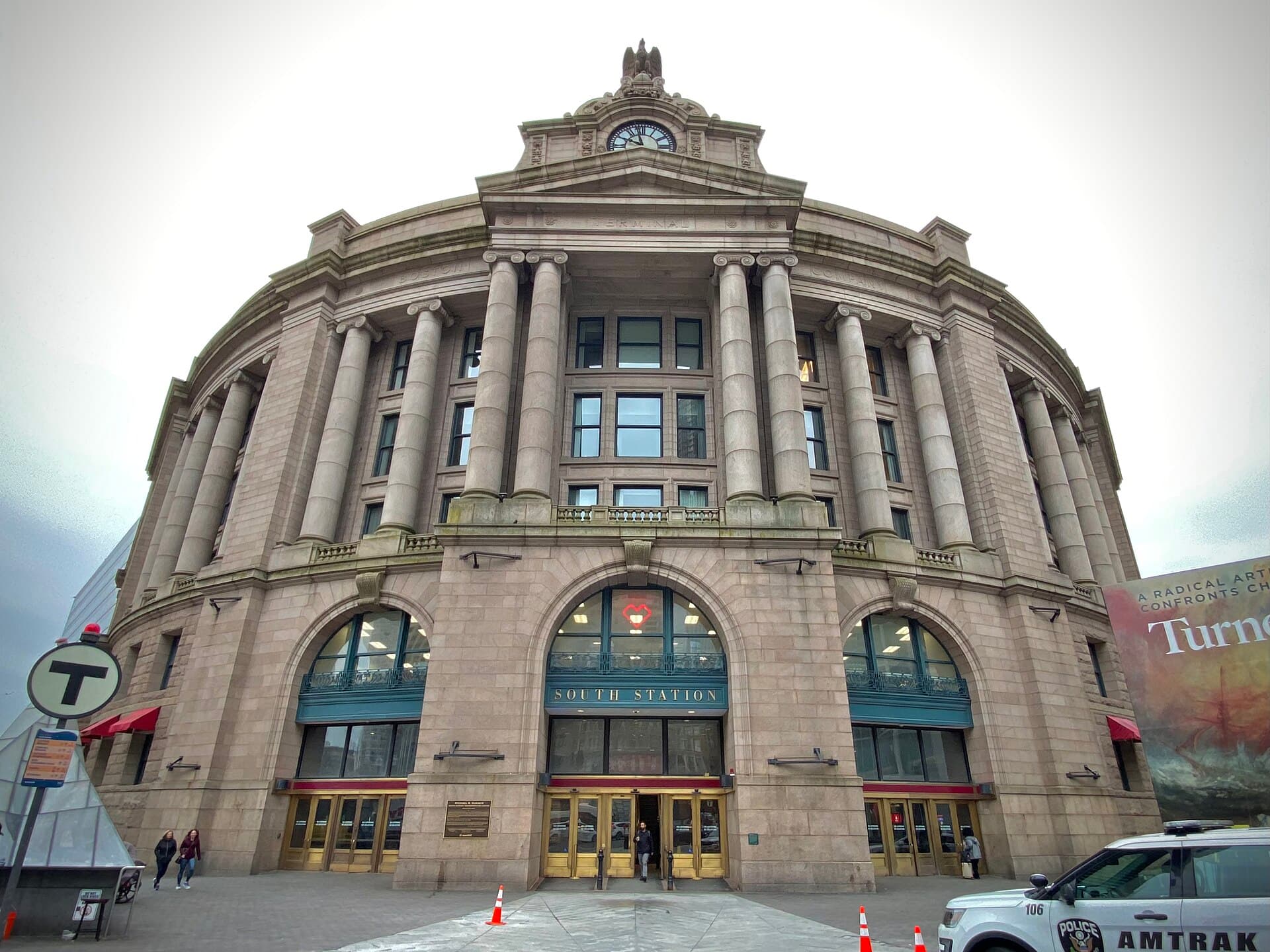
South Station is the safest Boston departure point and the origin for many New York trains. Back Bay is useful only when the exact train stops there and the hotel is genuinely closer. North Station does not serve the Northeast Corridor to New York, despite looking like an obvious rail terminal on a map.
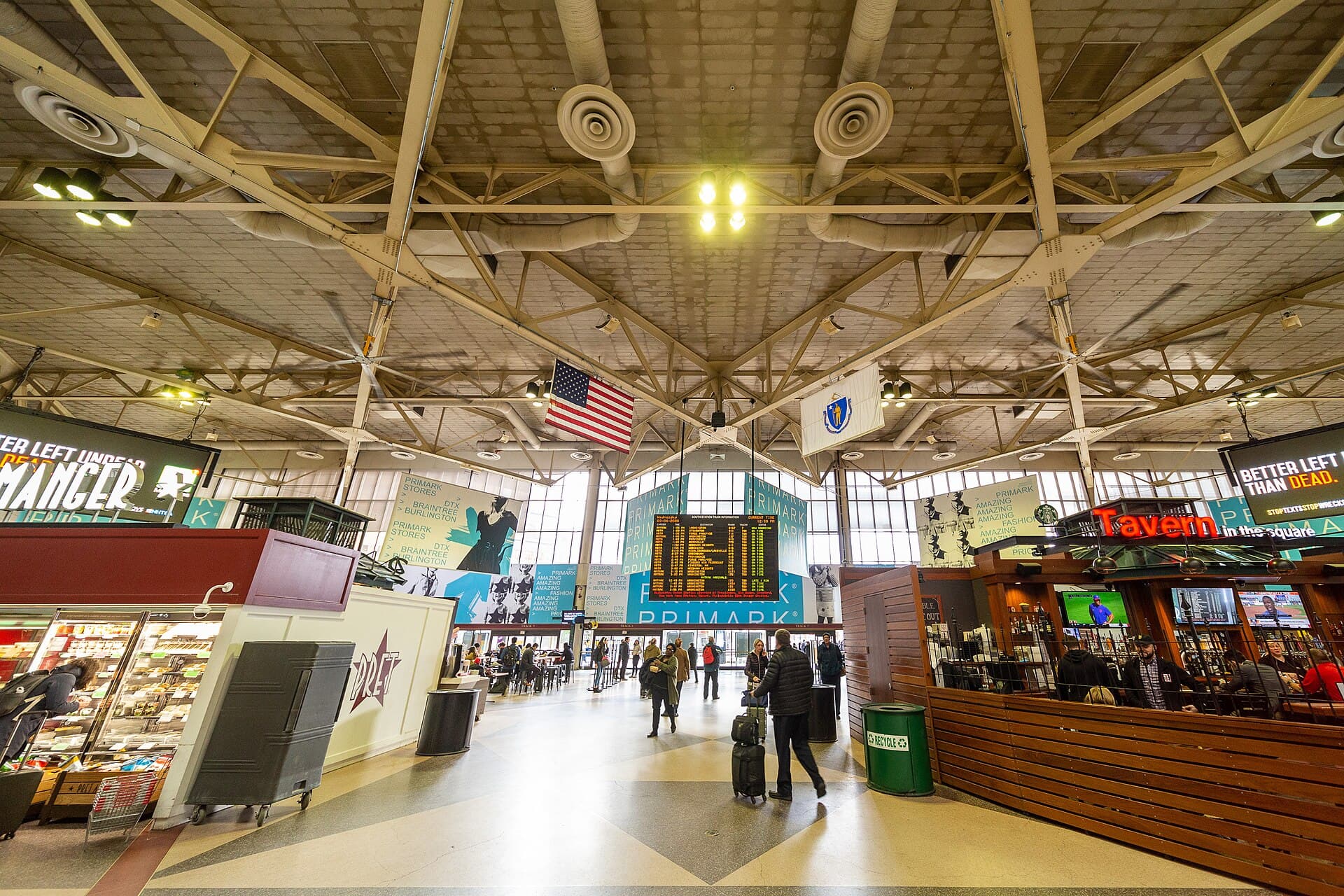
At South Station, use the main train concourse rather than the separate bus terminal. Stay near the departure boards until the track is posted. Twenty-five to thirty-five minutes is a comfortable target for a first trip; add more time for mobility needs, several bags or an unfamiliar hotel route.
What happens between the Boston hotel and the New York hotel?
A well-timed Boston-to-New York transfer behaves like part of the vacation rather than a lost day. A train around late morning protects breakfast and checkout, then reaches Midtown close to hotel check-in. The sequence below assumes a central Boston hotel and a Midtown Manhattan hotel.
- 01
Check out and leave with a station buffer
Allow enough time to reach South Station 25–35 minutes before departure. Do not schedule a final Boston attraction across town on the same morning.
- 02
Wait for the track announcement
Amtrak posts the track closer to boarding time. Keep the ticket ready and stay within sight of the main departure boards rather than queuing at an unconfirmed platform.
- 03
Carry luggage onboard and settle before departure
Place smaller bags overhead and larger suitcases in the luggage towers when available. Keep passports, medication, electronics and the arrival address at the seat.
- 04
Use the train as the quiet part of the travel day
Bring water and a meal if the café offering is not enough. Wi-Fi and cellular service can vary, so save hotel directions and tickets offline before leaving Boston.
- 05
Exit Moynihan toward the correct avenue
Decide before arrival whether the hotel is closer to Seventh, Eighth or Ninth Avenue. Use a taxi for the last mile when luggage or stairs would turn a simple arrival into the hardest part of the trip.
How do you navigate Moynihan Train Hall and Penn Station?
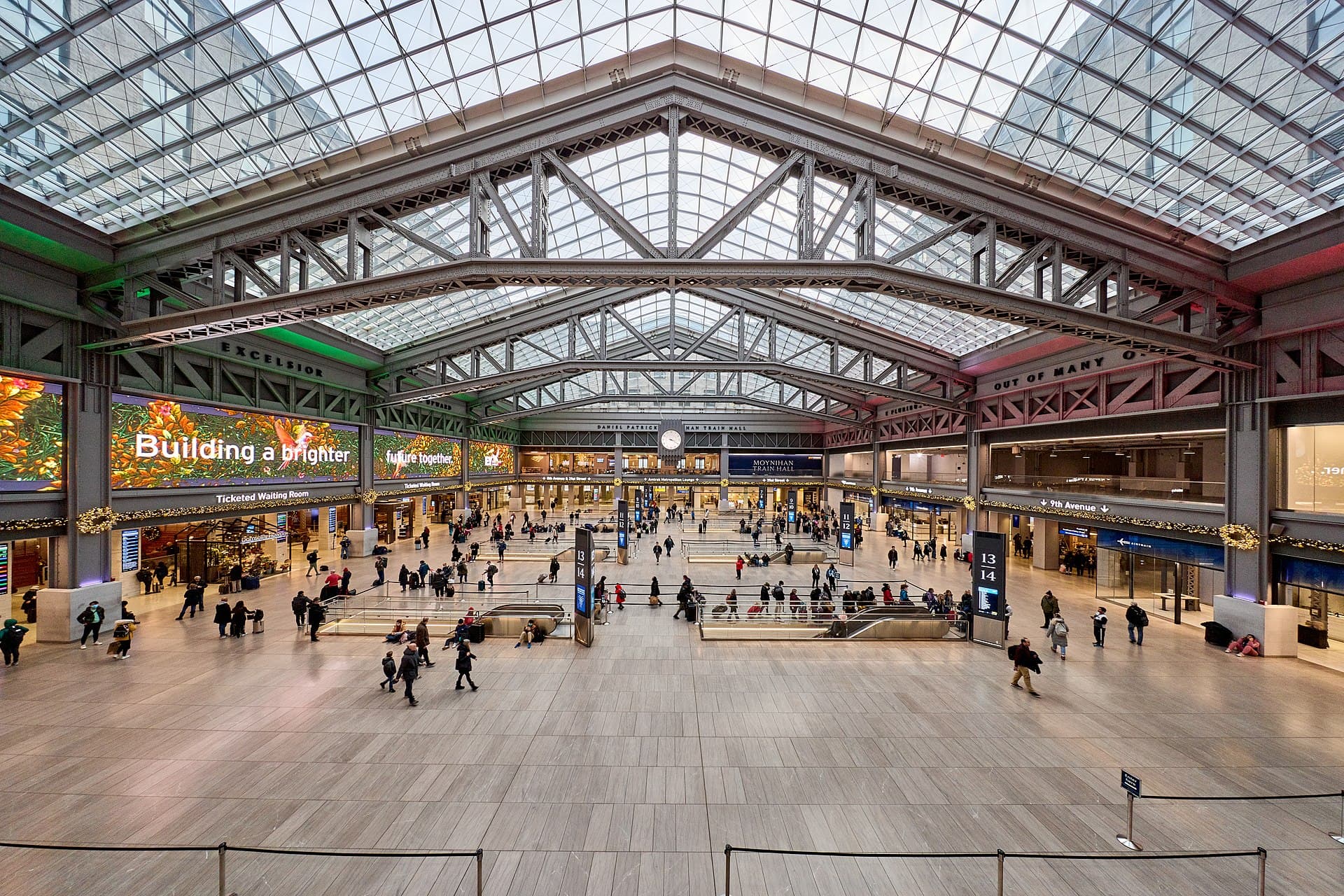
Amtrak uses Moynihan Train Hall as its primary New York waiting and boarding facility. The tracks sit within the larger Penn Station complex, so an arriving passenger can surface near Seventh, Eighth or Ninth Avenue depending on the route through the station.
Save the hotel address and the nearest avenue before the train reaches New York. Midtown blocks are long east to west, and the wrong exit can add a tiring luggage walk. A direct taxi from the station is a sensible minimum-friction last mile even when the rest of the itinerary is car-free.
What is the train like with luggage?
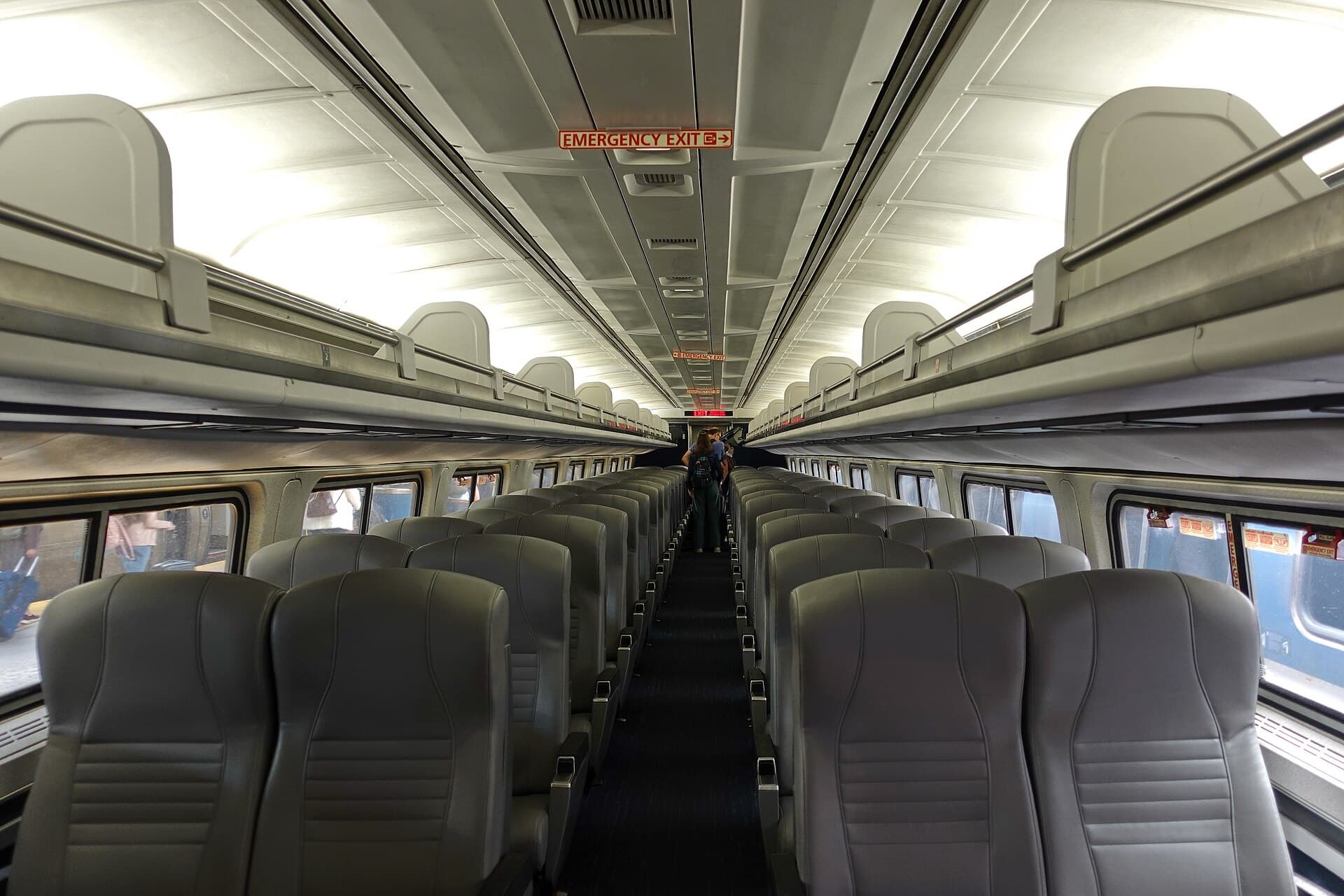
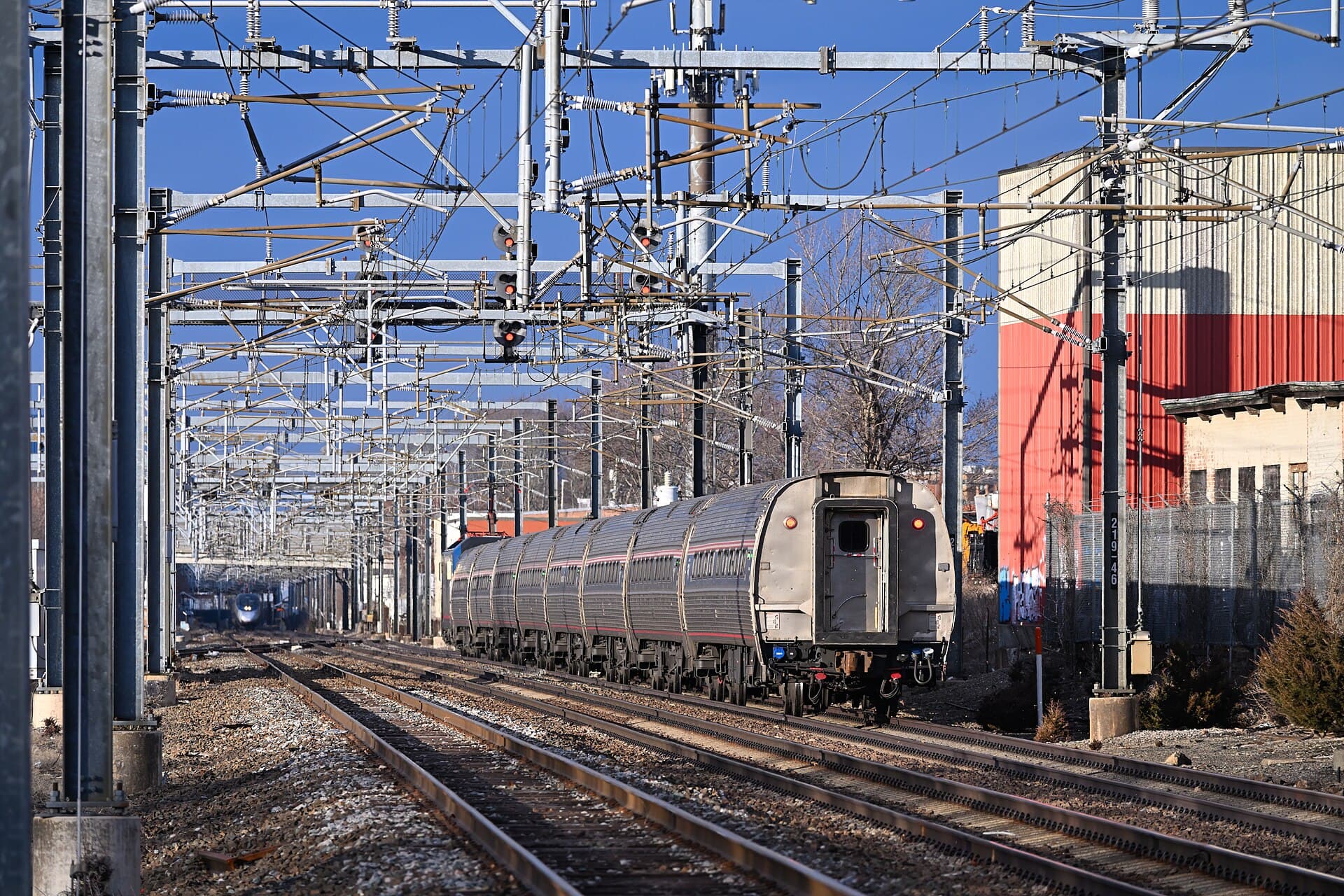
Most Northeast Corridor travelers keep bags with them and use overhead racks or luggage towers. Amtrak’s published allowance is generous, but the practical limit is what each traveler can safely lift, roll through a station and control during a short boarding period.
Label every bag, keep medication and documents in a personal item, and avoid packing one suitcase so heavily that stairs or a full luggage rack become a problem. Families should assign each movable bag to a specific person before boarding rather than sorting ownership in the aisle.
What can go wrong, and what is the minimum fix?
The route is still easy when one of these adjustments is needed. The main reason to replan is a mismatch between the station and the actual hotel, not the rail link itself.
When a major rail disruption occurs, compare a central intercity bus before moving to a flight. A flight adds two airport transfers and another check-in process; it is not automatically the fastest recovery for travelers already in central Boston.
- High last-minute fares: move the departure by a few hours before changing mode.
- Very early train: stay closer to South Station the final Boston night.
- Late arrival in New York: use a direct taxi rather than adding a difficult subway transfer.
- Major disruption: compare a bus from central Boston before defaulting to a flight.
Frequently asked questions about Boston to New York
Should you board at South Station or Back Bay?
South Station is the safest default and the origin for many trains. Use Back Bay only when the exact departure stops there and the hotel is substantially closer.
Can you take large suitcases on the Boston–New York train?
Yes, but travelers normally manage their own luggage onboard. Pack only what you can lift into an overhead rack or control near a luggage tower, and do not assume checked-baggage service is available.
Is Boston to New York suitable as a day trip?
It is technically possible but poor value for most visitors: eight or more hours of round-trip rail time leaves a narrow and disruption-sensitive New York visit. Stay at least one night, or use a closer Boston day trip instead.
Where do Boston–New York buses usually depart and arrive?
Stops vary by carrier and departure. Common Boston areas include South Station Bus Terminal and Back Bay; New York arrivals may use Port Authority or a Midtown curb. Confirm both exact addresses before comparing the bus with Amtrak.
Evidence
Official sources and freshness
Marcus Reed and Priya Shah reviewed the source links, dated claims and instructions on 2026-07-31. This guide is scheduled for review by 2026-08-30. Dynamic sources are marked below and should be checked again near travel.
What changed in this review
- Rebuilt the mode table around the same hotel-to-hotel planning window instead of comparing unmatched ride times.
- Added current Amtrak timetable sources and representative bus terminal assumptions.
- Kept fares dynamic because the exact train, class and booking date materially change the result.
- AmtrakNortheast Regional route and amenitiesChecked 2026-07-31
Use the booking flow for the exact train, duration and fare.
- AmtrakCurrent Northeast Regional timetableDynamic source · recheck within 30 days
Published schedules vary by date and train; confirm the exact booking before travel.
- AmtrakAcela route, stops and onboard featuresChecked 2026-07-31
Acela is the premium option; not every departure uses the same trainset.
- AmtrakCurrent Acela timetableDynamic source · recheck within 30 days
Published schedules vary by date and train; confirm the exact booking before travel.
- AmtrakBoston South StationChecked 2026-07-31
- AmtrakNew York Moynihan Train HallChecked 2026-07-31
- AmtrakCarry-on baggage policyChecked 2026-07-31
Limits and fees can change; confirm again before departure.

- Marcus ReedTransportation Evidence Editor
- Priya ShahTravel Editorial Standards Editor