In this guide
Visitors comfortable with busy stations who want a dense sightseeing trip and direct rail links to Boston, Philadelphia or Washington.
Travelers who need step-free access at every stop without checking elevator status, or who choose accommodation only by borough rather than exact station access.
Choose the airport transfer for your luggage
From JFK, AirTrain to Jamaica plus the Long Island Rail Road is the lower-friction default for Midtown, especially with luggage. AirTrain plus subway can cost less and serve some neighborhoods more directly, but the longer ride and station circulation are harder after a long flight.
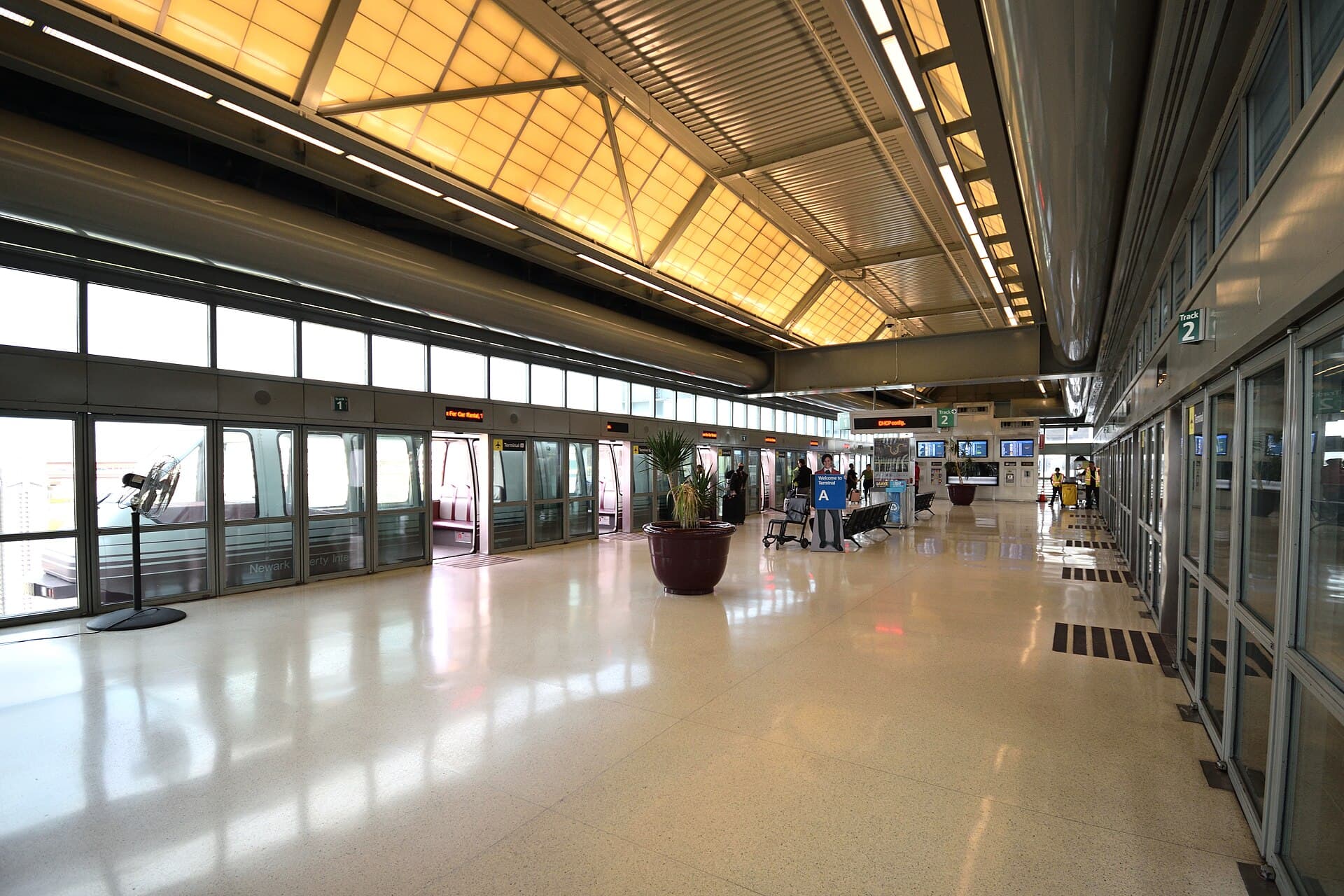
From Newark, NJ Transit can still be efficient, but the AirTrain replacement project means the airport-rail-station step may use shuttle buses during works. Treat old articles that describe a direct monorail connection as potentially outdated.
Understand Penn Station before arrival
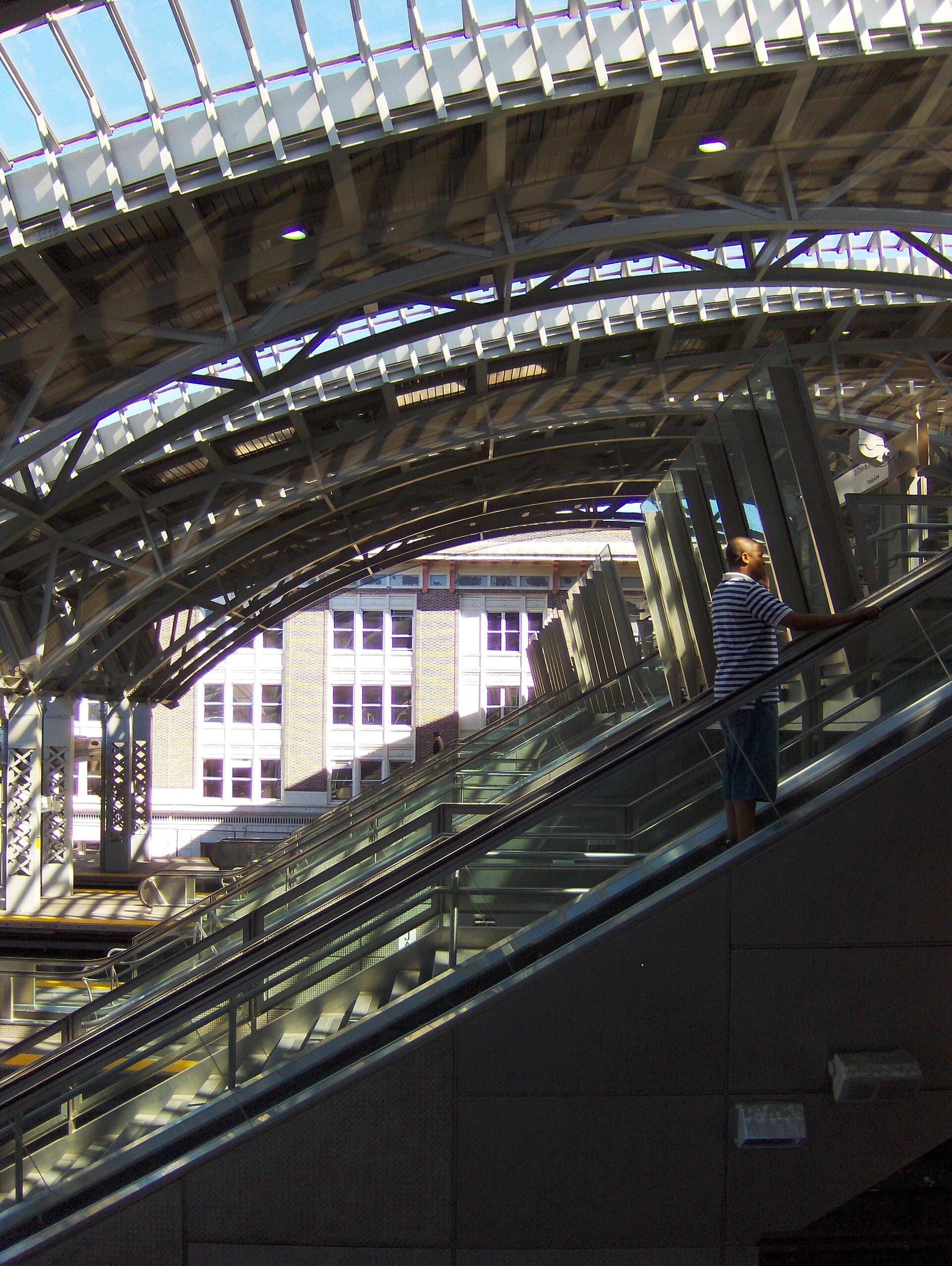
Moynihan Train Hall is Amtrak’s primary waiting, ticketing and boarding space on the west side of the Penn Station complex. The tracks continue beneath the wider complex, so an arrival can lead to Seventh, Eighth or Ninth Avenue depending on the route you follow.
Save the hotel address and its avenue before leaving the concourse. With luggage, five minutes of orientation indoors is better than surfacing on the wrong side and dragging bags around the block.
Pick a base by the direct line
Midtown South is the most forgiving base for an intercity trip because it reduces the station-to-hotel leg and provides multiple subway lines. Long Island City can offer better value with a short ride to Midtown, but only choose a property close to a useful station and confirm the late-evening route.
| Area | Best for | Main tradeoff |
|---|---|---|
| Midtown South | Amtrak and first-time simplicity | High room prices and crowds |
| Long Island City | Value with quick Midtown access | A river crossing on most sightseeing days |
| Lower Manhattan | Downtown sights and Brooklyn access | Longer trip to Moynihan |

Use transit without over-planning
Tap the same contactless card or device at OMNY readers, follow the train’s direction and destination, and check weekend service changes. Do not assume every entrance serves both directions or that every station has an elevator.
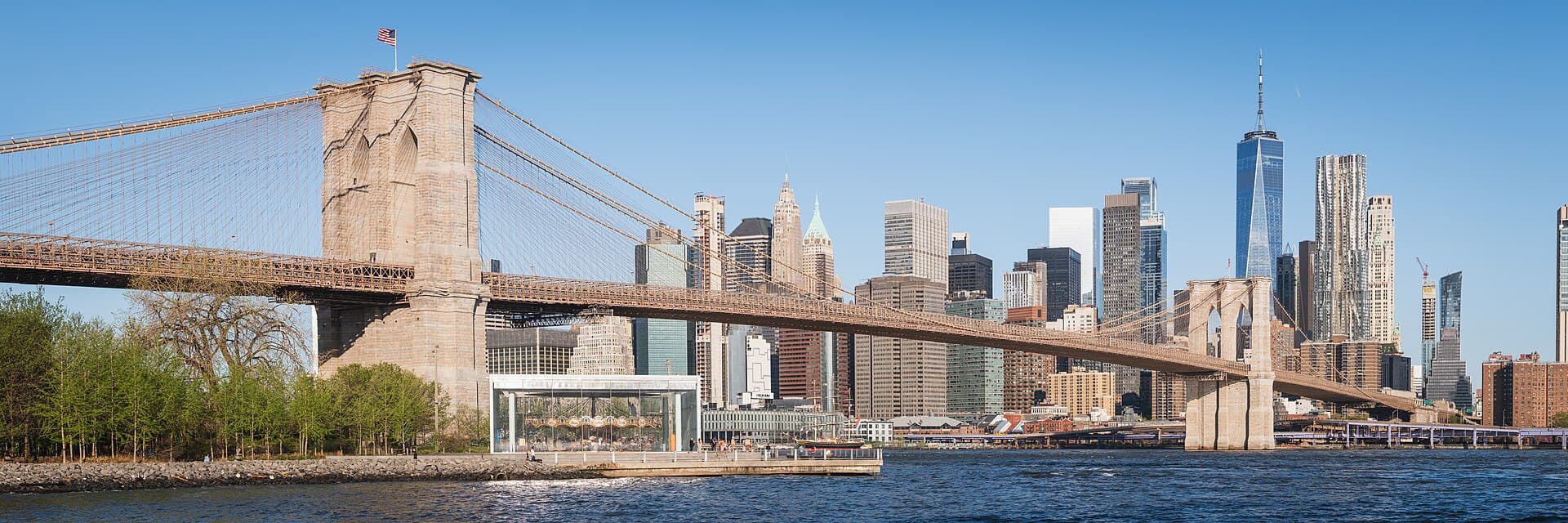
A strong day groups sights by geography. Central Park and the museums belong together; Lower Manhattan and the Brooklyn Bridge belong together. Crossing Midtown repeatedly adds crowding and platform time without adding much value.


Failure risks worth planning for
Keep a taxi or rideshare as a targeted backup, not the default mode for the entire visit. The city remains strongly car-free even when one airport or late-night leg needs a car.
- Elevator outages or inaccessible station entrances when stairs are a constraint.
- Weekend reroutes that change platforms, express/local patterns or transfers.
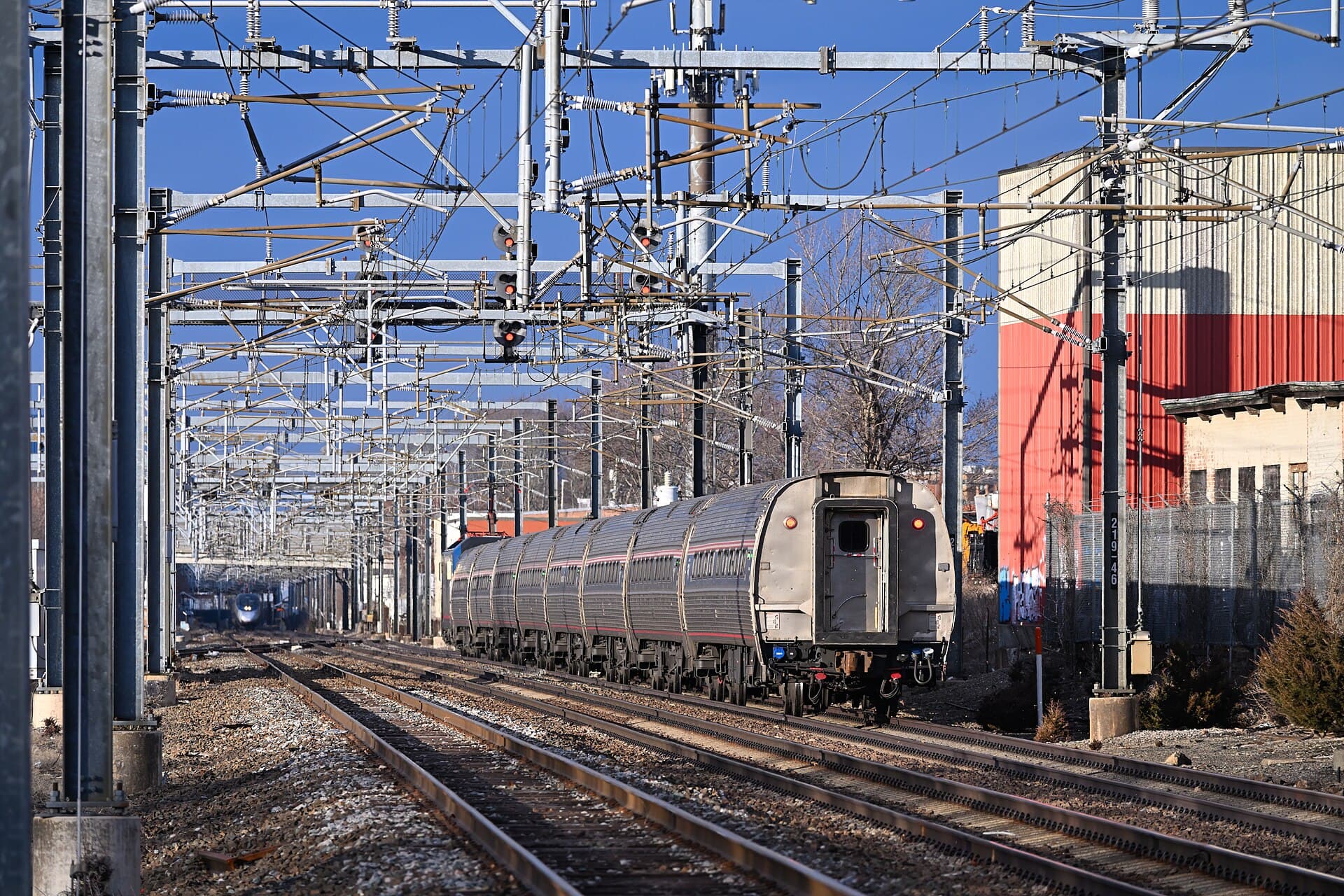
- A late international arrival that misses the simplest commuter-rail option.
- Dragging checked bags through a two-transfer subway route to save a relatively small amount.
What is a realistic three-day first visit?
Three full New York days work best as three geographic clusters, not a checklist of boroughs. Keep one major timed attraction in each day and leave the evening flexible enough for weather, crowds or a delayed meal.
| Day | Primary cluster | One major choice | Avoid |
|---|---|---|---|
| 1 | Midtown | Observation deck or Broadway | Crossing Downtown for dinner |
| 2 | Central Park + Upper East or West Side | Met or AMNH | Two major museums |
| 3 | Lower Manhattan + Brooklyn waterfront | 9/11 Museum or bridge walk | Adding another Midtown ticket |
Frequently asked questions about New York without a car
Do first-time visitors need a car in New York?
No. Subway, bus, commuter rail and walking cover a first New York trip better than a rental car. Use a taxi only for a difficult airport, luggage or late-night edge.
Is Midtown South the best area for a first New York stay?
Midtown South is the lowest-friction choice for Amtrak and broad subway access. Lower Manhattan or Long Island City can be better when the itinerary or hotel price clearly favors them.
Can one contactless card pay for a whole group?
Each traveler should use a separate card or device for consistent OMNY tracking and fare capping. A phone, watch and physical card count as different payment methods.
How much walking should a New York sightseeing day include?
TrailGuider plans five to eight miles for a full first-visit cluster when museum interiors and station walks are included. Use fewer clusters and a taxi at the end of the day for a lower-walking version.
Evidence
Official sources and freshness
Priya Shah and Marcus Reed reviewed the source links, dated claims and instructions on 2026-07-31. This guide is scheduled for review by 2026-10-31. Dynamic sources are marked below and should be checked again near travel.
What changed in this review
- Added a three-day geographic itinerary, four real neighborhood images and first-visit FAQ guidance.
- Expanded the Midtown South, Long Island City and Lower Manhattan base decision.
- Rechecked current airport, OMNY and elevator-status guidance on 2026-07-31.
- AmtrakNew York Moynihan Train HallChecked 2026-07-31
- Port Authority of New York and New JerseyJFK public transportationDynamic source · recheck within 30 days
- Port Authority of New York and New JerseyAirTrain JFKChecked 2026-07-31
- Metropolitan Transportation AuthorityOMNY contactless fare paymentChecked 2026-07-31
- Metropolitan Transportation AuthorityLive elevator and escalator statusDynamic source · recheck within 1 days
Use immediately before an accessible subway or station transfer.
- Port Authority of New York and New JerseyLatest confirmed 2026 AirTrain Newark service statusDynamic source · recheck within 14 days
Dynamic advisory: the latest located update says regular weekday service resumed June 10 until further notice. Recheck before travel.

- Priya ShahTravel Editorial Standards Editor
- Marcus ReedTransportation Evidence Editor