In this guide
First-time visitors combining Boston with New York, Philadelphia or Washington and staying near Back Bay, Downtown or the waterfront.
Trips built around dispersed New England countryside, late-night suburban visits or accommodation far from rapid transit.
The best no-car setup
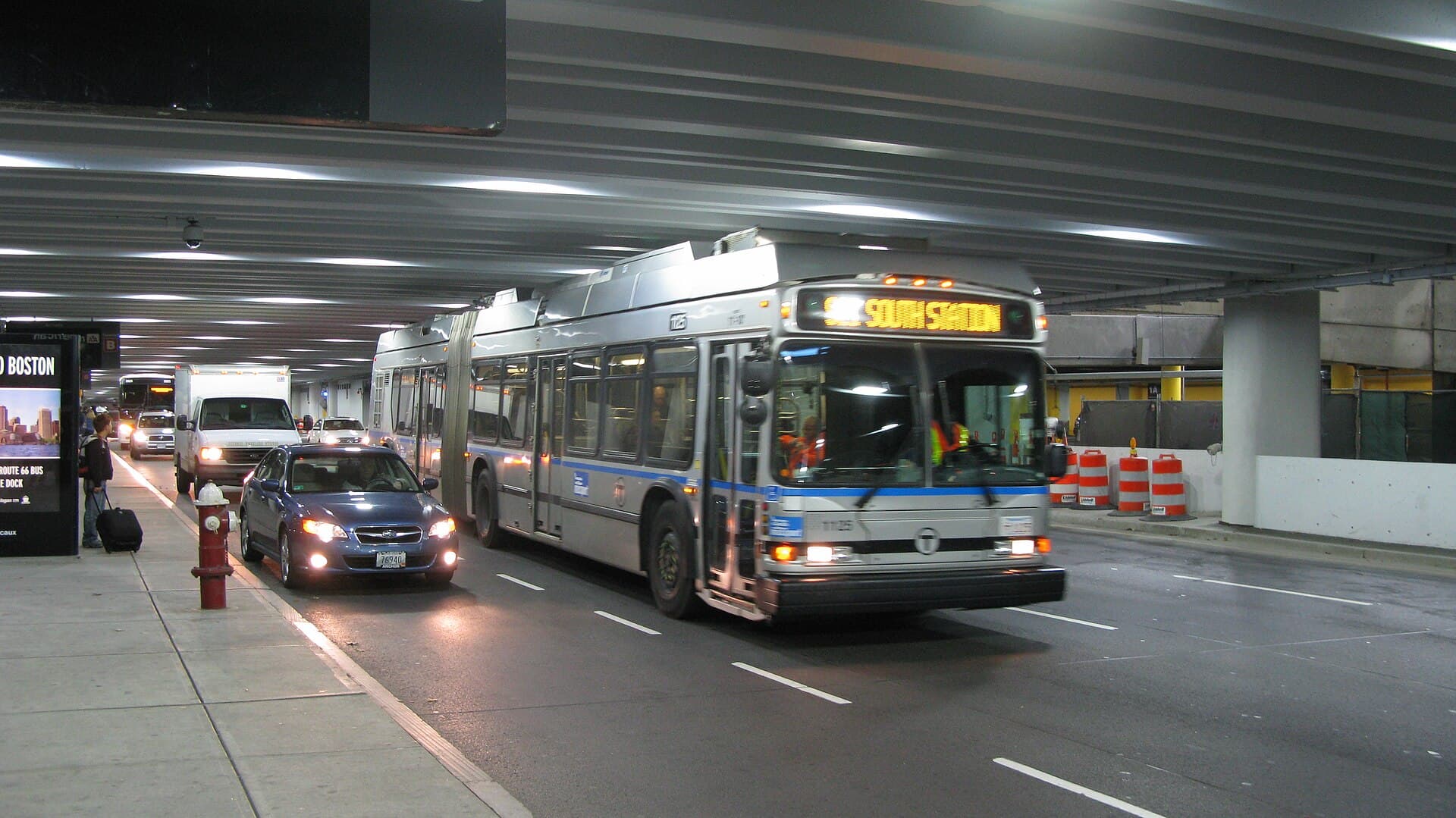
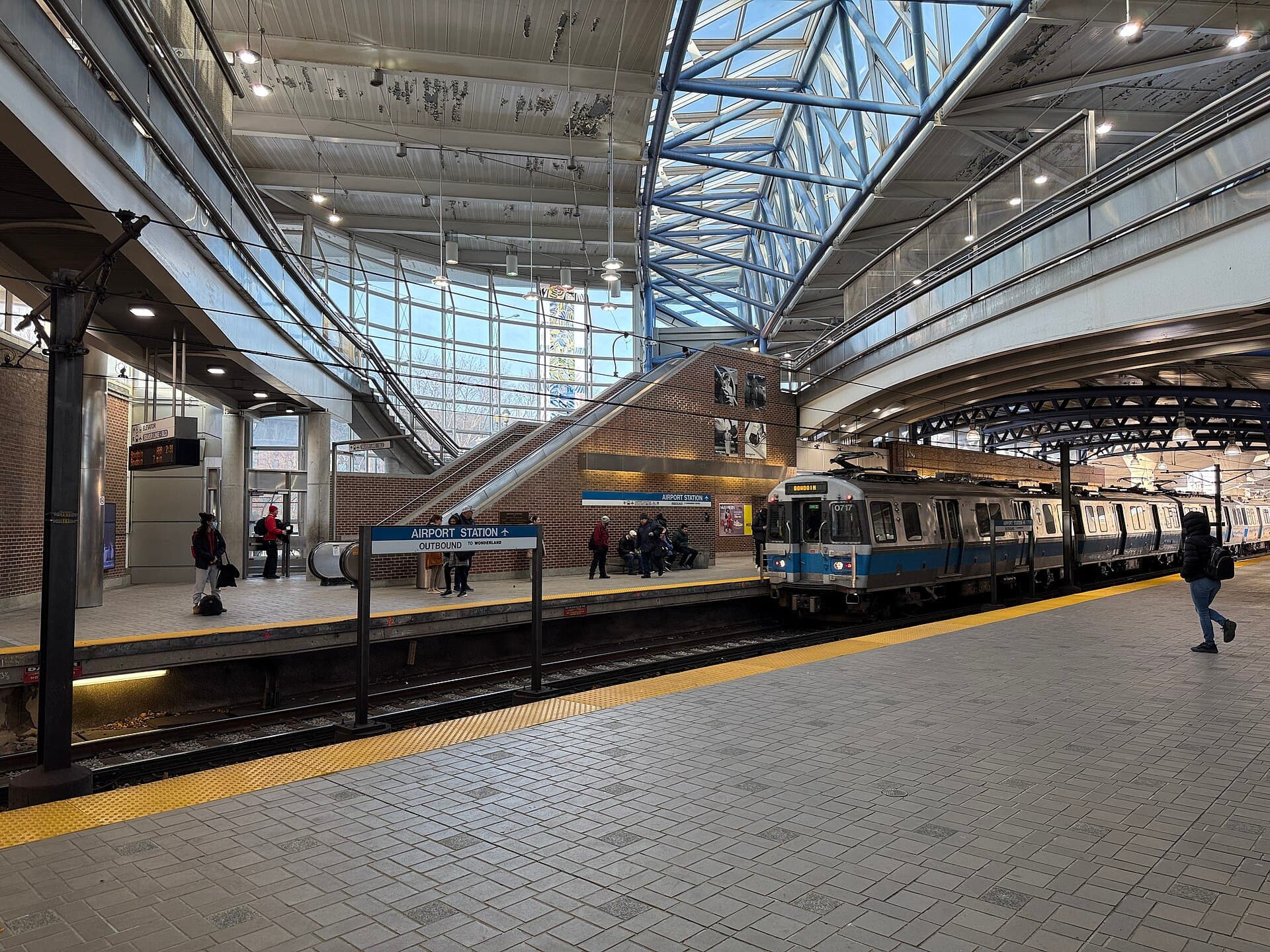
For the simplest trip, arrive at Logan, take the free inbound Silver Line SL1 toward South Station, and stay somewhere that needs no more than one subway ride from South Station. Downtown Crossing, the waterfront and Back Bay all work, but they optimize different parts of the trip.
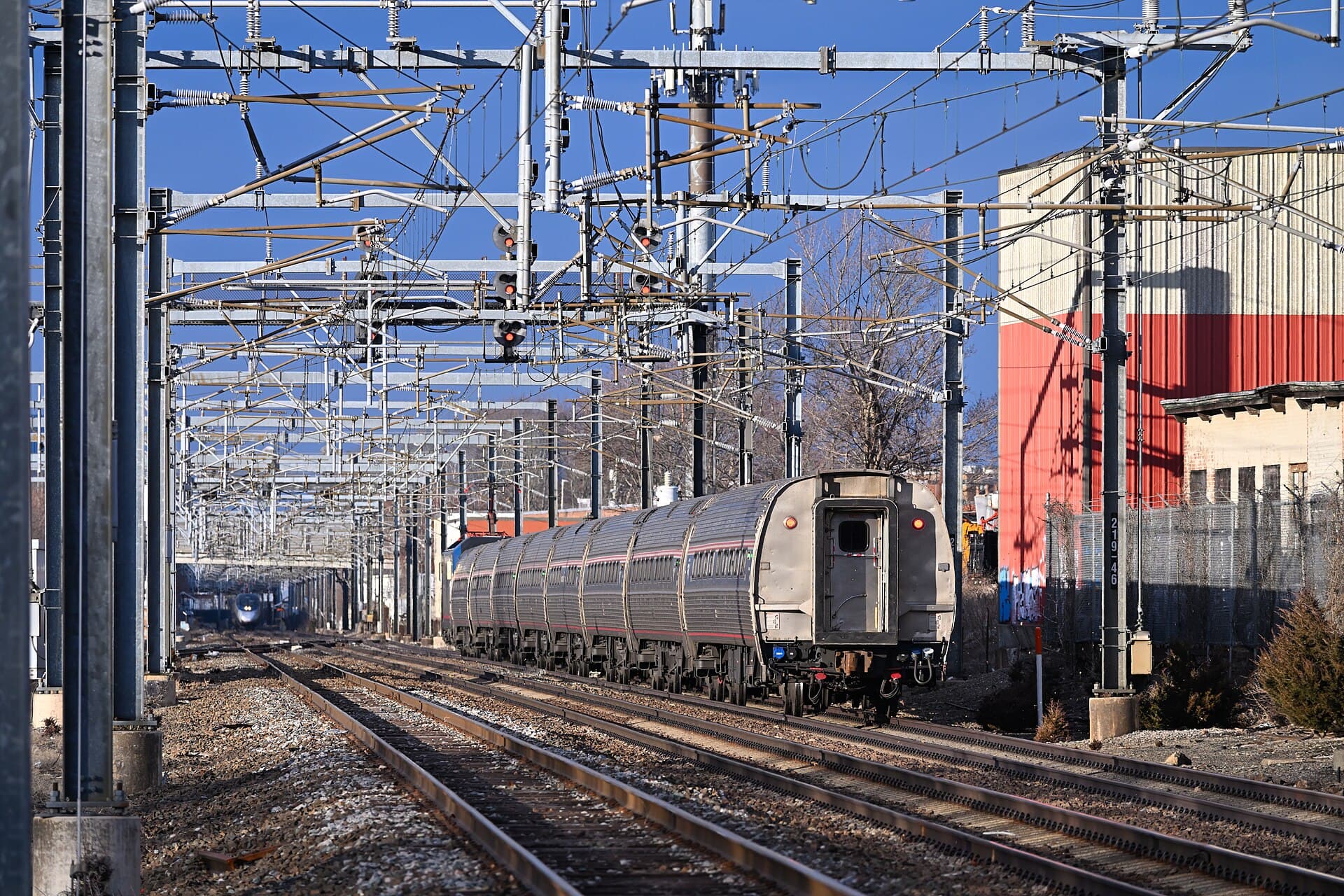
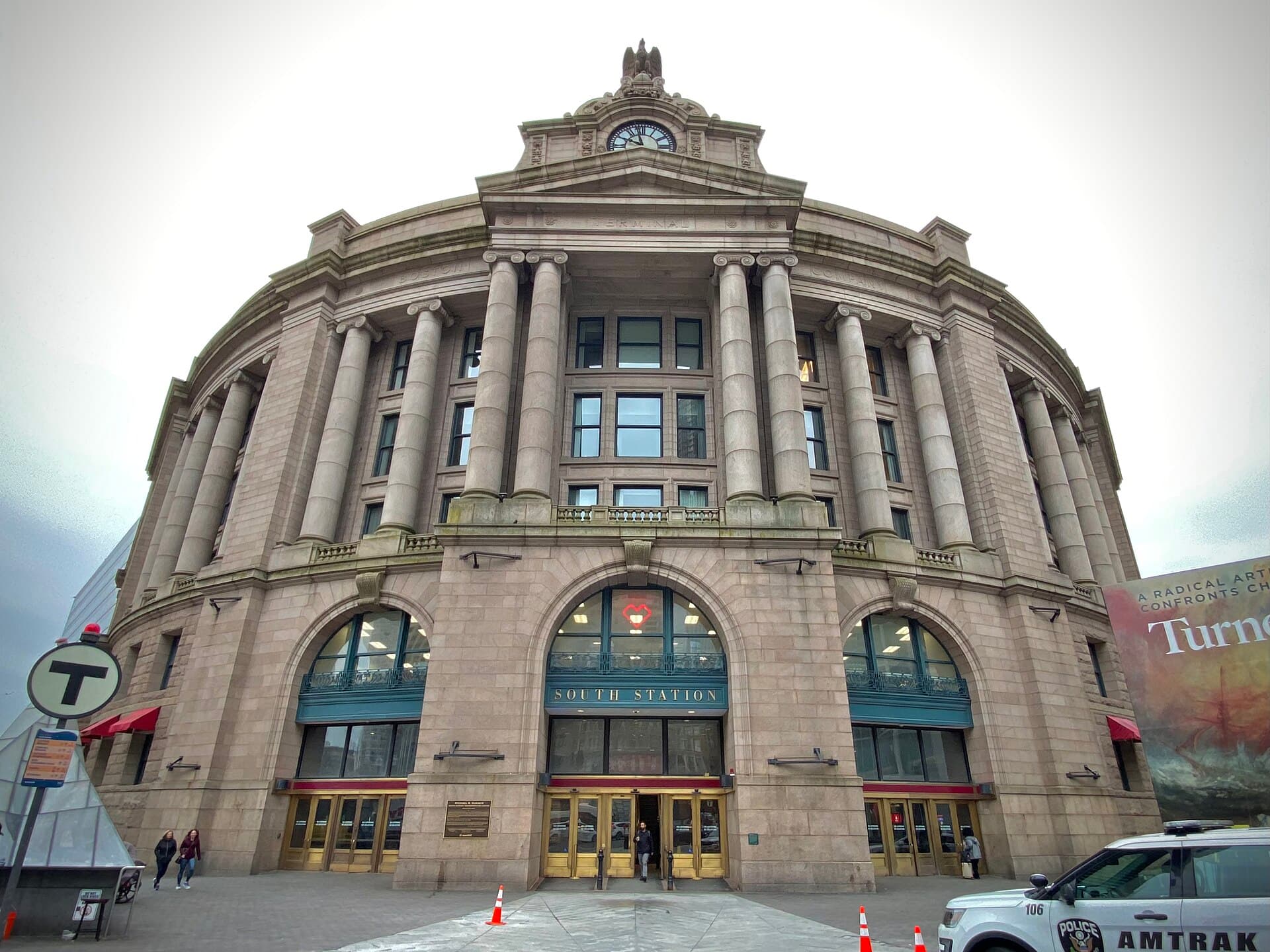
South Station is the cleanest intercity default because Northeast Regional and Acela trains begin or stop there, the Red Line is downstairs, and the bus terminal is attached. Back Bay Station can save time for a Back Bay hotel, but not every visitor benefits from moving the departure point.
- Downtown/Waterfront: easiest airport-to-hotel and Freedom Trail access.
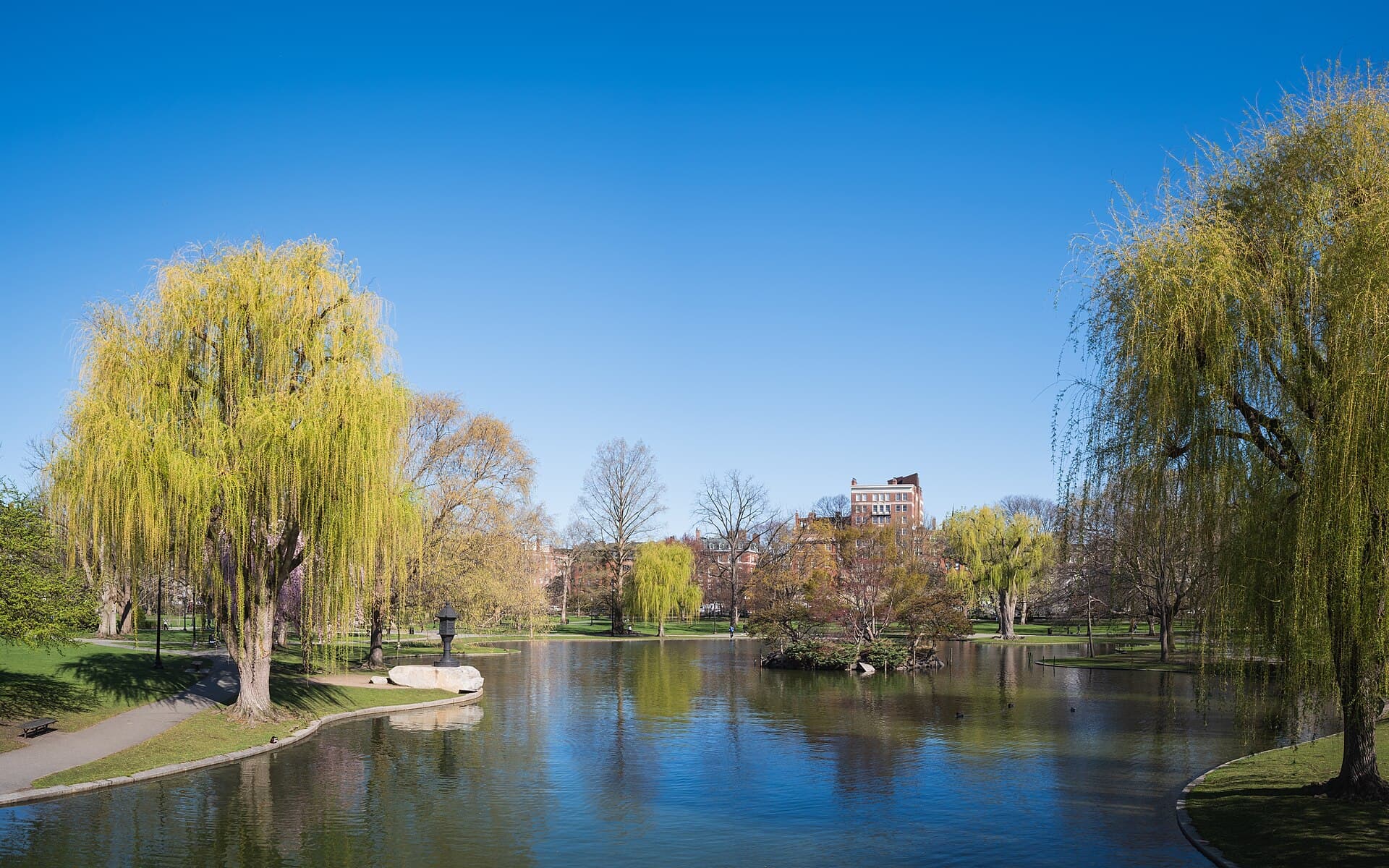
- Back Bay: strongest hotel inventory and easy access to Copley, the Public Garden and Newbury Street.
- North End: atmospheric and walkable, but cobbles, stairs and luggage make arrival less smooth.
How to move around day to day
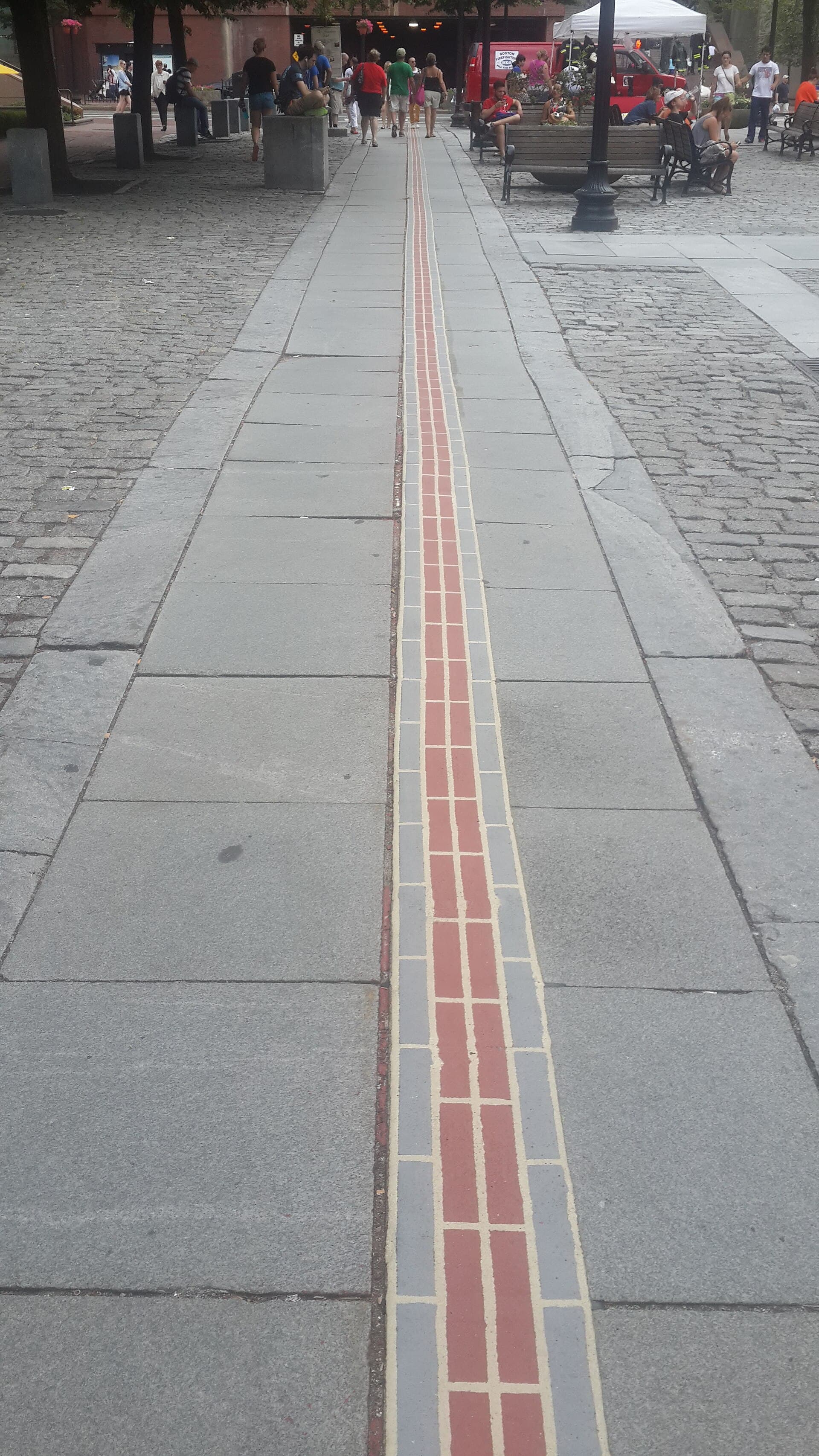
Boston rewards walking in compact clusters. Group the Freedom Trail, North End and waterfront together; group Back Bay, the Public Garden and Beacon Hill together. Use the T to bridge clusters rather than taking it for every short hop.
Payment and service patterns can change, so use the MBTA trip planner on the day. Green Line branches are easy to confuse and some older stations involve stairs or longer internal walks. If mobility matters, plan around the exact accessible entrance instead of only the station name.
Where the easy version breaks
The car-free case weakens quickly when a low hotel price pulls you deep into the suburbs, when an early flight starts before useful transit, or when the trip depends on rural New England stops. A rideshare for one edge case can still be more sensible than renting and parking a car for the full stay.
- Do not confuse North Station with South Station: Northeast Corridor trains to New York use South Station or Back Bay.
- Leave a larger buffer for Logan during road congestion because the Silver Line shares tunnel and airport roadway conditions.
- Check the final train time before an evening outside the rapid-transit core.
A realistic two-day first visit
Day one works well as Boston Common → Beacon Hill → Public Garden → Back Bay. Begin near the Common, use the Public Garden as the crossing point and finish around Copley or Newbury Street. A museum can replace part of Back Bay when weather is poor.
Day two can follow the Freedom Trail through Downtown and the North End, then finish along the waterfront. This compact plan protects the next morning’s train and avoids crossing the city repeatedly. Charlestown is optional and should be removed before the main historic core is rushed.
| Day | Core area | Transit load | Walking |
|---|---|---|---|
| 1 | Common, Beacon Hill, Back Bay | One or two short T rides | Medium |
| 2 | Freedom Trail, North End, waterfront | Mostly on foot | Medium-high |
What to verify before travel
Confirm Logan ground-transport alerts, the exact Amtrak departure station, and the last useful local connection to the hotel. South Station and Back Bay both serve some Northeast Corridor trains, but North Station does not serve the direct New York route.
Check weather and walking surfaces as well as transit. Summer heat, winter slush and brick or cobbled streets can change a reasonable map into a high-effort day.
Frequently asked questions about visiting Boston without a car
Do you need a car for a first trip to Boston?
No. Logan, South Station, Back Bay and the main central sights work well with transit and walking. A car becomes useful mainly for rural New England or dispersed suburban stops.
Should New York-bound travelers use South Station or Back Bay?
South Station is the safest default and serves every Boston-origin Northeast Corridor train. Back Bay is useful when the exact train stops there and the hotel is substantially closer.
How many days are enough for central Boston?
Two nights create one full sightseeing day plus arrival and departure time. Three nights are better for two full clusters, a museum or a less rushed waterfront visit.
What Boston day trips work without a car?
Choose places with a direct commuter-rail or ferry link and check the return schedule first. Rural coastal routes and multi-stop New England loops usually need a car or a guided tour.
Evidence
Official sources and freshness
Priya Shah and Marcus Reed reviewed the source links, dated claims and instructions on 2026-07-31. This guide is scheduled for review by 2026-10-31. Dynamic sources are marked below and should be checked again near travel.
What changed in this review
- Added realistic two-day cluster detail, three real city/transport images and first-visit FAQ guidance.
- Clarified the South Station, Back Bay and North Station decision for New York-bound travelers.
- Rechecked Logan and central Boston transport sources on 2026-07-31.
- AmtrakBoston South StationChecked 2026-07-31
- MassportPublic transit to and from Boston LoganChecked 2026-07-31
- MBTALogan Airport transit optionsChecked 2026-07-31
Check service alerts before relying on the Silver or Blue Line.
- City of BostonGetting around BostonChecked 2026-07-31

- Priya ShahTravel Editorial Standards Editor
- Marcus ReedTransportation Evidence Editor