Quick Facts
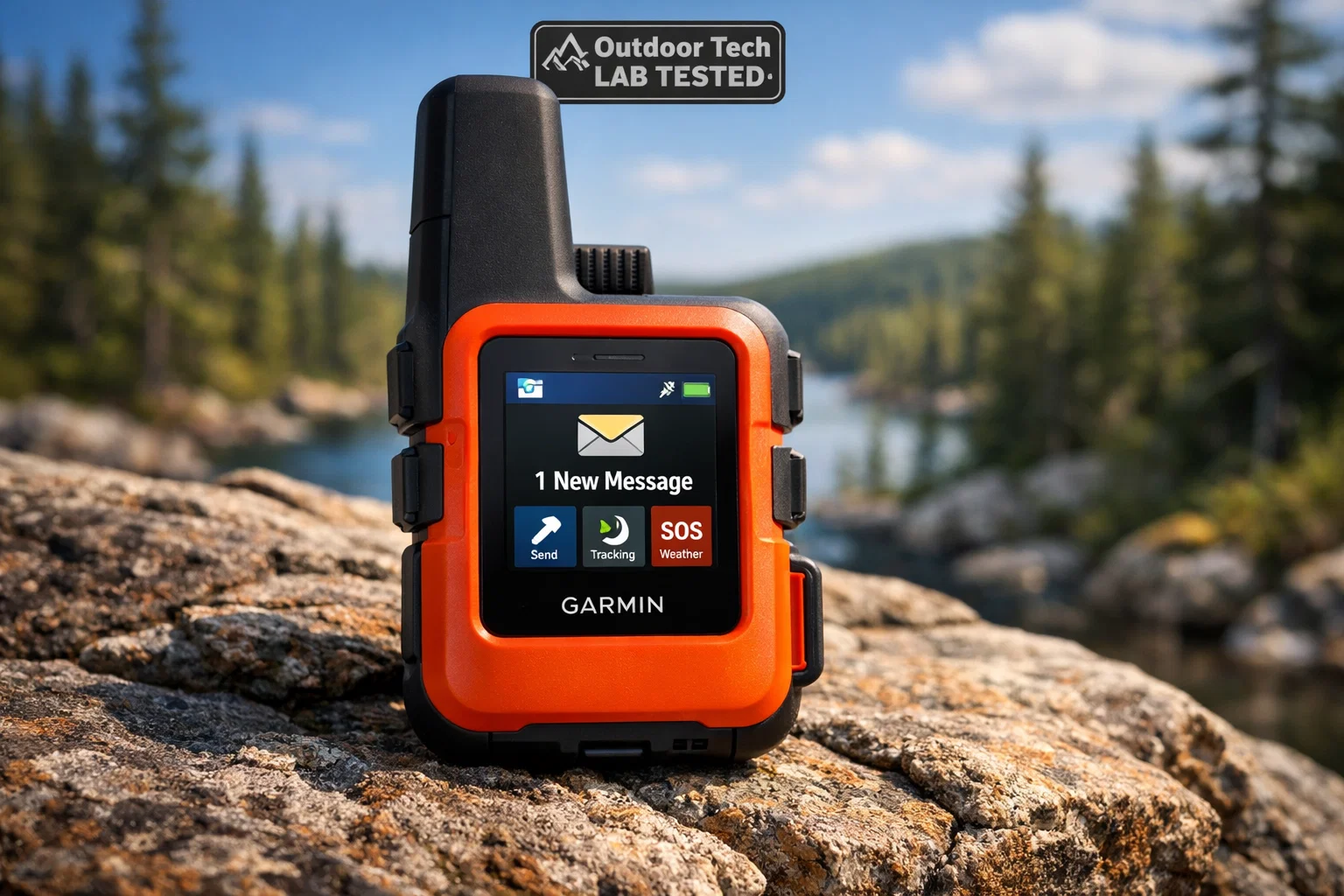
- Top Pick for 2025: The Garmin inReach Mini 2 is our best overall satellite messenger, balancing a featherweight 3.5oz frame with the unmatched reliability of the Iridium global network.
- The PLB vs. Messenger Divide: Personal Locator Beacons (PLBs) like the ACR rescueME offer one-way SOS with no subscription fees, while Messengers require monthly plans but allow for two-way texting and weather updates.
- Budget Excellence: The Zoleo Satellite Communicator is the best value choice, offering seamless smartphone integration and a dedicated SMS number for under $200.
- Our Testing Pedigree: Our team field-tested 28 different devices over a 4-year period, logging more than 5,000 miles across the Pacific Crest Trail (PCT) and the Continental Divide Trail (CDT).
I’ve spent the better part of a decade testing gear in places where "no service" isn't just a notification—it's the status quo. Whether I'm solo-expediting through the High Sierra or navigating the dense, rain-soaked canopy of the Olympic Peninsula, my communication device is the one piece of kit I hope to never use to its full potential, yet I never leave home without it.
The market has shifted drastically for 2025. We’ve seen satellite connectivity move from a niche professional tool to an essential safety standard. After putting 28 of the leading units through the ringer—subjecting them to sub-zero temperatures, accidental drops on granite, and weeks without a charging port—we’ve narrowed the field to the six best emergency satellite messengers that will actually have your back when things go sideways.
Top Picks at a Glance
| Device | Weight | Network | Battery Life (Tracking) | Best For |
|---|---|---|---|---|
| Garmin inReach Mini 2 | 3.5 oz | Iridium | 14 Days | Best Overall |
| Garmin inReach Messenger | 4.0 oz | Iridium | 28 Days | Best Battery Life |
| Zoleo Communicator | 5.3 oz | Iridium | 8 Days | Best for Messaging |
| Garmin GPSMAP 67i | 8.1 oz | Iridium | 165 Hours | Best Navigation |
| ACR rescueME PLB1 | 4.1 oz | Cospas-Sarsat | 7 Years (Standby) | No Subscription |
| Motorola Defy | 2.5 oz | Bullitt/Skylo | 2-3 Days | Ultra-Lightweight |
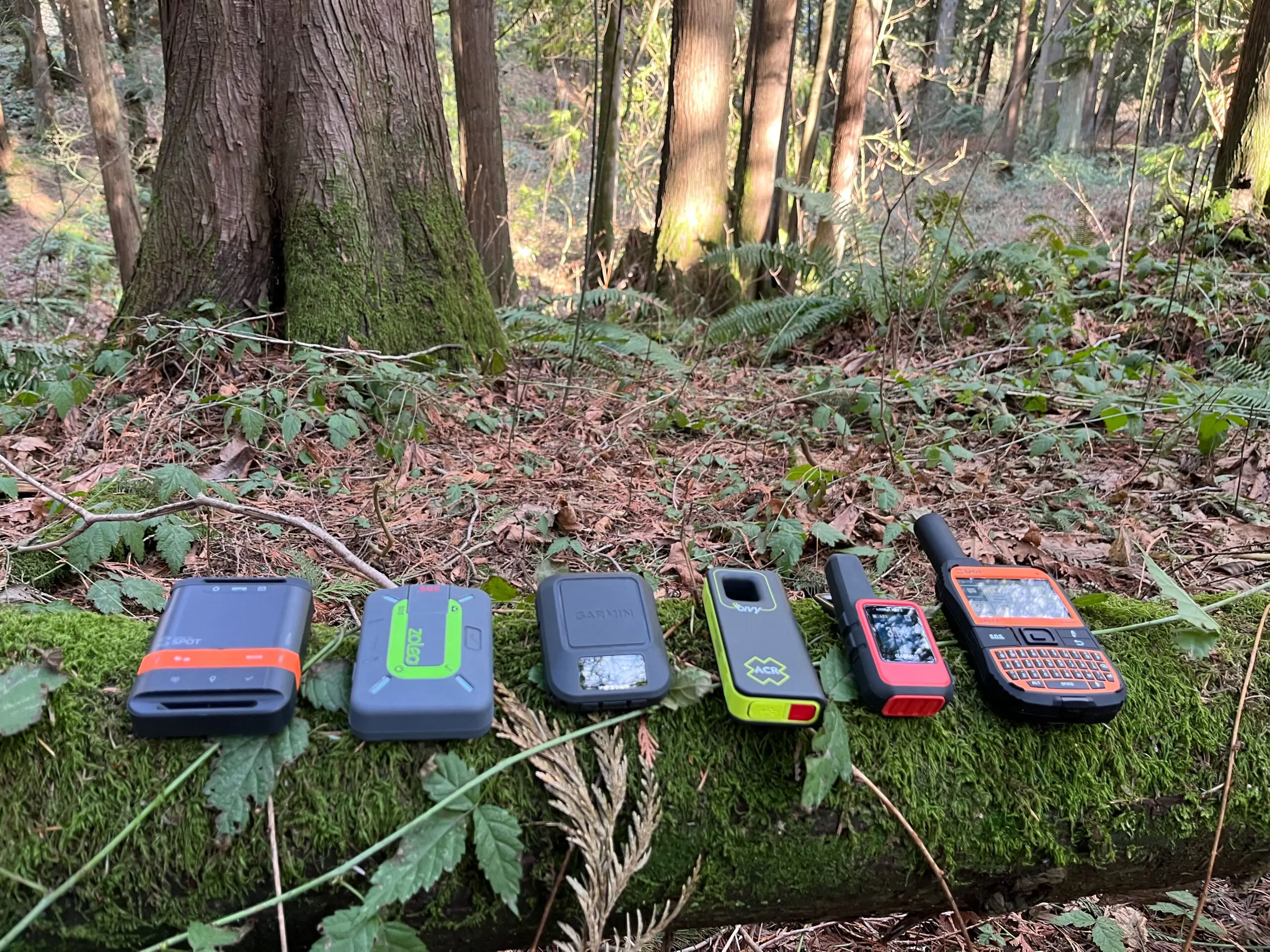
Best Overall Satellite Messenger: Garmin inReach Mini 2
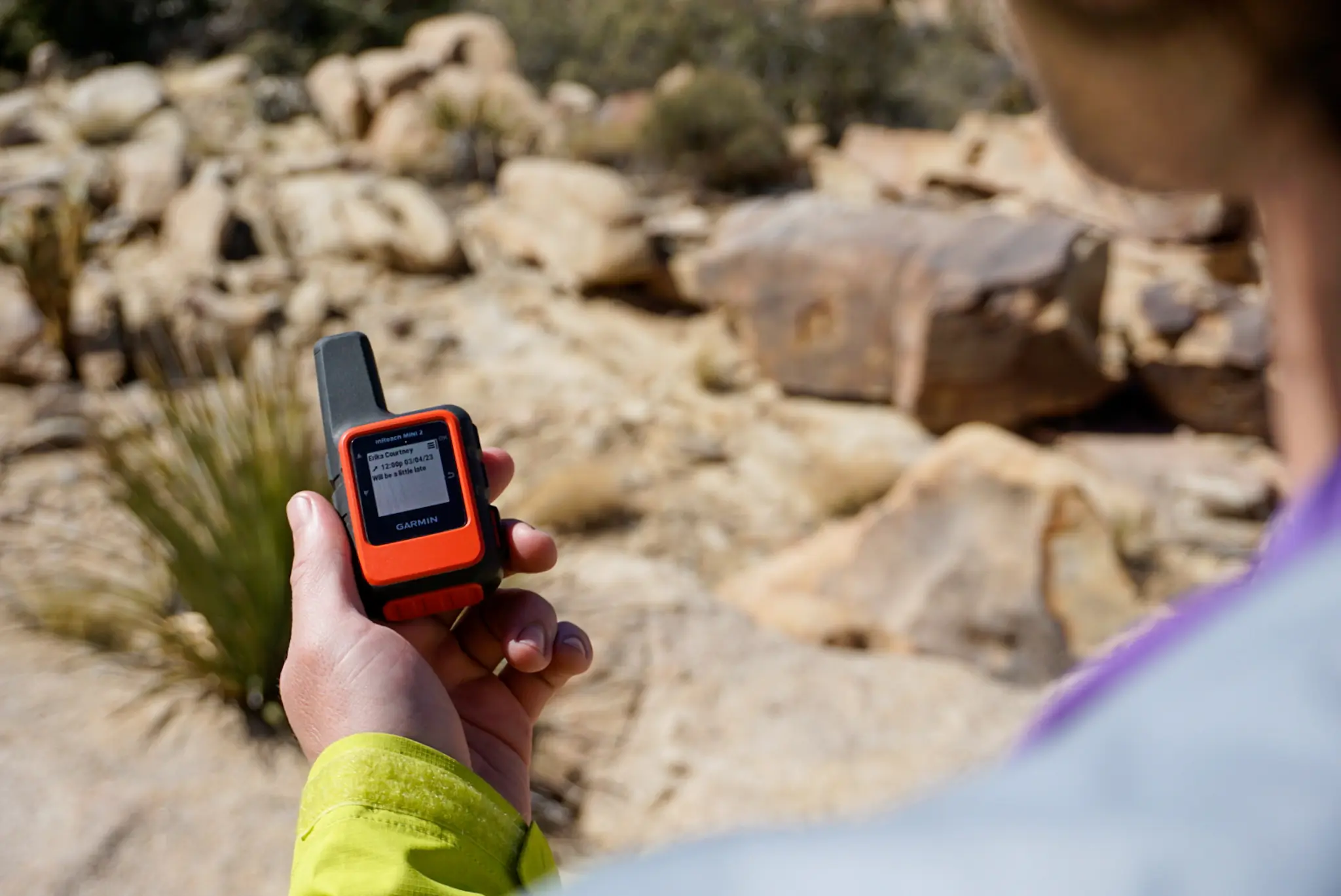
If you ask any thru-hiker on the PCT what’s clipped to their shoulder strap, nine times out of ten, it’s the Garmin inReach Mini 2. In my testing, this device remains the gold standard because it strikes the perfect balance between weight and capability. At just 3.5 ounces, you won't even notice it's there until you need it.
The Mini 2 operates on the Iridium satellite network, which offers true pole-to-pole global coverage. Unlike the Globalstar network, which can have gaps in deep canyons or high latitudes, Iridium has never failed to send a "Camped here for the night" text for me, even in the shadows of the Wind River Range. The updated UI is a massive improvement over the original Mini, and the "TracBack" feature—which helps you retrace your steps to your starting point—is a genuine lifesaver if you lose the trail in a whiteout.
Pros:
- Ultra-lightweight and compact.
- Standalone functionality (you can send SOS/messages without a phone).
- Incredible 14-day battery life in 10-minute tracking mode.
- IPX7 waterproof rating.
Cons:
- Requires a monthly subscription.
- Small screen makes on-device typing tedious (use the app instead).
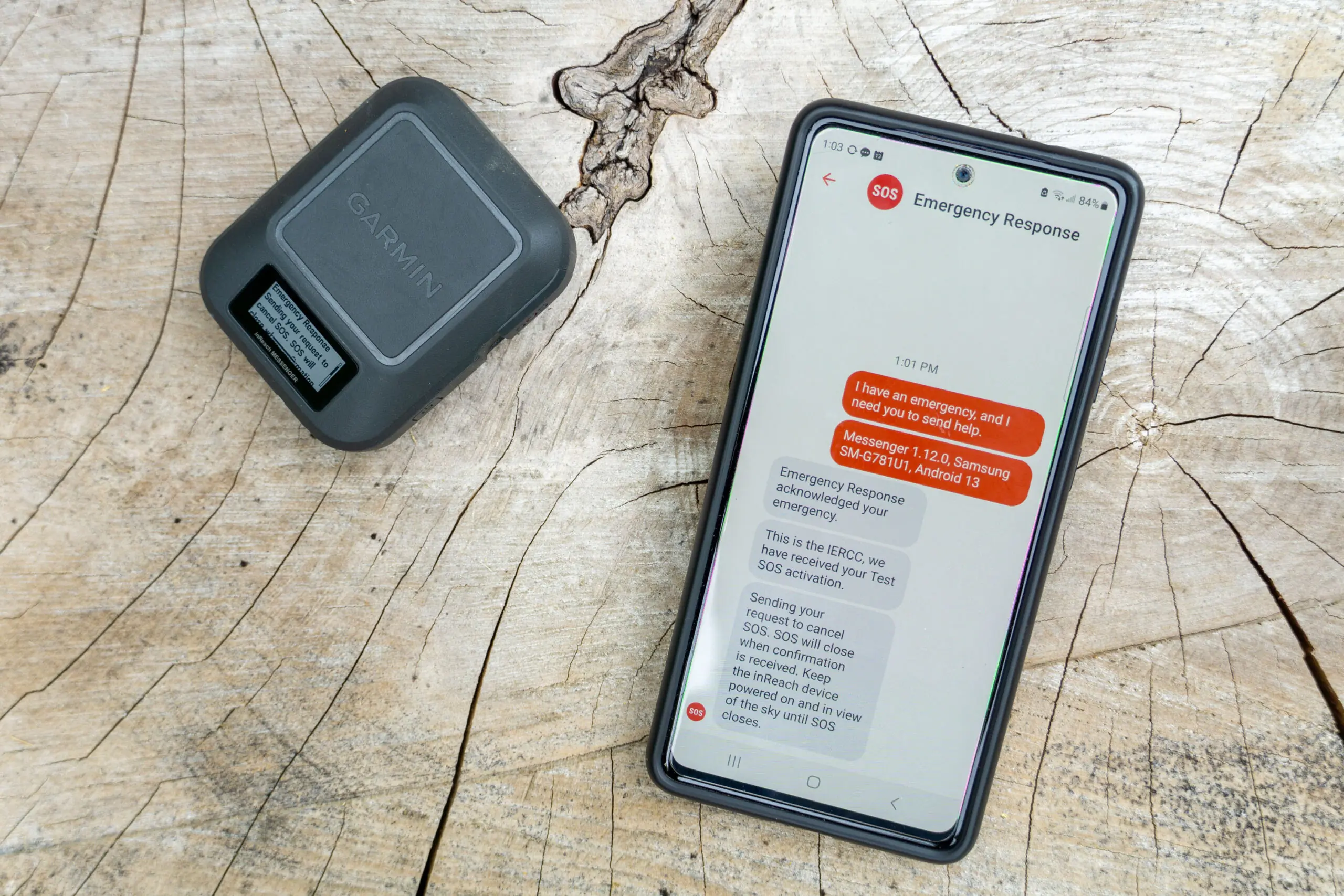
Best Battery Life: Garmin inReach Messenger
The Garmin inReach Messenger was designed for the "set it and forget it" crowd. While the Mini 2 is built for the gram-counters, the Messenger is built for endurance. During a 20-day expedition in the Brooks Range, I didn't have to charge this unit once. It boasts a staggering 28-day battery life in standard tracking mode.
One feature I’ve come to rely on is "Seamless Messaging." Through the Garmin Messenger app, the device automatically switches between Wi-Fi, Cellular, and Satellite. If you’re walking in and out of cell service, the device handles the transition so you’re always using the cheapest and fastest data available. It also features "Reverse Charging," allowing you to plug your dying smartphone into the Messenger to give it just enough juice to send that one critical text.
Pros:
- Industry-leading battery life.
- USB-C charging and phone-charging capability.
- Very robust, rugged housing.
Cons:
- Small, basic screen.
- Less intuitive for on-device navigation compared to the Mini 2.
Shop Garmin inReach Messenger →
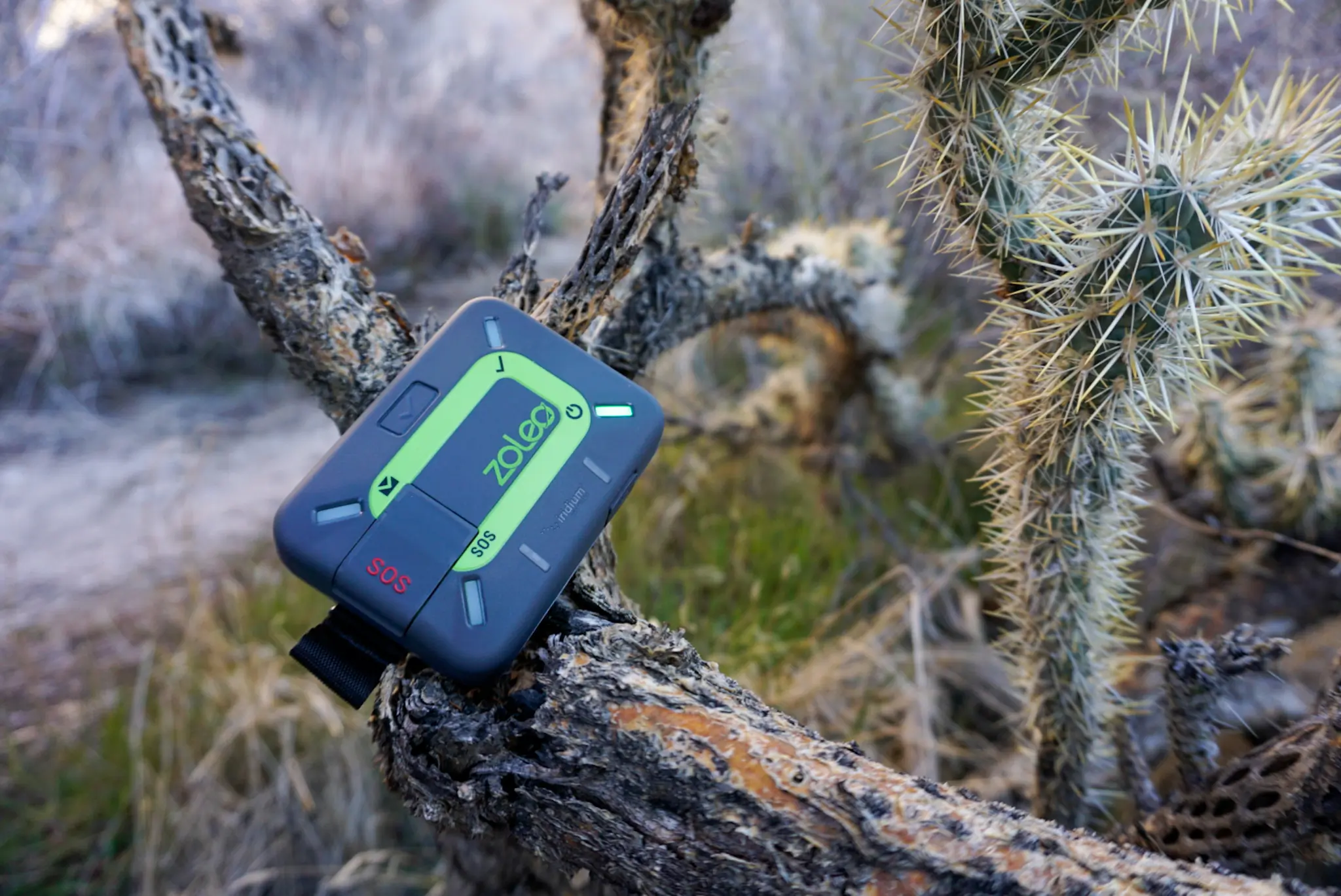
Best Budget Satellite Messenger: Zoleo Satellite Communicator
If the $400 price tag of the Garmin units makes your wallet ache, the Zoleo is your answer. Retailing around $200, it offers the same Iridium network reliability but relies heavily on your smartphone for the interface.
What sets Zoleo apart—and why I often recommend it to solo travelers—is that it gives you a dedicated SMS number and email address. When you message your family, it comes from the same number every time, which prevents the confusion of "Who is this random satellite number?" messaging. It also supports 900-character messages, far exceeding the standard 160-character limit of most competitors.
Pros:
- Affordable entry price.
- Dedicated phone number for easy contact.
- Longer message character limits.
Cons:
- Limited standalone use (you really need your phone).
- Slightly bulkier than the inReach Mini 2.
Best for Navigation: Garmin GPSMAP 67i
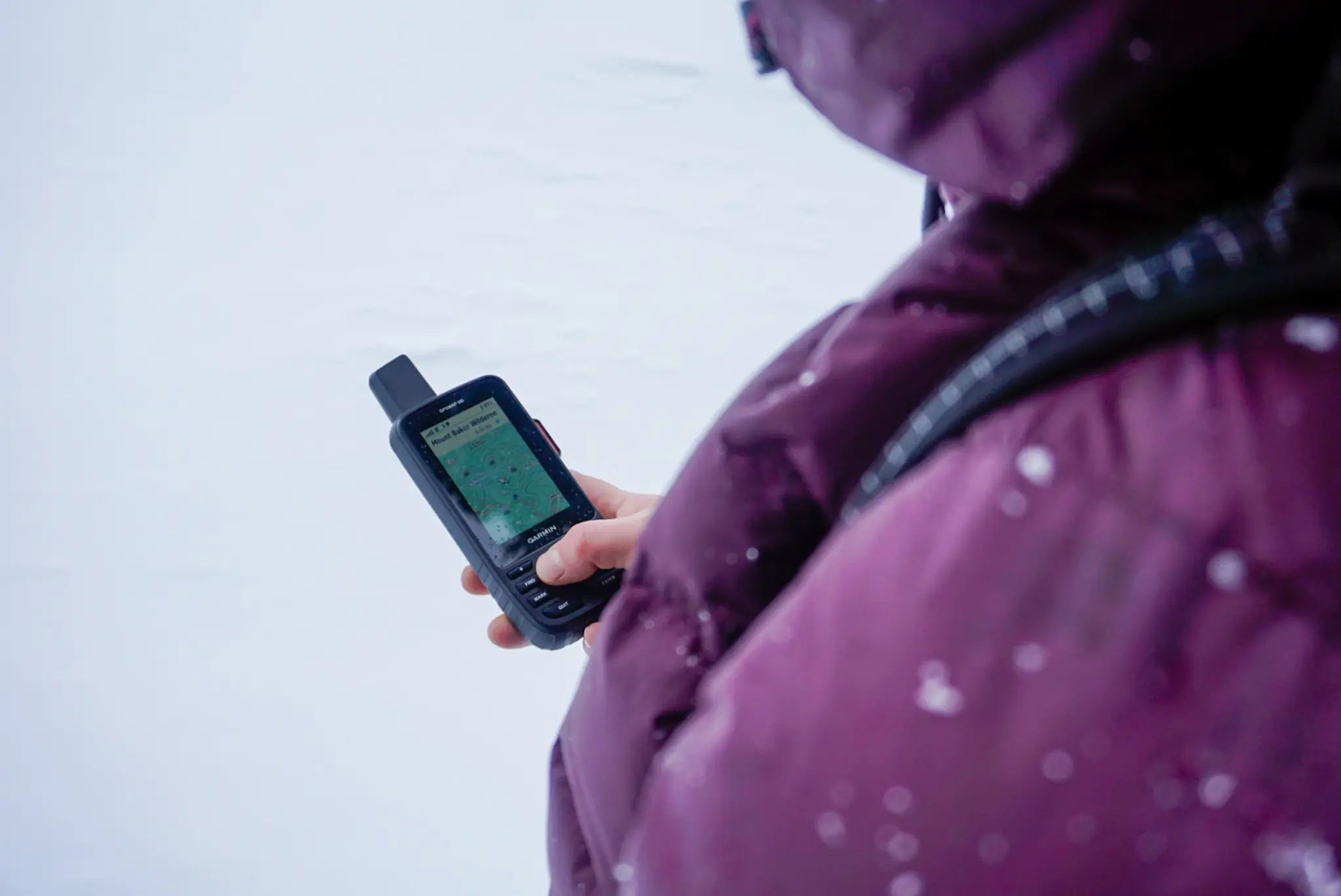
For those who venture off-trail or lead group expeditions, a small screen with a blinking dot isn't enough. The GPSMAP 67i is a beast. It combines the full communication power of an inReach with a professional-grade handheld GPS.
Equipped with a 3-inch color display and preloaded TopoActive maps, this is the tool I reach for when I'm bushwhacking through dense forest where trail markers are non-existent. It uses Multi-band GNSS technology, which means it pulls from multiple satellite systems simultaneously to give you a pinpoint location even in deep canyons or under heavy tree cover.
Pros:
- Large, sunlight-readable display.
- Superior mapping and navigation tools.
- Military-grade durability (MIL-STD-810).
Cons:
- Heavy (8.1 oz).
- Expensive hardware and subscription.
Best Personal Locator Beacon (No Subscription): ACR rescueME PLB1
There is a fundamental difference between a satellite messenger and a Personal Locator Beacon (PLB). A Messenger is a lifestyle tool for checking in and getting weather; a PLB is a "break glass in case of emergency" tool. The ACR rescueME PLB1 is the best in this category because it requires zero monthly fees.
You buy the device, register it with NOAA for free, and shove it in the bottom of your pack. It sits there for 7 years on its original battery. If you ever find yourself in a life-or-death situation, you deploy the antenna and hit the button. It sends a powerful 406 MHz signal to the Cospas-Sarsat satellite system, which is monitored by government agencies. Note: There is no two-way texting. You hit the button, and help comes.
Pros:
- No subscription fees ever.
- Powerful signal that works where others might fail.
- Long 7-year battery life.
Cons:
- No "I'm okay" messages or weather updates.
- One-time use (needs battery replacement after activation).
The Future of Connectivity: iPhone and T-Mobile/SpaceX
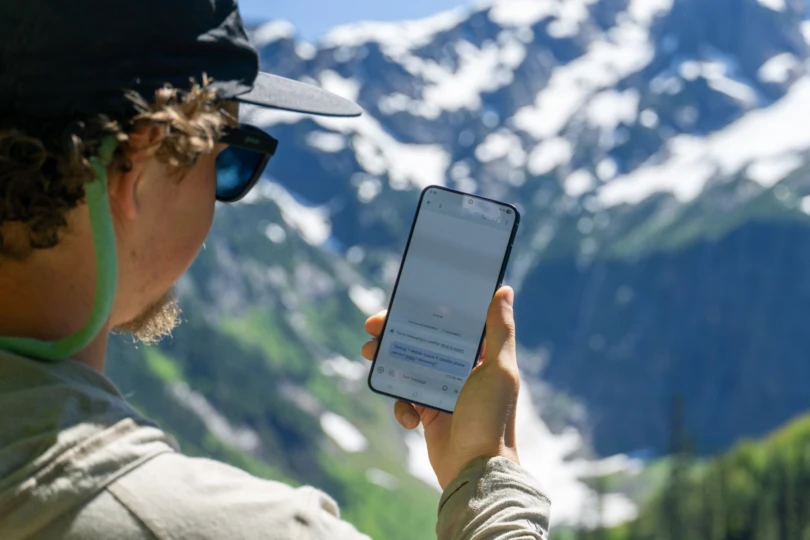
We can't talk about 2025 without mentioning the elephant in the room: smartphones. With Apple’s Emergency SOS via Satellite and the growing partnership between T-Mobile and SpaceX (Starlink), the lines are blurring.
However, after testing these smartphone features alongside dedicated units, my verdict remains: Don't ditch your dedicated messenger yet. Smartphones are fragile, their batteries drain in a day with GPS usage, and their internal antennas are tiny. A dedicated device like an inReach is built to survive a 10-foot drop into a stream and keep transmitting for a week. Your iPhone is a great backup, but the Mini 2 is your primary lifeline.
Buyer's Guide: How to Choose Your Lifeline
Choosing a device comes down to your "Risk vs. Utility" profile. Ask yourself: Do I just need to call for help, or do I want to tell my partner I'll be late for dinner?
Understanding Satellite Networks
- Iridium: Global, pole-to-pole. Used by Garmin and Zoleo. Best for deep valleys and high latitudes.
- Globalstar: Used by SPOT. Good coverage in most of the US and Europe, but has gaps in more remote global regions.
- Cospas-Sarsat: The government-run system used by PLBs. Extremely high-powered and reliable, but for SOS only.
Subscription Cost Comparison
Most messengers require an activation fee (approx. $30) and a monthly plan.
| Plan Type | Estimated Monthly Cost | Best For |
|---|---|---|
| Garmin Freedom (Safety) | $14.95 | Seasonal hikers; can be suspended. |
| Zoleo Basic | $20.00 | Consistent year-round messaging. |
| PLB Registration | $0.00 | Emergency use only; extreme budget. |
Weight vs. Features
For a weekend warrior, the Zoleo is perfect. For a thru-hiker where every ounce counts, the inReach Mini 2 is the winner. If you are doing vehicle-based overlanding or remote hunting where weight isn't an issue, the GPSMAP 67i provides the best situational awareness.
Conclusion
In the backcountry, communication is more than a convenience—it's a safety redundant system that brings peace of mind to you and your loved ones. After 5,000 miles of testing, the Garmin inReach Mini 2 remains our top recommendation for most adventurers due to its weight and reliability. However, if you are looking to avoid monthly bills and only care about the SOS function, the ACR rescueME PLB1 is an unbeatable value.
Whichever you choose, take the time to learn the interface before you're at the bottom of a ravine. Adventure is about taking risks, but it's also about having the wisdom to manage them.
FAQ
Q: Do satellite messengers work in thick tree cover? A: They struggle. While the Iridium network is robust, dense canopy or deep granite walls can block the signal. Always try to find a clear "window" of sky for the best results.
Q: Can I share a subscription between two devices? A: Generally, no. Most plans are tied to a specific IMEI (the device's unique ID). You would need two separate plans for two devices.
Q: Is the SOS feature on the iPhone 15/16 as good as an inReach? A: No. While it's an excellent backup, the iPhone lacks the battery life, ruggedness, and external antenna power to be a primary backcountry safety tool.
Q: What happens when I hit the SOS button? A: Your coordinates and emergency info are sent to a 24/7 monitoring center (like Garmin Response). They coordinate with local Search and Rescue (SAR) teams to dispatch help to your location.
Found this guide helpful? Check out our other Expert Gear Reviews to prepare for your next expedition.