As a parent, my heart heavy when I write this. We often head to our National Parks to find peace, to reconnect with our children, and to marvel at the raw beauty of the American West. But the recent news from Utah serves as a stark, sobering reminder that nature is as indifferent as it is beautiful. At Canyonlands National Park, the majesty of the "Island in the Sky" district has been clouded by tragedy, and it is our responsibility as visitors—and especially as parents—to understand the risks before we ever pull into the visitor center parking lot.
⚠️ Safety Warning & Critical Updates
- The Canyonlands Incident: A mother and her 6-year-old son were found dead in the Island in the Sky district of Canyonlands National Park on January 8, 2026, in an incident authorities are currently investigating as a murder-suicide.
- Backcountry Road Hazards: Safety on Canyonlands' backcountry roads like Shafer Trail requires high-clearance 4WD vehicles, strict adherence to speed limits, and total preparation for narrow switchbacks without cell service.
- Extreme Temperature Shifts: Winter visitors must prepare for temperatures between 0 and 50 degrees Fahrenheit, while summer hikers must carry extra water for temperatures regularly exceeding 100 degrees.
- Permits & Connectivity: Backcountry roads like White Rim and Elephant Hill require specific permits and 4-wheel drive; 0% of these areas offer reliable emergency cell service.
The Canyonlands Incident: A Somber Reminder for Visitors
The news that broke on January 8, 2026, has shaken the outdoor community and traveling families alike. In the Island in the Sky district—the most visited area of Canyonlands—a mother and her 6-year-old son were discovered deceased near the Shafer Trail. While the investigation by the National Park Service and local authorities is ongoing, it is currently being treated as a murder-suicide.
This tragedy highlights the isolation of these vast landscapes. While we often think of National Parks as curated "playgrounds," they are massive, wild territories where help is often hours, if not days, away. The Shafer Trail area is iconic for its dramatic drop-offs and winding switchbacks, a place where the scale of the earth feels overwhelming.

When we travel with our little ones, the emotional and physical toll of the desert can be unexpected. It is vital to check in with yourself and your family members, ensuring that everyone is mentally and physically prepared for the isolation that comes with Utah’s high desert.
Navigating Canyonlands Safety: District by District
Canyonlands is not a single park experience; it is divided into four distinct districts by the Green and Colorado Rivers. Each offers a different level of risk and required expertise.
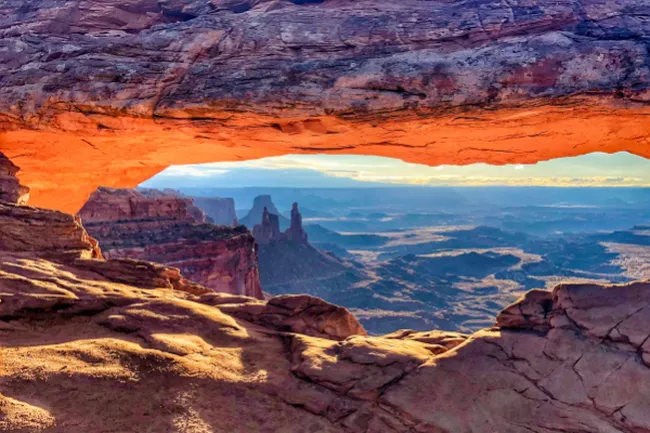
Island in the Sky is the most accessible. It sits on a massive mesa with sheer cliffs dropping 1,000 feet to the surrounding terrain. For families, this is where the "deceptive" nature of the park is most prevalent. The trails are often flat and easy to walk, leading right to the edge of unprotected overlooks. I always tell my kids: "The rock you see is not always the rock you stand on." Undercutting and erosion mean that some edges are much more fragile than they appear.
The Needles district offers more rugged, backcountry-style hiking. Here, the challenge is orientation. The landscape is a maze of sandstone spires and deep canyons where GPS often fails and cairns (small rock piles) are your only guides. If you are taking kids here, they need to be experienced hikers who understand the importance of staying on the trail to avoid getting lost in the heat.
The Maze is the least accessible district. Less than 2% of Canyonlands visitors ever reach this area because it requires high-level self-sufficiency and high-clearance 4WD vehicles. It is not recommended for casual family trips or those without extensive desert survival training.
Seasonal Survival: Extreme Temperatures and Weather
The high desert is a land of extremes. In my years of editing family travel guides, the most common mistake I see is underestimating the "swing" in temperature.
Winter Safety (November–February)
Winter in Canyonlands is quiet and hauntingly beautiful, but it is dangerous for the unprepared. Temperatures regularly fluctuate between 0°F and 50°F. If you are hiking with children, remember that they lose body heat faster than adults. Ice often forms on the shaded northern slopes of trails, turning a simple walk into a slip hazard over a thousand-foot drop.
Summer Safety (June–August)
In the summer, the Island in the Sky district frequently sees temperatures exceeding 100°F. On unshaded trails, the sun reflects off the slickrock, creating an oven-like effect. Water access is the primary survival factor for 100% of hikers in these conditions. If you run out of water here, you are in immediate, life-threatening danger.
The Danger of Flash Floods
Even if the sky above you is blue, a storm miles away can send a wall of water, mud, and debris through a canyon in seconds. "Turn Around, Don't Drown" isn't just a catchy phrase; it's a rule of life in Utah. If you see rushing water or hear a low rumble like a freight train, move to higher ground immediately.
The Backcountry Road Rules: Shafer Trail & White Rim
If you’ve seen photos of Canyonlands, you’ve likely seen the switchbacks of the Shafer Trail. It is a masterpiece of engineering, but it is not a road for the faint of heart or the under-equipped.
Safety on these roads requires more than just a standard SUV. You need a high-clearance vehicle with true 4-wheel drive (4WD)—all-wheel drive (AWD) often lacks the torque and clearance needed for the deep sand and rocky ledges of the White Rim Road or Elephant Hill.
Critical Backcountry Facts:
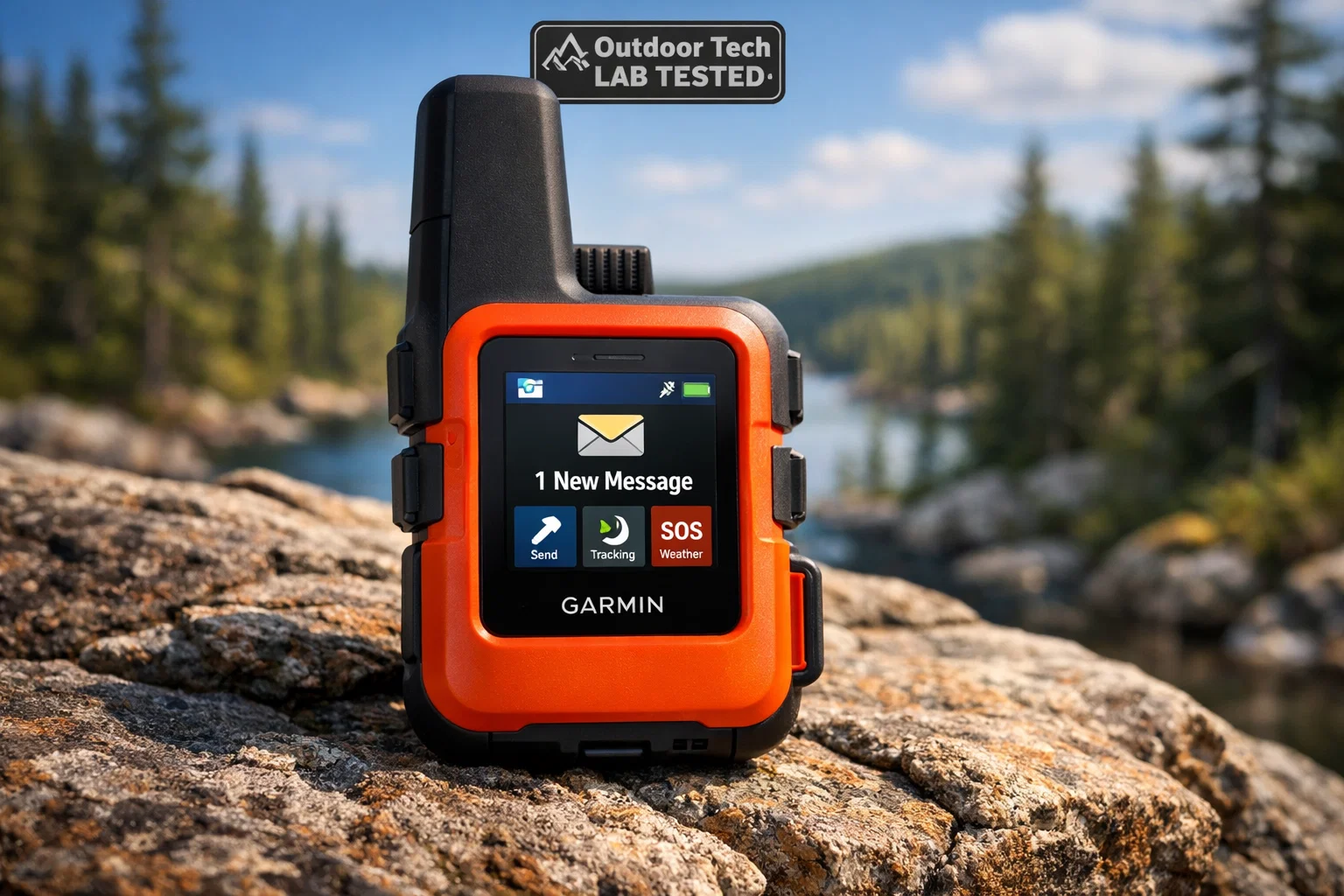
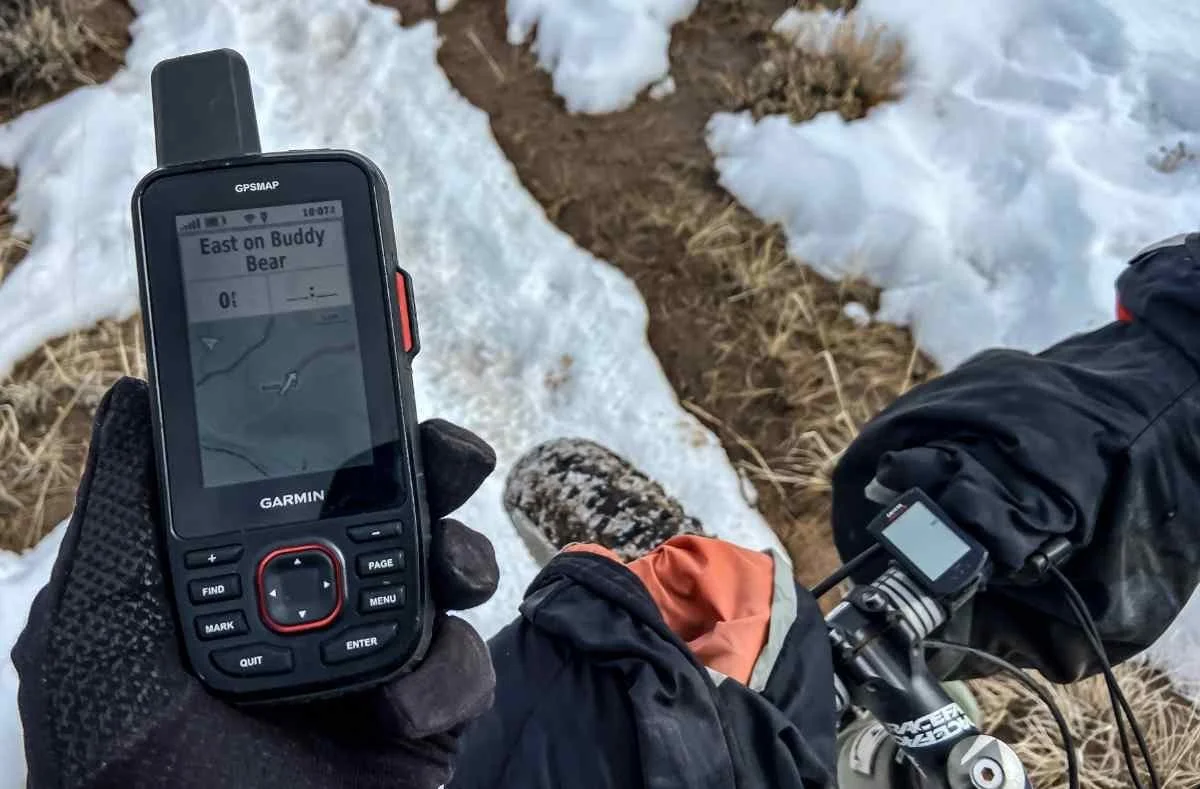
- No Service: 0% of these backcountry areas offer reliable emergency cell service. If your vehicle breaks down or you have a medical emergency, you are reliant on passersby or your own emergency satellite messenger (like a Garmin inReach).
- Permits: You must have a permit for any overnight backcountry trip or for day-use on specific roads like the White Rim.
- Speed Limits: Adhering to the 15 mph limit isn't just about the law; it's about preserving your tires. A blowout on a 20% grade switchback can be fatal.

Hydration and Nutrition: The Desert's Non-Negotiables
As a mom, I’m used to packing snacks, but in the desert, "snacks" are a survival tool. When you sweat in the desert, it evaporates so quickly you might not even realize you’re losing fluids. This leads to rapid dehydration and electrolyte imbalance.
- Water Intake: The National Park Service recommends at least 1 gallon (4 liters) of water per person per day. For kids, ensure they are drinking small amounts constantly rather than chugging a whole bottle once they feel thirsty. By the time they feel thirsty, they are already dehydrated.
- Salty Snacks: Drinking water alone isn't enough. You must replace the salts lost through sweat to prevent hyponatremia. Pretzels, trail mix with salt, and electrolyte powders are essential in your pack.
Summer vs. Winter Packing Essentials
| Item | Summer Necessity | Winter Necessity | Sophia’s Pro-Tip |
|---|---|---|---|
| Water | 4+ Liters per person | 2-3 Liters per person | Use insulated bottles to keep water from freezing or boiling. |
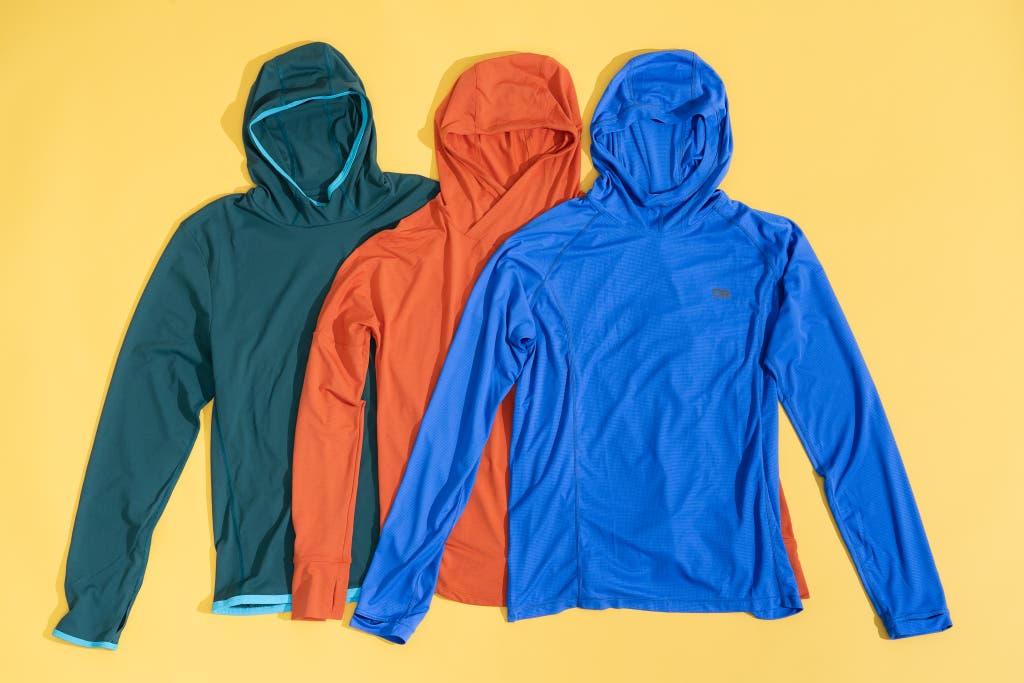
| Clothing | Lightweight, UV-rated long sleeves | Moisture-wicking layers + Down jacket | Avoid cotton! It stays wet and makes you colder/hotter. |
| Footwear | Breathable hiking boots | Insulated, waterproof boots | Bring extra socks for the kids in case of puddles. |
| Navigation | Offline GPS + Paper Map | Offline GPS + Paper Map | Don't rely on Google Maps; download NPS maps offline. |
| Emergency | Cooling towels / Salt tabs | Emergency Mylar blankets | A simple whistle can save a lost child's life. |
The Parent’s Packing List: The 10 Essentials
When I pack for my family, I don't just think about the "fun" stuff. I follow the NPS "10 Essentials" list, modified for a parent's peace of mind:
- Navigation: A physical topographic map and a compass. (And yes, teach your kids how to use them!)
- Sun Protection: Sunscreen, polarized sunglasses, and wide-brimmed hats.
- Insulation: Even in summer, desert nights can be chilly.
- Illumination: Headlamps for everyone (it's much harder to walk on a cliff edge in the dark).
- First Aid: Including tweezers for cactus spines and moleskin for blisters.
- Fire: A lighter or waterproof matches (for emergency signaling/warmth only).
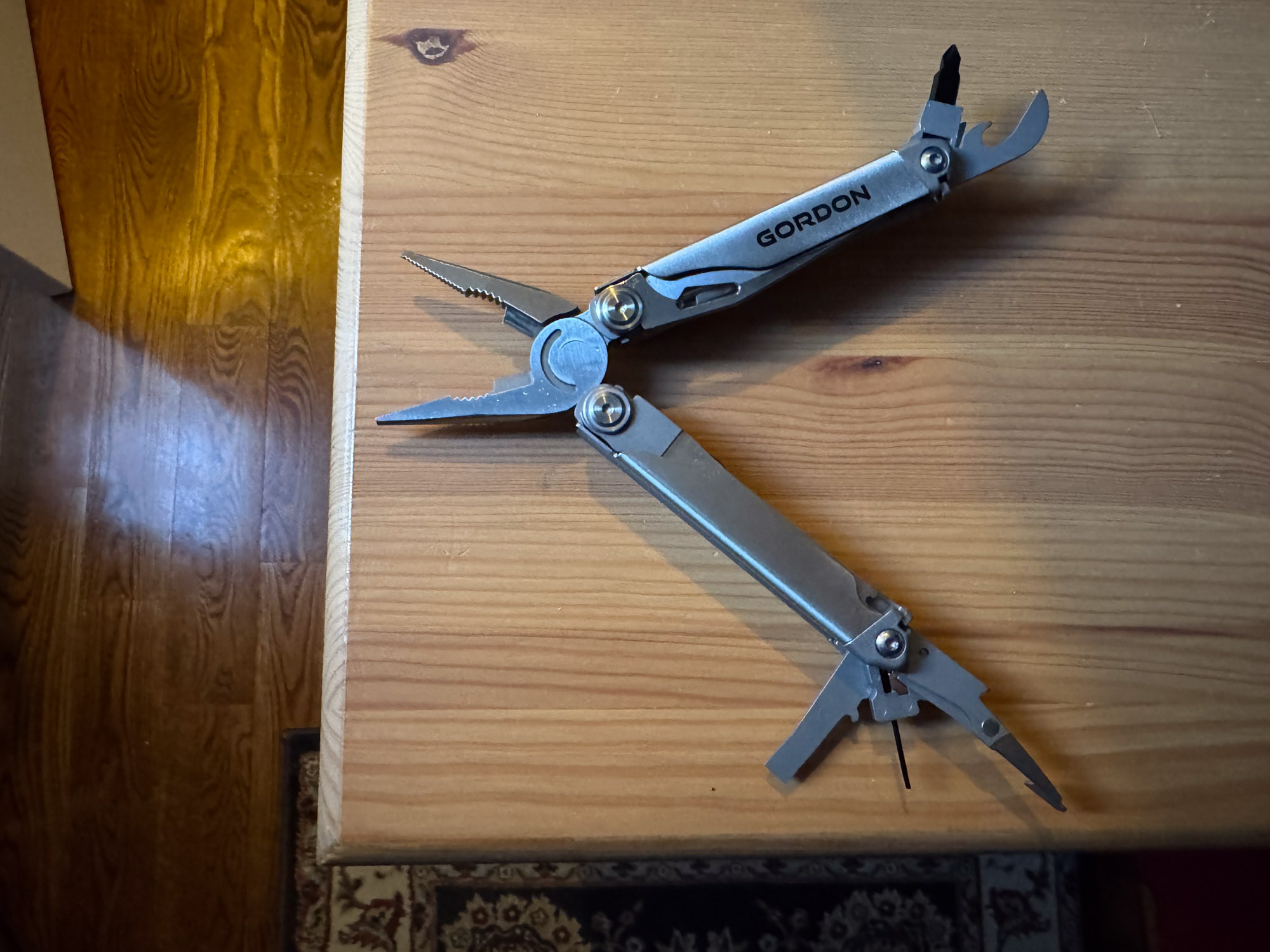
- Repair Kit: Duct tape and a multi-tool.
- Nutrition: Extra food (at least one day's worth).
- Hydration: Extra water and a way to purify more if found.
- Emergency Shelter: A lightweight bivy or even a large heavy-duty trash bag.
Wildlife and Environment Etiquette
We are guests in the home of some very resilient creatures. While seeing a bighorn sheep is a highlight of any trip, safety requires distance.
- Large Mammals: Stay at least 150 feet (about three school bus lengths) away from Black Bears or Bighorn Sheep.
- Small Creatures: Give snakes and lizards at least 75 feet of space. Never reach into rock crevices where a rattlesnake or scorpion might be resting.
- Leave No Trace: This isn't just about trash. It's about protecting the "cryptobiotic soil"—the black, crusty dirt that is actually a living community of organisms. One footstep can destroy decades of growth.
Frequently Asked Questions (FAQ)
Q: Is Canyonlands safe for young children? A: Yes, but it requires constant supervision. The Island in the Sky district has many accessible overlooks, but none of them have railings. If you have a "runner," use a child carrier or stay on the very wide, inland trails.
Q: Can I drive the Shafer Trail in a rental SUV? A: Most rental agreements actually prohibit driving on unpaved roads like Shafer Trail. Furthermore, most "Standard SUVs" are AWD, not 4WD. If you get stuck or damage the vehicle, the recovery fee can exceed $2,000, and your insurance likely won't cover it.
Q: What should I do if I get lost in the backcountry? A: S.T.O.P. (Sit, Think, Observe, Plan). Do not keep walking in hopes of finding the trail; you will likely get more lost. If you are in a vehicle, stay with it—it’s much easier for a search plane to find a car than a person.
A Final Word of Advice
The tragedy at Canyonlands is a heartbreak that reminds us how precious—and fragile—life is. When we take our families into the wild, we do so to teach them resilience, wonder, and respect for the world. Part of that respect is being prepared for the worst while hoping for the best.
Please, before you head out, check the weather, talk to a ranger, and listen to your gut. If a trail looks too steep or the heat feels too heavy, there is no shame in turning back. The canyons will still be there tomorrow.