Mountain biking has evolved. The bikes are faster, the terrain is more technical, and the risks associated with high-speed descents have never been higher. Yet, for many riders, the helmet remains an afterthought—an aging piece of Styrofoam purchased three seasons ago. In 2026, the industry has reached a tipping point where "passing standards" is no longer the benchmark for safety. Today, the focus has shifted toward how a helmet manages rotational forces and multi-velocity impacts.
Since 2014, our team has meticulously researched hundreds of models and impact-tested over 50 of the top mountain bike helmets to provide objective safety data. We don’t just look at the stickers on the shell; we partner with leading facilities like ACT Lab to subject these helmets to 14 mph drops onto flat anvils, simulating the brutal reality of a trail crash. Our 2026 findings reveal a significant stratification in performance, proving that price doesn't always correlate with protection.
Quick Results: The Safest MTB Helmets of 2026
For those looking for an immediate recommendation based on our 2026 lab data, the following table summarizes the top performers across our primary testing metrics.
| Helmet Model | Impact Score (1-10) | Weight (g) | Key Technology | Best For |
|---|---|---|---|---|
| Canyon Deflectr RLS | 9.1 | 415g | Release Layer System | High-Speed Impact |
| Lazer Coyote KinetiCore | 8.8 | 340g | KinetiCore Crumple Zones | Budget-Conscious Safety |
| POC Cularis | 8.7 | 433g | Mips Air Node / Aramid | Overall Trail Performance |
| Specialized Tactic 4 | 8.5 | 380g | Mips Evolve | All-Mountain Versatility |
| Giro Manifest Spherical | 8.4 | 346g | Spherical Technology | Ventilation & Comfort |
Best Overall Mountain Bike Helmet: POC Cularis
The POC Cularis has emerged as the most balanced helmet in our 2026 testing suite. Scoring an 8.7 in impact protection and a near-perfect 9.0 in ventilation, it represents the pinnacle of current helmet engineering. While other helmets might specialize in a single niche, the Cularis excels across the board, making it the definitive choice for the modern trail rider.
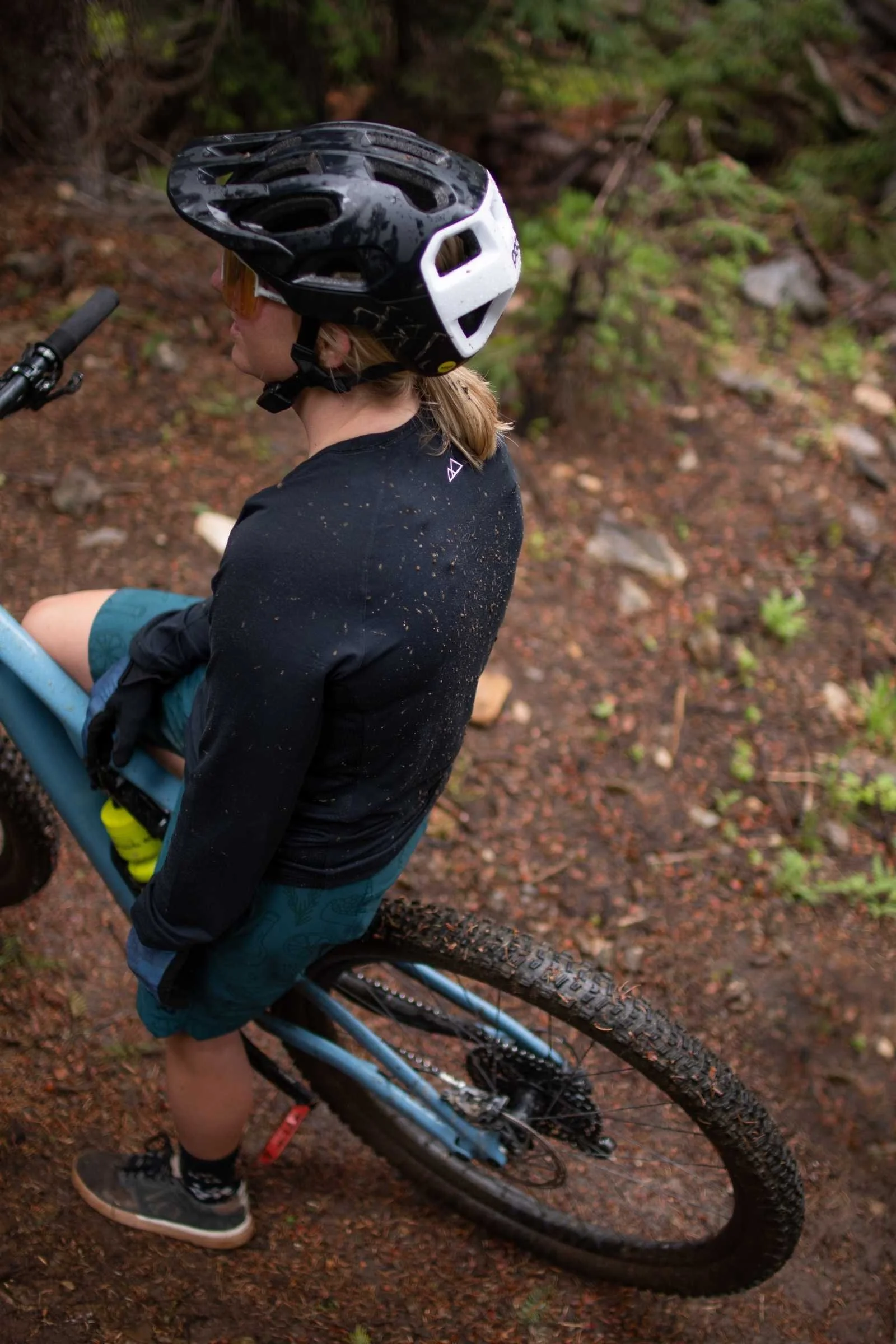
The Cularis utilizes the Mips Air Node system, which integrates rotational protection directly into the padding. This reduces bulk and improves airflow compared to older "plastic liner" designs. Our testers particularly noted the inclusion of Aramid bridges—structural reinforcements molded into the EPS liner—which prevent the helmet from splitting apart during secondary impacts. At 433 grams, it isn't the lightest on the market, but the weight is distributed so evenly that it disappears once the 360-fit system is dialed in.
From a subjective standpoint, the field experience matches the lab data. During long, grinding climbs in the Utah heat, the Cularis outperformed its competitors in heat dissipation. The massive internal channeling allows air to move over the scalp even at low speeds.
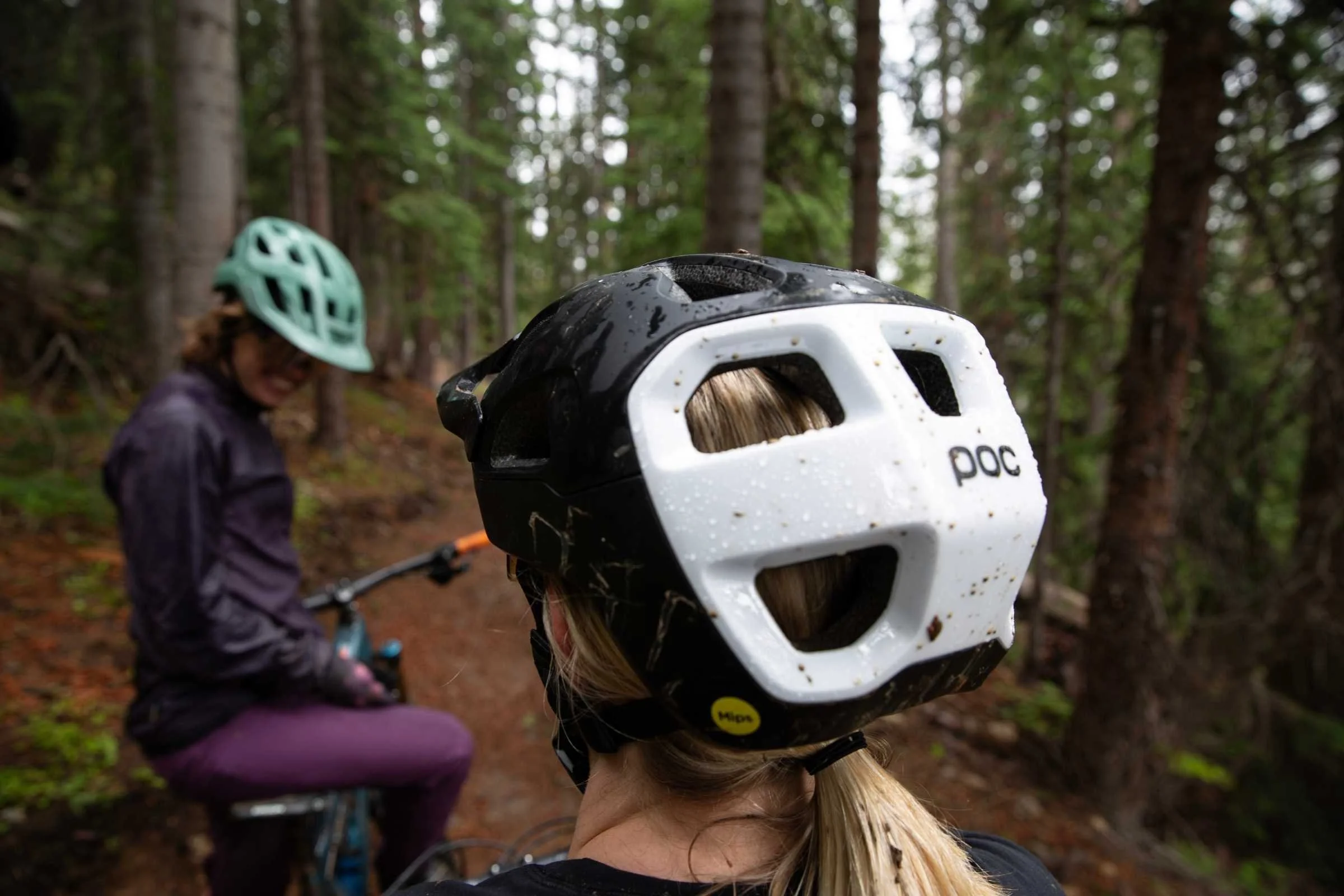
Tester Quote: "The Cularis is the first high-coverage helmet I've worn that doesn't feel like a greenhouse. Even on 90-degree days in Moab, the airflow was consistent, and the eyewear integration meant my Smith Wildcats never fogged up."
Top Performer in Fast-Impact Testing: Canyon Deflectr RLS
If your primary concern is maximum protection during high-velocity crashes, the Canyon Deflectr RLS is the undisputed champion of 2026. In our lab tests, it earned a top score of 9.1, specifically excelling in the fast-impact category.
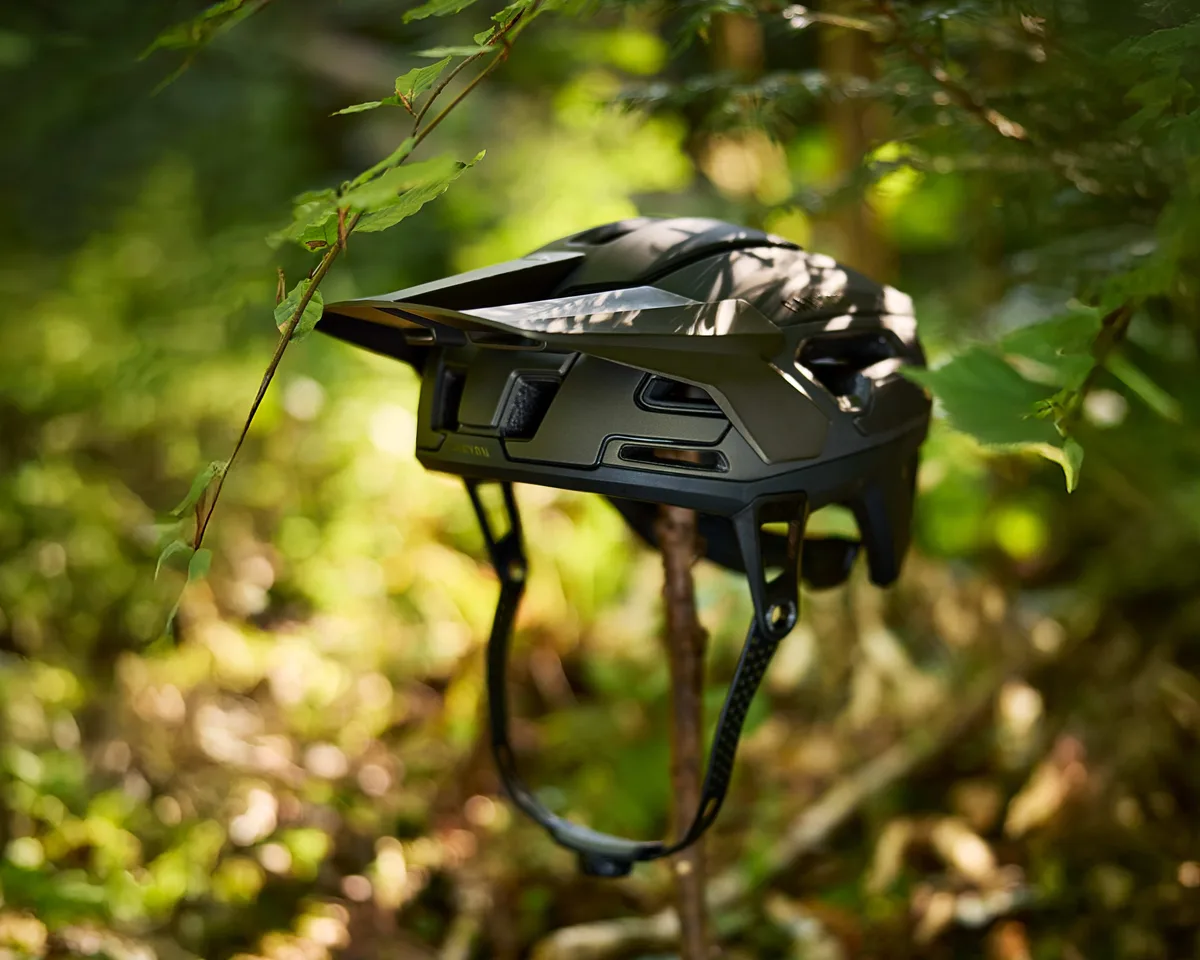
The secret to the Deflectr's success is the new Release Layer System (RLS). Unlike traditional Mips, which uses a slip-plane, RLS utilizes a series of micro-plastic ball bearings between two layers of EPS. This allows for multi-directional movement with significantly less friction during the critical first milliseconds of an impact. It is arguably the most sophisticated mechanical solution to brain shear we have ever tested.
However, high-end protection comes with trade-offs. The Deflectr features the "HighBar" chin strap system—a rigid plastic structure instead of traditional webbing. While this ensures the helmet remains perfectly positioned during a tumble, some of our testers found it restrictive or difficult to adjust with gloves on.
- Pros: Highest lab safety score (9.1); superior rotational force mitigation; exceptional build quality.
- Cons: HighBar system is polarizing; slightly heavier than minimalist trail lids.
Check Canyon Deflectr RLS Availability →
Best Budget MTB Helmet with MIPS: Lazer Coyote KinetiCore
One of the most surprising results of our 2026 testing was the performance of the Lazer Coyote KinetiCore. For riders on a budget, this helmet is a revelation. It scored an impressive 8.8 in overall impact tests—beating out several boutique helmets that cost triple its price.
Most notably, the Coyote KinetiCore achieved a 9.3 high-impact score in specific drop tests. Lazer achieves this through "KinetiCore" technology, which involves blocks of EPS foam built directly into the liner that act as "controlled crumple zones." Because the protection is integrated into the mold itself, it uses less plastic and results in a lighter, more breathable helmet.
In our comparisons, the Coyote KinetiCore proved that you don't need to spend $300 to get a 5-star Virginia Tech rating. It’s a no-nonsense, highly effective piece of safety equipment that prioritizes what matters: your head.
Shop Lazer Coyote KinetiCore →
The Technical Breakdown: MIPS vs. KinetiCore vs. RLS
Understanding the alphabet soup of helmet technology is vital for making an informed purchase. All three major systems aim to solve the same problem: rotational motion. When you hit the ground at an angle, your brain continues to move inside your skull, causing "shear" which leads to concussions.
- MIPS (Multi-directional Impact Protection System): The industry standard. It uses a low-friction layer to allow the helmet to slide 10-15mm during an impact. The 2026 "Integra" and "Air Node" versions are much more comfortable than original designs.
- KinetiCore: Lazer’s proprietary tech. Instead of an added layer, it uses "crumple zones" in the foam. It excels in ventilation because there is no plastic sheet blocking the vents.
- RLS (Release Layer System): Found in the Canyon Deflectr, this is the "next gen" of protection. It handles high-velocity impacts better than almost anything else by decoupling the outer shell from the inner liner via a mechanical bearing interface.
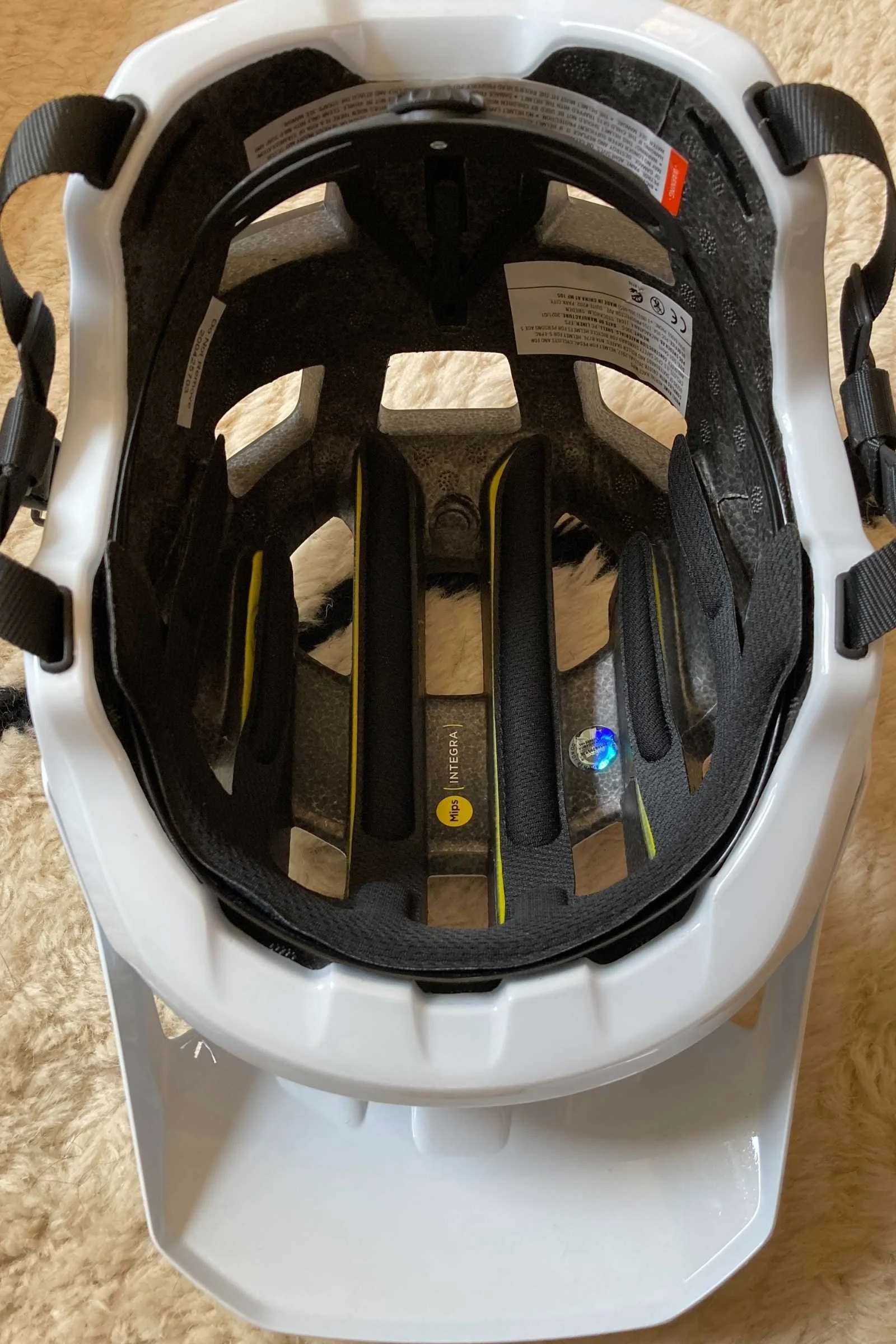
The significance of Virginia Tech 5-star ratings in 2026 cannot be overstated. We use these ratings as a baseline, but our internal scores go deeper into the "Usability" and "Durability" of these safety systems after multiple small knocks.
How We Tested: Lab Precision vs. Real-World Shredding
Our testing methodology is two-pronged. We believe that data without context is useless, just as subjective "vibes" without data are dangerous.
Lab Precision
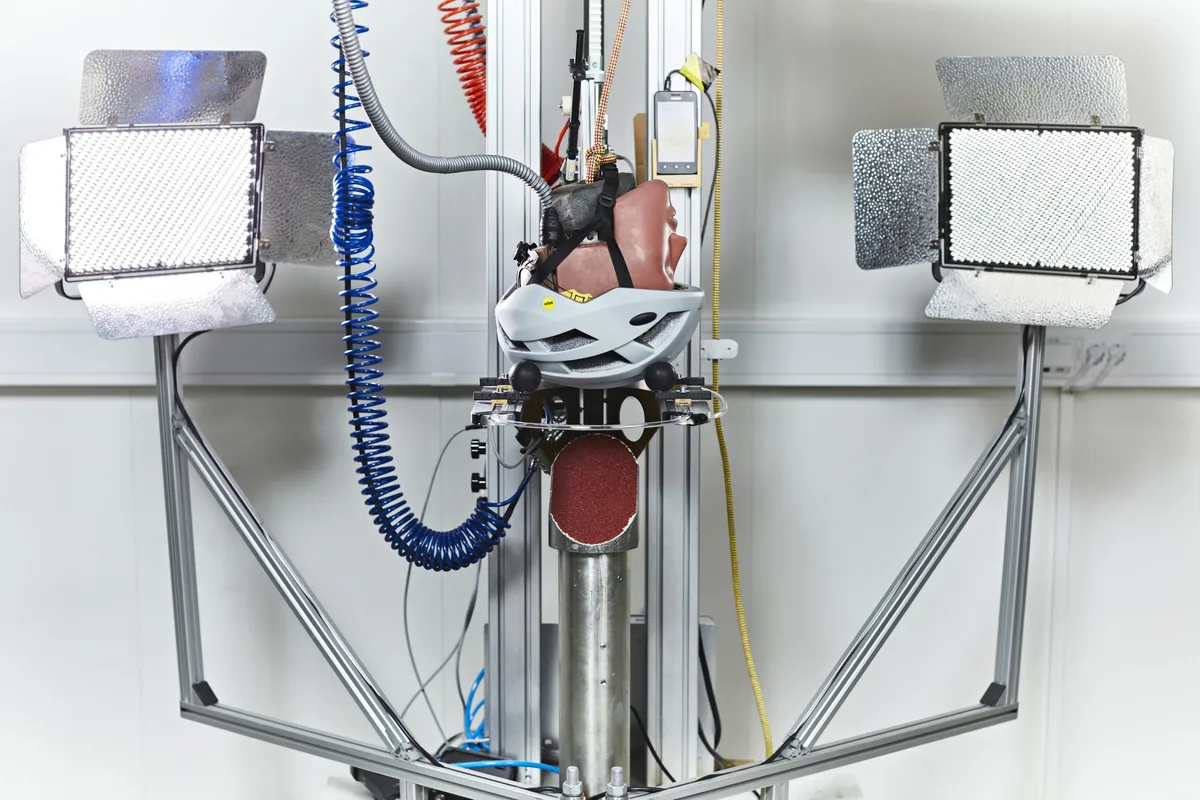
We partnered with ACT Lab to perform standardized drop tests. We drop each helmet from a height of two meters onto a flat steel anvil at an impact velocity of 14 mph. Sensors inside a dummy head-form measure peak linear acceleration (g) and rotational acceleration (rad/s²). We repeat these tests at various temperatures to ensure the EPS foam performs consistently in both freezing and scorching conditions.
Real-World Shredding
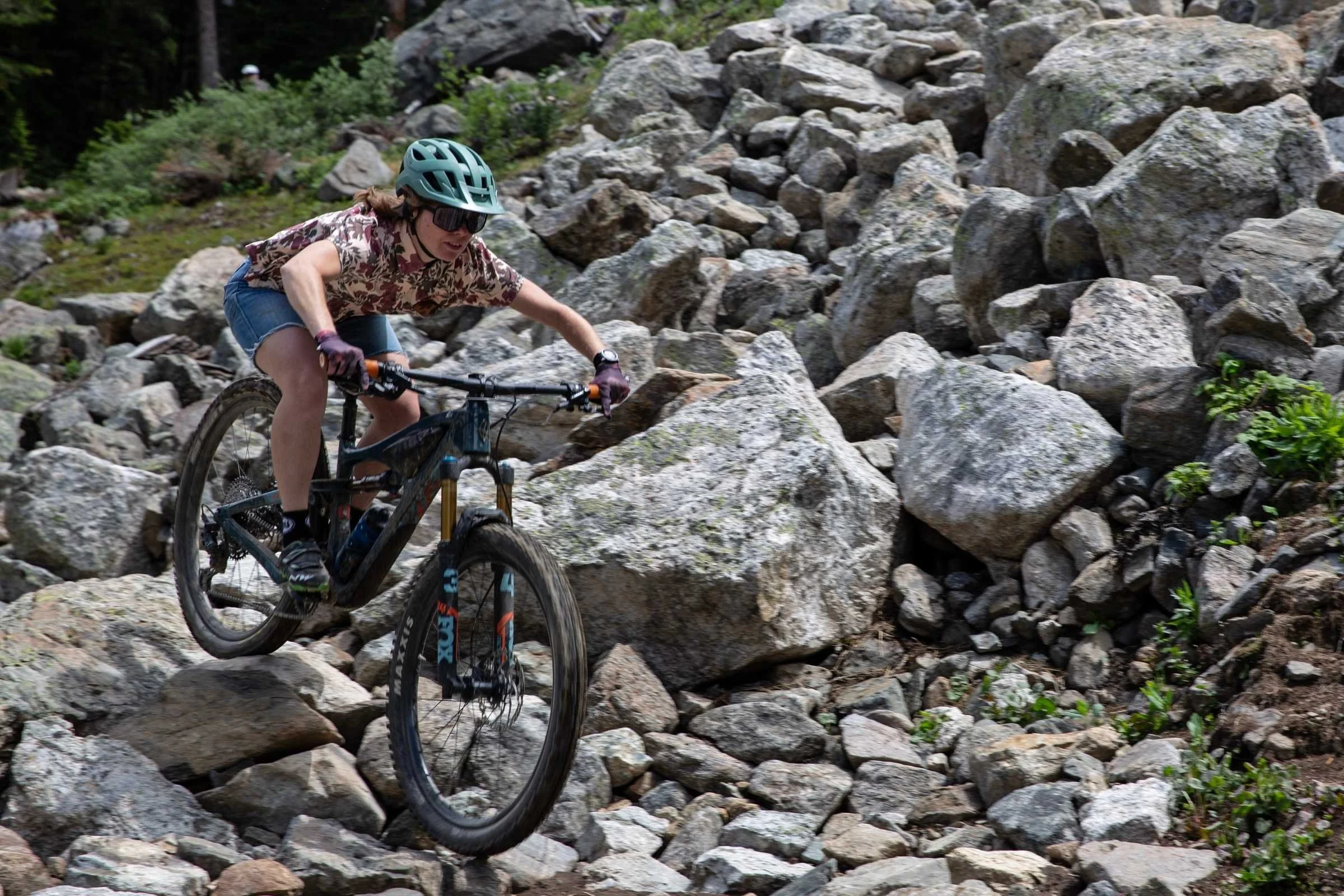
Once the lab data is in, we take the top performers to the trails. Our field testing regions span from the abrasive, high-traction slickrock of Moab, Utah, to the loose, rocky singletrack of the Colorado Rockies.
We evaluate:
- Strap Comfort: Does the Fidlock buckle pinch? Do the straps sit flat against the face?
- Goggle/Glasses Compatibility: Does the helmet "mushroom" and push your glasses down your nose?
- Wicking: How well does the brow pad prevent sweat from dripping into your eyes during a climb?
Buyer’s Guide: How to Choose Your Next Lid
When selecting a helmet in 2026, consider your riding style first. Safety is paramount, but a helmet you hate wearing is a helmet you won't use.
Coverage Types
- Half-Shell: The standard for most trail and XC riders. It offers a balance of weight and cooling.
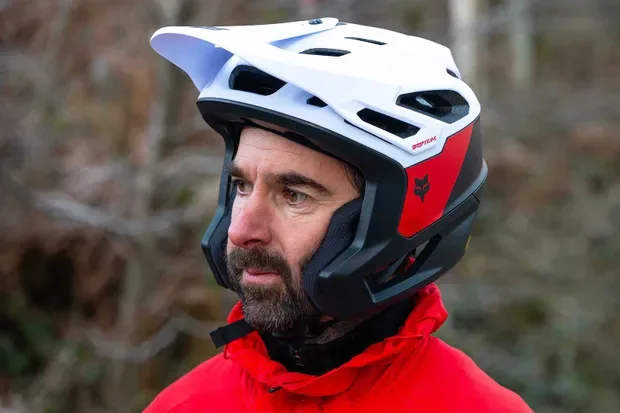
- Full-Cut (e.g., Fox Dropframe Pro): These extend over the ears and further down the back of the head. They are gaining massive popularity with "Enduro" riders who want more protection than a half-shell but don't want the chin bar of a full-face.
- Full-Face: Mandatory for bike parks and downhill racing.
Fit and Retention
A helmet only protects you if it stays on your head during a tumble. Look for systems like Giro’s Roc Loc or Specialized’s Mindset systems. These provide 360-degree tension, meaning the helmet is pulled toward the center of your head rather than just pushed against your forehead.
Feature Checklist
- Fidlock Buckles: Magnetic buckles that can be operated one-handed.
- Adjustable Visors: Essential for stowing goggles underneath during climbs.
- NFC/Crash Sensors: Some premium models now include Quin or ANGi sensors that can alert emergency contacts if you crash while riding solo.
FAQ
Q: How often should I replace my MTB helmet? A: Every 3 to 5 years, or immediately after any significant impact. EPS foam degrades over time due to UV exposure and sweat salt, losing its ability to compress properly during a crash.
Q: Does a more expensive helmet always mean more safety? A: Not necessarily. As our testing of the Lazer Coyote KinetiCore showed, a well-engineered budget helmet can outperform premium models. You often pay more for lighter weight, better ventilation, and more refined aesthetics, but safety "value" can be found at mid-range price points.
Q: Is MIPS still the best system? A: MIPS is excellent, but it is no longer the only game in town. Technologies like KinetiCore and RLS are proving to be equally, if not more, effective in certain impact scenarios.
Conclusion
The data is clear: 2026 has brought us the safest mountain bike helmets in the history of the sport. Whether you choose the technologically superior Canyon Deflectr RLS for high-speed protection, the POC Cularis for its peerless balance of comfort and safety, or the Lazer Coyote KinetiCore for its incredible value, the most important thing is that you wear one.
Your helmet is the only piece of gear that truly matters when things go wrong. Don't compromise on your safety—check your current helmet's age and consider upgrading to one of this year's top-tested models.