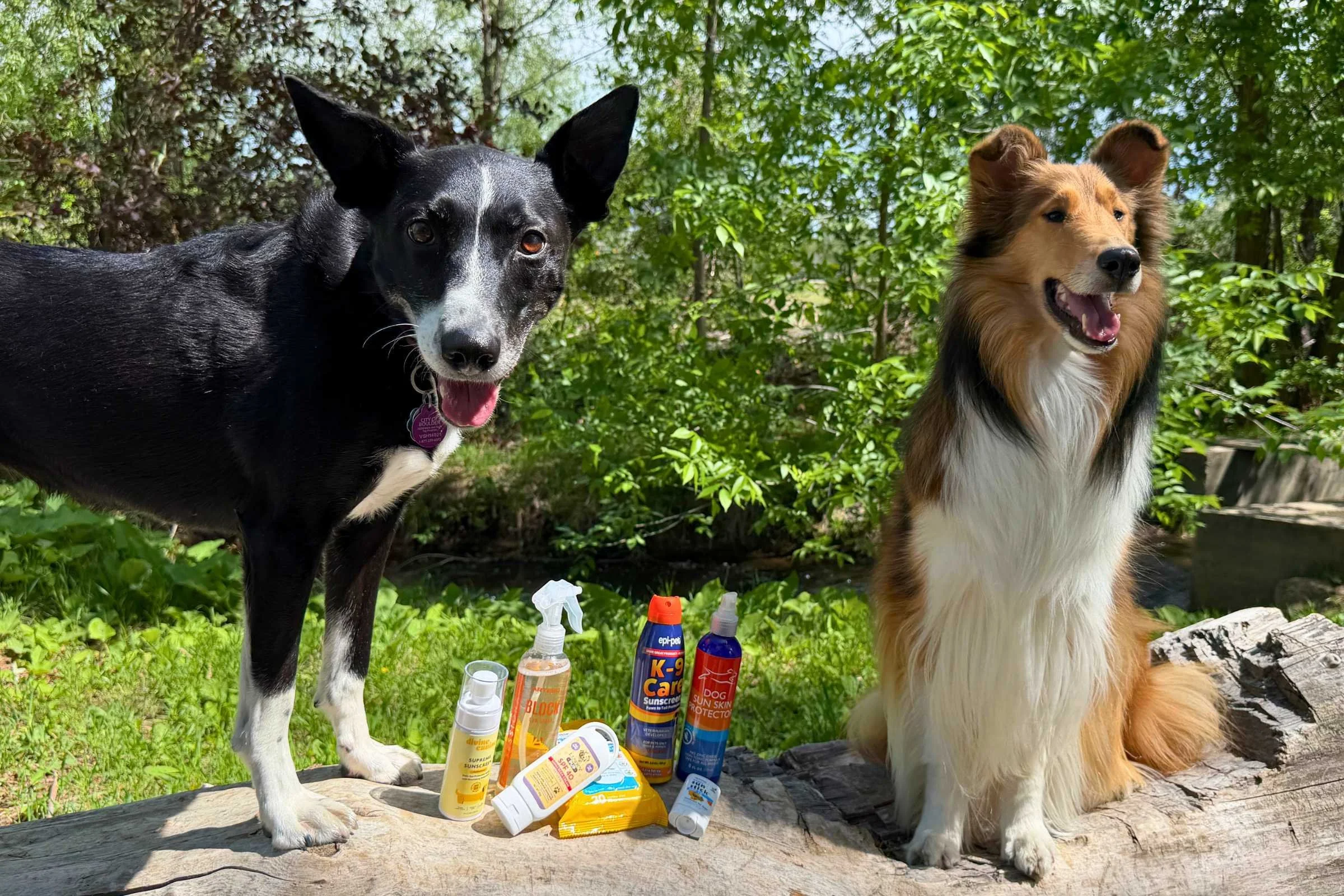
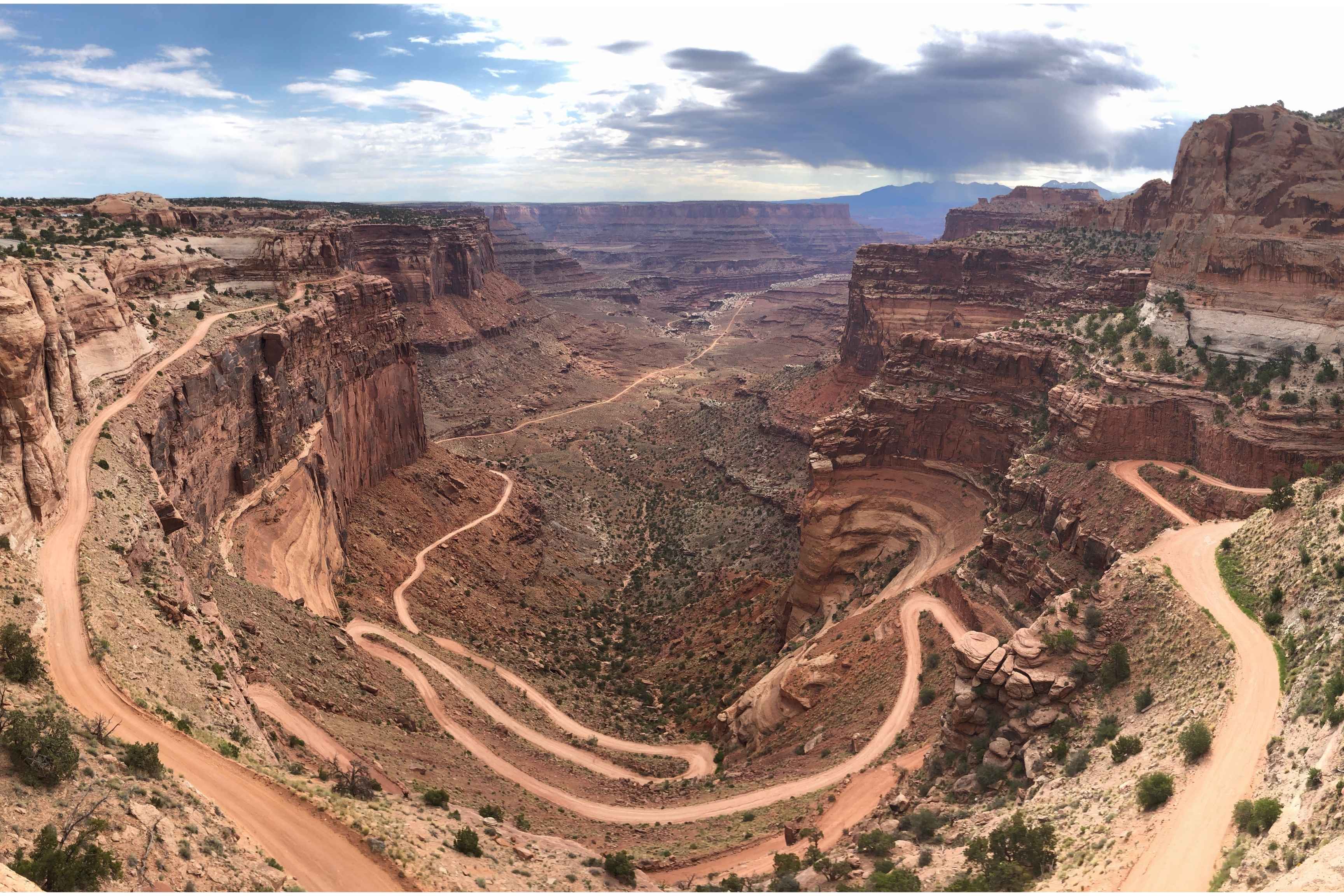
Imagine standing at the edge of the Rim Trail in the Grand Canyon. It’s 102 degrees, the shade is non-existent, and you’re about to apply your third layer of sticky, grit-filled sunscreen. Your eyes sting from the sweat-sunscreen cocktail running down your forehead, and deep down, you know you’ve already missed a patch on your shoulder that’s going to be a painful reminder of this trip for the next week.
There’s a better way. I call it "wearable shade."
In 2026, the technology behind sun-protective apparel has officially outpaced the bottle. Sun protection shirts are more effective than sunscreen because they provide consistent broad-spectrum protection against both UVA and UVB rays without the need for reapplication every two hours. While a standard cotton T-shirt provides a minimal UPF 5 protection (letting in a staggering amount of radiation), the high-performance shirts we recommend today offer UPF 50+ ratings. This means the fabric blocks approximately 98% of ultraviolet radiation, allowing only 1/50th of UV rays to reach your skin.
Our expert review team has rigorously field-tested over 70 different sun protection shirts since 2019, from the high-altitude peaks of the Rockies to the blistering salt flats of Utah, to determine the ideal balance of coverage, breathability, and durability.

The Top 3 Sun Hoodies at a Glance
| Feature | REI Co-op Sahara Shade (Best Overall Men) | MH Crater Lake (Best Overall Women) | BD Alpenglow Pro (Best Technical) |
|---|---|---|---|
| UPF Rating | 50+ | 50+ | 50+ |
| Weight | 8.5 oz | 5.5 oz | 6.7 oz |
| Fabric | 92% Polyester / 8% Spandex | 88% Polyester / 12% Elastane | 92% Nylon / 8% Elastane |
| Best Use | Hiking, Casual, Travel | High-Heat Hiking, Climbing | Alpine Climbing, Backpacking |
The Best Overall Sun Protection Shirts
1. Best for Men: REI Co-op Sahara Shade Hoodie
For 2026, the REI Co-op Sahara Shade Hoodie remains the undisputed king of the trail. The reason is simple: it doesn't feel like a "technical" garment. It has a T-shirt-like comfort that makes it just as viable for a post-hike burger as it is for a 20-mile trek. The fabric is soft against the skin, avoiding that "plasticky" feel that plagues cheaper synthetics. We’ve found the hood design is perfectly deep, providing ample peripheral vision while shielding your neck and ears.
- Why we love it: It hits the "Goldilocks" zone of weight and durability. The thumb loops are low-profile, and the hood cinch actually stays put in a headwind.
- Who it is best for: Hikers and travelers who want one shirt that does everything without looking like an astronaut.
Expert Tip: The Sahara Shade runs slightly relaxed. If you prefer a performance fit for climbing or running, consider sizing down.
| Pros | Cons |
|---|---|
| Exceptional "buttery" skin-feel | No zippered security pockets |
| Affordable compared to boutique brands | Can feel slightly heavy when soaking wet |
| Excellent hood coverage with cinch |
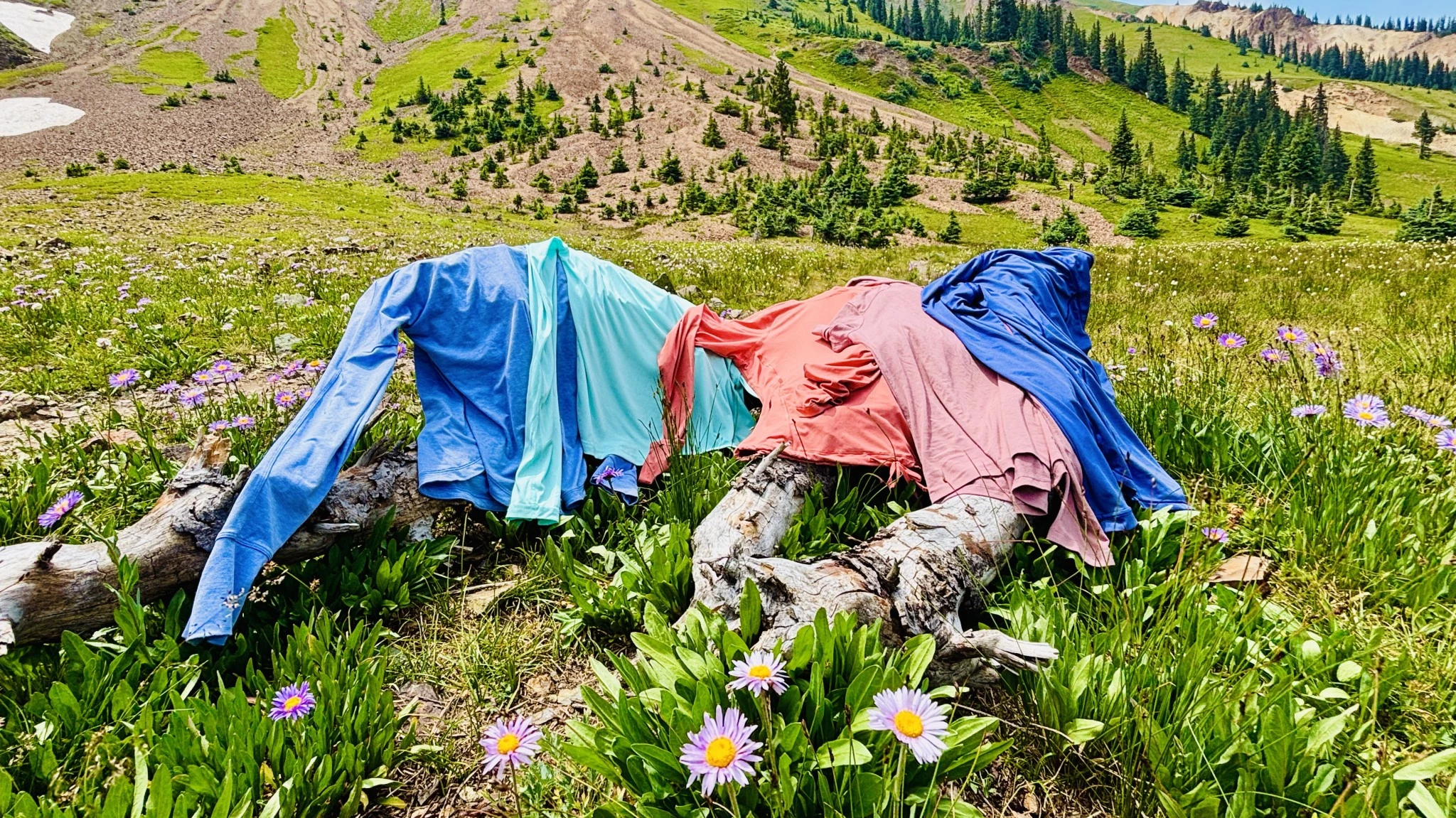
2. Best for Women: Mountain Hardwear Crater Lake Hoody
When the mercury hits triple digits, the Mountain Hardwear Crater Lake Hoody is what I hand to my female expedition partners. It is the gold standard for breathability. Weighing in at a mere 5.5 oz, it feels virtually weightless. The Solar Knit fabric is incredibly thin but maintains a UPF 50+ rating, providing top-tier protection without the bulk.
- Why we love it: The drop-tail hem provides extra coverage when wearing a pack, and the integrated zippered hip pocket is actually large enough for a smartphone or a lip balm—a rarity in ultralight gear.
- Who it is best for: Desert hikers, rock climbers, and anyone who runs hot.
| Pros | Cons |
|---|---|
| Highest breathability in its class | Slim fit can be tight around the midsection |
| Very fast drying time | Fabric is prone to pilling with heavy pack use |
| Small zippered pocket for essentials |
High-Performance & Technical Picks
3. The Technical Workhorse: Black Diamond Alpenglow Pro Hoody
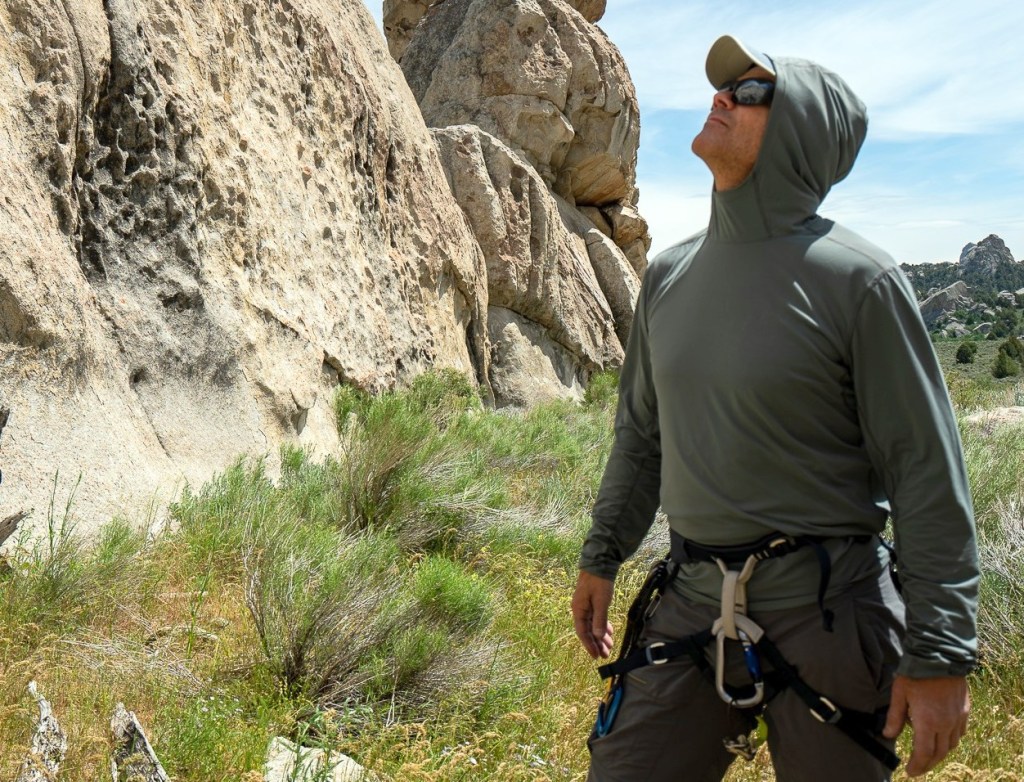
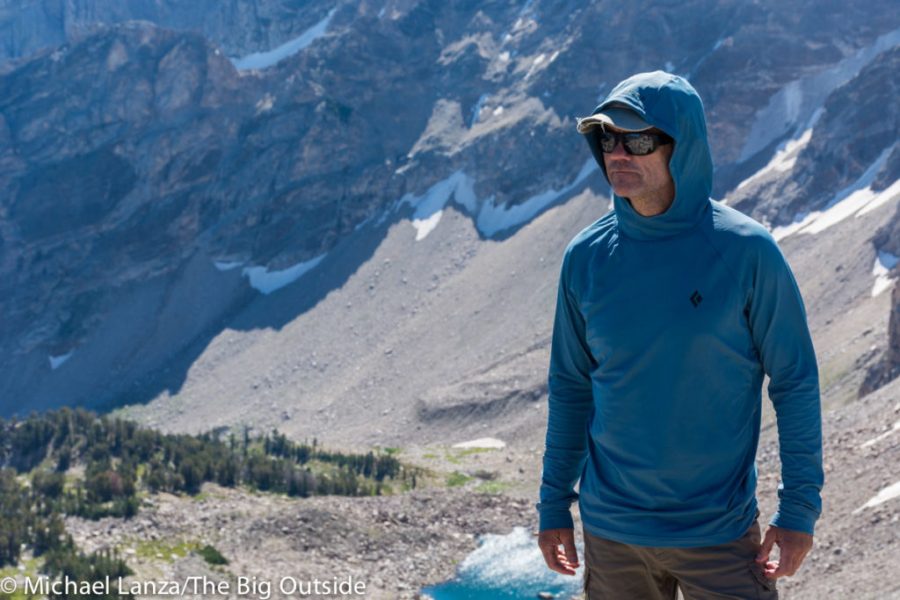
If your adventures involve scraping against granite or navigating thorny brush, the Black Diamond Alpenglow Pro is your armor. This isn't just a sun shirt; it’s a piece of technical equipment. It features mesh underarm vents and a ¼ zip to dump heat during high-exertion climbs. The fabric is treated with GTT’s Empel DWR, meaning it sheds light rain and dries almost instantly.
- Why we love it: The hood is specifically designed to fit over a climbing helmet, and the HeiQ Pure odor control actually works—we wore this for four days straight in the Wind River Range without clearing out the tent.
- Who it is best for: Mountaineers and climbers who need durability and specialized airflow.
| Pros | Cons |
|---|---|
| Most durable fabric on this list | Most expensive option |
| Superior odor management | Fabric feels slightly "crisper" than the REI Sahara |
4. Ultra-Lightweight Champ: Outdoor Research Echo Hoodie
The Outdoor Research Echo is a bit of an outlier. It carries a UPF 15-20 rating, which is lower than the others on this list. However, for high-output activities like trail running or speed-hiking, it is unbeatable. The AirVent moisture management system pulls sweat off your skin faster than any other shirt we've tested.
- Why we love it: It is the closest thing to wearing nothing at all. In high-humidity environments, this shirt doesn't get "waterlogged" like heavier UPF 50+ options.
- Who it is best for: Trail runners and fitness enthusiasts where heat management is a higher priority than absolute maximum UV blockage.
| Pros | Cons |
|---|---|
| Unrivaled moisture wicking | Lower UPF rating (requires care on long days) |
| Weighs almost nothing | Very thin material offers little snag resistance |

Best Value: High Protection on a Budget
5. Best Men's Value: Baleaf UPF 50+ Hoody
You don't always need to spend $70+ for protection. The Baleaf UPF 50+ Hoody provides a solid 98% UV block at a fraction of the cost. The polyester is a bit heavier and less "silky" than the premium picks, but it gets the job done reliably.
6. Best Women's Value: Baleaf UPF 50+ Crew
For those who don't like hoods, the Baleaf Crew offers a great athletic fit with raglan sleeves that prevent chafing under backpack straps. It's a workhorse for gardening, beach days, or casual weekend hikes.
Water Sports & Maximum Coverage
7. The Ultimate Water Shirt: O’Neill Basic Skins L/S Crew
Standard sun hoodies can become heavy and saggy in the water. The O’Neill Basic Skins uses a 6oz polyester/spandex blend with a skin-tight fit to prevent drag. It’s designed with flatlock seams to prevent the "board rash" that comes from paddling.
- Why we love it: It stays in place even in heavy surf, and the UPF 50+ protection remains effective even when saturated.
8. Maximum Shield: Coolibar Andros Fishing Hoodie
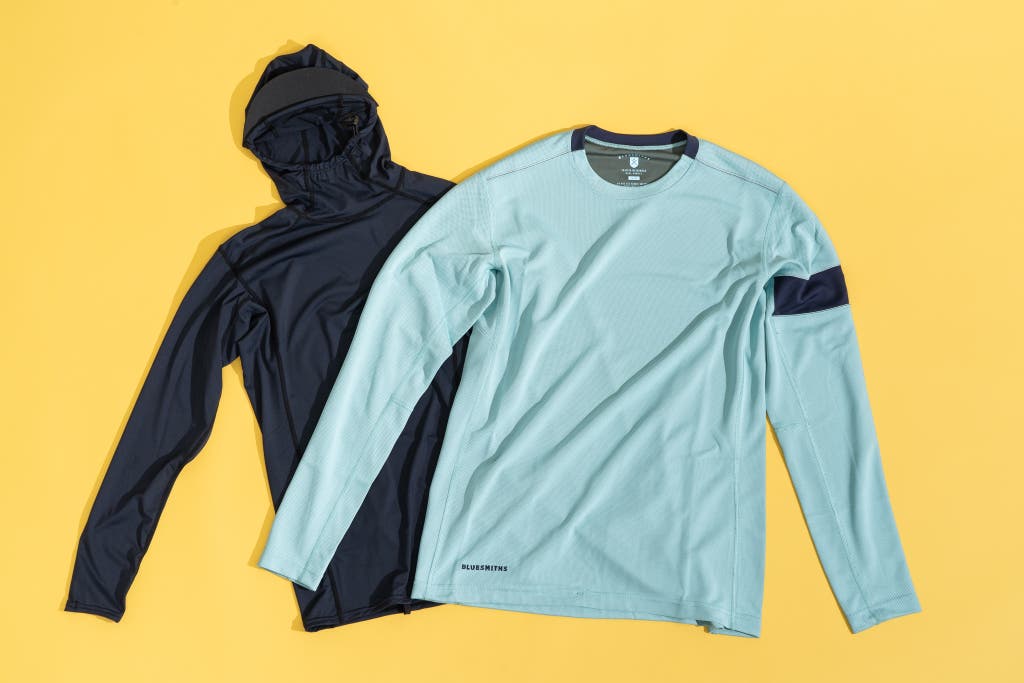
For the ultimate sun-protection enthusiasts—or those with extremely sensitive skin—the Coolibar Andros is a fortress. It features an integrated face mask (gaiter), finger loops to cover the backs of the hands, and a shapeable nose wire in the mask to prevent sunglasses from fogging.
Best Button-Up Styles for Travel
9. Best Men’s Button-Up: Mountain Hardwear Canyon Long Sleeve
If you’re heading from the trail straight to a dinner meeting in a mountain town, the Canyon is your best bet. The Dobby polyester fabric looks like traditional cotton but offers full UPF 50+ protection and a flip-up sun collar to protect your neck.
10. Best Women’s Button-Up: REI Co-op Sahara Long-Sleeve
Designed with guides in mind, this shirt features sophisticated back venting and a curved hand cuff to provide extra protection for the backs of the hands without looking like "gear."
Buyer’s Guide: How to Choose Your UPF Layer
UPF vs. SPF: What's the Difference?
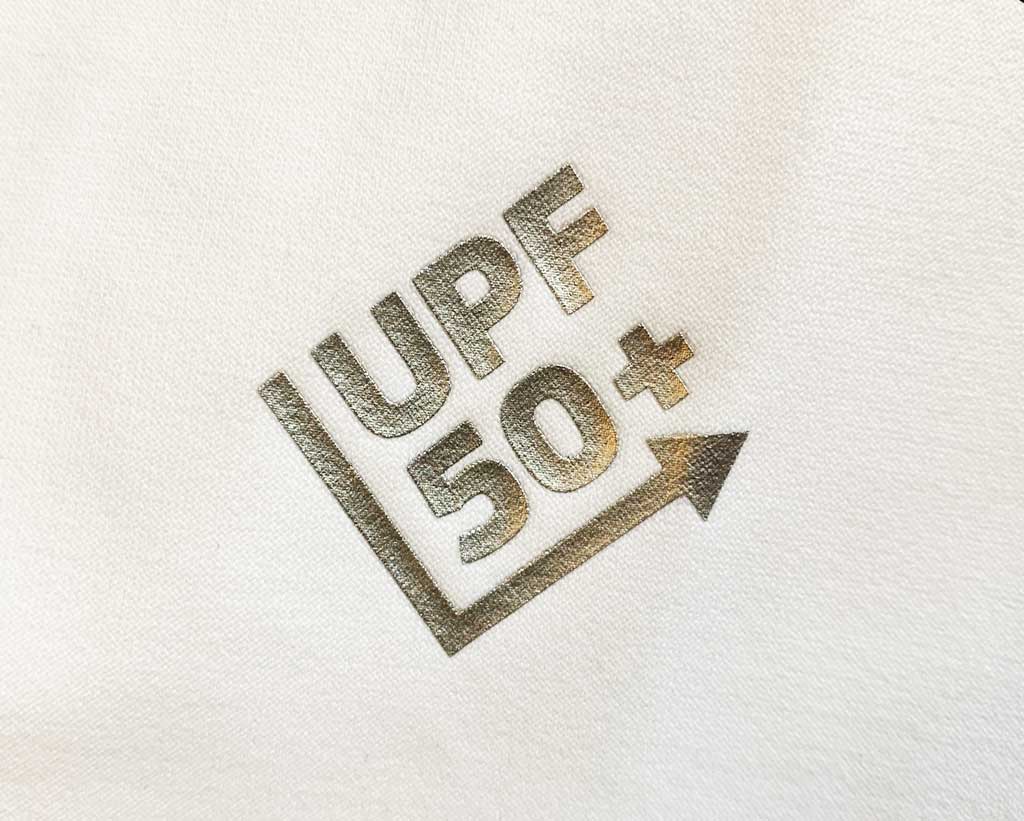
SPF (Sun Protection Factor) measures how long a sunscreen will protect your skin from UVB rays. UPF (Ultraviolet Protection Factor) measures the amount of both UVA and UVB radiation that can penetrate a fabric and reach your skin. A UPF 50 rating means the fabric allows only 1/50th of the sun's UV radiation to pass through, effectively blocking 98% of harmful rays.
Why Fabric Choice Matters
Your standard white cotton T-shirt has a UPF of about 5. If it gets wet, that rating can drop even lower. High-performance sun shirts use synthetic fibers like polyester and nylon, which naturally disrupt UV light. The "magic" isn't usually in a chemical coating; it's in the tightness of the weave and the structure of the fibers.
Fit and Breathability
A common mistake is buying a sun shirt that is too tight. A looser fit actually improves sun protection. When fabric stretches, the "holes" in the weave open up, allowing more UV light to pass through. Additionally, a slightly loose fit allows for better airflow, which is critical for evaporative cooling in the desert.
Maintenance: Keeping Your UPF Effective
To keep your gear performing for years:
- Wash in cold water: Heat can break down the elastic fibers over time.
- Avoid fabric softeners: Softeners clog the "pores" of the fabric, destroying the moisture-wicking properties and breathability.
- Line dry when possible: While most of these are dryer-safe on low heat, air drying preserves the weave integrity.
FAQ
Q: Do sun protection shirts lose their effectiveness after washing? A: Most modern UPF clothing (like the ones on our list) relies on the weave of the fabric and the type of fiber, not a chemical wash. These will maintain their UPF rating for the life of the garment. However, if a shirt becomes thin, faded, or heavily snagged, its protection level will decrease.
Q: Are darker colors better for sun protection? A: Generally, yes. Darker or more saturated colors absorb more UV rays than lighter shades. However, thanks to modern weaving techniques, even the light-colored shirts on this list provide a full UPF 50+ rating while keeping you cooler by reflecting infrared heat.
Q: Can I wear a sun hoodie for swimming? A: You can, but technical hiking hoodies like the REI Sahara will become heavy and saggy when wet. If you plan to spend significant time in the water, a specialized "rash guard" or the O’Neill Basic Skins mentioned above is a much better choice.
The era of reapplying greasy lotion every 90 minutes is over. Whether you’re a thru-hiker, a weekend gardener, or a high-alpine climber, adding a dedicated UPF 50+ layer to your kit is the single best upgrade you can make for your long-term skin health. See you out there—stay covered.