Quick Facts
- Top 2026 Industry Standards: Over 90% of the highest-rated ski brands for the 2026 season are heritage manufacturers with over 50 years of experience, ensuring rigorous construction and safety standards.
- Best for Beginners: The Salomon QST line and Blizzard Black Pearl series remain the gold standards for new skiers due to their forgiving flex and intuitive turn initiation.
- The Value Leader: Expert testing for 2026 identified the Salomon QST 94 as the top value-conscious choice, offering pro-level performance at a price point roughly 15% lower than comparable premium models.
- Construction Trends: 2026 is the year of "Trueblend" and "Tailored" cores, focusing on varied densities of wood to provide specific flex patterns for different skier weights and styles.
Standing on the edge of a wind-whipped ridge at 11,000 feet, the last thing you want to be thinking about is whether your equipment can handle the crusty "chunder" waiting below. I’ve spent the better part of two decades testing planks in everything from the bottomless blower of Hokkaido to the bulletproof ice of Vermont, and if there’s one thing I’ve learned, it’s that your brand choice dictates your entire mountain personality.
The 2026 ski landscape is a fascinating intersection of heritage and high-tech. While dozens of boutique brands pop up every year, the most reputable ski brands for 2026 remain the heavyweights: Atomic, Salomon, Völkl, and Rossignol. These manufacturers have spent decades refining the "One Ski Quiver"—that elusive holy grail of a ski that can carve a groomer at 9 AM and surf a secret powder stash at 2 PM. Whether you’re a "Charger" looking for a stiff, metal-reinforced plank or a "Playful Freerider" who wants to smear turns in the trees, choosing the right brand is about matching their engineering philosophy to your specific DNA on the snow.
The Selection Blueprint: How to Choose Your Brand
Before you drop a grand on a fresh pair of sticks, you need to understand the "Brand Blueprint." Every manufacturer has a signature "feel." Some brands prioritize dampness—the ability of the ski to absorb vibrations like a luxury SUV—while others prioritize "pop" and energy, acting more like a coiled spring.
When deciding how to choose skis, I always tell readers to look past the flashy graphics and focus on three core pillars: Specialization, Origin, and Tech. Are you looking for the German precision of Völkl, designed for aggressive, high-speed carving? Or are you drawn to the playful, freestyle-inspired shapes of Line? Understanding that 90% of the top-rated brands for the 2026 season are heritage manufacturers with 50+ years of history tells you something vital: consistency in manufacturing matters. These brands have the R&D budgets to iterate on technologies like HRZN Tech or Trueblend wood cores that smaller shops simply can't match.
Editor’s Tip: Don't buy a ski because it looks cool in the lodge. Buy a ski because its construction matches your weight and aggression. A stiff, professional-grade racing ski will feel like a "freight train" to a beginner—hard to turn and potentially dangerous.
Top Tier: The Big Four Heritage Manufacturers
Atomic: The Austrian Racing Legend
Atomic is synonymous with the "Redster" race line, but for 2026, they’ve perfected the balance between high-speed stability and backcountry lightness. Their HRZN Tech—a beveled tip and tail—increases surface area by 10% without adding weight, allowing the ski to float through powder like a boat hull rather than a shovel. If you want a ski that feels surgical on the edge but playful in the deep stuff, the Bent Chetler series remains the king of freestyle-influenced powder skiing.
Salomon: Innovation from the French Alps
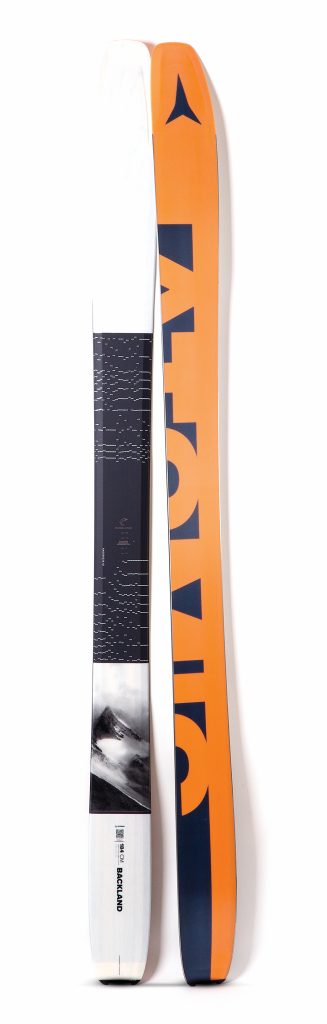
If you're wondering which ski brands are best for beginners, Salomon is almost always the answer. Their QST line is legendary for being approachable. For 2026, the Salomon QST 94 stands out as a "professional-grade" ski that doesn't require a professional's legs to move. It’s significantly more forgiving than a stiff Völkl, making it the perfect "Value Spotlight" for those who want high performance without the 15% premium price tag of boutique brands.
Völkl: German Engineering and Precision
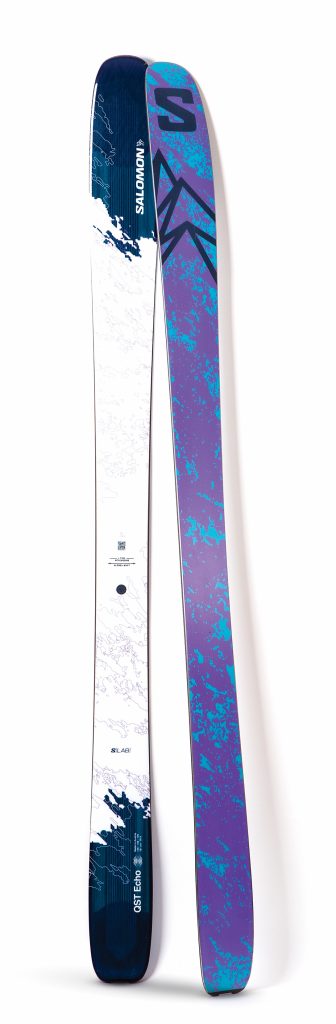
Völkl is for the skier who treats the mountain like a laboratory. Their 3D Radius Sidecut allows for three different turn radii in a single ski: short and tight underfoot, but long and stable at the tip and tail. It’s like having a sports car with active suspension. For 2026, their "Tailored Titanal Frames" ensure that a 170cm ski has a different amount of metal than a 184cm ski, providing a customized flex pattern for every height.
Rossignol: The Approachable All-Mountain King
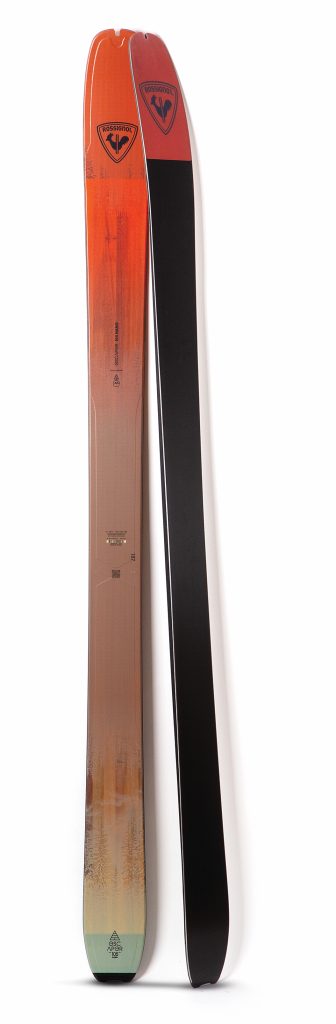
Rossignol has mastered the "easy-going" high-performance ski. Their Air Tip technology—a honeycomb structure in the tip—drastically reduces swing weight. This makes the ski feel incredibly nimble when you're weaving through tight trees or navigating a crowded resort run. Their new "Sender" and "Soul" series are the epitome of the modern all-mountain ski: stable enough to hold an edge on ice, but light enough to not tire you out by 2 PM.
The Powerhouses: Stability and Crud Performance
Blizzard: The Damp and Planted Ride
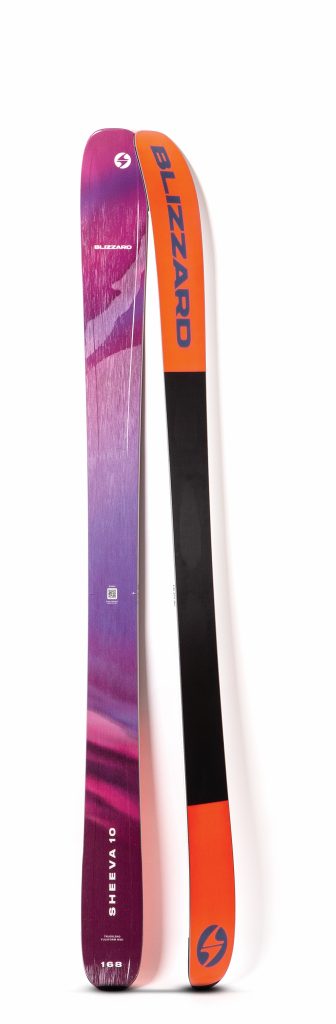
Blizzard skis are often described as "planted." They don't deflect; they crush. For 2026, their Trueblend wood cores use high-density stringers in the center for power and softer wood at the ends for easier turn initiation. The Black Pearl series remains the #1 selling women’s ski for a reason: it gives beginners and intermediates the confidence to push into steeper terrain without feeling like the ski is going to "run away" from them.
Nordica: The East Coast Edge Specialist
If you ski out East where "powder" is just a fancy word for "shaved ice," you need a Nordica. The Enforcer series is widely considered the best all-mountain ski review winner of the last decade. It utilizes a "Pulse Core"—a layer of elastomer sandwiched between wood and metal—to dampen vibrations on hardpack. It feels like a freight train, but one that you can steer with a pinky finger once you get it up to speed.
The Modern Innovators: Playfulness and Style
While the heritage brands own the podiums, a few modern innovators are changing how we think about "fun" on the mountain.
- K2: The American icon that brought us the "rocker" revolution. For 2026, their Spectral Braid technology uses a variable-angle carbon weave to allow for precision in the front of the ski while keeping the tail playful and easy to "smear."
- Line: Forget racing stats. Line is about the "smile-per-mile" metric. Their skis are often softer and more symmetrical, perfect for the skier who views every side-hit and bump as a jump.
- Black Crows: Based in Chamonix, this brand has become a status symbol, but the performance backs up the hype. Their Freebird series is the gold standard for ski touring, offering a "chic" aesthetic with world-class big mountain capabilities.
- Season: A relatively new player focused on sustainability. They offer unisex models and a lifetime of free tuning. In a world of "new every year," Season is the minimalist’s choice for a ski that lasts a decade.
2026 Performance Comparison Table
| Brand | Top Model (2026) | Waist Width (mm) | Turn Radius (m) | Best For |
|---|---|---|---|---|
| Atomic | Bent 100 | 100 | 19.5 | Freestyle Freeride |
| Salomon | QST 98 | 98 | 18 | Versatile All-Mountain |
| Völkl | Mantra M7 | 96 | 18 (Multi) | Aggressive Charging |
| Blizzard | Rustler 10 | 102 | 17.5 | Stability & Crud |
| Nordica | Enforcer 94 | 94 | 17.1 | Hardpack & Ice |
| Black Crows | Atris | 105 | 20 | Big Mountain/Powder |
Maintenance and Gear Integration
Buying the best ski brands for 2026 is only half the battle. To get the most out of a high-performance ski like the Völkl Mantra or the Nordica Enforcer, you need to think about your "ecosystem."
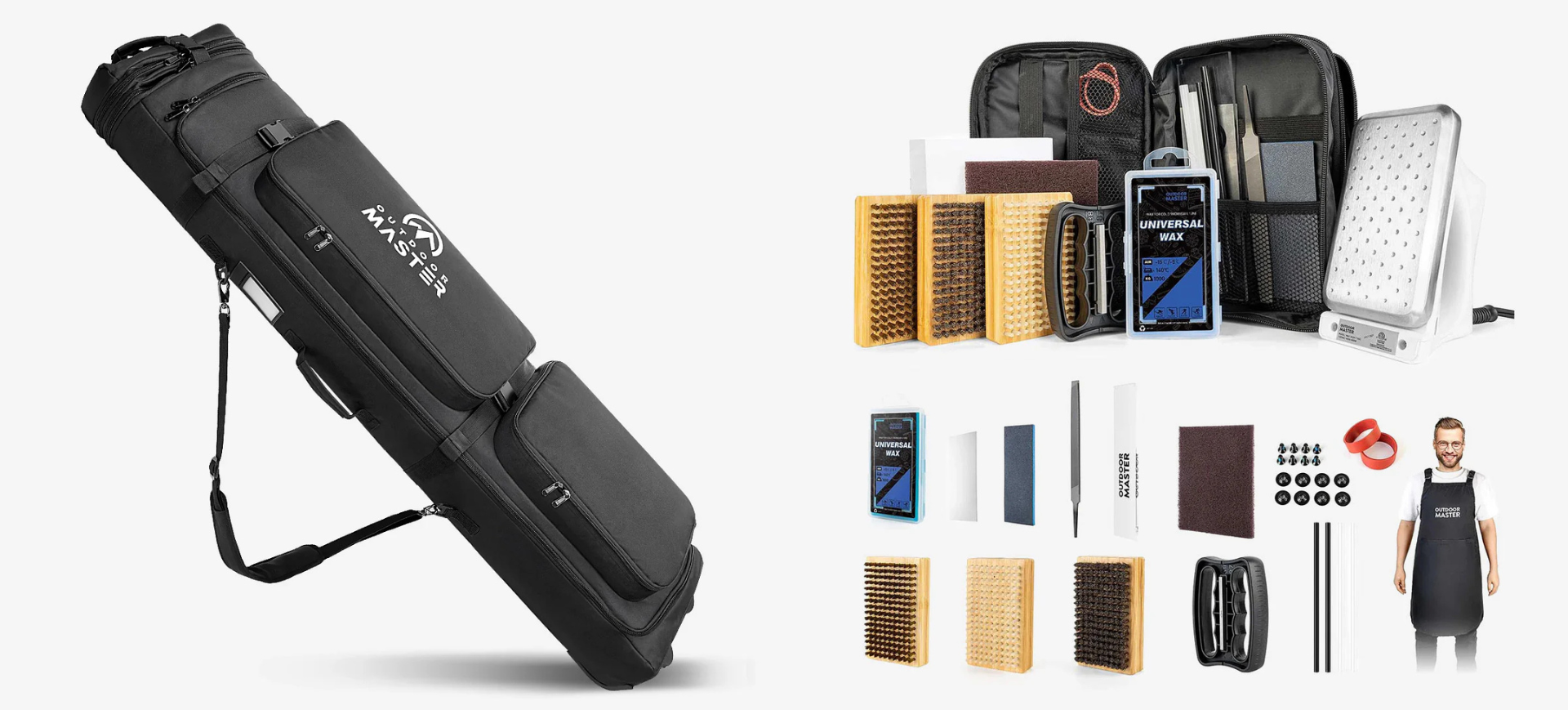
Modern skis are designed to work in tandem with specific binding systems. I highly recommend looking into "Hybrid" bindings like the Salomon Shift if you plan on doing any resort-adjacent touring. Furthermore, high-metal skis require regular maintenance. The 2026 season sees a surge in home-tuning kits, allowing you to maintain those razor-sharp German edges without a trip to the shop every week.
Tester Feedback: "I took the 2026 Enforcers through a week of ice in Vermont. Without a fresh wax and a 1-degree base edge tune, they felt like planks. With a proper tune? They felt like they were glued to the mountain." — Marcus Rivera
Conclusion
Choosing a ski brand in 2026 isn't about finding the "best" ski—it's about finding the best ski for you. If you want a forgiving, value-conscious ride that can grow with you, Salomon is the clear winner. If you have a "need for speed" and want the most technologically advanced edges on the planet, Völkl or Atomic should be your go-to.
The "One Ski Quiver" is closer than ever before. Whether you’re dropping into a couloir in Chamonix or carving groomers in Colorado, the heritage and innovation of these top ten brands ensure that 2026 will be your best season yet. Get out there, test a few pairs, and remember: the best ski is the one that makes you want to stay on the mountain until the last chair spins.
FAQ
Q: Are boutique ski brands better than heritage brands? A: Not necessarily. While boutique brands offer unique designs and "cool factor," heritage brands like Atomic and Salomon have much larger R&D budgets, leading to more consistent manufacturing and better overall value.
Q: How often should I tune my 2026 skis? A: For peak performance, I recommend a basic wax every 3-5 days of skiing and a full edge tune every 10-12 days, especially if you're skiing on hardpack or "man-made" snow.
Q: Can beginners use "Pro" skis? A: I wouldn't recommend it. Pro-level skis are often reinforced with multiple layers of Titanal (metal), making them stiff and difficult to turn at low speeds. Stick to beginner-friendly lines like the Salomon QST or Blizzard Black Pearl until you've mastered your edge control.