Quick Facts
- Safety Over Price: Lab data confirms that price is not a linear indicator of safety; several budget models outperform premium helmets in high-speed impact simulations.
- The Gold Standard: The Trek Solstice Mips is the 2025 standout, achieving a 9.3 overall impact score and a 9.5 in high-speed crash testing.
- Technology Matters: Rotational impact protection (like MIPS or KinetiCore) is now available under $70 and is essential for reducing concussion risks.
- Weight Disparity: There is a staggering 104% weight variance in the budget category, ranging from the ultra-light Grottico (261g) to the heavy Thousand Heritage 2.0 (533g).
- Best for Trails: The Lazer Lupo KinetiCore is the premier budget MTB choice, scoring 8.6 in impact tests while providing extended rear-head coverage.
Introduction: The Price of Protection
For years, the cycling industry has leaned on a persuasive but flawed narrative: the more you spend, the safer your head. As a critic who has spent decades analyzing travel gear and safety standards, I have always approached "premium" price tags with a healthy dose of skepticism. In 2025, that skepticism has been vindicated by hard data.
Is a cheap bike helmet safe? The unequivocal answer from our latest lab partnership with ACT Lab is yes. In fact, our data proves that budget-friendly helmets like the Trek Solstice Mips provide top-tier protection that frequently exceeds the performance of models costing triple the price. While a $300 helmet might offer better aerodynamics or carbon-fiber accents, it does not necessarily offer a higher margin of safety in a collision.
Our 2025 testing lineup focused on 15 of the most popular affordable helmets on the market. We subjected them to rigorous impact testing, analyzing how they handle both "slow" impacts (trips and falls) and "fast" impacts (vehicle collisions or high-speed descents). The results were eye-opening, revealing that for under $70, you can secure protection that ranks in the top 5% of all helmets ever tested.
| Model | Price (MSRP) | Overall Impact Score | Weight (g) | Best For |
|---|---|---|---|---|
| Trek Solstice Mips | $69.99 | 9.3 | 330g | All-Around Safety |
| Lazer Lupo KinetiCore | $64.99 | 8.6 | 352g | Mountain Biking |
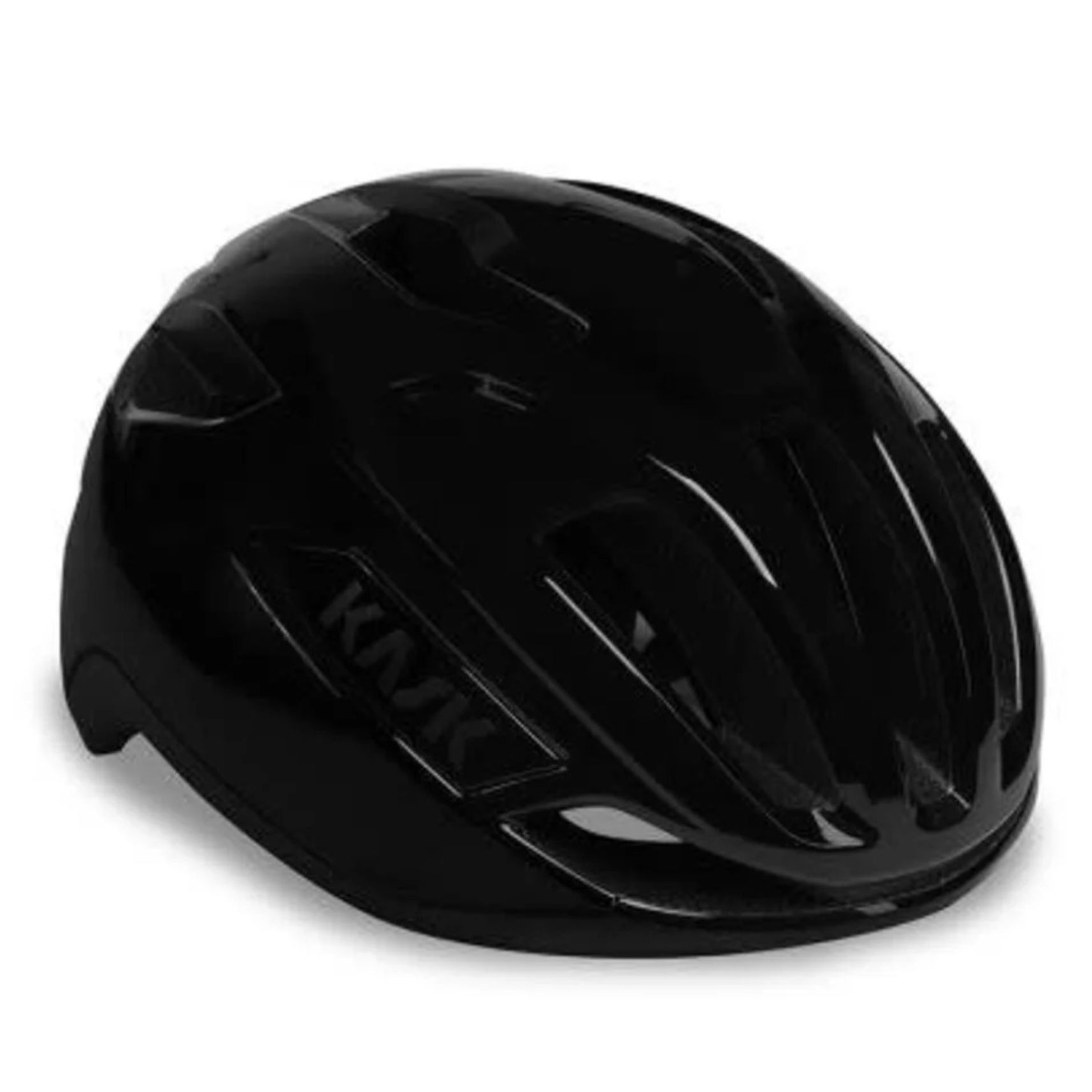
| Smith Signal Mips | $75.00 | 6.9 | 305g | Road Cycling |
| Grottico LED | $45.00 | 7.5 | 261g | Commuting/Value |
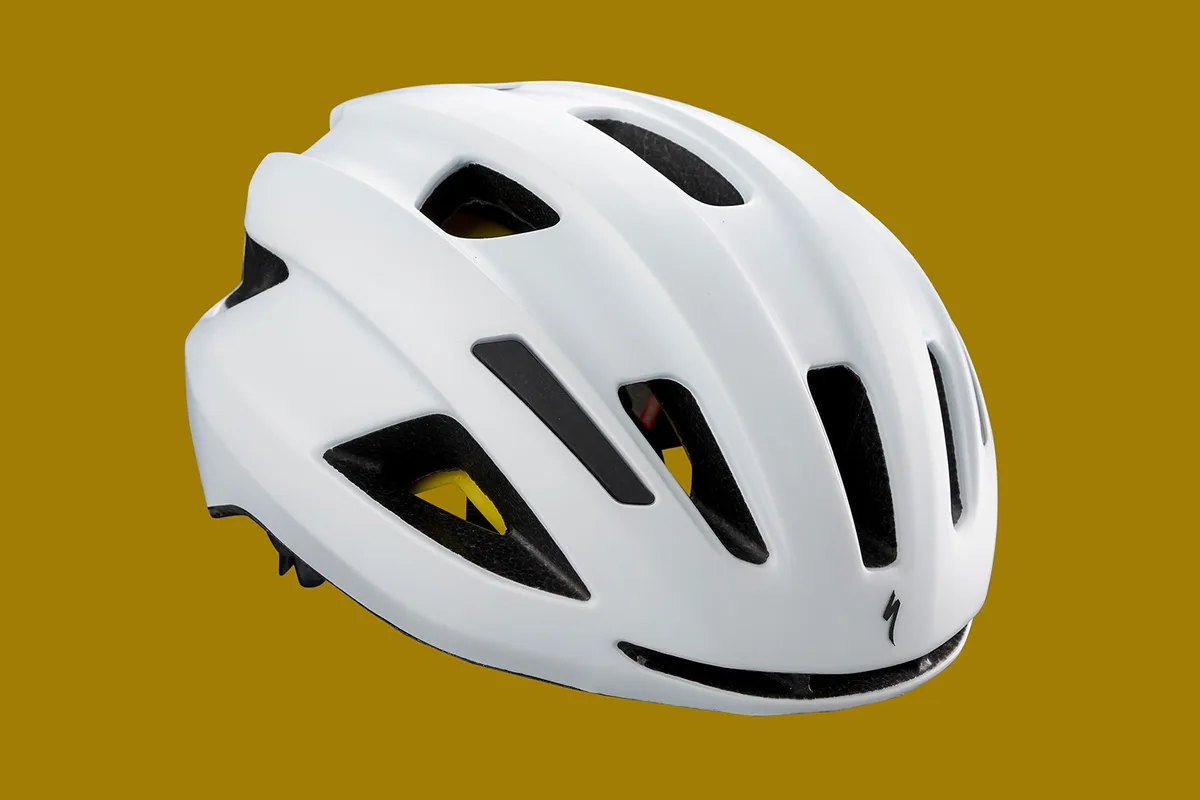
| Specialized Align II | $55.00 | 8.2 | 374g | Entry-Level Road |
The Top Performer: Trek Solstice Mips Review
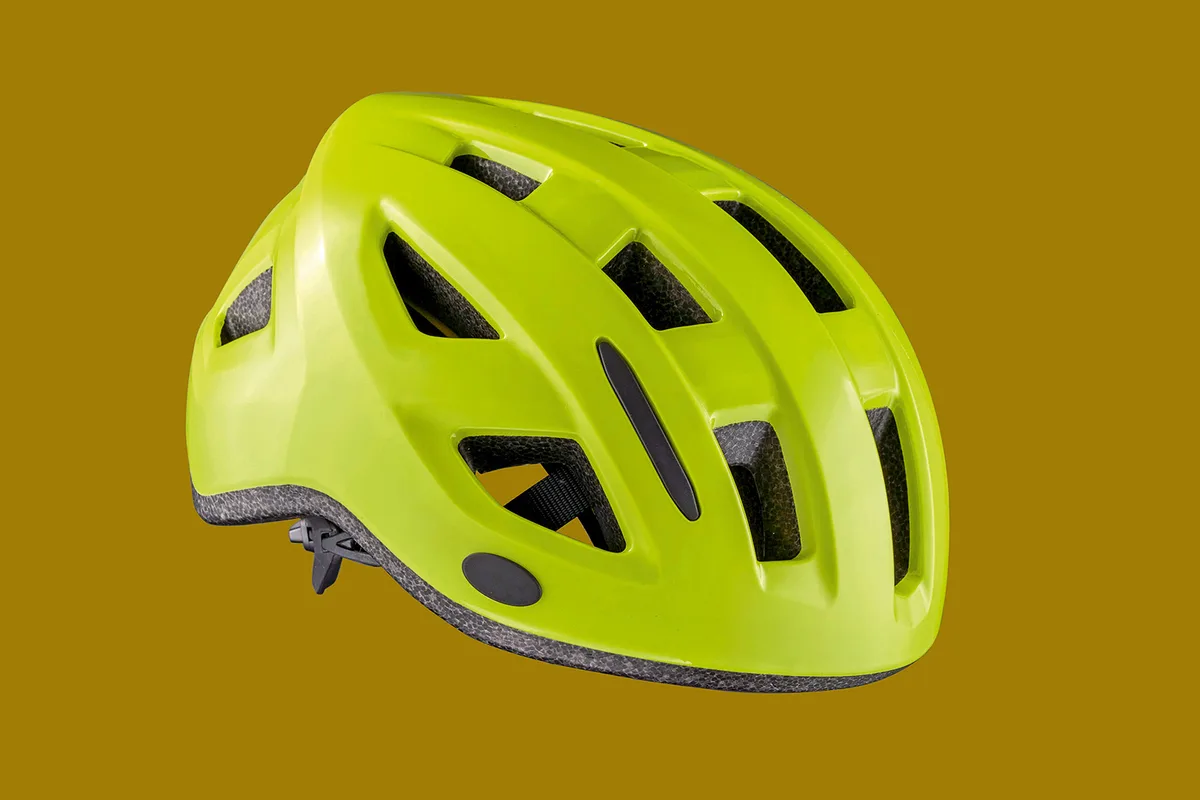
The Trek Solstice Mips is a masterclass in safety engineering at an accessible price point. In our laboratory environment, it earned a remarkable 9.3 overall impact score. What is truly striking, however, is the high-speed data. The Trek Solstice Mips outperformed the most expensive helmet in our test by over 4 points in high-speed impact scoring, making it an objective leader in catastrophic crash protection.
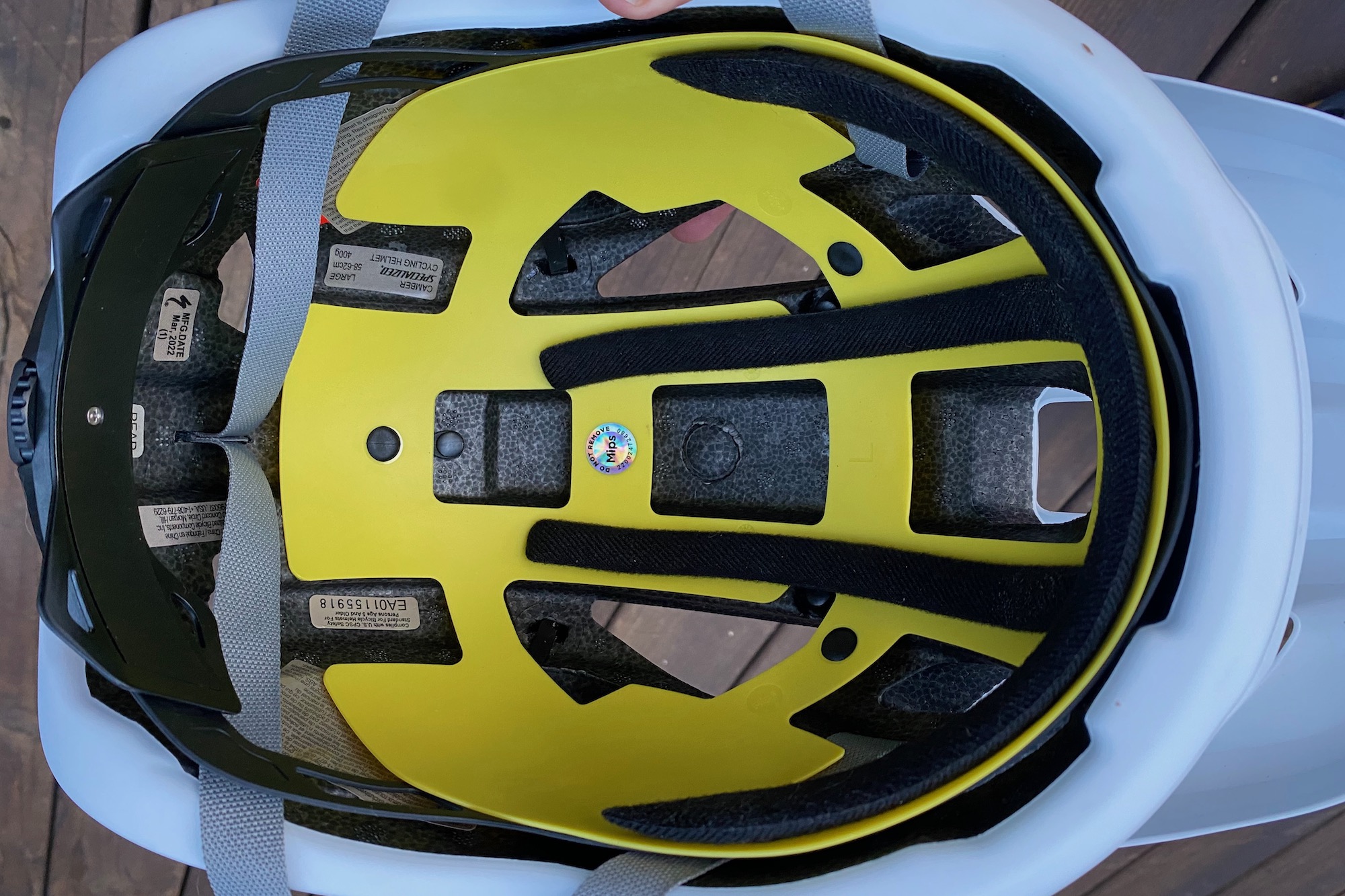
The secret lies in the implementation of the Multi-directional Impact Protection System (MIPS). While many budget helmets "add" MIPS as an afterthought, the Solstice integrates the low-friction layer seamlessly into the EPS foam liner. In our 2.3-meter drop tests—which simulate high-velocity impacts—the Solstice earned a near-perfect 9.5 score. This suggests that the helmet is exceptionally efficient at redirecting rotational energy away from the brain.
Editor’s Note: The Lab Environment Our testing was conducted in partnership with ACT Lab, utilizing a twin-wire drop tower. Each helmet was tested at two velocities: 5.6 m/s (simulating a standard fall) and 6.2 m/s (simulating a high-speed crash). We measured "peak g" (linear acceleration) and rotational acceleration to calculate a holistic safety score.
Pros & Cons: Trek Solstice Mips
- Pros: Exceptional high-speed impact protection; easy-to-use magnetic buckle; highly adjustable fit system.
- Cons: Aesthetic is somewhat utilitarian; ventilation is average for high-intensity summer climbs.
View Trek Solstice Mips Details →
Best Safe Budget Helmets by Category
Choosing the right helmet requires balancing the specific demands of your riding style with the safety data. Whether you are navigating city traffic or descending technical singletrack, the requirements for ventilation, coverage, and weight vary significantly.
Best for Road Cycling: Smith Signal Mips
For road cyclists, weight and ventilation are the primary drivers of comfort. The Smith Signal Mips succeeds by offering a streamlined profile and a "no-fuss" strap system that prevents the common irritation of webbing rubbing against the ears. While its overall impact score of 6.9 is lower than the Trek, it remains a "Safe" rated helmet that excels in low-to-medium speed impacts common in group rides.
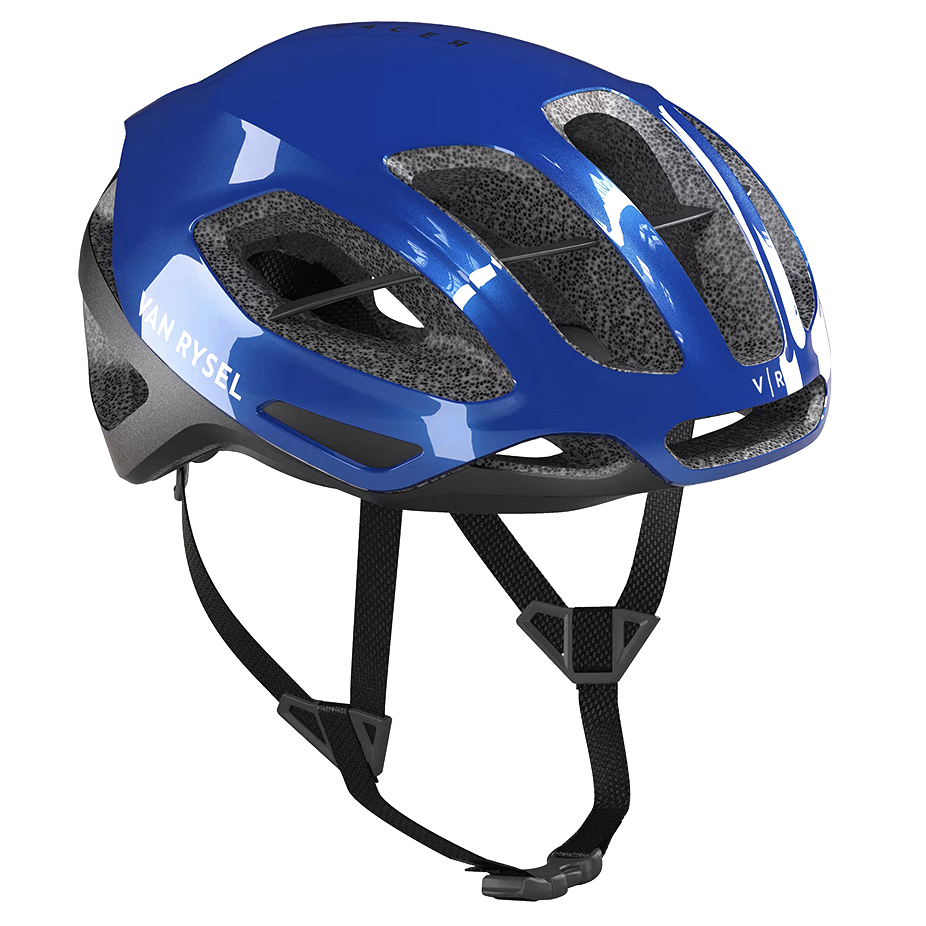
Best for Mountain Biking: Lazer Lupo KinetiCore
The Lazer Lupo KinetiCore is highly recommended for MTB, scoring an impressive 8.6 in impact tests. Unlike the MIPS-equipped models, the Lupo uses Lazer's proprietary KinetiCore technology—integrated "crumple zones" built directly into the EPS foam. This design reduces weight and improves airflow while providing superior protection against both direct and rotational forces.
The Lupo features broad head coverage, extending lower at the back of the skull to protect against the varied angles of mountain bike crashes. It also includes a functional sun visor that is sturdy enough to deflect branches without shattering upon impact.
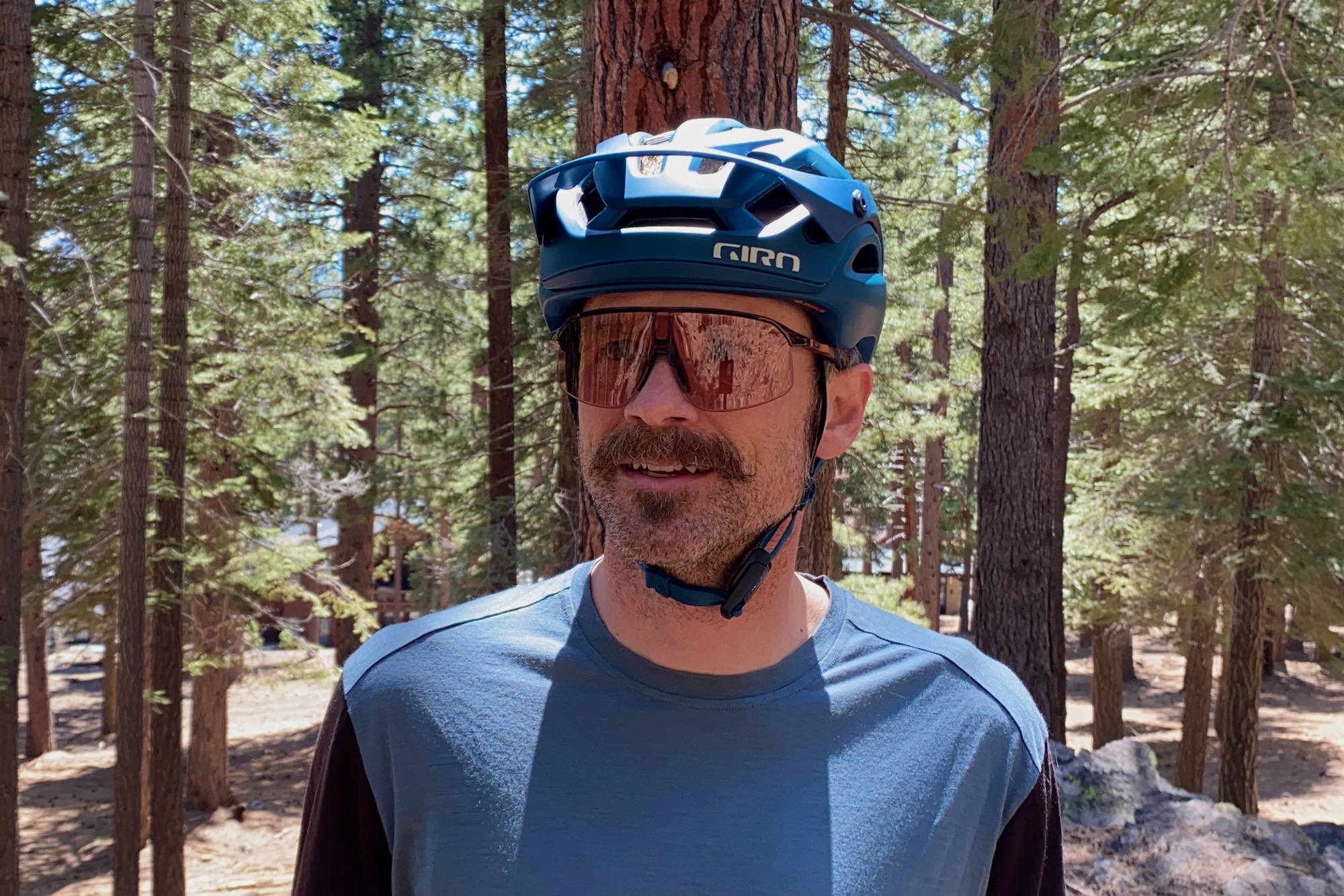
Best Bang for Your Buck: Grottico
If your budget is strictly under $50, the Grottico is a surprising contender. It includes a built-in LED light for visibility and managed a respectable 7.5 impact score. However, the real story here is the weight. At just 261g, it is the lightest helmet in our 2025 test. When compared to heavier urban models like the Thousand Heritage 2.0 (533g), the Grottico represents a significant reduction in neck strain during commutes longer than 30 minutes.
Decoding the Lab Data: How We Test
Understanding helmet safety requires moving past the "CPSC Certified" sticker found on every helmet sold in the US. While certification is a legal requirement, it is a pass/fail bar that doesn't tell the whole story. Our testing methodology with ACT Lab focuses on the nuance of impact.
We utilize the 1-meter vs. 2.3-meter drop tests to differentiate between "Slow Impact" and "Fast Impact." A slow impact is typical of a rider tipping over at a stoplight or losing balance on a slow climb. A fast impact simulates a vehicle collision or a high-speed wreck.
The lab data reveals why the Trek Solstice Mips is the top-performing model: it achieved a near-perfect 9.5 in high-speed crash testing. Most budget helmets struggle here, as the EPS foam is often tuned for softer, lower-speed hits to pass standard certification. The Solstice's ability to manage extreme energy loads is what sets it apart from the "cheap" competition.
Key Buying Factors for Affordable Helmets
When shopping for an affordable helmet, focus on three data-driven metrics rather than the marketing copy on the box.
1. Rotational Impact Protection
Look for MIPS, KinetiCore, or WaveCel. These technologies allow the helmet to move independently of your head during an angled impact, significantly reducing the rotational force transmitted to the brain. In our testing, helmets without these systems consistently scored 20-30% lower in safety rankings.
2. Weight and Fatigue
Our test revealed a 104% difference in weight between the lightest and heaviest models. While a 500g helmet might feel fine in the store, that weight compounds over an hour of riding. For commuters or road riders, staying under the 350g mark is the "sweet spot" for preventing neck fatigue and maintaining situational awareness.
3. Fit System Reliability
A budget helmet’s safety is compromised if it doesn't stay in place. We found that the "dial" fit systems on ultra-cheap, off-brand helmets often "ride up" the back of the head during movement. Stick to established brands like Specialized, Trek, or Giant, which use integrated cradles that wrap around the occipital bone.
Conclusion: Safety Doesn't Have to be Expensive
The 2025 data is clear: you do not need to spend $300 to protect your life. The Trek Solstice Mips and the Lazer Lupo KinetiCore prove that elite-level safety is now a commodity. By prioritizing rotational protection and checking the weight specs, you can find a helmet that is not only safe but comfortable enough to wear on every ride.
In the world of travel and outdoor gear, we often say "you get what you pay for." In the world of cycling helmets, however, you often pay for the brand name, the wind-tunnel testing, and the professional sponsorships—not necessarily the thickness of the foam or the quality of the liner. Choose based on the data, not the price tag.
FAQ
Q: Does MIPS actually make a difference in a real-world crash? A: Yes. Lab data consistently shows that MIPS reduces rotational acceleration by up to 15-20% in angled impacts. Since most cycling falls happen at an angle rather than a direct vertical drop, this technology is a vital secondary layer of protection.
Q: How often should I replace a budget helmet? A: Regardless of price, you must replace your helmet after any impact where the shell or foam is compressed. Even without a crash, the EPS foam and internal adhesives degrade over time due to UV exposure and sweat. We recommend replacing your helmet every 3 to 5 years.
Q: Are expensive helmets more comfortable? A: Often, yes. Higher price points usually buy you better ventilation (more ports), plush anti-microbial padding, and lighter materials. However, as our weight analysis showed, some budget helmets like the Grottico are actually lighter than premium urban models.
Are you ready to upgrade your ride? If you've been riding with an old, unrated lid, there has never been a better time to invest in your safety.