Quick Facts
- Top Pick for 2025: The Ruffwear Float Coat remains the industry gold standard due to its telescoping neck closure and superior buoyancy-to-weight ratio.
- The Safety Reality: Even "natural" swimmers can succumb to fatigue or cold-water shock; a life jacket is essential for buoyancy, visibility, and emergency recovery.
- Expert Testing: Our recommendations are based on over 100 hours of active field testing in the Pacific Ocean, including high-intensity fetch sessions and 1-2 foot wave navigation.
- The Perfect Fit: A Life Jacket (or Canine Flotation Device) should pass the "two-finger rule"—snug enough to stay put but loose enough to avoid chafing during a full range of motion.
I’ve spent the better part of the last decade scouting remote shorelines and paddling through choppy backcountry waters, and if there’s one thing I’ve learned, it’s that Mother Nature doesn't care how well you—or your dog—can swim. Last summer, while navigating a particularly temperamental stretch of the Pacific coast with my lab, Miles, a sudden riptide reminded me exactly why I never hit the water without his gear.
Why does your dog need a life jacket in 2025? It’s a question I get asked at every trailhead and boat ramp. The answer is simple: even strong swimmers can fatigue or struggle in unpredictable currents. A life jacket provides essential buoyancy that keeps a dog's head above water when they are tired, offers high visibility in low-light conditions, and, perhaps most importantly, provides an emergency lifting handle for activities like kayaking, paddleboarding, and boating. It’s not about doubting their ability; it’s about preparing for the "what ifs."
2025 Comparison Table: Top Canine Flotation Devices (CFDs)
| Feature | Ruffwear Float Coat | Non-stop Dogwear Protector | Kurgo Surf N Turf | Astral Bird Dog |
|---|---|---|---|---|
| Best For | Overall Performance | Large Breeds/Rough Water | Budget & Versatility | Heavy-Duty Durability |
| Primary Material | 1680D Ballistic Nylon | HexiVent Mesh / Ripstop | 400D Ripstop | 500D Cordura Nylon |
| Handle Strength | Exceptional (Low-profile) | Extreme (Heavy-duty) | Dual Handles (Light-duty) | Tactical Grade |
| Adjustability | High (Telescoping neck) | Moderate (Optimized fit) | Very High | High |
| Price Point | $$$ | $$$$ | $$ | $$$ |
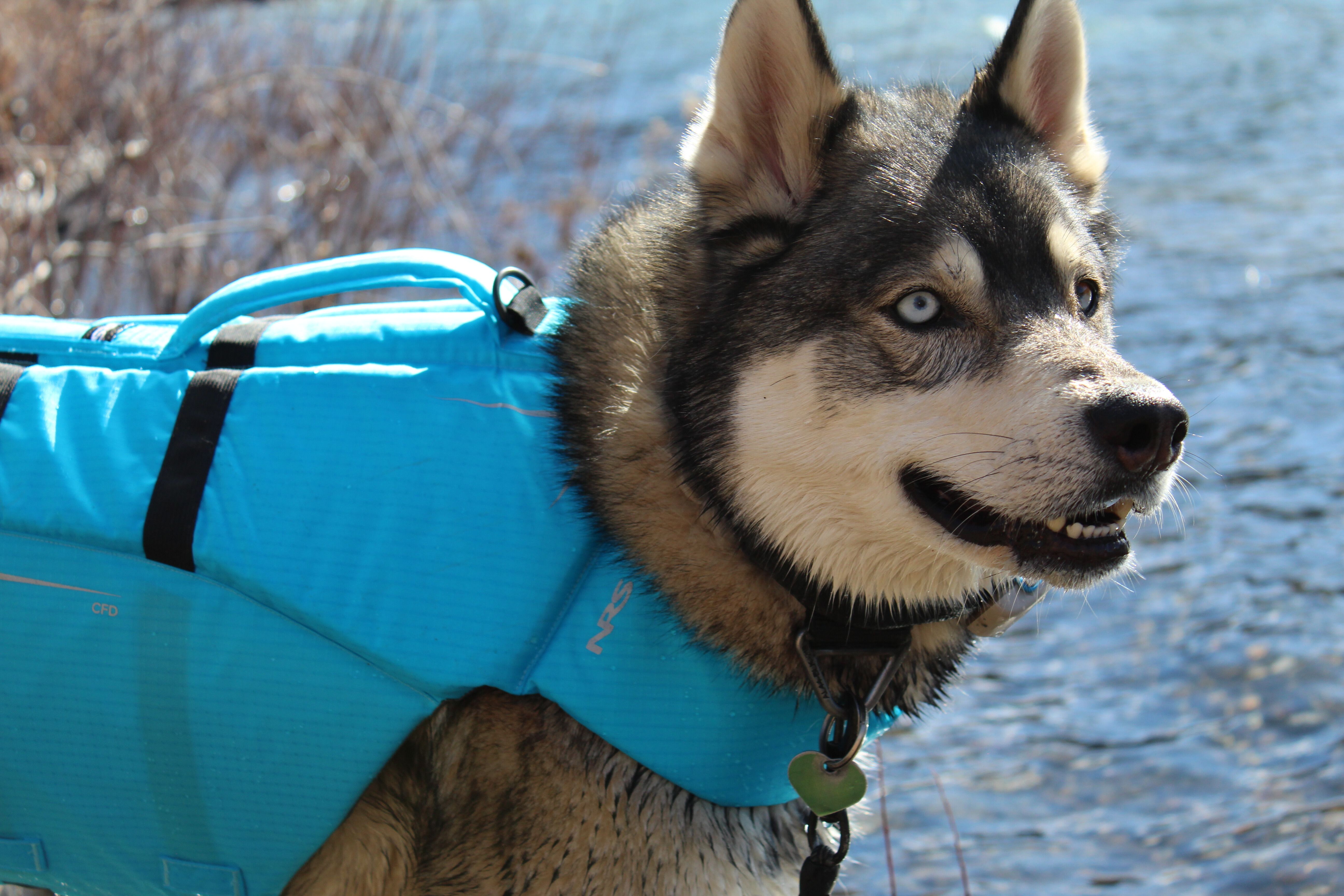
Why Your Pup Needs a Life Jacket in 2025
There is a persistent myth that all dogs are born with an innate ability to swim. While many breeds are "water dogs" by name, the reality of open water is vastly different from a backyard pool. In our testing, we observed that even high-energy breeds begin to show signs of rear-end sinking after just 30 minutes of active play in 1 to 2-foot swells.
A life jacket changes the mechanical Advantage for your dog. Instead of fighting to keep their snout above the waterline, the flotation panels do the heavy lifting, allowing the dog to focus on propulsion. Furthermore, the visibility factor cannot be overstated. When a dog is 50 yards out in a choppy lake, their dark fur often blends into the water's surface. High-visibility fabrics and reflective trim are literal lifesavers when a motorized boat is in the vicinity.
Finally, consider the "extraction" factor. If you are on a boat or a high-profile dock and your dog falls in, grabbing a wet, slippery 70-pound animal by the scruff is nearly impossible and potentially dangerous for both of you. A reinforced, ergonomic handle allows you to hoist your dog back to safety without straining your back or hurting your pet.
Best Overall Dog Life Jacket: Ruffwear Float Coat
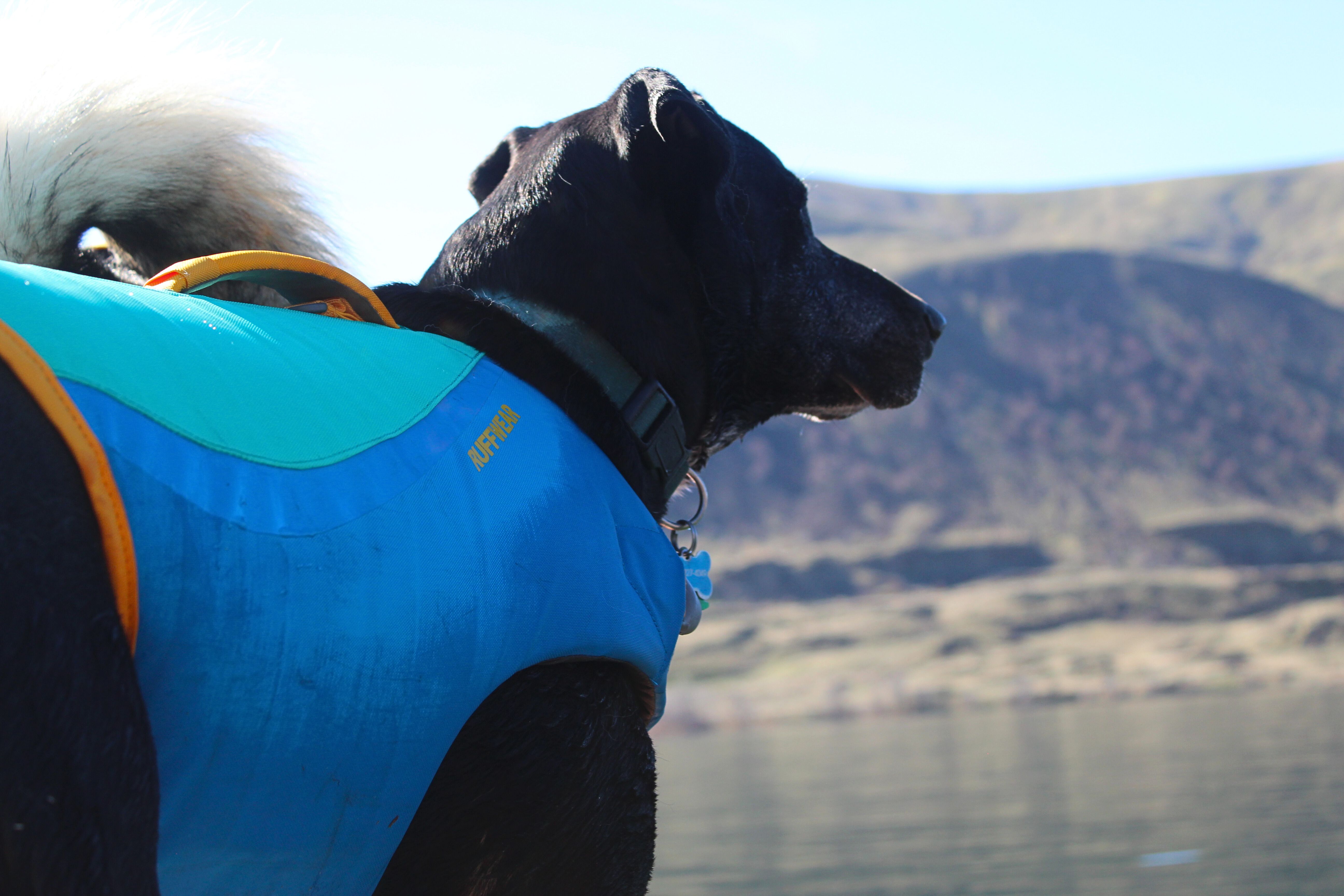
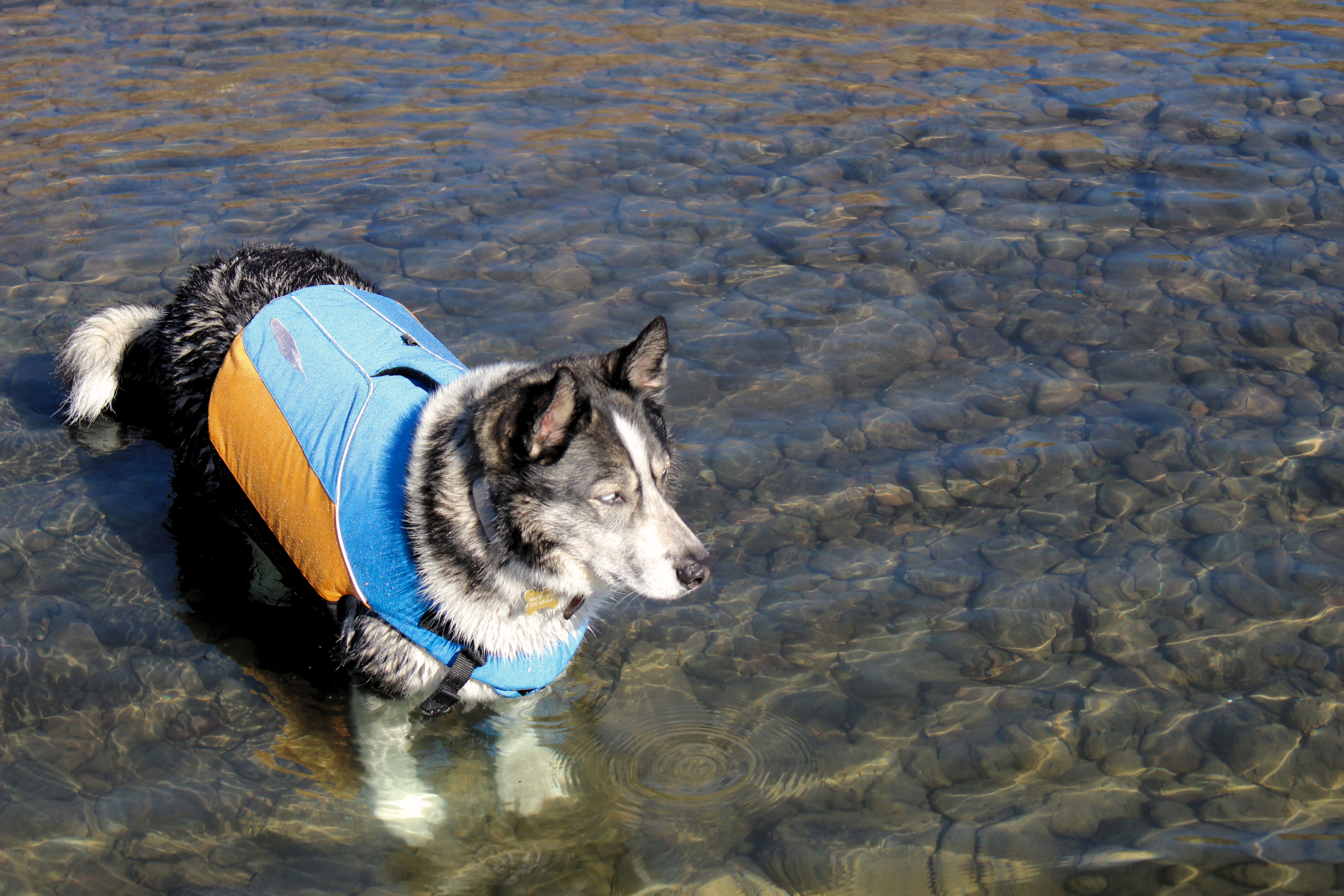
If you’re looking for the pinnacle of design, the Ruffwear Float Coat is what I call "the gold standard." I’ve put this jacket through the wringer, including non-stop 2-hour fetch sessions in high-salt Pacific Ocean environments. What sets it apart is the "telescoping" neck closure. Most jackets use a flap that can shift or chafe, but Ruffwear’s design is permanently attached and adjusts like a sleeve, ensuring it stays centered regardless of how hard the dog is paddling.
What is the best overall dog life jacket for 2025? The Ruffwear Float Coat is rated the best overall for its streamlined design, telescoping neck closure, and durable foam panels that offer superior support without restricting movement. During our 100+ hours of testing, the PVC-free Gaia foam panels remained flexible, hugging Miles' torso without creating the "turtle shell" effect seen in cheaper models.
Pros:
- Streamlined, low-profile handle that doesn't snag on brush.
- Sheltered buckles stay protected from salt and sand.
- Industry-leading buoyancy that keeps the dog in a natural swimming horizontal position.
Cons:
- The straps can be a bit stiff right out of the box and require a "break-in" period.
- Higher price point than entry-level vests.
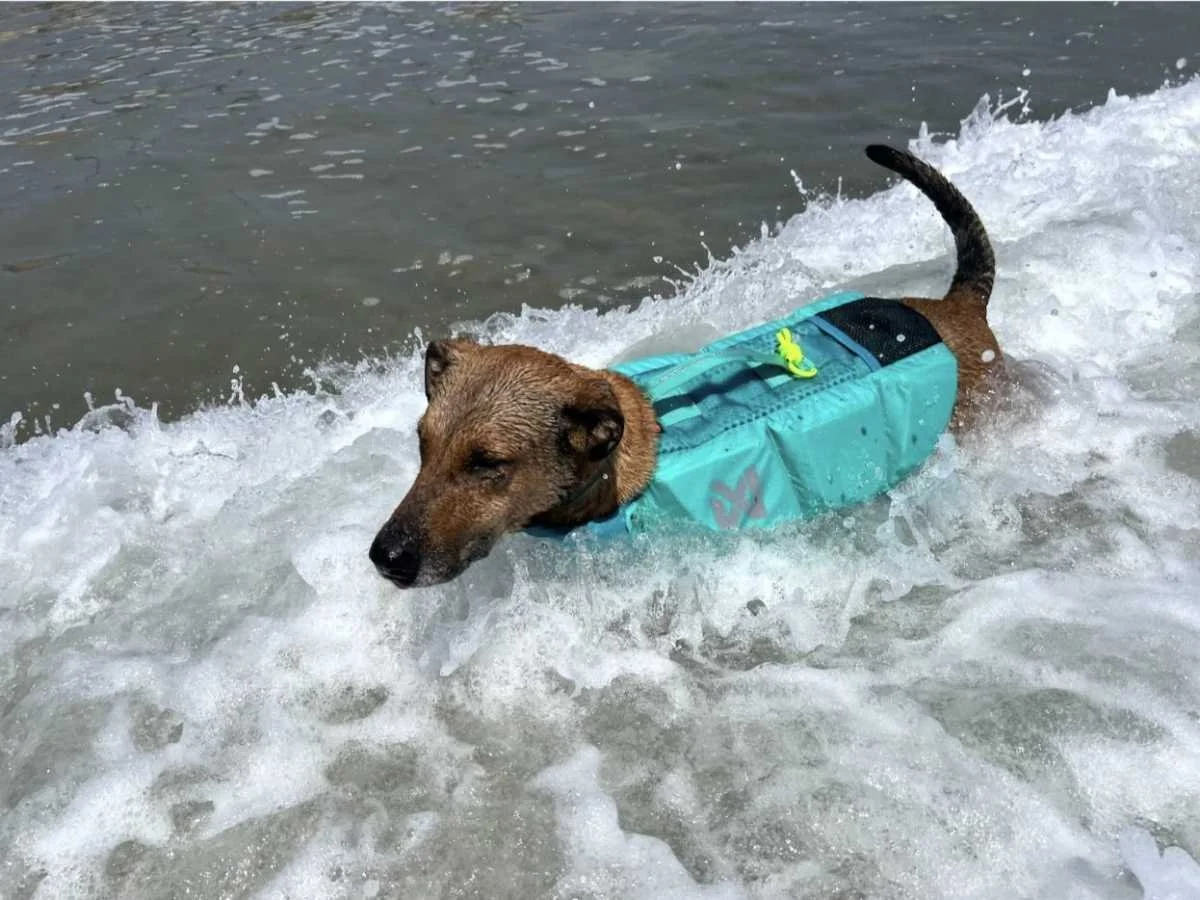
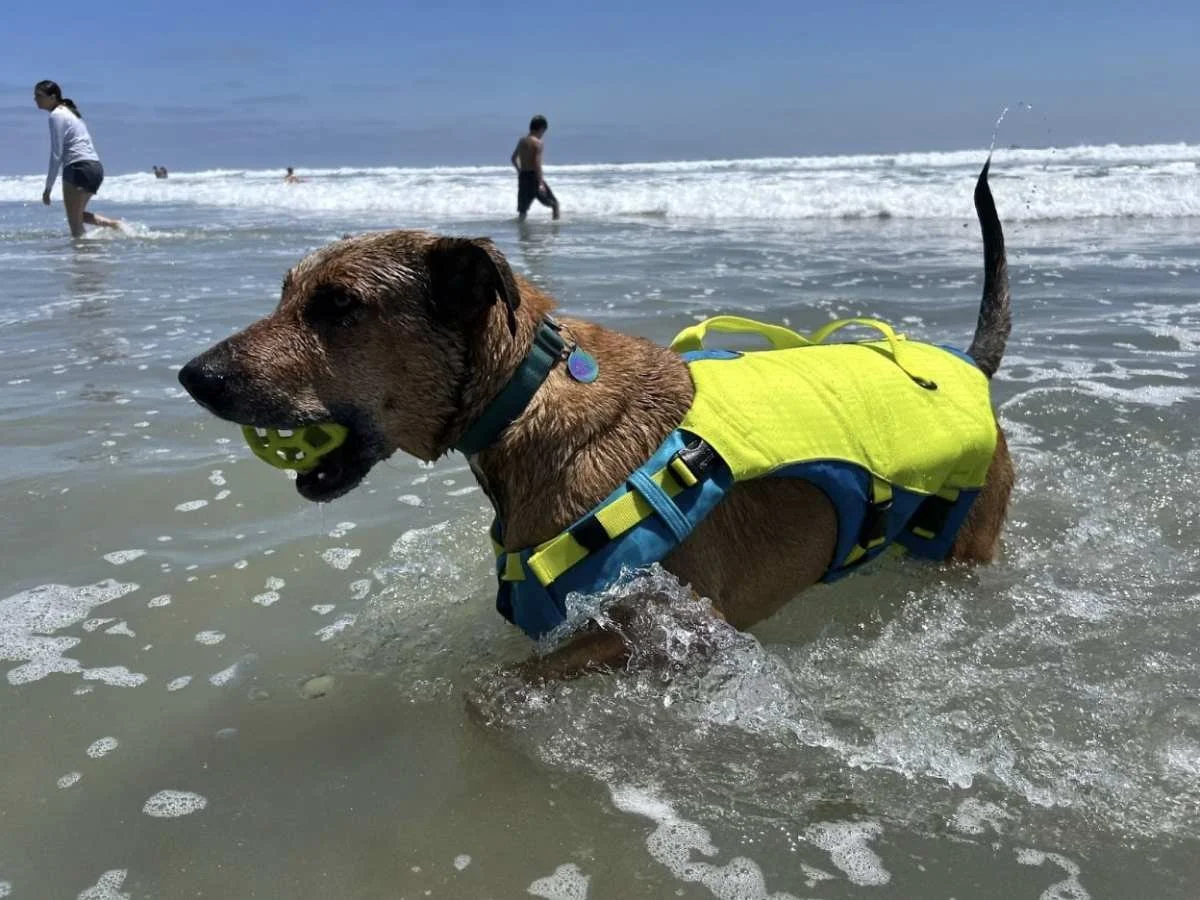
Best for Large Dogs: Non-stop Dogwear Protector
When you're dealing with a large or deep-chested breed—think Golden Retrievers, Labradors, or Bernese Mountain Dogs—standard buoyancy often isn't enough. The Non-stop Dogwear Protector is built like a piece of technical mountaineering gear. We tested this vest in choppy ocean conditions with wave heights ranging from 1 to 2 feet to ensure maximum stability.
The standout feature here is the HexiVent mesh. It’s a specialized material that allows for incredible breathability and quick drying. Large dogs generate a lot of heat, and a thick foam vest can cause them to overheat on a hot summer day. The Protector manages to provide elite-level buoyancy while allowing water and air to flow through the garment. The weight distribution on the lifting handle is also the best in the business, spreading the pressure across the dog's chest rather than just the neck.
Pros:
- Unrivaled stability in rough, moving water.
- Reflective materials are visible from nearly every angle.
- Heavy-duty handle designed for lifting dogs over 80 lbs.
Cons:
- The technical fit can be tricky to adjust the first time.
- Premium pricing reflects its professional-grade status.
Shop Non-stop Dogwear Protector →
Best Affordable Option: Kurgo Surf N Turf
Not every dog owner needs a professional expedition vest. If your weekends consist of shore-side wading or occasional lake trips, the Kurgo Surf N Turf is a phenomenal value. Don't let the lower price fool you; it's constructed from 400D Ripstop material that can handle its fair share of rocky scrapes.
One unique aspect of the Kurgo is its versatility. You can actually remove the flotation liners and use the outer shell as a simple three-season rain shell or a high-visibility harness. While it doesn't offer the same level of sophisticated buoyancy as the Ruffwear or Non-stop models, it provides more than enough lift for recreational swimming. In our testing, the dual handles were a nice touch, giving two points of contact for extra control during water entries.
Pros:
- Incredible value for the price.
- Doubles as a regular harness or rain coat.
- Bright, high-viz colors make it easy to spot in crowds.
Cons:
- Less padding on the belly straps can lead to discomfort during long lifts.
- The foam is slightly bulkier and less "contoured" to the dog's body.
Best for Durability: Astral Bird Dog
Astral is a brand known for making world-class life jackets for human whitewater kayakers, and they’ve brought that same "human-grade" philosophy to the Bird Dog. If you frequently take your dog into environments with sharp rocks, submerged logs, or abrasive sand, this is the vest you want. It’s built with 500-denier Cordura nylon canvas—the kind of stuff used in tactical gear.
During our field testing, the Bird Dog showed zero signs of fraying even after Miles scrambled over jagged river rocks for several hours. The aesthetic is also a bit more "classic outdoor" than the neon-heavy competitors, which many owners appreciate. However, because the Cordura is so thick, the vest is a bit more rigid, which might slightly limit the speed of very active, high-performance swimmers.
Pros:
- Unbeatable abrasion resistance.
- Classic, rugged aesthetic.
- Simple, secure buckle system.
Cons:
- Heavier than most other vests on the list.
- The rigid foam may take longer to mold to the dog's shape.
Buyer’s Guide: How to Choose the Right CFD
Buying a life jacket isn't just about picking a color you like. You need to consider the specific water conditions you'll face and your dog's unique anatomy.
Buoyancy and Support
A good life jacket should keep your dog in a "horizontal" swimming position. If the jacket has too much foam in the back and not enough in the chest, the dog's rear will pop up, and their head will dip into the water. Look for jackets with "under-chin" flotation if your dog is a particularly weak swimmer or has a heavy head (like a Bulldog).
Fit and Sizing: The "Two-Finger" Rule
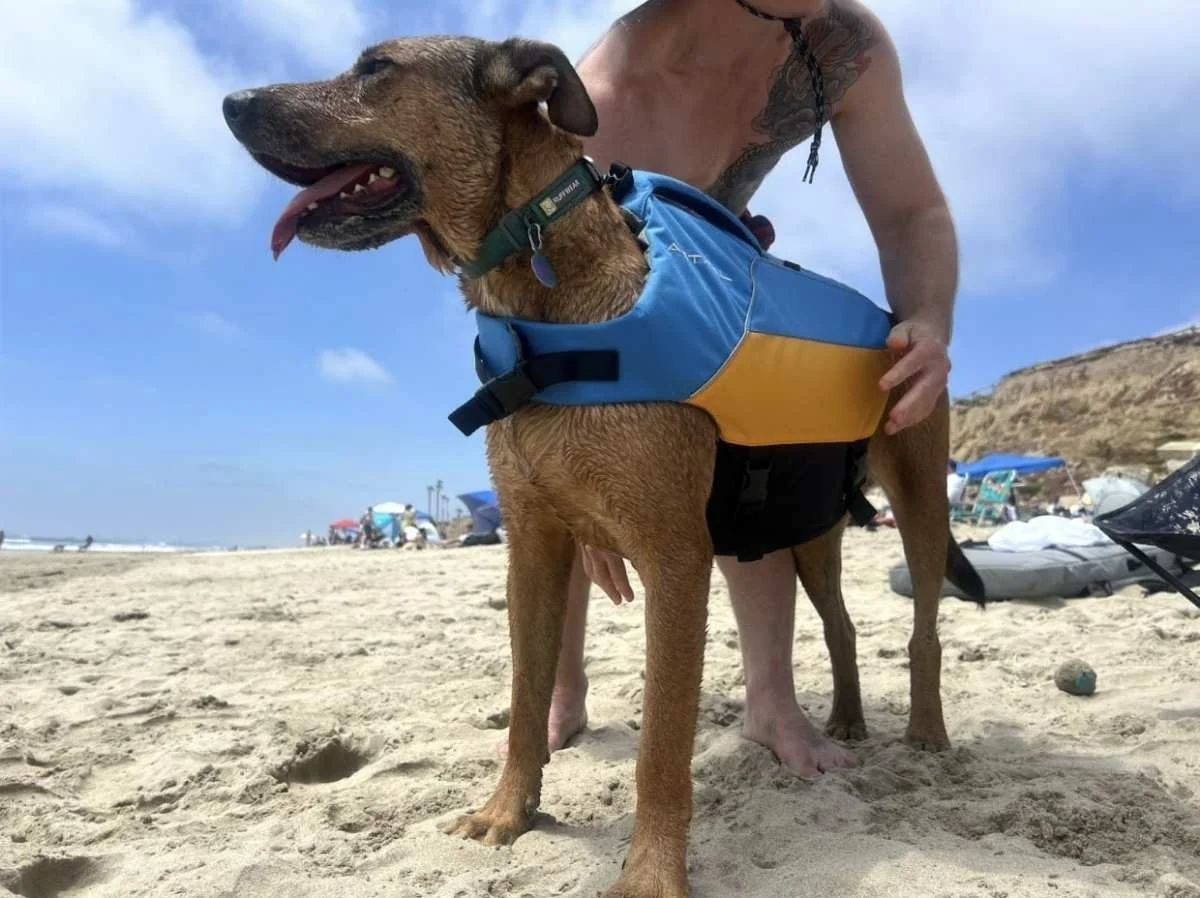
How should a dog life jacket fit? A proper fit allows you to slide two fingers between the jacket and your dog's body, ensures the jacket doesn't extend past the tail, and provides a full range of motion for swimming and running. If the jacket is too long, it will interfere with the dog’s tail, which acts as a rudder. If it’s too loose, the dog might "swim out" of the jacket entirely.
Measuring Guide
- Girth: Measure the widest part of your dog's ribcage. This is the most critical measurement.
- Neck: Measure the circumference where a collar usually sits.
- Length: Measure from the base of the neck to the base of the tail. The jacket should ideally cover 50-75% of the back.
Water Safety & Post-Swim Care
Your adventure doesn't end when you get back to the shore. Proper maintenance ensures the gear lasts and your dog stays healthy.
- Rinse Immediately: Salt water and chlorine are incredibly abrasive to both the jacket's fabric and your dog's skin. Always rinse your dog and their vest with fresh water after every outing.
- Dry Thoroughly: Never store a wet dog life jacket in a bin or a trunk. Mold can develop quickly, breaking down the foam and irritating your dog's skin.
- Prevent Ear Infections: Dogs that spend time in the water are prone to ear infections. Use a vet-approved drying solution after swimming to clear out excess moisture.
- Environmental Awareness: Keep an eye out for blue-green algae, which can be toxic. In the ocean, always be aware of the tide schedule and offshore winds that can push a paddleboarder (and their dog) further out than intended.
FAQ
Q: Can my dog wear a life jacket with a harness underneath? A: Most high-quality life jackets, like the Ruffwear Float Coat, are designed to fit securely on their own. However, some models have a leash attachment point. I don't recommend wearing a separate harness underneath as it can cause significant chafing and interfere with the jacket's safety release.
Q: My dog is a great swimmer. Is a life jacket really necessary for a calm lake? A: Yes. Think of it like a seatbelt. You don't expect to get in a crash every time you drive, but you wear it just in case. Unexpected cramps, exhaustion, or a sudden scare can cause even a pro swimmer to panic.
Q: How do I clean my dog's life jacket? A: Hand wash with a mild detergent and hang to dry in the shade. Direct sunlight can degrade the buoyancy foam over time.
Ready to Hit the Water?
Choosing the right gear is the first step toward a lifetime of safe, wet, and wild adventures with your best friend. Whether you're tackling 2-foot swells in the Pacific or just drifting down a lazy river, having that emergency handle and extra buoyancy gives you the peace of mind to focus on what really matters: the bond between you and your pup.
Don't wait for a "close call" to realize the importance of water safety. Grab a vest, check the fit, and I’ll see you out on the water.
Go explore. Stay safe.
— Marcus Rivera Adventure & Outdoors Editor