Our Top Picks
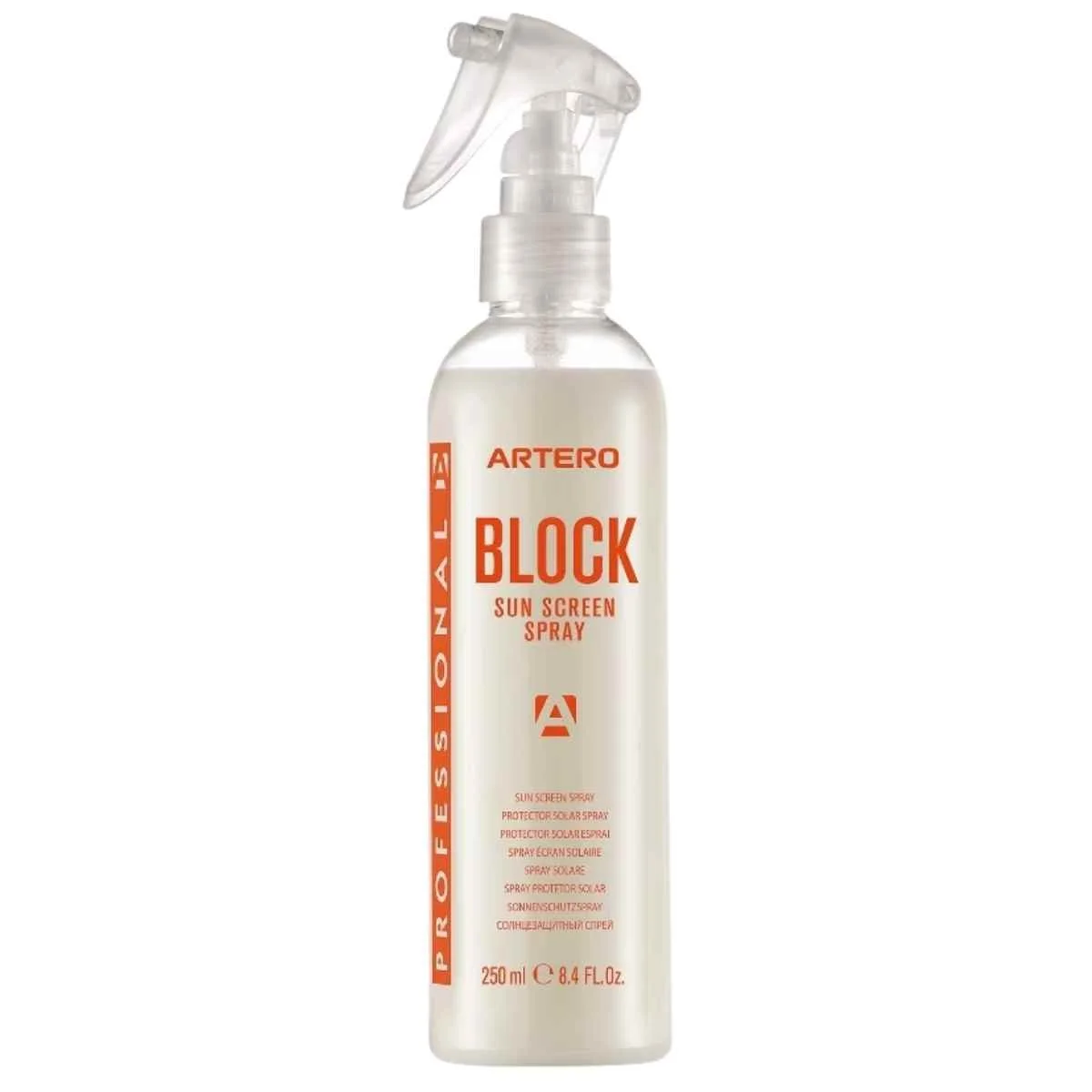
- Top Performance: Epi-Pet K-9 Care Sun Protector — The only FDA-compliant spray that offers broad spectrum protection without the grease.
- Best for Targeted Use: Snout Soother Balm — A thick, nourishing barrier ideal for the best sunscreen for dog nose and ears.
- Best for Active Pups: Waterproof Mineral Stick — Stays on through lake swims and heavy panting, perfect for summer vacations.
- Best for Travel: Petkin Sunwipes — Convenient, mess-free dog sunscreen wipes that fit easily into any hiking pack or beach bag.
- Best for Sensitive Skin: Bodhi Dog Natural Sunscreen — A mineral-based formula that uses non-toxic ingredients for pup-safe sun care.
- Best for Grooming: Emmy's Best Pet Products Sun Protector — A lightweight dog sunscreen spray that does not leave a residue on light-colored coats.
As temperatures rise in 2026, protecting your pet from UV radiation is more critical than ever. Whether you have a hairless breed or a dog with pink skin, finding a vet-safe dog sunscreen is essential for skin cancer prevention.
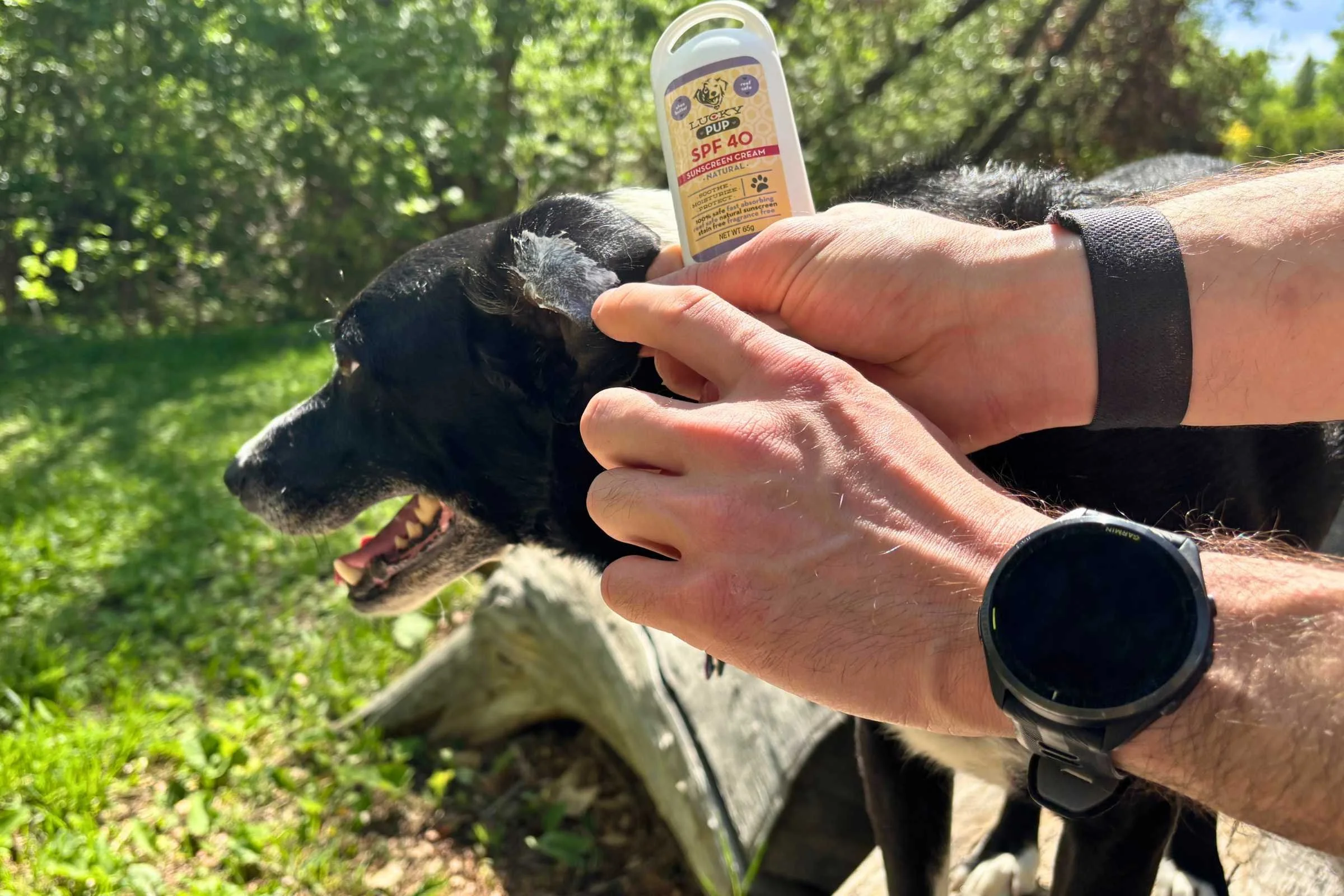
When we pack the minivan for a weekend at the lake, I spend plenty of time making sure my kids have their SPF 50 reapplied every hour. But for a long time, I did not realize that my Golden Retriever, Sunny, was just as vulnerable to the sun as the rest of my family. Many pet parents are in the same boat. In fact, according to a 2022 survey of 2,000 pet owners, 46 percent of dog owners were unaware that their pets should wear sunscreen during hot weather, and 57 percent never applied it before going outdoors.
As a family travel editor, I look for products that are practical, safe, and worth the investment. Dogs have thin skin on their bellies, ears, and noses that can burn just as easily as ours. Over time, this exposure can lead to serious health complications, including squamous cell carcinoma. This guide will walk you through the absolute best dog sunscreen options available in 2026 and how to keep your furry family members safe under the sun.
Can I Use Human Sunscreen on My Dog? Safety First
The most common question I get from other parents at the park is: can i use human sunscreen on my dog? The answer is a very firm no. While it might seem convenient to use the bottle already in your beach bag, human formulas are not designed for animals that spend half their lives licking their fur.
Safety Warning: Most human sunscreens contain zinc oxide or salicylates. While these are safe for us, they are highly toxic to dogs if ingested. Because dogs naturally groom themselves, they are likely to lick off any product you apply. Ingesting zinc oxide can lead to severe gastrointestinal upset, and in localized cases, it can lead to more systemic toxicity.
When you are browsing the aisles or shopping online, you must look for a zinc free dog sunscreen. Veterinary dermatologists emphasize that dogs need a mineral-based formula that relies on titanium dioxide. This ingredient acts as a physical barrier against UV radiation without the toxic risks associated with traditional human blockers.
Recent 2026 health updates also highlight the emergence of new chemical filters like Bemotrizinol, which is becoming a game-changer for pet safety due to its stability and high safety profile. However, the golden rule remains: if it is not specifically labeled for canines, keep it away from your pet. Using a dedicated dog sunscreen is the only way to ensure your pet is protected from skin cancer prevention without the risk of poisoning.
6 Best Dog Sunscreens of 2026: Detailed Reviews
Selecting the right product depends on your dog's coat type and your planned activities. Below is a comparison of the top-rated options currently recommended by experts.
| Product Name | Best For | SPF Rating | Form Factor |
|---|---|---|---|
| Epi-Pet K-9 Care | Full Body Coverage | SPF 30+ | Non-aerosol Spray |
| Snout Soother Balm | Nose and Ears | N/A (High Block) | Balm/Stick |
| Petkin Sunwipes | Quick Touch-ups | SPF 15 Equivalent | Wipes |
| Bodhi Dog Sunscreen | Natural Ingredients | SPF 30 | Moisturizing Mist |
| My Dog Nose | Swimming/Water | SPF 30 | Waterproof Balm |
| Emmy's Best | Hairless Breeds | SPF 30 | Lightweight Spray |
1. Epi-Pet K-9 Care Sun Protector
This is the gold standard of dog sunscreen spray options. It is currently the only formula that is fully FDA-compliant for dogs. It provides broad spectrum protection and is incredibly easy to apply to large surface areas.
- The Pro: It is non-greasy and has a pleasant vanilla scent.
- The Flaw: The spray can sometimes be loud, which might startle sensitive or anxious dogs during application.
2. Snout Soother Balm
If you are looking for a dedicated dog sunscreen for nose applications, this is the one. It is a thick, licking resistant balm that creates a physical shield. It is particularly effective for breeds with pink skin on their snouts.
- The Pro: Highly moisturizing; great for dry or cracked noses.
- The Flaw: It is a bit thick, so you will need to rub it in thoroughly to prevent your dog from wiping it off on the grass immediately.
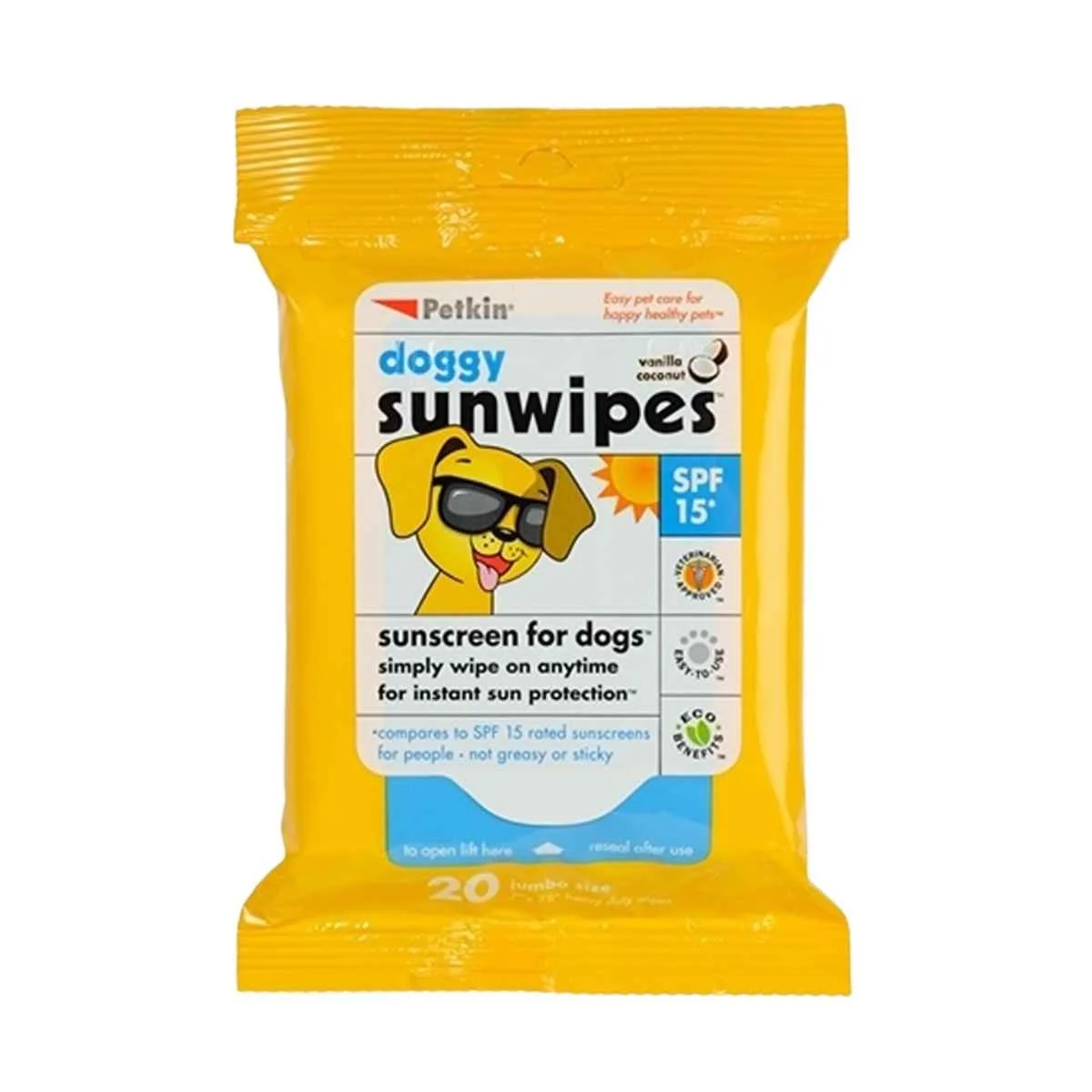
3. Petkin Sunwipes
For the parent on the move, dog sunscreen wipes are a life-saver. These are perfect for squirmy dogs who will not stand still for a spray. I keep a pack of these in my car's glove box for spontaneous trips to the patio.
- The Pro: Extremely portable and easy to use on ear tips.
- The Flaw: They do not provide as deep coverage as a spray or balm, so they are better for short walks rather than a full day at the beach.
4. Bodhi Dog Natural Sunscreen
This is a fantastic mineral-based formula for parents who prefer organic and natural ingredients. It uses oils like jojoba and shea butter alongside titanium dioxide to protect the skin.
- The Pro: Great for dogs with allergies or ultra-sensitive skin.
- The Flaw: It requires more frequent reapplication than some of the synthetic-blend competitors.
5. My Dog Nose It Waterproof Balm
This is the ultimate waterproof dog sunscreen for swimming. It stays on through splashes and dives, providing a reliable barrier even when your pup is constantly in and out of the water.
- The Pro: Dries quickly and does not leave a white residue.
- The Flaw: The container is small, so it is best used as a spot treatment for the nose and ears rather than full-body coverage.
6. Emmy's Best Pet Products Sun Protector
Specifically designed with hairless dog breeds and light-colored fur in mind, this spray is very lightweight. It does not weigh down the hair or make the dog feel sticky, which is a major win for indoor/outdoor transition.
- The Pro: The nozzle provides a fine, even mist.
- The Flaw: Some users find they need a firm press to get a consistent spray, so I often recommend spraying it into your palm first and then massaging it onto the dog.
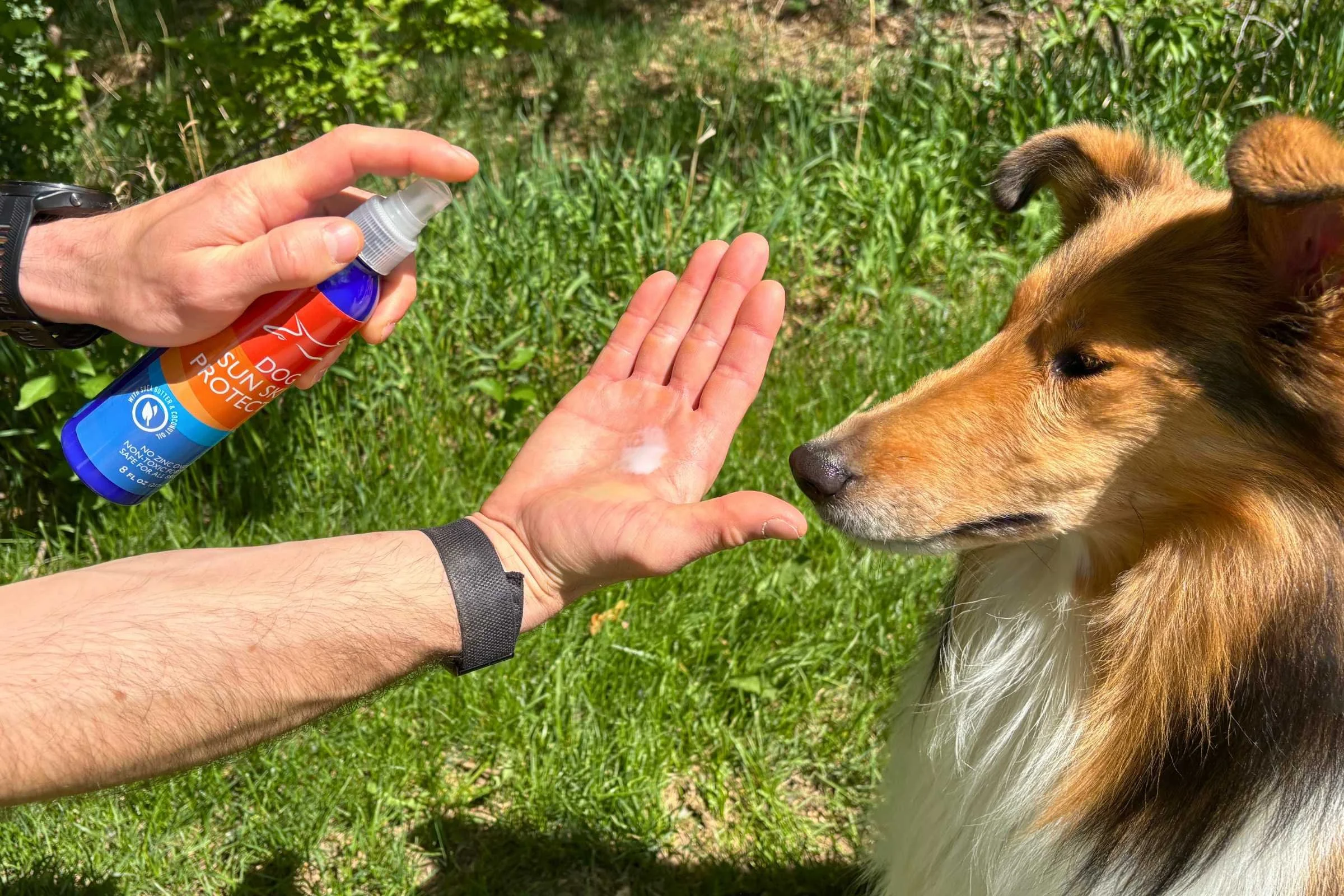
How to Apply Dog Sunscreen Safely
Applying sunscreen to a dog is a bit different than applying it to a child. You have to consider fur density and the high likelihood of them trying to lick the product off before it sets. Veterinary dermatologists suggest the "15-minute rule": apply the product 15 to 30 minutes before heading outside to give it time to absorb.
When applying, follow this anatomical checklist for maximum safety:
- The Bridge of the Nose: This is the most common site for sun damage.
- Ear Tips: Especially important for dogs with upright ears or white fur.
- The Belly and Groin: Many dogs love to sunbathe on their backs. Since the fur is thin here, the sun reflects off the pavement or sand and hits the belly directly.
- Inner Thighs: Ensure coverage here if your dog spends time in reflective environments.
It is a common mistake to think protection is only for sunny days. Even on overcast days, as much as 80 percent of ultraviolet rays can penetrate through cloud cover to reach a dog's skin. This is particularly dangerous at high elevations. In the mountains, UV intensity increases significantly (often 6-12% for every 3,000 feet gained), and reflective surfaces like snow or water can double the exposure.
If you are out between the peak UV hours of 10:00 AM and 4:00 PM, reapply the dog sunscreen every two hours. If your dog is a frequent swimmer, even "water-resistant" formulas should be touched up after they shake themselves dry. Keep an eye out for signs of sunburn, such as redness, peeling skin, or the dog flinching when touched. If you notice these, move to the shade immediately and consult your vet.
FAQ
What sunscreen can you use on dogs?
You should only use sunscreens that are specifically formulated for pets and labeled as safe for dogs. These products must be free of zinc oxide and salicylates. Look for a mineral-based formula that uses titanium dioxide to provide a physical barrier. Veterinary experts advise using sunscreens specifically formulated for pets with a minimum SPF of 30, as any lower may not provide sufficient protection for thin-skinned areas.
Does dog sunscreen actually work?
Yes, high-quality dog sunscreen is effective at blocking harmful UV rays and preventing painful sunburns. When applied correctly and reapplied after swimming or heavy activity, it significantly reduces the risk of long-term skin damage and cancers like squamous cell carcinoma. It is an essential part of a preventative health routine for any dog that spends time outdoors.
Can I use normal sunscreen on my dog?
No, normal human sunscreen is not safe for dogs. Most "normal" formulas contain ingredients that are toxic to canines if licked or swallowed. Dogs treat sunscreen like a tasty treats once it hits their skin, often licking it off immediately. Human-grade chemicals can cause red blood cell damage or severe liver issues in pets.
Can I put human sunscreen on a dog?
You should never put human sunscreen on a dog unless it is a very specific, rare brand that has been explicitly cleared by your veterinary dermatologist—but even then, it is safer to stick with pet-specific options. The risk of toxicity from zinc oxide or salicylates far outweighs the convenience of using a human product.
What can I use as dog sunscreen?
The best thing to use is a vet-approved dog sunscreen spray, balm, or wipe. If you are in a pinch and don't have a pet-specific product, the best alternative is using physical barriers like dog sun-shirts (UV-protective clothing) or simply keeping your dog in the shade during peak UV hours. Never substitute human sunscreen as a quick fix.