
In this guide
- Is ten days enough for Boston, New York, Philadelphia and Washington?
- What is the complete day-by-day itinerary?
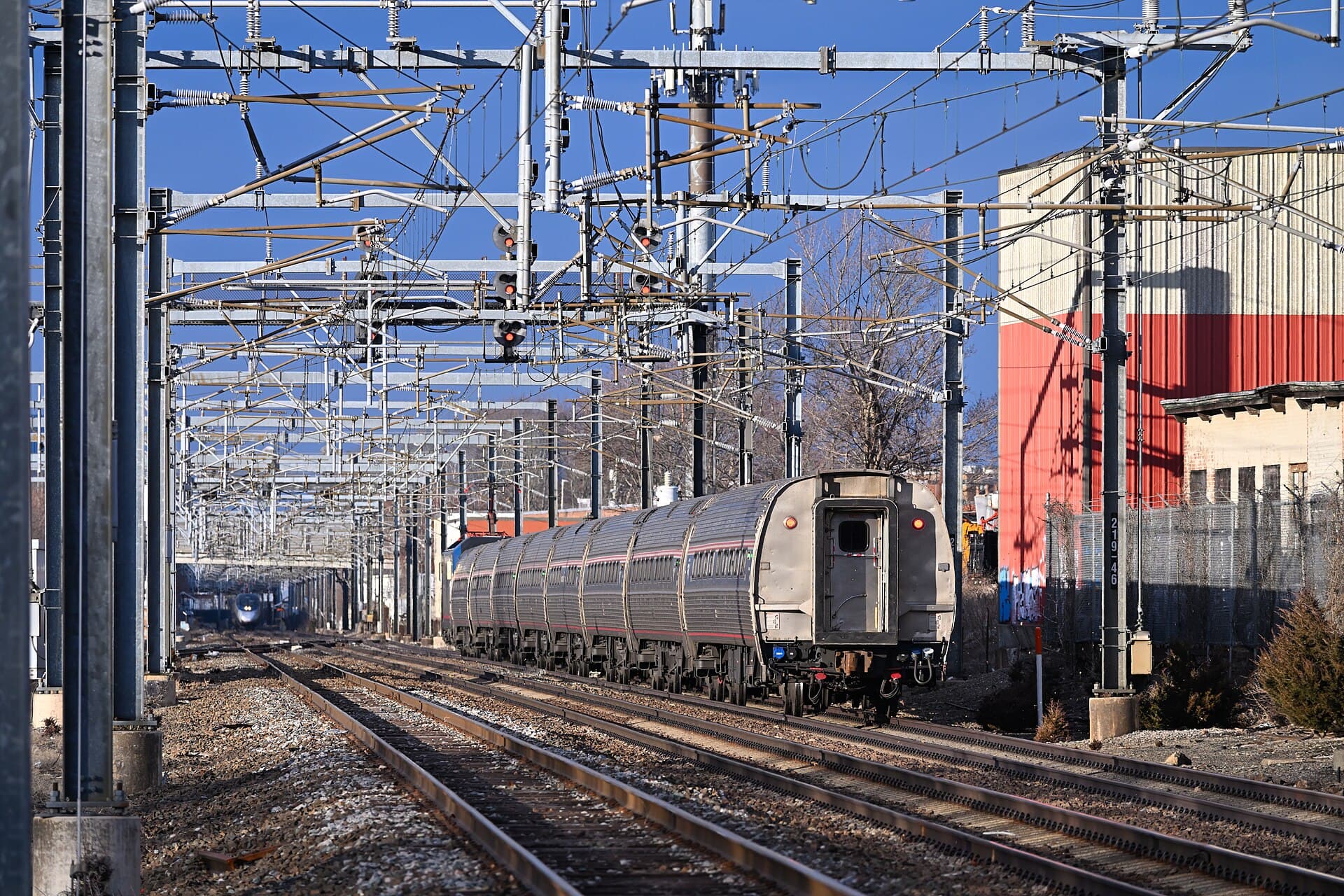
- How should the three Amtrak travel days work?
- Where should you stay in each city?
- How much walking and luggage can the itinerary handle?
- What should you book first?
- When should you change the 2–3–2–2 night split?
- Frequently asked questions about the four-city itinerary
- Sources and freshness
First-time visitors who want four contrasting cities and can manage three direct train legs.
Travelers seeking a slow, museum-deep stay or adding rural side trips inside the same ten days.
Is ten days enough for Boston, New York, Philadelphia and Washington?
Ten calendar days are enough for Boston, New York, Philadelphia and Washington when the trip uses open-jaw flights and three direct Amtrak legs. The workable split is two Boston nights, three New York nights, two Philadelphia nights and two Washington nights. That creates one full day in Boston, two in New York, one in Philadelphia and one full Washington day plus parts of two travel days.
Ten days are not enough for four museum-heavy stays or rural side trips. The route also loses its advantage if a round-trip flight forces a return to Boston or New York. In those cases, remove one city or add at least two nights instead of trying to compensate with very early trains.
| Days | Sleep | Usable sightseeing | Protected constraint |
|---|---|---|---|
| 1–2 | Boston · 2 nights | Arrival evening + one full day | No timed ticket on arrival day |
| 3–5 | New York · 3 nights | Arrival afternoon + two full days | Pack before the final evening |
| 6–7 | Philadelphia · 2 nights | Arrival afternoon + one full day | Keep Old City and museum day separate |
| 8–10 | Washington · 2 nights | Arrival afternoon + one full day + departure margin | Use DCA after mid-afternoon |
What is the complete day-by-day itinerary?
The day plan uses geographic clusters and keeps each train move before hotel check-in. Reserve only the attractions that matter most, then leave one unbooked block in New York and Washington for weather, fatigue or a transport delay.
- Day 1Sleep in Boston
Arrive at Boston Logan and keep the evening flexible
Take the Silver Line SL1 toward South Station when it matches the hotel. After check-in, use a short Boston Common, Public Garden or waterfront walk. Do not place a prepaid museum or cruise on arrival day because immigration, baggage claim and tunnel traffic control the usable evening.
- Day 2Full Boston day
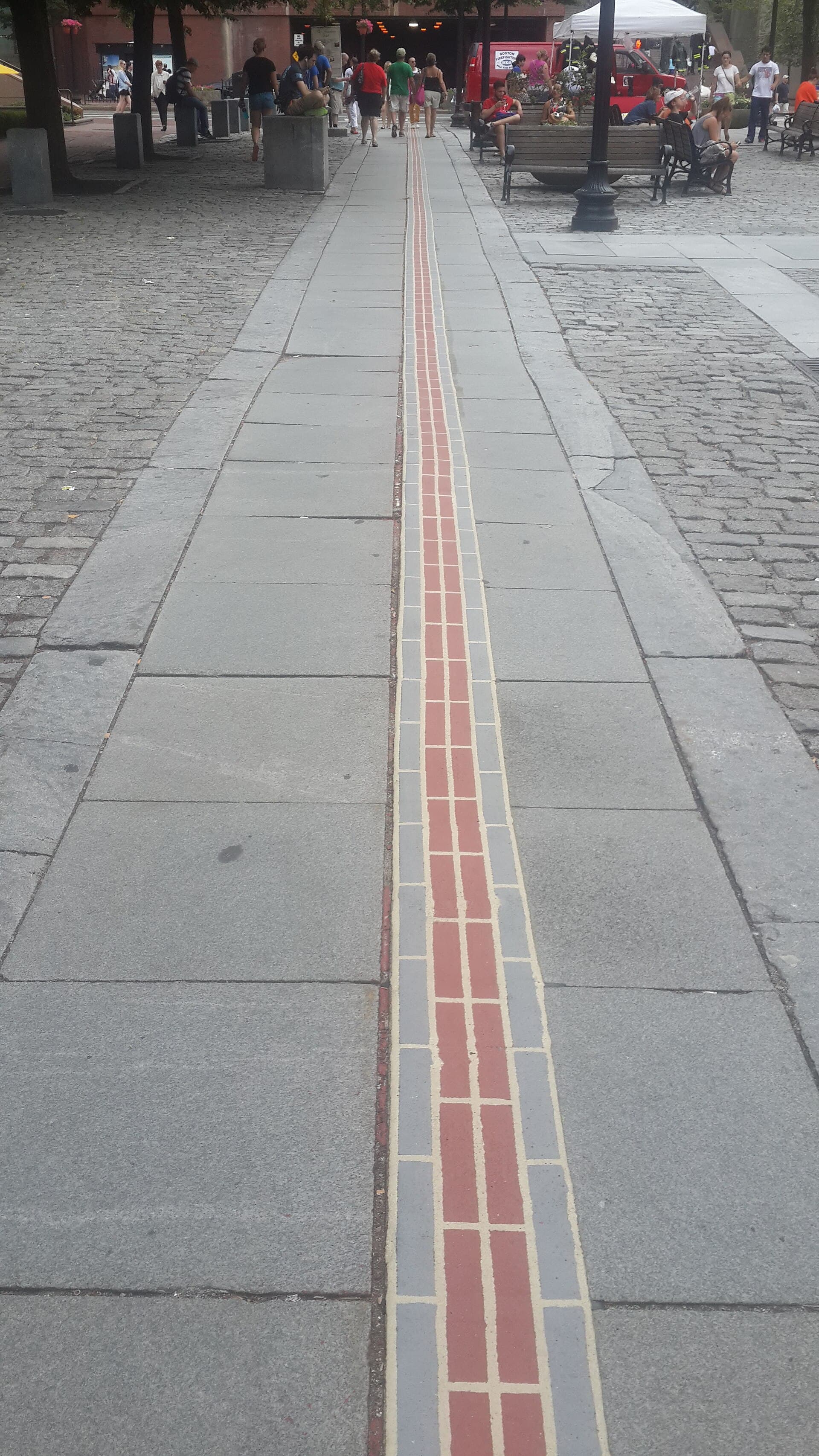
Walk the Freedom Trail and Boston waterfront
Start near Boston Common and follow the Freedom Trail through Downtown toward Faneuil Hall and the North End. Continue to the waterfront if the walking budget still feels comfortable. Use Back Bay and one museum as the rain or lower-walking version.
Walk the Freedom Trail and Boston waterfrontPhoto: Yaron1m · CC BY-SA 4.0 - Day 3Boston → New York · sleep in New York
Take a late-morning train to New York
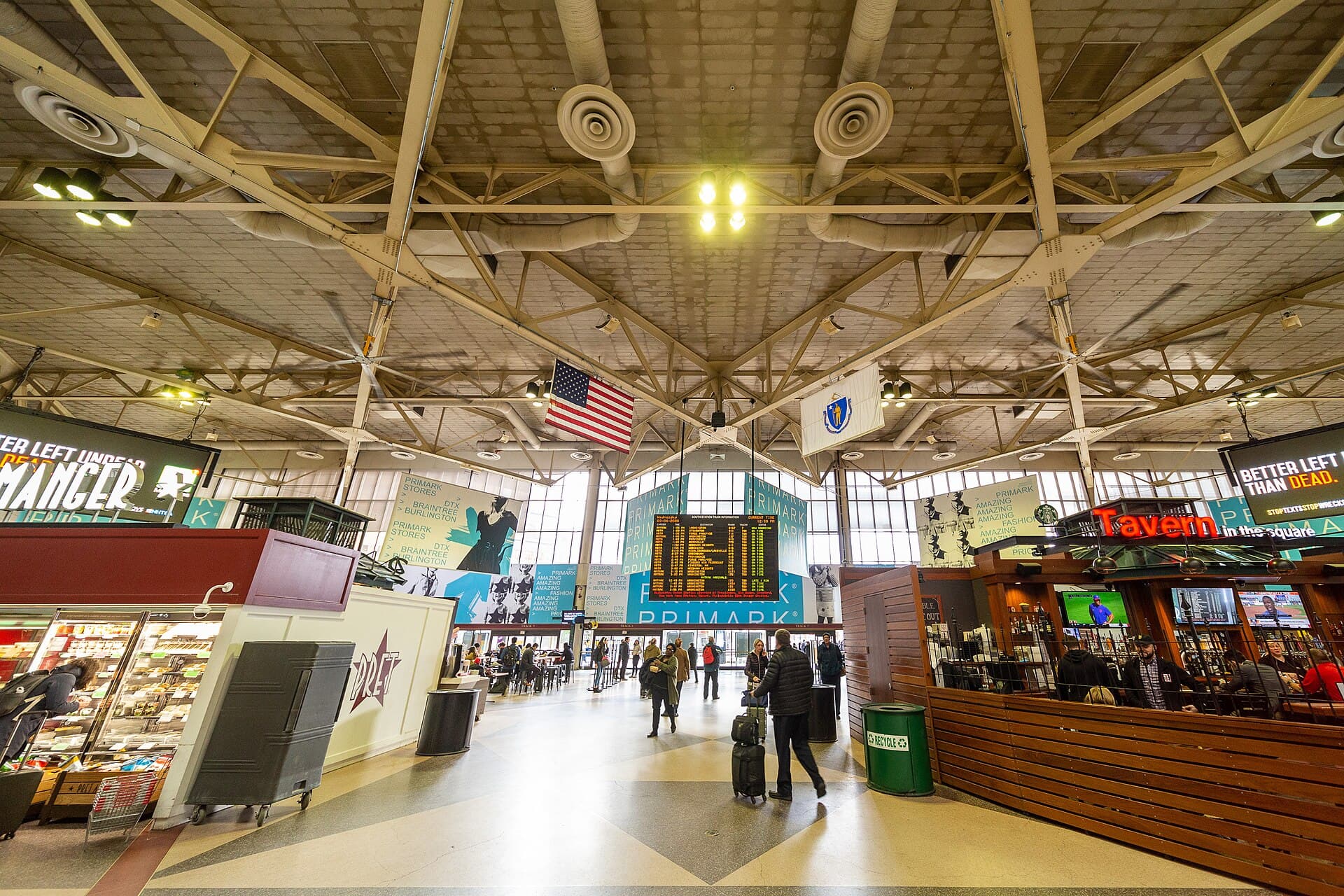
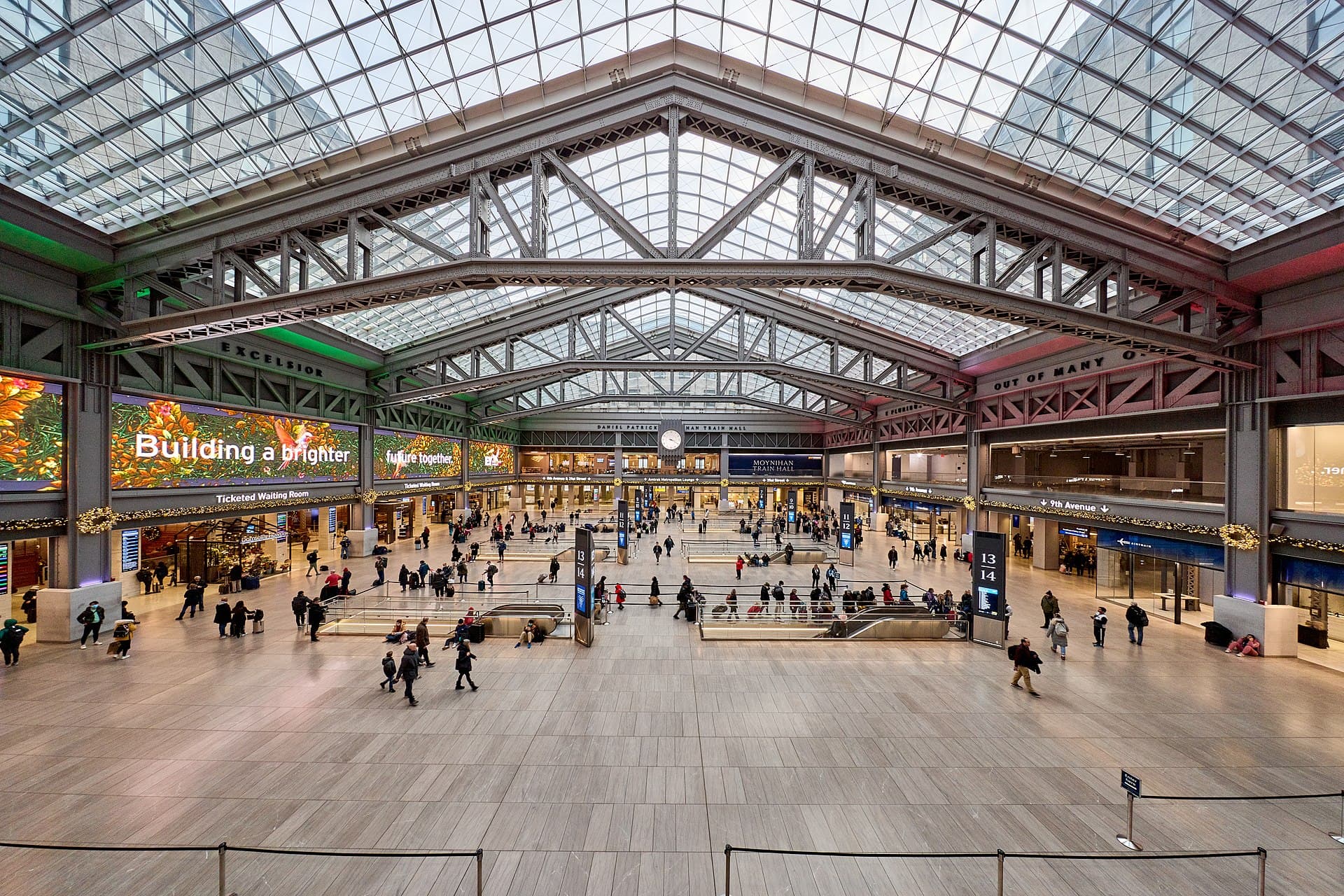
Reach South Station 25–35 minutes before a late-morning Northeast Regional. At Moynihan Train Hall, store bags if the room is not ready and keep the first New York afternoon in Midtown: Bryant Park, the New York Public Library, Times Square or one observation deck.
- Day 4Full New York day
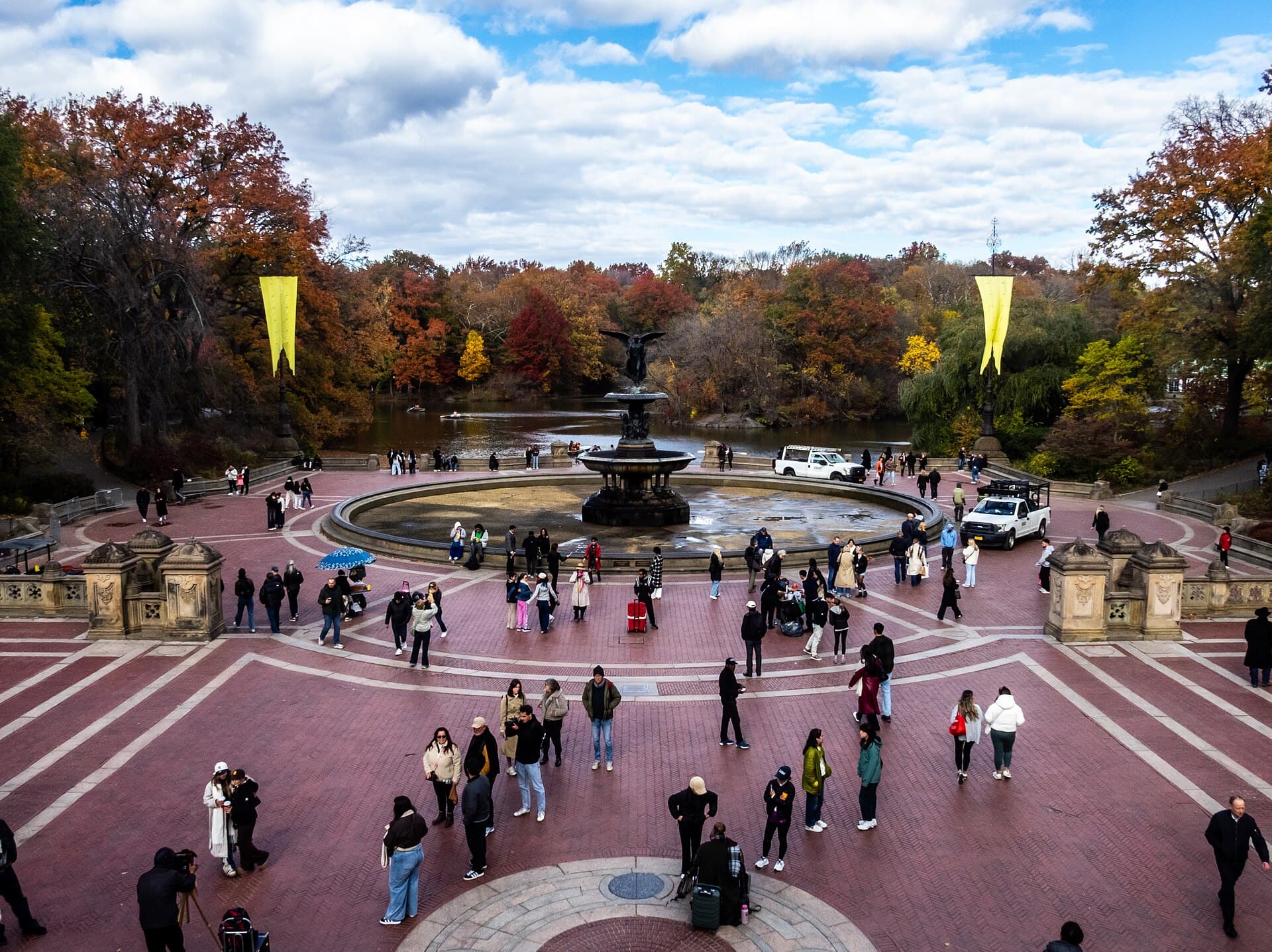
Pair Central Park with one major museum
Walk the southern part of Central Park, then choose the Metropolitan Museum of Art or the American Museum of Natural History. Finish near Fifth Avenue, Columbus Circle or Broadway according to the museum. One museum keeps the day usable; two usually turn it into an indoor transit exercise.
Pair Central Park with one major museumPhoto: Julian Lupyan · CC0 - Day 5Full New York day
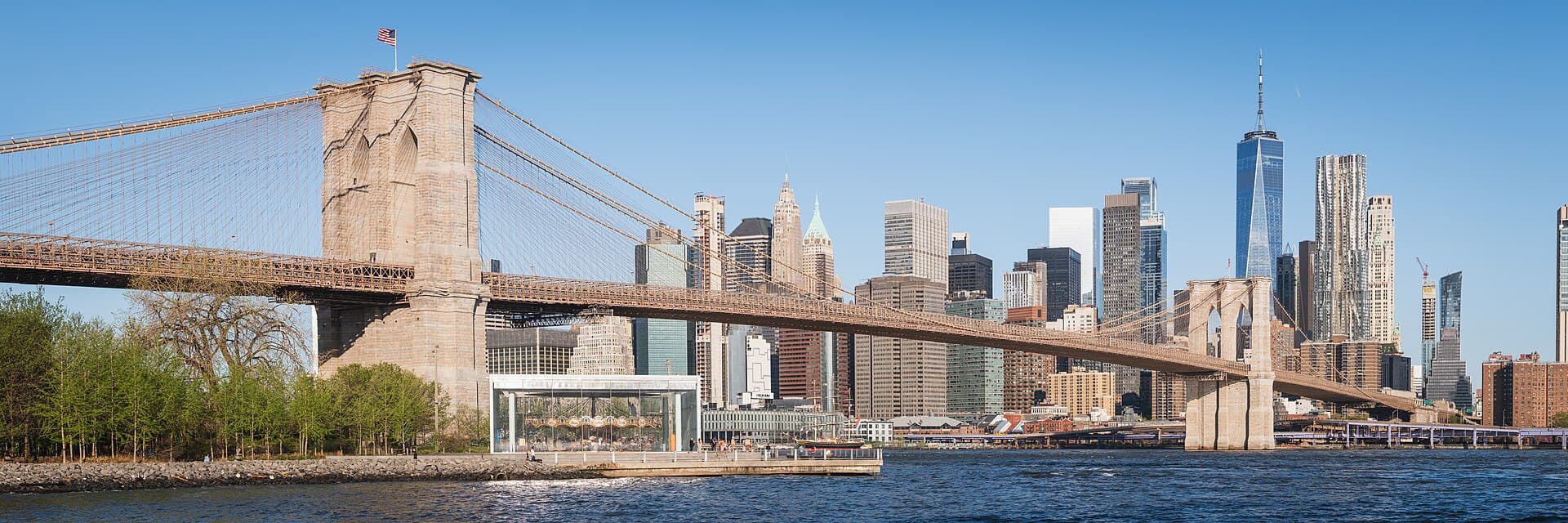
Use Lower Manhattan and Brooklyn as one route
Begin at the World Trade Center and 9/11 Memorial, continue through the Financial District and cross the Brooklyn Bridge only if the group still wants the walk. DUMBO and Brooklyn Bridge Park form the natural finish. Return with enough time to pack before dinner.
Use Lower Manhattan and Brooklyn as one routePhoto: Christian David · CC BY-SA 4.0 - Day 6New York → Philadelphia · sleep in Philadelphia
Travel to Philadelphia and start in the historic core
A late-morning train from Moynihan to 30th Street Station leaves time for breakfast and reaches Philadelphia near check-in. After storing bags, use the compact Old City cluster: Independence Hall exterior, the Liberty Bell area and nearby historic streets. Reserve interior entries only when the train schedule leaves a safe margin.
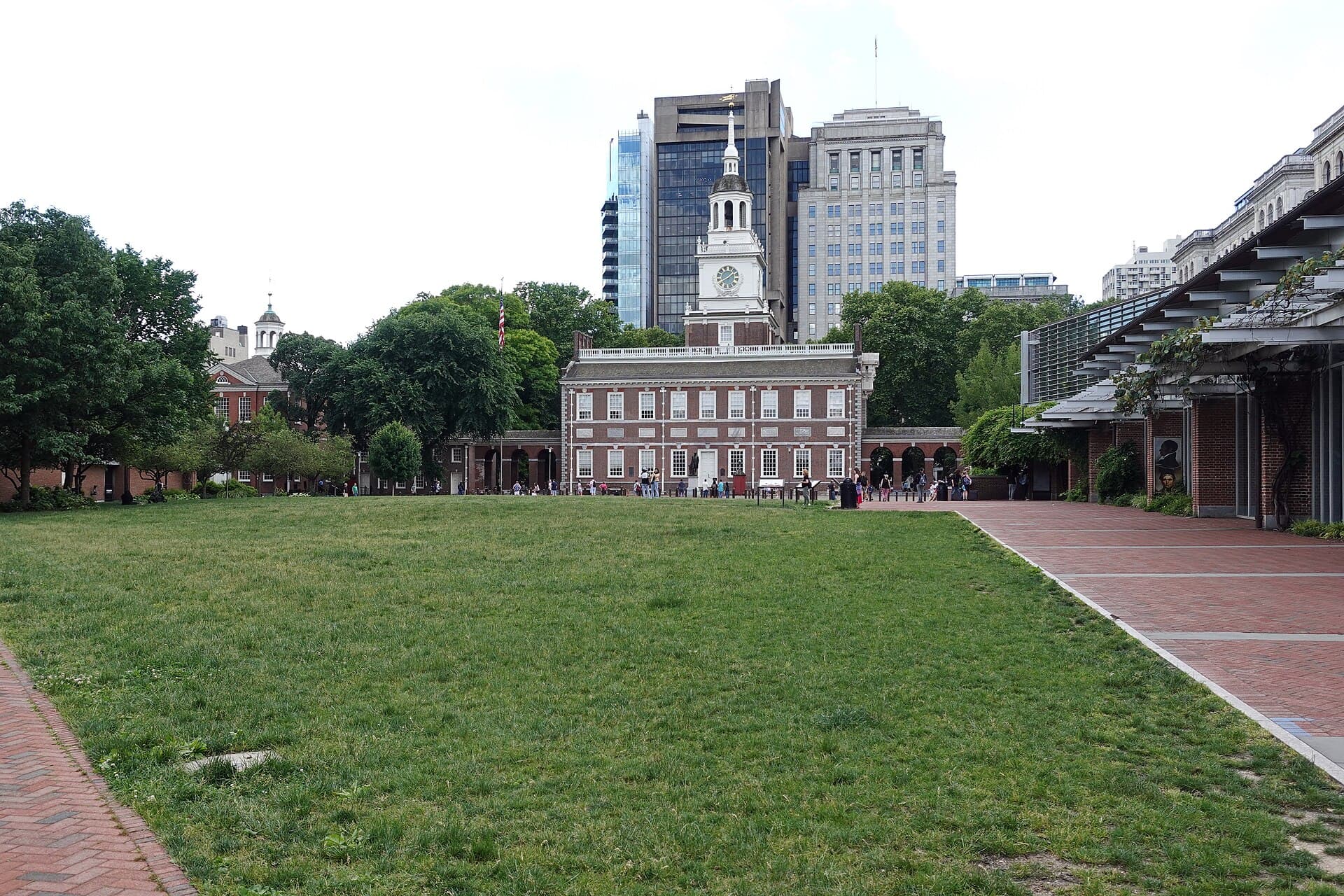
Travel to Philadelphia and start in the historic corePhoto: 颐园居 · CC BY-SA 4.0 - Day 7Full Philadelphia day
Choose one Philadelphia museum corridor
Use the Benjamin Franklin Parkway for the Philadelphia Museum of Art, Barnes Foundation or Rodin Museum, but choose one main collection. Travelers who prefer food and neighborhoods can replace the museum with Reading Terminal Market, Rittenhouse Square and the Schuylkill River Trail.
- Day 8Philadelphia → Washington · sleep in Washington
Take a late-morning train to Washington
Leave 30th Street Station after breakfast and arrive at Union Station around midday. Store luggage, then use the Capitol and eastern National Mall as the arrival cluster. Keep the western memorials for the following day to avoid crossing the entire Mall twice.
- Day 9Full Washington day
Combine one Smithsonian museum with the western Mall
Choose one Smithsonian museum for the morning or early afternoon. Continue west from the Washington Monument toward the World War II, Vietnam Veterans and Lincoln memorials. Timed tours of the Capitol or White House should replace part of this route, not be added on top.
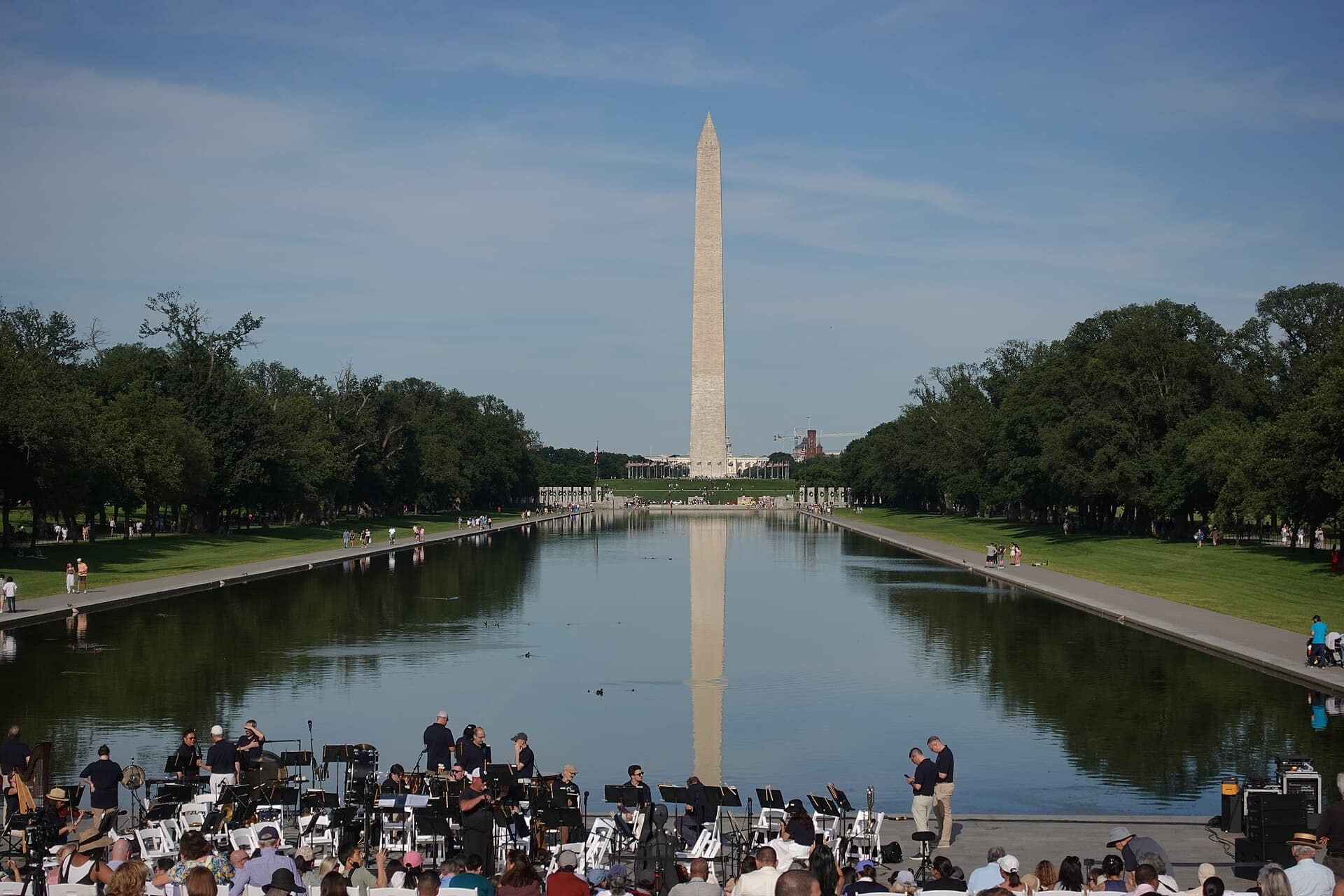
Combine one Smithsonian museum with the western MallPhoto: 颐园居 · CC BY-SA 4.0 - Day 10Washington → DCA
Use the final morning only when the DCA flight permits it
For a DCA flight after about 4 p.m., use a short Capitol Hill, Penn Quarter or museum block and then retrieve bags. Earlier departures make day ten a departure-only day. DCA is close to central Washington, but Metro service, baggage drop and airport screening remain separate queues.
How should the three Amtrak travel days work?
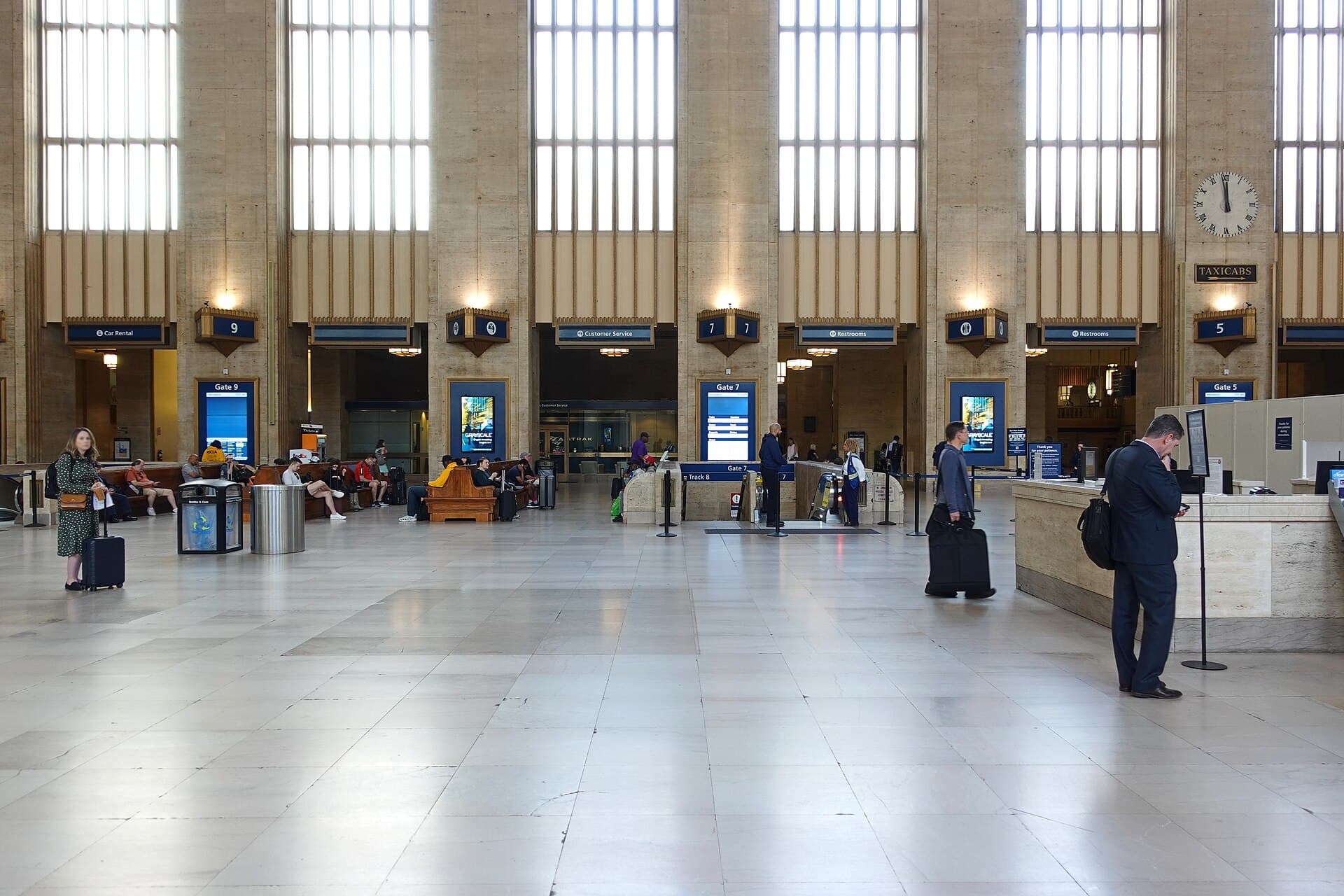
Late-morning departures are the default because they protect breakfast and checkout while reaching the next city close to hotel check-in. The New York–Philadelphia leg is short enough to leave after 11 a.m.; the Philadelphia–Washington leg should still arrive by early afternoon if the Capitol area is planned for day eight.
- 01
Pack and check out before leaving for the station
Keep passports, medication, chargers and the ticket in a personal item. Each traveler should control one suitcase rather than redistributing bags in the boarding line.
- 02
Reach the correct station 25–35 minutes early
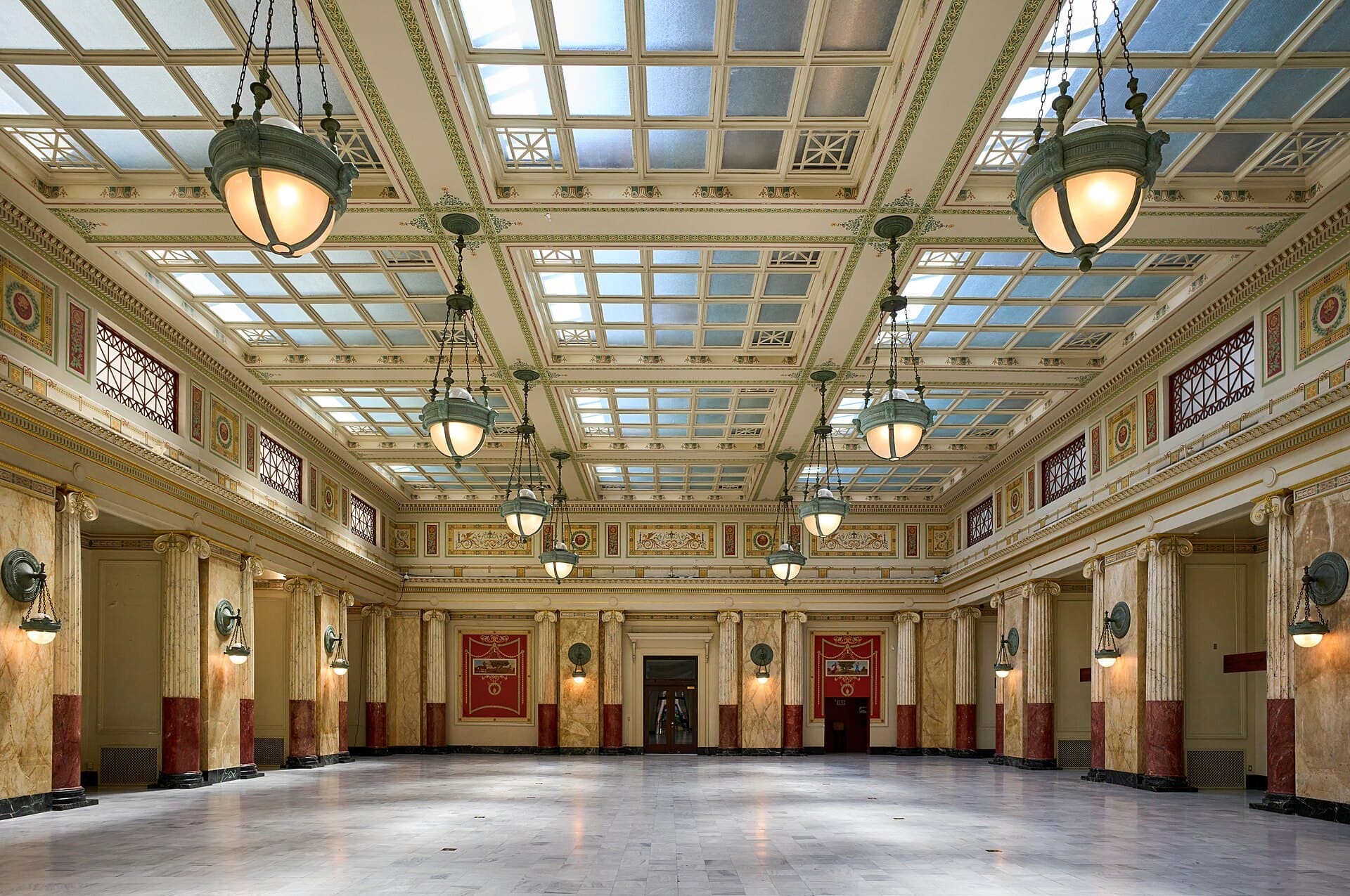
Use South Station in Boston, Moynihan Train Hall in New York and 30th Street Station in Philadelphia. This is a station buffer, not an airport-style security requirement.
- 03
Board with a preselected arrival plan
Know the hotel address, nearest useful exit and whether the last mile is a walk, transit ride or taxi before the train reaches the city.
- 04
Keep the arrival afternoon close to the hotel
Do not cross the new city for a fixed reservation immediately after arrival. Use a nearby sightseeing cluster so a moderate rail delay does not erase the plan.
Where should you stay in each city?
The right hotel removes one difficult transfer. A small room near a useful station usually saves more time than a larger room that adds a bus or second subway line to every arrival.
| City | Low-friction areas | Why they work | Main tradeoff |
|---|---|---|---|
| Boston | Downtown or Back Bay | Walkable core and simple South Station access | Back Bay is less direct from Logan |
| New York | Midtown South | Close to Moynihan and several subway lines | Rates, crowds and street noise |
| Philadelphia | Center City West or Rittenhouse | Useful for 30th Street and Parkway sights | Old City needs a local connection |
| Washington | Penn Quarter or NoMa | Mall access or Union Station simplicity | Choose sightseeing or station priority |
How much walking and luggage can the itinerary handle?
TrailGuider’s planning estimate is five to eight miles of walking on the Boston, New York and Washington full days when every named stop is used. Philadelphia can remain closer to four to six miles when Old City and the Parkway are kept on separate days. Museum interiors can add substantial distance even when the map looks compact.
One suitcase and one personal item per traveler are the practical maximum for this itinerary. Three train moves and four hotels repeat the same lifting, pavement and storage work. Travelers with several heavy cases should use station taxis, luggage delivery or one fewer hotel move.
| Constraint | Keep the four-city plan when | Replan when |
|---|---|---|
| Walking | The group manages one large cluster per day | Daily walking needs to stay below about three miles |
| Luggage | Each traveler controls one suitcase | Several heavy cases need help at every move |
| Museums | One major museum per full day is enough | Two or more collections per city are priorities |
| Flight days | Boston arrival and DCA departure retain usable time | Both flight days are effectively lost |
What should you book first?
Book the least flexible decisions first: open-jaw flights, central hotels, intercity trains and then timed attractions. The three train fares are dynamic, but a slightly more expensive departure that matches hotel checkout can save more usable time than the cheapest early or late option.
| Order | Book | Decision to protect |
|---|---|---|
| 1 | BOS arrival and DCA departure | Usable first and final days |
| 2 | Four flexible hotels | Station access and luggage storage |
| 3 | Three Amtrak departures | Checkout, check-in and arrival daylight |
| 4 | One priority attraction per full day | Weather and delay flexibility |
When should you change the 2–3–2–2 night split?
Do not move a night only to make the numbers look equal. Move it toward the city with the most fixed reservations or the largest museum list. If no city can lose a night, the trip needs more time.
| Priority | Better allocation | What changes |
|---|---|---|
| New York museums and neighborhoods | 2–4–1–2 | Philadelphia becomes one arrival night and one compact morning |
| Washington museums | 2–3–1–3 | Philadelphia becomes a short stop; Washington gains two full days |
| American history | 2–2–2–3 | Keep Philadelphia and extend Washington |
| Lower walking | Remove one city | Use three longer stays and fewer luggage moves |
Frequently asked questions about the four-city itinerary
Can the four-city itinerary run in the reverse direction?
Yes. Washington to Boston works equally well when flights are better in that direction. Keep the cities linear and use different entry and exit airports rather than returning to the first city.
Is Acela necessary for the ten-day itinerary?
No. Northeast Regional is the value default for all three rail legs. Choose Acela only when a specific departure saves useful time or the premium seat matters enough to justify the fare.
Which city should be removed if the trip drops to eight days?
Remove Philadelphia for the simplest eight-day version, or remove Boston when flights make Washington and New York the stronger anchors. Four cities in eight calendar days creates too many hotel moves.
Can children or lower-walking travelers use this itinerary?
Yes, but each full day should use one compact cluster, one main indoor sight and a planned rest. Skip optional bridge walks, use station taxis with luggage and remove a city if the group needs frequent hotel breaks.
Evidence
Official sources and freshness
Marcus Reed and Priya Shah reviewed the source links, dated claims and instructions on 2026-07-31. This guide is scheduled for review by 2026-10-31. Dynamic sources are marked below and should be checked again near travel.
What changed in this review
- Added a complete ten-day schedule with named sightseeing clusters and flight-day cutoffs.
- Added three executable rail-day steps, four station images and walking/luggage thresholds.
- Rechecked the night count, station sequence and airport assumptions against official sources on 2026-07-31.
- AmtrakNortheast Regional route and amenitiesChecked 2026-07-31
Use the booking flow for the exact train, duration and fare.
- AmtrakCurrent Northeast Regional timetableDynamic source · recheck within 30 days
Published schedules vary by date and train; confirm the exact booking before travel.
- AmtrakBoston South StationChecked 2026-07-31
- AmtrakNew York Moynihan Train HallChecked 2026-07-31
- AmtrakPhiladelphia William H. Gray III 30th Street StationChecked 2026-07-31
- AmtrakWashington Union StationChecked 2026-07-31
- AmtrakHow to prepare for your first Amtrak tripChecked 2026-07-31

- Marcus ReedTransportation Evidence Editor
- Priya ShahTravel Editorial Standards Editor
Reporting contributions from Maya Thompson, Daniel Kim.