In this guide
Museum, history and government visitors arriving by Amtrak or at DCA, with a hotel near Metro.
Travelers expecting the National Mall to be a compact plaza or relying on Metro to remove all walking.
Choose DCA for simplicity, IAD for flight choice
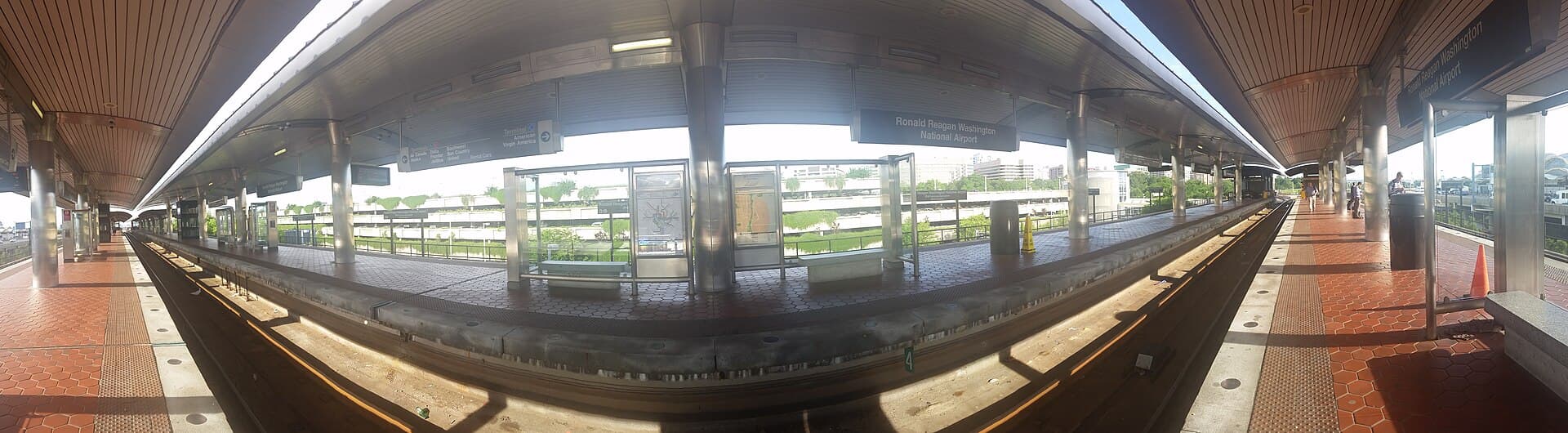
DCA is the easier ground transfer: the Metro station is directly connected to the airport and the ride into central Washington is short. IAD is fully workable by Silver Line, but the station walk and longer rail journey need more buffer.
A cheaper IAD flight can still be the right choice when the schedule is much better. Compare the entire chain—landing time, immigration, Metro operating hours and hotel location—not only the airfare.
Union Station is part of the local network
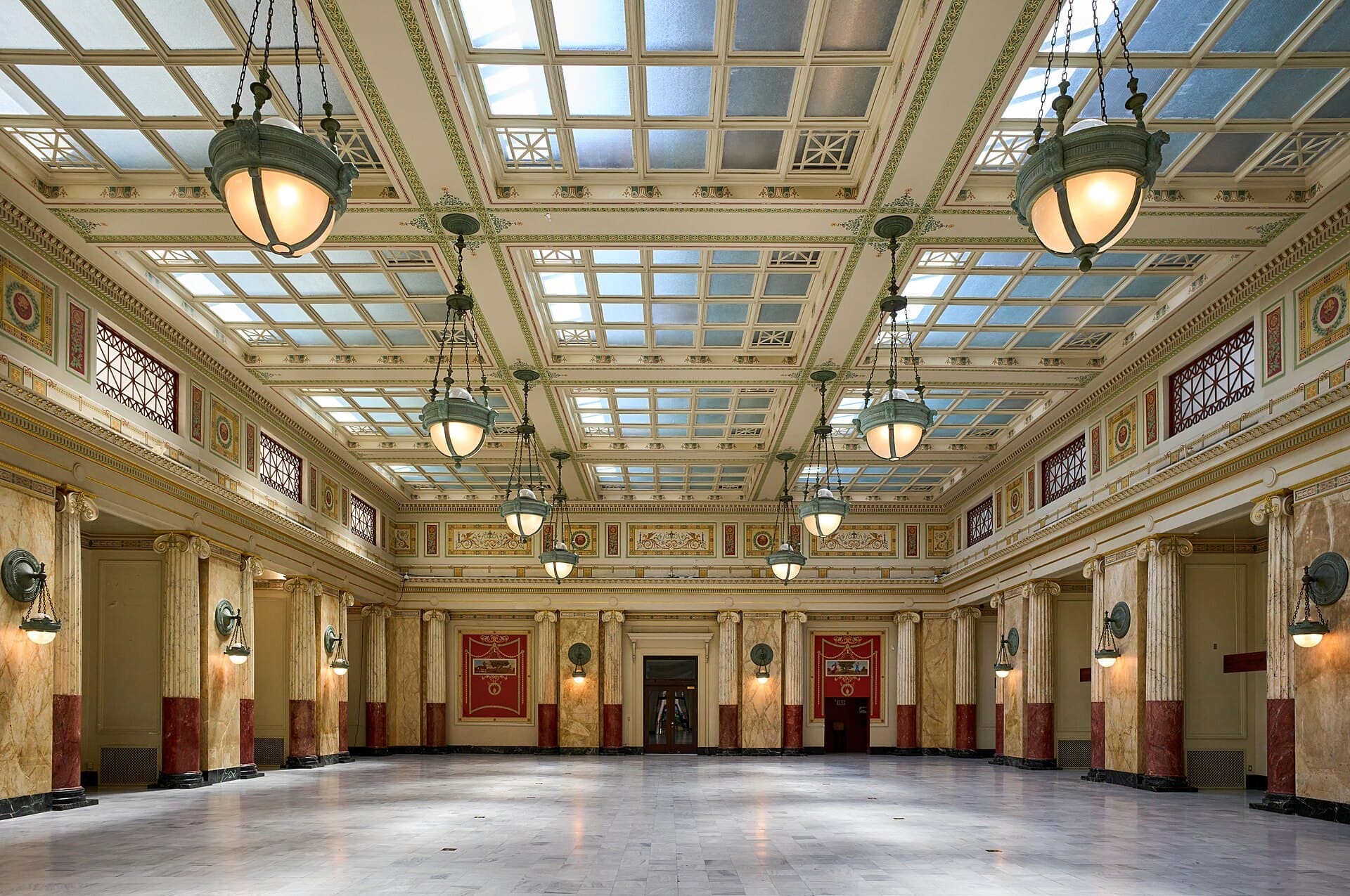
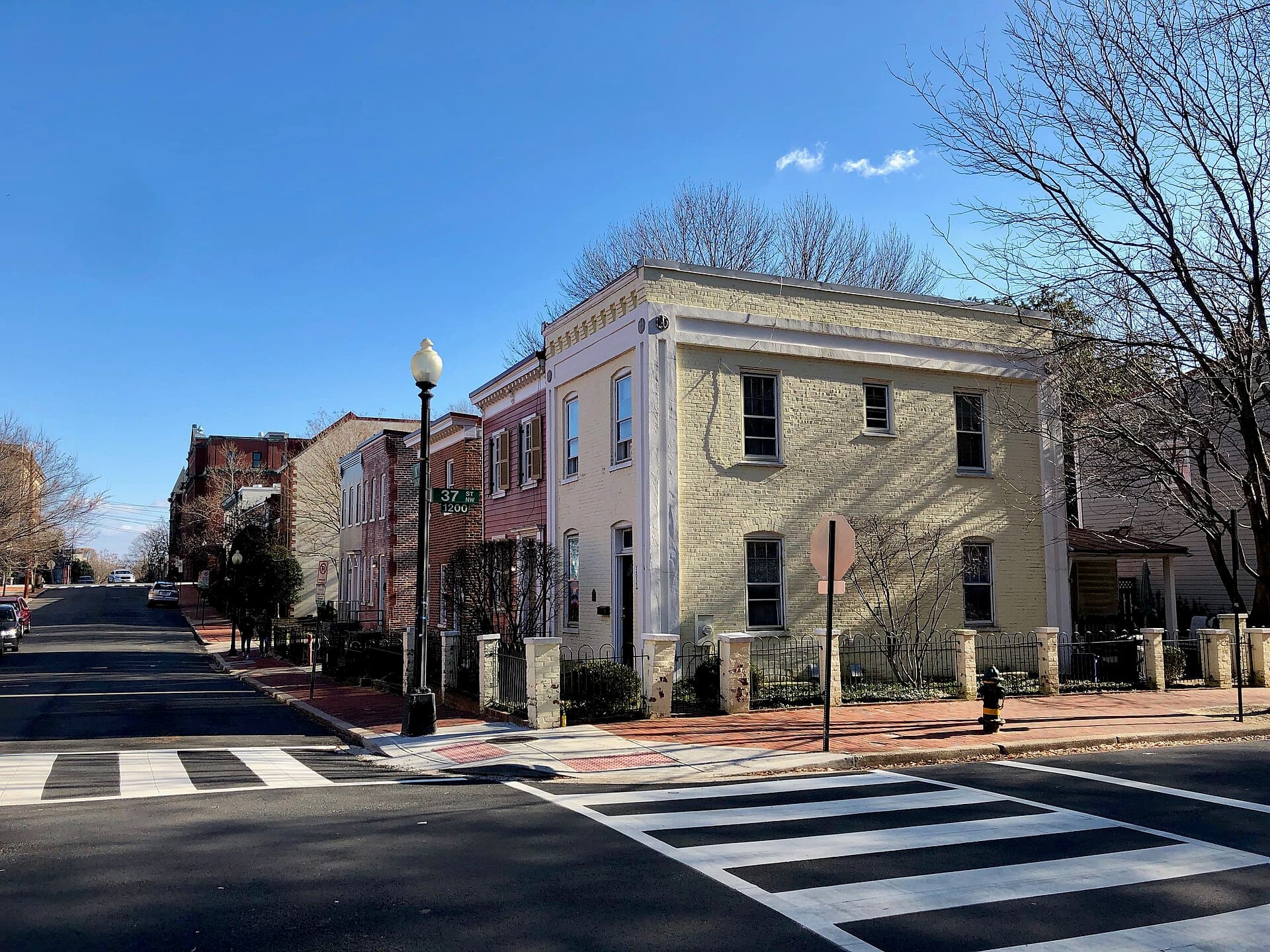
Amtrak, MARC and VRE use Union Station, and the Red Line station entrance is inside the complex. NoMa is useful for a short station transfer; Penn Quarter is more central for a first sightseeing stay; Downtown can balance airport and Mall access.
Union Station is large enough that platform-to-Metro or platform-to-rideshare time should be included in the plan. Follow the west-side signs for Metrorail and confirm the pickup location before calling a car.
- 01
Leave the train with the hotel route already saved
NoMa may be walkable; Penn Quarter and Downtown usually need Metro or a short taxi. Save the exact entrance rather than only the neighborhood.
- 02
Use the Red Line when it removes a transfer
Union Station is on the Red Line. A hotel on another color can still work, but luggage may make a direct taxi more efficient.
- 03
Store bags before entering the sightseeing route
Museum security and the long Mall distances make checked-size luggage incompatible with the first city day.
Plan the Mall as a walking route
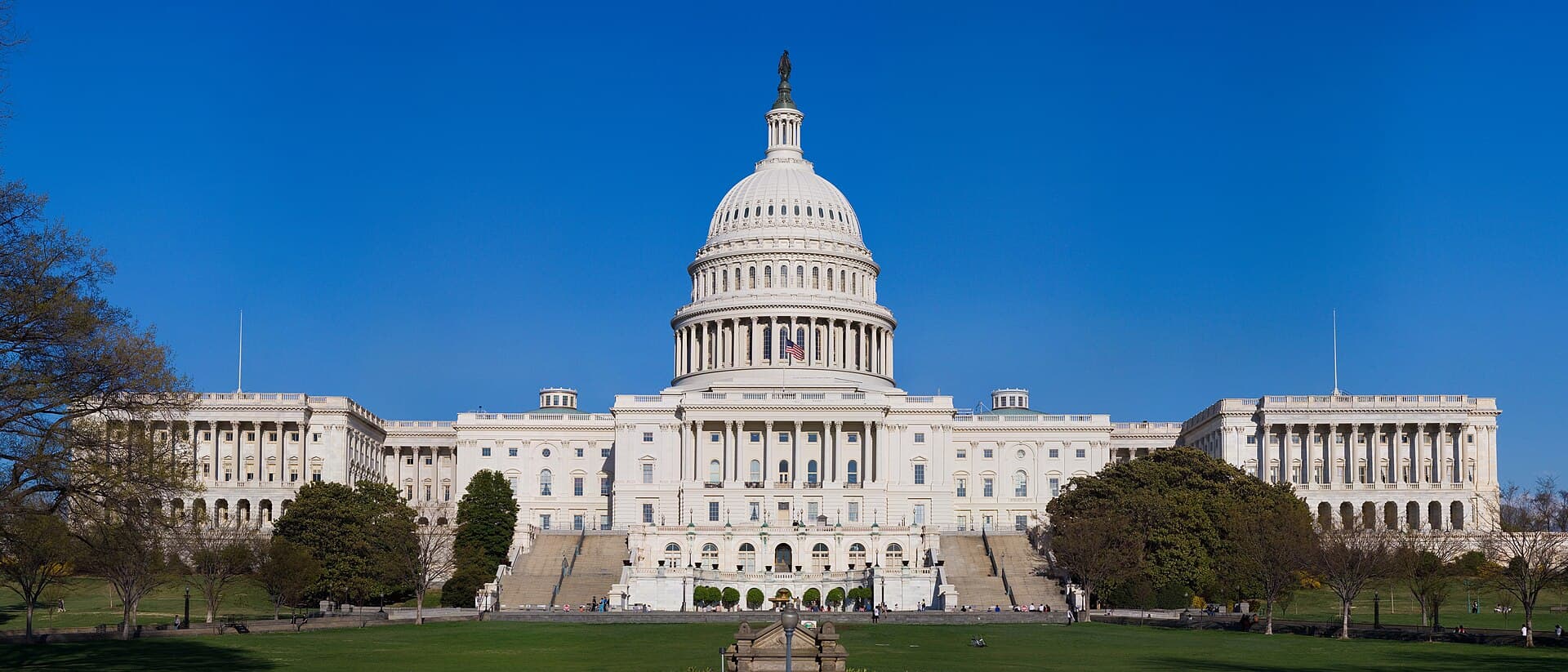
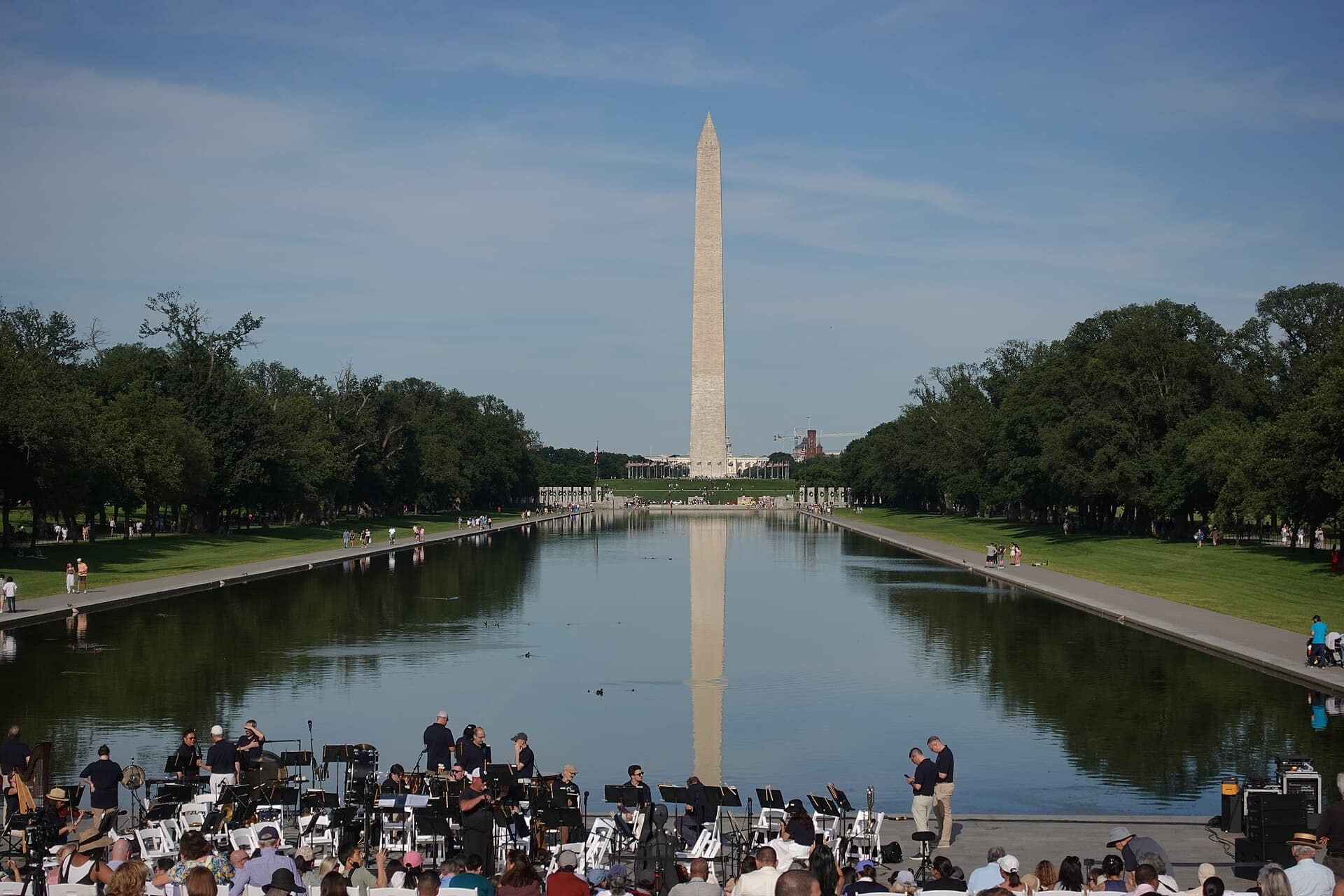
Do not plan the Mall as a single pin. The Capitol, Smithsonian museums, Washington Monument and Lincoln Memorial stretch across a long east–west axis. Choose one end as the start, limit major museums, and use Metro or a bus for the return rather than retracing the entire route.
Metro habits that prevent mistakes
WMATA publishes general operating hours, but the exact last train varies by station and direction. Use the trip planner for the actual night rather than treating the network’s closing time as your train time.
Visitors can now tap a contactless bank card, phone or wearable directly at faregates. Use the same payment method to enter and exit, and give each traveler a separate card or device.
- Check the destination as well as the line color; multiple services can share tracks.
- Use the exact station entrance when elevators or luggage are involved.
- Confirm the final train window for early flights and late events.
- Allow extra time during major events, demonstrations or large conventions.
A balanced two-day plan
If you have a morning train, move the western Mall day earlier in the stay. A final morning near Union Station, the Capitol or Penn Quarter creates a safer departure.
| Day | Focus | Low-friction finish |
|---|---|---|
| 1 | Capitol, one Smithsonian museum, central Mall | Metro from Smithsonian or L’Enfant Plaza |
| 2 | White House area, western Mall, one museum | Metro from Foggy Bottom |
Frequently asked questions about Washington without a car
Do you need a car for Washington, DC?
No. Amtrak, DCA, IAD and the main sightseeing areas connect by Metro, bus, walking and short taxis. The larger challenge is managing Mall distances rather than finding transport.
Is DCA or IAD better for a first Washington visit?
DCA is the lower-friction choice when flights are similar. IAD is fully workable by Silver Line and becomes worthwhile when its nonstop flight, schedule or fare is materially better.
How many museums can you visit in one Washington day?
Plan one major museum plus one smaller indoor or outdoor block. Two substantial museums and the western memorials usually exceed a comfortable full day.
Where should Amtrak travelers stay in Washington?
NoMa minimizes the Union Station transfer, while Penn Quarter gives better Mall and museum access. Choose according to whether arrival simplicity or daily sightseeing saves more effort.
Evidence
Official sources and freshness
Priya Shah and Marcus Reed reviewed the source links, dated claims and instructions on 2026-07-31. This guide is scheduled for review by 2026-10-31. Dynamic sources are marked below and should be checked again near travel.
What changed in this review
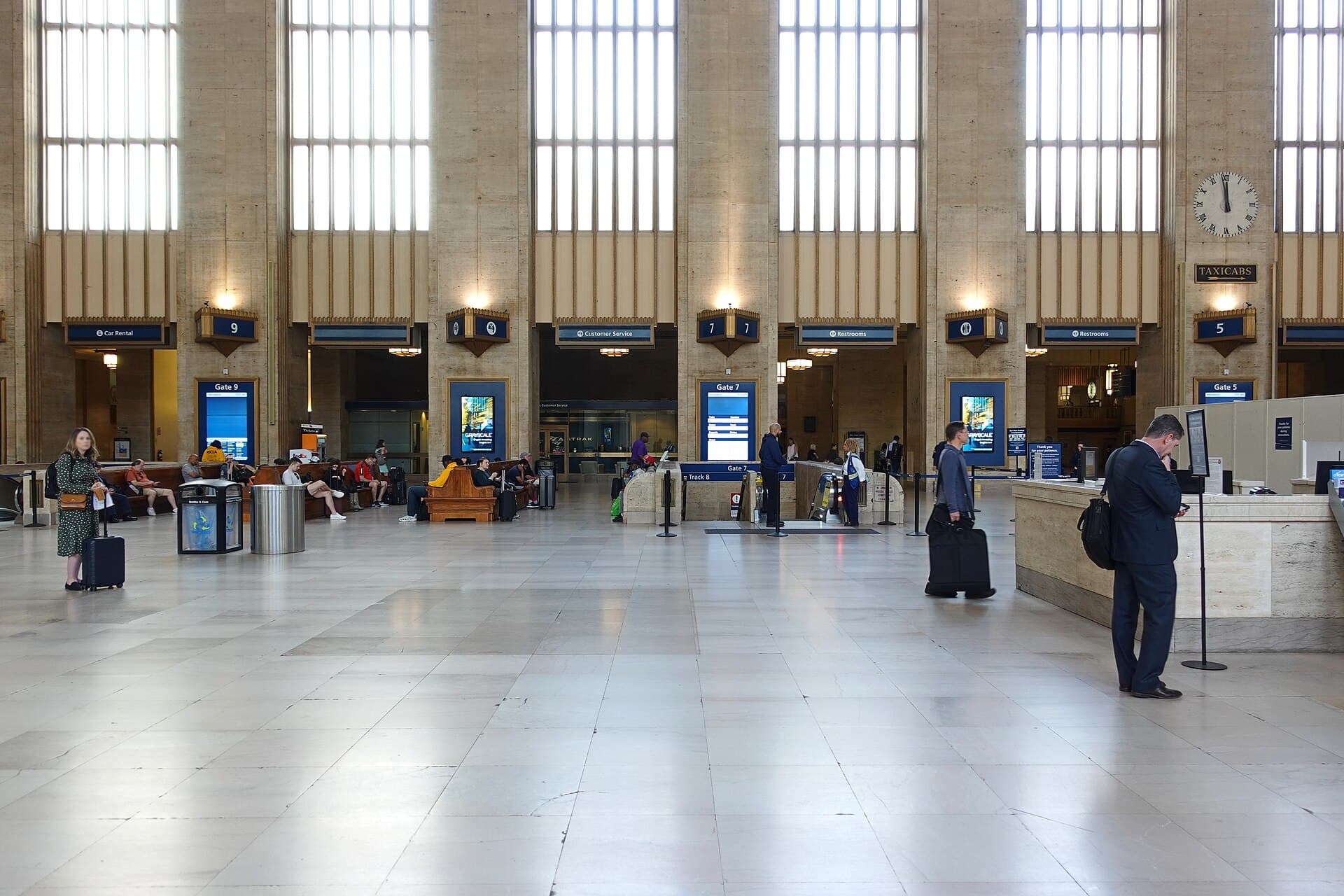
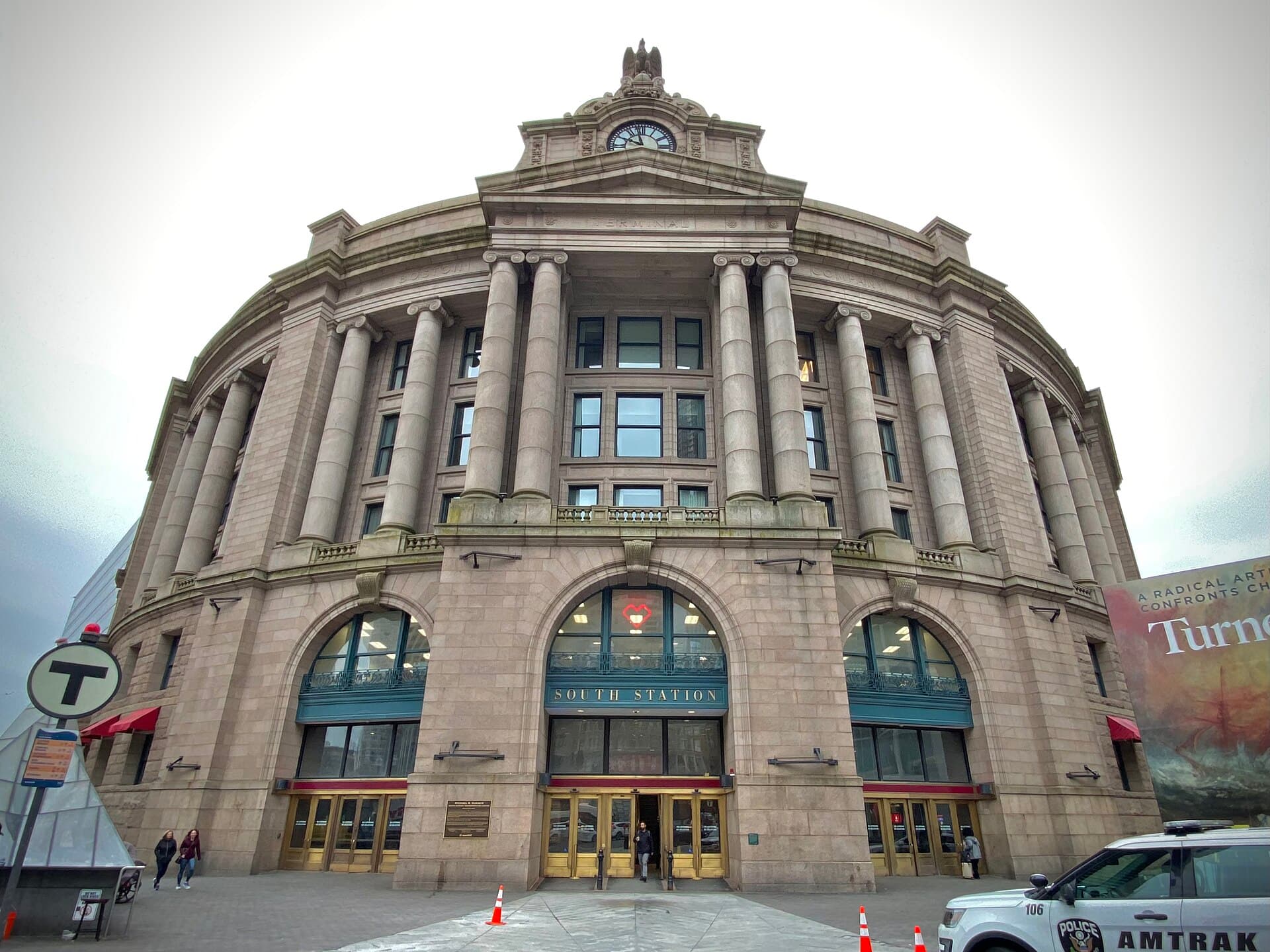
- Added Union Station arrival steps, three real neighborhood images and first-visit FAQ guidance.
- Clarified the National Mall as an east–west walking route rather than a single destination.
- Rechecked airport, Metro payment and elevator guidance on 2026-07-31.
- AmtrakWashington Union StationChecked 2026-07-31
- WMATAAirports and train stations by MetroChecked 2026-07-31
- WMATAMetro guide for new ridersChecked 2026-07-31
- WMATATap. Ride. Go. contactless paymentDynamic source · recheck within 30 days
Visitors can tap a contactless bank card or mobile wallet; each rider needs a separate payment method.
- WMATALive elevator and escalator statusDynamic source · recheck within 1 days
Check the exact station immediately before an accessible trip.
- Destination DCHow to get around Washington, DCChecked 2026-07-31

- Priya ShahTravel Editorial Standards Editor
- Marcus ReedTransportation Evidence Editor