Quick Facts
- Best Overall for 2025: The Osprey Talon 22 (men's) and Tempest 20 (women's) remain the undisputed champions due to their exceptional BioStretch harness and versatility across all types of terrain.
- The "Sweet Spot" Capacity: For 90% of day hikes, a 20L to 25L pack offers the perfect balance—enough room for the "Ten Essentials" and extra layers without feeling like a literal monkey on your back.
- The Ultralight Leader: If weight is your primary concern, the Hyperlite Mountain Gear Daybreak, crafted from weather-resistant Dyneema, is the gold standard for minimalist durability.
- Our Testing Rigor: We didn't just look at these packs in a showroom. Our team spent four years field-testing 21 different models over 1,000+ miles, from the humid dunes of Michigan to the punishing, high-altitude summits of Utah.
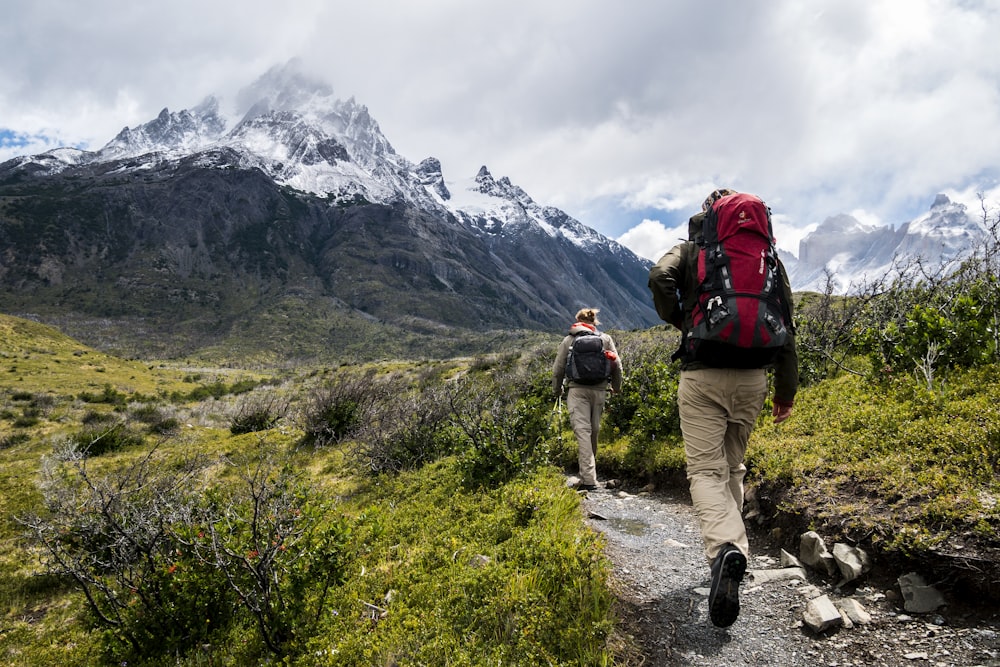
There’s a specific kind of freedom that comes with a perfectly packed daypack. It’s that feeling when the weight disappears into your hips, the straps don’t bite into your shoulders, and you have exactly what you need for a twelve-hour push toward a peak. But let’s be honest: the market is flooded with "tactical" bags and "lifestyle" packs that fall apart the moment you hit a Class 4 scramble.
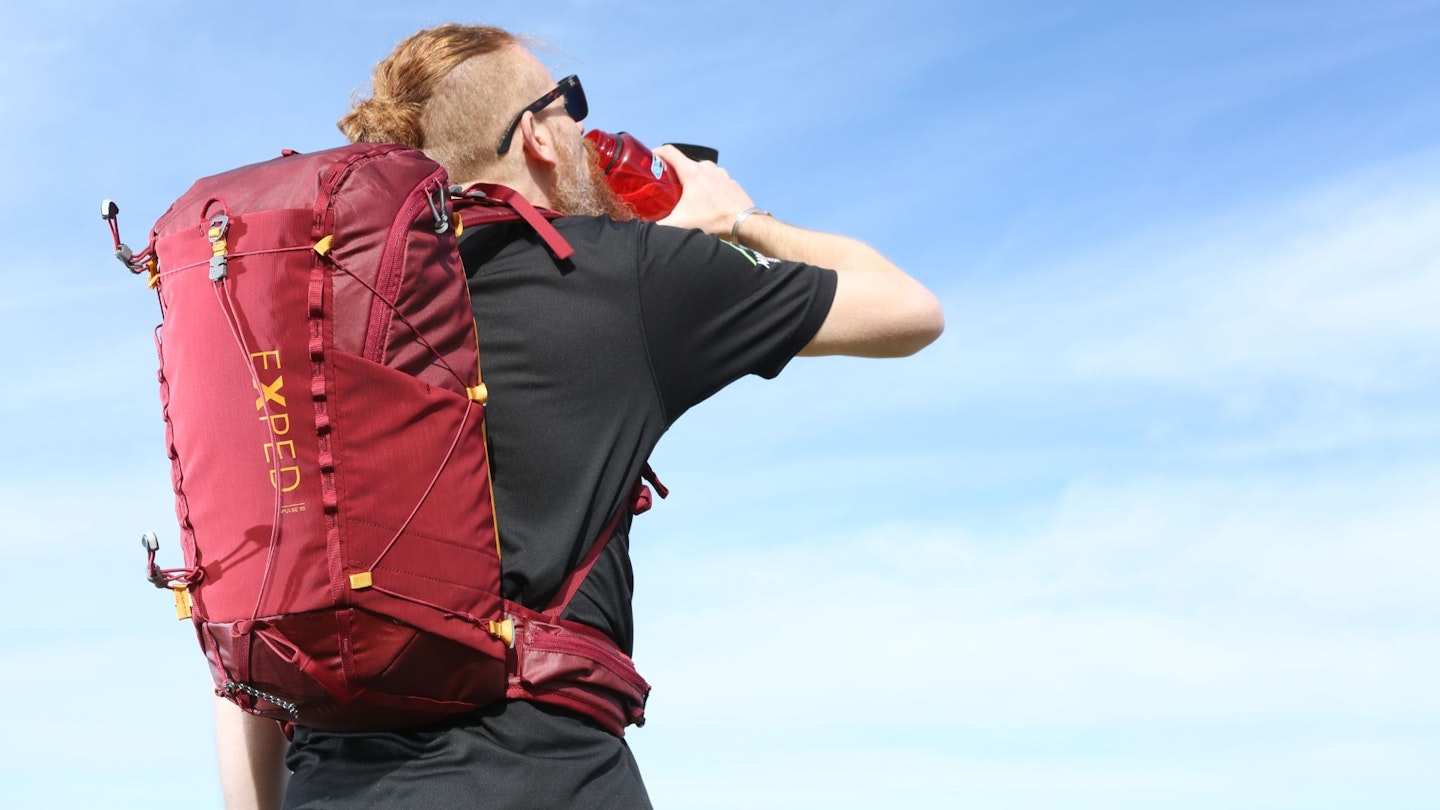
To find the absolute best hiking daypacks of 2025, our team went deep into the weeds. We started by researching 64 of the industry’s most promising designs before narrowing the field to 21 finalists for physical testing. We’ve hauled these packs through rain, snow, and desert heat to see which ones actually hold up when the "easy trail" turns into a grueling trek. Whether you're a casual weekend warrior or a peak-bagging fanatic, these are the packs that earned a permanent spot in our gear closet.
Comparison: Top Hiking Daypacks at a Glance
| Model | Best For | Capacity | Weight | Price (MSRP) |
|---|---|---|---|---|
| Osprey Talon 22 | Best Overall | 22L | 2.0 lbs | $160 |
| HMG Daybreak | Ultralight / Weather | 17L | 1.3 lbs | $230 |
| Gregory Zulu 24 LT | Ventilation | 24L | 2.6 lbs | $150 |
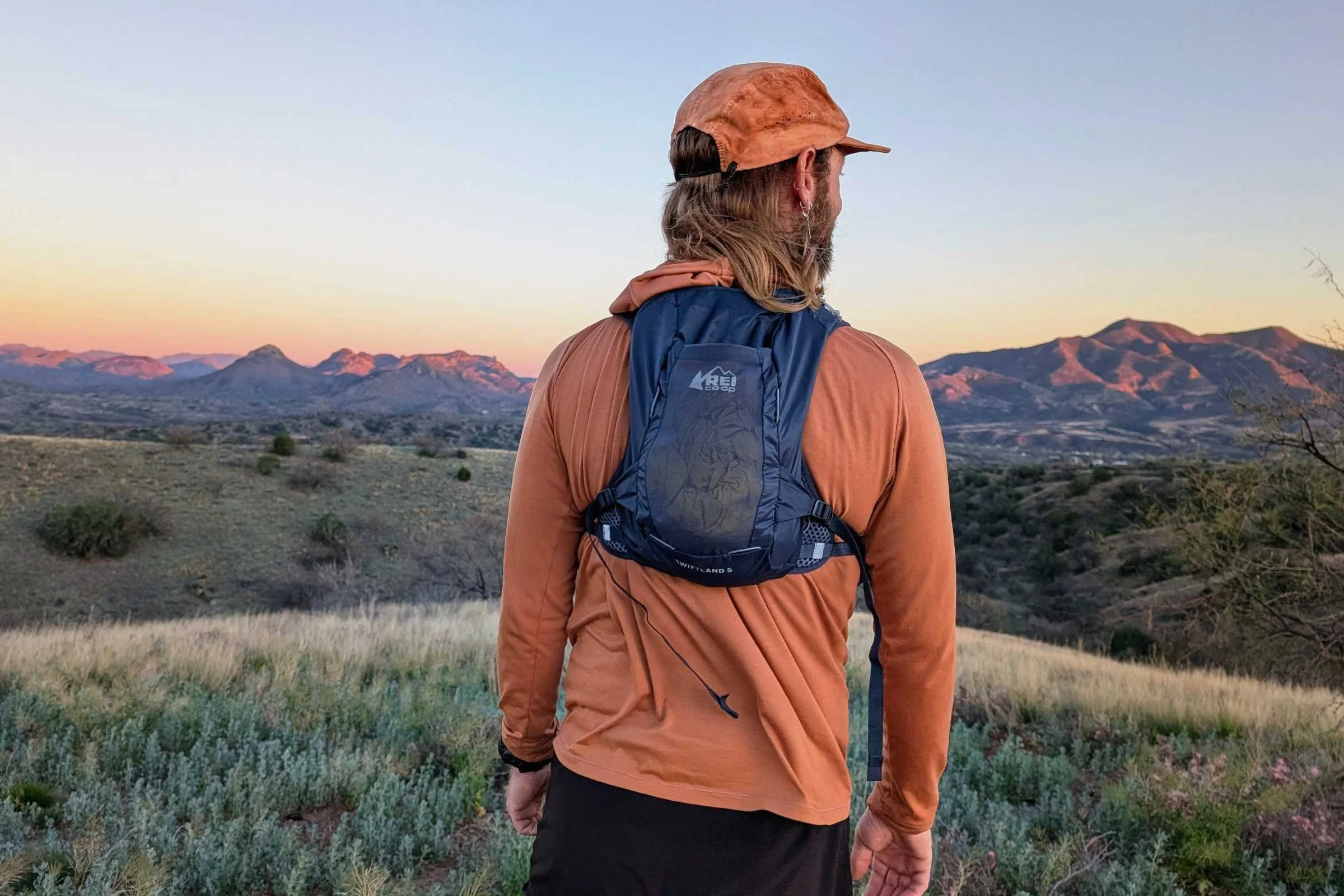
| REI Co-op Flash 22 | Budget / Value | 22L | 0.9 lbs | $60 |
| Osprey Stratos 24 | Heavy Loads | 24L | 2.7 lbs | $180 |
| Patagonia Refugio | Trail-to-Town | 26L | 1.6 lbs | $109 |
| Gregory Jade 28 | Plus Size Fit | 28L | 2.6 lbs | $160 |
| SMD Wy'east | High Volume | 30L | 1.8 lbs | $155 |
Best Overall Daypack: Osprey Talon 22 (Men's) & Tempest 20 (Women's)
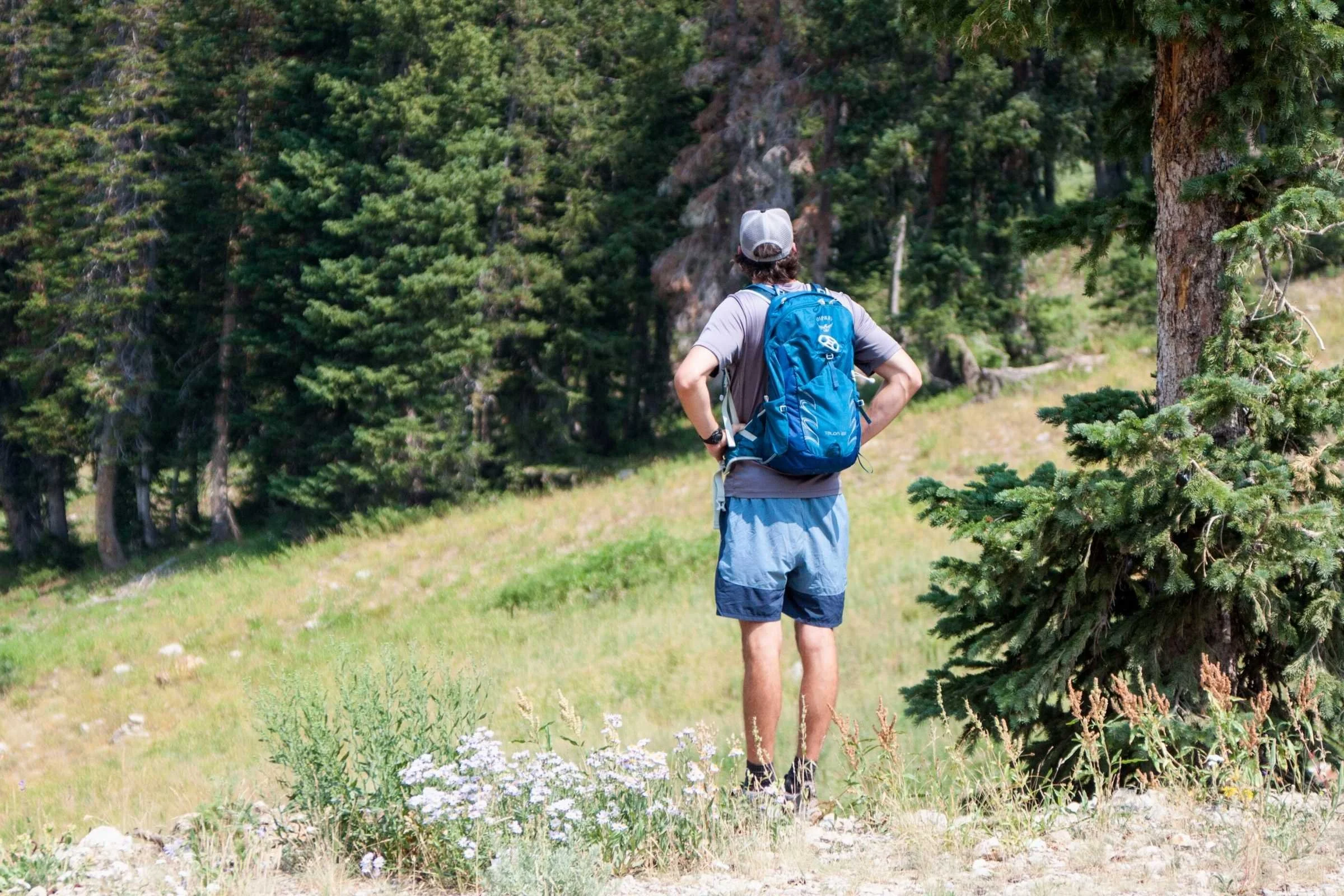
If I could only own one pack for the rest of my life, this would be it. The Osprey Talon 22 (and its female-specific counterpart, the Tempest 20) is the benchmark by which all other daypacks are measured. What sets it apart is the BioStretch harness and a continuous-wrap hipbelt that moves with your body rather than against it.
During our testing on the steep, rocky ridges of Utah, the Talon 22 felt like an extension of the torso. Whether we were reaching for handholds on a technical scramble or jogging down a descent to beat the sunset, the load remained perfectly centered. The external hydration sleeve is a stroke of genius—you don't have to unpack your entire bag just to refill your water reservoir.
The Tempest 20 offers the same high-level performance but with a harness, hipbelt, and back panel specifically contoured for a female frame. It avoids the "one size fits all" trap that often leads to chafing or poor weight distribution for women hikers.
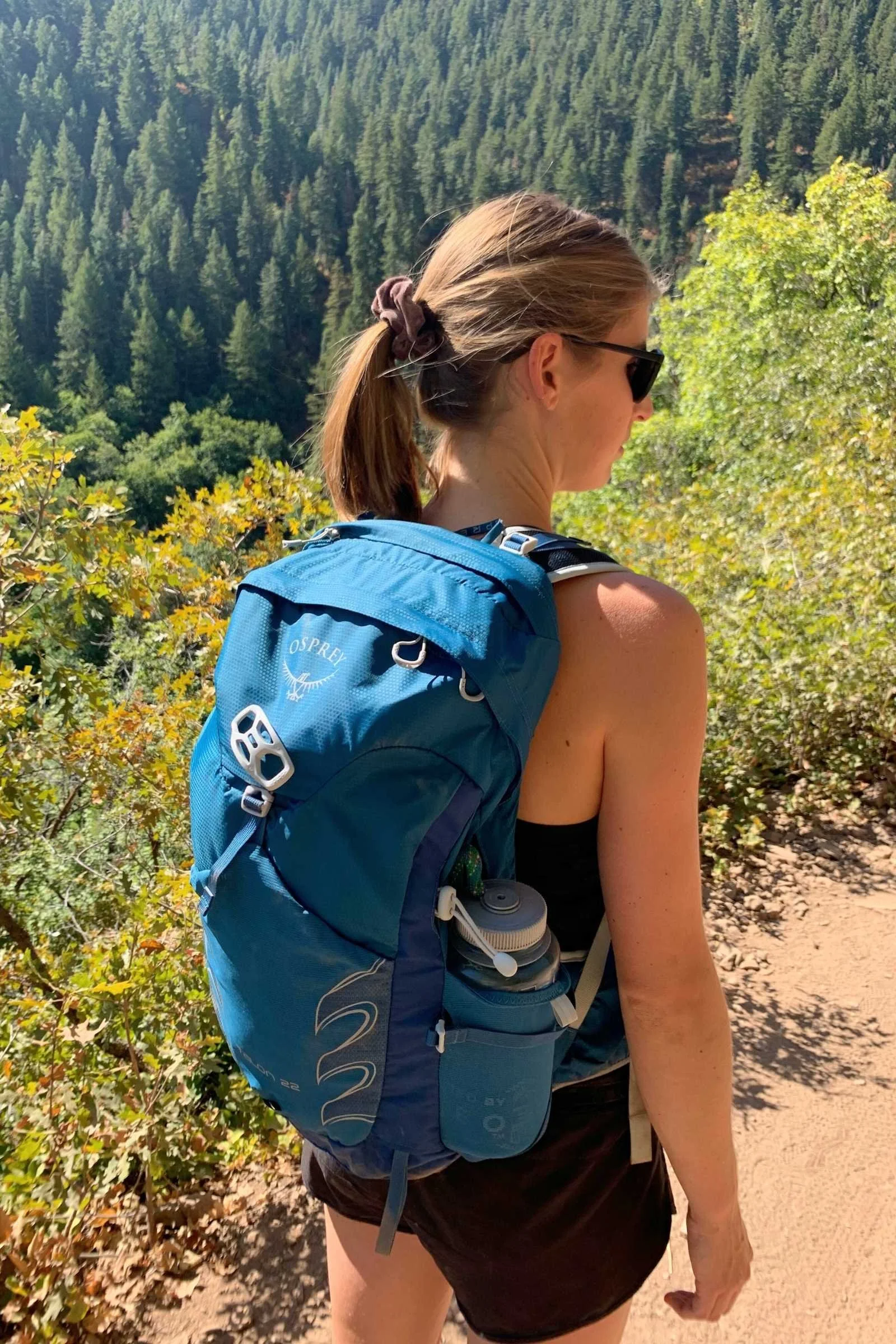
Pros:
- Incredible Comfort: The AirScape back panel provides structure while maintaining breathability.
- Feature Rich: Includes the LidLock helmet attachment and an ice axe loop for alpine starts.
- Durability: High-tenacity nylon shrugs off scrapes against granite and sandstone.
Cons:
- Side Pockets: They are a bit tight; getting a full 1L Nalgene in while the pack is fully loaded requires some muscle.
Best Ultralight Pick: Hyperlite Mountain Gear Daybreak
For the hikers who count every ounce but refuse to sacrifice toughness, the Hyperlite Mountain Gear (HMG) Daybreak is a revelation. Built in Maine using Dyneema Composite Fabric (DCF), this pack is essentially waterproof without needing a bulky rain cover. At just over one pound, it’s one of the lightest technical packs we’ve ever tested that can still handle a 20-pound load comfortably.
The Daybreak is stripped of "bells and whistles" in favor of raw performance. The large external "stuff-it" pocket is perfect for a wet rain shell or a sit pad. Because DCF doesn't stretch, the pack retains its shape even when stuffed to the brim, and the white fabric makes it easy to see your gear inside the main compartment.
Pros:
- Weatherproof: DCF is naturally water-resistant and incredibly durable for its weight.
- Minimalist Aesthetic: Clean lines that look as good on a summit as they do in a backcountry camp.
- Weight-to-Strength: Virtually indestructible compared to standard ultralight sil-nylon.
Cons:
- Price: It’s a premium investment for a 17L pack.
- No Frame: Requires smart packing to ensure nothing pokes you in the back.
Most Comfortable & Ventilated: Gregory Zulu 24 LT
If you’ve ever finished a hike with a shirt completely soaked in sweat, the Gregory Zulu 24 LT is your solution. Gregory’s VaporSpan trampoline-style back panel creates a literal gap of air between your back and the pack. In the 90-degree humidity of Michigan summers, this was the only pack that kept our testers' backs relatively dry.
The suspension system uses a perimeter alloy frame that transfers weight to the hips more effectively than most daypacks in this size category. It feels "plush" in a way that minimalist packs don't, making it ideal for those who prioritize long-term comfort over total weight savings.
Pros:
- Airflow: Best-in-class ventilation.
- Comfort: Oversized hipbelt pockets can actually fit a modern smartphone.
- Easy Access: Large U-zip opening makes finding gear at the bottom a breeze.
Cons:
- Internal Space: The curved back panel "eats" into some of the internal volume.
Best Value for Your Buck: REI Co-op Flash 22
The REI Flash 22 is a cult favorite for a reason. For $60, you get a pack that weighs under a pound and performs remarkably well on moderate trails. It’s a "frameless" pack, meaning it relies on a removable foam insert for structure. We love that the foam insert can be pulled out to use as a dry sit pad during lunch breaks.
While it lacks the heavy-duty suspension of an Osprey, the Flash 22 is surprisingly versatile. It’s the perfect "summit pack" to stuff into a larger multi-day bag, or a great entry-level option for someone just starting their hiking journey.
Pros:
- Affordability: Impossible to beat the price-to-performance ratio.
- Weight: At 15 ounces, you’ll barely feel it.
- Versatility: Works great as a gym bag or a carry-on when you aren't on the trail.
Cons:
- Minimal Padding: Not designed for carrying more than 10-12 pounds comfortably.
Best for Heavy Loads: Osprey Stratos 24 / Sirrus 24
Sometimes a "day hike" involves carrying a lot of gear—extra winter layers, a professional camera rig, or enough water for a desert crossing. For these days, you need the Osprey Stratos 24 (Men's) or Sirrus 24 (Women's). These packs feature a full internal metal frame and a robust, padded hipbelt that mimics the feel of a multi-day backpacking pack.

The Stratos also comes with an integrated rain cover stowed in a bottom pocket, which saved our gear during a sudden afternoon thunderstorm in the High Uintas. If you find the Talon 22 a bit too "flimsy" for your gear needs, the Stratos is the heavy-duty upgrade.
Pros:
- Load Carry: Can comfortably handle 25+ pounds.
- Adjustable Torso: Allows you to dial in the fit perfectly.
- Organization: Multiple zippered compartments keep small items secure.
Cons:
- Heavy: One of the heavier daypacks in our lineup.
Best for Trail-to-Town: Patagonia Refugio 26L
For many of us, the weekend hike is preceded by a week of commuting. The Patagonia Refugio 26L bridges that gap perfectly. It features a padded laptop sleeve that is entirely removable, and the sleeve's clip doubles as a hydration reservoir hanger when you hit the trail.
The aesthetic is classic Patagonia—clean, durable, and understated. While the suspension isn't designed for technical mountaineering, the breathable back panel and sternum strap make it more than capable for 5-8 mile loops on well-maintained trails. Plus, it’s made from 100% recycled polyester, which aligns with our "Leave No Trace" ethics.
Pros:
- Dual-Use: Excellent laptop protection and organization for daily life.
- Sustainability: Fair Trade Certified sewn and recycled materials.
- Comfortable Straps: Wide, padded straps handle laptop or water weight well.
Cons:
- Minimal Hipbelt: Just a webbing strap, so it doesn't transfer much weight to the hips.
Buying Guide: How to Find Your Ideal Daypack
Choosing a daypack isn't just about the color or the price tag—it’s about how that pack interfaces with your body over eight hours of movement. Here is what we look for when we're testing.
Finding the 'Sweet Spot' Capacity
We’ve found that 20L to 25L is the ideal capacity for the vast majority of day hikers. At this size, you have enough volume to carry:
- A 2-3 liter hydration bladder.
- An insulation layer (puffy or fleece).
- A rain shell.
- Lunch and snacks.
- A small first aid kit and headlamp.
If you go smaller than 18L, you'll struggle to fit a winter jacket. If you go larger than 30L, the pack becomes bulky and encourages you to overpack "just in case" items that only add weight.
Suspension Systems: Frame vs. Frameless
This is the most critical technical choice.
- Internal Frame (e.g., Osprey Stratos): Uses a metal stay or plastic framesheet to transfer weight to your hips. Choose this if you carry more than 15 pounds or have back issues.
- Frameless (e.g., HMG Daybreak, REI Flash): Relies on your packing skills to create structure. These are lighter and more flexible but can become uncomfortable if overloaded.

Pro Tip: Measure Your Torso, Not Your Height. A common mistake is buying a "Large" pack because you are 6'2". Pack sizing is based on torso length—the distance from your C7 vertebra (the bump at the base of your neck) to the top of your iliac crest (hip bone). Many premium packs like Gregory and Osprey come in multiple torso sizes or offer adjustable harnesses.
Material Durability
- Nylon: The industry standard. Look for "Denier" (D) ratings; 210D is standard, while 420D is heavy-duty.
- Dyneema (DCF): Incredibly strong and waterproof but expensive. Ideal for those who hike in wet climates or want the absolute lightest gear.
FAQ
What size daypack do I need for a 10-mile hike? For a 10-mile hike, a 20L to 24L pack is perfect. It gives you enough room for plenty of water (at least 3 liters), high-calorie snacks, and an extra layer in case the weather shifts at the halfway point.
Are waterproof backpacks actually waterproof? Most "hiking" packs are water-resistant, meaning they can handle a light drizzle. Only packs made from DCF (like the HMG Daybreak) or those with taped seams and roll-top closures are truly waterproof. For everything else, we recommend using a rain cover or an internal dry bag for your electronics.
How do I clean my hiking pack without damaging the DWR? Never put your pack in a washing machine. The agitation can damage the frame and the DWR (Durable Water Repellent) coating. Instead, use lukewarm water, a mild soap (like Nikwax Tech Wash), and a soft sponge. Hang it to dry in the shade—UV rays are the enemy of technical fabrics.
The Final Verdict
Upgrading your daypack is one of the most effective ways to increase your enjoyment on the trail. If you want the absolute best all-around performer, get the Osprey Talon 22. It’s the pack we reach for more than any other. For those looking to move fast and light, the Hyperlite Mountain Gear Daybreak is a piece of gear that will last a decade.
The right pack should feel like it isn't there at all. It should stay out of your way while you focus on the rhythm of your breath and the view from the summit. Now, grab your gear, fill your water, and I’ll see you out there.
Looking for more gear advice? Check out our expert guides to the Best Hiking Boots of 2025 and the Top-Rated Lightweight Trekking Poles.