Quick Facts
- Top Overall: Nemo Hornet Elite Osmo 2P (2 lb 1 oz)
- Best for Thru-Hiking: Zpacks Duplex Pro (18.5 oz)
- Best Value: Durston X-Mid 2 ($319)
- Lightest Possible: Zpacks Hexamid Pocket Tarp (5.3 oz)
- Weight Difference: Ultralight tents weigh 1 to 2 pounds, while standard backpacking tents average 2 to 5 pounds.
- Target Weight: Pro backpackers aim for a base weight of less than 10 pounds.
- Industry Trend: The ultralight gear market is projected to reach $3.47 billion by 2034.
The best ultralight tents of 2026, like the Nemo Hornet Elite Osmo 2P, balance a weight under 2.5 lbs with double-wall construction to minimize condensation. For high-mileage thru-hikers, trekking-pole shelters using Dyneema Composite Fabric (DCF) remain the gold standard for reducing base weight to under 10 pounds.
The 2026 Ultralight Selection Logic: When to Trim Weight
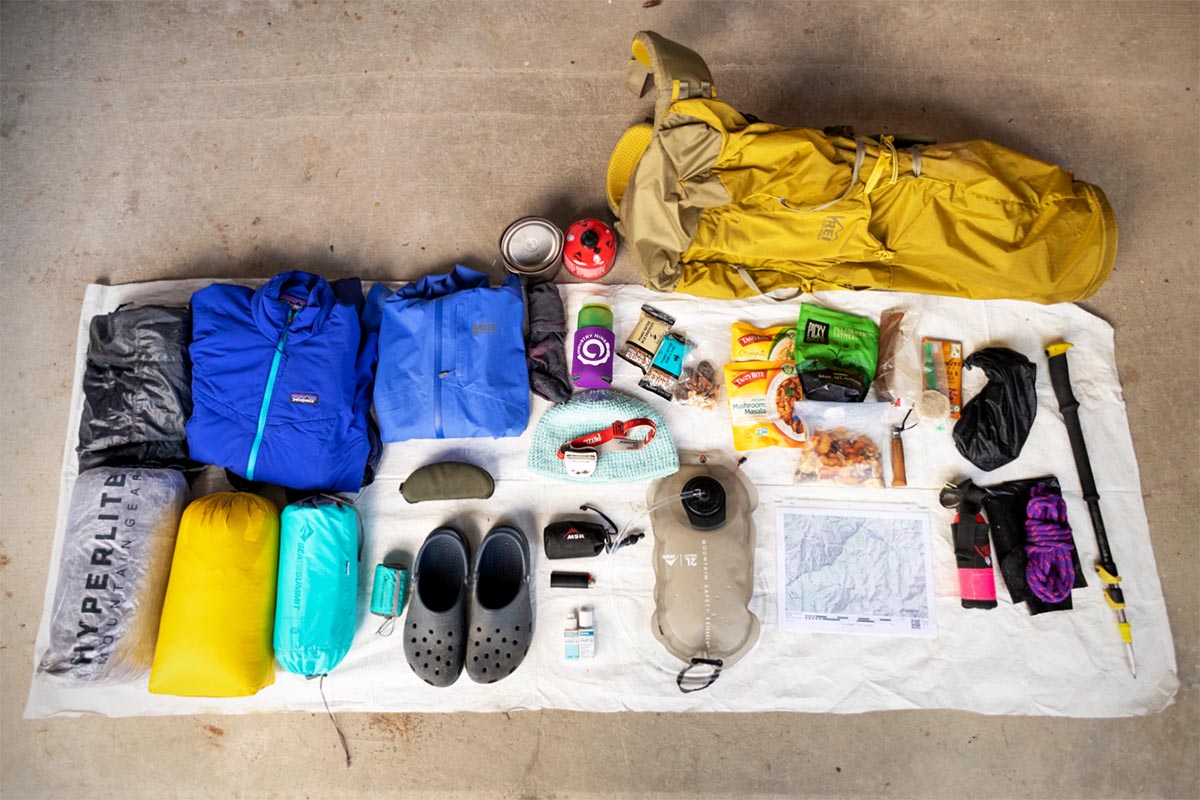
After fifteen years of hacking through the Sierras and soloing the PCT, I have learned that your shelter is the most emotional piece of gear you own. When the sky opens up at 11,000 feet, you do not care about the price tag; you care about the pitch. But for the modern fastpacking enthusiast, carrying a five-pound fortress is a relic of the past. We are currently seeing a massive shift in how people approach the backcountry. In fact, the global ultralight gear market was valued at $1.82 billion in 2025, reflecting a 7.4% growth rate as more hikers realize that less weight equals more miles and less joint pain.
When we talk about reducing weight, we focus on The Big Three: your pack, your sleeping system, and your shelter. To hit that coveted ultralight status, you generally aim for a total base weight of less than 10 pounds. Your tent is often the heaviest single item, so it is the most logical place to start trimming.
Choosing between best ultralight hiking tents usually comes down to three setup styles. A best ultralight freestanding tent provides its own poles and can be set up anywhere, including on solid rock. Semi-freestanding models like the Nemo Hornet require two stakes at the foot but save significant weight. Then there are trekking-pole shelters, which are the darlings of the thru-hiking community. They use the poles you are already carrying to provide structure, essentially giving you a "free" frame.
Tested & Dismissed: Why These Popular Models Failed Our 2026 Criteria
I have spent months in the field testing gear that looks great on paper but fails when the humidity hits 90% or the wind starts howling. One major trend we dismissed this year was the over-reliance on traditional silnylon. While cheap, silnylon is hydrophilic, meaning it absorbs water and sags when wet. There is nothing worse than waking up with a wet tent fly flapping against your face because the fabric stretched overnight.
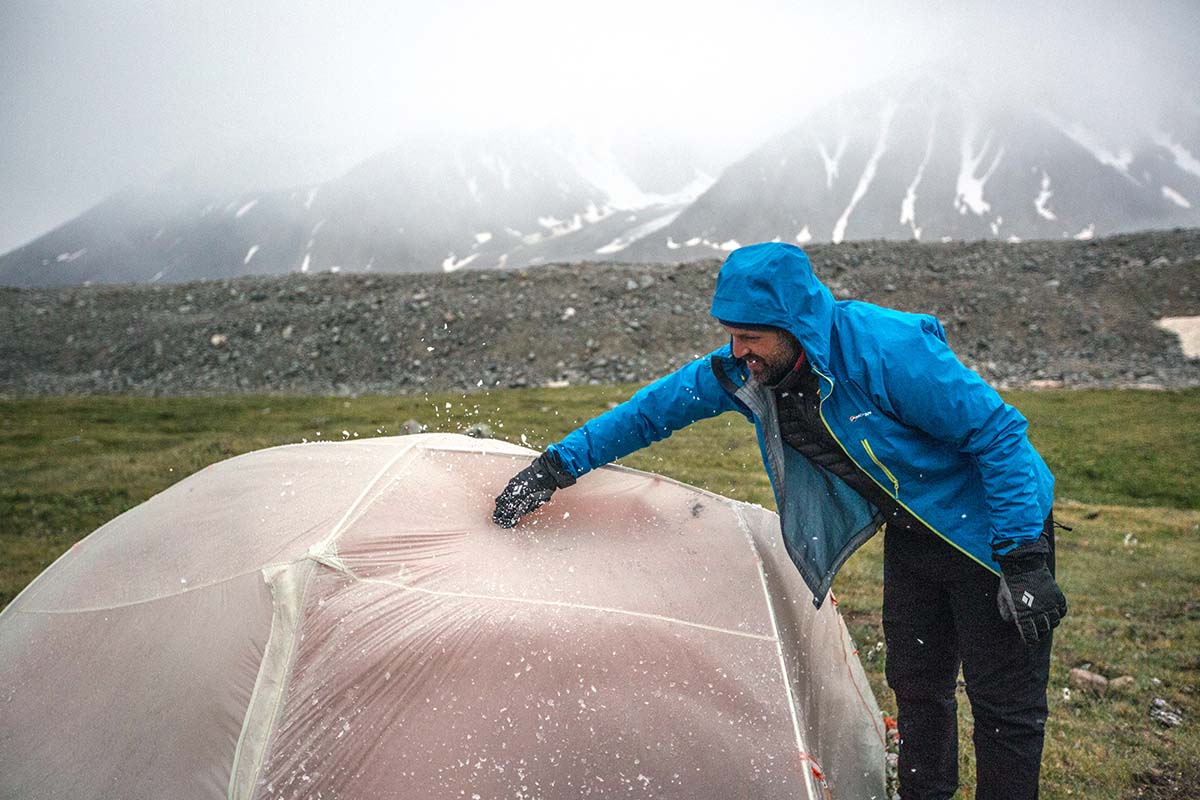
We also cut several budget models that featured a bathtub floor made of flimsy 7D nylon. While the weight was impressive, the durability was not. If a tent requires a heavy footprint just to survive a night on pine needles, it is not actually saving you weight. We looked for materials that balance weight and water repellency without requiring constant tension adjustments.
Top Picks: The Best Ultralight Tents of 2026 Reviewed
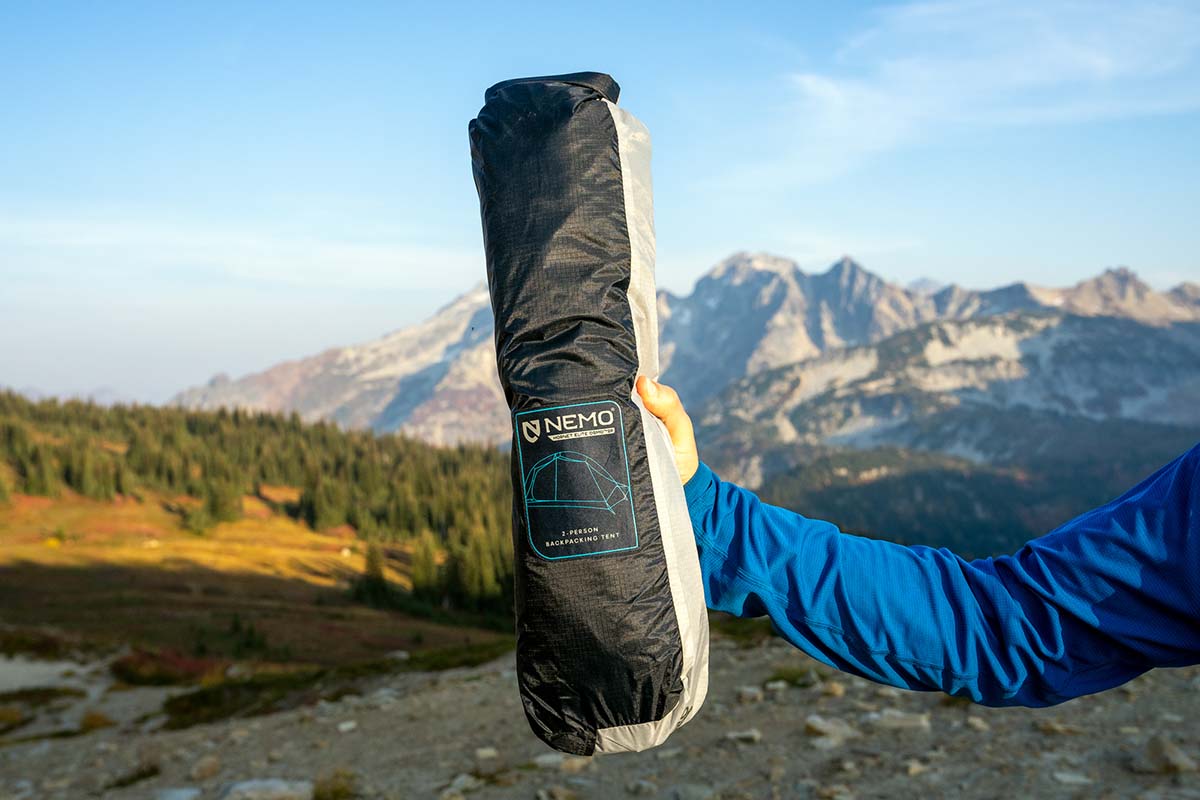
Nemo Hornet Elite Osmo 2P
This is my top pick for the best ultralight tent 2 person for most hikers. Nemo introduced their Osmo fabric, which is a blend of polyester and nylon that offers four times the water repellency of standard fabrics and significantly less sag when wet.
- Weight: 2 lb 1 oz
- Material: Osmo Ripstop
- Capacity: 2 Person
- Pros: Double-wall construction eliminates condensation; semi-freestanding for easy setup.
- Cons: Tapered footbox is tight for two wide pads.
- Optimization Hack: Replace the stock guylines with 1.3mm Dyneema cord to save another half-ounce.
Zpacks Duplex Pro
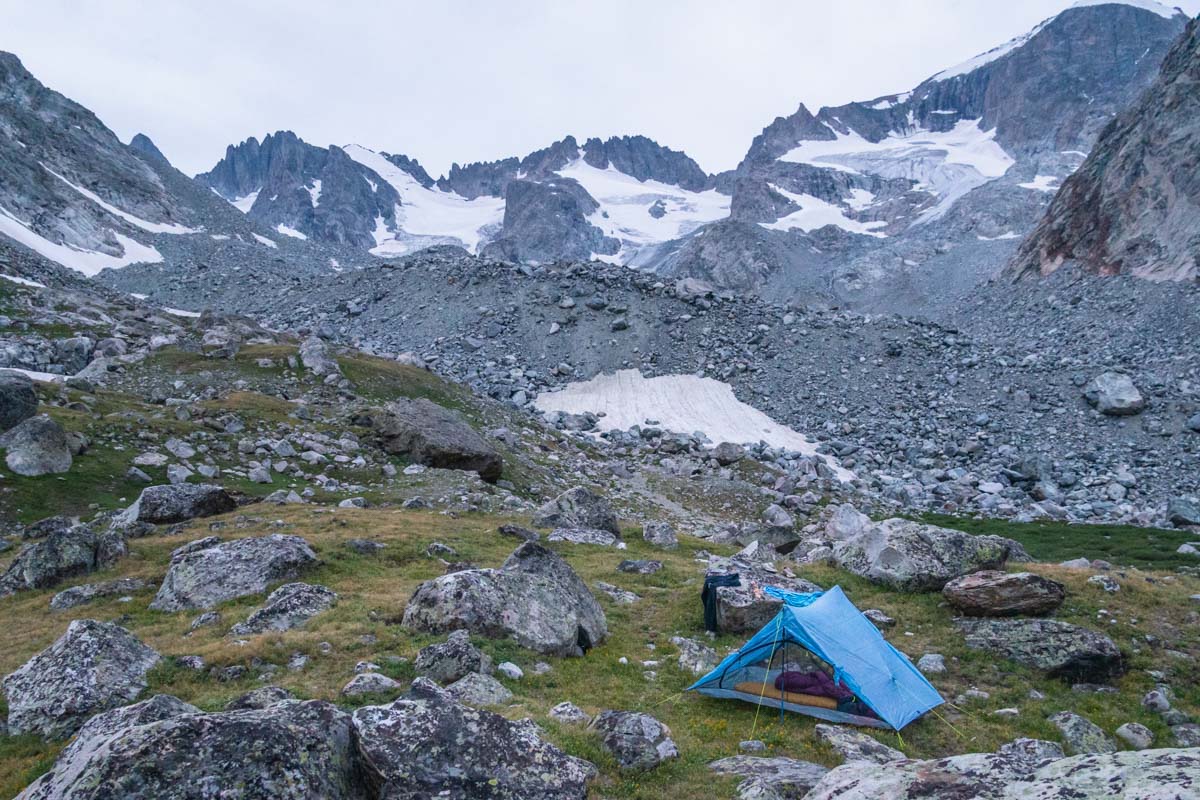
For those serious about high-mileage days, the Zpacks Duplex Pro is the definitive best dyneema ultralight tents option. Using Dyneema Composite Fabric (DCF), this tent is naturally waterproof and does not stretch.
- Weight: 18.5 oz
- Material: Dyneema Composite Fabric (DCF)
- Capacity: 2 Person
- Pros: Incredible weight-to-space ratio; single-wall construction is fast to pitch.
- Cons: Expensive; requires two trekking poles (not included).
- Optimization Hack: Use a "porch mode" by extending one vestibule with an extra trekking pole for better views in fair weather.
Zpacks Plex Solo Lite
If you are moving fast and alone, the Plex Solo Lite is arguably the best ultralight tent 1 person available today. It is a minimalist masterpiece designed for the gram-counting crowd.
- Weight: 13.7 oz
- Material: 0.55 oz DCF
- Capacity: 1 Person
- Pros: Fits into the smallest campsites; extremely stormproof.
- Cons: Narrow interior; single-wall requires careful venting.
- Optimization Hack: Set the peak height to exactly 52 inches for the perfect tension on the bathtub floor.
Ultralight on a Budget: Best Tents Under $300
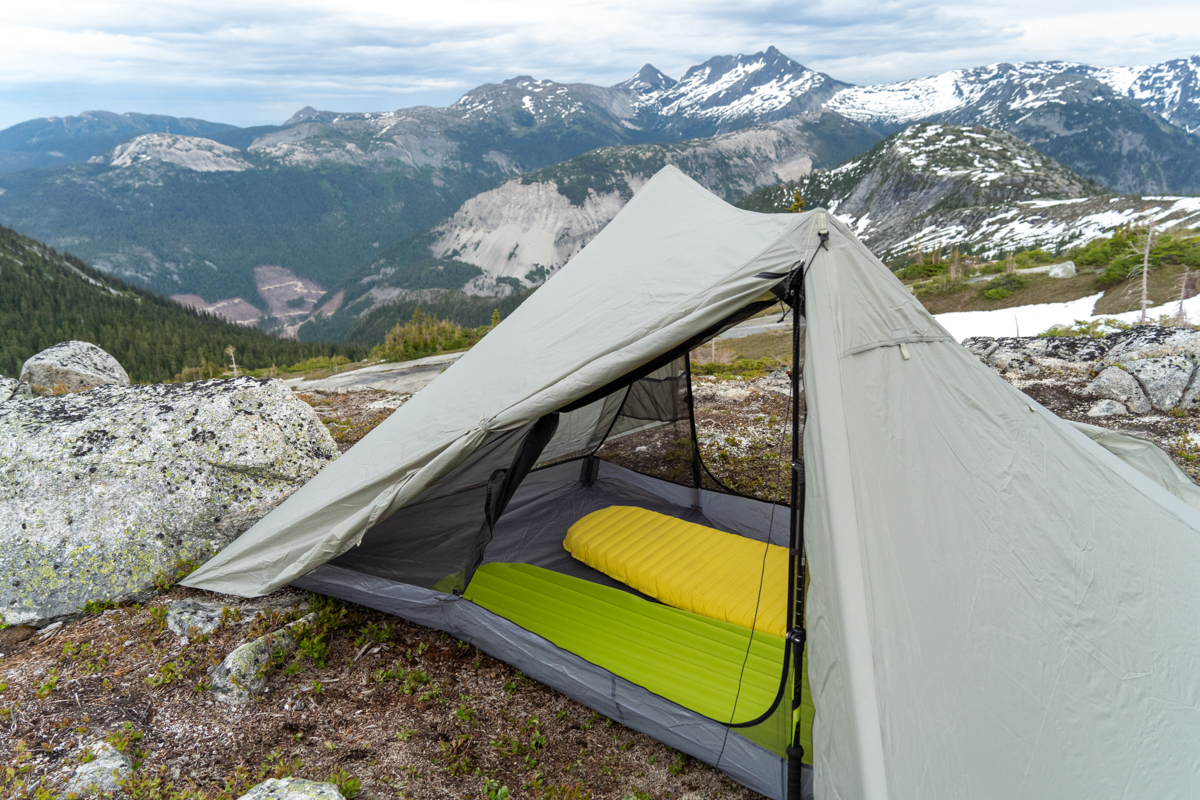
You do not have to spend $700 to get a quality shelter. The Durston X-Mid 2 has completely disrupted the market by offering a high-performance design at a fraction of the cost. This is the best ultralight backpacking tents under $300 because it uses a unique parallelogram shape that provides massive headroom without the need for complex pole structures.
The X-Mid 2 uses silpoly (silicone-coated polyester) rather than silnylon. Silpoly is the hero of budget ultralight gear because it does not absorb water and maintains its tension even in a downpour. While it is slightly heavier than DCF, the livability is unmatched for the price.
Field Optimization: Pro Tips to Reduce Your Base Weight Further
Buying one of the best ultralight tents is only half the battle. How you use it determines your comfort in the wild. If you are aiming for that sub-10-pound base weight, you need to look at the details.
- Stake Selection: Ditch the heavy steel stakes that come with cheap tents. Switch to titanium shepherd hooks for hard ground or MSR Groundhogs for soft soil.
- Fly-First Pitching: Many double-wall tents allow you to set up the fly first using a footprint. This keeps your inner tent dry during a rainy setup.
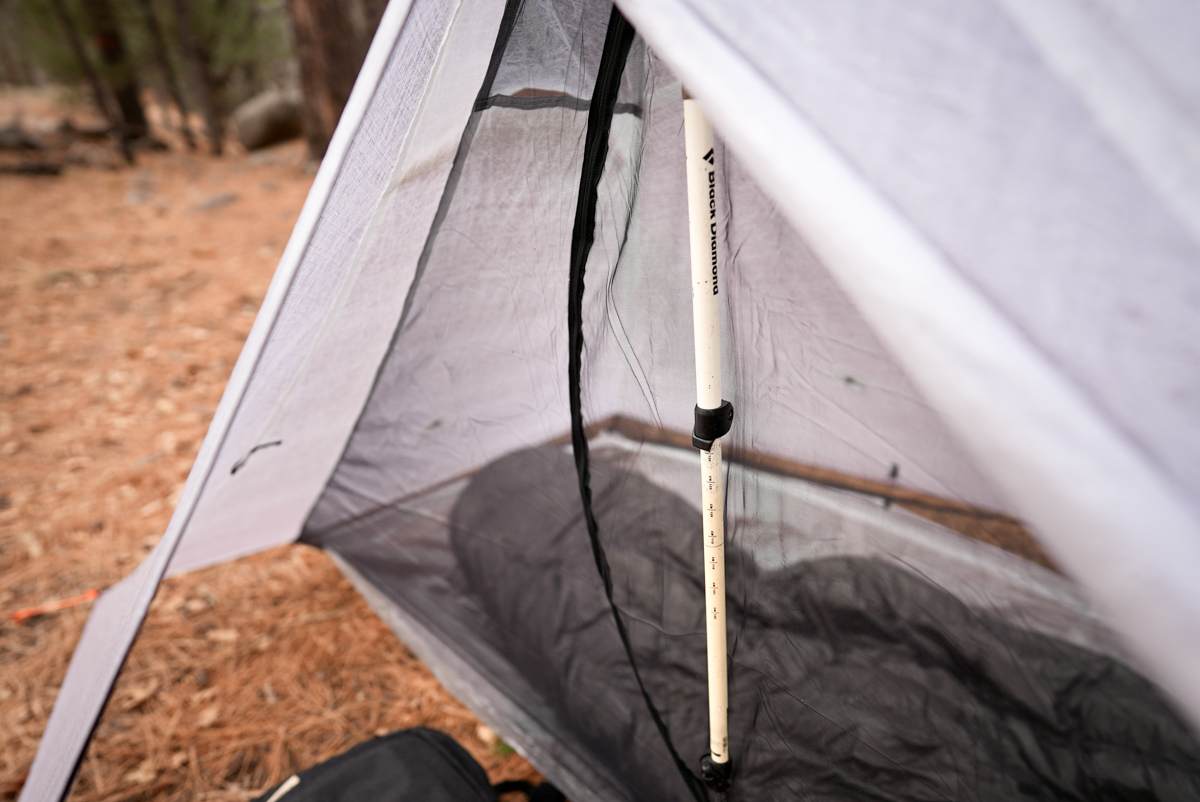
- Mastering Tension: When using best trekking pole tents for backpacking, your trekking pole height is critical. If it is too high, you leave a gap for wind; too low, and the walls will sag.
FAQ
Is Dyneema worth the extra cost for a backpacking tent?
Dyneema Composite Fabric (DCF) is a premium material that offers the best strength-to-weight ratio. It is naturally waterproof and does not sag when wet, which are huge advantages. However, it is bulky when packed and very expensive. For most casual hikers, a high-quality silpoly or Osmo fabric tent provides better value, but for high-mileage thru-hikers, the weight savings of DCF are often worth every penny.
How do I manage condensation in a single-wall ultralight tent?
Single-wall tents are prone to condensation because there is no mesh barrier between you and the outer fly. To manage this, always maximize airflow. Leave the vestibules open if the weather permits, and avoid camping near water sources or in low-lying "frost pockets" where moisture settles. Carrying a small microfiber towel to wipe down the inside of the fly in the morning is a standard practice for the ultralight crowd.
Can I set up a trekking pole tent on rocky ground?
Yes, but it requires more skill. Since you cannot easily drive stakes into solid rock, you must use the "big rock, little rock" method. Tie your guyline to a small rock, then place a much larger rock on top of the line to anchor it. This provides the tension needed to keep the trekking poles upright. It is not as fast as staking into dirt, but it is just as secure once you master the technique.