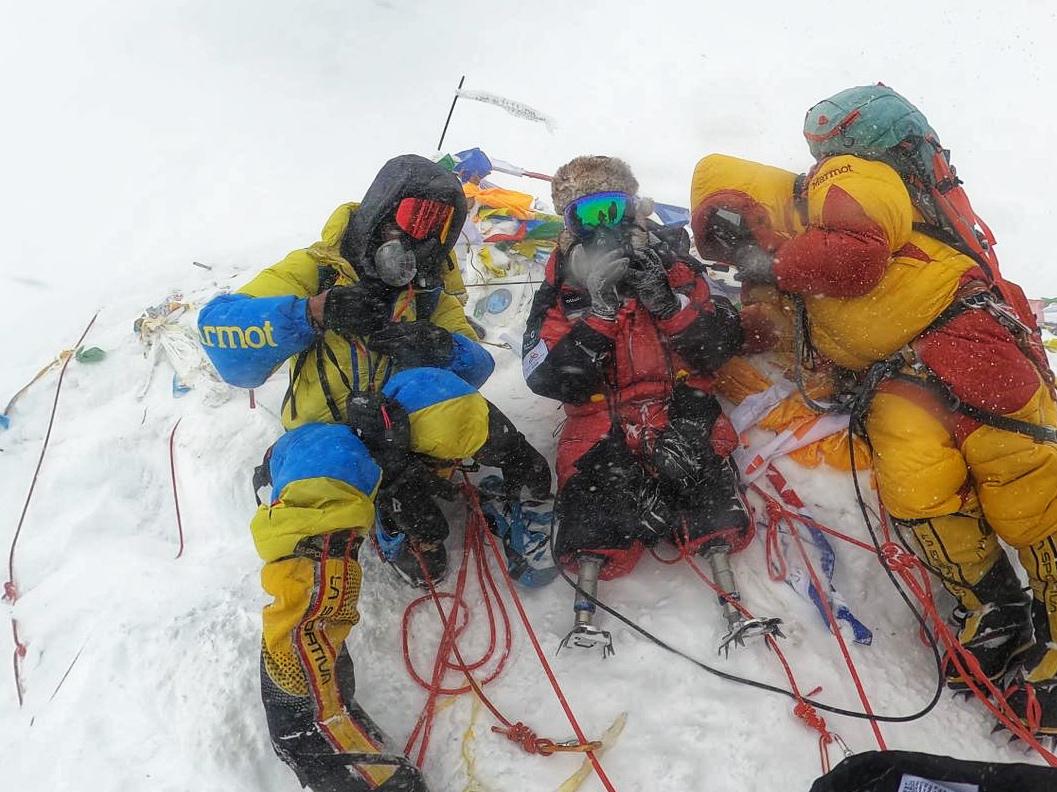
At 22:00 on January 6, 2026, the Antarctic sun hung low on the horizon, refusing to set, casting a surreal, golden-blue hue across the frozen expanse of the Ellsworth Mountains. For most climbers, the summit of Mt. Vinson (16,050 ft) is a crowning achievement—a cold, windy exclamation point at the bottom of the world. But for Hari Budha Magar, it was more than a summit; it was the final step of a journey that many said was impossible. Standing—or rather, balancing on specialized carbon-fiber blades—Hari became the first double above-knee amputee to complete the Seven Summits, the highest peaks on every continent.
As an editor who has spent a decade covering expeditions from the Andes to the Himalayas, I’ve seen my share of "firsts." But what Hari achieved on Mt. Vinson transcends traditional mountaineering. This wasn't just about reaching a peak; it was a masterclass in adaptive grit, technical innovation, and the unyielding spirit of a Gurkha veteran.
Quick Facts: The Vinson Conquest
- Climber: Hari Budha Magar (Former British Gurkha)
- Historic Milestone: First double above-knee amputee to summit Mt. Vinson and complete the Seven Summits.
- Summit Date: January 6, 2026, at 22:00 local time.
- Elevation: 4,892 meters (16,050 feet).
- The Seven Summits Quest: Completed over seven years, including Mount Everest (2023).
- Primary Technique: "One inch at a time" crawling and specialized adaptive prosthetics.
- Expedition Cost: Standard Vinson trips range from $54,200 to $57,900.
From Gurkha Veteran to Global Inspiration
To understand the weight of the Vinson summit, you have to understand where Hari started. Born in a remote village in Nepal, he joined the legendary Royal Gurkha Rifles, a regiment known for the motto: "Kapur hunu bhanda marnu ramro"—"Better to die than to be a coward."
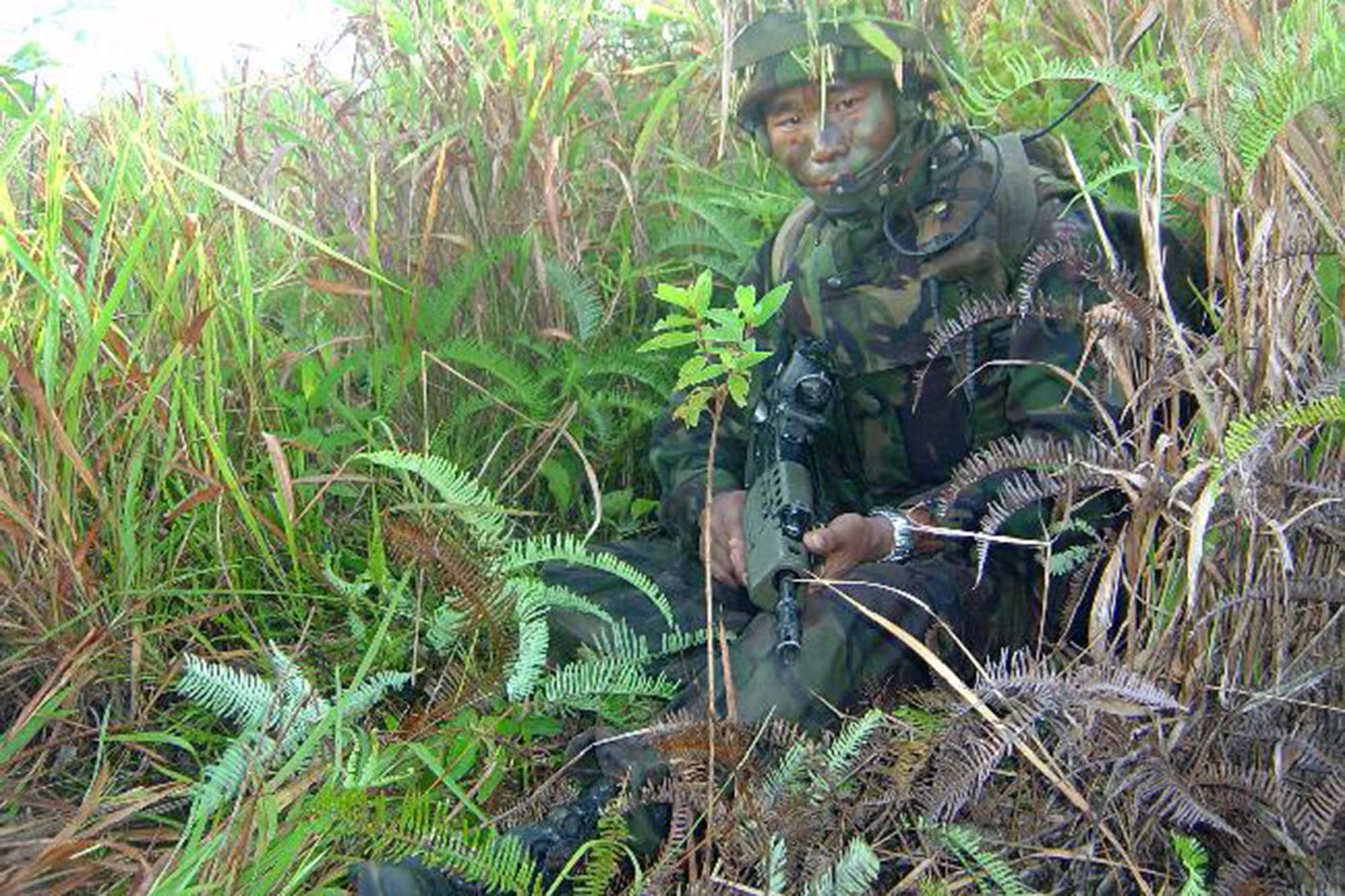
In 2010, while serving in Afghanistan, an Improvised Explosive Device (IED) changed everything. The blast claimed both of his legs above the knee. For a man whose identity was built on physical prowess and service, the immediate aftermath was a descent into a different kind of darkness. There were years of battling depression and the societal stigma that often follows disability. But the Gurkha spirit doesn't stay down. Hari began to reclaim his life through adaptive sports, proving to himself—and the world—that the loss of limbs didn't mean the loss of adventure.
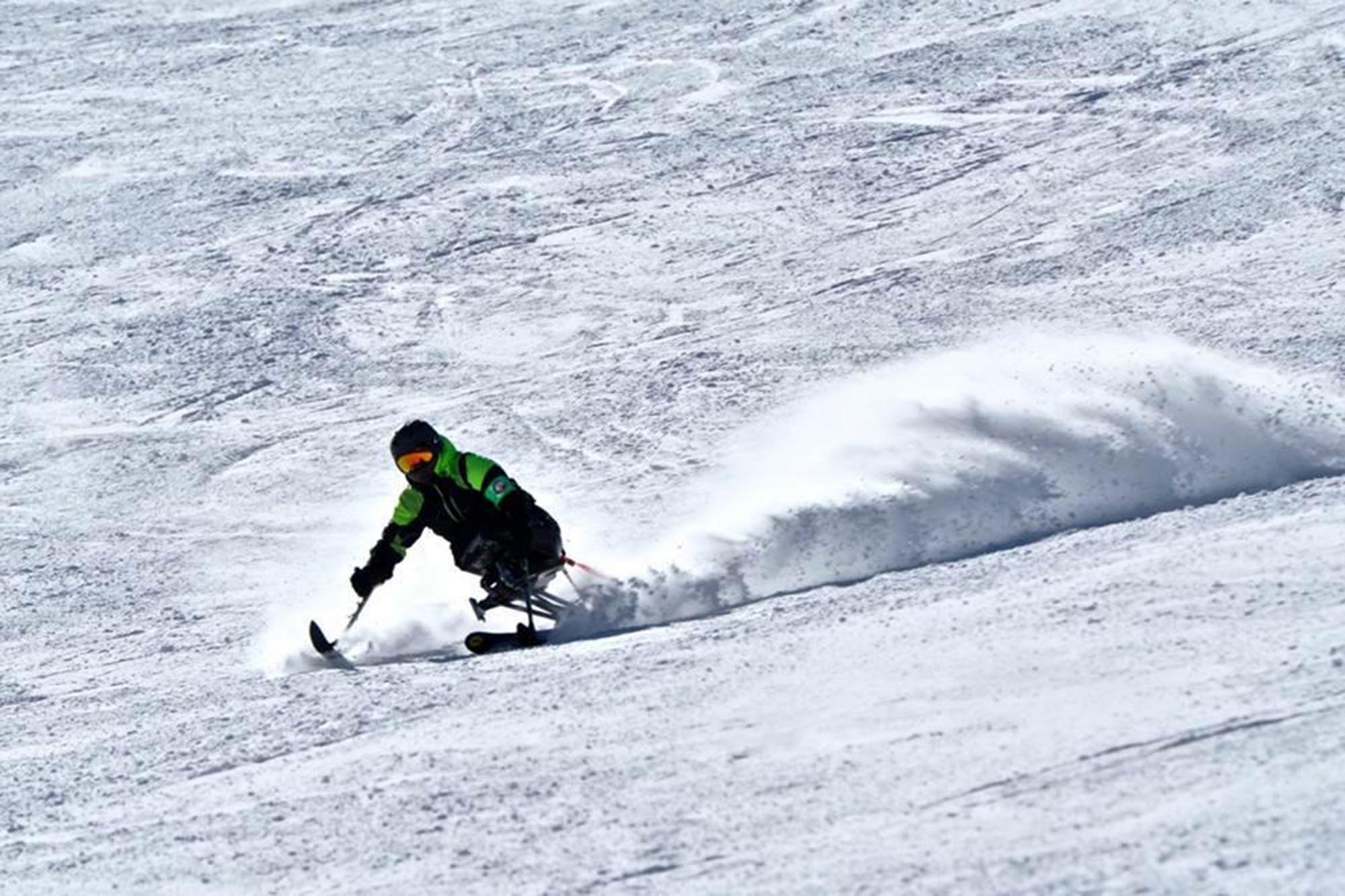
The Seven Summits Quest: A Trail of Resilience
The road to Vinson was paved with some of the most formidable rock, ice, and thin air on the planet. While the "Seven Summits" is a prestigious list for any climber, for a double above-knee amputee, it requires a complete reimagining of mountaineering logistics.
Hari’s timeline is a testament to calculated progression:
- 2019: Mont Blanc (substituted for Elbrus in the European circuit due to geopolitical complexities).
- 2020: Kilimanjaro (the "Roof of Africa").
- 2023: Mount Everest (the world-first for a double above-knee amputee).
- 2024-2025: Denali, Aconcagua, and the technical Carstensz Pyramid.
The Everest climb in 2023 was the turning point. It wasn't just a physical battle; it was a legal one, as Hari had to fight against a ban on blind and double-amputee climbers in Nepal. His victory there set the stage for the final "Ice" of the Seven Summits: Antarctica.
Conquering Antarctica: The Technical Challenge
Mount Vinson isn't the highest of the Seven Summits, but its location makes it one of the most dangerous. Located in the Sentinel Range, the temperatures on Vinson frequently plunge below -40°C. For an amputee, the cold isn't just a comfort issue—it’s a biological one. Without lower legs, circulation management is incredibly difficult, and the risk of frostbite on the stumps (which are less insulated than full limbs) is a constant threat.
The "One Inch at a Time" Technique
On steep, technical sections like the Branscomb Shoulder—a 45-degree snow and ice slope—traditional prosthetics can sometimes be a hindrance. I’ve spoken with climbers who witnessed Hari’s "crawling" technique. When the terrain becomes too vertical or the snow too soft for his prosthetic feet to gain purchase, Hari drops to his knees.
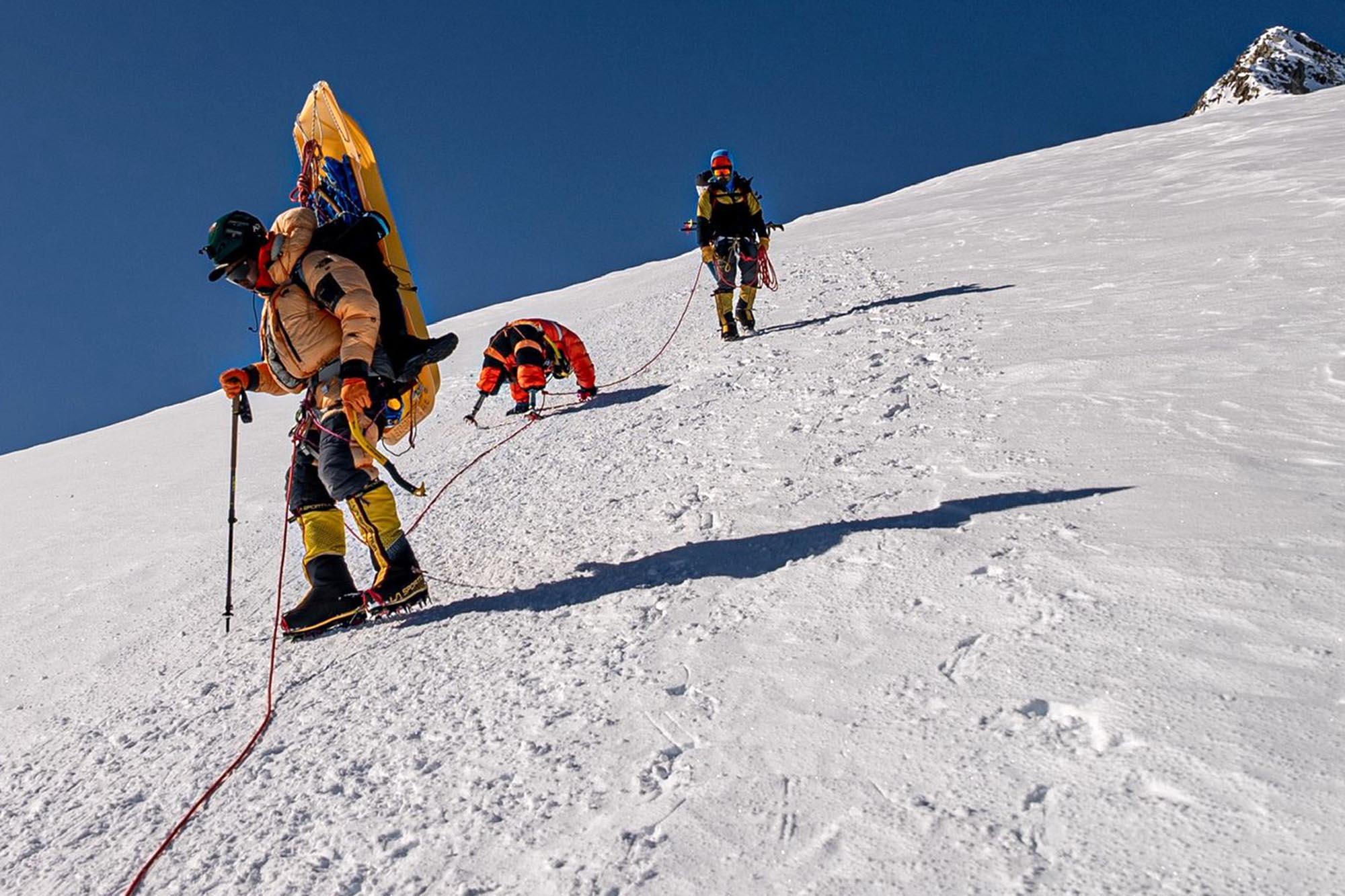
This method is exactly what it sounds like: a grueling, full-body effort where he moves his body forward inch by inch. It’s exhausting, but it allows him to maintain a low center of gravity and ensure a "three points of contact" rule on exposed plateaus where a fall would be fatal.
The Gear: Engineering a Miracle
You can't summit Vinson on standard prosthetic legs. Hari worked with specialists to develop a suite of custom gear:
Technical Specs: The High-Altitude Kit
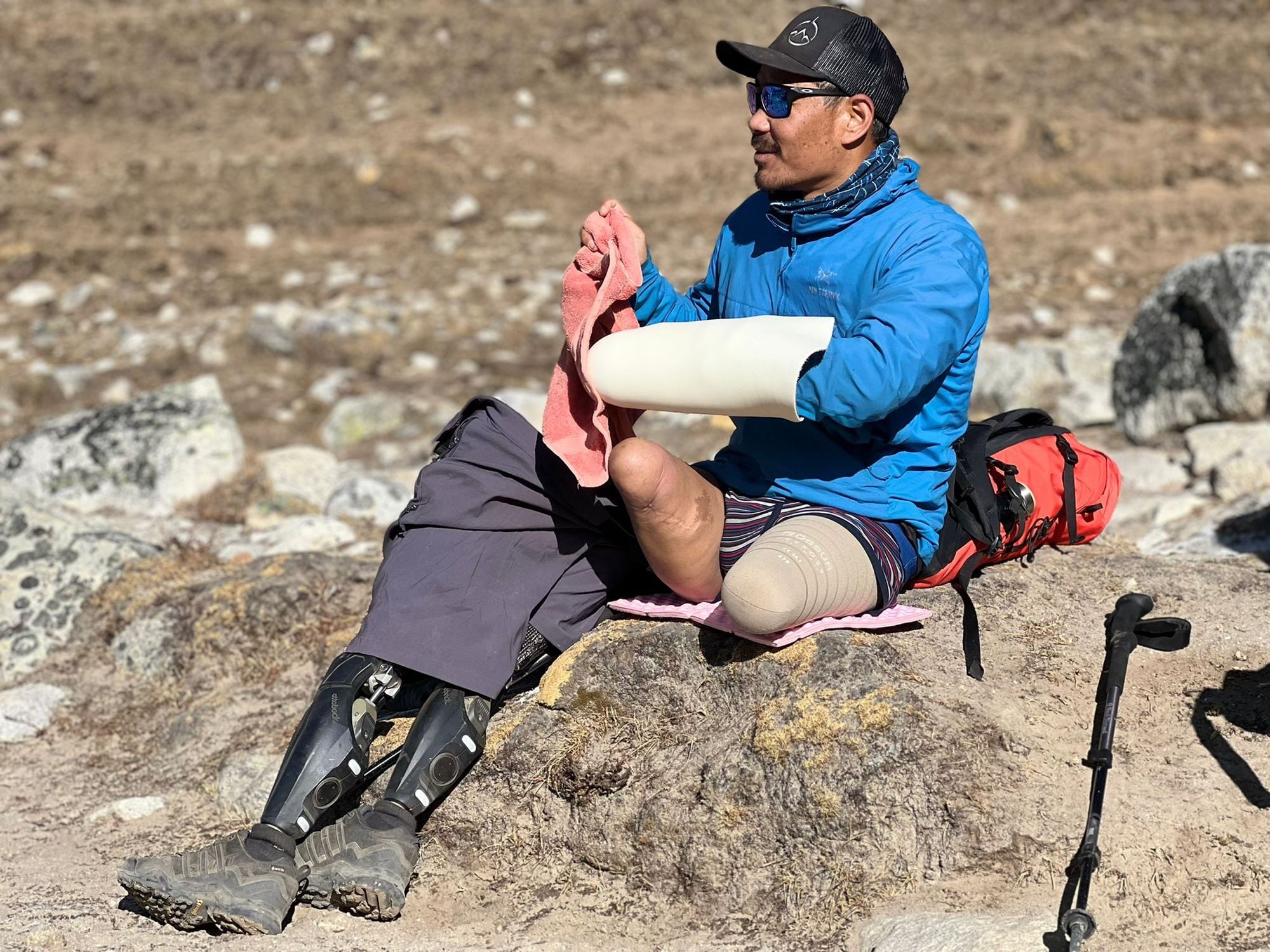
- Ottobock Genium X4: Advanced microprocessor knees designed for rugged terrain.
- Crampon Attachments: Custom steel crampons bolted directly to the prosthetic sockets.
- Heated Sockets: Battery-operated heating elements designed to keep his residual limbs warm, preventing the skin breakdowns and frostbite that would end the expedition instantly.
The Importance of the Support Team
No one summits Vinson alone, and certainly not in this capacity. Hari’s success was a symphony of coordination between him and his team of Sherpas and guides. These weren't just "helpers"; they were technical partners who assisted in managing his gear and ensuring the safety of the line on the fixed ropes.
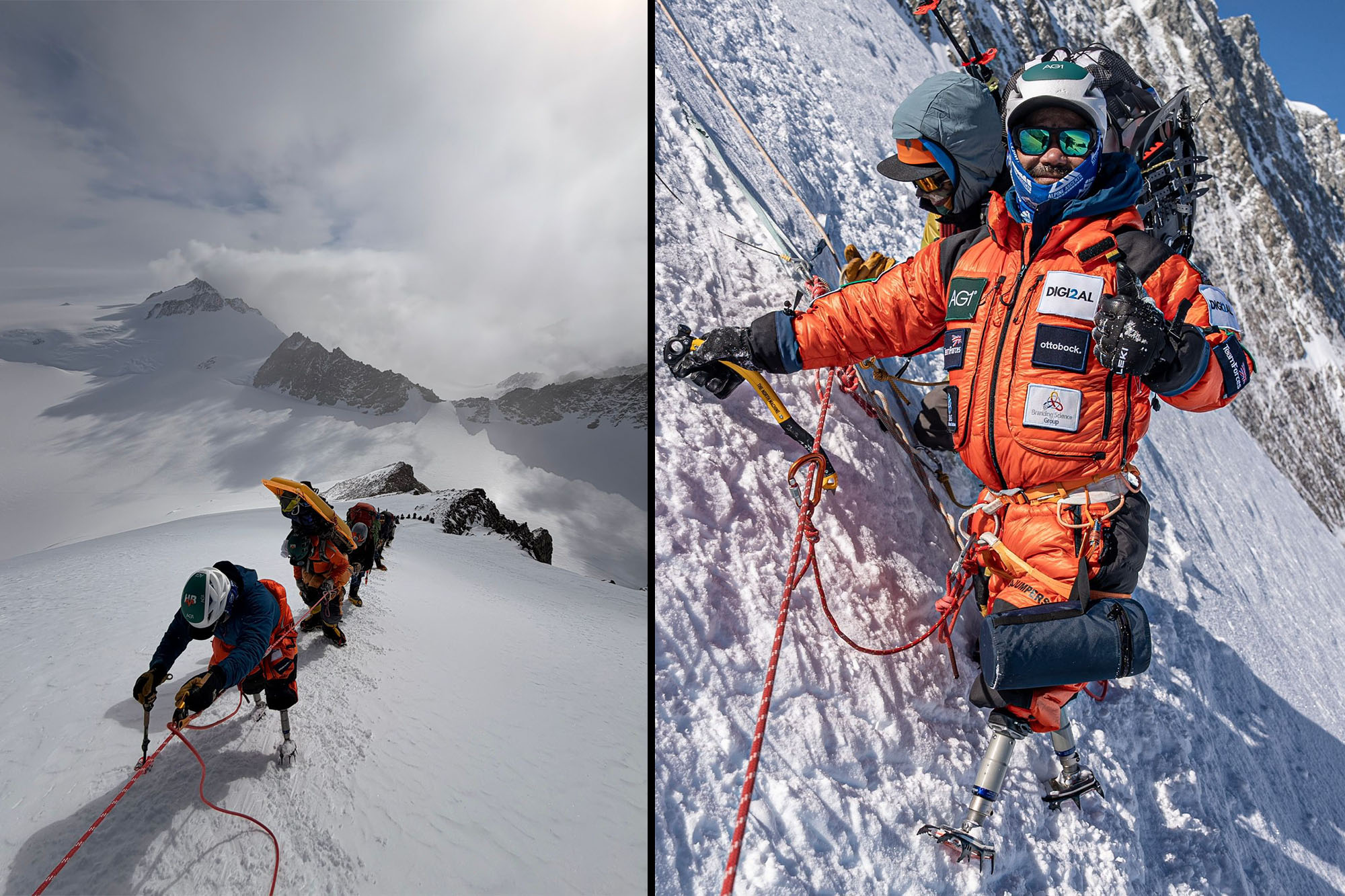
The partnership emphasized the collective nature of modern mountaineering. While Hari did the climbing, the team ensured the logistics of the high camps and the placement of the technical hardware allowed him to focus entirely on the physical exertion of moving upward.
Planning a Vinson Expedition: Logistics and Costs
For those inspired by Hari’s journey, reaching Mt. Vinson is a logistical mountain in itself. Unlike Everest, there are no permanent residents in Antarctica. Every ounce of fuel, food, and gear must be flown in via Ilyushin-76 aircraft from Punta Arenas, Chile, to the Union Glacier blue-ice runway.
| Expedition Factor | Typical Requirement / Cost |
|---|---|
| Duration | 13 - 17 Days |
| Standard Cost | $54,200 - $57,900 |
| Best Season | December to January |
| Technical Difficulty | Moderate (Snow/Ice), Extreme (Cold/Wind) |
| Environmental Code | Strict "Leave No Trace" (All waste must be removed) |
The cost reflects the extreme remote nature of the climb. You aren't just paying for a guide; you’re paying for the specialized flight logistics required to operate in the interior of the most isolated continent on Earth.
Beyond the Summit: Breaking Barriers
Hari Budha Magar’s finish on January 6, 2026, isn't just a record for the books. He has spent the last several years acting as a global ambassador for veteran and disability charities like Blesma and The Gurkha Welfare Trust.
His message is simple: "Disability" is a mindset, not a physical state. By utilizing cutting-edge technology and sheer human will, he has effectively moved the needle on what is considered possible for adaptive athletes.
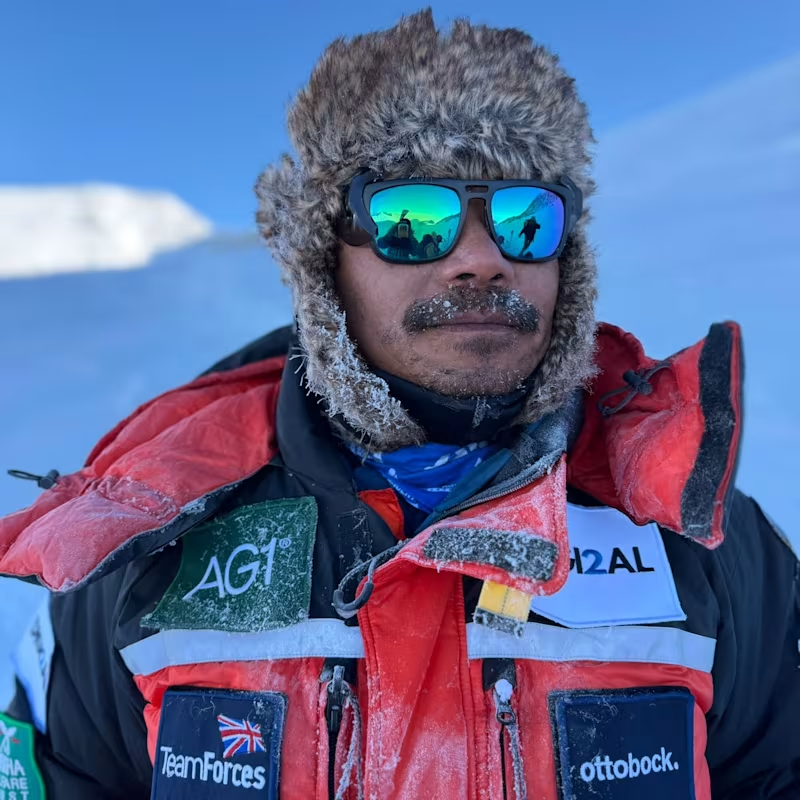
When Hari reached the top of Vinson, he wasn't just standing on a mountain; he was standing on top of the world's misconceptions about what a person with disabilities can achieve.
Frequently Asked Questions (FAQ)
Q: How does Hari Budha Magar keep his stumps warm in -40°C? A: He uses custom-designed, battery-powered heated sockets. These are essential because amputees have reduced circulation, making them significantly more susceptible to cold-related injuries than non-amputees.
Q: Did he climb the "Bass" or "Messner" version of the Seven Summits? A: Hari completed the more technically challenging "Messner" list, which includes Carstensz Pyramid in Indonesia, though he also ensured he covered the major peaks that satisfy both versions of the list to leave no room for doubt.
Q: What is next for Hari Budha Magar? A: After completing the Seven Summits on January 6, 2026, Hari plans to continue his work as an inspirational speaker and advocate for adaptive sports, focusing on improving access to prosthetic technology for veterans in developing nations.
Are you ready to test your own limits? Whether it's a local hike or a dream of the Seven Summits, the first step is the most important. Stay tuned to our gear guides to ensure you have the right kit for your next expedition.