Our Top Picks
- Ruffwear Roamer: Best Overall – Exceptionally versatile with a padded belt and built-in traffic handle for total control.
- Non-stop Dogwear Bungee Leash: Best for Running – Superior shock absorption designed for high-intensity activities and canicross.
- The Hitch Hiker: Best for Technical Scrambles – Adjustable length and climbing-grade security for narrow, rocky ledges.
When selecting a hands free dog leash for rugged trails, prioritize shock-absorbing bungee sections and padded waist belts to improve handler comfort. High-quality hardware like carabiner clips and traffic handles are essential for maintaining control on steep terrain. Materials such as kernmantle rope and reinforced webbing ensure the gear survives technical mountain terrain and frequent outdoor use.
I’ve spent the better part of the last decade testing gear in the wildest corners of the Tetons and the Sierra High Route. If there is one thing I’ve learned about hiking with a high-energy dog, it’s that your hands are your most valuable asset. Whether you are scrambling over loose granite or checking your GPS on a foggy ridge, having your pup tethered to your core rather than your wrist is a total game-changer.
Choosing the right hands free dog leash isn't just about convenience; it is about safety and force dispersion. I have been dragged down a muddy slope by my over-eager Lab more times than I care to admit, and I can tell you that a standard leash just doesn't cut it when the trail gets vertical.
| Product | Best For | Belt Size Range | Key Feature |
|---|---|---|---|
| Ruffwear Roamer | All-around Hiking | 27" – 48" | Wavelength webbing bungee |
| Non-stop Dogwear | Trail Running | One Size (Elastic) | Full-length shock absorption |
| The Hitch Hiker | Technical Terrain | 27" – 48" | One-handed length adjustment |
| Tuff Mutt | Utility & Storage | 26" – 48" | Dual handles and accessory pouch |
| Cross-body System | Large Breeds | Adjustable | Weight distribution for heavy pullers |
Why Hardware Matters: From Kernmantle Rope to Carabiners
When you are miles from the nearest trailhead, your equipment becomes your lifeline. In the city, a plastic clip might survive a sidewalk stroll, but on rugged trails, you need climbing-inspired hardware. I always look for a heavy duty hands-free dog leash that utilizes 7mm Kernmantle Rope or reinforced webbing. These materials are built to resist abrasion against sharp rocks and alpine scrub.
The connection point is equally critical. You want an Aviation-grade Aluminum carabiner clip that features a locking mechanism. Standard trigger snaps can easily snag on a branch or fail under the sudden tension of a squirrel chase. A Carabiner Clip ensures that even if your dog lunges, the connection to your waist belt remains secure. Furthermore, a professional-grade hands free dog leash will almost always feature a Shock-absorbing Bungee segment. This isn't just for the dog’s comfort; it protects your lower back from the jarring kinetic energy produced during steep descents.
1. Best Overall for Versatile Hikers: Ruffwear Roamer
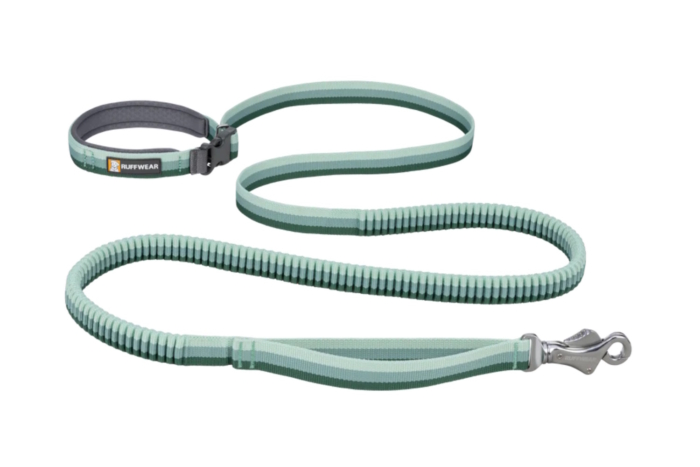
The Ruffwear Roamer has been my go-to for years because it balances weight and durability perfectly. The secret is the Wavelength webbing, a built-in Shock-absorbing Bungee that allows the leash to stretch and retract naturally as your dog moves. This ruffwear hands free dog leash also includes the Talon Clip, which is strong, secure, and incredibly easy to operate with cold or gloved hands.
One of the standout features is the Padded Waist Belt. It sits comfortably on the hips, distributing the dog’s weight so you don't feel every tug in your spine. It also features a Traffic Handle, which is a shorter loop near the dog’s collar. This is vital when you encounter other hikers or wildlife on narrow sections. The only real flaw I’ve found is that the webbing can be a bit bulky for very small dogs, but for standard mountain breeds, it is nearly flawless. If you need a hands-free dog leash for hiking rugged trails that can handle everything from mud to snow, this is the gold standard.
2. Best for High-Altitude Power: Heavy-Duty Cross Body Systems
For those of you with large, powerful breeds like Malamutes or Shepherds, a waist belt can sometimes feel unstable on the steepest pitches. That is where a hands free dog leash cross body style shines. By draping the leash across your torso, the dog’s pulling force is distributed across your entire upper body rather than just your lumbar region. This provides superior stability when navigating technical mountain terrain.
A heavy duty hands free dog leash for large dogs specifically designed for cross-body carry usually features thick Kernmantle Rope and dual-handle setups. I tested a similar system on a trek through the Winds, and the extra control during a 2,000-foot descent was noticeable. You have much better leverage to anchor yourself if your pup decides to go after a pika.
3. Best for Fast-Paced Trails: Non-stop Dogwear Bungee
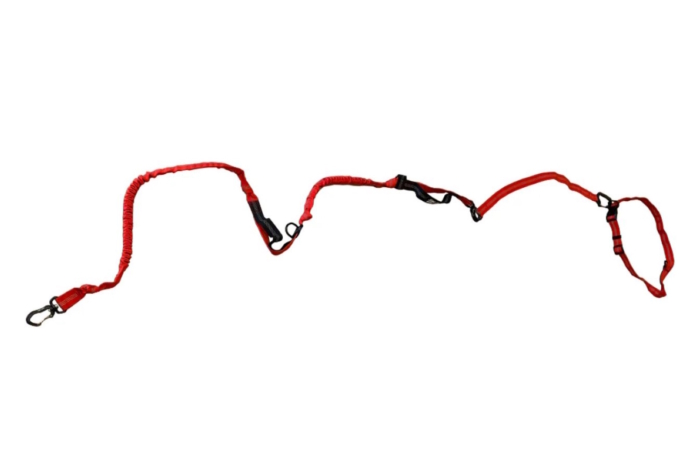
If you are a trail runner, you need something that doesn’t bounce or chafe. The Non-stop Dogwear option is technically a canicross-grade piece of equipment, but it works wonders for hikers who move fast and light. Unlike leashes that have a small bungee section, this entire leash is essentially a high-tension elastic cord.
The performance of this hands-free dog leash for running is unmatched when it comes to Force Dispersion. It smooths out the "stop-and-go" motion of a running dog, which prevents that annoying jerking sensation. The materials are designed to be used in grit, mud, and water without losing their elasticity. It is a minimalist design, so if you are looking for pockets or extra loops, look elsewhere. This is pure, high-performance Outdoor Adventure Gear.
4. Best Utility for Day Trips: Tuff Mutt Hands-Free with Pouch
Not every hike is an alpine expedition. Sometimes you just need a solid best hands-free dog leash for a local trail that keeps your essentials organized. The Tuff Mutt system is built for convenience. It includes a hands-free dog leash with pouch that can hold your phone, keys, and waste bags.
The belt features two sliding D-rings, allowing your dog to move from side to side without tangling your legs. It also includes Reflective Elements woven into the webbing, which are a safety essential if you find yourself trekking back to the car after sunset. While it lacks the extreme durability of Climbing-inspired Hardware, it is remarkably sturdy for the price point and more than adequate for moderate trails.
5. Best for Technical Scrambles: The Hitch Hiker
When the trail turns into a scramble, you need to be able to adjust your dog’s lead length on the fly. The Hitch Hiker is an adjustable system that allows you to transition from a long lead for open meadows to a short lead for narrow ledges and technical climbs.
The system uses a rope hitch and a high-strength Carabiner Clip, allowing for true one-handed operation. I’ve found this to be the most secure way to keep a dog close when the exposure gets real. The use of Kernmantle Rope ensures it won't snap if forced against a sharp edge. It's the ultimate setup for the serious peak-bagger who doesn't want to compromise on safety or freedom.
Trail Safety: Mastering Leash Manners
Having the best hands free dog leash is only half the battle. According to research by Embrace Pet Insurance, approximately 50 percent of pet parents take their dogs hiking during outdoor adventures. With so many pups on the trail, etiquette and training are non-negotiable.
Before hitting a technical Grade 3 scramble, ensure your dog understands basic Leash Manners. A hands-free system can actually be dangerous if your dog is an uncontrolled puller; they can pull you off balance on a steep incline. I always recommend the "10-minute rule": keep your dog in a heel for the first ten minutes of the hike to burn off that initial excitement. Also, always keep a hand near the Traffic Handle when passing other groups. It shows respect to other hikers and keeps your pup focused in distracting environments.
Pro-Tip: If you are using a waist belt for the first time, practice on flat terrain before heading to the mountains. Your dog needs to learn that "hands-free" doesn't mean "free-to-run." Use verbal cues like "with me" or "stay" to manage their distance.
FAQ
Are hands-free dog leashes good?
Yes, they are excellent for hikers and runners who need their hands for balance, navigation, or using trekking poles. They provide better weight distribution and allow your dog a more natural range of motion while remaining securely attached to your center of gravity.
What are the disadvantages of using a hands-free leash?
The primary disadvantage is the risk of being pulled over if the dog is not well-trained. Because the dog is attached to your waist, a sudden lunge from a large breed can compromise your stability on steep or slippery terrain. Additionally, they can be more prone to tangling around your legs if the dog circles you frequently.
Are there hands-free leashes for dogs?
There are several styles of hands-free leashes, including waist-belt systems, over-the-shoulder cross-body leads, and adjustable rope systems that can be looped around various anchor points. Brands like Ruffwear and Non-stop Dogwear specialize in these designs for active users.
How do I make my leash hands-free?
You can make a standard leash hands-free by using a locking carabiner to attach the handle of the leash to a sturdy belt or the waist strap of your hiking backpack. However, for safety on rugged trails, it is highly recommended to use a purpose-built system with a bungee to absorb shock.
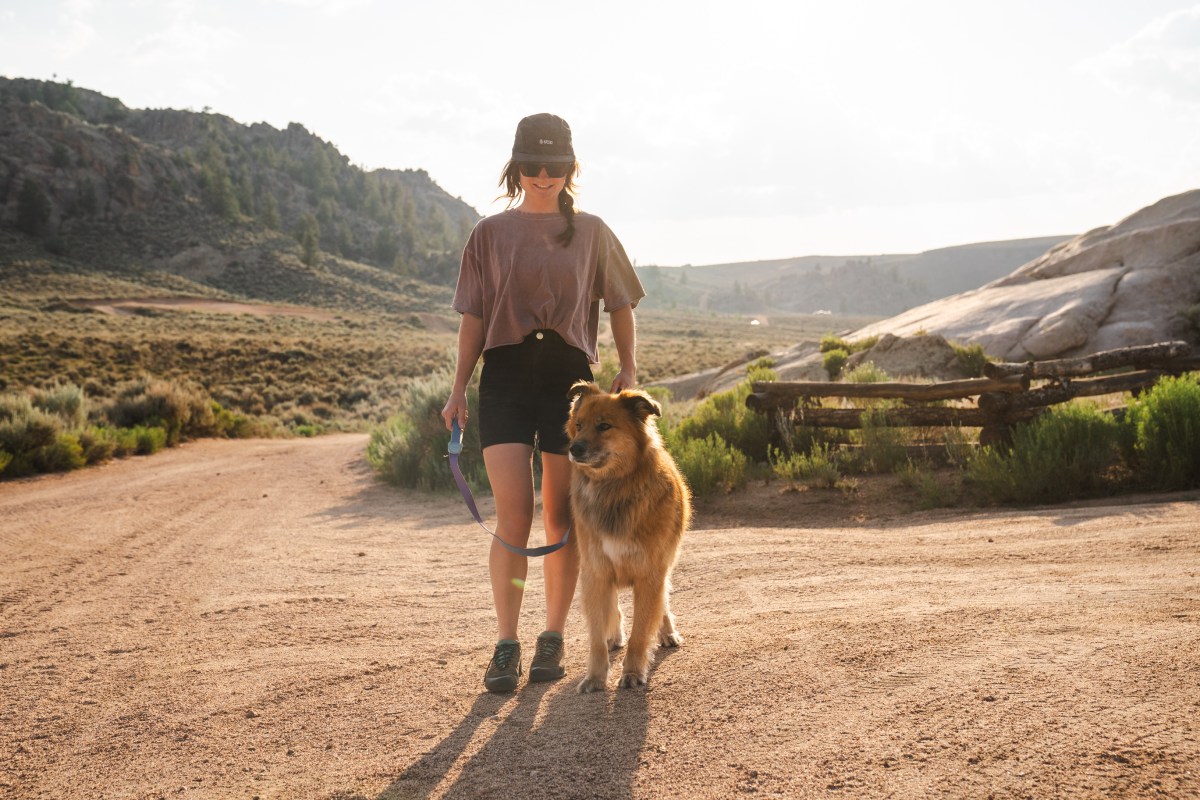
If you are ready to stop fumbling with a handheld lead and start enjoying the flow of the trail, upgrading to a hands free dog leash for hiking rugged trails is the best decision you’ll make this season. I want to see your backcountry setups! Tag us in your trail photos and let us know which gear survived your latest peak attempt. Happy trails!