Quick Facts
- The Performance Gap is Closing: While elite men climb 5.15d and V17, women have reached 5.15c and V16—the narrowest gender gap in any professional sport.
- The Participation Cliff: Data from the American Alpine Club shows a "drop-off" from indoor to outdoor settings; while 42% of indoor climbers are women, that number falls to 32% in the backcountry.
- Systemic Risks: Harassment in climbing ranges from "beta-spraying" and gym stalking to high-profile cases of sexual assault in commercial mountaineering and youth programs.
- Cultural Shifts: Organizations like USA Climbing and Grit & Rock are implementing stricter codes of conduct and providing six-figure funding to support female-led expeditions.
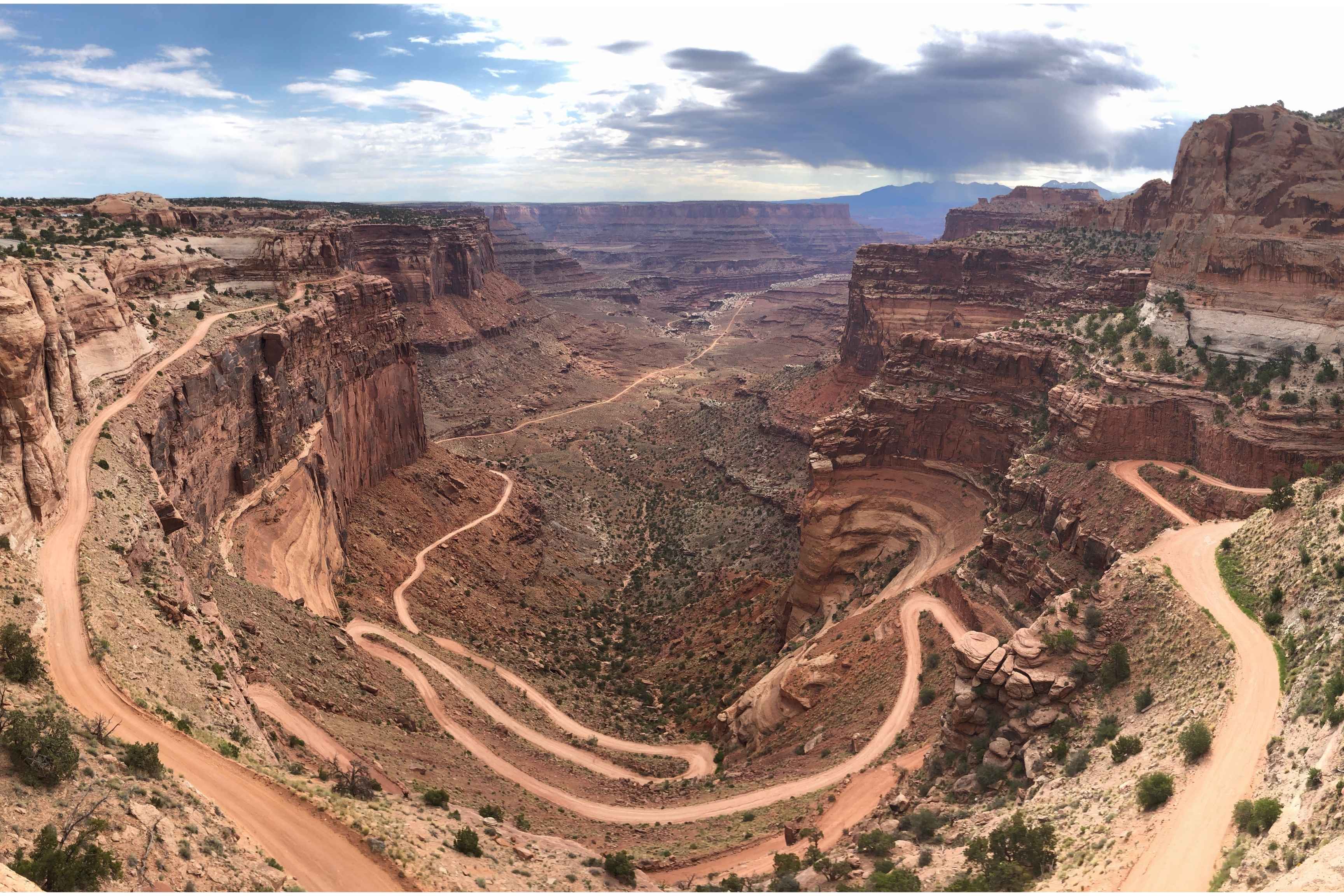
I’ve spent the better part of the last decade tied into a rope, wandering from the sandstone towers of Moab to the limestone pockets of Margalef. From the outside, climbing looks like the ultimate meritocracy. When you’re 40 feet up a wall, the rock doesn’t care about your gender, your background, or your paycheck. It only cares if you can hold the crimp. We celebrate Janja Garnbret as arguably the greatest athlete to ever touch plastic, and we watch Katie Lamb send V16s with a precision that defies belief.
But as an editor who lives and breathes this industry, I’ve had to confront a sobering reality: the experience of the elite few does not mirror the experience of the many. While the performance gap is nearly non-existent, the safety and social gap remains a chasm. Behind the "crusher" videos and the celebratory Instagram posts lies a darker narrative of sexism, systemic harassment, and a culture that still too often treats women as secondary characters in a male-dominated story.
The Participation Paradox: Why the Mean Matters
When we talk about sexism in professional climbing, we often point to the podiums to prove how far we’ve come. But the real story is in the "mean"—the average experience of a woman walking into a gym or approaching a crag for the first time. According to 2019 data from the American Alpine Club (AAC), the gender split in indoor climbing is relatively balanced, but as soon as the approach shoes hit the dirt, the numbers shift dramatically.
| Setting | Male Participation | Female Participation |
|---|---|---|
| Indoor Gyms | 58% | 42% |
| Outdoor Crags | 67% | 33% |
| Alpinism/Speed | ~80%+ | <20% |
This "participation cliff" isn't a result of a lack of interest; it’s a result of a lack of safety and mentorship. In my travels, I’ve spoken with dozens of female climbers who feel "gatekept" out of outdoor spaces. Whether it’s the "bro-culture" at a popular bouldering spot or the difficulty of finding female partners for high-risk disciplines, the barriers are often social rather than physical.
"It’s not just about being able to climb the grade," one female alpinist told me in Chamonix. "It’s about the mental tax of constantly having to prove you belong at the base of the route before you even put your shoes on."
Digital Hazards: Social Media as a Double-Edged Sword
For many professional climbers, visibility is a requirement for sponsorship. But for women, that visibility comes with a unique brand of sexual harassment in rock climbing. Sasha DiGiulian, one of the most accomplished climbers of our generation, has been vocal about the trauma of online forums and the relentless "body policing" that female athletes face.
The harassment often falls into three categories:
- The Weight Obsession: Unsolicited comments on an athlete’s physique, often masking eating disorder triggers as "performance critiques."
- The Competence Question: Attributing a woman’s success to her harness, her gear, or her male partner rather than her skill.
- Direct Harassment: Explicit threats and objectifying comments that would never be directed at a male counterpart.
This digital toxicity doesn’t stay online. It trickles down to teenage girls in youth programs who see their idols being dismantled by keyboard warriors. When we talk about female climber safety, we have to include their psychological safety in the digital spaces that define the modern sport.
Facing the Shadows: Harassment and Physical Abuse
The most harrowing aspect of the "dark side" is the physical threat. For too long, the climbing community relied on a "whisper network" to warn women about predatory guides, coaches, or prominent local climbers. Recent investigative reporting has finally started to drag these names into the light.
The New York Times recently highlighted allegations against high-profile figures like Nirmal Purja, sending shockwaves through the commercial mountaineering world. Closer to home, the cases of Charles Barrett and Lonnie Kauk in Yosemite served as a grim reminder that even our most "sacred" climbing grounds are not immune to violence and abuse.
Primary Challenges Women Face:
- Systemic Misconduct: The power dynamic between a male guide or coach and a female client/athlete is often ripe for exploitation.
- Gym Stalking: A persistent issue where women are followed, filmed without consent, or subjected to "creepy" behavior that gyms have historically been slow to punish.
- Exclusionary Grades: Using high difficulty as a barrier to entry for women-led groups or mentorship opportunities.
We are seeing a shift, however. Organizations like USA Climbing are moving away from outdated terminology and implementing strict Safesport-style conduct codes. But policy is only as good as its enforcement.
The Double Standard of Risk and Motherhood
There is a glaring double standard in how we view "adventurous parents." When Alex Honnold or Tommy Caldwell became fathers, the community largely celebrated their continued pursuit of high-stakes lines. When Emily Harrington or the late Hilaree Nelson faced the same transitions, the narrative was often framed through the lens of "irresponsibility."
Nelson, a pioneer in ski mountaineering, faced public criticism for her expeditions that her male peers never encountered. This "Motherhood Question" creates a career-threatening pressure. I’ve seen female pros hide pregnancies for as long as possible, fearing the loss of sponsorships or the "First Question"—the inevitable inquiry about when they’ll stop climbing "for the sake of the kids."
Finding Safety in Numbers: The Power of Female Partnerships
Despite these hurdles, the most exciting movement in climbing today is the rise of independent female partnerships. We are moving away from the "second fiddle" dynamic where a woman is the "token" member of a male-led team.
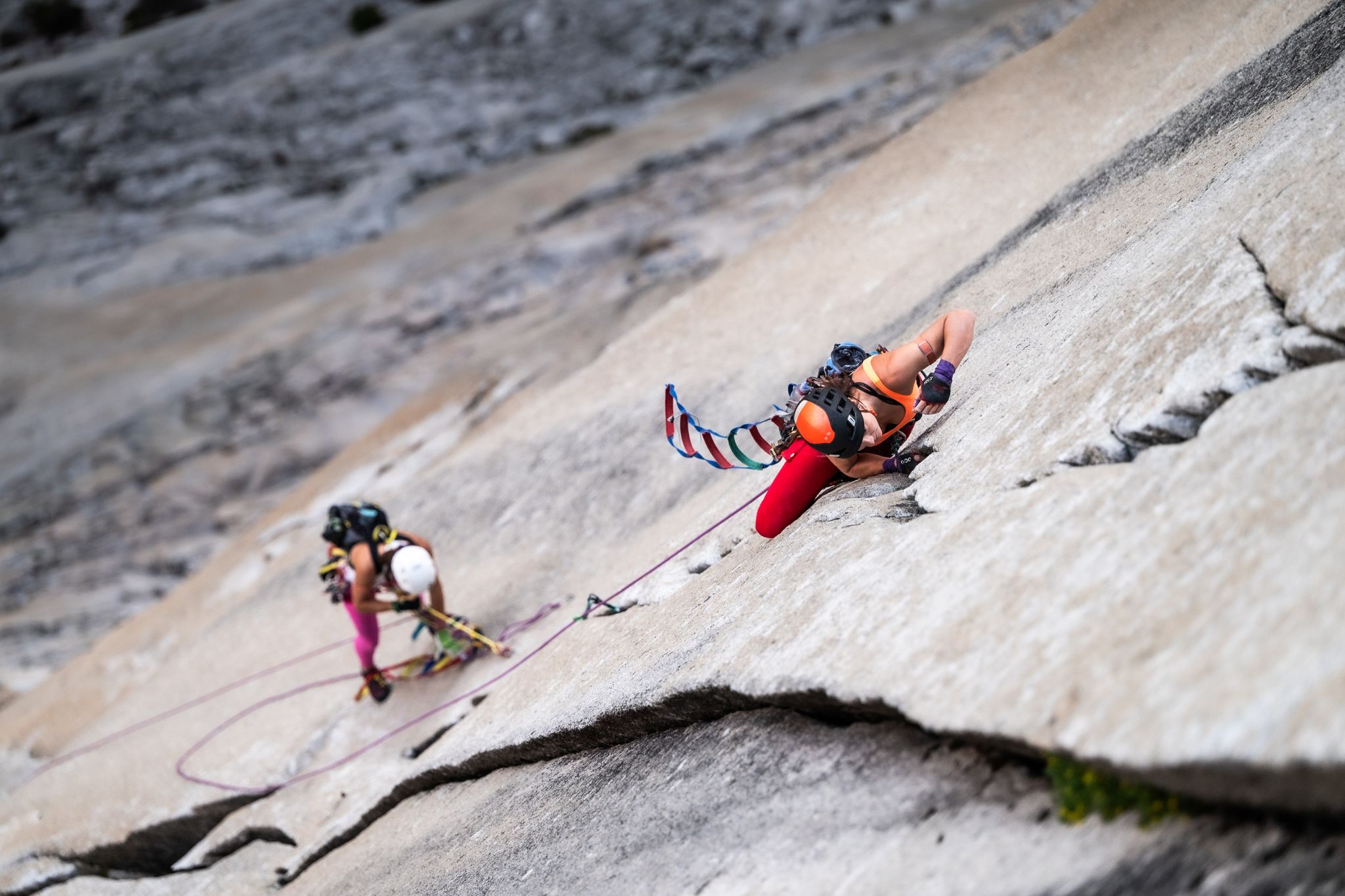
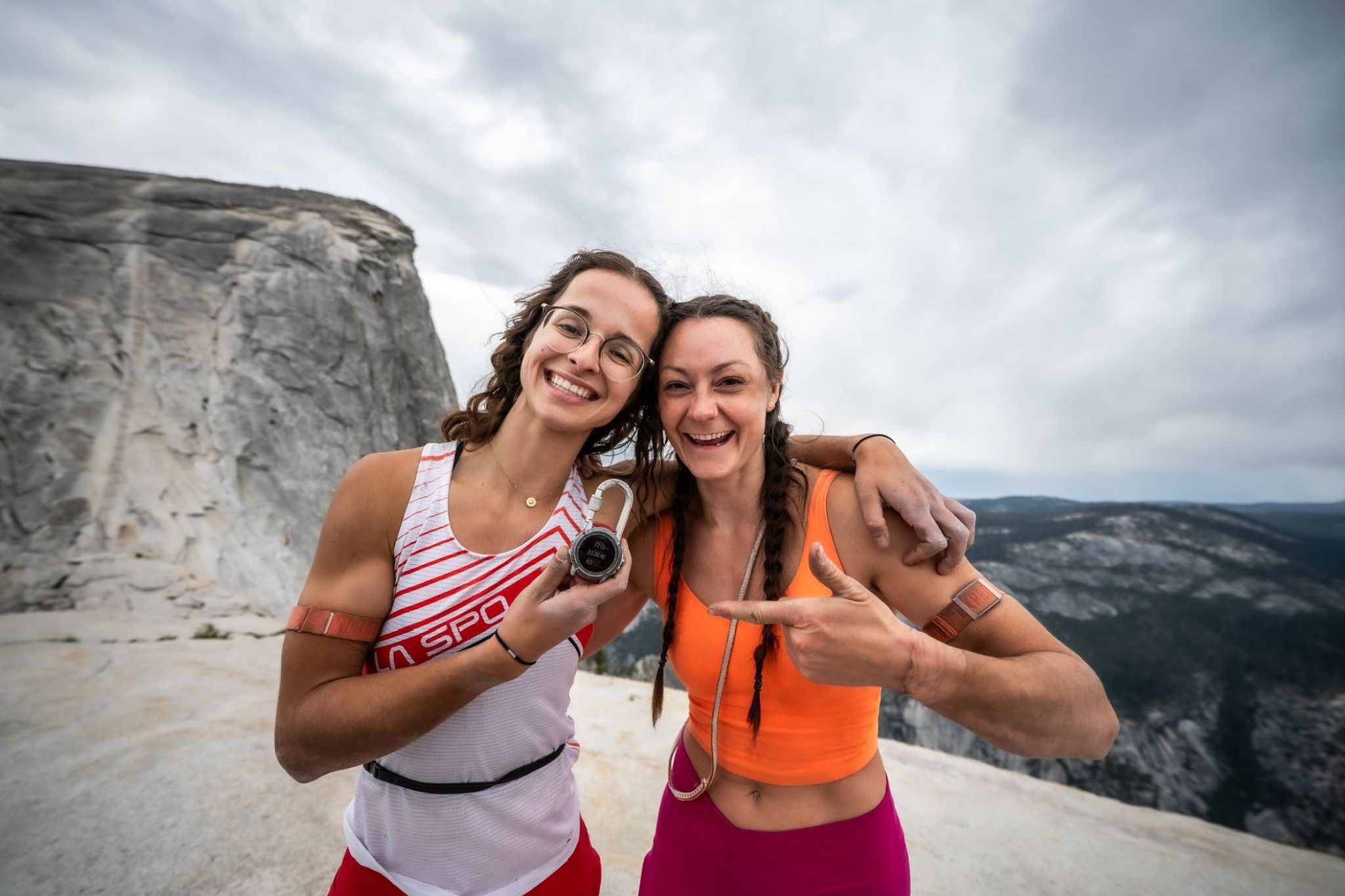
Take the Yosemite Triple—climbing El Capitan, Half Dome, and Mt. Watkins in under 24 hours. Recently, Kate Kelleghan and Laura Pineau proved that female teams don't just belong in these high-stakes environments; they can dominate them. By removing the male-dominated hierarchy, these athletes are creating a different kind of "send" culture—one based on radical communication and mutual support.
Organizations Leading the Charge:
- Grit & Rock: A non-profit that has awarded over $100,000 in grants specifically for female-led first ascents in alpinism.
- Flash Foxy: Founded by Shelma Jun, this organization has revolutionized the "Women’s Climbing Festival" model, providing a safe space for skill-building.
- Ladies Climbing Coalition: Focused on making gym-to-crag transitions more accessible and less intimidating.
The Path Forward: Policy, Advocacy, and the Next Generation
As a community, we are at a crossroads. The "dirtbag" ethos of the past—which often prized rugged individualism over accountability—is being replaced by a more professionalized, inclusive structure. This isn't "watering down" the sport; it’s making it sustainable.
I recently spoke with educators like Pat Brehm and Bix Firer, who are working on the ground to implement codes of conduct that protect the next generation. The focus is shifting from simply "climbing harder" to "climbing better" as humans.

If we want to close the gender gap in climbing statistics, we have to do more than just invite women to the crag. We have to ensure that when they get there, they aren’t met with harassment, unsolicited beta, or a culture that minimizes their achievements.
The optimism I feel comes from the youth. I see 16-year-old boys in the gym who view Janja Garnbret as their primary inspiration, and 16-year-old girls who refuse to accept anything less than total respect. That is where the real change happens—not just in the boardroom, but at the belay.
FAQ
How can I report harassment at my local climbing gym? Most modern climbing gyms (especially those under the Movement or Central Rock Gym umbrellas) have formal grievance procedures. Look for a "Code of Conduct" posted near the front desk or on their website. If you feel unsafe, speak directly to the manager on duty. For more serious incidents, you can report through the SafeSport platform if the individual is a member of USA Climbing.
What is "Beta-Spraying" and why is it considered a form of sexism? Beta-spraying is giving unsolicited advice on how to do a move. While it happens to everyone, studies and anecdotal evidence suggest it happens to women significantly more often, even when they are more experienced than the person giving the "advice." It reinforces the assumption that a woman is less capable and needs male intervention to succeed.
Are there specific gear brands that support female safety initiatives? Many major brands are stepping up. Patagonia and Black Diamond have been long-term supporters of organizations like the American Alpine Club’s diversity initiatives. When buying gear, look for companies that sponsor a diverse roster of female athletes and support non-profits like Grit & Rock or the Ladies Climbing Coalition.
Join the Movement
Climbing is a sport of community. If you see something at the crag that doesn’t sit right—a climber being harassed, a partner being belittled, or a boundary being crossed—speak up. We are all responsible for the culture we create.