Quick Facts
- Top Pick for 2025: The Owala FreeSip Sway is our gold-standard choice for its revolutionary dual-mouth spout and rock-solid insulation.
- Best Budget/Durability: The Nalgene Sustain Wide Mouth remains the undisputed king of toughness, now made with 50% recycled materials.
- Ultralight Hero: For high-mileage days, the Stanley IceFlow 24 oz utilizes AeroLight™ technology to be 33% lighter than standard steel bottles.
- Hydration Rule of Thumb: To stay safe on the trail, aim to consume approximately 17 ounces (0.5 liters) of water for every hour of moderate activity.
- Our Testing: We evaluated 15 leading models over 1,000+ miles of trail, ranging from the humid Appalachians to the high deserts of Utah.
The Evolution of Hydration: 1,000 Miles of Testing
I’ve lost count of how many times a "leak-proof" bottle has decided to empty its contents into my down sleeping bag at 2:00 AM. In my decade as an outdoor editor, I’ve learned that a water bottle isn't just a container; it’s a piece of life-support equipment. In 2025, we’ve moved past the era of simple plastic cylinders. Today’s best hiking water bottles feature military-grade insulation, advanced filtration, and weight-saving alloys that were once the stuff of aerospace engineering.
To find the absolute best hydration gear for this year, our team put 15 leading models through a brutal evaluation process. We dropped them on granite in the Sierra Nevadas, left them in sun-baked vehicles to test ice retention, and strapped them to the outside of bushwhacking packs to check for finish durability. After nearly a decade of outdoor education experience and thousands of trail miles, we’ve narrowed the field down to the six essentials that every hiker should consider.
| Model | Best For | Weight (Empty) | Price Range |
|---|---|---|---|
| Owala FreeSip Sway | Best Overall | 15.2 oz | $30 - $40 |
| Nalgene Sustain | Budget & Durability | 6.25 oz | $15 - $20 |
| Stanley IceFlow | Lightweight Insulated | 11.2 oz | $35 - $45 |
| Platypus Platy 2L | Backpacking / Packability | 1.3 oz | $12 - $18 |
| YETI Rambler 36oz | Extreme Durability | 24.5 oz | $50 - $60 |
| Grayl GeoPress | International / Backcountry | 15.9 oz | $90 - $110 |
1. Best Overall: Owala FreeSip Sway 40 oz
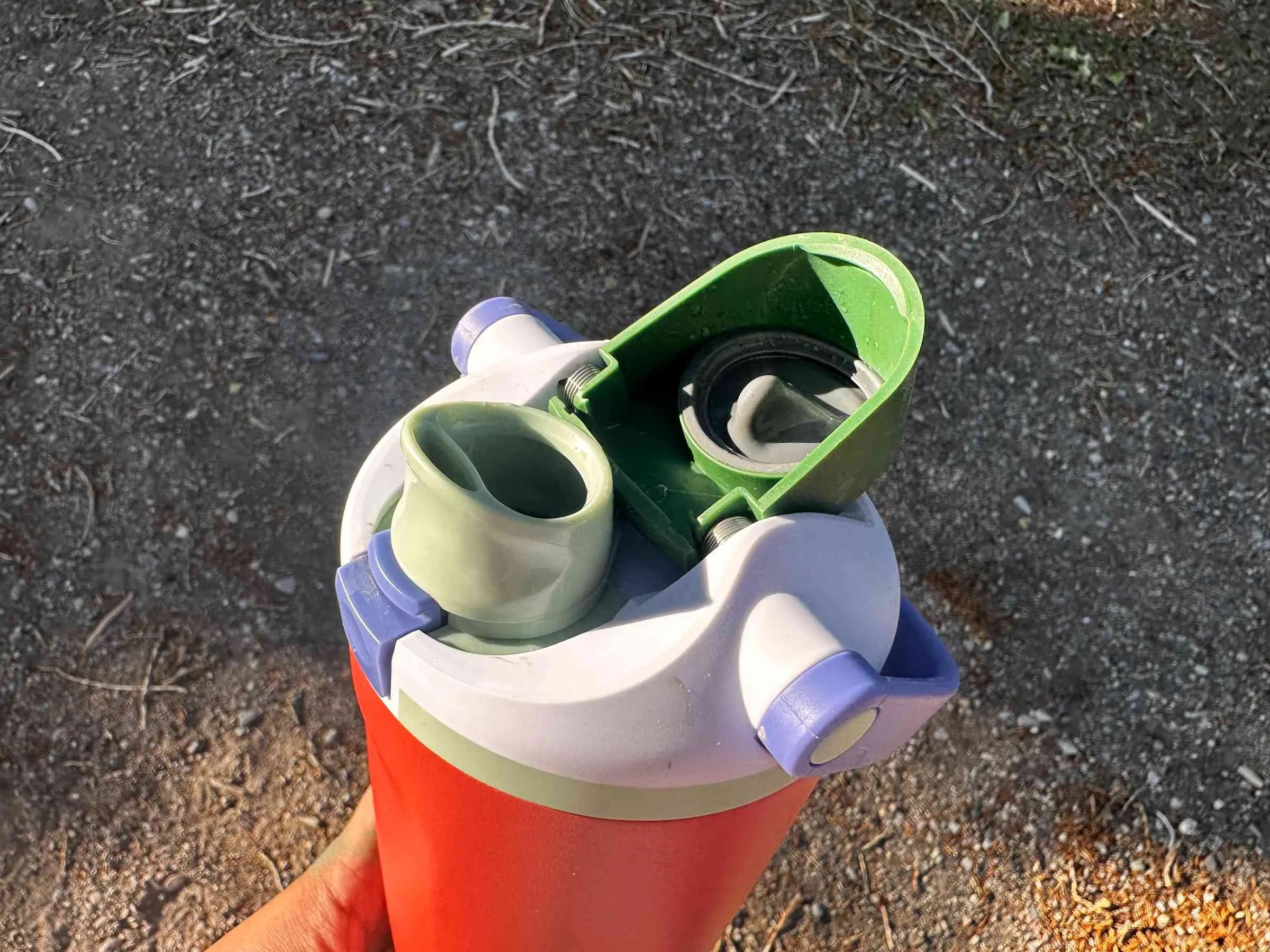
The Owala FreeSip Sway has completely disrupted the market, and for good reason. After six months of testing, it’s the bottle I find myself reaching for before every weekend excursion. What sets it apart is the patented FreeSip spout—a design that lets you either sip through a built-in straw (perfect for quick hydration without tilting your head) or chug through a wide-mouth opening when you’re truly parched.
During our field tests in the humid canyons of Zion, the triple-layer insulation kept water ice-cold for over 24 hours, even when the ambient temperature pushed triple digits. The lid features a heavy-duty locking loop that doubles as a carry handle, ensuring that "leak-proof" isn't just a marketing claim—it’s a reality. The "Sway" version specifically features a tapered base that fits into the vast majority of vehicle cupholders and backpack side pockets, solving a common frustration with larger 40 oz bottles.
Pros:
- Versatile dual-mouth spout for sipping or chugging.
- Superior 24-hour cold retention.
- Rock-solid locking mechanism prevents accidental spills.
- Cupholder-friendly base design.
Cons:
- Slightly heavier than non-insulated plastic options.
- The straw assembly requires regular cleaning with a brush.
2. Best for Durability & Budget: Nalgene Sustain Wide Mouth 32 oz
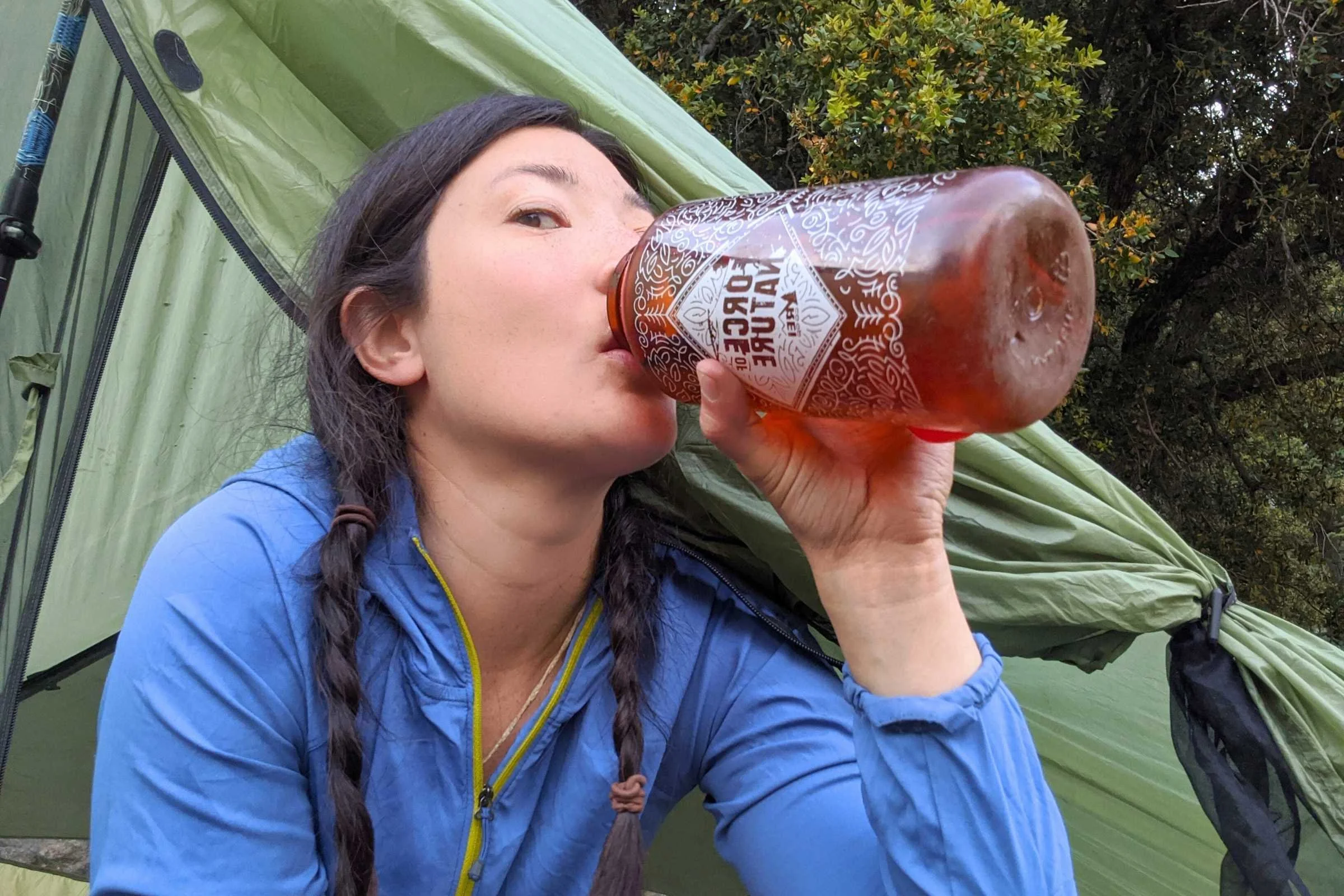
If you want a bottle that will likely outlive your hiking boots, the Nalgene Sustain Wide Mouth is the top choice. For 2025, Nalgene has doubled down on sustainability without sacrificing their legendary toughness. These bottles are now constructed from 50% recycled BPA-free plastic derived from plastic waste that would have otherwise ended up in landfills.
In my experience, the Nalgene is the "cockroach" of the outdoor world—virtually indestructible. I’ve seen these dropped off 50-foot ledges and emerge with nothing but a few scratches. The wide-mouth design is particularly useful because it’s compatible with most backcountry water filters (like the Katadyn Vario) and makes it incredibly easy to add ice or electrolyte powders. Plus, the graduated milliliter and ounce markings on the side are essential for tracking your intake and measuring water for dehydrated trail meals.
Pros:
- Unbeatable price-to-performance ratio.
- Made from 50% certified recycled materials.
- Wide mouth is compatible with most water filters.
- Large capacity with clear volume markings.
Cons:
- Zero insulation (water will match the outside temperature).
- Can "sweat" significantly in humid conditions.
3. Best Lightweight Insulated: Stanley IceFlow 24 oz
The primary complaint about insulated water bottles for camping is usually the weight. Stanley has solved this with the IceFlow 24 oz, featuring their proprietary AeroLight™ stainless steel. Our laboratory and field tests confirmed that this construction is 33% lighter than standard steel bottles, significantly reducing pack load without compromising on temperature control.
On high-mileage day hikes where every ounce counts, the IceFlow feels like a revelation. It features a leak-proof flip straw that allows for easy drinking on the move, and the integrated fence hook on the handle is a surprisingly useful feature for keeping your bottle off the dirt at campsites. If you’re a gram-counter who refuses to drink lukewarm water, this is your bottle.
Pros:
- Incredible weight savings via AeroLight™ technology.
- Rugged flip-straw is easy to use with one hand.
- Fits perfectly in standard bike cages and pack pockets.
Cons:
- Lower volume capacity than some competitors.
- Straw lids are more difficult to deep-clean than screw-tops.
4. Best for Backpacking & Packability: Platypus Platy 2.0L
When I’m heading out on a multi-day thru-hike, space is at a premium. The Platypus Platy 70 oz (2.0L) is the gold standard for lightweight backpacking water containers. Weighing in at a mere 1.3 ounces when empty, it offers the best weight-to-volume ratio on this list.
The magic of the Platy is its collapsibility. As you drink, the bottle shrinks, preventing water from sloshing around and upsetting your balance. Once empty, it rolls up to the size of a candy bar. It’s also incredibly versatile; the threading is compatible with the Sawyer Squeeze and other popular gravity filters, making it an essential component of a backcountry hydration system. It’s the perfect "reserve" tank for long, dry stretches of trail.
Pros:
- Featherlight at 1.3 oz.
- Collapsible design saves massive amounts of pack space.
- 100% BPA, BPS, and phthalate-free.
Cons:
- Difficult to clean and dry out completely.
- Not freestanding when nearly empty.
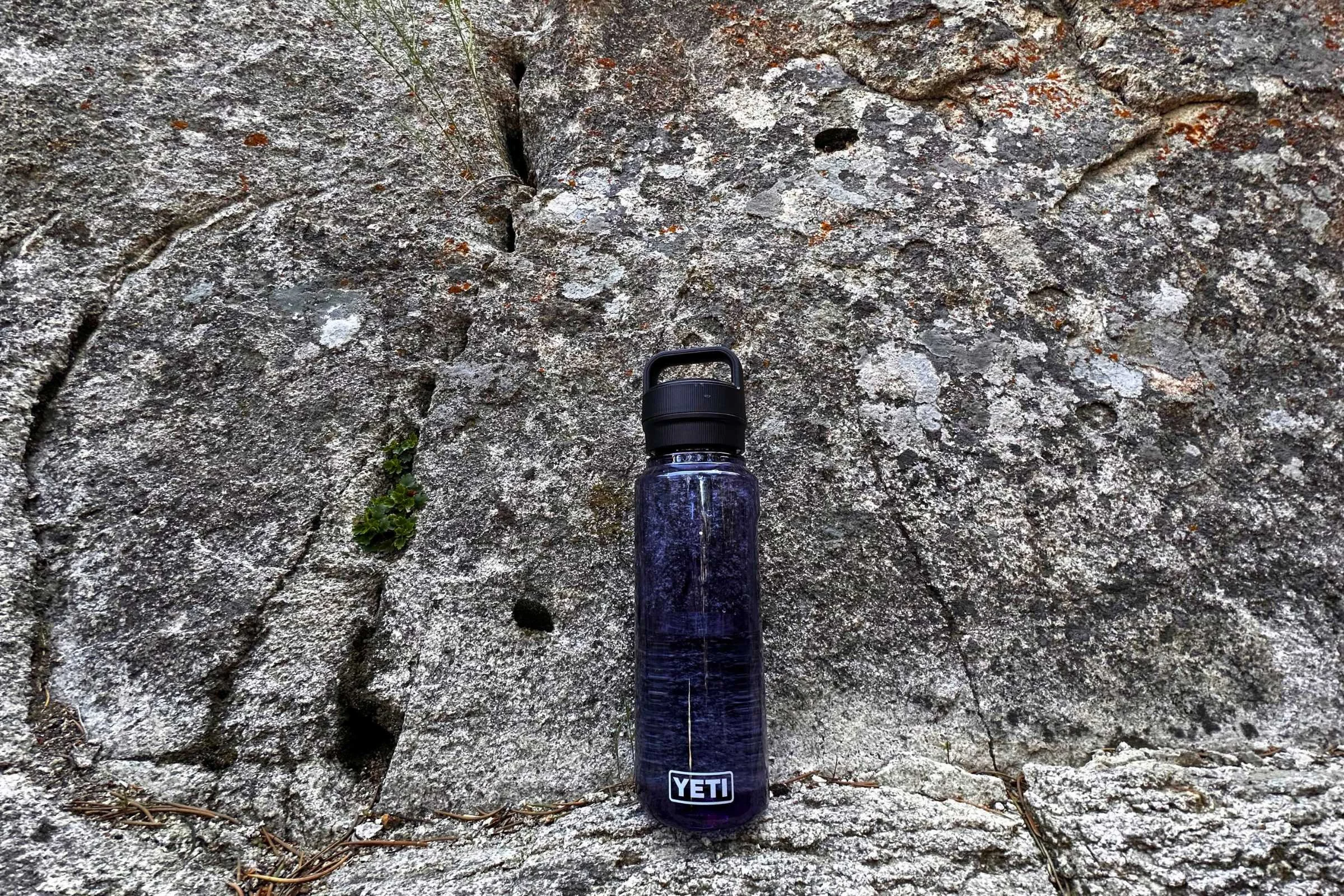
5. Most Durable Insulated: YETI Rambler 36 oz with Chug Cap
If your adventures involve bouncing around in the back of a 4x4 or being hauled up technical climbs, you need the YETI Rambler 36 oz. While it is the heaviest bottle on our list, it is built with 18/8 kitchen-grade stainless steel that is puncture-resistant and virtually impossible to dent.
The standout feature here is the "Chug Cap." It provides a narrow spout for controlled drinking (no more splashing your face when the trail gets bumpy) while allowing the entire lid to be removed for easy refills and cleaning. The "No Sweat" design ensures your hands stay dry, and the Duracoat color finish won’t peel or crack even after years of abuse. It is the ultimate heavy-duty hydration tool for rugged environments.
Pros:
- Bombproof construction that handles extreme impacts.
- Chug Cap offers the perfect flow rate without spills.
- Dishwasher safe (a rarity for insulated bottles).
Cons:
- Heavy; not recommended for ultralight backpacking.
- Premium price point.
6. Best Filtered Option: Grayl GeoPress Purifier
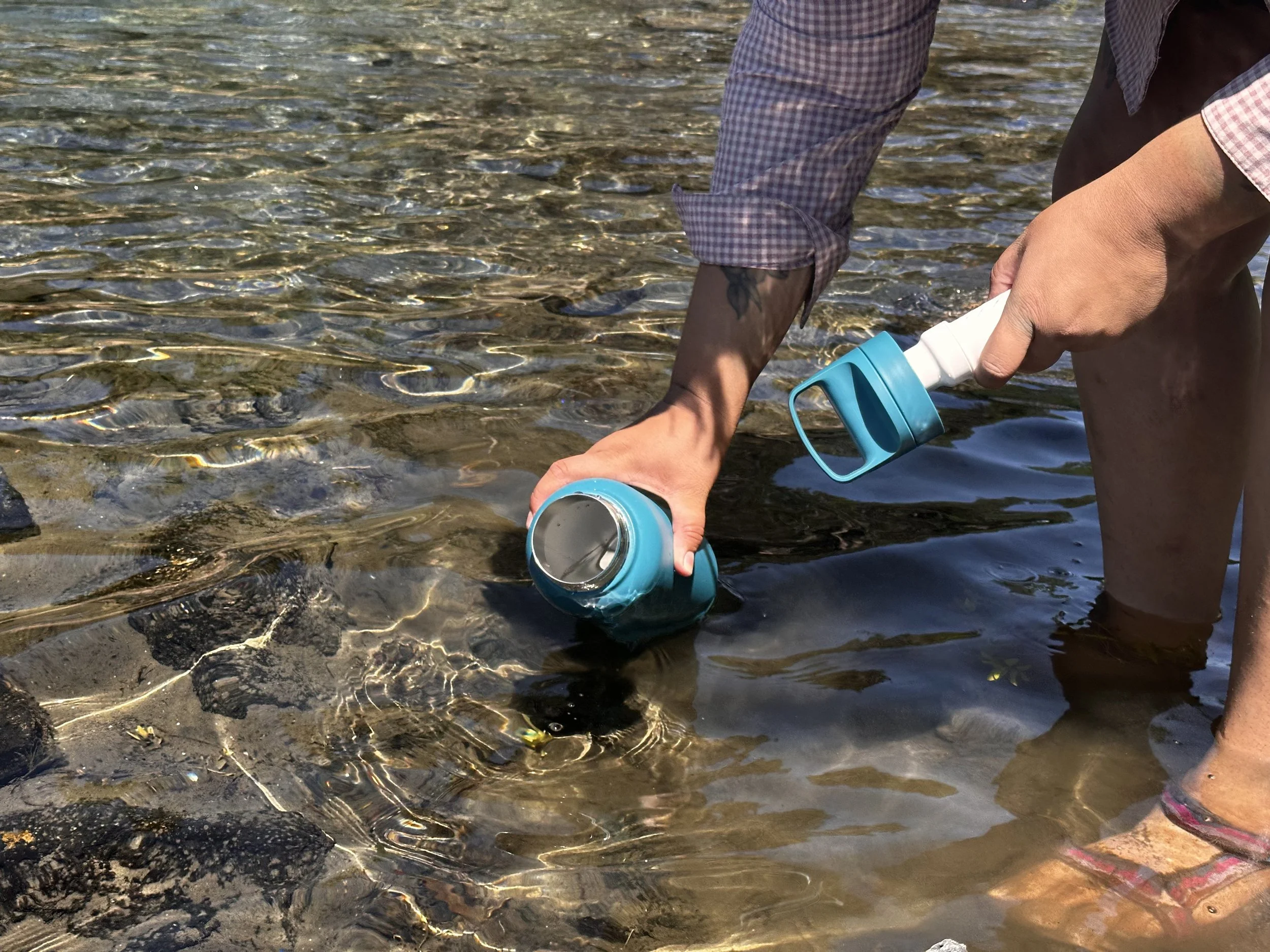
For the international traveler or the backcountry explorer who doesn't want to carry gallons of water, the Grayl GeoPress is a game-changer. It isn't just a bottle; it’s a portable water treatment plant. In just 30 seconds, it presses out viruses, bacteria, protozoa, microplastics, and heavy metals.
I’ve used the GeoPress from the muddy rivers of the Amazon to the alpine lakes of the Rockies. The ease of use is unmatched: fill, press, and drink. It eliminates the need for pumps, hoses, or waiting for chemical tablets to dissolve. While the replacement cartridges are an added cost, the peace of mind of having safe drinking water anywhere in the world is priceless.
Pros:
- Provides full protection against viruses (rare for filters).
- Extremely fast 30-second purification process.
- Very simple "Fill-Press-Drink" mechanic.
Cons:
- Requires significant physical effort to press when the filter gets old.
- Filter cartridges have a limited lifespan (approx. 250 liters).
How to Choose the Perfect Bottle for Your Next Hike
Choosing the right bottle is about more than just picking a color. You need to balance weight, durability, and functionality based on the specific type of hiking you do most often.
Material Science: Stainless Steel vs. Tritan Plastic
The material determines how long your water stays cold and how much weight you’ll be carrying.
- Stainless Steel: Best for insulation. It keeps water cold for 24+ hours and is incredibly durable. However, it is significantly heavier and can be noisy if dropped.
- Tritan Plastic (BPA-Free): The lightweight champion. It’s transparent, allowing you to monitor your water levels easily, and usually much cheaper than steel.
- Glass: We generally recommend against glass for the trail due to weight and the obvious risk of shattering, though it provides the "cleanest" taste for casual walks.
Lid Ergonomics: Straws, Chugs, and Screws
The lid is your primary interface with your hydration.
- Straw Lids: Great for high-intensity hiking because they don't require you to tilt your head back, keeping your eyes on the trail.
- Chug Caps: Best for maximum flow when you're really thirsty.
- Screw Tops: The most reliable and leak-proof, though they require two hands to operate.
Capacity Planning: Weight vs. Range
Water weighs about 2.2 pounds per liter (1 kg). Carrying too much water can lead to fatigue, but carrying too little is dangerous. For most day hikes, a 1-liter (32 oz) bottle is the sweet spot. For longer thru-hikes, I recommend a primary 1-liter bottle and a collapsible 2-liter reservoir (like the Platypus) for extra capacity in dry stretches.
Hydration 101: Science-Backed Trail Tips
Staying hydrated isn't just about drinking water; it's about maintaining your body's internal balance under stress. According to outdoor safety standards, hikers should aim to drink approximately 17 ounces (0.5 liters) of water per hour of moderate activity in moderate temperatures. This number can jump to a full liter per hour in high heat or steep terrain.
Pro Tip: Don't wait until you're thirsty to drink. Thirst is a lagging indicator, meaning by the time you feel it, you're already mildly dehydrated. Take small sips every 15-20 minutes to maintain steady hydration levels.
Electrolyte Balance
If you’re hiking for more than three hours or sweating profusely, plain water isn't enough. You’re losing salts (sodium, potassium, magnesium) that are vital for muscle function. I always carry electrolyte tabs to drop into my Nalgene around midday. This prevents the "sloshy stomach" feeling and keeps cramps at bay.
Maintenance: Keep it Clean
Mold loves water bottle lids. To keep your gear in top shape:
- Deep Clean Weekly: Use a dedicated bottle brush for the interior and a small straw brush for valves.
- Dry Thoroughly: Never store your bottle with the lid on if it's still damp inside.
- Denture Tablets: A secret pro tip—drop a denture cleaning tablet into a bottle of warm water to lift stubborn stains or odors without scrubbing.
FAQ
Q: Can I use boiling water in these bottles? A: Nalgene Sustain and YETI Rambler bottles can handle boiling water (great for making a "hot water bottle" for your sleeping bag). However, never put boiling water in an insulated bottle with a straw lid, as the pressure can cause hot liquid to spray out when opened.
Q: Are these bottles dishwasher safe? A: The YETI and Nalgene models are generally dishwasher safe. However, for insulated bottles like the Owala and Stanley, we recommend hand-washing the body to preserve the vacuum seal and exterior finish, while the lids can usually go on the top rack.
Q: Which bottle is best for winter hiking? A: Insulated stainless steel bottles like the YETI or Owala are best for winter because they prevent your water from freezing. Pro tip: store your bottle upside down in your pack; water freezes from the top down, so the "bottom" (the lid) will stay liquid longer.
Gear Up for Your Next Adventure
Whether you’re bagging peaks in the Rockies or taking a steady stroll through your local state park, your water bottle is your most constant companion. If you want the absolute best all-around performer, go with the Owala FreeSip Sway. If you’re on a budget and need something indestructible, the Nalgene Sustain is your best bet.
Hydration is the foundation of a good day on the trail. Pick a bottle that fits your style, fill it up, and get out there. The trail is waiting.