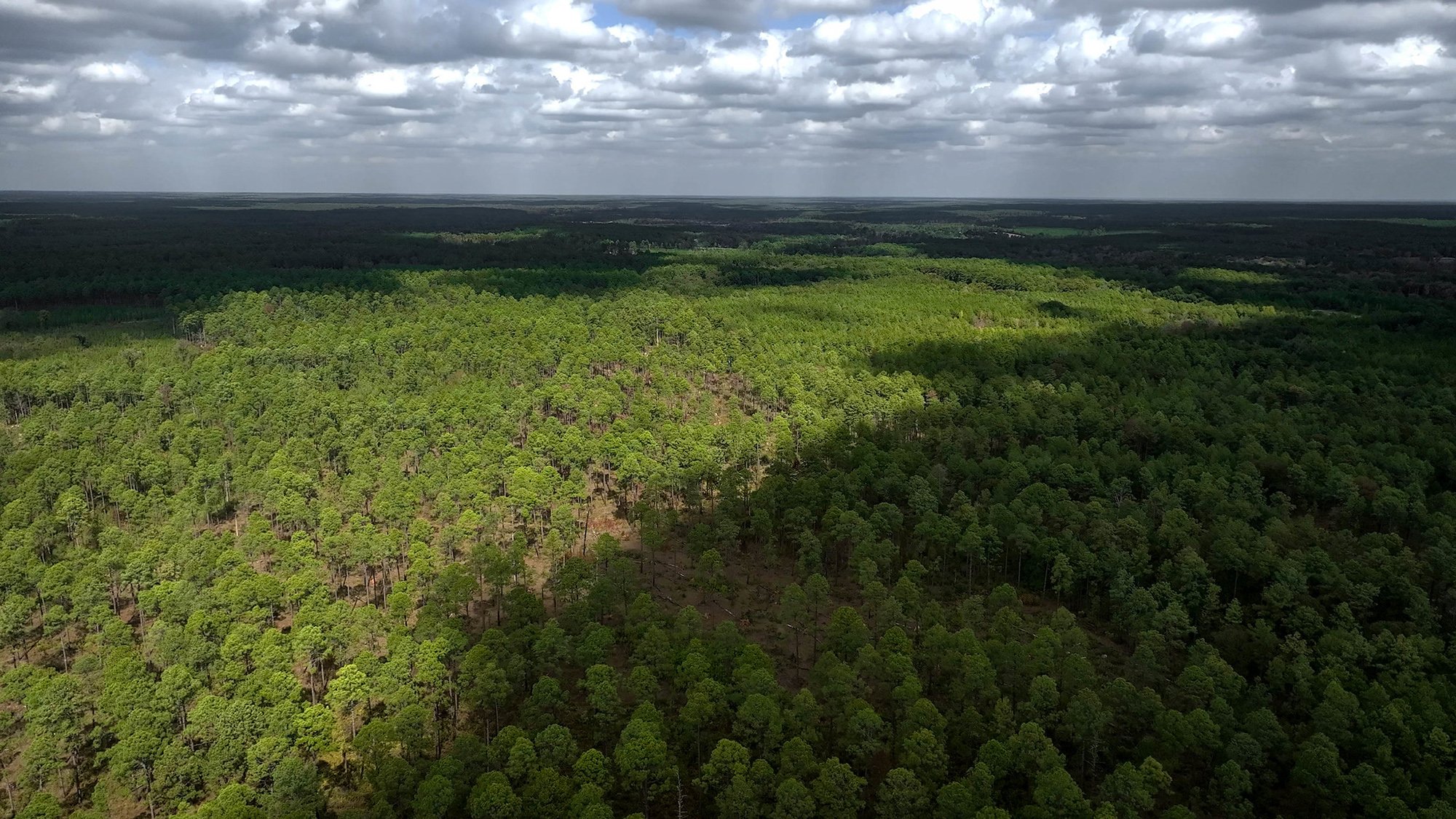
As a travel editor focused on the delicate intersection of tourism and ecology, I have often walked the banks of the West Fork Bitterroot River. It is a place of meditative silence, where the water runs clear over river stones and the only "industrial" sound is the rhythmic whistle of a fly line. However, as we look toward 2026, a significant shadow has fallen over this Montana sanctuary. The Sheep Creek project represents a complex collision between our global hunger for green energy minerals and the immediate need to protect one of the last pristine watersheds in the American West.
Quick Facts
- Scale: The proposed 11.3-square-mile claim area is roughly 11 times the size of the nearby Painted Rocks Reservoir.
- Waste Ratio: Processing 1 ton of rare earth elements (REE) typically produces 2,000 tons of toxic waste.
- Water Usage: Exploration phases alone are estimated to require up to 8,500 gallons of water per day for drilling activities.
- Logistics Intensity: A revised 2026 plan calls for 2,200 helicopter flights in a single season to service project locations.
- Ecological Value: The site sits at the headwaters of the West Fork Bitterroot, home to the world-famous salmonfly hatch and Westslope cutthroat trout.
- Health Hazard: On-site geological surveys have verified the presence of amphibole asbestos, specifically actinolite and tremolite.
The Sheep Creek project has sparked a massive debate regarding the rare earth mining environmental impact in the Bitterroot National Forest. As of 2026, concerns center on the massive scale of the proposed 11.3-square-mile mine and its potential to contaminate critical Montana headwaters. Rare earth mining presents significant environmental risks due to the generation of toxic waste, radioactive thorium residues, and the use of chemical leaching processes that can lead to acid mine drainage and groundwater seepage, threatening both riparian ecosystems and human health.
The Scale of the Sheep Creek Project: Geopolitics vs. Local Waters
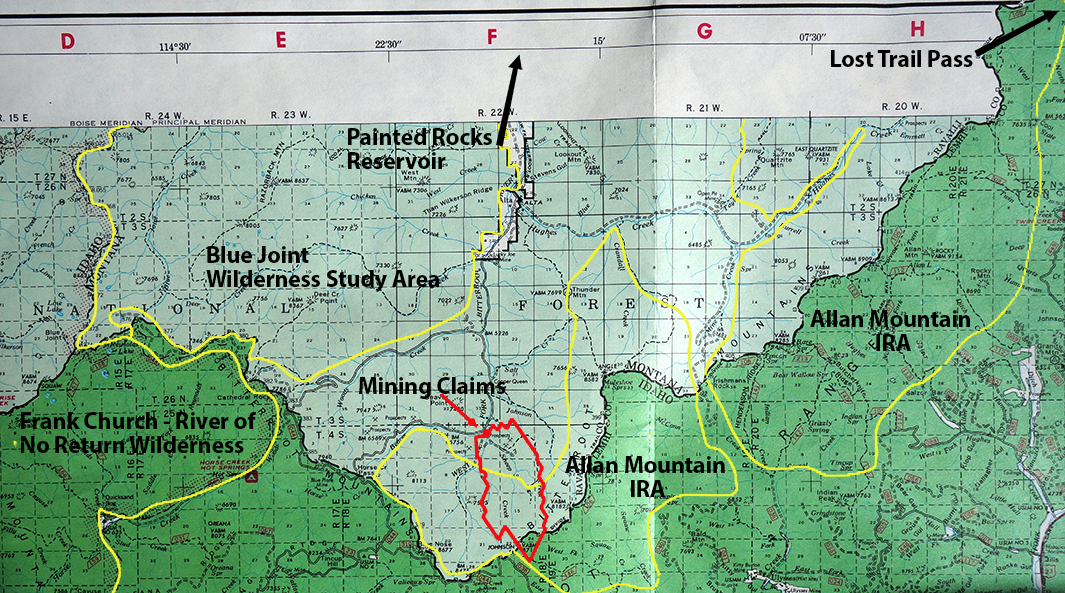
The impetus for mining rare earth metals in the United States is rooted in the global strategic mineral supply chain. As we transition to electric vehicles and renewable energy, the demand for minerals like neodymium and praseodymium has skyrocketed. This has led to the Sheep Creek project, a massive 7,277-acre footprint located within the Bitterroot National Forest.
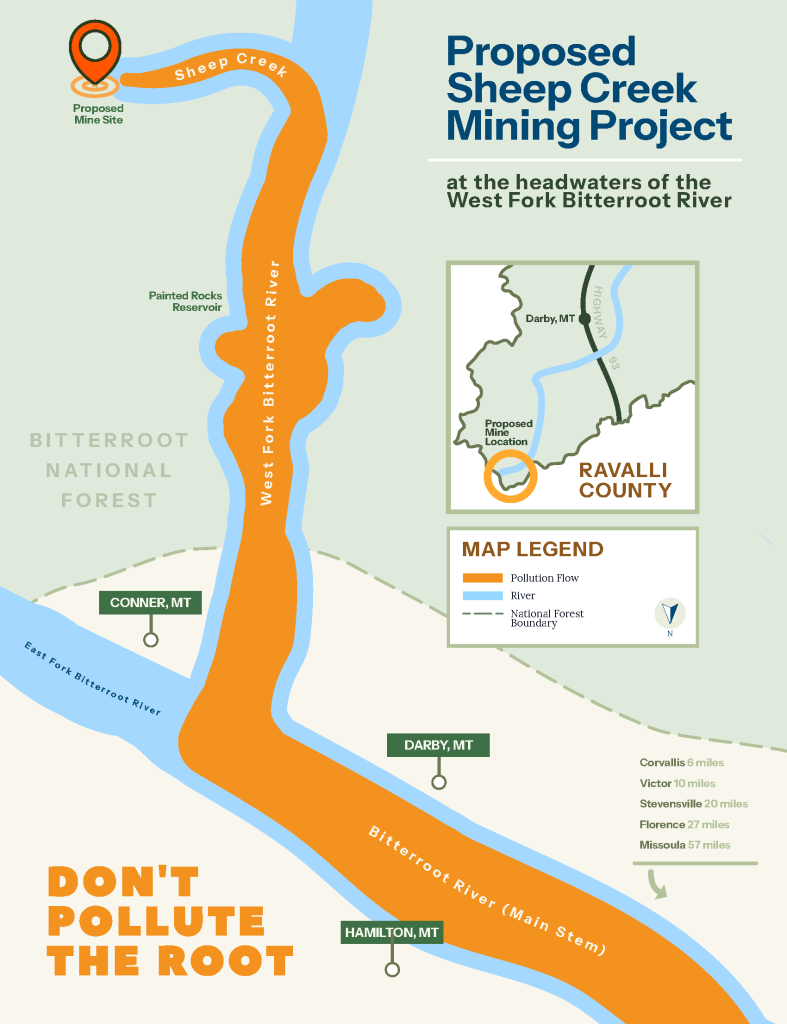
While proponents argue that domestic rare earth mining is essential for national security, the local geography tells a different story. The 11.3-square-mile claim area sits at the headwaters of the West Fork Bitterroot River. To put that in perspective, the area is roughly 11 times larger than Painted Rocks Reservoir, a beloved local spot for recreation. For travelers and residents who value the Bitterroot for its solitude, the projected industrial activity—including 2,200 helicopter flights to transport equipment—represents a seismic shift in public land management. This scale of environmental risks of underground rare earth mining is unprecedented for this sensitive mountain corridor.
Water Quality and the Rare Earth Mining Process
To understand why rare earth mining water contamination is such a persistent threat, one must look at the rare earth mining process itself. Unlike mining for gold or copper, rare earth minerals are often "locked" within complex ores, requiring intensive chemical processing.
The separation process typically involves chemical leaching with high volumes of sulfuric acid. In many global mining operations, it takes 4.41 tons of sulfuric acid to refine just one ton of rare earth concentrate. This creates a high risk of acid mine drainage, where crushed rock reacts with air and water to create a low-pH effluent that can dissolve heavy metals from the surrounding stone. If this acidic mix reaches the West Fork, the results would be catastrophic for the riparian ecosystem. Furthermore, managing radioactive thorium waste in mining is a primary concern, as thorium and uranium are naturally occurring byproducts of these ore bodies.
| Resource/Waste Factor | Estimated Quantity per Unit |
|---|---|
| REE Concentrate Produced | 1 Ton |
| Toxic Tailings/Waste | 2,000 Tons |
| Sulfuric Acid Required | ~4.4 Tons |
| Water Consumption (Exploration) | 8,500 Gallons/Day |
| Bulk Sampling Water Use | 300 Gallons/Day |
Monitoring water quality near rare earth mines is complicated by the fact that groundwater seepage can travel through subterranean fractures long before it is detected on the surface. For a river system that relies on pure, cold mountain runoff, even a minor leak in tailings management could alter the water chemistry for decades.
Ecological Toll: From Salmonflies to Grizzly Corridors
For the conscious traveler and the local angler, the Bitterroot is more than just a map coordinate; it is a living system. The rare earth mining environmental impact extends far beyond the physical pits or tunnels.
The Impact of Rare Earth Mining on Trout Habitat
The West Fork is a stronghold for Westslope cutthroat trout and bull trout. These species require cold, oxygen-rich water and clean gravel for spawning. The introduction of heavy metal leaching or increased sediment from road construction can suffocate eggs and destroy the aquatic insect populations—like the legendary salmonfly—that the entire food web depends on. Fly fishing tourism is a cornerstone of the regional economy, and the degradation of this "blue ribbon" habitat would have ripples far downstream.
Rare Earth Mining Effects on Big Game Migration
The project area overlaps with critical winter ranges and migratory corridors for elk, moose, and mule deer in hunt districts 250 and 270. Beyond the threat of toxic spills, the sheer noise and industrial presence of the Sheep Creek project could displace these animals. Furthermore, the Bitterroot is a vital connectivity zone for grizzly bears moving between the Selway-Bitterroot and the Greater Yellowstone Ecosystem. High-frequency industrial traffic and helicopter noise are known deterrents for these wide-ranging carnivores.
Editor's Note: Sustainable tourism depends on the preservation of these ecological corridors. When we disrupt the migration patterns of big game, we lose the "wild" in the wilderness experience.
Public Health: The Asbestos and Thorium Risk
One of the most alarming aspects of the mining rare earth metals environmental impact at Sheep Creek is the verified presence of amphibole asbestos. Specifically, actinolite and tremolite have been identified in the ore samples. Montanans are well aware of the tragedy in Libby, where similar asbestos minerals led to widespread respiratory disease and death.
If mining operations disturb these minerals, there is a risk of inhalation or ingestion through windborne dust or water contamination. Combined with the radioactive thorium dust common in rare earth tailings, the potential public health burden on the Bitterroot Valley is a high price to pay for "green" minerals. Is rare earth mining bad for the environment? When it threatens the very air and water of local communities, the answer becomes starkly clear.
The Berkeley Pit Alternative: A Circular Economy Solution
As we look for a more sustainable path forward, many environmental advocates and scientists are pointing toward a circular economy. Instead of opening a new "greenfield" mine in a pristine headwater, we could focus on Berkeley Pit reclamation.
The Berkeley Pit in nearby Butte is a toxic legacy of Montana’s copper mining past, containing millions of gallons of acidic water rich in dissolved minerals. Emerging technologies suggest we could extract strategic minerals from existing waste sites rather than destroying undisturbed watersheds. Currently, recycling accounts for less than 1% of the global rare earth supply. Investing in the recovery of minerals from the Berkeley Pit or from discarded electronics would mitigate the rare earth mining environmental impact while cleaning up existing ecological scars.
FAQ
Why doesn't the US refine rare earth metals?
The United States largely stopped refining rare earth metals in the late 20th century due to the high environmental costs and stringent regulations. Refining involves toxic chemicals and produces radioactive waste, making it cheaper and less legally complex to outsource the processing to countries with fewer environmental protections.
Where does the US get most of its rare earth minerals?
As of recent years, the United States still relies heavily on China for the majority of its processed rare earth minerals. While the US mines some ore domestically, much of that raw material is still shipped abroad for the complex chemical refinement needed to create usable magnets and components.
Who owns the only rare earth mine in the US?
The Mountain Pass mine in California is the only active rare earth mine in the United States. It is owned by MP Materials, which has been working to bring refining capabilities back to the US to reduce dependence on overseas processing.
What country has the most untapped rare earth minerals?
China holds the world's largest known reserves of rare earth minerals. However, significant untapped deposits have been identified in Vietnam, Brazil, Russia, and more recently, large deposits in Sweden and various parts of Africa.
What is replacing rare earths?
Researchers are actively developing "rare-earth-free" magnets and motors using materials like iron-nitride or enhanced ferrites. Additionally, some EV manufacturers are shifting toward induction motors that do not require permanent rare earth magnets to reduce supply chain vulnerability and environmental impact.