Quick Facts
- The Proposal: A draft bill titled the Grant Parish Restoration Plan seeks to transfer approximately 140,000 acres of federal land to local control.
- Scope of Impact: The transfer represents nearly 24 percent of the total area of the kisatchie national forest.
- Legislative Origin: Facilitated by Senator Bill Cassidy’s office, the plan was introduced as an amendment to the Internal Revenue Code.
- Local Stance: On May 14, 2026, the Grant Parish Police Jury voted unanimously to oppose the land transfer.
- Economic Contribution: Federal management currently supports 880 local jobs and contributes over $71 million to the regional GDP.
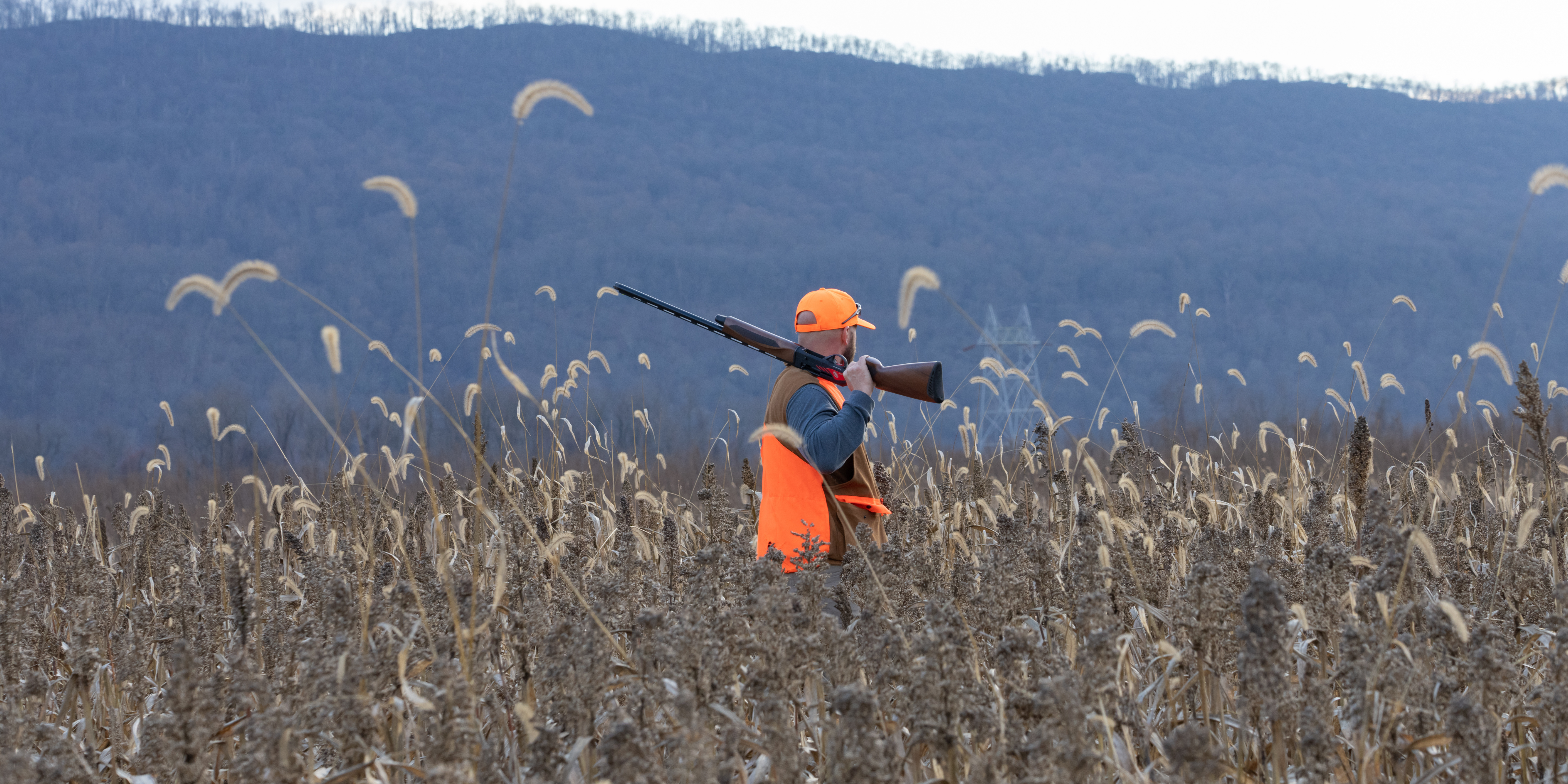
- Recreational Risk: Critics argue the bill lacks guarantees for continued public land access kisatchie national forest Grant Parish for hunting and camping.
- Conservation Status: The area is a vital longleaf pine ecosystem, currently managed for multiple-use by the U.S. Forest Service.
The proposed Grant Parish Restoration Plan seeks to transfer approximately 140,000 acres of the kisatchie national forest from federal management to local control, raising significant concerns among conservationists and recreationists regarding the future of public access and habitat integrity in central Louisiana. This federal land conveyance would shift the management of nearly a quarter of the forest's total acreage to the Grant Parish Police Jury and School Board, potentially altering the landscape of Louisiana's only national forest forever.
Quick Facts: The 140,000-Acre Proposal
The legislative landscape of central Louisiana was recently upended by the introduction of a draft federal bill known as the Grant Parish Restoration Plan. Released on April 16, 2026, this proposal outlines a massive transfer of approximately 140,000 acres—roughly 24% of the forest's total area—from the U.S. Forest Service to the local government of Grant Parish. While the document is framed as a tool for local economic rejuvenation, its implications for the kisatchie national forest are profound and, according to many local stakeholders, potentially devastating.
From a critical perspective, the scale of this Grant Parish restoration plan land transfer cannot be overstated. By moving these lands into the hands of a local police jury and school board, the bill proposes to decouple a massive swath of territory from federal environmental protections and management resources. The proposal includes not just the land itself, but also the federal buildings, equipment, and infrastructure currently maintained by the U.S. Forest Service. Proponents of the bill, largely moving through the office of Senator Bill Cassidy, suggest that local control will allow for more aggressive economic development, including potential energy generation and private industrial use.
However, the logic that local control inherently leads to better outcomes is being met with skepticism. Managing a forest of this size requires a level of biological expertise, wildfire mitigation capability, and financial backing that few local parishes possess. The Kisatchie is not merely a collection of trees; it is a complex, living infrastructure that requires constant, high-level oversight to remain healthy and accessible.
The Legislative Loophole: Why the Tax Code Matters
One of the most striking aspects of this proposal is the manner in which it has been introduced. Rather than appearing as a standalone conservation or land-use bill subject to the scrutiny of the Senate Committee on Energy and Natural Resources, the plan was interestingly tucked into a draft amendment related to the New Markets Tax Credit within the Internal Revenue Code. This legislative maneuver is viewed by many as an attempt to bypass the standard environmental review process and the public comment periods that typically accompany changes to the National Forest System.
To understand the weight of this proposal, one must look back at the historical foundation of the forest. The Kisatchie was established under the Weeks Act of 1930, a landmark piece of legislation that allowed the federal government to purchase degraded lands to protect the headwaters of navigable streams and to produce timber. Over nearly a century, the U.S. Forest Service has transformed these once-barren "lands that nobody wanted" into a lush, thriving ecosystem.
By attempting to utilize a tax code amendment for a major federal land conveyance, the bill effectively sidesteps the rigorous ecological checks and balances that the U.S. Forest Service is mandated to perform. This lack of transparency has fueled the fire of local opposition, leading many to question why such a significant change in land status is being facilitated through financial legislation rather than environmental policy. The move threatens to undo decades of progress made under federal stewardship, potentially fragmenting a contiguous forest that has been a public trust for generations.
Economic Reality vs. Rhetoric: Tracking the $71 Million Impact
The primary argument for the Grant Parish Restoration Plan is that federal land ownership places an economic burden on the parish by removing 34% of its land base from the local tax rolls. At first glance, this appears to be a valid concern for a rural local government. However, a data-driven analysis of the forest’s economic footprint reveals a much more nuanced story. The presence of the forest is not a drain; it is a primary economic engine for the region.
The forest contributes significantly to the local GDP and supports a wide variety of livelihoods. Beyond the direct timber industry, the kisatchie national forest is a magnet for tourism and outdoor recreation. According to economic impact studies, the forest supports 880 local jobs and contributes $71 million to the regional economy. Furthermore, the federal government provides Payment in Lieu of Taxes (PILT) and Secure Rural Schools (SRS) funding to parishes with federal lands to help offset the absence of traditional property taxes.
If the land were transferred to local control, the Grant Parish School Board and Police Jury would become responsible for the immense costs of road maintenance, law enforcement, and wildfire suppression—services currently funded by federal taxpayers. Critics suggest that the parish may find itself in a position where it is forced to sell off parcels to private developers or energy companies just to cover the administrative overhead of managing the land. This shift from multiple-use management to a revenue-extraction model could fundamentally change the character of central Louisiana.
Economic Reality Check: While proponents cite lost tax revenue, federal management of the Kisatchie generates approximately $71 million in annual GDP for the local region and provides professional management of 34% of Grant Parish's land area at no direct cost to local taxpayers.
Threats to Recreation: Hunting, Camping, and Trails
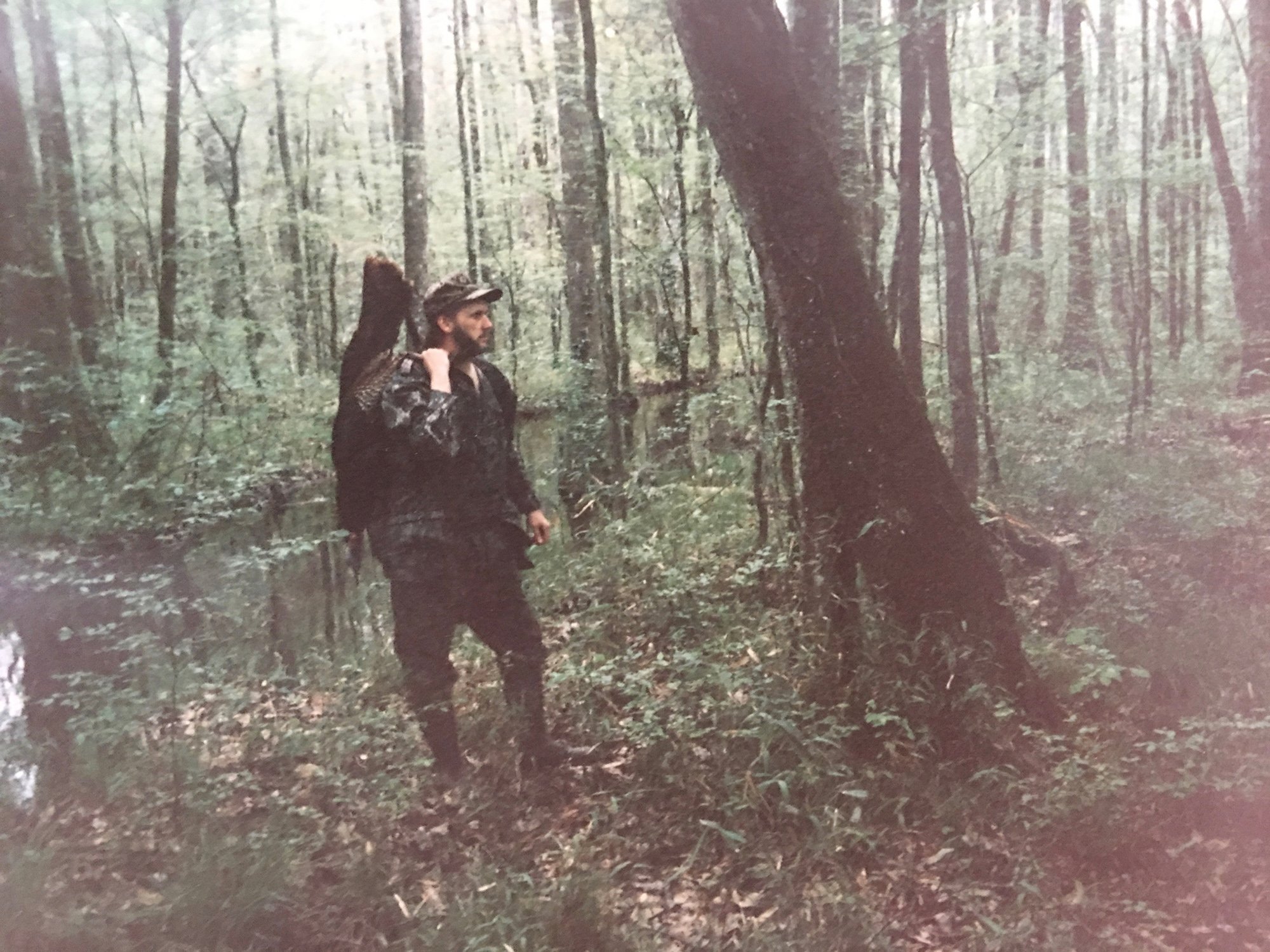
For the hunters, anglers, and hikers who frequent the Kisatchie, the potential loss of public land access kisatchie national forest Grant Parish is the most alarming aspect of the bill. Currently, the forest is managed under a multiple-use mandate, ensuring that the land serves timber interests, wildlife habitat, and public recreation simultaneously. The draft bill, however, contains no explicit requirements that the transferred land remain open to the public.
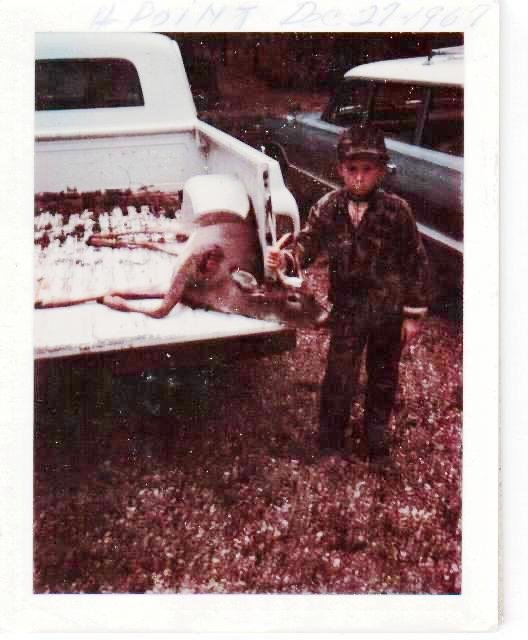
The region is famous for its longleaf pine ecosystem, an increasingly rare habitat that is essential for a variety of species. Without the U.S. Forest Service’s expertise in prescribed burning and habitat restoration, this ecosystem faces the threat of habitat fragmentation. For those who enjoy kisatchie national forest hunting, the fragmentation of 140,000 acres would likely mean the end of large-scale access to whitetail deer and turkey populations. Unlike federal lands, which are managed for wildlife heath, locally controlled or privatized lands are often gated or leased to the highest bidder, excluding the average citizen.
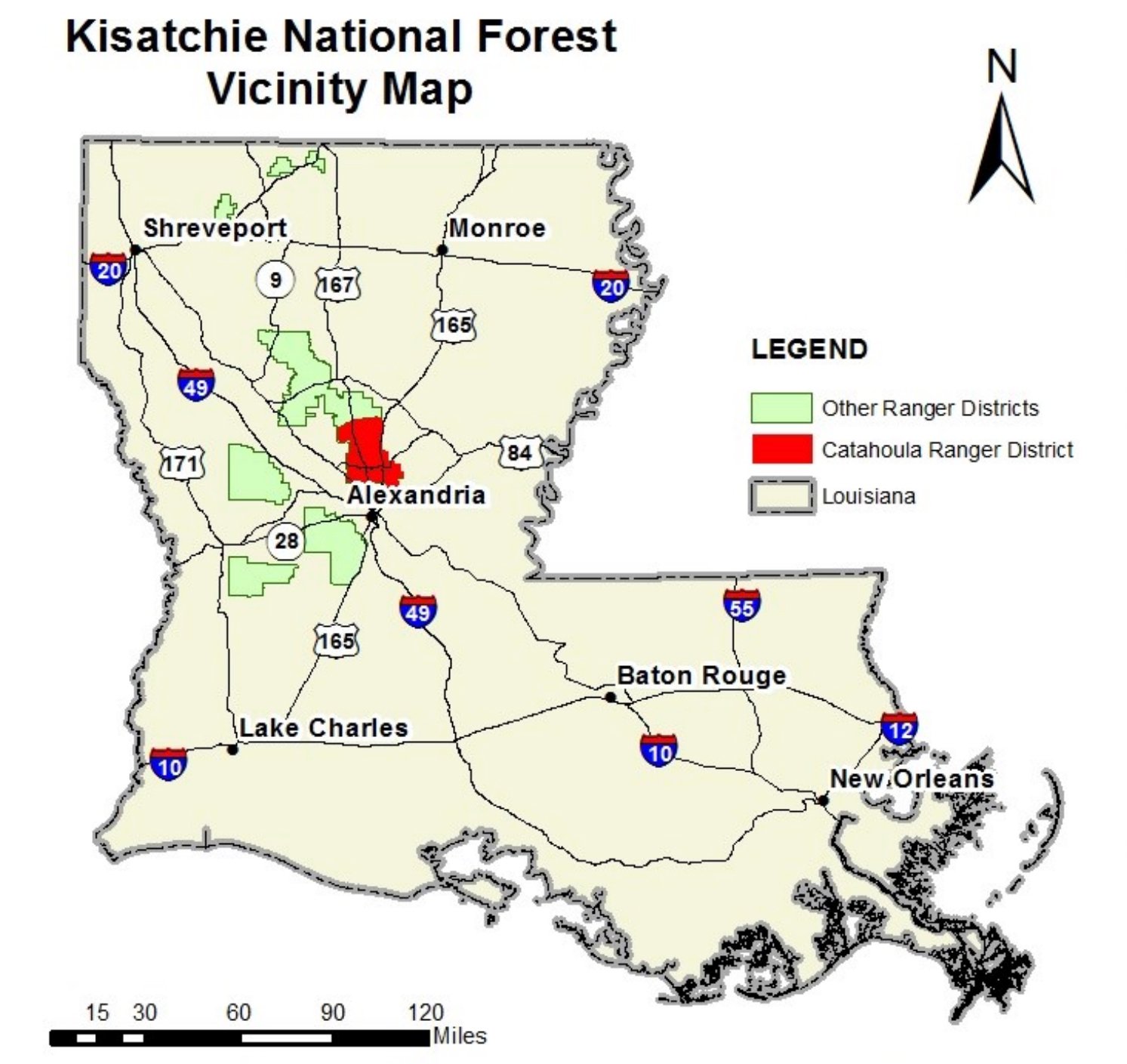
Similarly, enthusiasts of kisatchie national forest camping and users of the kisatchie national forest atv trails fear that their favorite spots could be closed or converted to industrial sites. If you look at a kisatchie national forest map, you can see how the proposed transfer creates a "swiss cheese" effect, breaking up the continuity of the forest. This makes it difficult to maintain trail systems and effectively manage wildlife corridors. Outdoor recreation is a way of life in Louisiana, and the prospect of losing 140,000 acres of prime public territory has unified a broad coalition of outdoor enthusiasts against the bill.
Local Opposition and Tribal Stewardship
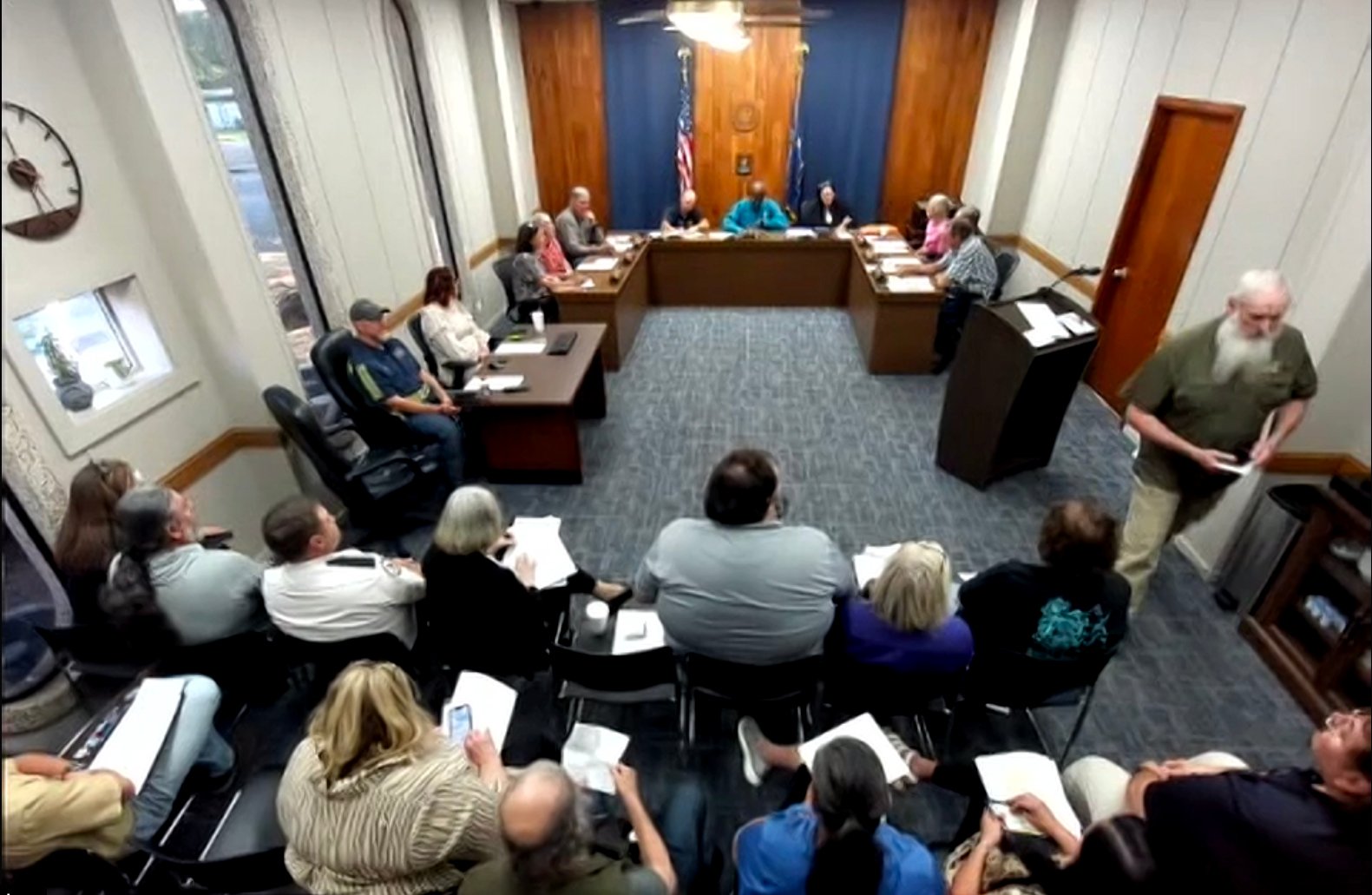
The narrative that this bill is a "restoration plan" for local government was dealt a significant blow on May 14, 2026, when the Grant Parish Police Jury voted unanimously against the proposed transfer. The vote took place following an emotional and well-attended public meeting at the Colfax Courthouse, where residents expressed their overwhelming desire to keep the Kisatchie under federal protection.
One of the more overlooked aspects of the draft bill is how it ignores existing stewardship agreements. The Jena Band of Choctaw Indians, for example, has long-standing cultural and historical ties to these lands. The tribe has worked alongside the U.S. Forest Service to maintain the ecological integrity of the forest while protecting sacred sites. The draft legislation was reportedly written without consulting tribal leaders, a move that critics say disregards tribal sovereignty and the modern model of collaborative forest management.
The Louisiana Wildlife Federation has been a vocal opponent as well, highlighting that the federal government is the only entity with the resources and the legal mandate to manage such a vast area for the benefit of all citizens. The unanimous vote by the local jury sends a clear message to Washington: the people most affected by the proposal do not want it. They value the forest as a public asset, not a commodity to be traded for short-term political or financial gains.
How to Take Action on the Grant Parish Restoration Plan
As the debate over the future of the 600,000 total acres of the Kisatchie continues, concerned citizens are being encouraged to make their voices heard. While the bill is in draft form, the window for influence is open.
If you are concerned about the impact of the Grant Parish restoration plan land transfer, there are several steps you can take to engage with the process:
- Contact Federal Representatives: It is vital to learn how to contact senator cassidy about kisatchie and express your views on the draft bill. Letters, emails, and phone calls from constituents are the primary way to influence legislative priorities.
- Support Local Advocacy: Groups like the Louisiana Wildlife Federation are working on the ground to provide data and organize public meetings.
- Stay Informed: Regularly check for updates on the kisatchie national forest hunting regulations and land-use changes to ensure you are aware of any new restrictions or developments.
- Spread Awareness: Many residents may not realize that a tax code amendment could lead to the loss of their favorite hunting grounds or camping spots.
The future of Louisiana’s only national forest depends on the active participation of those who use and cherish it. The 140,000 acres in question are more than just timber value; they are a legacy of restoration and a sanctuary for public life.
Senator Contact Info: To share your feedback on the proposal, you can reach Senator Bill Cassidy’s office via his official website or by calling his state offices in Baton Rouge or Alexandria. Providing specific examples of how you use the forest for hunting, camping, or hiking can be particularly effective.
FAQ
Can I camp in the Kisatchie National Forest?
Yes, the forest offers a wide range of camping experiences, from developed campgrounds with amenities to primitive dispersed camping for those seeking a more rugged experience. However, visitors should always check for seasonal closures or current camping in kisatchie national forest regulations before heading out.
What is the Kisatchie National Forest known for?
The forest is primarily known for being Louisiana's only national forest, covering more than 600,000 acres. It is famous for its rare longleaf pine ecosystems, hilly terrain (unusual for Louisiana), and extensive trail systems for hiking, biking, and ATVs.
Does the Kisatchie National Forest have bears?
Yes, the forest is part of the habitat for the Louisiana black bear. While sightings are not daily occurrences for every visitor, the forest provides the large, contiguous blocks of land necessary for bear conservation and movement in the region.
What movie was filmed in Kisatchie National Forest?
The 1944 film Louisiana and more recently, parts of the 2013 film The Butler and the 2016 film Free State of Jones utilized the forest's unique landscapes to represent historical Louisiana settings. Its diverse terrain makes it a popular choice for productions requiring a wild, southern backdrop.