Quick Facts
- The Crisis: There are 16.05 million acres of state and federal public lands across 11 Western states that are currently landlocked and inaccessible.
- Funding Source: The primary federal engine for access is VPA-HIP, which is currently capped at $50 million, a figure many advocates argue needs to triple.
- State Leaders: Montana and North Dakota set the gold standard with their respective Block Management Area and PLOTS program initiatives.
- Legal Shield: Landowner liability protection provided by state Recreational Use Acts is the foundation that allows these public-private partnerships to exist.
- Access Gap: Despite the availability of these programs, only about 8% of hunters currently utilize state-managed voluntary access programs.
Western hunters are facing a quiet crisis. As private land hunting access vanishes, millions of acres of public land remain trapped behind private gates. Hunters can find private land access through state-managed programs such as Montana’s Block Management, North Dakota’s PLOTS, and Washington’s Hunt by Reservation. These initiatives provide public entry to private acreage in exchange for landowner incentives and liability protection, but rising land values and shifting ownership are making these agreements harder to maintain.
The Landlocked Crisis: 16 Million Acres Out of Reach
I’ve spent the better part of my life boots-on-the-ground in the West, and I can tell you there is nothing more frustrating than looking at a ridge on your hunting access map that you know is public land, only to realize you can’t legally set foot on it. This isn't just a minor inconvenience; it’s a systemic failure. Across the 11 Western states, approximately 16.05 million acres of our collective heritage are considered landlocked. These landlocked public parcels are entirely surrounded by private property, making them islands in a sea of "No Trespassing" signs.
In this landscape, finding public access to landlocked public land isn't just about finding a trail; it’s about finding a bridge. Private land hunting programs act as that bridge. When a rancher enrolls their property in a state program, they aren't just opening their own fields; they are often providing the only legal corridor to thousands of acres of National Forest or BLM land. Without these agreements, the hunting access we rely on for elk, mule deer, and upland birds simply evaporates.
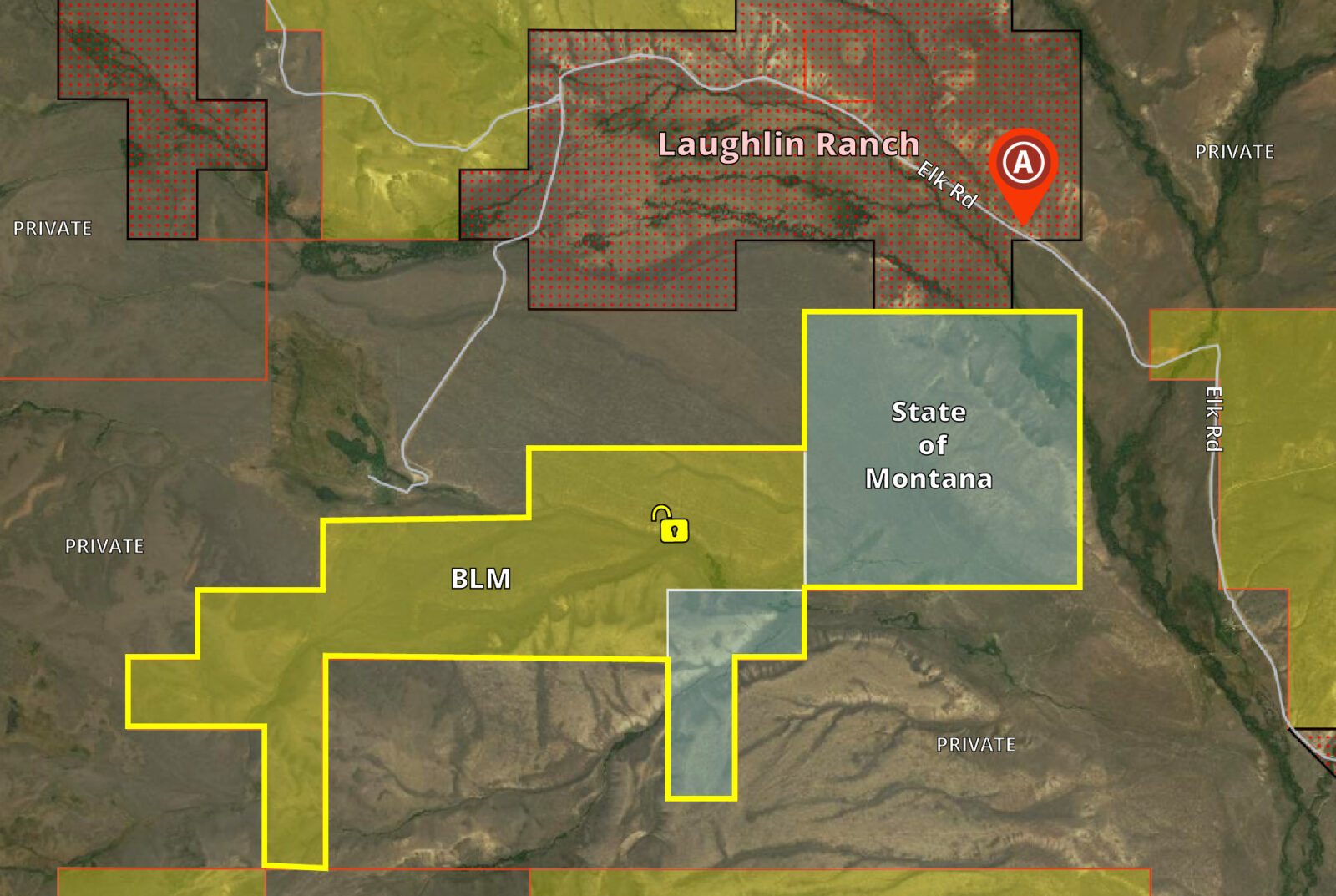
The reality is that we are losing this bridge. In my travels from the Missouri Breaks to the Cascade Range, the stories are the same. A property changes hands, the new owner isn't interested in the state's offer, and suddenly, a massive chunk of your hunting grounds is gone. We have to understand that hunting access is a fragile ecosystem of its own, requiring constant maintenance and funding to survive.
Why Access is Vanishing: The Economics of the Modern West
Why are we seeing such a rapid decline? It comes down to the almighty dollar and the changing face of the West. For decades, the relationship between hunters and landowners was built on a handshake. But as land values skyrocket, the old ways are being pushed out by new economic realities. Many new landowners aren't farmers or ranchers in the traditional sense; they are investors or recreational buyers who may value exclusive use over the modest private land hunting access incentives offered by the state.
At the federal level, the Voluntary Public Access and Habitat Incentive Program, often referred to as VPA-HIP, is the primary source of Farm Bill funding for these efforts. Currently, VPA-HIP is capped at $50 million nationwide. When you consider the soaring costs of land and the competition from private hunting leases, that $50 million is like bringing a knife to a gunfight. Many of us in the conservation community are pushing for that funding to be increased to $150 million in the next Farm Bill. This increase is vital to help states offer competitive payments to landowners for habitat stewardship and public access.
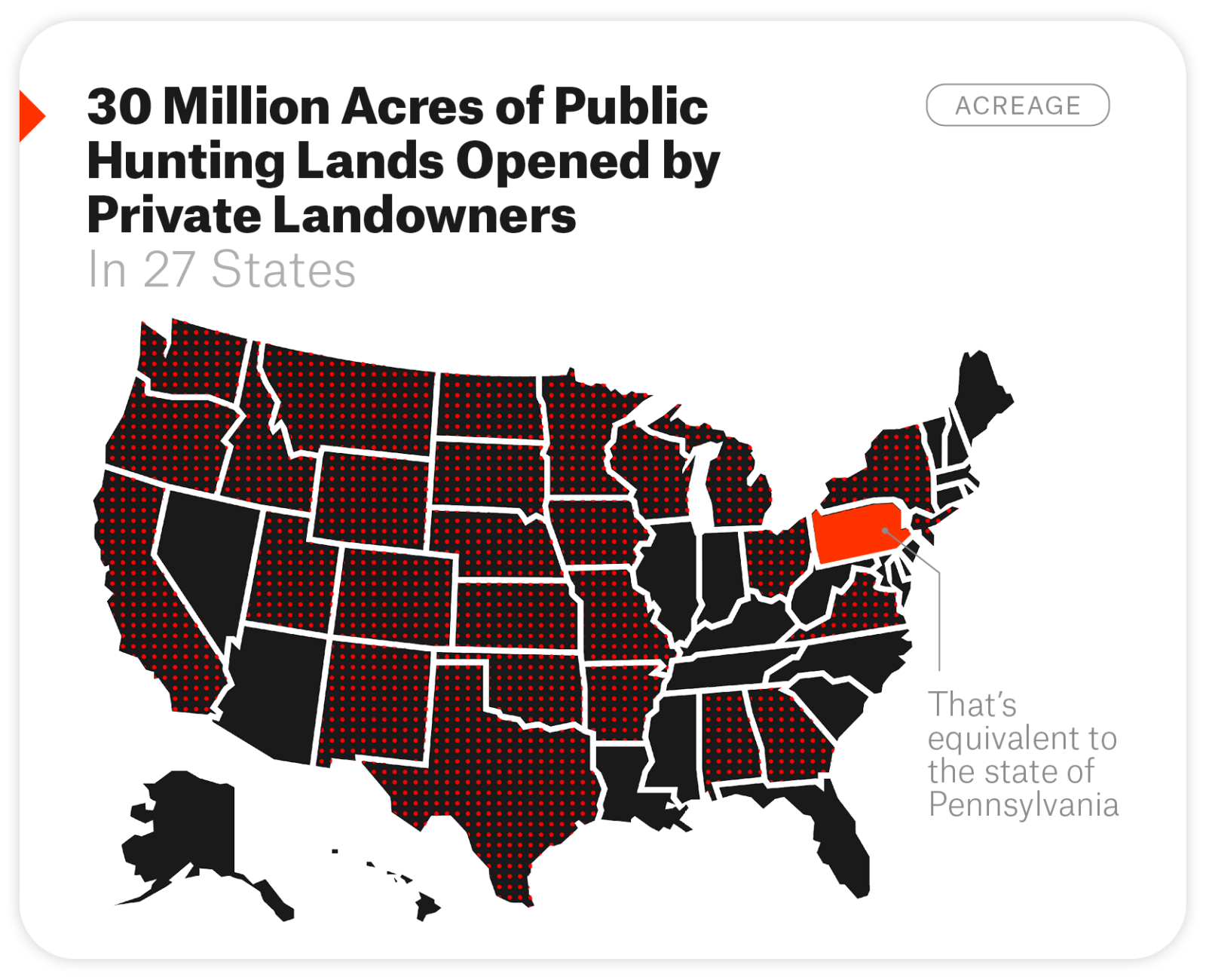
Furthermore, corporate timber land hunting access is under pressure. In the Pacific Northwest, large timber companies that once allowed free walk-in access are increasingly moving toward permit-only or lease-based models. This shift is driven by the need to manage liability and generate revenue to cover rising operational costs. When these corporate giants change their policies, thousands of hunters who search for hunting access near me find themselves locked out of the woods they’ve hunted for generations.
Navigating the Tiers: How to Find Hunting Access Near Me
If you’re sitting at home wondering how to get out there this fall, you need to understand the tiered system of private land hunting programs. Every state handles it differently, but most fall into a few specific categories.
The "Feel Free to Hunt" Model
This is the holy grail. Programs like the PLOTS program in North Dakota or some walk-in hunting access wiha (Walk-In Hunting Area) sites in the Midwest allow you to simply park at a designated spot and walk in. You don't need to knock on a door; the state has already done the legwork. You’ll see the yellow or green signs, and as long as you follow the posted rules, you’re good to go.
The Reservation System
States like Washington use a "Hunt by Reservation" system. This is a bit more high-tech and requires some planning. You log in to a state portal, find a property, and book your days. This helps the state manage hunter density and ensures a quality experience, but it also means the "best" spots go fast.
Digital Tools and Apps
I never head into the field without a reliable hunting access app. Tools like onX Hunt have revolutionized how we navigate these boundaries. These apps allow you to see property lines in real-time, identify specific wildlife management units, and see exactly which parcels are enrolled in a Block Management Area or other state programs. If you are trying to solve the puzzle of finding public access to landlocked public land, a digital map is your most important piece of gear.
| Program Name | State | Type of Access | Primary Target |
|---|---|---|---|
| Block Management Area | Montana | Walk-in / Permission | Multi-species |
| PLOTS Program | North Dakota | Walk-in | Upland / Waterfowl |
| Walk-In Hunting Access (WIHA) | Kansas/Midwest | Walk-in | Upland / Deer |
| Hunt by Reservation | Washington | Scheduled Access | Multi-species |
| Open Fields | Nebraska | Walk-in | Upland / Small Game |
Protecting the Privilege: Liability and Ethics
One of the biggest hurdles in convincing a landowner to open their gates is the fear of being sued. This is where landowner liability protection comes in. Almost every state has a version of a Recreational Use Act, which shields landowners from liability if someone is injured while using their land for free recreation. These laws are the bedrock of sportsmen-landowner relations. Without them, the risk would simply be too high for any rational rancher.
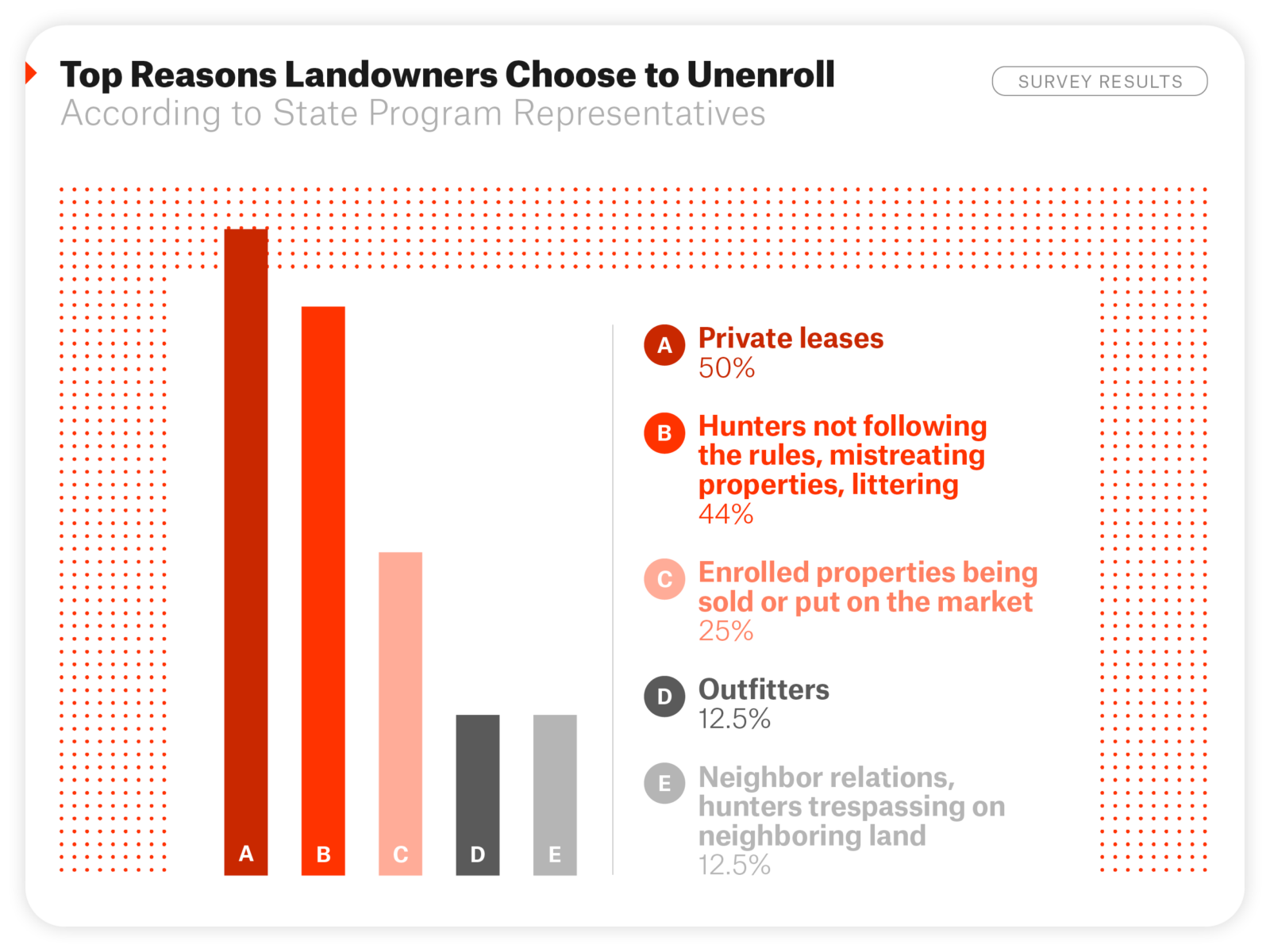
However, legal protection only goes so far. The real threat to our hunting property access is often ourselves. I’ve seen it time and again: a hunter leaves a gate open, drives off-road through a wet pasture, or leaves a pile of trash behind. These "Bad Apple" behaviors lead to permanent closures. Landowners aren't obligated to participate in these public-private partnerships; they do it because they value the community or the extra income for habitat stewardship, such as maintaining the Conservation Reserve Program acreage on their land.
If you’re wondering how to gain hunting access on private land that isn't enrolled in a state program, the old-school approach still works, but it requires finesse.
- Start early: Don't knock on a door at 5 AM on opening day.
- Be a person, not just a hunter: Offer to help with chores or share some of the meat.
- Respect the "No": If a landowner says no, thank them for their time and move on.
- Follow the rules: If they say "walk-in only," don't even think about unloading the ATV.
FAQ
How do I get permission to hunt on private land?
The best way is to utilize state-managed private land hunting programs where permission is pre-negotiated. For lands not in a program, you should visit the landowner in person well before the season starts, dress respectfully, and be clear about your intentions and the number of people in your party.
Where can I find maps for public hunting access?
State wildlife agency websites usually host interactive maps for their specific programs. Additionally, a dedicated hunting access app like onX or HuntStand provides comprehensive layers that show both public land and enrolled private access areas across the entire country.
How do hunting access programs work?
These programs are public-private partnerships where state agencies use funds (often from VPA-HIP or license fees) to pay landowners to allow public hunting. The state often provides signage, patrol services, and liability protection, while the landowner maintains the property and provides the access.
What are the laws regarding landlocked public land?
In most Western states, it is illegal to "corner cross" or step from one piece of public land to another if they only touch at a corner shared with private land. Accessing landlocked public parcels usually requires permission from the surrounding landowner or using a property enrolled in a state access program.
How do I find walk-in hunting areas?
Look for signs on the ground or use your state's digital hunting access map. Programs like walk-in hunting access wiha are typically marked with specific colored signs (often yellow or orange) that indicate the type of hunting allowed and any seasonal restrictions.
The vanishing access in the West is a wake-up call for all of us. We can’t take these acres for granted. Whether it’s advocating for better Farm Bill funding or simply being a better guest on the land we are allowed to use, the future of our hunting traditions depends on our active participation. Let’s make sure those 16 million acres don’t stay locked away forever.