Quick Facts
- Top 2025 Performance Brands: Outdoor Research (Technical excellence), Cotopaxi (Insulation/Sustainability), and REI Co-op (Versatile basics). Specialized brands like Thicket Adventure are pushing boundaries up to size 30.
- The Fabric Standard: Look for Nylon/Spandex ripstop for durability and stretch, and prioritze Merino wool or synthetic blends for moisture-wicking base layers to prevent skin irritation.
- Fit over Fashion: Technical gear is now available up to size 7X in specialized lines, moving away from "Big & Tall" sizing toward true athletic, body-mapped designs.
- Essential Features: High-rise waistbands, flatlock seams to prevent chafing, and adjustable ankle cinches are non-negotiable for comfort on high-exertion treks.
Introduction: The New Era of Inclusive Exploration
I’ve spent the better part of a decade testing gear in the backcountry, from the humid trails of the Appalachian to the jagged peaks of the Sierras. For a long time, the outdoor industry felt like an exclusive club with a "one size fits most" sign on the door. But standing here in 2025, I can confidently say the landscape has shifted. We are finally moving past the "pink it and shrink it" era—or worse, the "just make it bigger and boxier" approach.
This shift isn't just a trend; it's a response to data. A comprehensive survey of 1,300 plus-size hikers recently highlighted a critical industry gap in technical gear. It wasn’t that people weren’t hiking; it was that the gear was failing them. This data has fueled the rise of specialized inclusive brands like Thicket Adventure and pushed industry titans to rethink their patterns. We’re seeing technical performance ranges expand up to 7X, proving that the summit doesn't care what size your tags are, and neither should your gear.
Core Principles: What Makes 'Technical' Gear Actually Work?
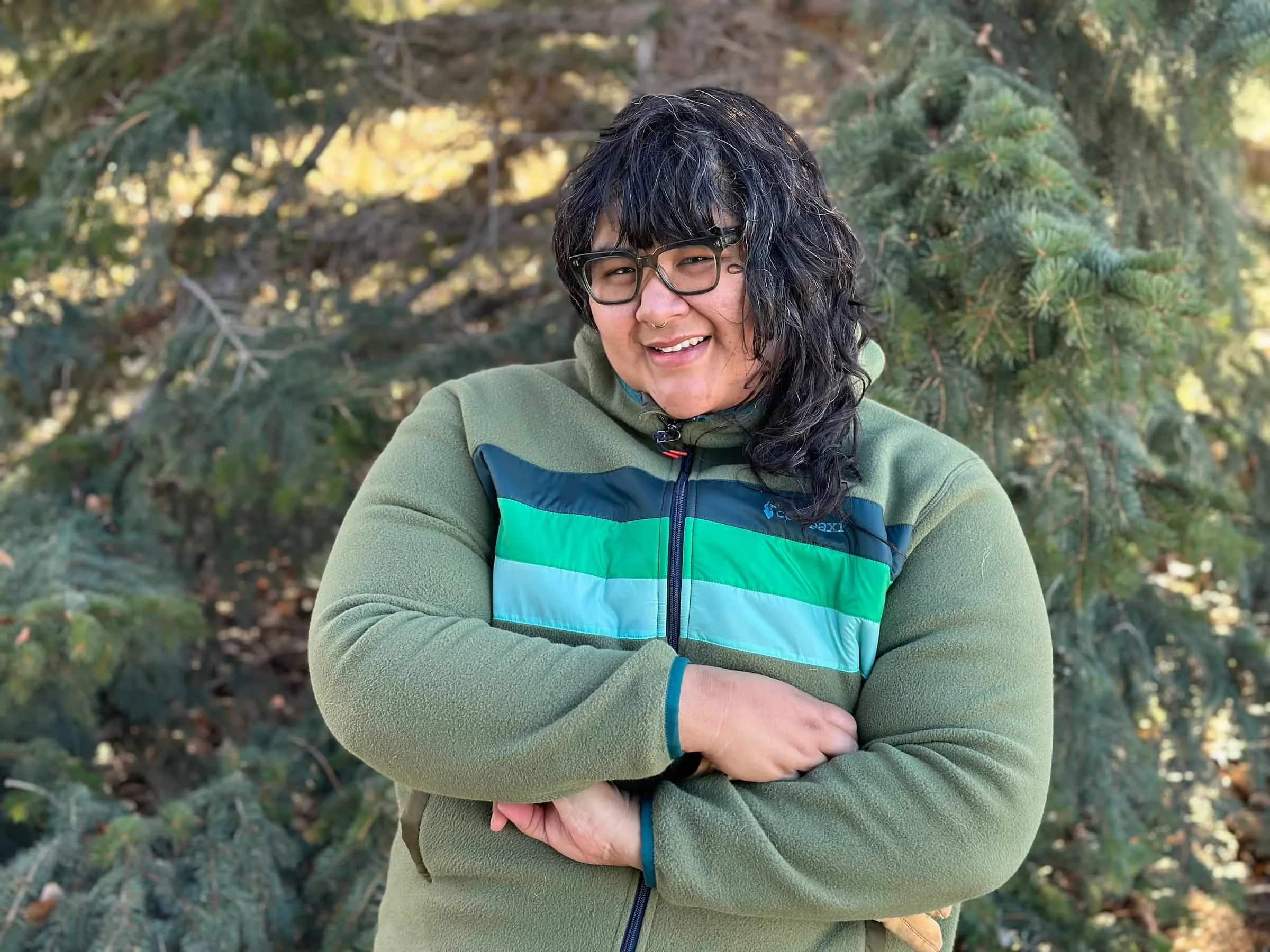
When I talk about "technical" gear, I’m not talking about a cotton t-shirt that happens to be a 3X. I’m talking about apparel designed to manage microclimates against your skin. For 2025, the gold standard for plus-size hiking gear centers on three heavy hitters: Outdoor Research for pure technical performance, Cotopaxi for high-quality insulation (up to 4X), and REI Co-op for basics that don't break the bank.
True technical gear for plus-size bodies requires specific engineering. It’s about more than just adding inches; it’s about body-mapping. High-performance gear needs to account for different distributions of weight, ensuring that a waistband doesn’t roll down during a steep ascent and that sleeves don't pinch when you're using trekking poles.
Pro Tip: "Big & Tall" is often designed for lifestyle wear—it lacks the moisture management and range of motion required for a 10-mile trek. Always look for "Technical Plus Sizing" which utilizes Nylon/Spandex ripstop for that essential four-way stretch.
The Foundation: High-Performance Bottoms
Your legs are the engine of your hike, and if your pants aren’t working with you, the engine stalls. I’ve seen too many hikers cut a trip short because of "chub rub" or waistbands that act like a tourniquet.
Hiking Pants & Shorts
The Outdoor Research Ferrosi line remains my top recommendation for 2025. Available in sizes 1X-3X, these pants are legendary for their weather resistance and incredible stretch. If you need something specifically tailored for higher sizes, Thicket Adventure’s 'Brecken Outie' (Sizes 16-30) is a game-changer. They understand that a "belly-style" fit needs a different rise than a "booty-style" fit.
Anti-Chafe Solutions
To prevent chafing—the silent hiker killer—the length of your shorts matters. I recommend at least a 7-8" inseam.
- Athleta Elation Shorts: These provide excellent compression without feeling restrictive.
- REI Active Pursuits Skorts: A fantastic option for those who prefer the airflow of a skirt with the protection of built-in liners.
Shop Outdoor Research Plus Size →
The Base Layer: Moisture Management & Skin Protection
The base layer is your second skin. Its job is simple: move sweat away from your body before it can cause friction or chills. In my experience, there is no substitute for Smartwool Classic Thermal Merino (available up to 4X). It’s naturally odor-resistant—a blessing on multi-day expeditions—and regulates temperature better than any synthetic.

For those who prefer synthetics, DSG Outerwear’s D-Tech line offers incredible moisture-wicking properties. When choosing these tops, look for flatlock seams. These are seams that lie flat against the skin rather than rubbing against it, which is the primary way to prevent "hot spots" during high-exertion activities.
The Technical Flannel
Don't sleep on the Outdoor Research Feedback Flannel. It’s been redesigned for 2025 to offer more room in the shoulders and chest. It’s the perfect mid-to-base hybrid for those crisp morning starts when a t-shirt isn't enough but a jacket is too much.
Insulation and Outerwear: Stay Warm and Dry
Layering is a science. Your mid-layer should trap heat, while your outer shell should protect you from the elements. The biggest challenge for plus-size hikers has historically been "the squeeze"—the feeling of being mummified by too many tight layers.
Mid-layers: The Warmth Factor
The Cotopaxi Teca Fleece (1X-4X) is a staple for a reason. It’s lightweight, recycled, and has a silhouette that allows for movement. If you’re heading into truly cold territory, The North Face Denali Jacket offers a more heavy-duty fleece option with reinforced shoulders for pack straps.
Outer Shells: The Shield
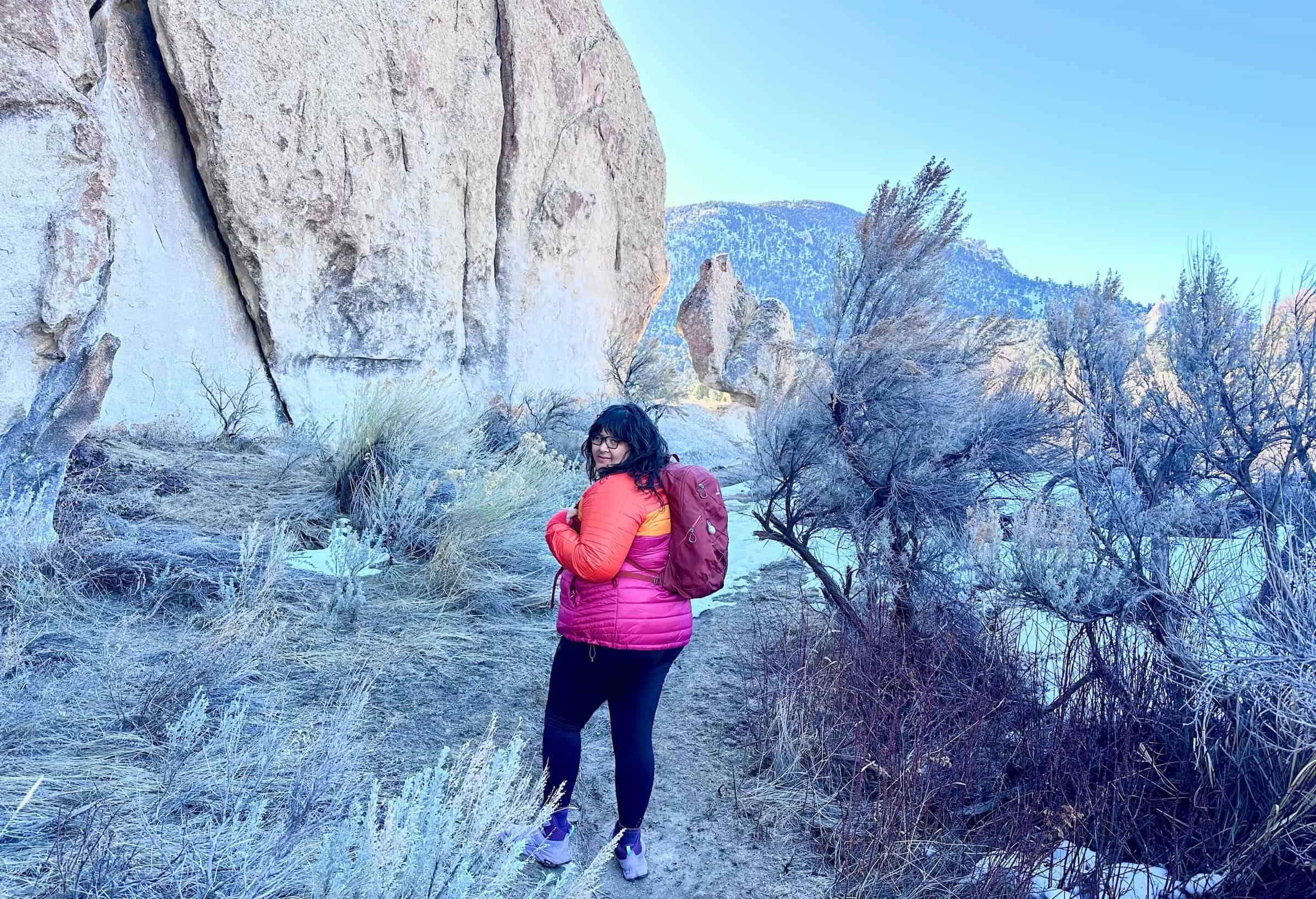
For 2025, I’m incredibly impressed with the REI Co-op 650 Down Vest. A vest is a secret weapon for plus-size hikers because it keeps your core warm while leaving your arms free to move and vent heat. When looking for a full shell, ensure there is ample room in the armpits. If the armholes are too high, they’ll chafe; if they’re too low, the whole jacket will lift every time you reach for a handhold.
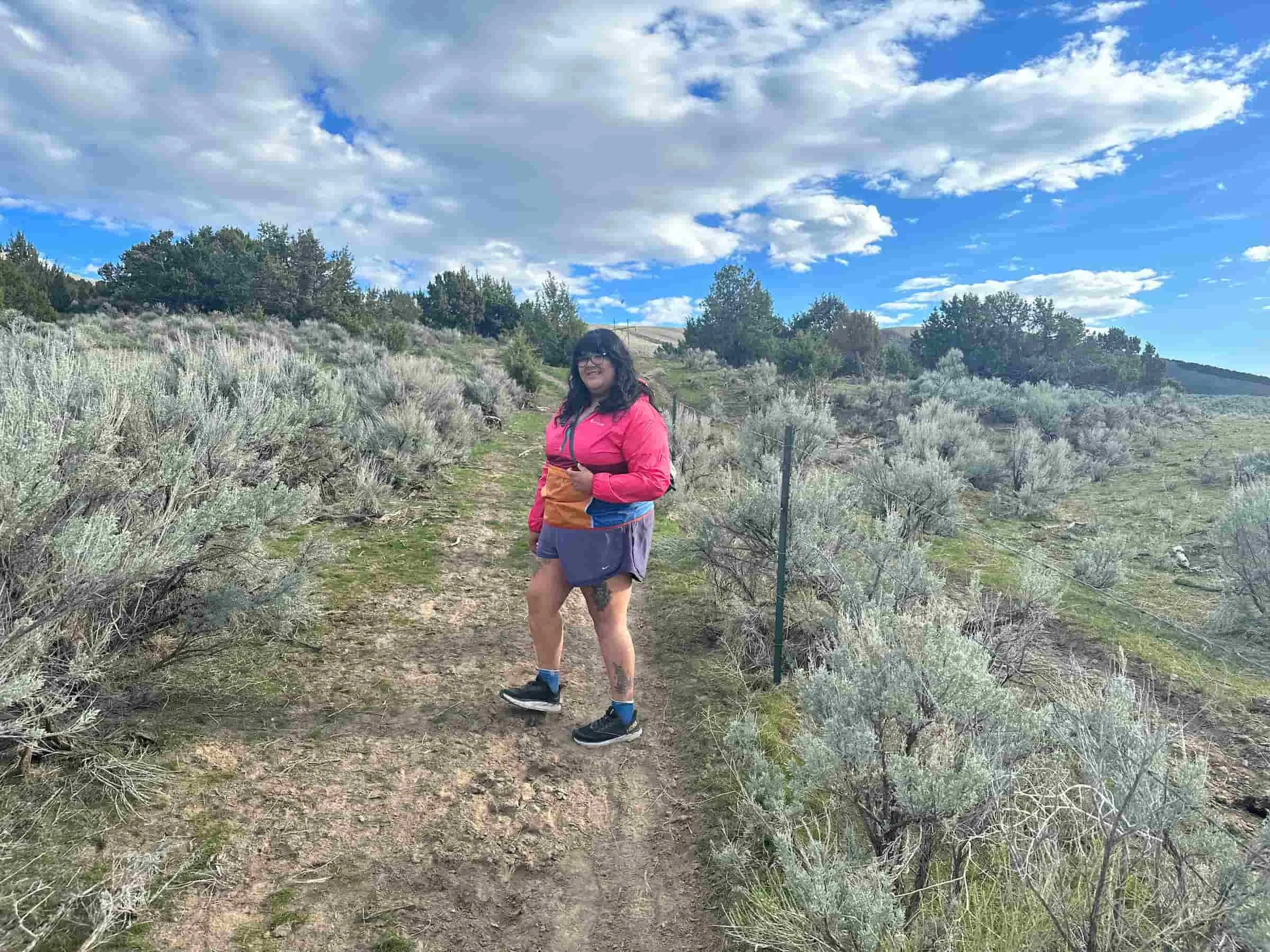
Technical windbreakers like the Teca are built with DWR (Durable Water Repellent) finishes. This isn't just about staying dry; it’s about durability. A good shell should be able to brush against a stray branch or granite wall without tearing.
Critical Gear: Packs and Sleep Systems for Plus Sizes
Gear doesn't end with clothing. If your backpack doesn't fit your frame, your clothes will bunch up and cause secondary chafing.
- Backpacks: Gregory’s Plus Size range (2X-6X) is the gold standard here. They didn't just lengthen the straps; they redesigned the hip belt angles and increased the shoulder harness width. Osprey’s Extended Fit series is another excellent contender, especially for daypacks.
- Sleep Systems: We’ve all dealt with the "salmon flopping" problem in a narrow mummy bag. For 2025, look for wide-cut bags like the Mont Zodiac XXL or move to a quilt system like those from Neve Gear. Width matters as much as length when you're trying to get a restorative night's sleep in the backcountry.
| Item | Best For | Size Range | Key Feature |
|---|---|---|---|
| OR Ferrosi Pants | Technical Trekking | 1X - 3X | 90% Nylon Ripstop |
| Thicket Brecken Outie | Custom Fit | 16 - 30 | High-rise / Multi-fit |
| Cotopaxi Teca Fleece | Mid-Layer | XS - 4X | Repurposed Taffeta |
| Gregory Katmai 65 | Backpacking | Plus Size | Adjusted Hipbelt |
| Smartwool Thermal | Base Layer | 1X - 4X | 100% Merino Wool |
Conclusion: Your Journey, Your Gear
The mountains don't have a weight limit, and in 2025, your gear closet shouldn't either. Finding the right kit is about more than just comfort—it's about safety and the confidence to push your boundaries. Whether you're doing a local two-mile loop or a multi-day thru-hike, you deserve gear that supports your ambition.
Don't feel like you have to go it alone. Organizations like Unlikely Hikers and Fat Girls Hiking are incredible resources for finding community and real-world reviews from people who look like you. The trail is waiting, and finally, the industry is catching up to the reality that every body is an outdoor body.
FAQ
Q: How do I know if a "Plus Size" item is actually technical or just "fashion" plus? A: Look at the fabric composition and seam construction. Technical gear will almost always list a "DWR finish," "Nylon/Spandex blend," or "Merino content." If it's 100% cotton or lacks specific technical specs, it's likely not designed for the rigors of the trail.
Q: I’m between sizes (e.g., 2X and 3X). Should I size up or down for hiking gear? A: Generally, size up for your outer layers and stay true to size for your base layers. You want your base layer snug to wick moisture, but you need room in your jackets to layer over those bases without restricting your blood flow or movement.
Q: What is the "two-finger" rule I keep hearing about? A: This usually refers to boot volume. When your foot is in the boot and unlaced, you should be able to slide two fingers behind your heel. This ensures that as your feet swell during a long hike—which they will—you won't lose circulation or develop blisters.
Ready to Hit the Trail?
The best gear in the world is the gear that gets you outside. Start with one solid pair of pants and a reliable base layer, and build your kit from there.