Quick Facts
- Durability is King: The best portable speakers for camping in 2025 must feature at least an IP67 waterproof/dustproof rating and a shockproof exterior to survive the rigors of the trail.
- Battery Revolution: Field testing shows a 30% improvement in battery density compared to 2022 models, with average playtimes now extending to 15 hours per charge.
- Double Duty: Approximately 85% of top-rated outdoor speakers now feature integrated USB-C power bank capabilities to charge your phone in the backcountry.
- Trail Etiquette: Always follow Leave No Trace Principle 7 by keeping volumes low to respect wildlife and fellow hikers.
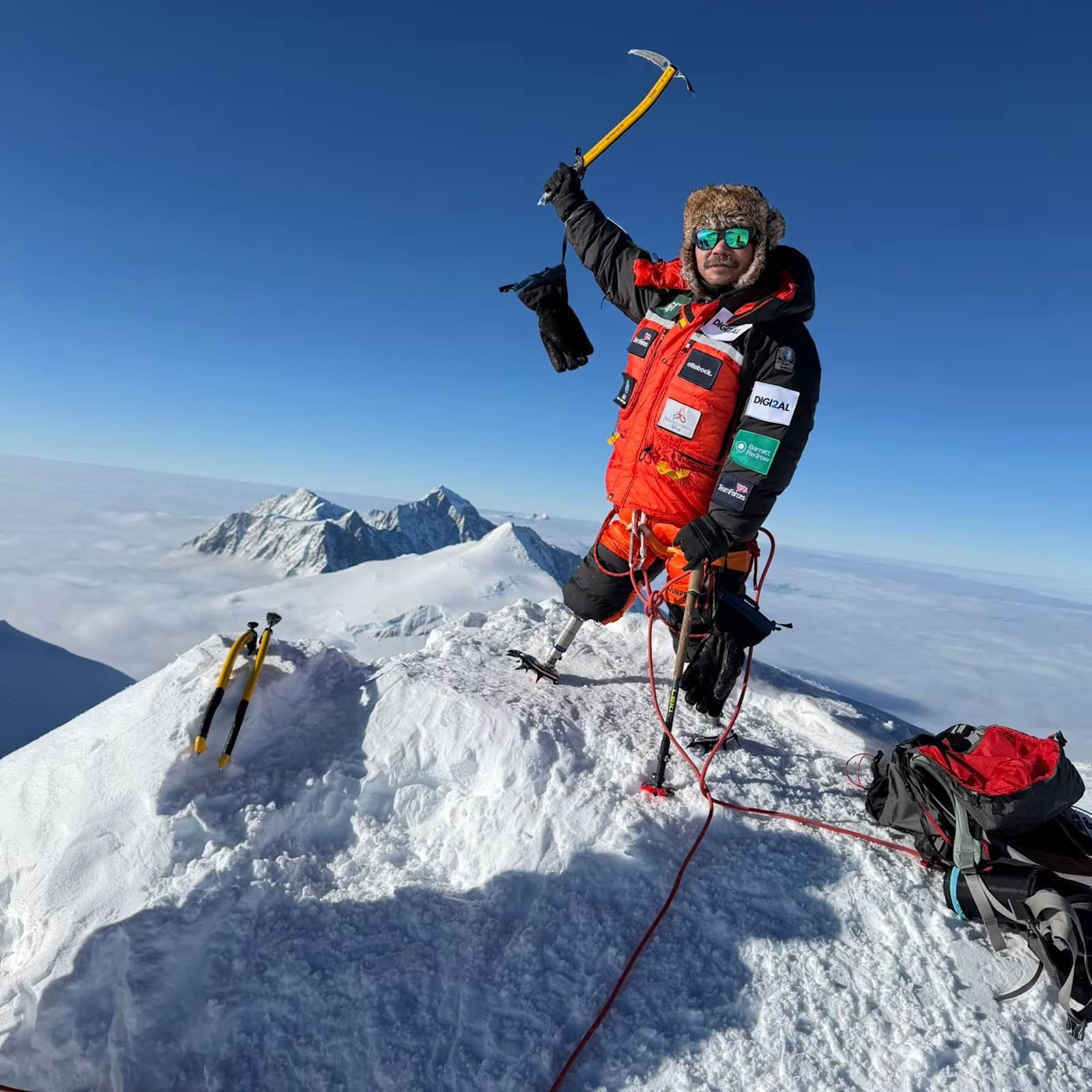
Nothing beats that moment when you finally crest a ridgeline, the wind dies down, and you’ve got miles of wilderness stretching out beneath your boots. Or that late-afternoon lull back at basecamp when the coffee is brewing and the sun is dipping low. For me, the right soundtrack doesn't just fill the silence; it anchors the memory.
But let’s be real: the "wild" is a gear-killer. I’ve seen speakers turn into expensive paperweights after a single afternoon of Appalachian humidity or a clumsy drop onto Sierra granite. In 2025, the tech has finally caught up to our ambitions. We’re seeing massive leaps in battery life and ruggedness that make bringing high-fidelity audio into the backcountry a no-brainer. After months of hauling these units through mud, rain, and snow, I’ve narrowed down the absolute best rugged outdoor speakers for your next adventure.
2025 Top Picks at a Glance
| Model | Weight | Battery Life | IP Rating | Best For |
|---|---|---|---|---|
| JBL Flip 7 | 1.23 lbs | 16 Hours | IP68 | All-Rounder |
| Bose SoundLink Micro | 0.64 lbs | 12 Hours | IP67 | Ultralight Hiking |
| Sony SRS-XB100 | 0.60 lbs | 16 Hours | IP67 | Budget Backpacking |
| Sonos Move 2 | 6.61 lbs | 24 Hours | IP56 | Luxury Basecamp |
| Anker Soundcore Boom 2 | 3.60 lbs | 24 Hours | IPX7 | Beach & River Trips |
| Sony ULT Field 7 | 13.9 lbs | 30 Hours | IP67 | Group Campsite Party |
| UE Wonderboom 4 | 0.93 lbs | 14 Hours | IP67 | Kayaking/Floating |
| Marshall Middleton II | 4.00 lbs | 20+ Hours | IP67 | Style & Sound Quality |
| ECOXGEAR EcoPebble Lite 2 | 0.50 lbs | 7 Hours | IP67 | Multi-Sport/Bike |
| JBL Charge 6 | 2.10 lbs | 20 Hours | IP67 | The Power Bank Pro |
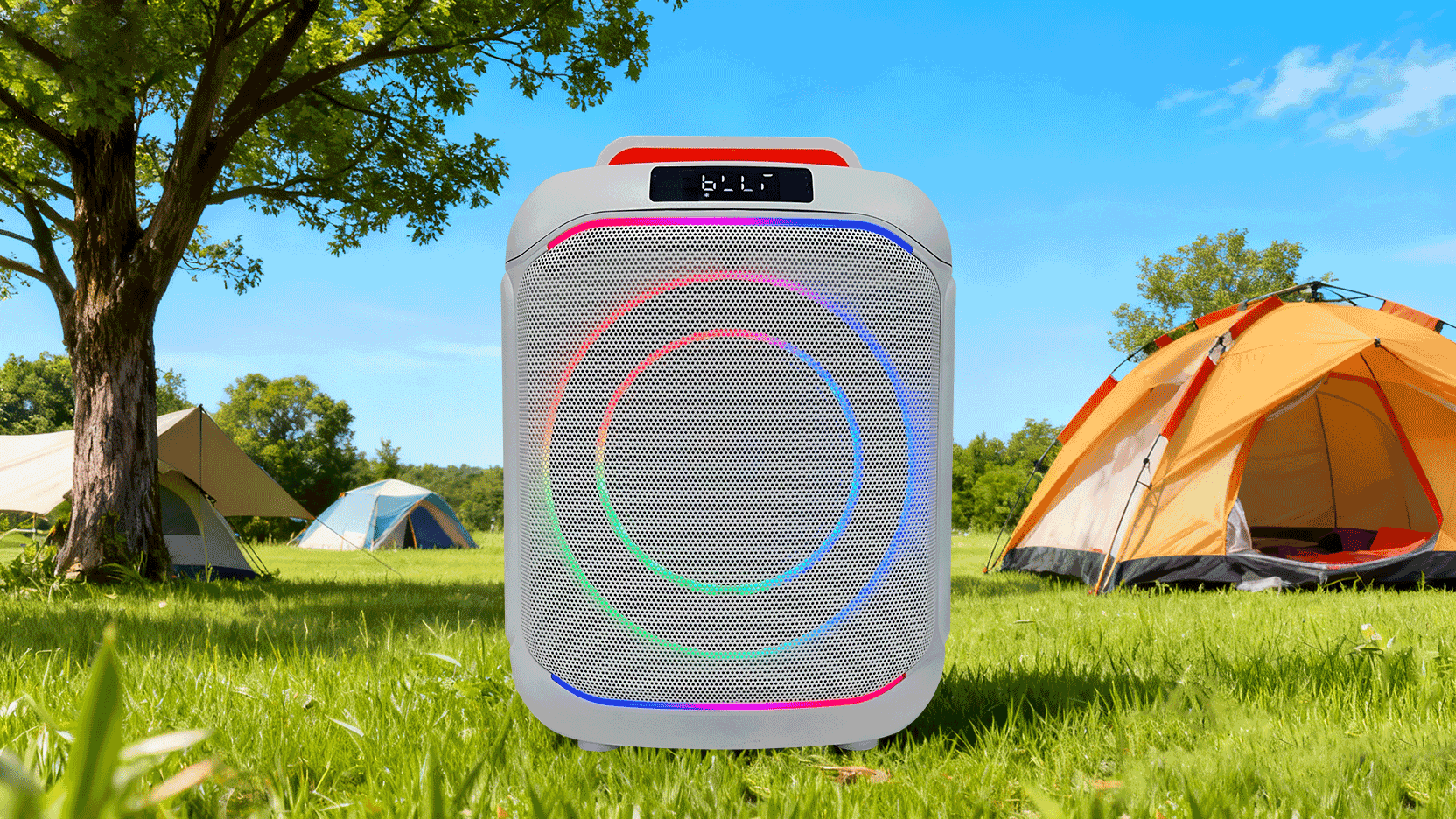
Best Speakers for Lightweight Hiking & Backpacking
When you’re counting every ounce in your pack, you need a speaker that punches way above its weight class. For hiking, the ideal speaker is lightweight (ideally under 1 lb) and includes a dedicated clip or carabiner attachment. You don't want a speaker bouncing around in your lid; you want it secured.
1. ? JBL Flip 7: The All-Rounder
The Flip series has been a staple in my pack for years, and the 2025 Flip 7 continues the reign. It’s slightly over the 1lb mark, but the audio output is so robust that it’s worth the extra few ounces.
- Pros: Incredible bass for its size; side-firing passive radiators that let you feel the music even in open mountain air; IP68 rating means it can handle a literal dunk in a lake.
- Cons: No integrated carabiner (requires a separate clip).
- The Bottom Line: This is the speaker I grab when I know I want high-quality audio at the summit but don't want to carry a boombox.
2. ? Bose SoundLink Micro (2nd Gen): The Clip-and-Go King
This is the gold standard for waterproof Bluetooth speakers for hiking. At just 0.64 lbs, it’s virtually unnoticeable. The tear-resistant silicone strap is the real hero here—it wraps around a backpack shoulder strap or a bike handlebar and stays put.
- Pros: Rugged silicone exterior; crisp mids; surprisingly loud for its tiny footprint.
- Cons: Battery life is 12 hours, which is lower than some competitors but still solid for a weekend.
- Expert Tip: I’ve strapped this to my harness during multi-pitch climbs, and it’s taken several scrapes against the rock without a dent.
3. ? Sony SRS-XB100: Budget-Friendly Portability
Don’t let the price point fool you. This is one of the best lightweight hiking speakers on the market for 2025. It weighs less than 10 ounces and features a clever multi-way strap.
- Pros: 16-hour battery life; clear call quality (if you’re one of those people who takes work calls on the trail—no judgment); UV coating to prevent fading in the sun.
- Cons: Not as loud as the JBL Flip 7.
Best Rugged Speakers for Basecamp & Group Hangs
If you’re car camping or setting up a basecamp for a week of bagging peaks, weight is less of a concern than volume and battery longevity. This is where those 2025 market stats really shine: 85% of top-tier speakers in this category now act as your backup battery.
4. ⛺ Sonos Move 2: The Premium Camp Choice
If you want the best possible sound while flipping burgers at the campsite, the Move 2 is it. It’s heavy, but the 24-hour battery and stereo sound are unmatched.
- Pros: Automatic Trueplay tuning (it adjusts its sound to the outdoor acoustics); USB-C power bank capabilities to keep your phone alive for GPS.
- Cons: It’s pricey and heavy.
5. ⛺ Anker Soundcore Boom 2: The Affordable Powerhouse
This thing is a tank. It’s designed for the river. It floats, it’s IPX7 rated, and it pumps out 80W of power.
- Pros: Floating design; incredible value for the volume; 24-hour playtime.
- Cons: Bulky handle makes it hard to pack in a tight trunk.
6. ⛺ Sony ULT Field 7: For the Campsite Party
The ULT Field 7 is a beast designed for those who don’t want to sacrifice bass. It features a "ULT" button that boosts the low end, perfect for outdoor environments where bass usually disappears into the wind.
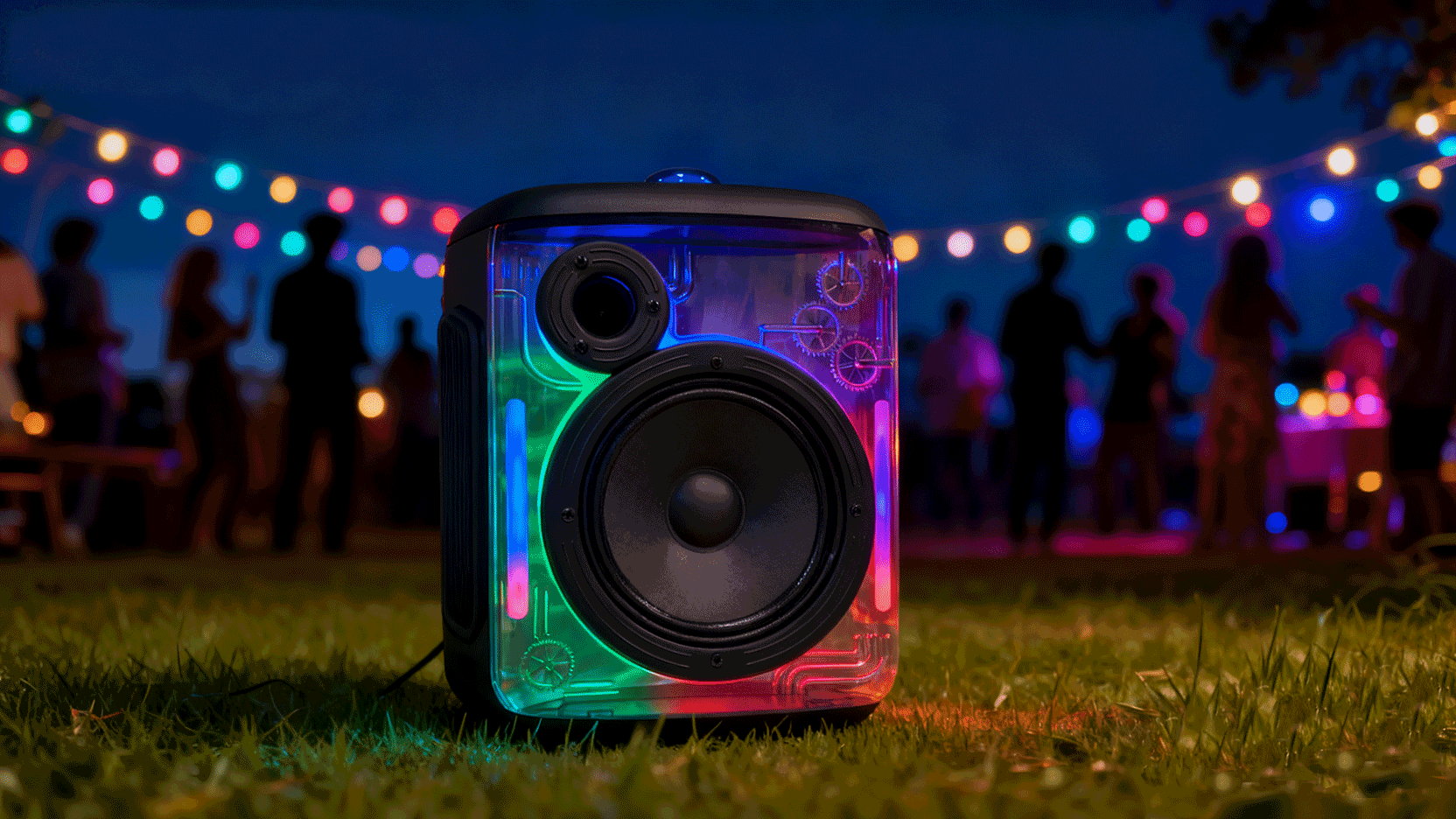
- Pros: 30-hour battery; quick charging (10 mins for 3 hours); handles like a piece of luggage.
- Cons: Not meant for anything more than 50 yards from the car.
Best Specialized Outdoor Speakers
Sometimes you need something that fits a specific niche—whether it’s surviving a Class IV rapid or looking good on a vintage overland rig.
7. ? Ultimate Ears Wonderboom 4: The Waterproof Wonder
If your "camping" involves a lot of water (kayak camping, paddleboarding), the Wonderboom 4 is your best friend. It’s a literal buoy of sound.
- Pros: 360-degree sound; floats face-up; drop-proof up to 5 feet.
- Cons: No power bank feature.
8. ? Marshall Middleton II: The Style-Savvy Adventurer
Marshall brought their legendary amp aesthetic to the trail. The Middleton II is surprisingly rugged (IP67) despite its high-end look. It uses "Stack Mode" so you can pair multiple units if your friends have them too.
- Pros: Iconic design; top-mounted controls that work well with wet hands; 20+ hours of battery.
- Cons: Heavier than it looks (4 lbs).
9. ? ECOXGEAR EcoPebble Lite 2: The Multi-Sport Tiny Titan
This is the "emergency" speaker. It’s tiny, has a built-in LED light for night camping, and can be mounted to almost anything via a 1/4-20 camera mount.
10. ? JBL Charge 6: The Reliable Workhorse
The Charge series has always been about one thing: being the most durable speaker for outdoor adventures. The Charge 6 doubles down on its namesake by offering a massive high-output charging port for your devices.
- Pros: 20-hour battery; can charge a dead iPhone twice; extremely durable fabric mesh.
Buyer’s Guide: What to Look for in 2025
Choosing the right speaker isn't just about the brand; it's about the specs that match your specific trail style. Here’s what you need to know:
Understanding IP Ratings
Don't just look for "water-resistant." You want IP67 or IP68.
- The '6' means it's dustproof (essential for desert hiking or dusty campsites).
- The '7' means it can be submerged in 1 meter of water for 30 minutes.
- The '8' usually means it can go deeper or stay under longer.
Battery Life vs. Weight
As a general rule, we’ve found that the 15-hour average is the "sweet spot." Anything less and you're babying the battery on a three-day trip. Anything more and the speaker usually weighs over 2 lbs. Thanks to the 30% improvement in battery density we've seen since 2022, you no longer have to carry a brick to get a full weekend of sound.
Connection Tech: Bluetooth 5.3 and Auracast
In 2025, look for Bluetooth 5.3. It offers better range (no more music cutting out when you walk 20 feet away to gather wood) and better power efficiency. Auracast is another buzzword to watch; it allows you to broadcast audio to an unlimited number of nearby speakers, which is great for large group gatherings.
Marcus's Pro-Tip: "If you’re hiking in extreme cold (sub-freezing), your battery life will drop by about 20-30%. Keep your speaker in an internal pocket close to your body heat until you're ready to use it."
Responsible Listening: Leave No Trace (LNT) Outdoors
Look, I love music as much as the next guy, but we have to talk about LNT Principle 7: Be Considerate of Others. The wilderness is a shared space. Not everyone wants to hear your 90s grunge playlist while they're trying to spot an elk.
- Volume Control: Keep it low. If you can hear your speaker more than 20 feet away, it's too loud.
- Respect the Silence: In quiet backcountry areas or designated wilderness, opt for headphones.
- Wildlife Awareness: Loud, rhythmic noises can disturb nesting birds or larger mammals. Keep it mellow.
- Campsite Curfew: Just like at a regular campground, turn the music off by 9 or 10 PM. The sound of the wind through the pines is a pretty good soundtrack, too.
FAQ
Q: Can I charge my speaker with a solar panel?
A: Yes, most modern speakers use USB-C. A 10W-20W portable solar charger will easily top off a speaker like the JBL Flip 7 or Bose Micro during the day.
Q: Does "dustproof" really matter for camping?
A: Absolutely. Sand and fine silt can get into the charging port or under the buttons, causing them to stick. An IP67 rating ensures that grit stays out of the sensitive electronics.
Q: Should I get a speaker that floats?
A: If you spend 50% or more of your time on the water (kayaking, rafting, or lake camping), yes. It’s the difference between a quick retrieval and a permanent loss.
Conclusion
The "perfect" speaker depends on your mission. If I’m going ultralight and solo, the Bose SoundLink Micro is clipped to my pack every single time. If I’m heading to the desert with a group of friends for a truck-camping weekend, the JBL Charge 6 or Sonos Move 2 becomes the heartbeat of the site.
Gear should never be an obstacle; it should be an enhancer. Pick a speaker that fits your pace, respect the trail, and let the music play. See you out there!