Quick Facts
- 100% Windproof Integrity: Built with a GORE-TEX WINDSTOPPER® membrane, the Jetstream is engineered to eliminate convective heat loss, the primary cause of core temperature drops in sub-zero environments.
- Active vs. Static Performance: While it handles -17°F comfortably during high-output activity (hiking, stalking), it acts strictly as a shell and requires high-loft insulation for stationary tree stand or blind hunting.
- Rugged Durability: In a full season of multi-state testing, the face fabric sustained 0% structural failure despite aggressive encounters with thorn patches and jagged ice.
- Water Resistance: It is a DWR-treated softshell, not a hardshell rain jacket; it excels in dry snow and light mist but will eventually saturate in sustained heavy downpours.
SITKA Jetstream Jacket Review: Can It Survive Sub-Zero Hunting?
My lips were cracked, and every exhale felt like I was blowing shards of glass into the frozen South Dakota prairie. The thermometer on my truck had read -17°F when I stepped out, but that didn't account for the 40-mph gusts ripping across the Missouri River breaks. In conditions like these, the question isn't just about comfort; it’s about survival and the ability to keep your head in the game when your body wants to quit.
I’ve spent the better part of two decades testing gear in the world's most unforgiving corners, and the SITKA Jetstream Jacket has long been touted as the "workhorse" of the mountain athlete. But there’s a massive difference between a crisp October morning in the Rockies and a sub-zero tactical hunt in the Great Plains. To find the breaking point of this iconic GORE-TEX WINDSTOPPER hunting jacket, I pushed it through a season of ice-choked river crossings, dense thorn thickets, and arctic blasts.
The short answer? The SITKA Jetstream can absolutely handle sub-zero hunting conditions, but only if you understand the physics of layering. It is a windproof shield, not a thermal furnace. If you expect this jacket to keep you warm while sitting still in a tree stand with nothing but a t-shirt underneath, you’re going to have a very short, very miserable day. However, as the outer layer of a high-activity system, it is arguably the best softshell jacket for extreme cold ever devised.
Field Test: South Dakota at -17°F
The true test of any "extreme" gear happens when the wind starts to howl. During a late-season upland and predator stint, I watched the dogs plummet through thin ice into slushy water, their coats instantly turning into armor. I was moving hard—climbing ridges and glassing—and the Jetstream was my primary defense.
The core data from this trip was definitive: the jacket maintained my core warmth against those 40-mph gusts with zero "bleed-through." When the wind hits a standard softshell, you can often feel the micro-currents of cold air penetrating the seams or the fabric itself. With the Jetstream’s WINDSTOPPER membrane, that sensation is non-existent. It’s like standing behind a glass wall.
Durability is where most "high-tech" jackets fail. I spent three days navigating "coyote-logic" terrain—meaning I was crawling through buckbrush, dragging gear over frozen limestone, and pushing through thorn patches that would shred a standard hardshell. After a full season, I recorded 0% structural failure. I found a few minor superficial "pick spots" where a particularly nasty thorn tried to grab hold, but the integrity of the recycled polyester face remained uncompromised.
Technical Core: GORE-TEX WINDSTOPPER Technology
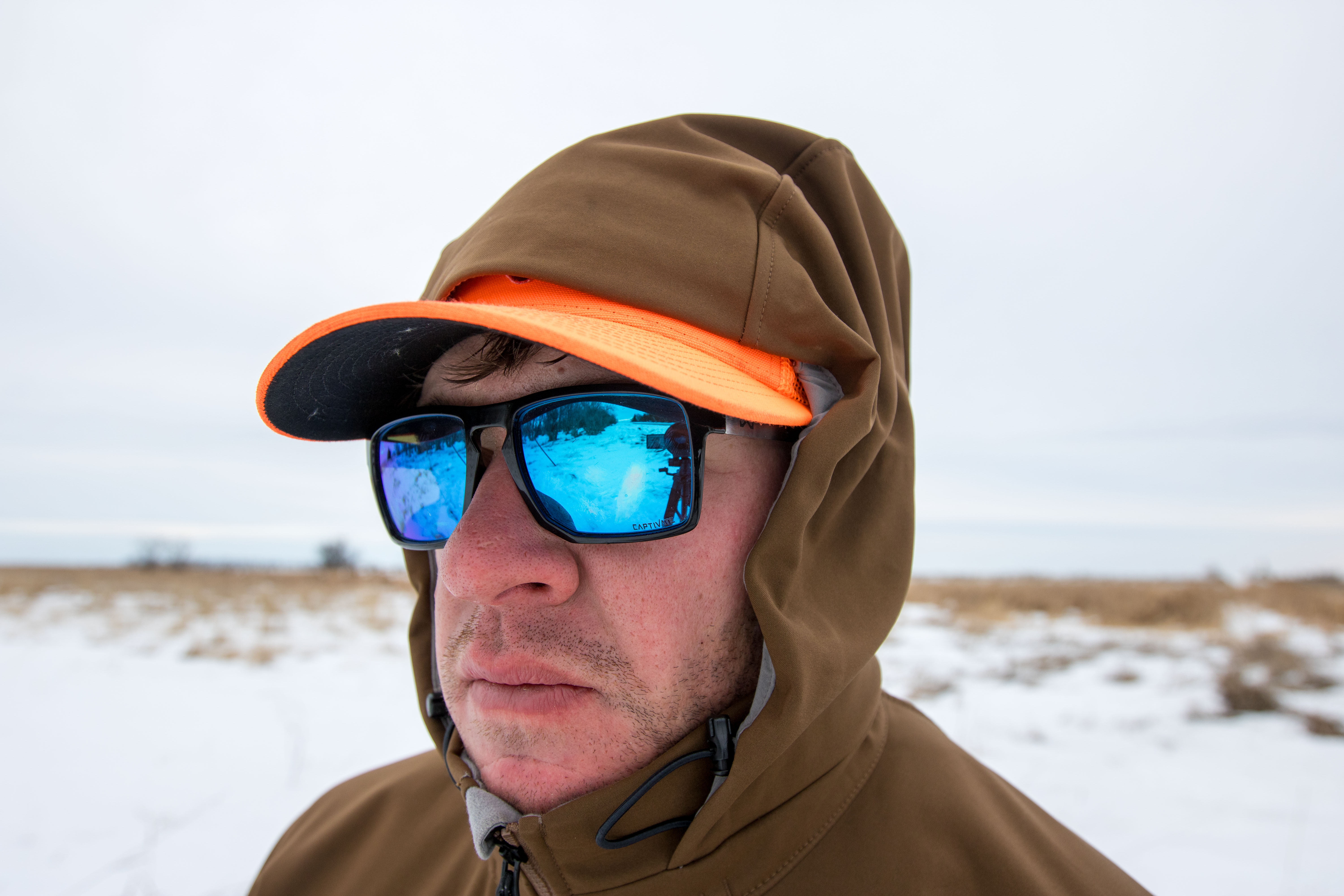
To understand the SITKA Jetstream temperature rating, you have to understand what’s happening inside the fabric. The "magic" isn't in the thickness—the Jetstream is actually surprisingly low-profile. The secret is the GORE-TEX WINDSTOPPER® membrane sandwiched between the outer shell and the micro-grid fleece liner.
In sub-zero conditions, the greatest threat to your warmth is convective heat loss. This occurs when cold air moves across your body, stripping away the thin layer of warm air your skin has worked so hard to heat. By blocking 100% of the wind, the Jetstream allows your mid-layers to do their job without interference.
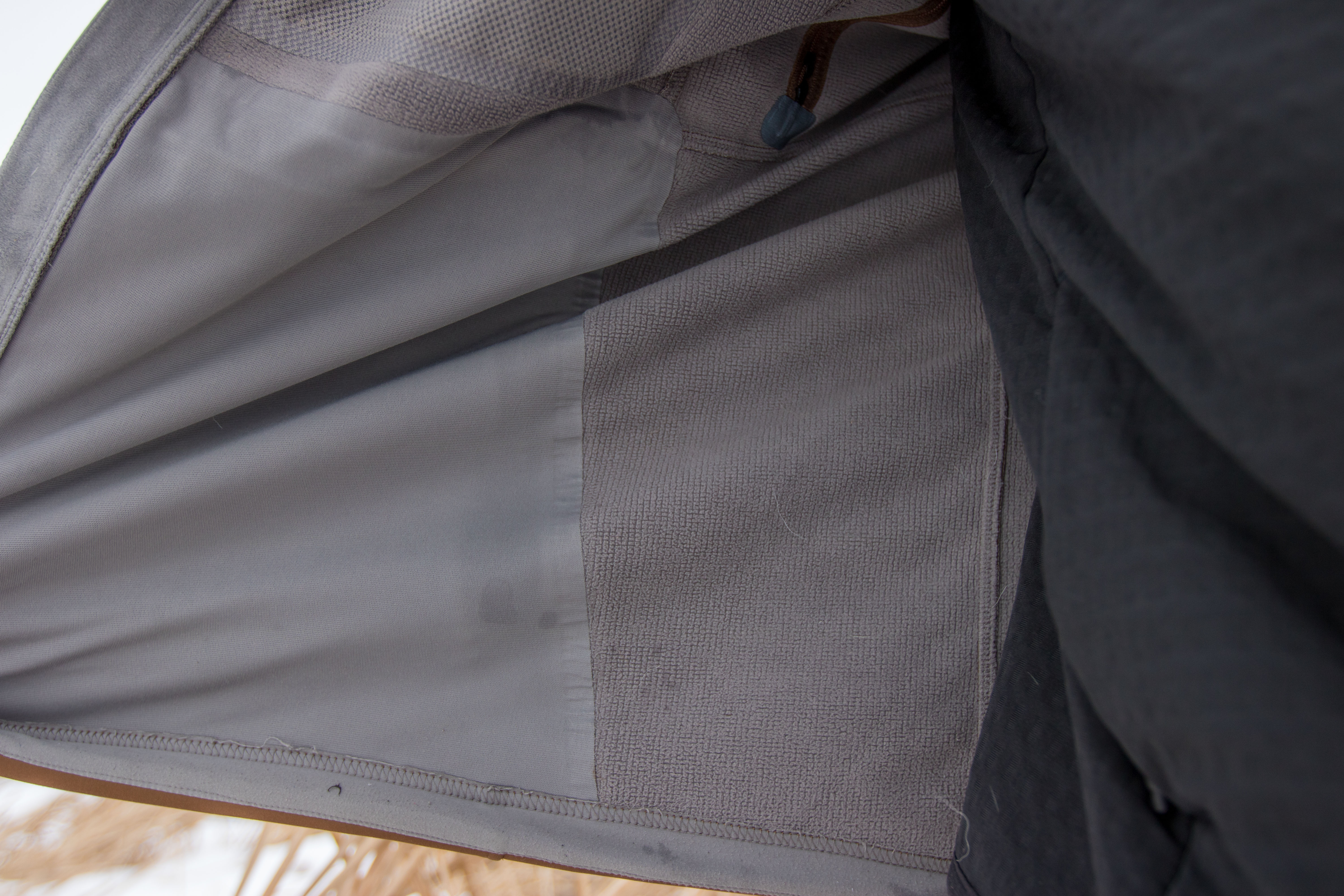
The interior features a micro-grid fleece. It’s important to manage expectations here: this is a "comfort" liner designed to wick moisture and provide a soft touch, not a heavy insulation layer. It adds maybe 5–10 degrees of perceived warmth, but its primary role is moisture management.
Pro Tip: "Be Bold, Start Cold." When hunting in sub-zero temps, you’ll be tempted to over-layer before a big hike. Don't. If you sweat into your base layers, that moisture will freeze the moment you stop. Use the Jetstream’s pit zips to dump heat during the climb, and only zip them shut once you reach your glassing point.
As for moisture, the Jetstream uses a DWR (Durable Water Repellent) finish. During my testing in dry snow, the flakes simply bounced off. However, this is not a rain jacket. In a heavy, wet sleet or a downpour, the face fabric will eventually "wet out." For sub-zero hunting, where precipitation is almost always frozen and dry, this softshell is superior to a hardshell because it breathes significantly better and makes far less noise.
High-Activity vs. Stationary Performance
The performance of the Jetstream varies wildly depending on your heart rate. This is the "Goldilocks" jacket for the active hunter, but it requires a strategic partner for the stationary hunter.
Activity Level vs. Temperature Rating
| Activity Level | Temperature Range | Performance Notes |
|---|---|---|
| High Output (Hiking, Stalking) | -20°F to 20°F | Excellent. Blocks wind; pit zips prevent overheating. |
| Moderate Output (Slow Stalking) | 0°F to 30°F | Ideal. The sweet spot for this jacket’s breathability. |
| Low Output (Tree Stand, Blind) | 30°F+ | Good as a standalone with a heavy base layer. |
| Low Output (Sub-Zero Static) | -20°F to 20°F | Insufficient. Must be paired with high-loft insulation (Down). |
If you are a Western big game hunter climbing 1,500 vertical feet to glass for elk, the Jetstream is your best friend. It moves with you, the athletic fit ensures there’s no bulk to snag on your bowstring or pack straps, and it regulates your temperature perfectly.
However, if you are sitting in a whitetail stand in Wisconsin in December, the Jetstream’s lack of loft becomes apparent. In these scenarios, the jacket serves as your "armor"—the windproof layer that protects the expensive down or synthetic insulation you have underneath.
Building the Sub-Zero System (Layering Guide)
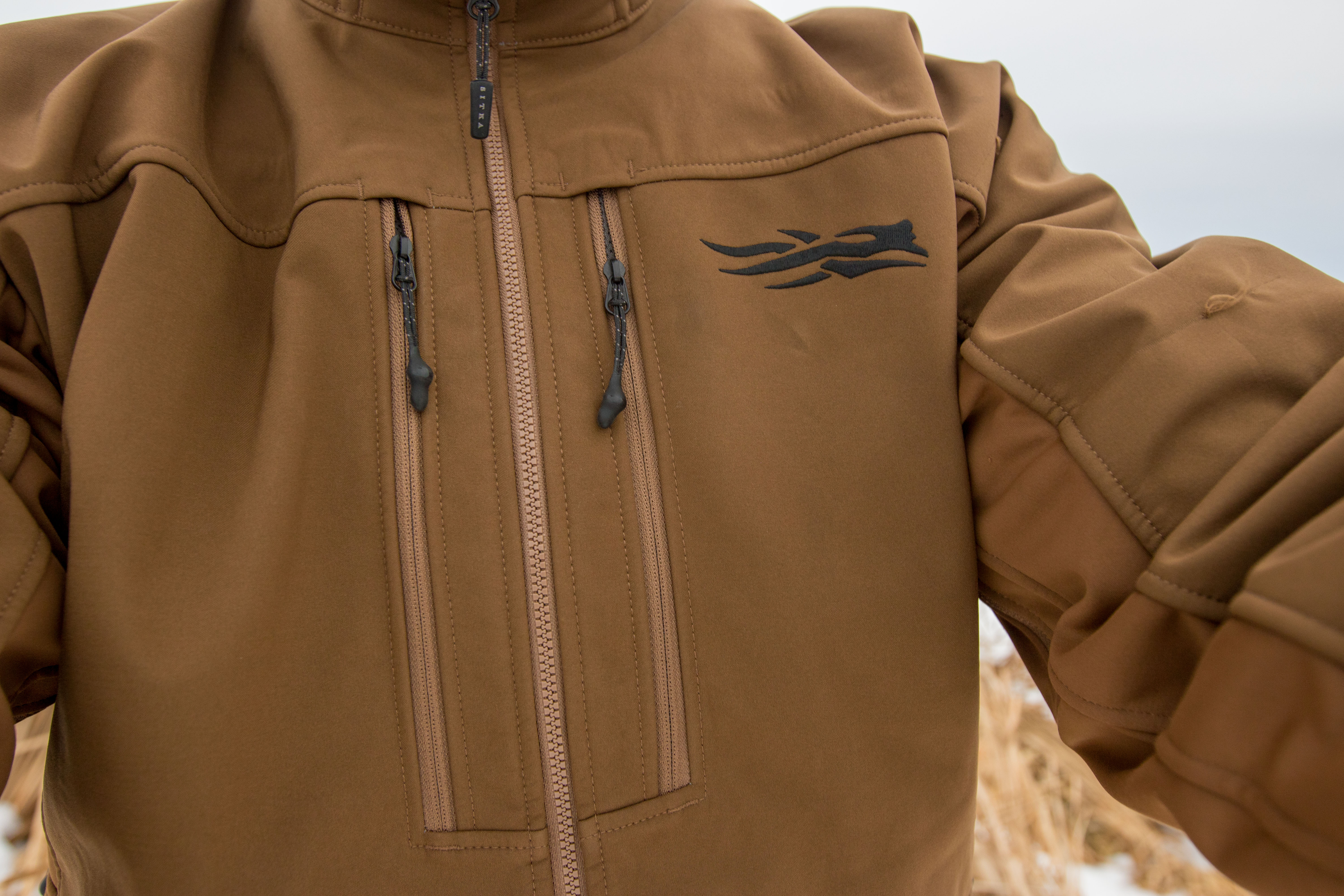
To make the SITKA Jetstream survive sub-zero hunting, you need to build a system. Think of the Jetstream as the skin, the insulation as the muscle, and the base layer as the nerves. Here is my tried-and-true sub-zero kit:
- The Base Layer: I go with the SITKA Core Merino 330. Merino is essential because it retains warmth even if it gets slightly damp from perspiration.
- The Mid-Layer (Insulation): This is the critical step for sub-zero temps. For high-output hunts, I use the Kelvin Aerolite Jacket. For stationary, "dead-of-winter" hunts, I swap to the SITKA HyperDown. These pieces provide the loft (trapped air) that the Jetstream lacks.
- The Outer Shell: The Jetstream Jacket. This seals the system. It protects the delicate face fabrics of your insulation layers from brush and wind.
By combining these, I’ve sat comfortably for hours in sub-zero temps, only feeling the cold when I had to take my gloves off to operate my glass.
Shop the SITKA Jetstream Collection →
Pros, Cons, and The 'SITKA Price'
Let’s talk turkey. At $375, the Jetstream is an investment. You are paying for the R&D of the GORE-TEX membrane and a fit that is arguably the best in the industry.
The Pros:
- Unrivaled Windproofing: It simply does not let air through.
- Durability: You can hunt in this for a decade. It’s the "Buy Once, Cry Once" king of softshells.
- Athletic Cut: No "marshmallow man" feeling. It feels like an extension of your body.
- Pocket Layout: The chest pockets are perfectly placed for use while wearing a heavy pack.
The Cons:
- Noise: While quieter than a hardshell, the WINDSTOPPER membrane does have a slight "crinkle" compared to a dedicated whitetail fleece like the SITKA Stratus. If you are bowhunting whitetails at 10 yards, take note.
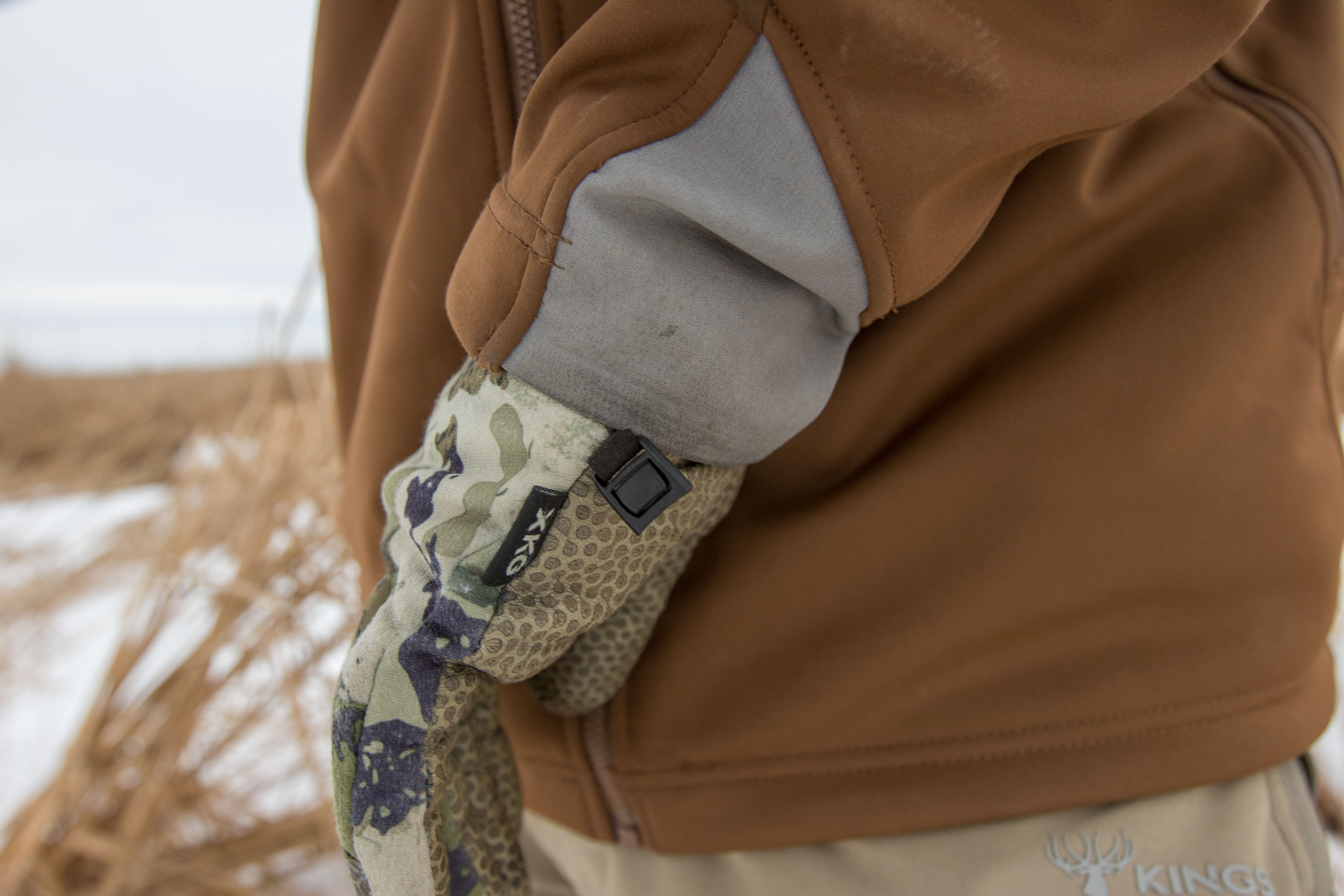
- Cuffs: The Jetstream uses a low-profile, elasticized cuff. While it fits great under gauntlet-style gloves, I occasionally miss the ability to cinch down a hook-and-loop closure to keep heat from escaping the sleeves.
- Weight: At roughly 26 ounces, it’s not the lightest "emergency" shell, but that’s the trade-off for the extreme durability.
Final Verdict: Who is this for?
After a season of testing, the verdict is clear: The SITKA Jetstream is a masterpiece of technical apparel, but it is a tool that must be used correctly.
If you are a Western big game hunter, an active upland hunter, or a cold-weather hiker who faces high winds and fluctuating activity levels, this jacket is non-negotiable. It is the single most versatile piece of gear in my kit. It manages the "sub-zero" reality by being the ultimate wind-breaker, allowing your other layers to function at 100% efficiency.
However, if your version of hunting involves sitting perfectly still for 6 hours in a freezing tree stand, do not buy this as your only "winter coat." Buy it as your outer shell, and make sure you have the SITKA HyperDown or Kelvin Aerolite ready to go underneath.
FAQ
Q: Is the SITKA Jetstream waterproof? A: No. It is highly water-resistant. The DWR finish and WINDSTOPPER membrane will keep you dry in snow and light rain, but in a sustained downpour, the seams and face fabric will eventually soak through. For 100% waterproof protection, look at the SITKA Dew Point or Stormfront series.
Q: Does the SITKA Jetstream run true to size? A: It features an "Athletic Fit." If you plan on wearing heavy insulation layers underneath (like a Kelvin Aerolite), I highly recommend sizing up one level. If you only plan to wear a base layer for mid-season hunts, your standard size should be perfect.
Q: How do I wash the Jetstream to maintain the DWR? A: Use a technical wash (like Nikwax) on a cold, gentle cycle. The most important step is drying: tumble dry on medium heat for 20 minutes to "reactivate" the DWR finish on the outer fabric.