There’s a voice that starts as a whisper in the back of your mind and eventually grows into an undeniable roar. It’s the "Call of the Way." For some, it happens while staring at a cubicle wall; for others, it’s a mid-life realization that the soul needs a bit of a reset. Whatever the trigger, you aren't alone. In 2024, nearly 500,000 pilgrims completed the journey to Santiago de Compostela, with almost 50% of them choosing the legendary Camino Francés.
Known as the French Way, this isn't just a hike; it’s a 500-mile (800 km) living museum stretching from the foothills of the French Pyrenees to the mist-shrouded "Field of Stars" in Galicia. It’s a UNESCO World Heritage site where every stone has been smoothed by the feet of millions over a millennium. If you’re looking for a trail that balances raw physical challenge with deep cultural immersion and a global community, this is it.

Quick Facts: The Trail at a Glance
Before we dive into the grit and the gear, let’s get the logistics straight. Mastering the Camino Francés requires respect for the distance and the clock.
- Total Distance: Approximately 500 miles (800 km).
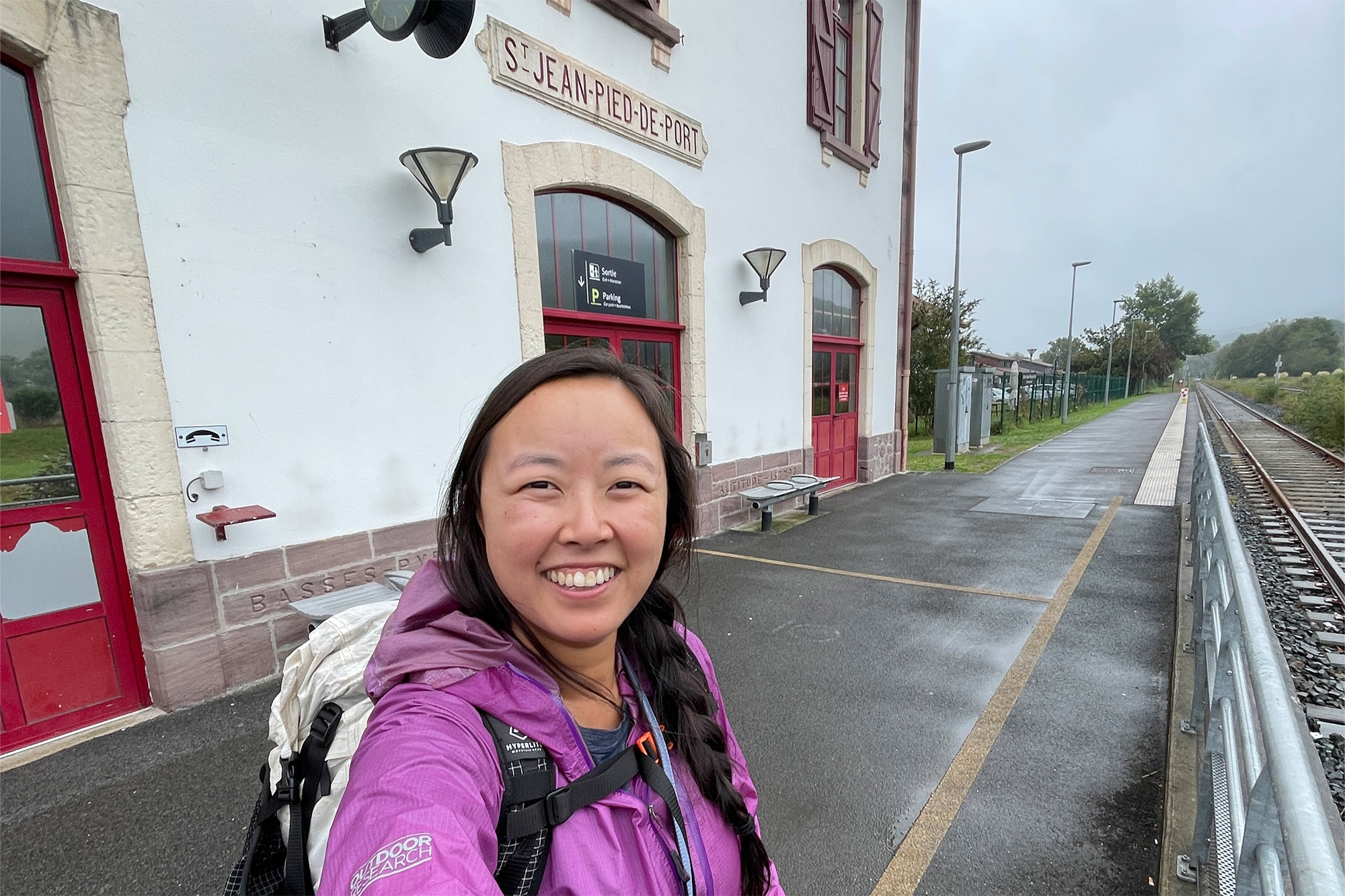
- Starting Point: Saint-Jean-Pied-de-Port (SJPP), France.
- Finish Line: Cathedral of Santiago de Compostela, Spain.
- Time Commitment: Most pilgrims complete the journey in 30 to 35 days across 33 stages.
- Requirements for the Compostela: You must walk at least the final 100 km (62 miles) and collect at least two stamps per day in your pilgrim passport (credencial).
- Average Daily Budget: $50–$70 per day ($1,500–$2,000 for the full month).
Looking ahead to walking the Camino de Santiago 2026, we’re seeing a renewed focus on "slow travel." After the post-pandemic surges, 2026 is shaping up to be the year of authenticity—where hikers are looking to bypass the crowds of the final 100km and embrace the quiet, demanding beauty of the early stages in Navarre and La Rioja.
Planning Your Journey: Timing and Terrain
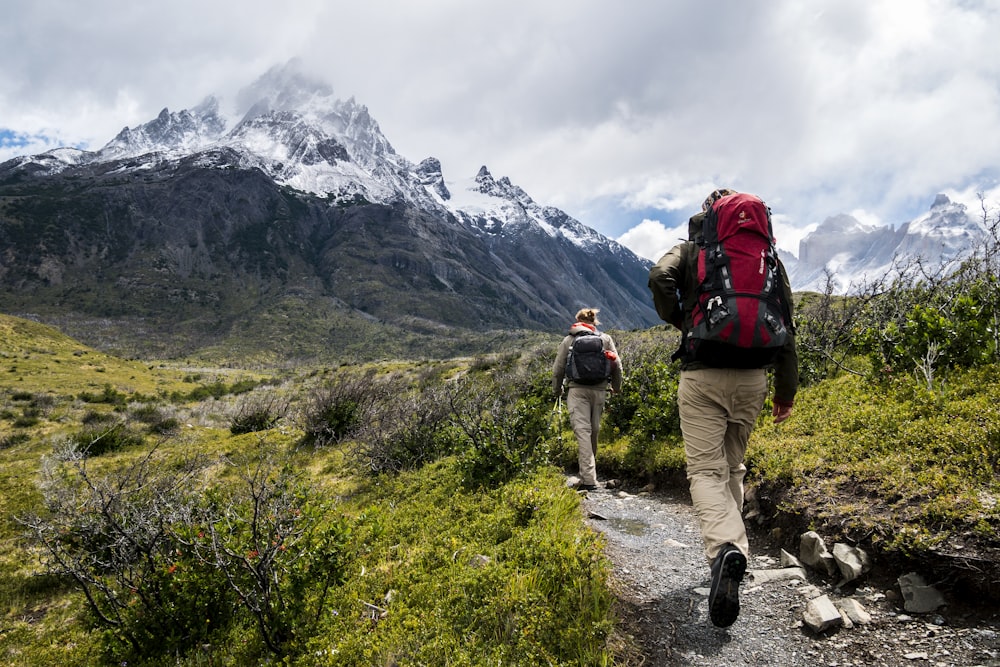
Unlike the Appalachian Trail (AT) or the PCT, where you’re often miles from civilization, the Camino Francés is a social highway. However, the terrain is no joke. The opening stage from Saint-Jean-Pied-de-Port is notoriously the most difficult, featuring a 4,100-foot (1,250 m) elevation gain over 15.5 miles (25 km) as you cross the Pyrenees into Spain.
If you aren't conditioned for steep ascents on day one, your Camino might end before it truly begins. I’ve seen seasoned hikers humbled by the "Napoleon Route" because they underestimated the weight of their packs combined with that initial climb.
Best Seasons to Hike
Timing is everything. You want to hit the "Goldilocks" window where the weather is mild and the albergues (hostels) aren't overflowing.
- Spring (May - June): This is my personal favorite. The wildflowers in the Meseta are blooming, the Pyrenees are vibrant green, and the summer heat hasn't yet turned the trail into a furnace.
- Autumn (September - early October): The harvest season in the Rioja wine region is spectacular. The mornings are crisp, and the crowds begin to thin out.
- Summer (July - August): Warning: It gets hot. Temperatures on the Meseta (the flat high plateau) can soar above 90°F (32°C) with zero shade. If you go now, expect pre-dawn starts.
Getting There
Most international travelers fly into Paris and take the TGV train to Bayonne, then a regional train to SJPP. Alternatively, you can fly into Biarritz or Pamplona and take a bus. Pro-tip: Book your first night’s accommodation in SJPP months in advance. It’s a small town with limited beds and a lot of excited pilgrims.
Life on the Trail: Albergues and the Culture of the Way
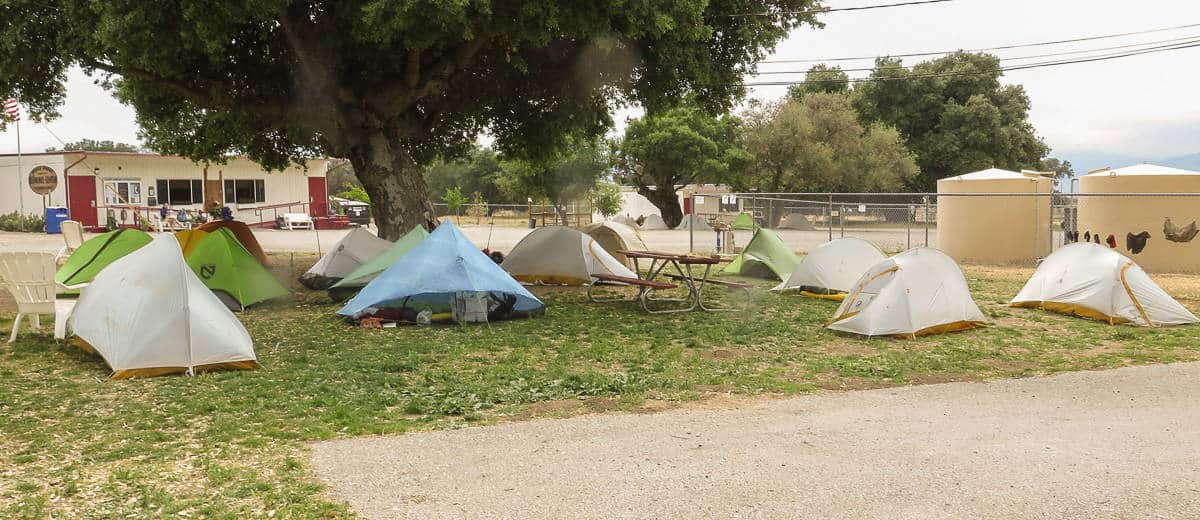
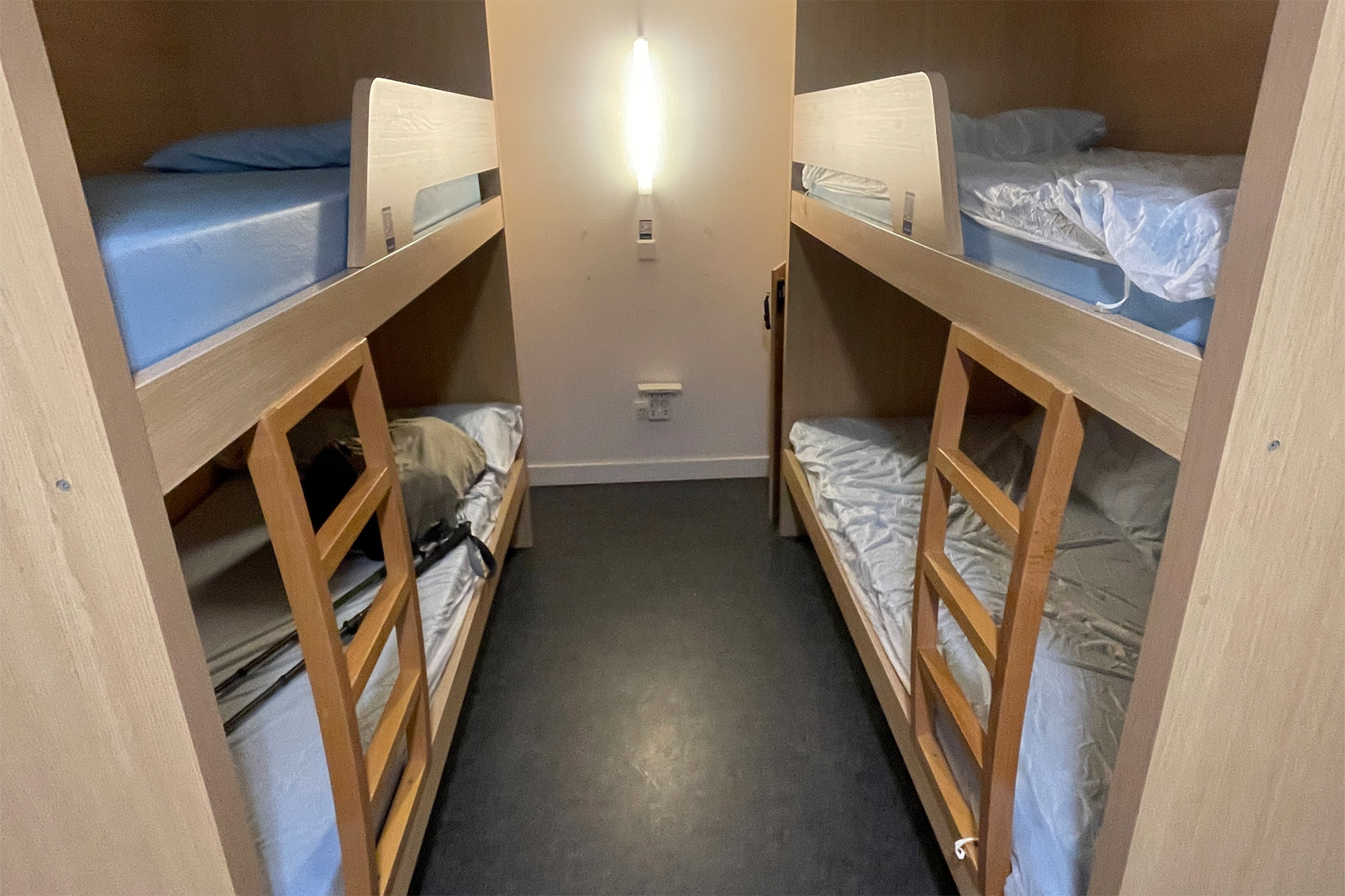
One of the most unique aspects of this Camino Francés hike guide is the infrastructure. You aren't pitching a tent in the wilderness; you’re staying in albergues—pilgrim-specific hostels that range from ancient stone monasteries to modern private bunkhouses.
| Lodging Type | Average Cost | Best For |
|---|---|---|
| Municipal Albergue | $10–$18 | Budget travelers and communal vibes. First-come, first-served. |
| Private Albergue | $20–$30 | Better facilities, often allows reservations. |
| Pension / Hotel | $50–$90 | Privacy, a hot shower, and a break from the snoring. |
Pro-Tip: Bring a pair of high-quality earplugs and a sleep mask. In a room with 20 other exhausted hikers, someone will be snoring like a chainsaw by 9:00 PM.
The Pilgrim’s Menu
You won't go hungry here. Almost every village along the French Way offers a Menú del Peregrino. For $15–$20, you get three courses: typically a salad or pasta to start, a main of meat or fish with fries, dessert, and—most importantly—a bottle of local wine to share with your table. It’s here, over heavy carafes of Tempranillo, that the "Camino Family" is formed. You’ll meet doctors from Berlin, students from Seoul, and retirees from Ohio, all bonded by the same blisters and the same goal.

The Pilgrim Passport and the Compostela
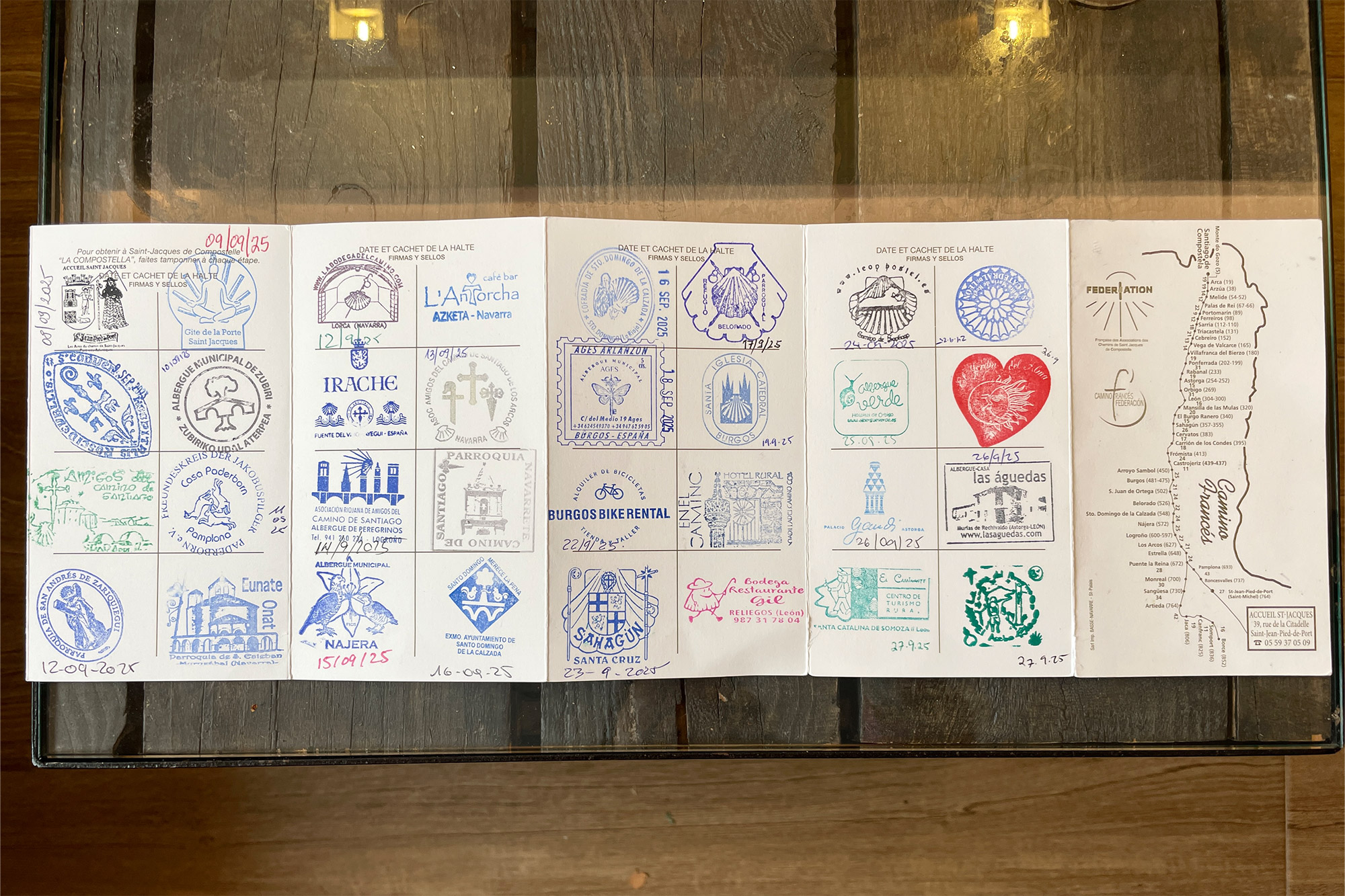
Your most valuable possession on the trail isn't your fancy GPS watch—it’s your Credencial del Peregrino (Pilgrim Passport). You’ll get this at the pilgrim office in SJPP or your starting city.
Every albergue, cafe, and church along the way has a unique sello (stamp). You collect these as you go. To receive the official Compostela certificate in Santiago, you must prove you’ve walked the final 100 km. From the town of Sarria onwards, the rules get stricter: you must collect at least two stamps per day to verify your progress.
Notable Stops and Traditions
The 500-mile trek is punctuated by landmarks that will take your breath away. In Pamplona, you’ll walk the very streets used for the Running of the Bulls. In Burgos, the Gothic cathedral will make you feel tiny. In Ponferrada, you’ll explore a castle built by the Knights Templar to protect pilgrims.
But the most emotional stop for many is the Cruz de Ferro (Iron Cross) in the mountains of León. Tradition dictates that pilgrims bring a small stone from home, representing a burden or a memory they wish to leave behind. Placing that stone at the foot of the cross is a profound moment of catharsis that I’ve seen bring the toughest hikers to tears.
Finally, arriving in Santiago for the Pilgrim’s Mass is the ultimate reward. If you’re lucky, you’ll witness the Botafumeiro—a massive incense burner that swings through the cathedral at breathtaking speeds.
The Ultimate Camino Packing List
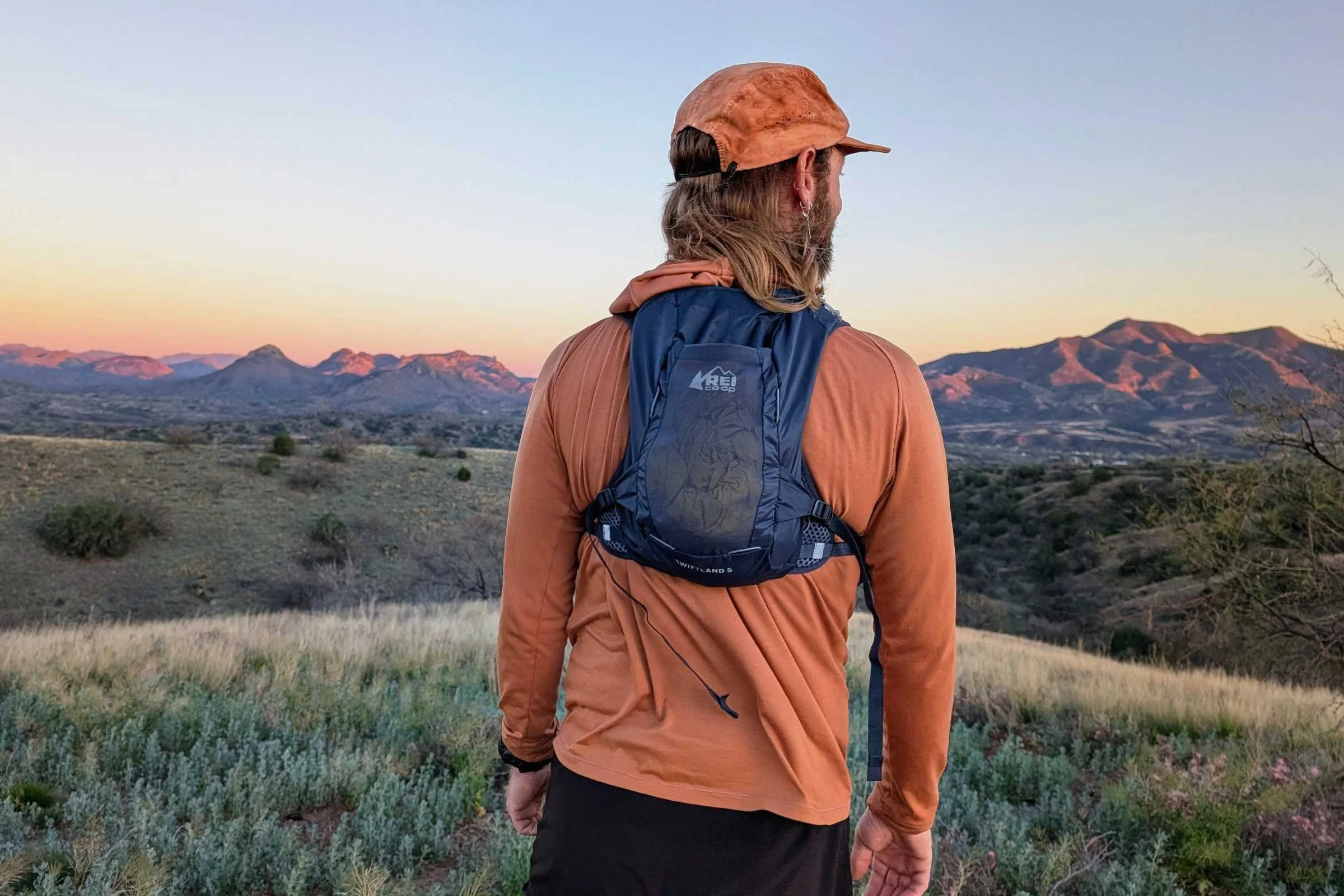
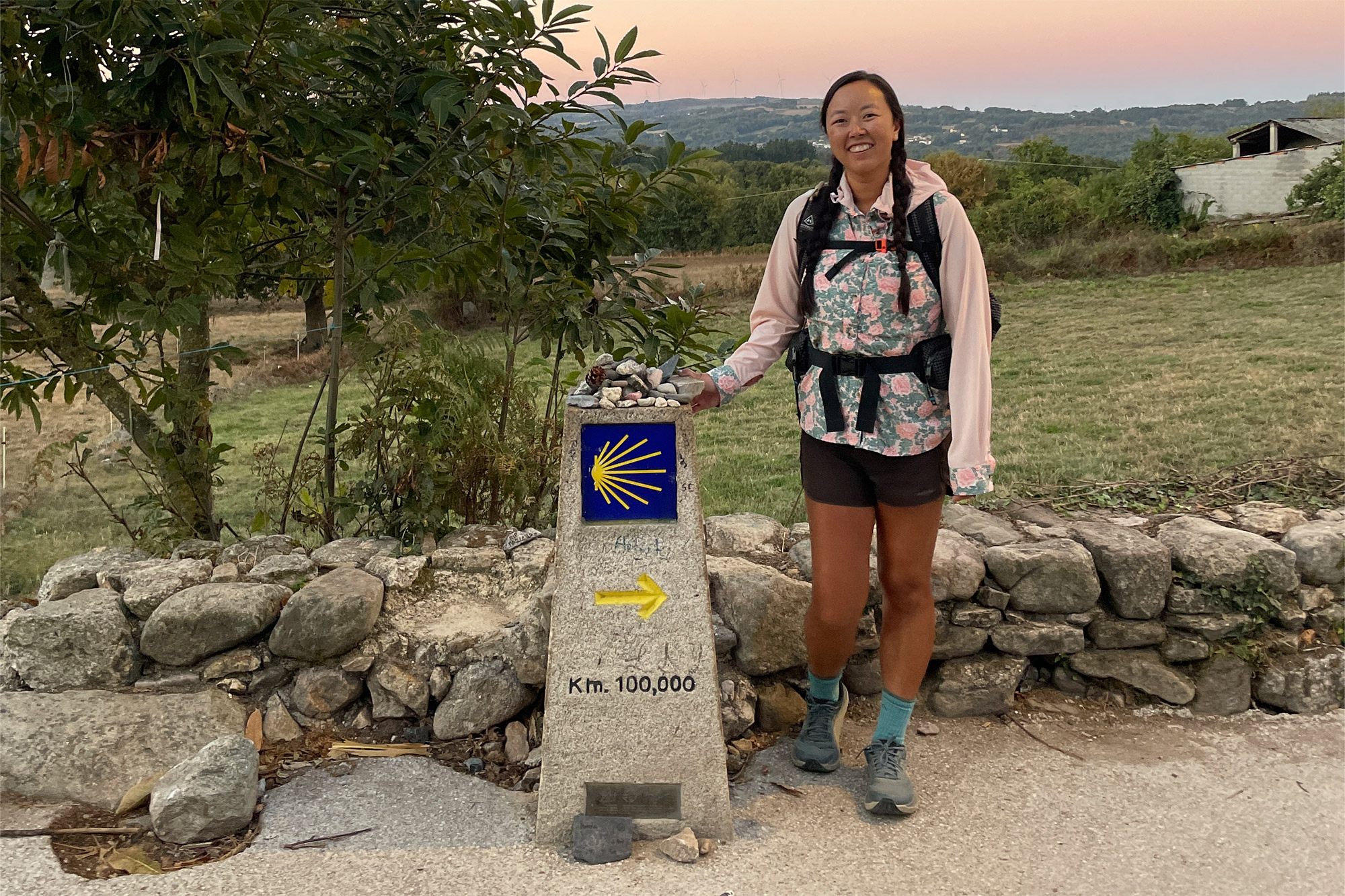
The biggest mistake I see? Overpacking. Your knees will feel every extra ounce by day ten. Aim for the 10% rule: your pack should weigh no more than 10% of your body weight. For most, that means a base weight of under 15 lbs.
Gear Essentials
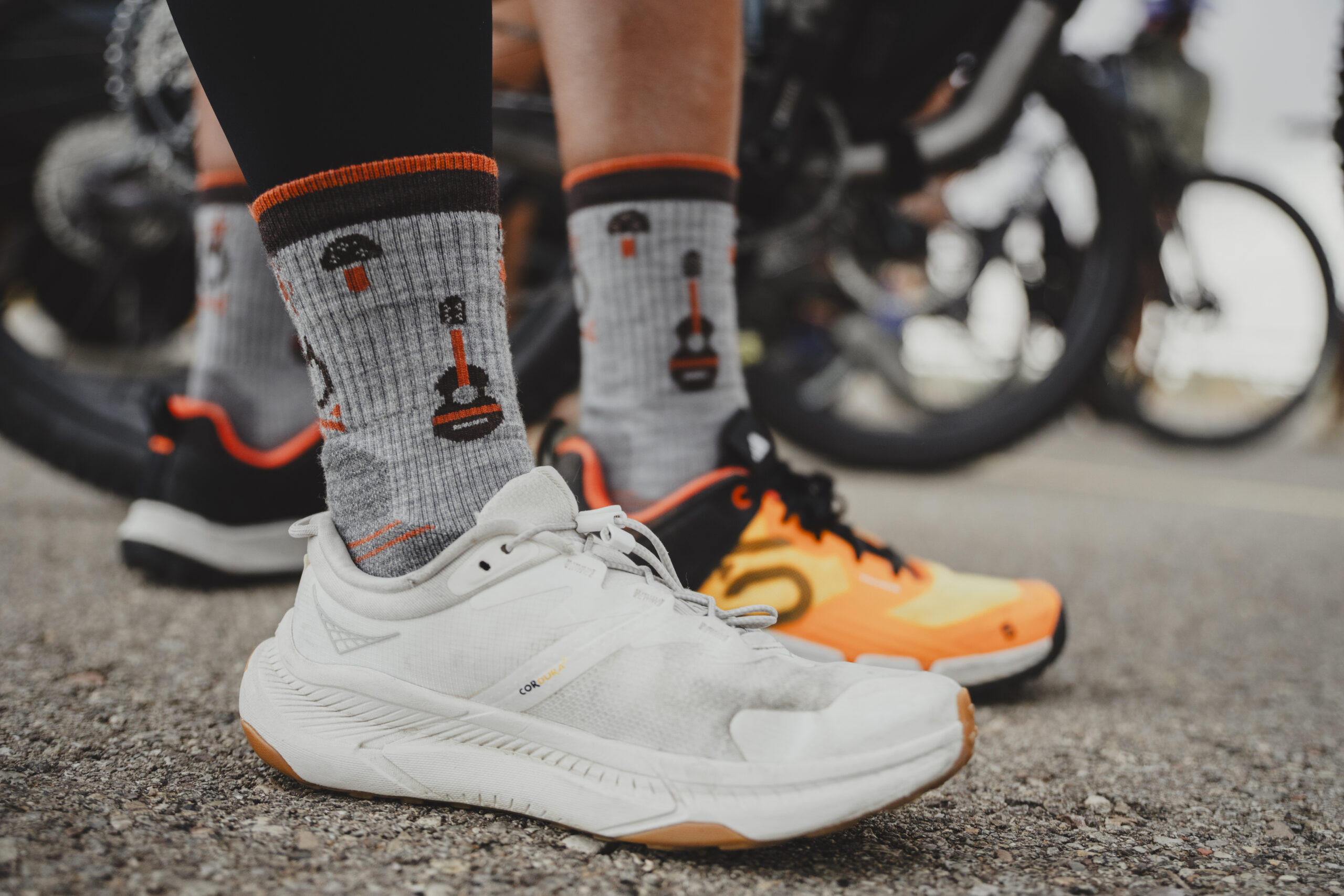
- Footwear: Skip the heavy leather boots. Modern trail runners (like the Topo Ultraventure or Altra Lone Peak) are the gold standard. They’re lighter, breathe better, and dry faster.
- Socks: This is not the place to skimp. Carry three pairs of Darn Tough or Wrightsock (double-layered to prevent friction).
- Apparel: Two moisture-wicking shirts, one pair of zip-off hiking pants, and a high-quality rain shell.
- Sleep System: You don't need a heavy sleeping bag for indoor albergues. A silk or treated cotton liner is usually enough, though a lightweight down quilt is nice for the chilly mountain nights in the spring/fall.
- The "Luxury" Item: A lightweight cork massage ball for your feet. Trust me on this one.
Logistics Hack: If you have back issues or just want to enjoy the walk without the weight, use a luggage transfer service like Jacotrans or Express Bourricot. For about $7–$10 per stage, they will transport your main bag to your next hostel, leaving you to walk with just a daypack.
Budgeting for 30 Days
While Spain remains one of the more affordable European destinations for hikers, costs can add up over a month.
- Low-end ($1,200): Staying exclusively in municipal albergues and cooking your own meals in the communal kitchens.
- Comfortable ($1,500–$2,000): A mix of private and municipal hostels, daily Pilgrim Menus, and the occasional luggage transfer.
- High-end ($3,500+): Staying in private pensions or Paradores (luxury historic hotels) and eating at fine-dining establishments.
Join the Camino Community Forum →
FAQ
Do I need to speak Spanish to hike the Camino? Not necessarily, but it helps! Along the French Way trail logistics are easy because most shopkeepers and albergue hosts speak "Pilgrim English." However, learning basic phrases like "¿Hay una cama?" (Is there a bed?) or "Un café con leche, por favor" will go a long way in building rapport with locals.
Can I hike the Camino Francés solo? Absolutely. In fact, many people prefer it. You are never truly "alone" on the French Way unless you want to be. The trail is incredibly safe, and you’ll naturally fall in with a group within the first few days.
How do I avoid blisters? The million-dollar question. Wear broken-in shoes, use Merino wool socks, and at the first sign of a "hot spot," stop and apply Compeed or Leukotape. Keeping your feet dry is the key.
The Camino isn't a race; it's a rhythm. Whether you're walking for religious reasons, physical fitness, or just to find a bit of clarity, the French Way has a way of giving you exactly what you need—even if it’s not what you thought you were looking for.
Buen Camino!