Quick Facts
- What is Women-Led Wednesday? It’s an annual shopping holiday held the Wednesday before Thanksgiving (November 25, 2026) dedicated to supporting brands founded and led by women.
- Economic Impact: By choosing these brands, consumers help bridge the "82 cents on the dollar" wage gap while fueling a 20% surge in female-driven cottage industry innovation seen since 2024.
- Why it Matters for Gear: Women-led companies are moving beyond "shrink it and pink it," designing gear specifically for female anatomy—think S-curve backpack straps and inclusive sizing (8–24).
- Key Brands to Watch: Alpacka Raft, Kula Cloth, Wild Rye, and Swift Industries are leading the charge in 2026.
I’ve spent the better part of the last decade living out of a backpack, testing gear in the rain-soaked Cascades and the sun-scorched High Sierra. If there’s one thing I’ve learned as an editor, it’s that the best gear doesn't just come from the biggest marketing budgets—it comes from the people who were tired of gear that didn't fit their bodies or their lives.
As we approach Women-Led Wednesday 2026, we’re looking at a landscape that has shifted significantly. We aren't just seeing more brands; we’re seeing a 20% growth in cottage-industry outdoor startups founded by women compared to just two years ago. This isn't just a trend; it's a structural overhaul of an industry that was male-dominated for far too long. When we buy from these companies, we aren’t just getting a better pair of bibs or a more comfortable pack; we’re directly addressing the economic reality where women in the outdoor space still fight against a wage gap where they earn 82 cents for every dollar a man makes. Supporting these founders is a way to reclaim the narrative and build a more equitable backcountry.
The Women-Led Gear Directory: At a Glance
| Brand | Lead Product | Founder / Leader |
|---|---|---|
| Alpacka Raft | Performance Packrafts | Sheri Tingey |
| Wild Rye | Technical MTB Apparel | Cassie Abel |
| Kula Cloth | Antimicrobial Pee Cloth | Anastasia Allison |
| Swift Industries | Adventure Cycling Bags | Martina Brimmer |
| Symbiosis Gear | Ergonomic Backpacks | Sarah Berkeley |
| Good-To-Go | Gourmet Dehydrated Meals | Jennifer Scism |
| ToughCutie | High-Performance Socks | Brittany Coleman |
| Dovetail Workwear | Heavy-Duty Field Pants | Kate Day & Kyle Marie Begley |
| Oboz Footwear | Trail-Ready Hiking Boots | Amy Beck (President) |
| TOAKS Outdoor | Titanium Cookware | Julie Shang |
Technical Apparel & Performance Wear
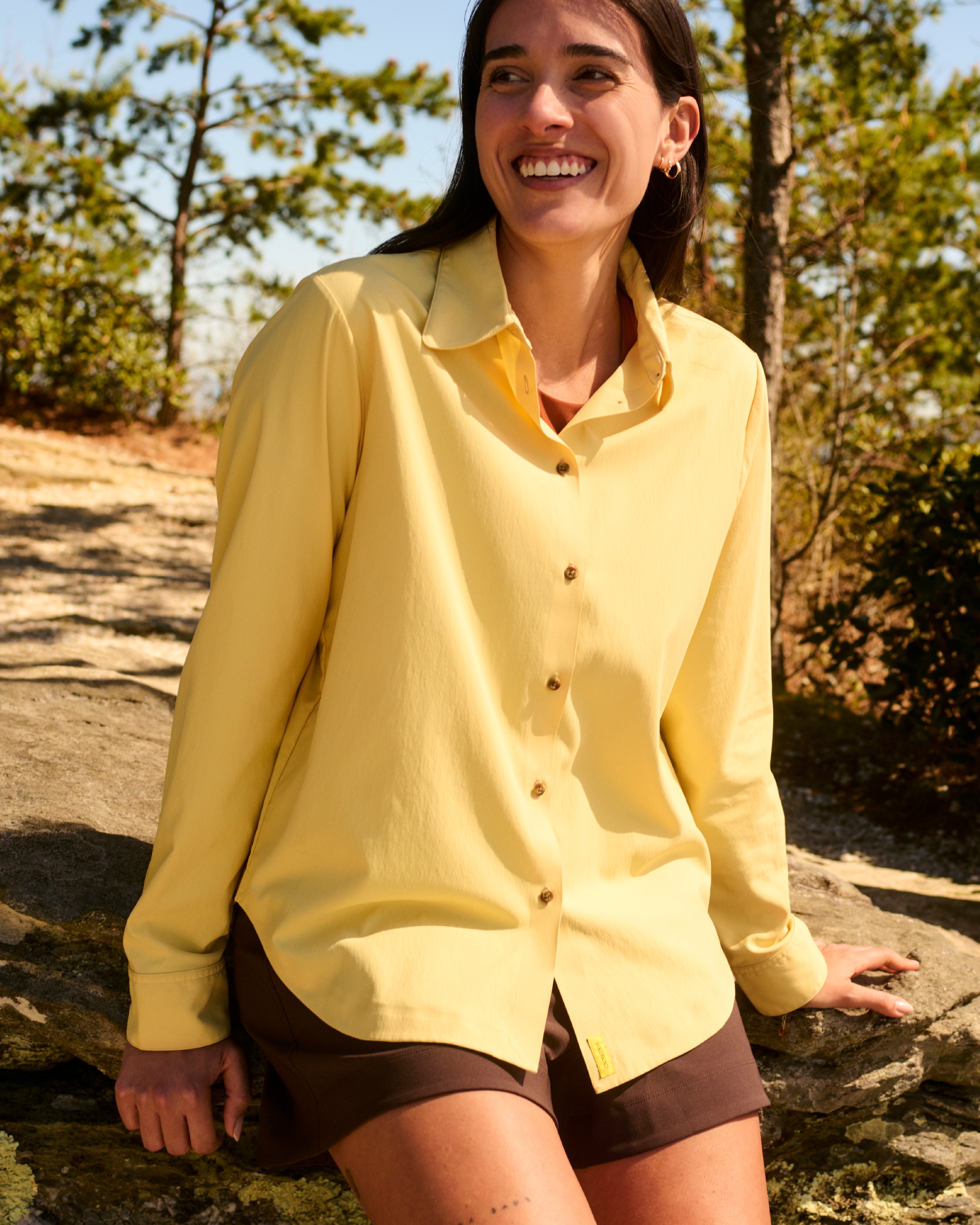
For decades, women’s outdoor clothing was an afterthought—literally just smaller versions of men's patterns. Today, founders like Cassie Abel of Wild Rye are obliterating that standard. Wild Rye has become a powerhouse in the mountain biking world not just because their patterns are beautiful, but because they offer inclusive sizing from 8 to 24, ensuring every woman on the trail has access to high-performance protection.
Similarly, Dovetail Workwear was born out of a literal "pain point." The founders were tired of wearing men’s work pants that were baggy in all the wrong places and lacked the durability needed for field work. They’ve redesigned heavy-duty gear to fit diverse body types, proving that "tough" isn't a gendered trait. We’re also seeing brands like Shredly lead the way in sustainability, utilizing 93% recycled materials for their patterned bike shorts, and Youer, a Montana-based brand that creates "colorful and weird" technical layers that stand out in a sea of corporate grey.
If you're looking for high-performance base layers with a bit of heritage, Kari Traa remains a gold standard. Founded by an Olympic skier, the brand blends technical merino wool with knits inspired by Norwegian traditions. It’s gear that’s built for the podium but lives for the weekend warrior.
Packs, Bags, and Hard Goods
Innovation in "hard goods" is where we see the most technical grit. Take Sheri Tingey of Alpacka Raft. She started building rafts in her basement because the existing options weren't durable enough for the Alaskan wilderness. Today, Alpacka is the global leader in packrafting, a sport she essentially helped invent. This is the definition of badassery—creating an entire category because you saw a gap that others missed.
In the cycling world, Swift Industries has redefined bike-packing gear. Led by Martina Brimmer, Swift’s bags are designed with a deep understanding of the "living-off-your-bike" lifestyle. Their leadership in the industry goes beyond the product; they’ve created a community around bicycle adventure that is intentionally inclusive and incredibly technical.
Pro-Tip: The Science of S-Curve Straps Traditional straight backpack straps often chafe or compress breast tissue, leading to shoulder pain and numbness. Women-led brands like Symbiosis Gear utilize "S-curve" designs and adjustable sternum supports that wrap around the chest rather than cutting across it, significantly improving weight distribution for female anatomy.
For the ultralight crowd, look at TOAKS Outdoor, led by Julie Shang, an engineering Ph.D. Her titanium stoves and pots are some of the lightest and most durable on the market. If you’re a thru-hiker looking for no-frills, high-quality accessories, Hartford Gear Co is another woman-owned cottage brand that’s making waves in 2026 with custom-built UL pouches and bags.
Trail Hygiene, Health & Safety
Hygiene on the trail used to be a taboo subject, but Kula Cloth changed that. Founder Anastasia Allison took a "gross" problem—dealing with toilet paper in the backcountry—and turned it into a Leave No Trace revolution. The Kula Cloth is a silver-infused, antimicrobial pee cloth that has become a staple for anyone who values hygiene and environmental stewardship. It’s a perfect example of a founder identifying a personal pain point and scaling a solution that benefits everyone.
Beyond hygiene, safety and skin health are being pioneered by brands like Badger. This family-owned company produces some of the cleanest, reef-safe sunscreens and balms on the planet. For the more intense side of safety, Nicole Snell of Girls Fight Back provides empowerment and safety education, reminding us that being "prepared" in the outdoors means having both the right gear and the right mindset.
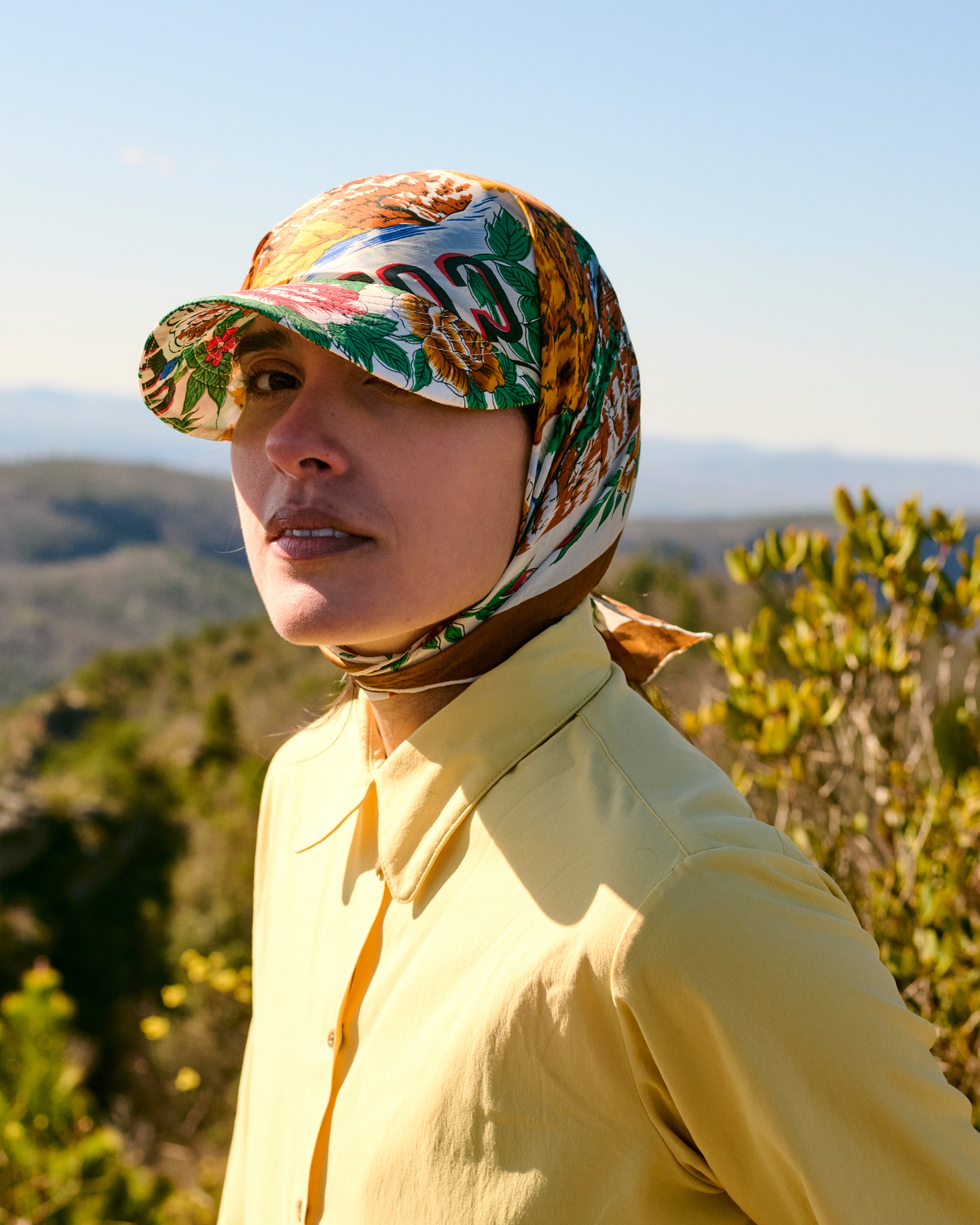
When it comes to what we wear closest to our skin, Paradis Sport and Têra Kaia are redefining basewear. Paradis Sport designs underwear that is fit-tested by elite athletes to ensure it doesn't move, chafe, or hold moisture, while Têra Kaia’s "basewear" is designed for climbers and swimmers who need a garment that functions as both a bra and a swimsuit top without compromising support.
Nutrition & Backcountry Fuel
Gone are the days when "backcountry food" meant salty, mushy bricks of sodium. Good-To-Go, founded by Iron Chef winner Jennifer Scism, has brought gourmet standards to dehydrated meals. Their Smoked Three Bean Chili and Thai Curry are legit meals I’d eat at home, let alone at 10,000 feet.
We’re also seeing a rise in specialized nutrition. Backcountry Foodie, led by a registered dietitian, offers ultralight recipes and meal plans tailored specifically for the caloric needs of long-distance hikers. Meanwhile, brands like Itacate Foods are bringing cultural roots to the mountains with authentic Latin American flavors, and Farm to Summit is tackling food waste by using "ugly" produce to create flavor-packed adventure meals.
Footwear & Accessories
In the footwear world, Oboz Footwear (under the leadership of President Amy Beck) continues to push for trail-ready shoes that prioritize immediate comfort. They are also heavy supporters of the "Over 50 Outside" program, encouraging age diversity in the outdoor community.
For the often-overlooked category of socks, ToughCutie is a standout. Founded by Brittany Coleman, these socks are designed by women, for women, and manufactured in a woman-owned factory in the USA. They’ve addressed common fit issues like heel slippage and arch support, proving that even a sock can be a technical masterpiece.
Finally, for those who navigate the urban outdoors, Gloria Hwang of Thousand Helmets has created safety gear that people actually want to wear. Her helmets combine vintage aesthetics with modern safety standards, making bike commuting accessible and stylish.
How to Support Beyond Buying
While shopping on Women-Led Wednesday 2026 is a massive help, supporting these entrepreneurs is a year-round mission. Here are three ways to keep the momentum going:
- Follow the Directories: Check out the official Women-Led Wednesday website to discover new brands across all industries, not just the outdoors.
- Join the Community: Groups like AdventurUs Women organize trips and workshops that prioritize female-led instruction and gear testing.
- Share the Story: Next time someone asks where you got that killer packraft or those perfectly fitting bike shorts, tell them about the founder. Word of mouth is the lifeblood of cottage industry brands.
FAQ
Q: Is Women-Led Wednesday only for women’s products? A: Not at all! While many of these brands specialize in gear for women, many (like Alpacka Raft, TOAKS, and Good-To-Go) produce top-tier gear used by adventurers of all genders. Supporting the founder is the goal.
Q: Why is there a specific day for this? A: It’s about visibility. By centering this on the Wednesday before Thanksgiving, it creates a "conscious consumer" alternative to the frenzy of Black Friday, encouraging people to spend their holiday budgets with intention.
Q: Are these brands more expensive than "big box" outdoor brands? A: Not necessarily. While some cottage industry gear carries a premium due to small-batch manufacturing and fair wages, the durability and specialized fit often mean you’re buying a piece of gear that will last significantly longer, providing better value over time.
Join the Movement This Women-Led Wednesday, don't just buy gear—invest in the future of the outdoors. Every dollar spent with a female founder is a vote for an industry that is more innovative, more inclusive, and more sustainable. Let’s get out there and support the women who are building the gear we love.