Next-to-skin pieces are the unsung heroes of winter. We spend thousands on technical shells and carbon-fiber skis, but if your base layer fails to manage moisture or trap heat, your day in the backcountry is over before the first descent. After logging 628 total field-testing hours over 190 days between 2023 and 2025, our team at the adventure desk has pushed 14 different collections to their absolute limits. We’ve sweat through skin tracks in British Columbia and shivered on sub-zero belays in the Alps, all to find the gear that actually keeps its promises.
For the winter of 2026, the Smartwool Classic Thermal Merino Crew and Bottom remain the gold standard. Their 100% merino construction offers a masterclass in temperature regulation and natural odor resistance. If you’re looking for the best inclusive sizing without sacrificing performance, the REI Co-op Lightweight Base Layer series is our top pick for plus-size explorers, offering high-performance synthetic blends for under $40.
Whether you're training for a winter ultra or just trying to survive a freezing commute, choosing between merino wool and synthetic fabrics is your first hurdle. Merino wool is the undisputed champion for temperature regulation and odor control during low-to-medium intensity activities. However, for high-output exercises like winter running or competitive skinning, synthetic fabrics are often superior because they are more durable, faster-drying, and generally more affordable.
Quick Comparison: Top Picks at a Glance
| Product | Material | Weight (GSM) | Best Use Case | Price |
|---|---|---|---|---|
| Smartwool Classic Thermal | 100% Merino Wool | 250 | All-around Alpine/Skiing | $115 |
| REI Co-op Midweight | 92% Poly, 8% Spandex | 200 | Budget-friendly Hiking | $55 |
| Smartwool Intraknit | 53% Merino Blend | 200 | High-Output Touring | $130 |
| Le Bent Grid Fleece | Merino/Bamboo Blend | 260 | Extreme Cold/Backcountry | $140 |
| Kari Traa Rose Half-Zip | 100% Merino Wool | 240 | Après-Ski / Base Camp | $110 |
| REI Co-op Lightweight | 100% Polyester | 125 | Plus-Size / Spring Skiing | $30 |
Best Overall Women’s Base Layer: Smartwool Classic Thermal Merino Crew & Bottom
If I could only own one set of thermals for the rest of my life, this would be it. The Smartwool Classic Thermal (formerly known as the Merino 250) has been a staple in my gear closet for years, and the 2026 iteration continues to lead the pack. It utilizes a 100% Merino wool fabric with a 250 g/m² (grams per square meter) weight, which hits the "Goldilocks" zone—heavy enough to provide substantial warmth but breathable enough that you won't overheat the second the sun hits the slope.
What sets the Classic Thermal apart is the refined fit. Smartwool uses shoulder panels that eliminate top-of-shoulder seams, which is a godsend when you’re hauling a 40-pound pack. The flatlock seam construction ensures that even after ten miles of movement, there’s zero chafing.
Expert Tip: To extend the life of these 100% wool pieces, avoid the dryer at all costs. Air-drying prevents the fibers from becoming brittle and developing those dreaded "mystery holes."
Pros:
- Incredible warmth-to-weight ratio.
- Natural odor resistance (we wore these for five days straight in the Andes without a wash).
- Updated fit with inclusive sizing options.
Cons:
- Pure wool is less durable than synthetic blends; high-friction areas can wear thin over time.
- Premium pricing reflects the high-quality wool.
Best Budget Pick: REI Co-op Midweight Long-Sleeve
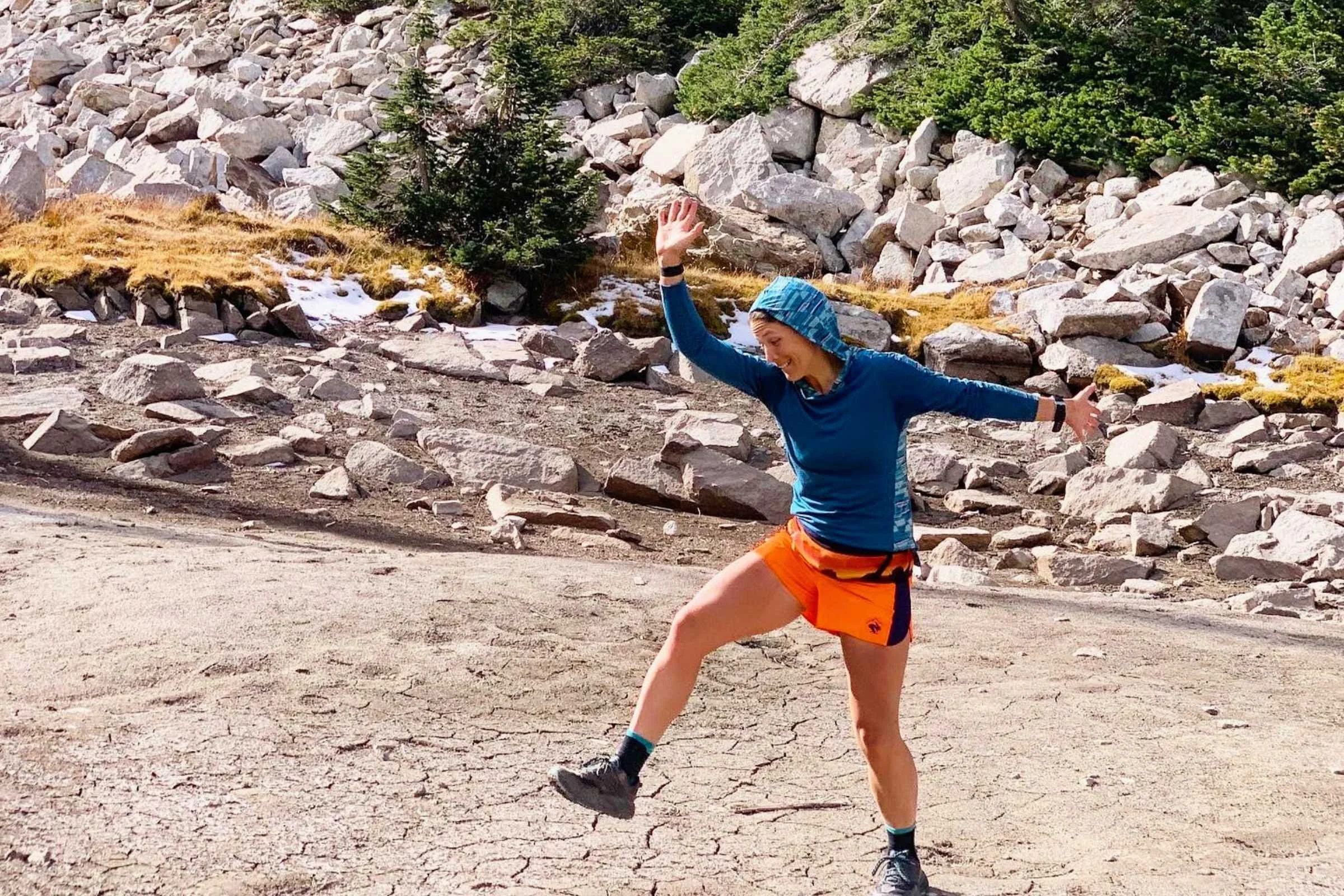
You don't need to drop $200 on a matching set to stay warm. The REI Co-op Midweight series is proof of that. Made from a blend of 92% recycled polyester and 8% spandex, these layers offer a four-way stretch that rivals high-end boutique brands. During our testing in the Colorado Rockies, we found that while these don't have the natural "hearth-like" warmth of wool, they excel at moving sweat away from the body during steep ascents.
Where the REI Midweight truly excels is durability. You can throw these in a heavy-duty wash cycle, snag them on a stray branch, and they’ll still look brand new. However, be warned: synthetic fabrics hold onto bacteria more than wool. After a single day of heavy sweating, you’ll definitely want to put these in the laundry.
Pros:
- Highly affordable (often on sale for under $40).
- Bluesign® approved materials and Fair Trade Certified™ sewing.
- Excellent moisture-wicking properties.
Cons:
- Retains body odor significantly faster than merino wool.
- Less "thermal" feeling during stationary periods.
Best for High-Output Activity: Smartwool Intraknit Thermal Merino Crew
When you’re moving fast—think winter trail running or fast-and-light ski mountaineering—standard base layers can become soggy with sweat. The Intraknit Thermal is a technical marvel that uses 3D-mapping to knit in ventilation zones where you need to dump heat (like underarms and the center of the back) and insulation zones where you need to keep it (the core).
Our testers noted that the 53% Merino, 45% polyester, and 2% elastane blend feels like a "second skin." The articulated joints allow for a total range of motion without the fabric bunching up behind the knees or in the elbows. It’s a specialized piece of gear for athletes who prioritize performance over casual comfort.
Best Heavyweight for Extreme Cold: Le Bent Grid Fleece
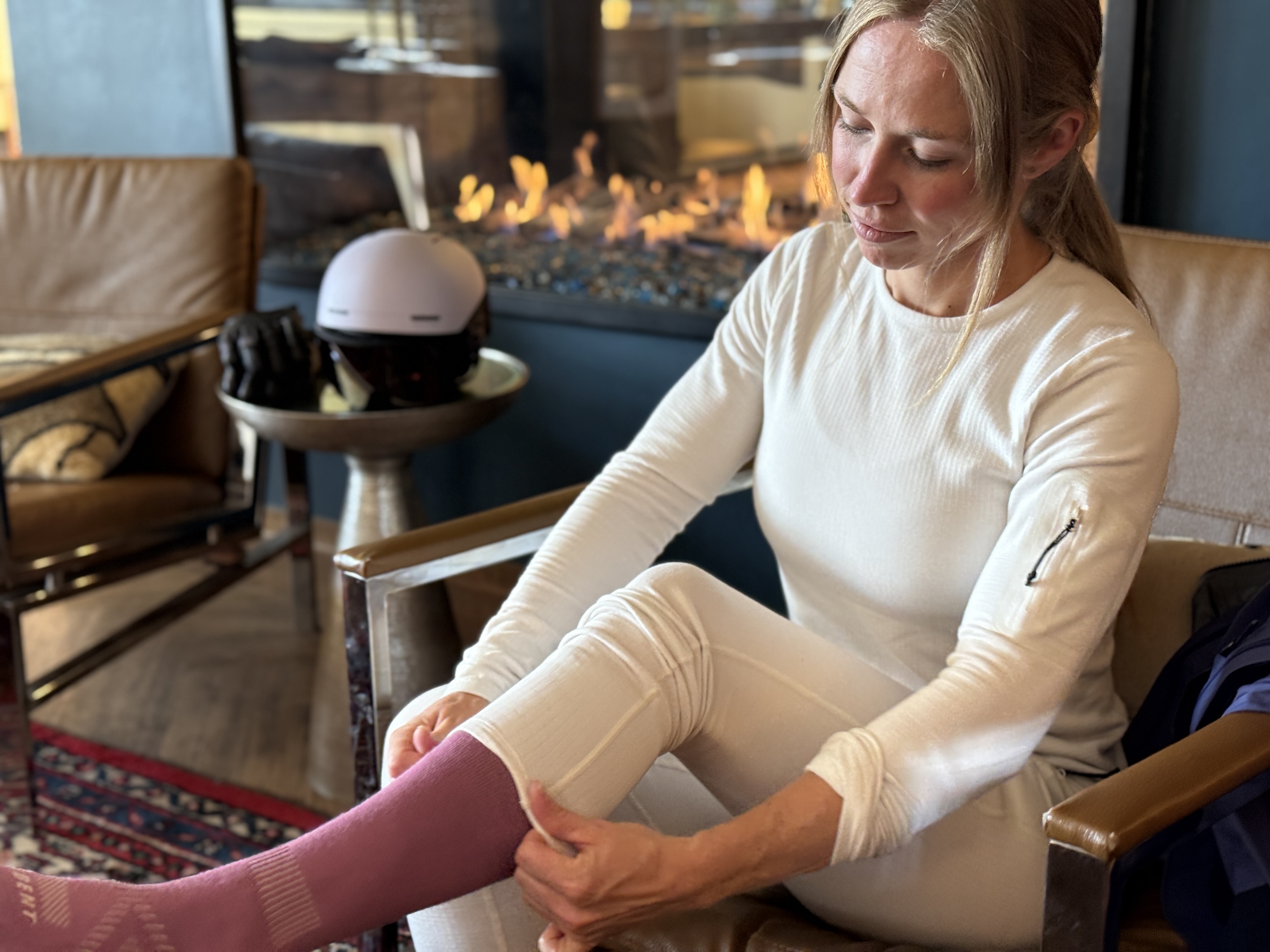
For those days when the thermometer dips below zero and the wind is howling, you need a heavyweight hitter. The Le Bent Grid Fleece utilizes a unique "Signature Blend" of Merino wool and Bamboo rayon, configured in a grid pattern. This grid traps pockets of warm air against your skin while allowing moisture vapor to escape through the channels.
This layer feels significantly softer than traditional wool, making it an excellent choice for those with sensitive skin. It’s a bit bulkier than the Smartwool Classic, but when the temps hit -15°F during our testing in the Alps, this was the layer everyone was fighting over.
Pros:
- Superior warmth for sub-zero conditions.
- Bamboo blend is incredibly soft and hypoallergenic.
- Hoodie and thumb-loop options provide extra coverage.
Cons:
- Can be too warm for high-intensity activity above 20°F.
- Heavier and takes up more pack space.
Best Plus-Size Base Layers: REI Co-op Lightweight Series
Inclusivity in the outdoors isn't just a buzzword; it’s a necessity. For too long, high-performance base layers stopped at size XL. REI has changed the game with their Lightweight series, which is available in sizes XS through 3X. These aren't just "upsized" versions of standard gear; they are specifically patterned to ensure the seams don't dig in and the length is sufficient to stay tucked into ski pants.
The lightweight polyester fabric (125 GSM) is perfect for layering. Because it's thinner, it doesn't add unnecessary bulk under a mid-layer or shell, making it the most versatile choice for active plus-size outdoor enthusiasts.
Pros:
- Genuinely inclusive sizing with consistent performance.
- Lightweight and highly packable.
- Fair Trade Certified™.
Cons:
- Not warm enough for stationary use in extreme cold.
- Synthetic fabric lacks the premium feel of wool.
Our Testing Methodology & Expert Team
We don't just "try on" gear; we live in it. To determine the best of 2026, we assembled a team of veteran testers, including mountain guides and endurance athletes like Morgan Tilton and Raquel Vélez. Over two winters, our team subjected these 14 collections to 190 days of continuous use.
We evaluated each piece based on four critical metrics:
- Thermal Efficiency: How well does the fabric trap heat relative to its weight?
- Moisture Management: How quickly does the fabric move sweat from the skin to the outer surface?
- Durability: Did the seams hold up? Did the fabric pill after ten washes?
- The "Stink Factor": We intentionally wore several layers for three consecutive days of activity without washing to test odor-resistance claims.
Testing Statistic: Our team logged performance data in 6 different countries and at temperatures as low as -15°F to ensure these recommendations hold up in true backcountry environments.
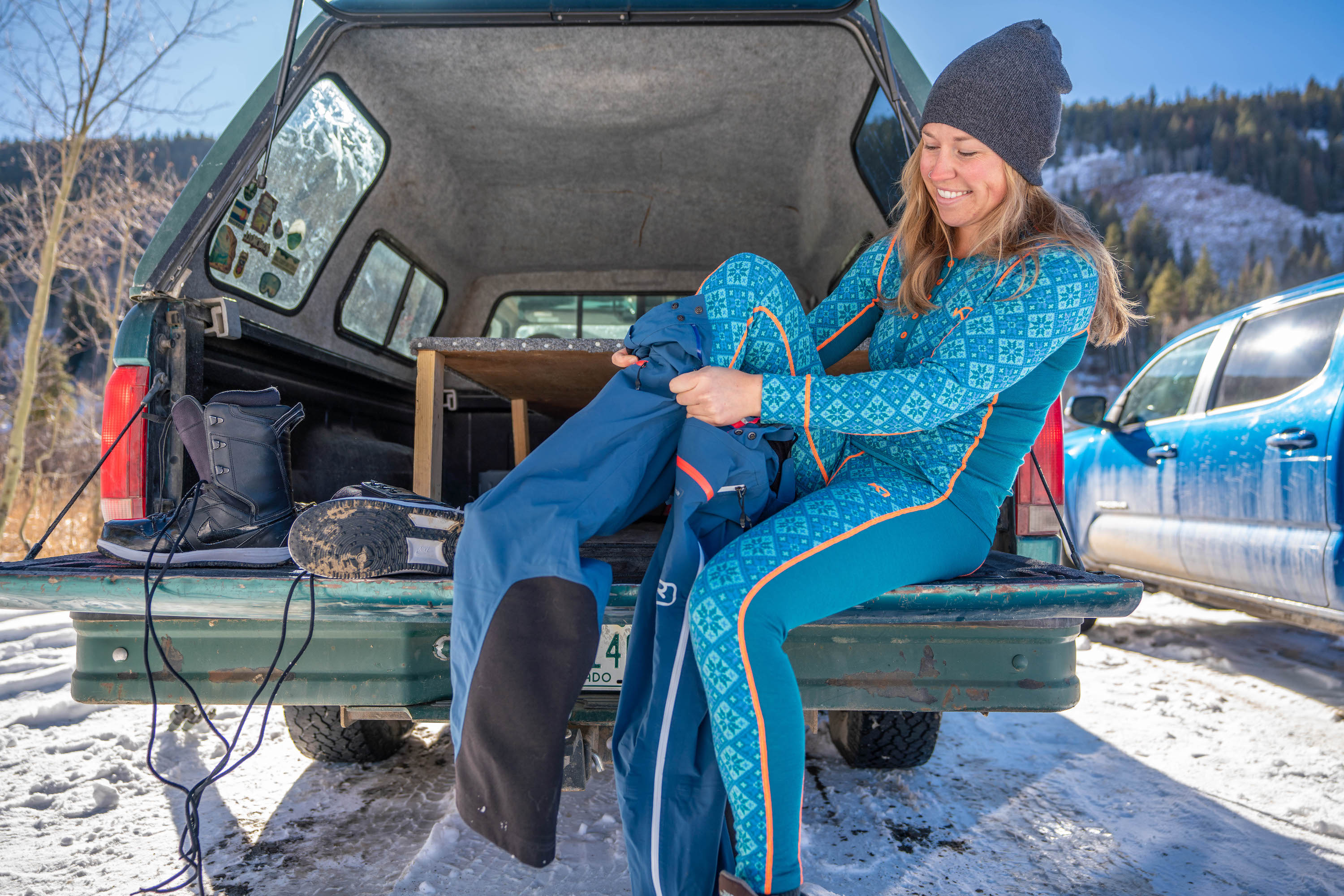
Buyer’s Guide: How to Choose Your Winter 2026 Layers
Choosing the right base layer requires understanding the environment you'll be in and how much heat your body naturally produces.
Merino Wool vs. Synthetic: The Great Debate
If you are doing low-to-medium intensity activities—like downhill skiing, ice fishing, or winter camping—Merino wool is the superior choice. Its ability to stay warm even when damp is a literal lifesaver. However, if you are a "heavy sweater" or doing high-output sports like winter running, Synthetic (polyester/nylon) layers dry much faster and won't feel as heavy when saturated.
Understanding GSM: The Key to Warmth
GSM stands for Grams per Square Meter. It’s a measure of fabric density:
- Ultralight (<150 GSM): Best for high-output spring skiing or as a moisture-wicking liner.
- Midweight (180–250 GSM): The most versatile. Ideal for most winter sports and everyday cold weather.
- Heavyweight (>250 GSM): For extreme cold or low-activity levels.
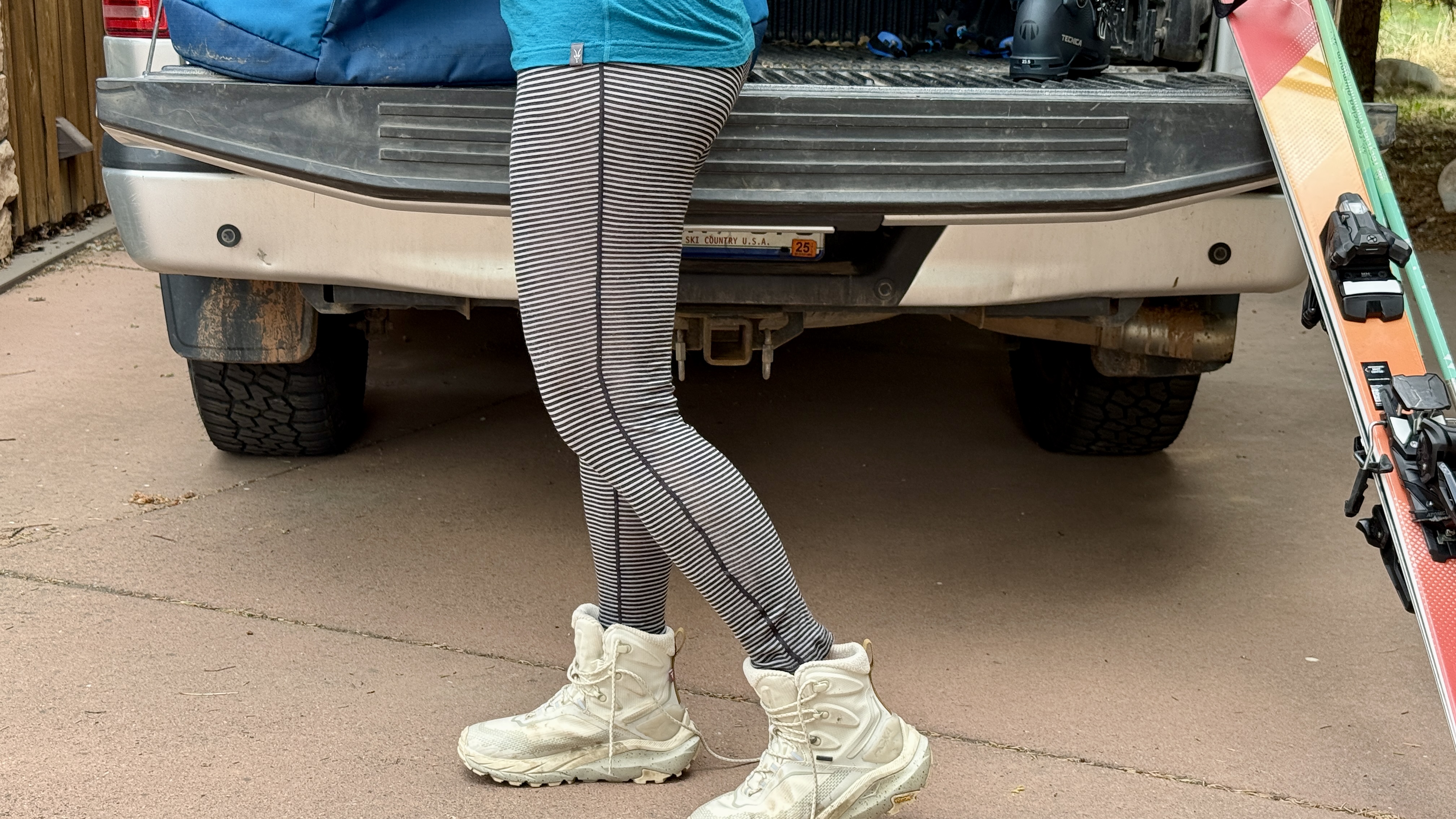
The Three-Layer System: Where Base Layers Fit
Think of your clothing as a machine. The base layer is the foundation. Its job is to wick—to move moisture away from your skin so you don't get a "flash chill" when you stop moving.
- Base Layer (Wick): Next-to-skin. Merino or Synthetic.
- Mid-Layer (Warm): A fleece or down "puffy" that traps the heat your body generates.
- Shell (Protect): A waterproof/breathable jacket that keeps the wind and snow out.
If your base layer fails to wick, your mid-layer becomes a wet sponge, and your shell becomes a refrigerator. Getting the base layer right is the most important decision you'll make before heading out.
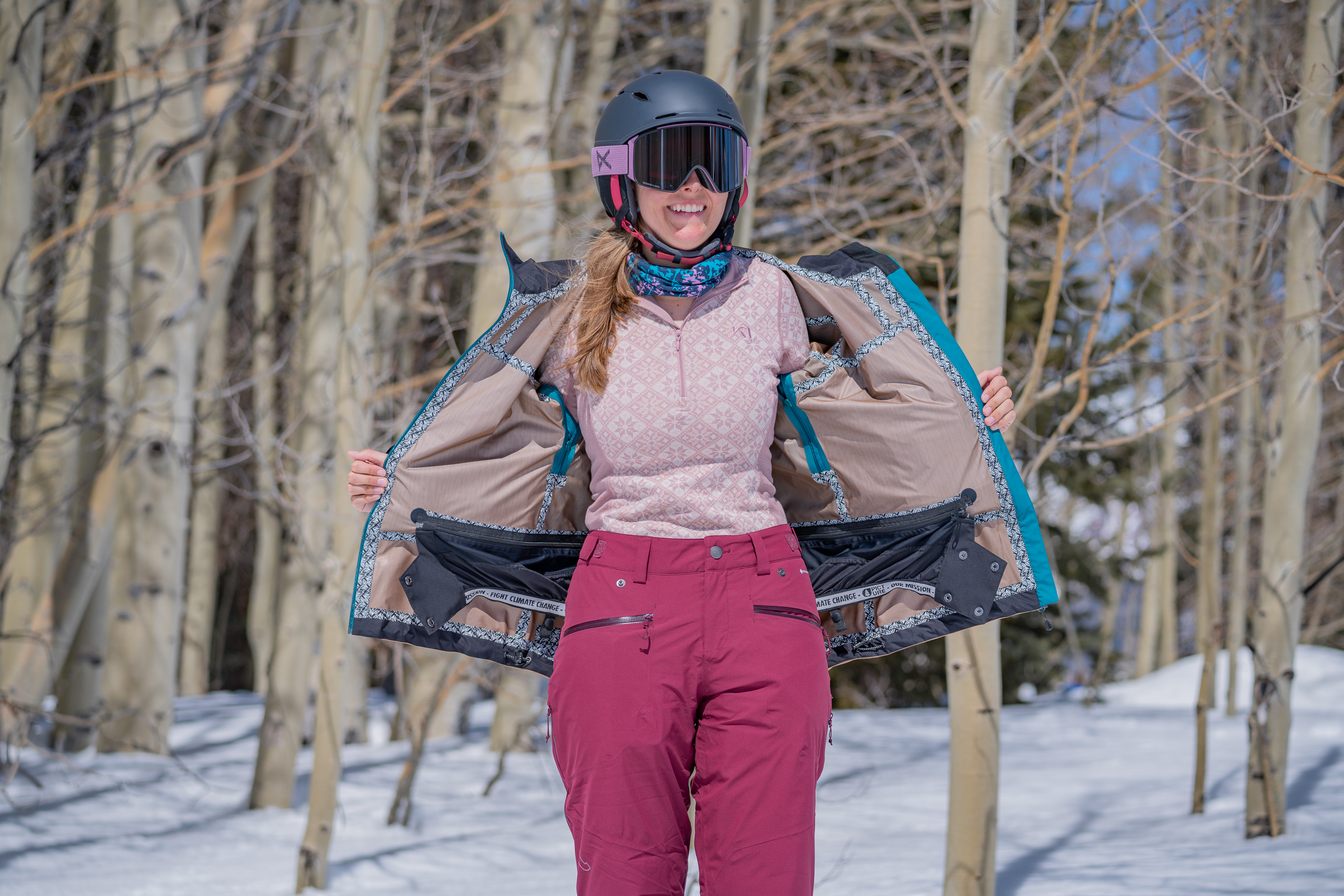
Care and Longevity: Keeping Wool Fresh
High-quality base layers are an investment. To make them last:
- Wash Cold: Use a wool-specific detergent if possible (like Nikwax Wool Wash).
- No Fabric Softener: This coats the fibers and destroys the moisture-wicking properties.
- Lay Flat to Dry: Hanging wet wool can cause the garment to stretch out of shape.
FAQ
Q: Is merino wool itchy? A: Modern merino is a far cry from the scratchy wool sweaters of the past. The fibers are much finer (measured in microns), which allows them to bend when they touch your skin rather than poke it. Most people find 100% merino to be incredibly soft.
Q: Should my base layer be tight or loose? A: It should be "athletic" or snug. If there is too much air between the fabric and your skin, the moisture-wicking process won't work efficiently. However, it shouldn't be so tight that it restricts your movement or cuts off circulation.
Q: How many sets do I really need? A: For a week-long ski trip, you can easily get by with two sets of high-quality merino wool. Wear one for 2–3 days, then switch. For synthetics, you'll likely want a fresh set every day or two.
Conclusion
Winter 2026 is shaping up to be a season of incredible innovation in textile technology. Whether you choose the tried-and-true warmth of the Smartwool Classic Thermal or the technical precision of the Smartwool Intraknit, the right base layer will transform your outdoor experience. Stop settling for cotton tees that leave you shivering and invest in a foundation that works as hard as you do.
Stay warm out there, and I’ll see you on the trails.