Quick Facts
- The Technology: Seirus Heatwave is a dual-stage system combining a silver-reflective layer to trap radiant body heat with a kinetic stage that amplifies warmth through movement.
- Heat Retention: Scientific testing shows these layers can retain up to 20% more body heat than standard synthetic thermals.
- The Chill Factor: Utilizing high-performance moisture-wicking materials in these layers reduces the risk of post-activity chilling by approximately 35%.
- Best Overall for 2026: The Heatwave Performance series remains the gold standard for high-output athletes who need to balance extreme warmth with rapid moisture transport.
Introduction: The New Standard in Thermal Performance
I’ve spent the better part of a decade chasing summits in the Brooks Range and carving through whiteouts in the Tetons. If there is one thing I’ve learned, it’s that the "old-school" way of staying warm—piling on heavy, itchy wool until you look like a marshmallow—is dead. In 2026, the game is all about intelligent heat management. We want the heat of a furnace with the weight of a t-shirt.
When Seirus first dropped their Heatwave technology, I was skeptical. Every brand claims to have "space-age" tech. But after a season of testing these layers in sub-zero Vermont winters and damp Pacific Northwest treks, the data (and my shivering skin) told a different story. These aren't just base layers; they are active heating systems. By utilizing a combination of reflective and kinetic energy, Seirus Heatwave technology can retain up to 20% more body heat than traditional base layers.
However, warmth is only half the battle. If you sweat and that moisture stays against your skin, you’re in trouble the moment you stop moving. Industry data suggests that high-quality moisture-wicking base layers can reduce the risk of post-activity chilling by as much as 35%. This is where Seirus stands out. They’ve cracked the code on keeping you dry while simultaneously reflecting your own energy back at you.
What is Seirus Heatwave Technology?
Before we dive into the specific models, you need to understand the "One-Two Punch" that makes this gear work. Most thermals rely on "loft"—the air trapped between fibers. Seirus takes a more aggressive approach.
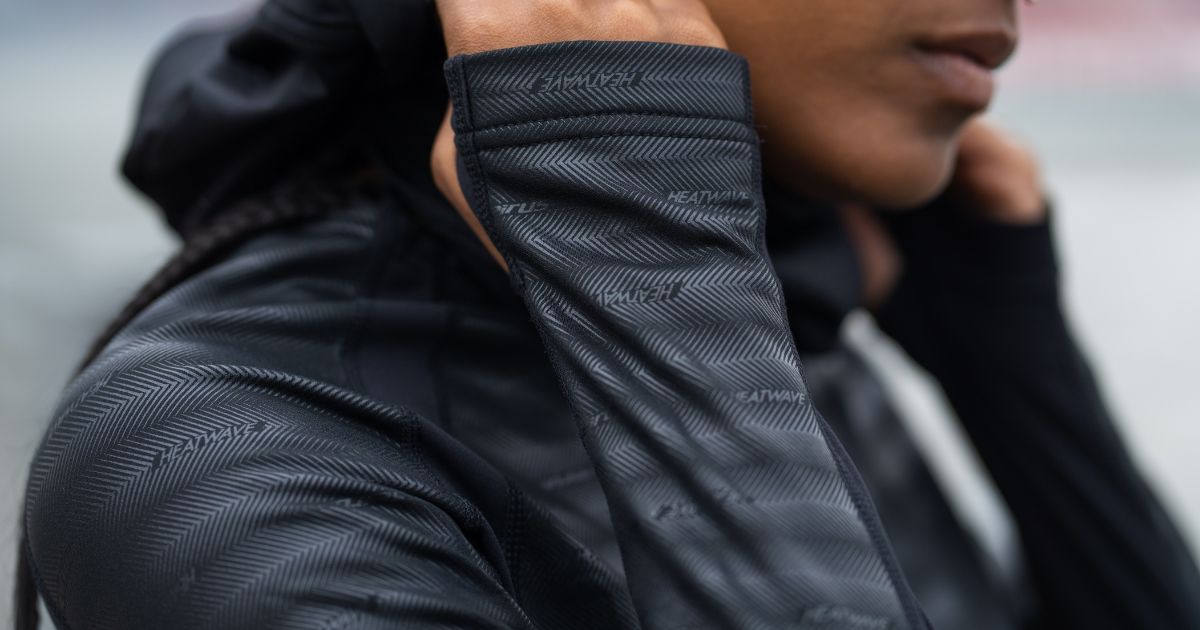
- The Reflective Stage (☀️): The inner surface of the fabric features a silver-shield print. Think of it like those emergency space blankets, but breathable. It reflects your body’s own infrared heat back toward your skin rather than letting it escape into the atmosphere.
- The Kinetic Stage (⚡): This is the secret sauce. The fabric is engineered to react to your movement. As the fibers stretch and contract, they create a small amount of kinetic energy that is converted into supplemental warmth.
This dual-stage system ensures that whether you’re standing still at a frozen bus stop or skinning up a mountain, the fabric is working for you.
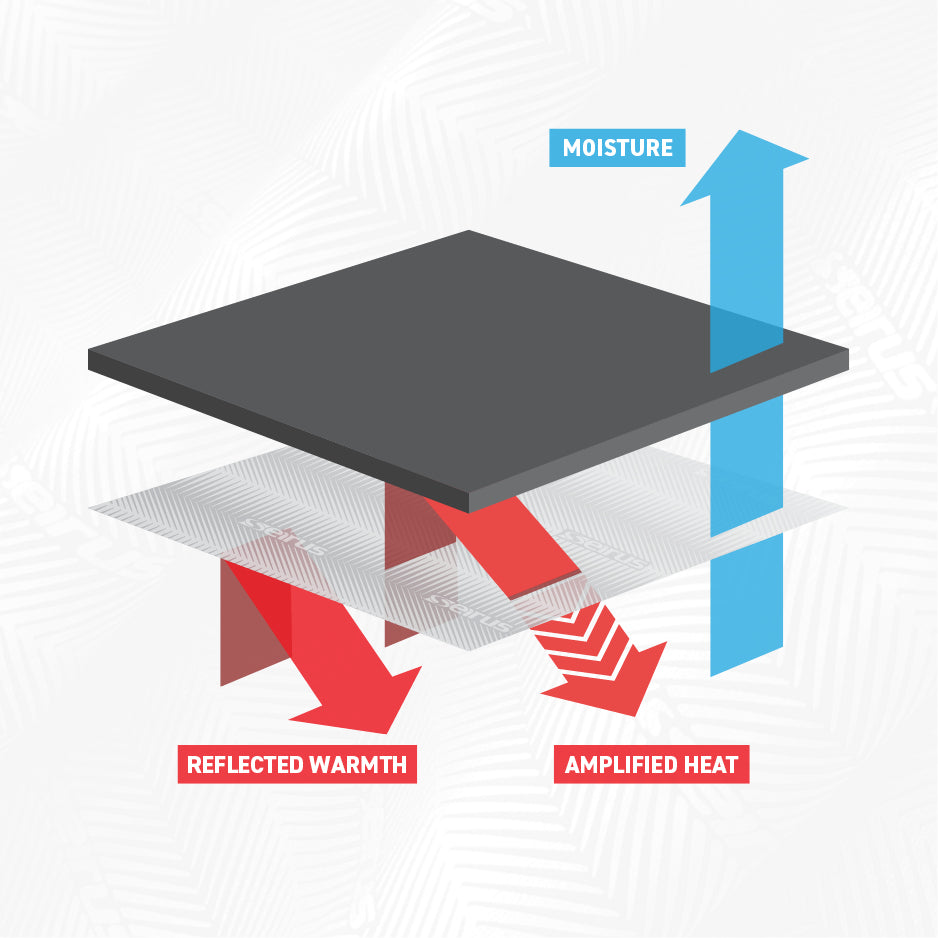
The result is a thermal ceiling that is much higher than standard polyester or merino wool. In my experience, wearing a Heatwave layer feels like having a constant, low-level heating pad against your skin—without the batteries.
| Layer Model | Warmth Rating | Breathability | Best Use Case |
|---|---|---|---|
| All-Season | Moderate | Very High | Daily wear, mild hiking, layering for travel |
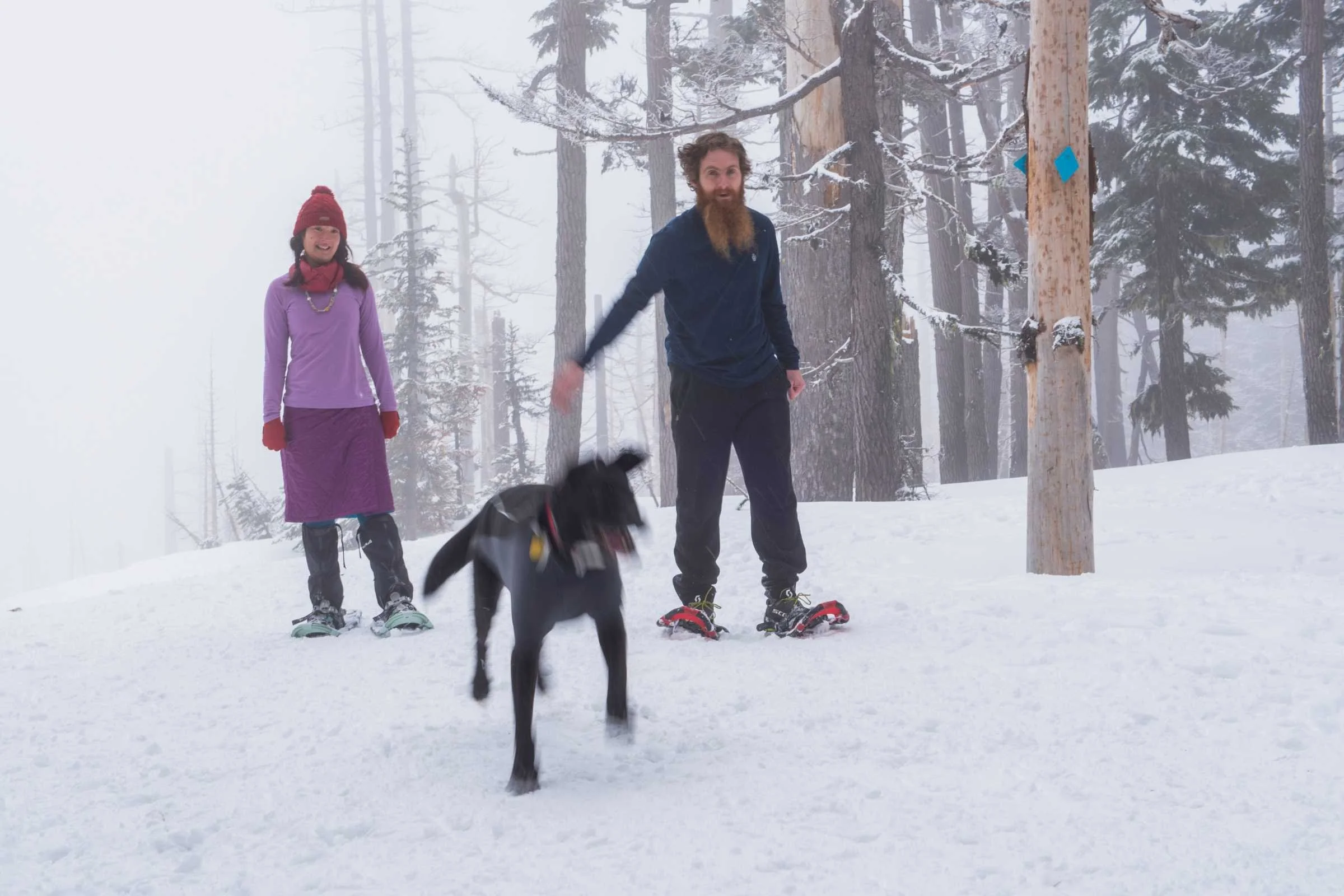
| Reflective | High | High | Snowshoeing, winter trekking, hunting |
| Performance | High (Dynamic) | Maximum | XC Skiing, winter running, backcountry touring |
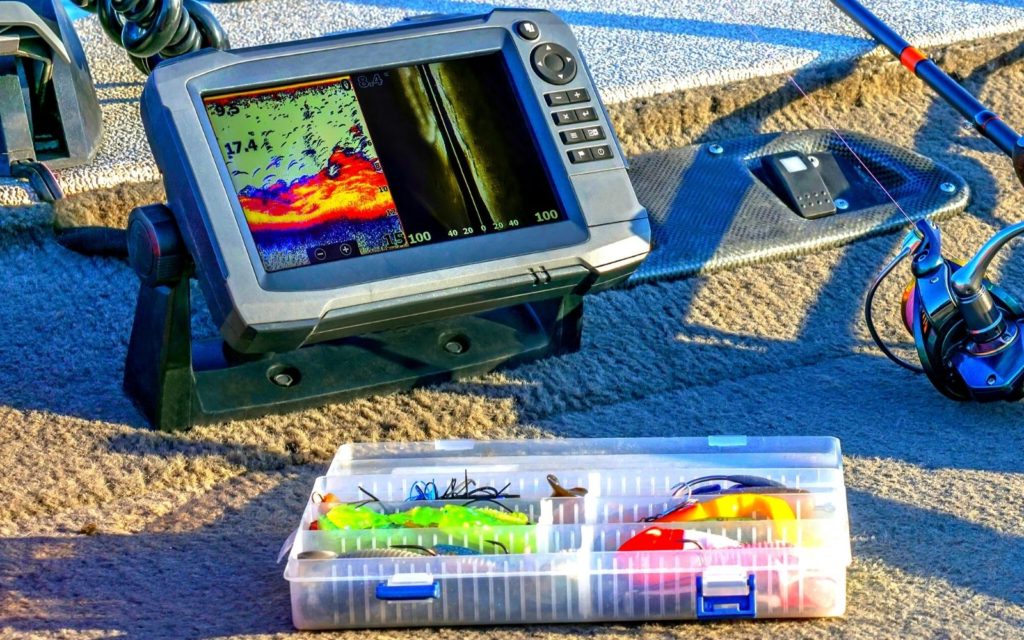
| Winter Weight | Extreme | Moderate | Ice fishing, lift-skiing, sub-zero expeditions |
1. Seirus Heatwave All-Season: The Versatile Daily Driver
Best for: Everyday wear, travel, and mild autumn/spring conditions.
The All-Season set is what I call the "Gateway Thermal." It’s designed for those who want the benefits of Heatwave technology without feeling like they’re wearing a wetsuit. It’s incredibly lightweight and has a low-profile fit that disappears under a flannel shirt or a pair of jeans.
In my testing, the All-Season layer excelled in fluctuating temperatures. If you’re commuting from a cold street into a heated office, this layer breathes well enough that you won’t feel like you’re cooking by noon. The fabric is smooth, making it easy to slide other layers over the top without that annoying bunching at the elbows.
- Pros: Ultra-lightweight, extremely comfortable against the skin, and budget-friendly.
- Cons: Lacks the thermal "punch" needed for sedentary activities in sub-zero temps.
Pro Tip: Use the All-Season tops as a high-performance undershirt during the winter months. It provides a massive warmth boost over cotton without adding any visible bulk.
2. Seirus Heatwave Reflective: The Hiker’s Choice
Best for: Moderately intense activities like winter hiking and snowshoeing.
This is the bread and butter of the lineup. The Reflective series sits right in the middle of the weight spectrum. It’s beefy enough to be worn on its own during a brisk autumn hike, but thin enough to serve as the foundation of a serious alpine kit.
What sets the Reflective model apart is its balance. It utilizes a slightly more dense knit than the All-Season, which enhances the "Reflective" stage of the technology. During a recent snowshoeing trip in the White Mountains, I found that even when the wind picked up, I didn't feel that "cutting" cold that usually penetrates thin thermals. The mesh integration in high-sweat zones (like the underarms) ensures you don't overheat on the ascent.
- Pros: Excellent durability, targeted ventilation, and great "bounce-back" stretch.
- Cons: Might be too warm for high-intensity running above 30°F.
Explore the Reflective Collection →
3. Seirus Heatwave Performance: The High-Output Specialist
Best for: Cross-country skiing, winter running, and backcountry touring.
For those of us who live in the "red zone" of exertion, the Performance series is the undisputed champion. This layer is specifically designed for high-output activities where sweat management is just as important as heat retention.
Which Seirus Heatwave base layer is best for high-intensity sports? Without a doubt, it’s the Performance series. It features a mapped construction that puts the maximum Heatwave technology where you need it (large muscle groups and core) and maximizes wicking capabilities in areas where you sweat the most.
The "Kinetic" stage of the technology shines here. Since you are constantly moving during cross-country skiing or winter running, the fabric is continuously generating that extra thermal energy. But the real magic is the drying time. I’ve finished high-pulse climbs in this gear and found the base layer almost completely dry by the time I reached the summit—a critical factor in preventing that 35% risk of post-activity chill.

- Pros: Fastest wicking in the lineup, ergonomic seams to prevent chafing, and excellent compression-like fit.
- Cons: The tight, athletic fit might feel restrictive to some users.
4. Seirus Heatwave Winter Weight: The Extreme Cold Shield
Best for: Low-intensity activities in sub-zero environments (Ice fishing, lift-served skiing).
When the mercury drops below zero and you aren't planning on moving much, you need the heavy artillery. The Winter Weight series is the thickest, warmest base layer Seirus makes. How does the Heatwave Winter Weight layer differ from All-Season? While the All-Season is a lightweight "skin" for daily use, the Winter Weight is a robust thermal barrier designed for the harshest conditions on the planet.
The Winter Weight uses a brushed fleece interior that feels incredible against the skin and creates massive air pockets for insulation. When combined with the Reflective silver lining, it creates a thermal trap that is nearly impossible for cold air to penetrate. I wear these when I’m standing on a frozen lake for eight hours or sitting on a slow chairlift in a blizzard.
- Pros: Maximum possible heat retention, cozy fleece feel, and extreme wind resistance.
- Cons: Too bulky for high-intensity sports; you will sweat through it if you start running.
How to Build the Ultimate 2026 Winter Layering System
Choosing the right base layer is only the first step. To survive and thrive in the 2026 winter season, you need a cohesive system. Think of your clothing as a machine:
- The Base (The Engine Room): This is your Seirus Heatwave layer. Its job is to manage moisture at the skin level and provide that initial thermal boost.
- The Mid-Layer (The Insulation): Typically a down or synthetic "puffy" jacket. This traps the heat the Heatwave layer is reflecting.
- The Shell (The Shield): A GORE-TEX or similar waterproof/breathable layer that blocks wind and snow.
Expert Advice: Don't forget your extremities. Seirus also offers Heatwave glove liners and socks. Integrating these into your system ensures that your core heat isn't being sucked out through your fingers and toes.
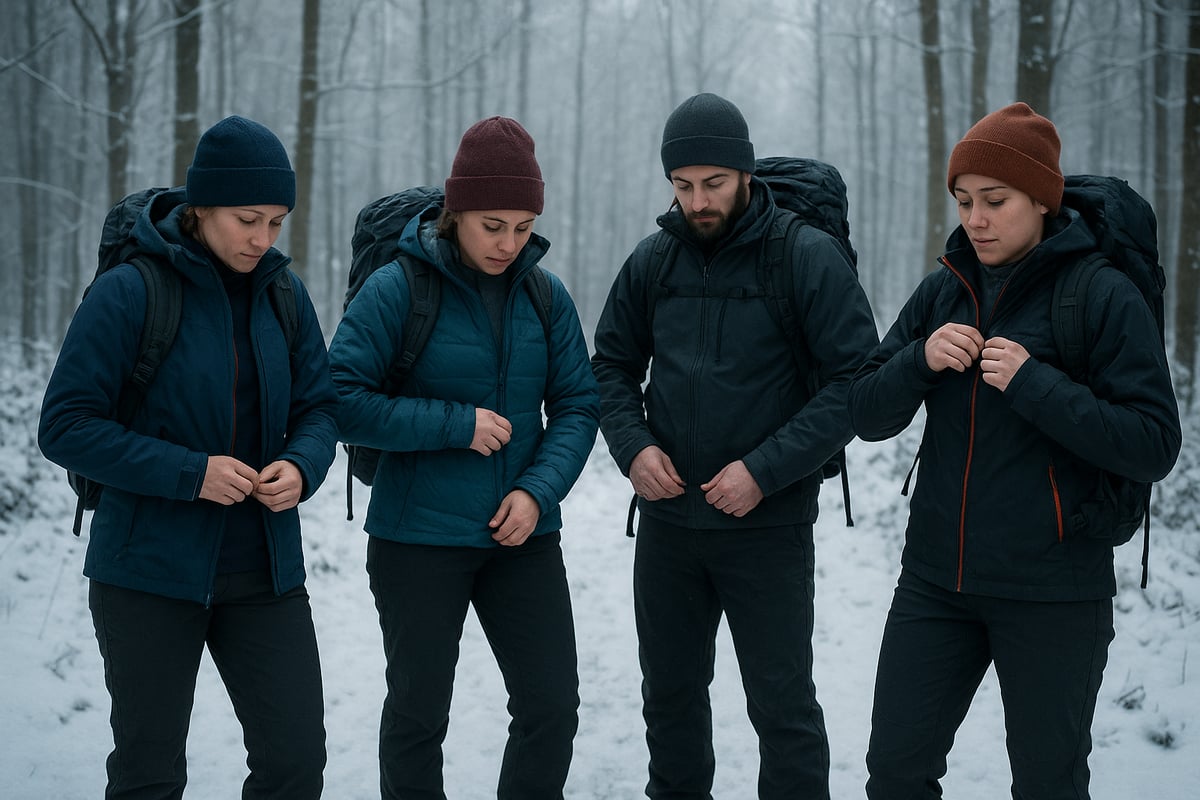
Conclusion: Choosing Your Shield Against the Frost
Winter in 2026 doesn't have to be a season of endurance; it can be a season of exploration. Whether you're a weekend warrior taking the family snowshoeing or a dedicated backcountry skier pushing the limits of human performance, there is a Seirus Heatwave layer tailored for your pulse.
- If you want versatility, go with the All-Season.
- If you want rugged reliability for hiking, go with the Reflective.
- If you are a high-output athlete, the Performance is non-negotiable.
- If you are fighting sub-zero temps, the Winter Weight is your best friend.
Stop settling for "thick" thermals and start using "smart" thermals. The science is there, the stats back it up, and my own frozen-turned-toasted toes can testify: Seirus Heatwave is the real deal.
FAQ
What is Seirus Heatwave technology? Seirus Heatwave is a dual-stage heating system. It uses a reflective layer (the silver lining) to return your own body heat to you, and a kinetic stage that actually converts your physical movement into additional thermal energy.
How do I wash my Seirus Heatwave layers? Treat them like high-performance gear. Wash in cold water on a gentle cycle and avoid fabric softeners, which can clog the moisture-wicking pores. Tumble dry on low or hang dry to preserve the reflective silver print.
Can I wear Heatwave layers as a standalone shirt? The Reflective and Winter Weight models are thick enough and styled well enough to be worn as standalone tops in milder conditions. The All-Season and Performance models are thinner and designed specifically to be worn under other layers.