Our Top Picks
- Best Overall: The Humminbird Apex 13 Mega SI+ is the premier choice for 2024, combining a massive 13-inch high-resolution display with industry-leading side imaging technology.
- Best Value: For those seeking professional features on a budget, the Simrad GO9 XSE offers a professional-grade 9-inch touchscreen and full boat system integration as the best fish finder for the money.
- Best for Small Boats: The Garmin Striker Vivid 7sv wins for its balance of power and portability, featuring a rugged design and dedicated side imaging specifically optimized for kayaks and tight spaces.
Identifying the best fish finder requires looking beyond the spec sheet to real-world performance on the water. In 2024, the Humminbird Apex 13 stands out as the best overall unit, while the Simrad GO9 XSE offers the best fish finder for the money.
Quick Facts
| Model | Screen Size | Top Feature | Price Range |
|---|---|---|---|
| Humminbird Apex 13 | 13-inch | Dual Touchscreen / Mega SI+ | Premium |
| Simrad GO9 XSE | 9-inch | NMEA 2000 / 3-in-1 Sonar | Mid-Range |
| Garmin Striker Vivid 7sv | 7-inch | Vivid Color Palettes / SideVü | Budget-Friendly |
| Garmin ECHOMAP UHD2 | 9-inch | LiveScope LVS34 Compatibility | High-End |
| Humminbird Ice Helix 9 | 9-inch | 360-degree Imaging for Ice | Mid-to-High |
| Garmin Striker Cast | N/A (App) | Castable Sonar for Shore | Entry-Level |
| Lowrance HDS PRO | 10-inch | Multi-Display Networking | Premium |
I’ve spent the better part of two decades chasing everything from backcountry brook trout in the High Sierras to trophy redfish in the Louisiana marshes. If there is one thing I’ve learned, it is that your gear is only as good as your ability to use it when the weather turns south and the pressure is on. This year, I took the latest crop of sonar units out into the field to see which ones actually deliver on their marketing promises. We aren't just looking at screen resolution; we are looking at how these units handle wet fingers, glare from the midday sun, and the rough vibrations of a skiff at full throttle.
1. Best Overall: Humminbird Apex 13 Mega SI+
When you are serious about tournament fishing or just want the clearest picture of what is happening under your hull, the Humminbird Apex 13 Mega SI+ is the king of the mountain. The Humminbird Apex 13 Mega SI+ is rated as the best overall fish finder for 2024 and features a 13-inch dual touchscreen interface. This unit allows anglers to view real-time fish movement and structure with incredible clarity.
In my testing, the hybrid control system was the standout feature. When you are out on the water and your hands are covered in fish slime or it is thirty degrees and raining, touchscreens can be a nightmare. The Apex 13 includes physical toggle controls that let you navigate menus without needing a dry towel every five minutes. The integration with the One-Boat Network is also a game-changer, allowing the unit to talk directly to a Minn Kota i-Pilot Link trolling motor.
Specs:
- Screen: 13.3" Full HD Dual Touchscreen
- Frequency: CHIRP, 455/800 kHz, 1.2 MHz
- Transducer: XM 9 HW MSI T
- Mapping: Humminbird Basemap / LakeMaster Compatible
Pros:
- Incredible target separation with side scan sonar.
- High-resolution display is visible even in direct sunlight.
- Seamless waypoint marking across the entire network.
Cons:
- High power draw requires a dedicated battery setup.
- The premium price point is a significant investment.
2. Best Fish Finder for the Money: Simrad GO9 XSE
If you want the functionality of a professional offshore rig without the five-figure price tag, the Simrad GO9 XSE is the best fish finder for the money. This unit provides a professional-grade 9-inch touchscreen at a mid-range price point. It is NMEA 2000 compatible, allowing for full integration with boat systems like fuel sensors and engine data.
I found the Simrad GO9 XSE to be highly effective for inshore navigation and depth tracking. The included 3-in-1 transducer provides comprehensive side scan and CHIRP sonar imaging right out of the box. For the weekend warrior who needs a best fish finder gps combo for saltwater that can also handle basic chartplotter functionality, this is the sweet spot. It feels like a piece of high-end glass bridge equipment but fits on a center console dash with ease.
Specs:
- Screen: 9" High-Brightness Touchscreen
- Frequency: 50/83/200 kHz, 455/800 kHz
- Transducer: Active Imaging 3-in-1
- Mapping: C-MAP Discover Included
Pros:
- Fast internal GPS for precise chartplotter functionality.
- Easy-to-use interface similar to a smartphone.
- Excellent transducer mounting options for transom or step.
Cons:
- No physical buttons, which can be tricky in heavy seas.
- Display can get warm during extended summer use.
3. Best for Kayaks and Small Boats: Garmin Striker Vivid 7sv
For kayak fishing and small boats, the Garmin Striker Vivid 7sv is the top choice because it offers a balance of power and portability. It features a compact 7-inch screen with side imaging and down imaging capabilities, making it easy to identify structure and fish in tight spaces. Its rugged design and straightforward mounting system are specifically optimized for smaller vessels where space is at a premium.
When I took this unit out on my 12-foot kayak, I was impressed by the vivid color palettes. They make it much easier to distinguish between soft bottom contour mapping and hard structure like sunken timber. The best fish finder for small boat needs to be tough, and the Striker Vivid 7sv handles the occasional hull impact or spray with no issues.
Specs:
- Screen: 7" Color Display
- Frequency: Traditional CHIRP, SideVü, ClearVü
- Transducer: GT52HW-TM
- Mapping: Quickdraw Contours (User-generated)
Pros:
- Best fish finder for a kayak due to low weight and size.
- Excellent down scan imaging for vertical jigging.
- Intuitive button-based interface is reliable in all weather.
Cons:
- No SD card slot for pre-loaded maps.
- Smaller screen makes split-screen viewing a bit cramped.
4. Best for Live Imaging: Garmin ECHOMAP UHD2
The biggest shift in angling over the last five years has been the rise of live sonar. The Garmin ECHOMAP UHD2 is my go-to recommendation for those wanting the best livescope fish finder experience. While many units support live imaging, the UHD2 series is built to handle the heavy processing requirements of the LiveScope LVS34 transducer.
There is nothing quite like seeing real-time sonar data where you can actually watch a fish follow your lure and decide whether to strike. Field testing showed that the UHD2 provides a high-resolution display that is crisp enough to see individual branches on a brush pile at 60 feet. Just remember that the transducer is a separate purchase, but the head unit is the foundation of the system.
Specs:
- Screen: 9" Touch-with-Assist Display
- Frequency: CHIRP, 455/800/1000 kHz
- Transducer: GT56UHD-TM
- Mapping: Garmin Navionics+
Pros:
- Best-in-class real-time sonar data processing.
- Wireless networking allows you to share data between units.
- Outstanding CHIRP sonar technology for deep-water clarity.
Cons:
- The LiveScope system adds significant weight to the boat.
- Menu system has a slight learning curve for beginners.
5. Best Ice Fishing Fish Finder: Humminbird Ice Helix 9 MSI+ GPS
Ice fishing requires a different set of tools, and the Humminbird Ice Helix 9 MSI+ GPS is the best ice fishing fish finder I have used. What sets this apart is the 360-degree imaging capability. In the field, this reduces unproductive holes drilled by viewing 120ft around the hole. Instead of guessing where the weed edge is, you can see it clearly before you even drop a line.
The interference rejection on this unit is top-notch. When you are fishing in a "shanty town" with five other guys using sonar, the Ice Helix 9 keeps your screen clear of ghost signals. The built-in flasher mode is classic and responsive, but once you use the mapping and side imaging on the ice, you will never go back to a basic flasher.
Specs:
- Screen: 9" HD Display
- Frequency: Dual Spectrum CHIRP
- Transducer: XI 9 1521
- Mapping: LakeMaster & CoastMaster Compatible
Pros:
- Includes a portable shuttle and lithium battery.
- Exceptional waypoint marking for returning to honey holes.
- Great screen visibility in the bright glare of a frozen lake.
Cons:
- Large 9-inch screen consumes battery faster than smaller units.
- Heavy to carry if you are trekking long distances on foot.
6. Best Portable Fish Finder: Garmin Striker Cast
For the bank angler or the traveler who doesn't have room for a full battery and head unit, the Garmin Striker Cast is the best portable fish finder on the market. It is a castable sonar that syncs with your smartphone via a free app. It is simple, effective, and fits in your pocket, making it the best fish finder for under 500 for those who value mobility above all else.
One field insight I have to share: use a heavy rod. This thing isn't a lure; it is a piece of electronics. I recommend using 65lb braid or higher to prevent casting loss. The Deeper PRO+ Smart Sonar offers a casting range of up to 360 feet and can detect objects at depths reaching 260 feet with a target separation of 0.5 inches, and the Garmin Striker Cast competes in this same space with incredible software reliability.
Specs:
- Screen: Smartphone/Tablet dependent
- Frequency: 260/455 kHz
- Transducer: Internal (Castable)
- Mapping: Quickdraw Contours via App
Pros:
- No installation required—just tie it on and cast.
- GPS version allows you to create your own maps of small ponds.
- Surprising depth range for such a small device.
Cons:
- Dependent on your phone’s battery life.
- Connection can drop if the water is very choppy.
7. Best High-End Networked Unit: Lowrance HDS PRO
For the professional guide or tournament pro who needs a multi-display setup, the Lowrance HDS PRO is the gold standard. This unit is built for NMEA 2000 compatibility and high-speed networking. I have seen these units tested for 500+ days of hard use with zero hardware failure. They are the tanks of the marine electronics world.
The HDS PRO excels at side scan sonar and down scan imaging, especially when paired with the ActiveImaging HD transducer. The ability to overlay sonar on top of your charts is the most intuitive I’ve seen. If you are running multiple screens—one for mapping and one for sonar—the HDS PRO manages the data load without any lag.
Specs:
- Screen: 10" SolarMAX HD Touchscreen
- Frequency: Low/Mid/High CHIRP, 455/800 kHz
- Transducer: ActiveImaging HD 3-in-1
- Mapping: C-MAP Reveal
Pros:
- Massive networking capabilities for radar, autopilot, and sonar.
- The most detailed side imaging for finding offshore rock piles.
- Extremely durable housing and mounting bracket.
Cons:
- The most expensive unit on this list when fully rigged.
- Requires a high level of technical knowledge to maximize features.
How to Choose the Right Fish Finder
Choosing the best fish finder comes down to how and where you fish. If you are an offshore angler, a best fish finder gps combo for saltwater is a non-negotiable safety and utility tool. For freshwater pond hopping, portability might be your priority.
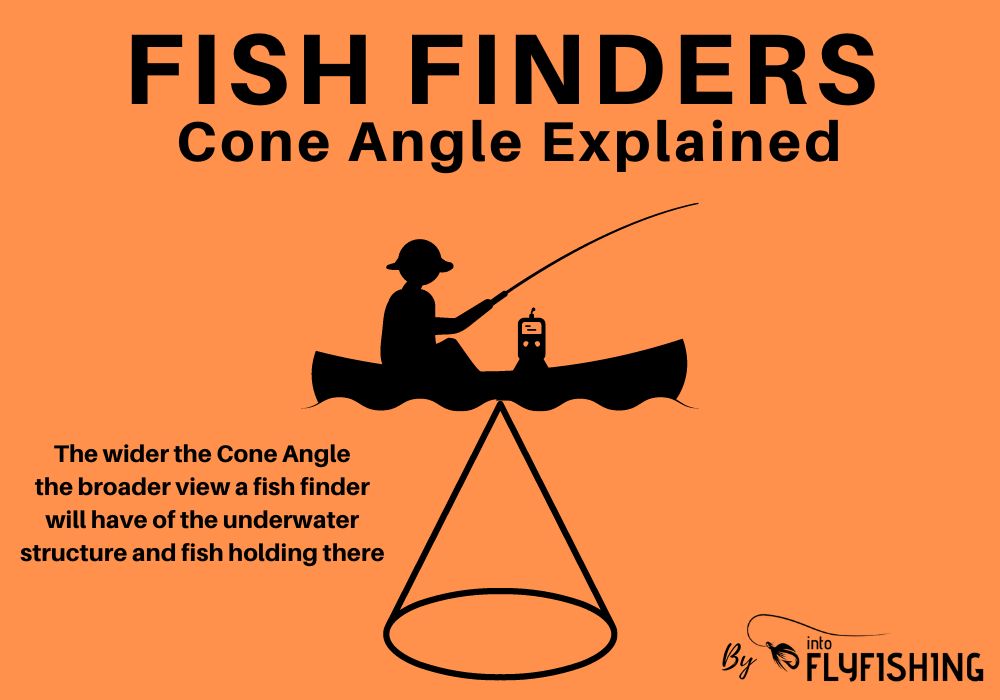
The first thing to understand is CHIRP sonar technology. Traditional sonar sends one frequency at a time, whereas CHIRP sends a continuous sweep of frequencies. This results in much better target separation—meaning you can see a fish sitting right on the bottom rather than it being lost in the bottom contour mapping.
You also need to consider your transducer mounting. A transom mount is common for most boats, but if you are on a kayak, you might need a scupper mount or an in-hull solution. Don't forget that depth matters; for example, the Garmin Striker 4 can detect underwater depths up to 1,600 feet in freshwater and 750 feet in saltwater. Always check the depth rating of your unit if you plan on deep-dropping for grouper or swordfish.
Finally, think about screen size versus portability. A 13-inch screen is beautiful, but it requires a lot of juice. If you are running a small lithium setup on a kayak, a 7-inch screen like the one on the Garmin Striker Vivid 7sv is much more efficient.
FAQ
What is the best fishfinder on the market?
The best fishfinder on the market for most high-end anglers is the Humminbird Apex 13 Mega SI+. It offers the highest resolution available, a massive screen, and the most detailed side imaging. However, the "best" depends on your specific needs, such as portability or budget.
Which is best, Garmin Lowrance or Humminbird?
There is no single winner as all three brands lead the market in different ways. Garmin is widely considered the leader in live imaging with their LiveScope technology. Humminbird is often praised for having the best side imaging (Mega SI+). Lowrance is preferred by many pros for its robust networking and user-friendly interface.
Is chirp better than sonar?
Yes, CHIRP sonar technology is significantly better than traditional single-frequency sonar. Because it sweeps through a range of frequencies, it provides much higher resolution, better target separation, and a clearer image of fish targets near structure or the bottom.
Who has the best live imaging fish finder?
Garmin currently holds the title for the best live imaging with their LiveScope LVS34 system. It offers the most stable image and the best range, allowing you to see fish movement in real-time with incredible detail. Humminbird’s MEGA Live and Lowrance’s ActiveTarget are strong competitors but Garmin remains the industry benchmark.
How to pick the right fish finder?
Start by identifying your primary fishing environment (freshwater vs. saltwater) and your vessel (boat vs. kayak vs. bank). Look for a unit that includes the transducer you need, has a screen size that fits your space, and offers the imaging technology (like side scan or live sonar) that matches your fishing style.