Quick Facts
- You Won't Sink Completely: Due to human density vs. quicksand density, you literally cannot sink overhead. The "disappearing act" is a Hollywood myth.
- The Killer is Time, Not Sand: The real danger lies in immobilization, leading to hypothermia (even in deserts), dehydration, or being caught by an incoming tide.
- Physics of Suction: To pull a foot out of quicksand at a speed of 1 cm per second, you would need the same amount of force required to lift a medium-sized car.
- Slow is Pro: Rapid, panicky movements trigger "liquefaction," making the sand thinner and causing you to sink deeper, then resetting like concrete when you stop.
The Legend vs. The Reality: A Hiker's Ordeal in Arches National Park
I’ve trekked through the humidity of the Darién Gap and navigated the thin air of the High Sierras, but nothing humbles a seasoned explorer quite like the ground literally vanishing beneath their boots. We’ve all seen the movies: the protagonist wanders into a pit, flails wildly, and disappears beneath the surface in a matter of seconds.
In reality, quicksand is far more insidious, and far more exhausting. Take the 2024 rescue of Austin Dirks in Arches National Park. Dirks wasn't a novice; he was an experienced hiker traversing Courthouse Wash when he stepped into a patch of what looked like solid, rippled sand. Within seconds, he was buried up to his waist in a substance that felt less like sand and more like wet, heavy concrete.
The danger wasn't that he would "sink to the bottom." The danger was that he was stuck in a remote wash while the desert temperature began its brutal nightly plunge. When Search and Rescue (SAR) teams arrived, it wasn’t a simple matter of pulling him out. It took specialized equipment—ladders to distribute the rescuers' weight and boards to prevent them from becoming victims themselves—and several hours of grueling work to free a single person.
The Arches incident serves as a stark reminder: Quicksand is dangerous because it turns the environment into a prison. While you may only be stuck to your knees or waist, the physical toll of the "suction" effect combined with exposure to the elements creates a life-threatening scenario that no movie has ever accurately captured.
Movie Myths: Why You Won't Sink Like in Hollywood
Let’s get the science out of the way first. You are not more dense than quicksand. The average human body has a density of about 1 gram per milliliter (g/ml), while quicksand—a mixture of sand or clay and water—clocks in at about 2 g/ml.
In the world of physics, this means you float. If you were to stand perfectly still in a deep pit of quicksand, you would likely only sink to about your waist. You are essentially a human cork in a very thick, very muddy bottle. So why do people die? Because they panic and fight the physics.
The Aluminum Bead Experiment
In a famous study by the University of Amsterdam, researchers used small aluminum beads to simulate the behavior of sand grains. They discovered that quicksand is a non-Newtonian fluid. When it’s undisturbed, it behaves like a solid. But the moment you apply stress—like stepping on it or thrashing your arms—the viscosity drops. This is called liquefaction.
Your movement turns the ground into a liquid, allowing you to sink. But here’s the kicker: once you stop moving, the sand settles and the water separates, packing the grains tightly around your limbs. You aren't just stuck in sand; you are vacuum-sealed in it.

Marcus’s Pro Tip: The moment you feel that "give" beneath your feet, stop. Every flail makes the sand more liquid for a second, letting you sink an inch deeper, before it solidifies again.
The True Danger: Immobilization and Environmental Hazards
If the sand doesn't pull you under, what kills you? As an editor who spends 200 days a year in the field, I can tell you that the "quiet" killers are the ones that get you.
- Hypothermia: This is the primary threat documented in real-life survival cases. In the high desert of Utah or the tidal flats of the UK, temperatures can drop to 20°F or lower at night. If your lower half is encased in wet, cold sand, your body heat will be sucked away at an incredible rate.
- Inbound Tides: If you are trapped on a coastal mudflat, the sand isn't the problem—the ocean is. You have a hard deadline to get out before the tide returns.
- Dehydration and Exhaustion: Trying to pull a limb out of quicksand requires immense caloric output. Most people exhaust themselves within the first thirty minutes, leaving them unable to perform the necessary movements to actually escape.
The "suction" isn't just a figure of speech. Because the sand is so tightly packed, there is no air or water moving into the space under your foot as you try to pull it up. You are fighting atmospheric pressure itself.
Step-by-Step: How to Escape Quicksand Safely
If you find yourself becoming part of the landscape, forget everything you saw in The Princess Bride. You need to be methodical. Here is the Marcus Rivera survival protocol:
Step 1: Immediate Weight Distribution
The second you feel yourself sinking, discard your backpack. If you’re carrying a 30-pound pack, you’re increasing your density and pushing yourself deeper. If you’re holding a walking stick or trekking pole, do not throw it away—lay it flat on the surface of the sand in front of you or behind you to help distribute your weight.
Step 2: The 'Leaning Back' Technique
The goal is to increase your surface area. Think of yourself like a snowshoe. If you are vertical, you sink. If you are horizontal, you float. Slowly lean back onto the sand. This might feel counterintuitive—you’re putting your back into the "trap"—but it’s the only way to get your legs free.
Step 3: Slow, Deliberate Movements
Do not pull your legs straight up. Instead, wiggle one leg in a small circular motion. This allows water to trickle down the side of your leg and break the vacuum seal. Once you feel the suction break, move your leg an inch. Wait. Wiggle. Repeat. This is a game of patience, not power.
Step 4: The 'Crawl to Safety'
Once your knees are free, do not try to stand up. Continue to lay flat and use your arms to "swim" or crawl toward solid ground. If you have a trekking pole, use it as a lever to pull yourself forward.
Survival Checklist:
- [ ] Ditch the heavy gear immediately.
- [ ] Lean back to spread your weight.
- [ ] Wiggle legs in circles to break the vacuum.
- [ ] Crawl—don't walk—to solid ground.
Where Quicksand Hides: Identification and Prevention
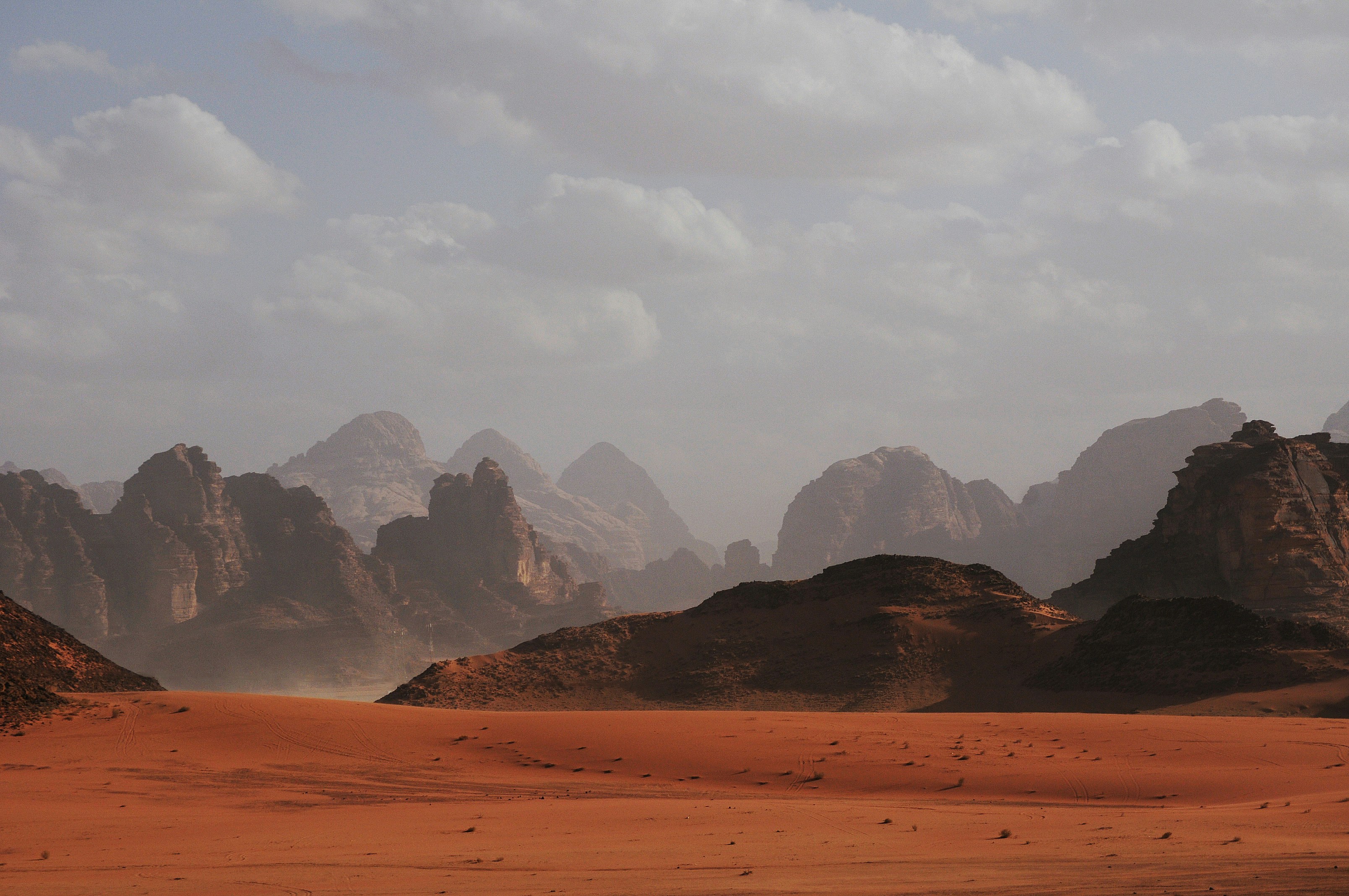
You’ll find quicksand anywhere where ground water is trapped by a layer of sand or clay. It’s common in riverbanks, marshes, and the "washes" of the American Southwest.
Visual Cues
In places like Arches or Zion National Park, look for "rippled" sand that looks slightly damp or darker than the surrounding area. Sometimes, you’ll see small bubbles or water "bleeding" from the sand when you step near it. If the ground looks like a glazed donut, stay away.
Essential Gear
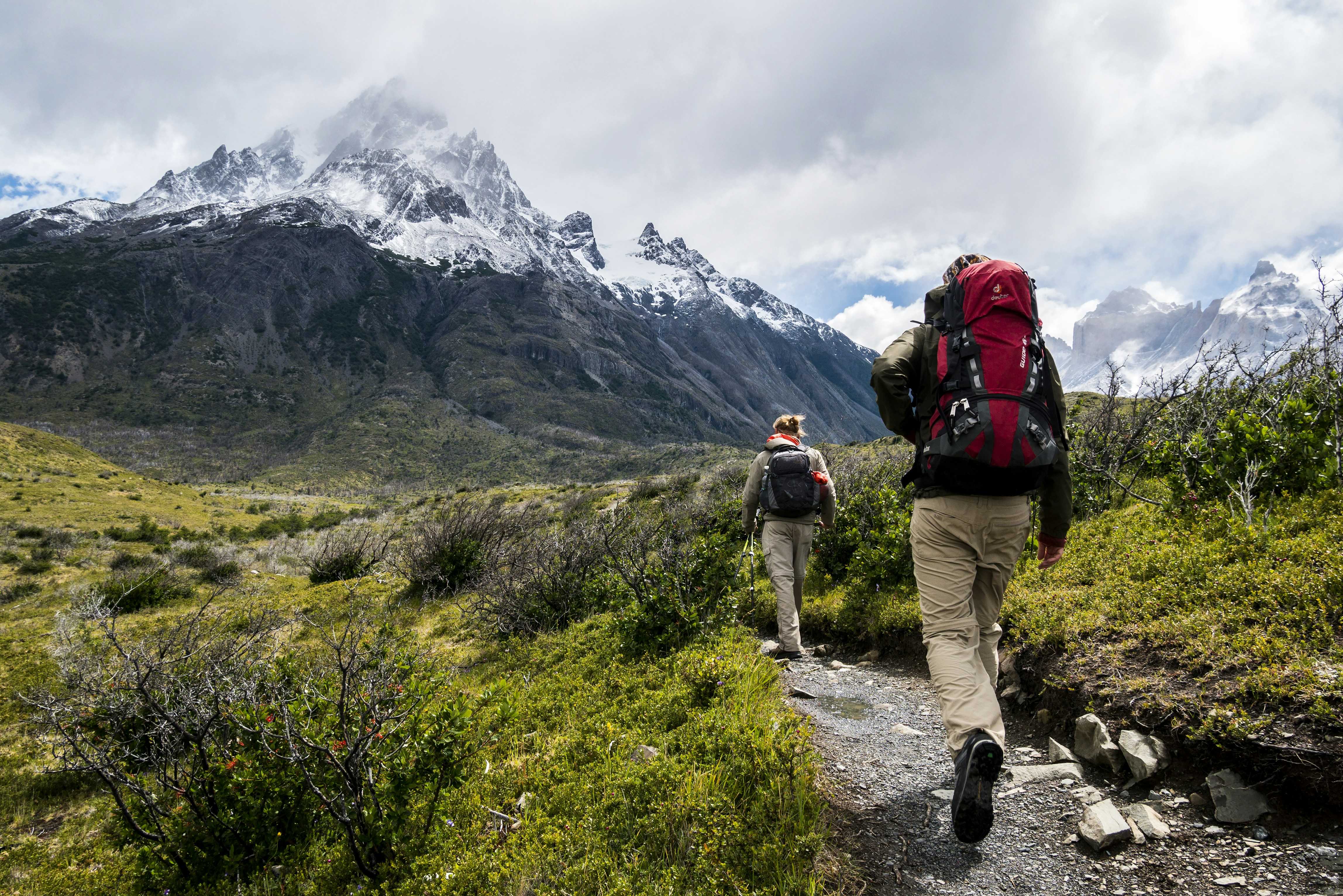
I never enter a desert wash or a coastal marsh without a solid pair of trekking poles. They are your first line of defense. Use them to probe the ground ahead of you. If the pole sinks with little resistance, your boots will too.
Furthermore, avoid heavy, waterproof boots that can act like suction cups in the mud. Lightweight, breathable trail runners are often easier to wiggle out of if you absolutely have to leave your footwear behind to save your life.
Summary Comparison: Movie vs. Reality
| Feature | Movie Version | Real-Life Reality |
|---|---|---|
| Sinking Depth | Entire body, head-first | Usually only to the waist |
| Speed | Seconds | Minutes to hours (depending on struggle) |
| Cause of Death | Suffocation/Drowning in sand | Hypothermia, Dehydration, Tides |
| Escape Method | Being pulled out by a vine/rope | Leaning back and wiggling slowly |
| Suction | Non-existent or mild | Equivalent to lifting a small car |
FAQ
Can you really drown in quicksand? Not in the sand itself. Because humans are less dense than the mixture, you will float once you’re about waist-deep. However, you can drown if you are trapped in a coastal area and the tide comes in over your head.
Is it safe to have someone pull you out with a rope? Only if you are also following the "lean back" and "wiggle" techniques. If someone tries to pull you straight up while you are still vacuum-sealed, they can cause serious joint dislocations or spinal injuries. The suction is incredibly strong.
Should I take off my shoes? If your feet are completely stuck and you can’t break the seal, unlacing your boots and slipping your feet out might be your only option. It’s better to hike back to the trailhead barefoot than to stay trapped in the sand.
Stay safe out there. The wilderness is meant to be explored, but it demands respect. Before your next trek into the backcountry, make sure you're equipped with more than just gear—carry the knowledge to get yourself home.