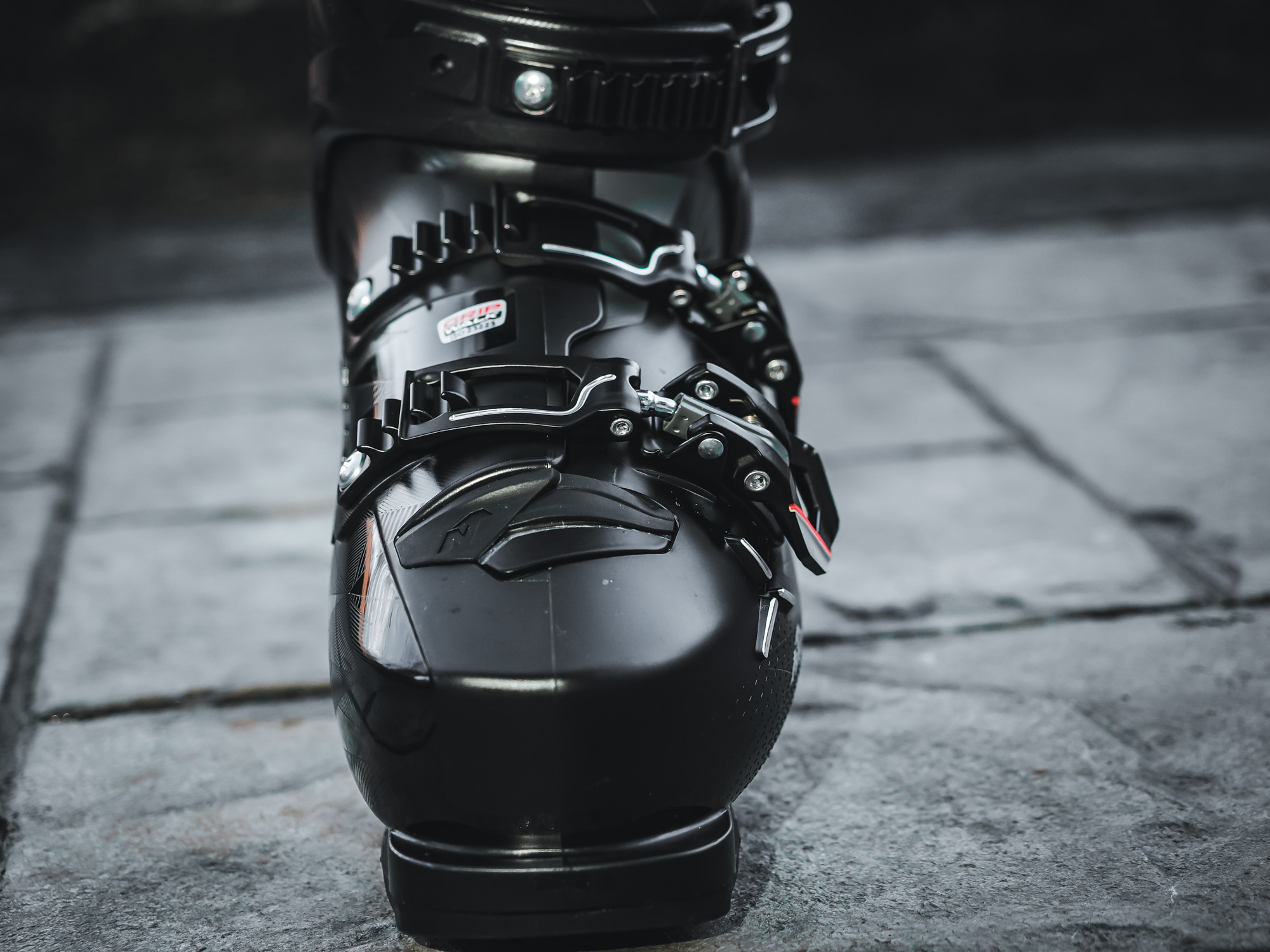
Standing at the top of a wind-scoured ridge at Mammoth Mountain, the temperature hovering in the low teens, there’s a specific ritual that separates the casual cruiser from the dedicated charger. It’s the sound: four distinct, metallic clicks. While the industry is currently infatuated with the convenience of BOA dials, Nordica’s decision to stick with a refined four-buckle closure on the Promachine 3 isn’t a refusal to evolve—it’s a commitment to a specific type of precision.
For expert skiers, the choice isn't about novelty; it's about the mechanical advantage of a traditional shell wrap. The Nordica Promachine 3 remains the gold standard for those who demand a reliable, progressive flex and high lateral stiffness. By prioritizing a 98mm narrow last—often referred to as an "anatomical fit"—Nordica has managed to bridge the gap between a race-room torture chamber and an all-day performance boot. This boot is built for the skier who views a groomed black diamond as a personal invitation to see how deep they can lay their edges into the corduroy.
The Technical Core: 3Force Frame Technology
The soul of the Promachine 3 isn't just in its stiffness; it’s in how that stiffness is distributed. Nordica utilizes their 3Force Frame technology, a ground-up evolution that rethink’s how a boot transmits energy from the leg to the ski.
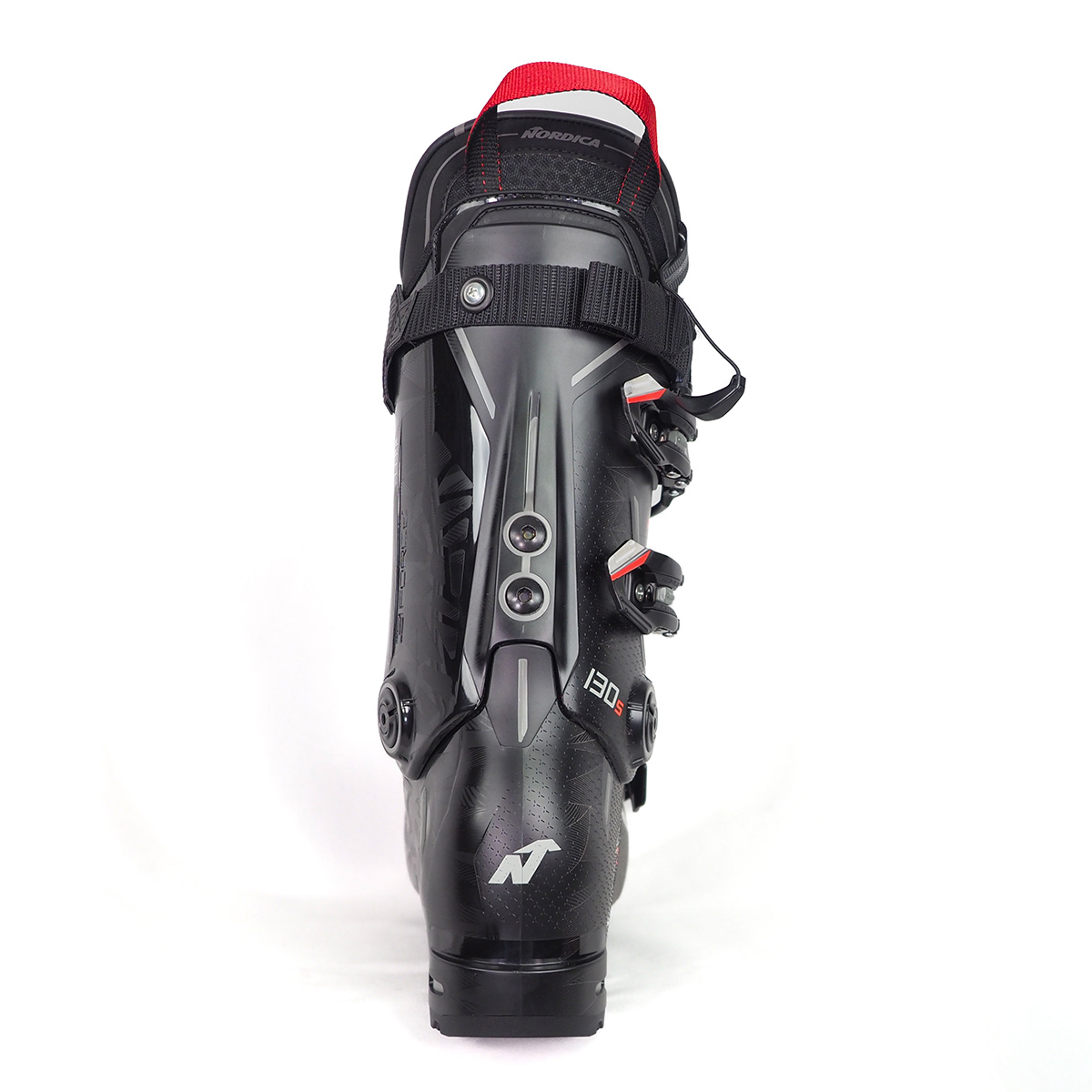
Instead of using a single density of plastic, the 3Force Frame is a skeletal structure of stiff, high-density PU plastic that runs through the spine and the sole of the boot. This creates a rigid "chassis" that resists twisting and bowing under high-speed loads. Surrounding this skeleton is a softer, more pliable plastic that allows for a cleaner wrap around the foot and makes the boot marginally easier to slide into—though, let's be honest, a 130-flex PU shell in January is always going to require a bit of muscle.
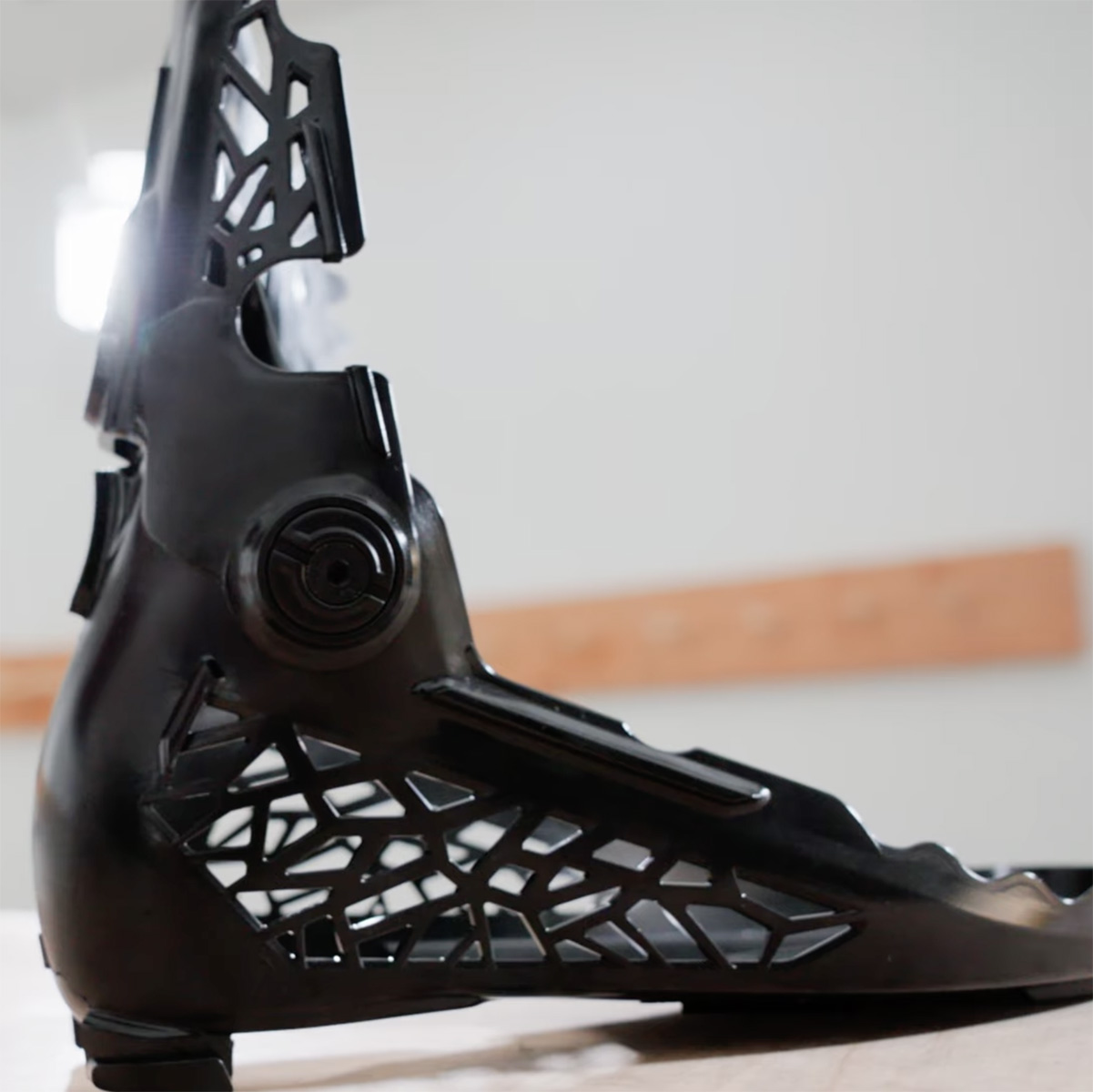
The redesigned spine is where the magic happens for aggressive skiers. If you’ve ever felt yourself "getting backseat" in a turn, you know the feeling of a boot collapsing behind you. The Promachine 3's reinforced spine ensures that even when you're pushing the limits of a 130 flex, the boot provides a consistent, predictable wall to push against.
| Feature | Nordica Promachine 3 130 S | Nordica Promachine 3 120 | Nordica Promachine 3 115 (W) |
|---|---|---|---|
| Flex Rating | 130 | 120 | 115 |
| Last Width | 98mm (Narrow) | 98mm (Narrow) | 98mm (Narrow) |
| Liner Type | 3D Cork Fit Speed Lace | 3D Cork Fit | 3D Cork Fit W |
| Shell Material | Infrared PU | Infrared PU | Infrared PU |
| Weight (26.5) | 1915g | 1850g | 1720g |
The Fit: 98mm Last and Anatomical Relief
If you have a high-volume foot, look elsewhere. The Promachine 3 is unapologetically narrow. However, unlike the "plug" boots of a decade ago, this 98mm last doesn't mean you'll be rushing to the lodge to unbuckle every three runs.
Nordica has integrated "anatomical relief zones" into the shell itself. They’ve identified the high-pressure areas common to high-performance skiers—specifically the "sixth toe" (the lateral side of the forefoot), the navicular bone, and the instep. By pre-shaping the plastic in these zones, the boot provides a "near-skin" fit that maximizes control without cutting off circulation.
The result is a sensation of total connectivity. When I tipped my skis into a high-speed carve on firm morning hardpack, there was zero "lag" between my foot movement and the ski's edge engagement. It’s a level of precision that makes the boot feel like an extension of your skeletal system rather than a piece of external equipment.
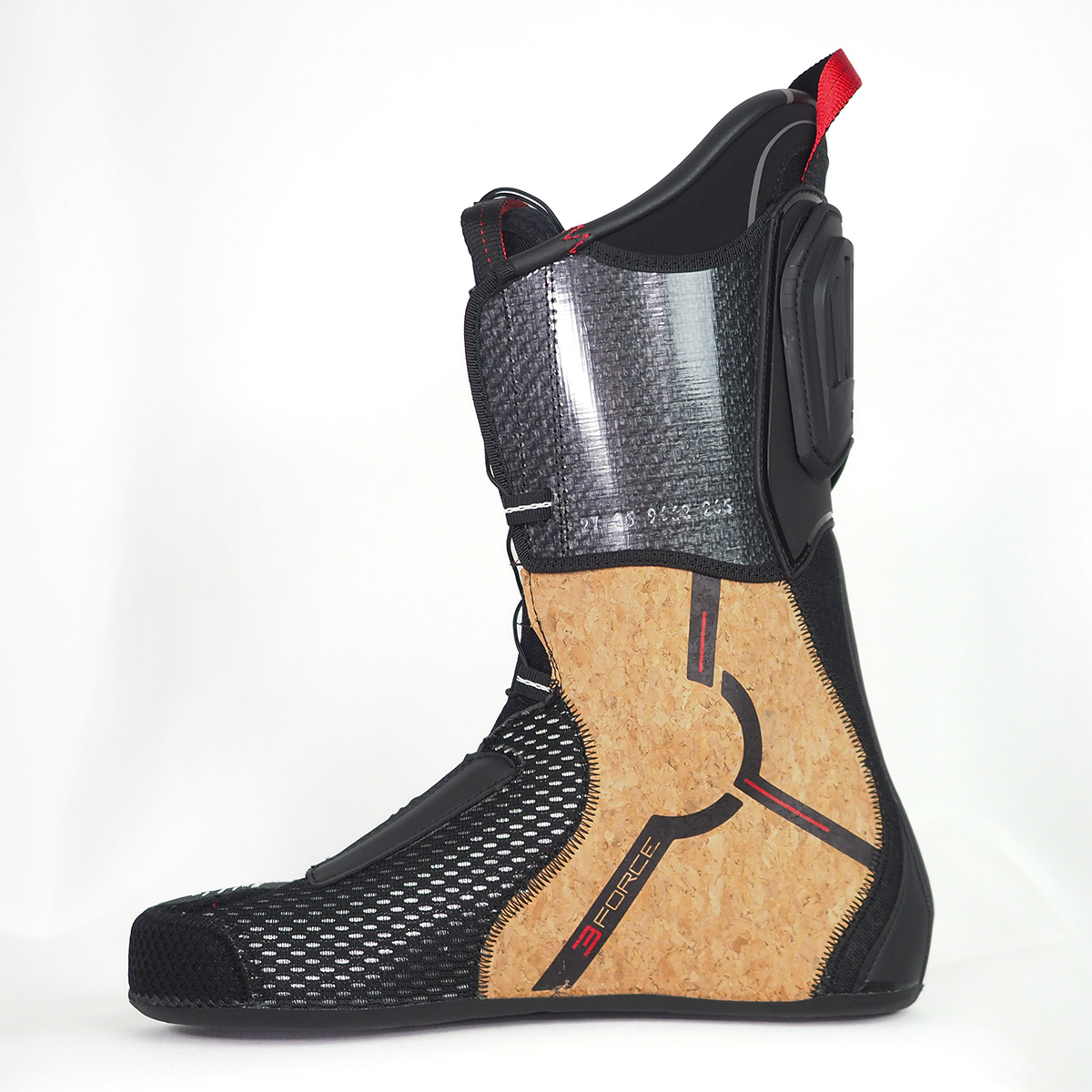
The 3D Custom Cork Speed Lace Liner
One of the primary reasons experts stick with Nordica is the liner. While most brands rely heavily on synthetic foams that pack out after 40 days of hard skiing, Nordica uses natural cork in the 3D Custom Cork liner.
Expert Tip: Natural cork is superior for two reasons: insulation and energy transmission. Cork is naturally denser than foam, meaning it doesn't compress as much over time, and it’s a far better insulator against the cold.
The 130 S model takes it a step further with an integrated Speed Lace system. This might seem like a small detail, but for the skier seeking a secure, customizable fit out of the box, it’s a game-changer. The laces ensure the liner is snug against your shin and instep before you even close the shell, eliminating that annoying "heel lift" that plagues many performance boots.
On-Snow Performance: Ripping the Frontside
Testing the Promachine 3 on a crisp morning at Stowe, the lateral stiffness was immediately apparent. On ice, you need a boot that doesn't "leak" power. The 3Force Frame directs every ounce of your weight into the edges of the ski.
The carving sensation is best described as "powerful yet fluid." Some high-flex boots feel like they have an "on/off" switch—they’re either locked in or they’re fighting you. The Promachine 3 has a more progressive flex curve. It starts with a slight bit of give to help you initiate the turn, then builds resistance the harder you push.
- Weight Analysis: At 1915g (size 26.5), the boot is light enough to feel agile in tight trees or bumps, but it maintains enough mass to feel "damp." It absorbs the "chatter" of frozen granular snow, preventing that jarring vibration from reaching your knees.
- The Honesty Hook: Let’s talk about entry. This boot is a "bitch to get on" when it’s been sitting in a cold car. The high-density PU is stiff and unforgiving in low temperatures. My advice? Keep them on the floorboards with the heater on during the drive to the resort. Once your foot is in, they’re heaven, but the initial entry is a rite of passage.
Comparative Analysis: Buckles vs. BOA
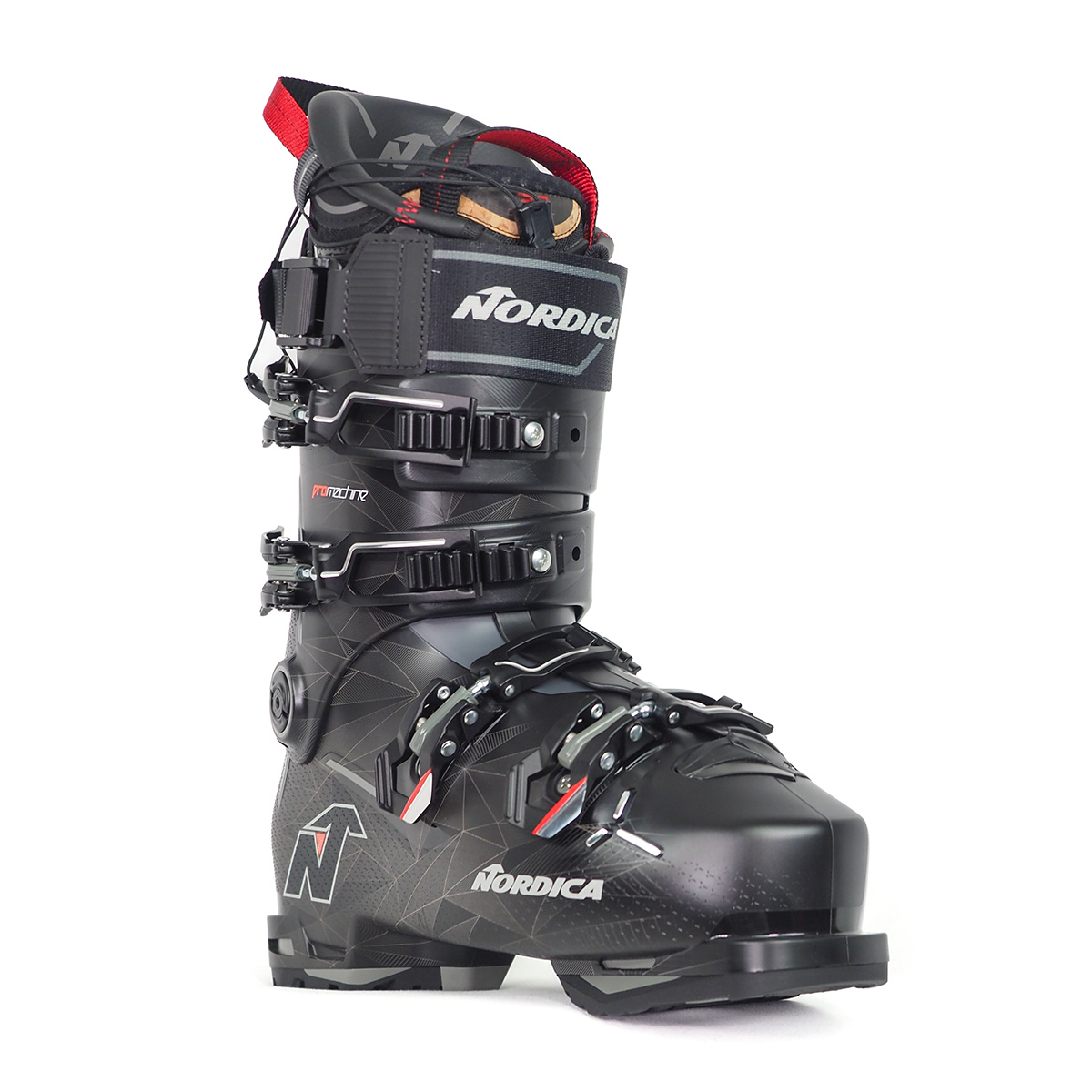
The industry is currently divided: the traditional 4-buckle vs. the BOA H+i1 system. While BOA offers a very uniform wrap and easy on-the-fly adjustment, the traditional 4-buckle system on the Promachine 3 wins on two fronts for the expert demographic: multi-point tension control and reliability.
With four micro-adjustable buckles, I can keep the toe box loose for warmth while cranking the two ankle buckles for absolute heel lock. BOA systems tend to tighten the entire forefoot uniformly, which doesn't always account for specific foot shapes. Furthermore, for the aggressive charger who is occasionally hitting "frozen shark fins" or navigating tight chutes, the durability of a recessed metal buckle is hard to beat.
Promachine 3 vs. The Field:
- vs. Lange RS 130 LV: The Lange is the traditional powerhouse, often feeling even more "raw" and stiff. The Nordica offers a slightly more "refined" feel with better out-of-the-box comfort thanks to the cork liner.
- vs. Tecnica Mach1 LV: This is a close battle. The Mach1 has an incredible T-Drive spine, but Nordica’s cork liner generally provides a better long-term fit for those who don't want to go through the hassle of frequent heat molding.
Who Should Buy the Promachine 3?
This is not a boot for the "intermediate looking to level up." This is a boot for the skier who:
- Demands Precision: You spend 80% of your time on-piste, carving at high speeds.
- Has a Low-Volume Foot: You find that standard boots leave you with too much "slop" or room to wiggle your toes.
- Values Longevity: You want a liner that will feel the same on Day 100 as it did on Day 1.
If you have wide feet or prefer a soft, surfy feel in the powder, look at the Nordica Sportmachine or Enforcer lines. But if you want to rail turns with surgical accuracy, the Promachine 3 is your weapon of choice.
FAQ
Is the Promachine 3 130 too stiff for all-mountain skiing? For an expert skier weighing over 170 lbs, the 130 flex is actually quite versatile. Because the flex is progressive, it handles bumps and varied terrain well without feeling like a "brick." However, lighter experts or those who spend all day in the moguls might prefer the Promachine 120.
How does the cork liner actually work? The 3D Custom Cork liner uses a mix of natural cork and resin. When heated (either through a shop heater or simply through your body heat over time), the cork molds to the specific contours of your ankle and heel. Unlike foam, which eventually collapses and "packs out," cork maintains its structural integrity for hundreds of days.
Can the Promachine 3 be customized? Yes. Both the shell and the liner are "Infrared Ready." A bootfitter can use Nordica’s Infrared technology to heat specific spots on the shell and pull them out to accommodate bunions or "sixth toes" without compromising the integrity of the plastic.
Ready to upgrade your frontside game? If you’re tired of compromising on precision for the sake of "convenience," it’s time to step into a pair of 4-buckle icons. Go see a professional bootfitter, get measured for that 98mm last, and experience what absolute control feels like. See you on the hill.