Quick Facts
- Safety Rating: ANSI Z87.1+ high-velocity and high-impact certified (with side shields).
- Lens Tech: Wiley X CAPTIVATE™ polarized technology filters ambiguous light to boost contrast and depth.
- Frame Design: "Active 6" base curve—a hybrid between flat lifestyle frames and high-wrap performance gear.
- Materials: Lightweight Triloid™ nylon with hand-brushed stainless steel temples for a low-profile fit.
- Best For: Shooting, sight fishing, and professional field work where aesthetics matter.
Introduction: Breaking the 'Dorky' Safety Glass Stereotype
I’ve spent the better part of two decades dragging gear through the mud of the Pacific Northwest and the salt spray of the Florida Keys. If there’s one universal truth in the outdoor world, it’s this: safety glasses usually look terrible. You know the ones—the "speed dealer" wrap-arounds that make you look like you’re about to perform a mid-90s SWAT raid or a high-stakes bass tournament, regardless of whether you’re actually at the range or just grabbing a burger.
For years, we’ve been forced to choose. Do you want the ballistic protection of a dedicated safety frame, or the clean, "lifestyle" aesthetic of a pair of shades you can actually wear to a summer wedding? In 2025, the Wiley X Apex is effectively ending that debate.
Positioned as the flagship of the Wiley X Active 6 series, the Apex is a masterclass in compromise—the good kind. It bridges the gap between the rugged, oversized tactical gear Wiley X is famous for and the sleek, modern silhouettes found in high-end fashion boutiques. But don’t let the brushed steel and clean lines fool you. Beneath that handsome exterior lies a piece of equipment that meets rigorous ANSI Z87.1+ safety standards. After a month of testing these from the shooting bench to the boat deck, I’m convinced these are the ultimate hybrid for the modern outdoorsman.
Design and Ergonomics: The 'Active 6' Profile
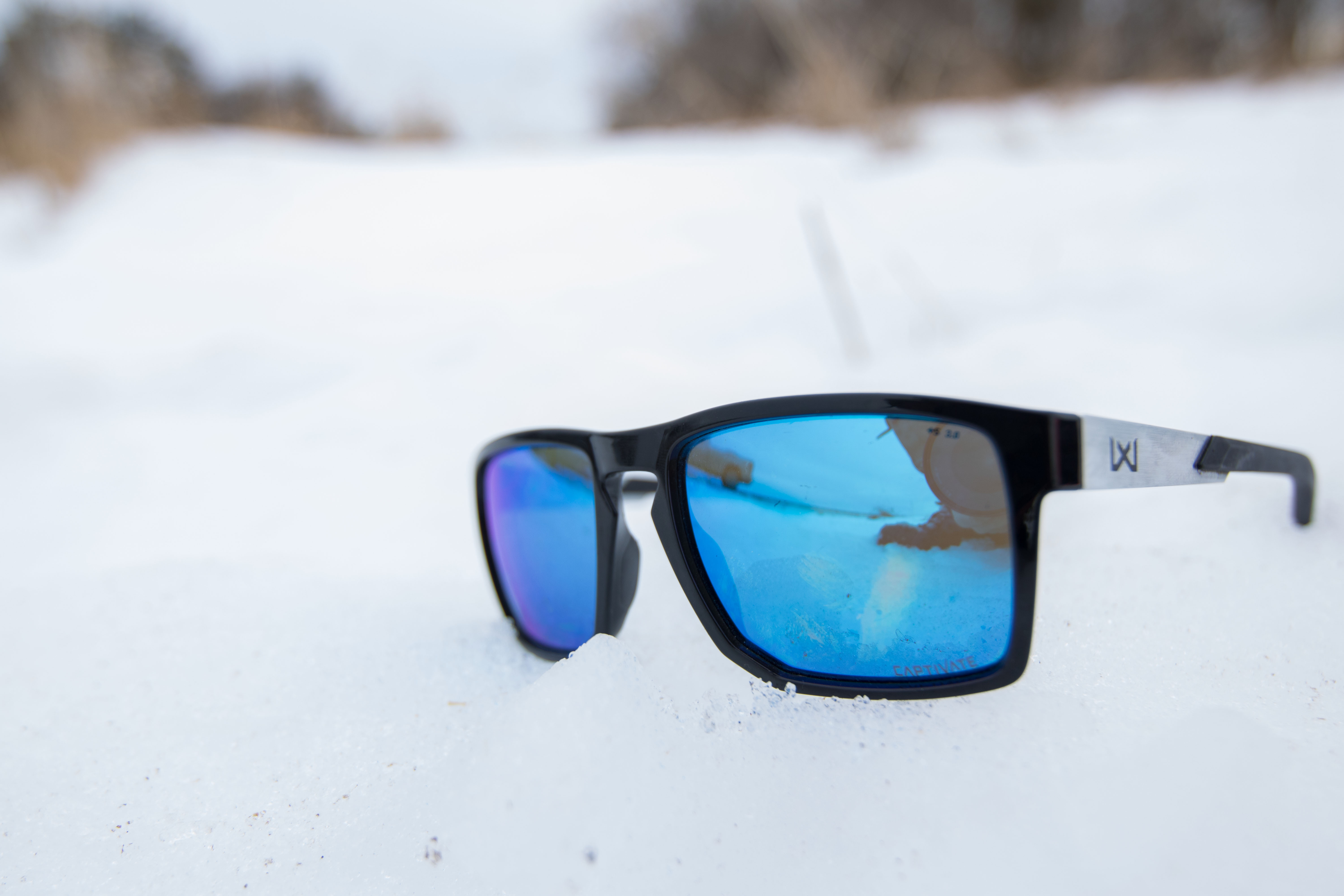
The magic of the Wiley X Apex lies in its geometry. Most high-performance sunglasses use an "8-base" curve, which wraps tightly around your face to block out every sliver of peripheral light. While great for performance, it screams "tactical." The Apex uses a 6-base lens curve design, which is significantly flatter. This allows the frames to maintain a classic, rectangular lifestyle look that fits comfortably in casual settings.
However, the "Active" part of that 6-base designation refers to how Wiley X manages the fit. The frames are constructed from Triloid nylon—a material so lightweight and durable it feels almost non-existent on your face—paired with incredibly thin, hand-brushed stainless steel temples.
At a mere 36 grams, the Apex is a featherweight. I wore these for a 10-hour scouting trip in the backcountry and never felt the dreaded "behind-the-ear" pinch that usually sets in by midday. This comfort is further enhanced by dual-injected rubber nose pads and temple tips that get "grippier" as you sweat.
Is the Wiley X Apex suitable for fishing? Absolutely, though with a caveat. Because of the 6-base flat curve, you do get more side light penetration than you would with a full-wrap frame. If you are standing on a flats skiff with the sun at a 90-degree angle, you might notice some glare sneaking in from the sides. However, for 90% of anglers, the trade-off for a pair of glasses that looks this good off the water is well worth it.
Certified Protection: Beyond the Lifestyle Look
When I’m at the range, I don't just want to look cool; I want to keep my eyesight if a casing deflects or a steel target spalls. This is where most "lifestyle" sunglasses fail. The Wiley X Apex, however, is ANSI Z87.1+ safety rated.
To earn that "+" sign, the eyewear must withstand the "High Velocity Impact" test—essentially a .25-inch steel ball traveling at 150 feet per second—and the "High Mass Impact" test. Are Wiley X Apex sunglasses safety rated? Yes, but there is a crucial detail to remember: they meet these high-impact standards only when used with the included removable side shields.
These side shields are the "secret weapon" of the Apex. When I’m at the job site or the shooting range, I slide the shields on for 360-degree protection against flying debris and lateral impacts. When I’m heading to a post-hike dinner, I pop them off in seconds, and the glasses revert to a purely stylish aesthetic. It’s this versatility that makes the Apex my top recommendation for 2025 for anyone who works in hazardous environments but refuses to wear clunky goggles.
Expert Tip: If you frequently use over-ear hearing protection while shooting, the Apex’s ultra-thin stainless steel temples are a godsend. They don't break the seal of your ear muffs, which keeps your hearing protection effective and prevents the frames from digging into your skull.
Lens Technology: The CAPTIVATE Advantage
If the frames are the armor, the lenses are the high-definition sensor. Wiley X’s proprietary CAPTIVATE™ technology is what truly separates these from your standard pair of polarized shades.
Standard lenses usually darken the entire world, often muddying the colors where reds, greens, and blues overlap. CAPTIVATE technology filters out that "ambiguous" light in the overlapping spectrum. By separating these colors, it increases contrast and depth perception to a degree that feels almost supernatural the first time you put them on.
What makes Wiley X CAPTIVATE lenses different? Unlike traditional polarization which simply cuts glare, CAPTIVATE lenses are engineered to make specific colors "pop." In the field, this means reds and greens become much more vivid. For a hunter, this helps in spotting blood trails or distinguishing a deer's coat against a dense thicket. For an angler, it means being able to see through the surface glare to identify the dark shadow of a resting trout against a mossy riverbed.
The lenses are made from Selenite™ Polycarbonate, which is shatterproof and significantly more impact-resistant than the glass lenses used by some competitors. While glass offers a tiny bit more clarity, it can't match the safety profile of Selenite in a high-impact environment.
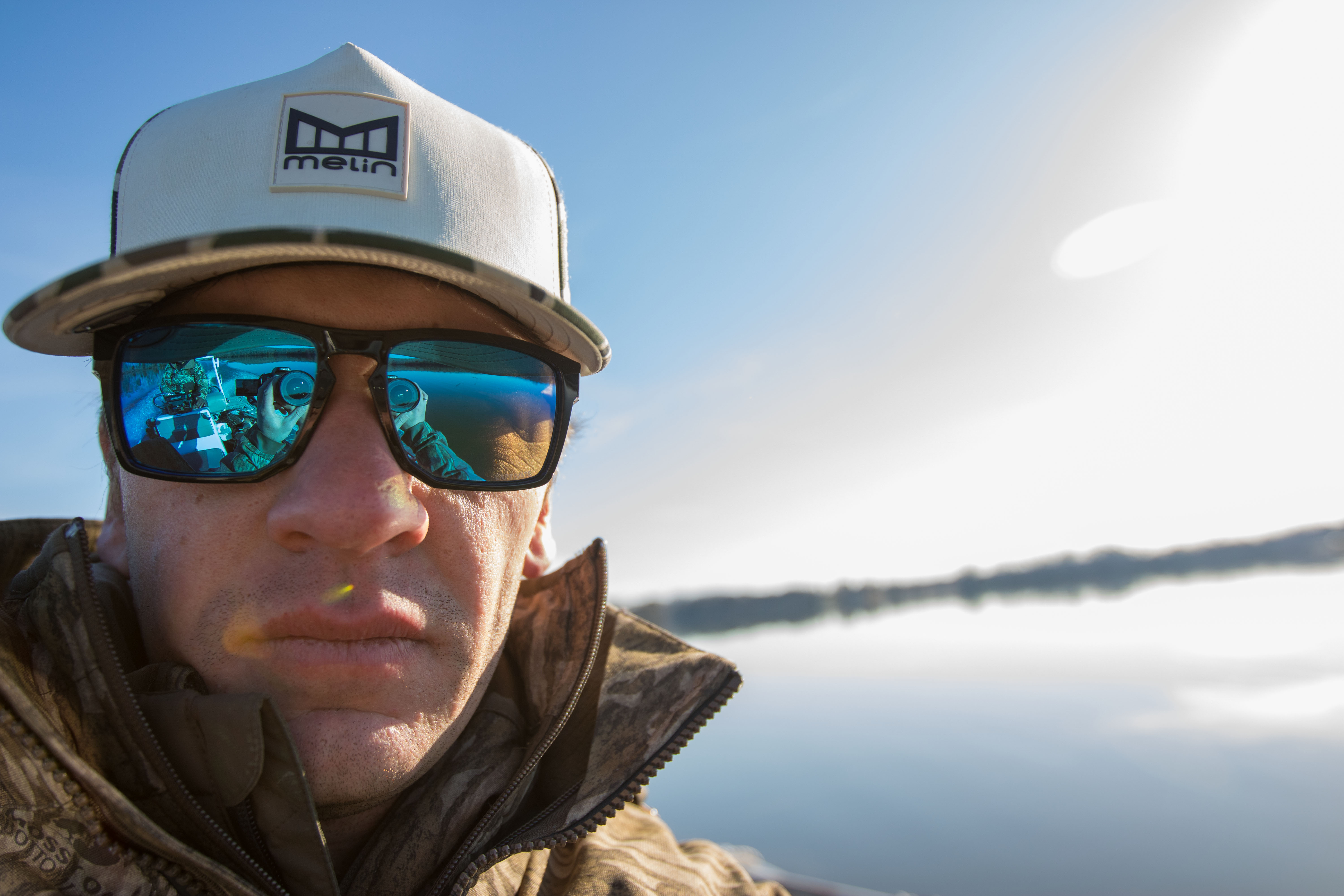
Colorway Comparison
Choosing the right lens is about matching your environment. Here is how the three primary Apex colorways stack up:
| Lens Color | VLT % (Visible Light Trans.) | Base Color | Ideal Use Case |
|---|---|---|---|
| CAPTIVATE Blue Mirror | 10% | Grey | Bright sun, deep water, open fields. |
| CAPTIVATE Tungsten Mirror | 15% | Bronze | Variable light, driving, hiking in woods. |
| CAPTIVATE Black Mirror | 13% | Grey | Everyday use, high-glare environments. |
Field Performance: Range, Water, and Woods
Putting the Apex through its paces revealed some interesting nuances.
On the Shooting Range: This is where the Apex shines brightest. Testing these at an outdoor range in Montana, the clarity was exceptional. I was able to track the flight of clay birds against a bright, hazy sky with zero eye strain. Because the 6-base curve is flatter, there’s naturally more airflow around the lenses than with high-wrap designs. This resulted in zero fogging issues, even when my heart rate was up during a tactical movement drill.
On the Water: I took the Blue Mirror variant out for a day of scouting on a lake. The polarization is top-tier; it effectively cut the "shimmer" off the water's surface. However, as mentioned earlier, if you are a hardcore sight fisherman who spends 8 hours a day staring into the water, you will notice the side light. It’s not a dealbreaker, but it’s the price you pay for not wearing "wraps."
In the Woods: The Tungsten Mirror lenses are my personal favorite for hiking and hunting. The bronze base color adds a "warmth" to the world that makes it much easier to see detail in the shadows of the forest floor. The ruggedness of the Triloid frames meant I didn't have to baby them when pushing through thick brush.
Pros and Cons
The Good
- Certified Safety: You get real-world ballistic protection without looking like a lab technician.
- Low Profile Temples: The stainless steel temples are arguably the best in the industry for use with hats and hearing protection.
- Visual Clarity: CAPTIVATE tech provides some of the best color contrast on the market.
- Rx Ready: As part of the Active 6 series, these are easily fitted with prescription lenses.
The Bad
- Side Light Entry: The 6-base curve isn't as protective against peripheral glare as an 8-base frame.
- Limited Colors: While the three main mirrors are great, I’d love to see a high-contrast amber or yellow for low-light conditions.
Final Verdict: Who is the Wiley X Apex For?
The Wiley X Apex isn't for the guy who wants the cheapest pair of gas-station shades. It's for the professional—the guide, the range officer, the contractor—who demands a piece of gear that performs at the highest level while looking sharp enough for a dinner date.
At an MSRP of approximately $236 (for polarized CAPTIVATE models), they are an investment. However, when you consider that you’re essentially getting two pairs of glasses in one—a high-end lifestyle piece and a certified safety frame—the value proposition becomes clear. If you have a medium to large head and value a blend of style, comfort, and "save-your-eyesight" durability, the Apex is the best all-around eyewear release of 2025.
Check Current Price on Wiley X →
FAQ
Q: Can I get the Wiley X Apex with my prescription?
A: Yes! Because the Apex uses a 6-base curve (which is flatter), it is much easier for opticians to fit with high-quality prescription lenses compared to high-wrap 8-base frames.
Q: Are the side shields difficult to install?
A: Not at all. They clip on and off securely in seconds. I recommend keeping the small storage pouch for the shields in your glove box or range bag so you always have them when needed.
Q: How do I clean the CAPTIVATE lenses?
A: Only use the included microfiber cleaning cloth or a dedicated lens cleaning solution. Avoid using paper towels or your shirt, as the specialized coatings on the CAPTIVATE lenses are best maintained with soft materials.
About the Author: Marcus Rivera is the Adventure & Outdoors Editor specializing in gear that survives the world's harshest environments. Whether he’s summiting peaks or testing ballistic glass at the range, Marcus looks for the perfect intersection of utility and design.