Quick Facts
- Heel-to-Toe Drop: The difference in height between the heel and the forefoot (0mm to 12mm+).
- Stack Height: The total thickness of the midsole and outsole (ranges from <20mm "minimalist" to 30mm+ "maximalist").
- Lug Depth: The height of the rubber cleats on the bottom (4mm for hard-packed trails, 5-8mm for mud/snow).
- Adaptation: Transitioning to low-drop or zero-drop shoes requires a 4 to 6-week period to avoid Achilles and calf strain.
- Testing: Our insights are forged over 2,000 miles of field testing on technical alpine ridges and ultra-distance races.
Why Your Road Shoes Won't Cut It in the Mountains
I remember the first time I took a pair of sleek, carbon-plated road racers onto a technical mountain trail. By mile five, my ankles were screaming, and a hidden tree root had nearly sent me headfirst into a creek. It was a humbling reminder that the mountains speak a different language than the pavement. In the world of trail running, the jargon changes from "energy return" and "aerodynamics" to "stack height," "heel-to-toe drop," and "lug depth."
Understanding these technical specs isn't just for gear geeks; it’s about survival, comfort, and efficiency. Whether you’re grinding out a 100-mile ultra or hitting your local forest loop, the geometry of what’s under your foot dictates how your body absorbs impact and how your brain perceives the ground. Our team has spent years navigating this "new language," putting over 2,000 miles of field testing into every type of terrain imaginable—from the jagged talus of the Rockies to the slick, muddy slopes of the Pacific Northwest—to help you decode the tech.
The Quick Guide: Heel-to-Toe Drop, Stack, and Lugs Explained
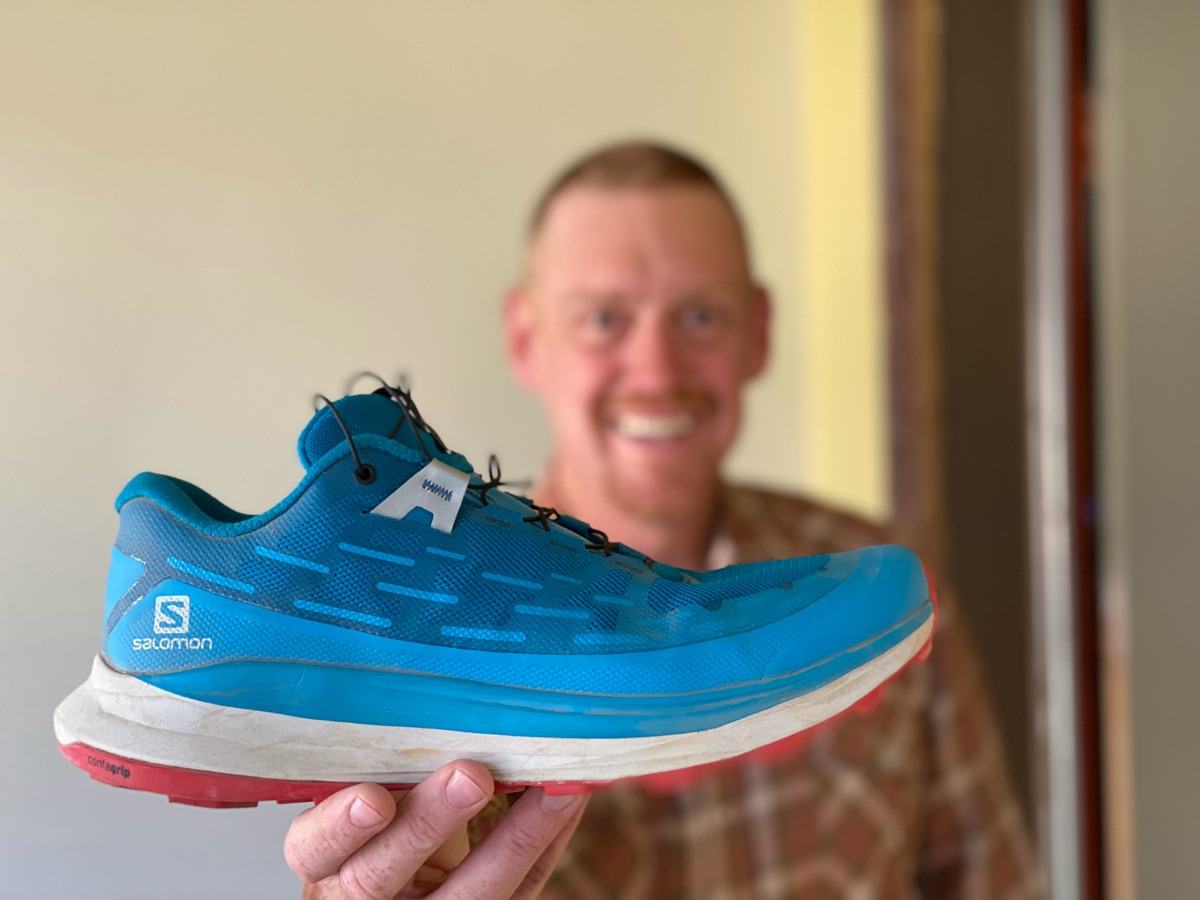
Before we dive deep, let's get the definitions straight. Heel-to-toe drop is the difference in height between the shoe's heel and forefoot, measured in millimeters. It essentially determines the "angle" of your foot. Stack height is the total amount of material between your foot and the ground—the "cushion" factor. Finally, lugs are the rubber cleats on the outsole that provide traction, acting like the tread on an off-road tire.
| Feature | Low/Small Measure | High/Deep Measure | Primary Benefit |
|---|---|---|---|
| Heel-to-Toe Drop | 0-4mm (Low/Zero) | 8mm+ (High) | Low = Natural strike; High = Reduced calf strain |
| Stack Height | <20mm (Minimalist) | 30mm+ (Maximalist) | Low = Ground feel; High = Shock absorption |
| Lug Depth | 2-4mm (Short) | 5mm+ (Deep) | Short = Hard-pack speed; Deep = Mud/Snow grip |
Stack Height: Cushioning vs. Stability
Stack height is effectively the "sandwich" of foam and rubber under your foot. In my experience, choosing the right stack is a balancing act between comfort and "ground feel." When I’m running a flat 50k on gravel, I want the plushness of a maximalist shoe. But the moment the trail gets technical and off-camber, that extra foam can become a liability.
- Maximalist (30mm+): These shoes, popularized by brands like Hoka, offer massive shock absorption. They are lifesavers for long-distance runs where leg fatigue is your biggest enemy. However, a higher stack height raises your center of gravity, which can increase the risk of rolling an ankle on uneven rocks or roots.
- Minimalist/Low-profile (<20mm): These provide an intimate connection to the trail. You feel every pebble and contour, which allows for incredible precision on technical descents. The downside? Your muscles and bones take more of the beating. It requires significant foot strength to run long distances in these without feeling "beat up."
Marcus’s Take: I generally look for a "Goldilocks" stack height around 25-28mm for most mountain missions. It provides enough protection for the long haul without making me feel disconnected from the terrain.
Heel-to-Toe Drop: Finding Your Strike
If stack height is about how much is under you, drop is about how it's distributed. This measurement influences which part of your foot hits the ground first.
Low Drop (0-4mm) encourages a midfoot or forefoot strike. This is the "natural running" philosophy made famous by Born to Run. It aligns your posture and utilizes your Achilles and calves as natural springs. However, if you're used to traditional 12mm drop road shoes, jumping straight into a zero-drop shoe is a recipe for a torn calf or Achilles tendonitis. Experts recommend a 4 to 6-week adaptation period when transitioning to lower-drop shoes. Start with short recovery runs and slowly build the volume.
High Drop (8mm+) is designed for runners who naturally heel strike. By elevating the heel, the shoe takes the pressure off the lower leg and shifts the load to the knees and hips. This can be a blessing if you have a history of calf issues, but it can also lead to a more "clunky" feel on steep climbs where you’re naturally on your toes anyway.
Lugs and Traction: The Grip Equation
Lugs are where the rubber meets the... well, dirt. The depth and spacing of your lugs should be dictated entirely by the "softness" of the ground you're running on.
- Deep Lugs (5mm+): Think of these as "mud claws." In sloppy, wet conditions or deep snow, you need deep cleats to bite through the surface layer and find traction. The Salomon Speedcross is the gold standard here. One thing I've noticed, though: deep lugs feel terrible on hard pavement or dry granite; they can feel "squirmy" and wear down incredibly fast.
- Short Lugs (2-4mm): These are best for "hard-packed" trails, fire roads, and "road-to-trail" transitions. They provide a smoother ride and more surface area contact on flat rocks.
- Lug Spacing: This is often overlooked. If the lugs are packed too tightly together, they will "clog" with mud, turning your expensive trail shoes into heavy, slippery racing flats. Look for wide spacing if you run in clay or wet soil—this allows the shoe to "shed" the mud with every stride.
The 'Extras' That Matter: Rock Plates and Uppers
Beyond the big three, there are a few "invisible" techs that can make or break a mountain run. After a long day in the talus fields, you'll be glad you paid attention to these:
- Rock Plates: This is a thin layer of hard plastic or carbon sandwiched in the midsole. It’s an internal armor that prevents sharp rocks from poking through and bruising the bottom of your foot. If you run on jagged limestone or volcanic rock, a rock plate is non-negotiable.
- Reinforced Uppers: Look for materials like Dyneema or Matryx. Trail running is abrasive. A standard mesh road upper will shredded by scree and brush within 50 miles. You want a balance of durability and drainage—if you cross a stream, you want that water out of your shoe immediately.
- Toe Caps: I call these "the save-your-season" feature. A reinforced rubber bumper at the front of the shoe protects your toes when you inevitably stub them against a rock at mile 20. Trust me, you only forget to check for a toe cap once.
How to Choose Based on Your Terrain
Choosing the right shoe is all about matching the tech to the trail. Here is how I break it down:
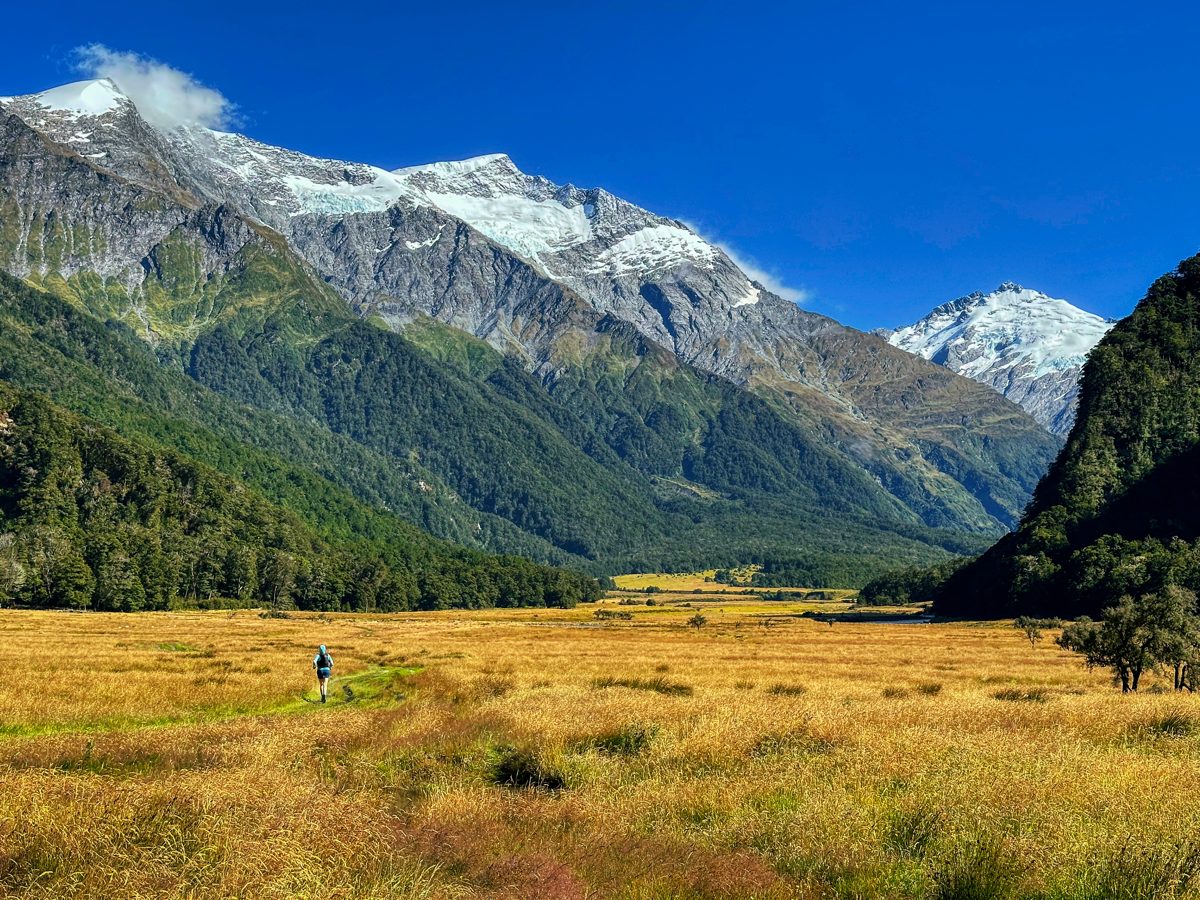
- For Smooth Gravel & Forest Paths: Focus on a moderate stack height (20-25mm) and shorter lugs (3mm). You want a shoe that feels light and nimble. A higher drop (6-8mm) is usually fine here as the terrain is predictable.
- For Technical Alpine Ridgelines: Look for a lower stack height for stability, a rock plate for protection, and multi-directional lugs. You want a "locked-in" feel.
- Pro Tip on Sizing: Always size up. When you are descending 3,000 feet or running for four hours, your feet will swell. Most trail runners go a half to a full size larger than their casual shoes to prevent "black toenails" caused by toes slamming into the front of the shoe on descents.
FAQ
Q: How long do trail running shoes last? A: Generally, you’ll get 300 to 500 miles out of a pair. However, if you’re running on abrasive terrain like sharp granite, the outsole lugs might wear down much faster than the midsole foam. Once the "teeth" are gone, the shoe is unsafe for technical trails even if the cushion feels fine.
Q: Can I wear my trail shoes on the road? A: You can, but I wouldn't recommend it as a habit. The softer rubber compounds used for trail grip wear down extremely fast on hot asphalt. It’s an expensive way to ruin a good pair of mountain shoes.
Q: Do I really need a "Zero-Drop" shoe to run naturally? A: Not necessarily. "Natural" running is more about form than gear. However, low-drop shoes (4mm) make it much easier to maintain that form. If you're a heavy heel-striker, don't force it—choose a shoe that complements your current gait while you work on your technique.
Ready to Hit the Dirt?
Finding the right trail shoe is a journey of trial and error, but understanding the relationship between drop, stack, and lugs gives you a massive head start. Remember: there is no "perfect" shoe—only the perfect shoe for the specific trail under your feet today. Get out there, test the limits, and don't be afraid to get a little mud on the midsole.