Quick Facts
- The Industry Leaders: For 2025, the best mountain bike brands are Specialized, Trek, Giant, Santa Cruz, and Canyon. Specialized wins on sizing versatility, Trek leads in high-performance geometry, and Giant offers the best suspension value.
- The Most Versatile Ride: If you only own one bike, make it a Trail Bike. With 130mm to 150mm of travel, bikes like the Santa Cruz Bronson or Specialized Stumpjumper offer the perfect balance of climbing efficiency and downhill "steeze."
- Tech Trends to Watch: 75% of top-rated 2025 models now feature adjustable 'flip-chip' geometry or "mullet" wheel configurations (29" front/27.5" rear) as standard.
- Sustainable Shifting: The industry has seen a 40% increase in sustainability reporting since 2020, with brands like Trek and Pivot moving toward 100% plastic-free packaging.
The New Golden Age of Mountain Biking
I’ve spent the better part of the last decade hucking rigs off sandstone drops in Sedona and grinding out 5,000-foot climbs in the Sierras. If there’s one thing I’ve learned for 2025, it’s that we are officially living in the Golden Age of Mountain Biking. The tech that used to be reserved for pro-level "dentist bikes" has finally trickled down to the enthusiast level, and the boundary between "budget" and "performance" is thinner than a worn-out brake pad.
Choosing the right brand isn't just about the logo on the down tube; it’s about the engineering philosophy under the hood. Whether you're looking for the best mountain bike for beginners or a boutique carbon masterpiece, the 2025 landscape is dominated by five heavy hitters: Specialized, Trek, Giant, Santa Cruz, and Canyon. Each brings something unique to the trail, from Specialized’s revolutionary S-Sizing to Giant’s unbeatable Maestro suspension value.
In our 2025 brand analysis, we’ve found that the market is splitting into two distinct camps: the Heritage giants who innovate at scale, and the Boutique disruptors who focus on precision and proprietary tech. Here is the breakdown of the brands that actually earned their keep on the dirt this year.
| Brand | Best For | Signature Tech | Price Range |
|---|---|---|---|
| Specialized | Versatility & Fit | S-Sizing & GENIE Shock | Mid to High |
| Trek | Performance & Support | ABP & Mino-Link | Mid to High |
| Giant | Value & Tech | Maestro Suspension | Entry to Mid |
The Big Three: Heritage Brands that Define the Industry
Specialized: The Versatile S-Sizing Leader (Editor's Choice: Stumpjumper 15)
Specialized has always been the "Apple" of the bike world—slick, integrated, and usually a step ahead of the curve. This year, they’ve doubled down on their unisex S-Sizing system (S1 through S6). Instead of picking a bike based on your inseam, you pick it based on your riding style. Want a flickable, short-wheelbase riot? Size down. Want a stable, high-speed plow? Size up.
The big story for 2025 is the Stumpjumper 15, which introduces the GENIE shock technology. We tested this on the chunky trails of British Columbia, and the compliance is mind-blowing. It feels like a short-travel bike on the climbs but somehow finds a "bottomless" feel when you're deep in the travel on a rocky descent.
- Pros: Incredible fit range; industry-leading SWAT on-frame storage; wide dealer network for service.
- Cons: Premium pricing; proprietary components can make aftermarket upgrades tricky.
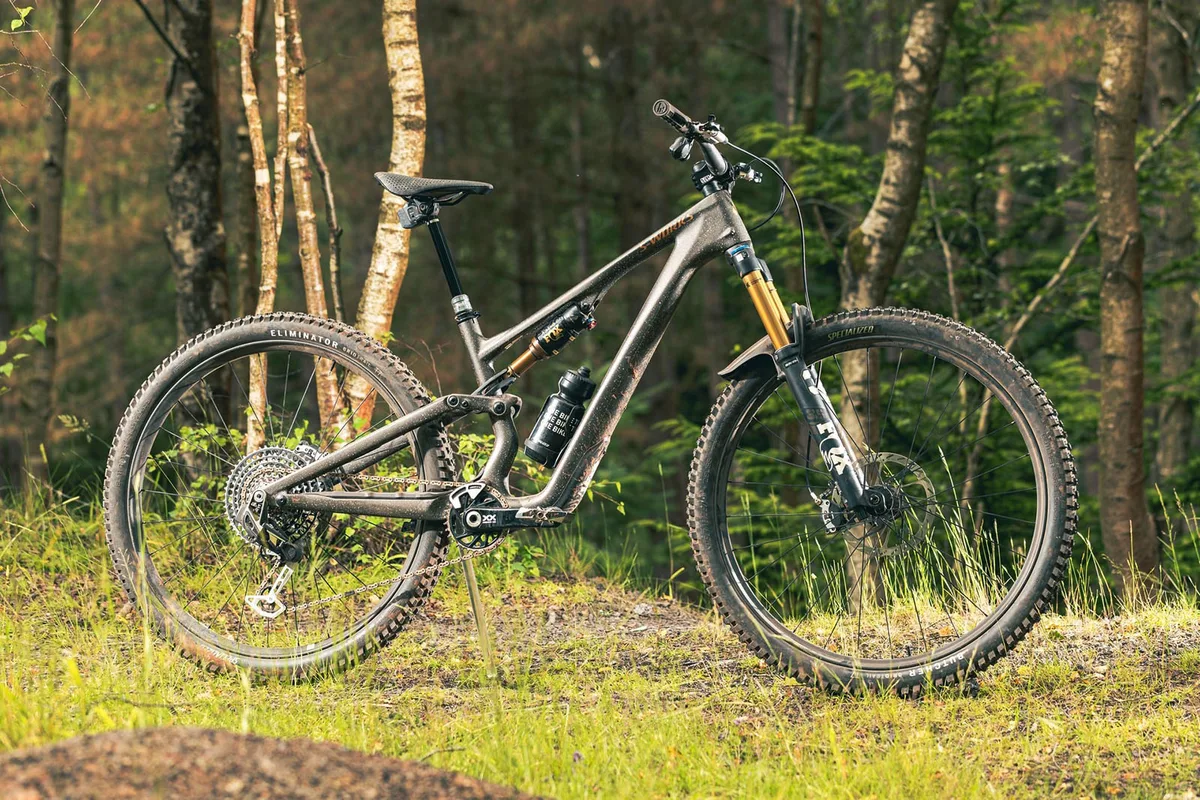
Trek: Wisconsin’s Performance Powerhouse
If you’re looking at Specialized vs Trek, the battle usually comes down to the suspension feel. Trek’s Active Braking Pivot (ABP) keeps the suspension active even when you’re grabbing a handful of brake, which is a lifesaver on steep, loose "chatter."
Their Fuel EX series remains the gold standard for a "do-it-all" trail bike. For 2025, Trek has leaned heavily into sustainability. They are one of the few brands leading the transition toward 100% plastic-free packaging and have a legitimate carbon frame recycling program. Our testers loved the Top Fuel 9.8 for its sheer speed; it’s a cross-country bike that thinks it’s an enduro rig.
- Pros: Exceptional frame stiffness; Mino-Link adjustable geometry; best-in-class local shop support.
- Cons: Stock tires can be hit-or-miss; slightly heavier than competitors at the same price point.
Giant & Liv: Premium Tech at Real-World Prices
Giant is the largest bicycle manufacturer in the world, and they use that scale to offer the best trail bikes for the money. Their Maestro Suspension is a dual-link system that provides incredible pedaling efficiency. While other brands might charge $6,000 for a carbon frame with mid-tier parts, Giant’s Trance and Anthem models often undercut the competition by 15-20% without sacrificing performance.
We also have to shout out Liv, Giant’s sister brand. Unlike other "women’s bikes" that just use a different saddle and paint job, Liv builds frames from the ground up based on female-specific anatomy and power output data.
- Pros: Unbeatable price-to-performance ratio; highly efficient climbing; bombproof frame builds.
- Cons: Aesthetics can be a bit conservative; heavier "house-brand" wheelsets.
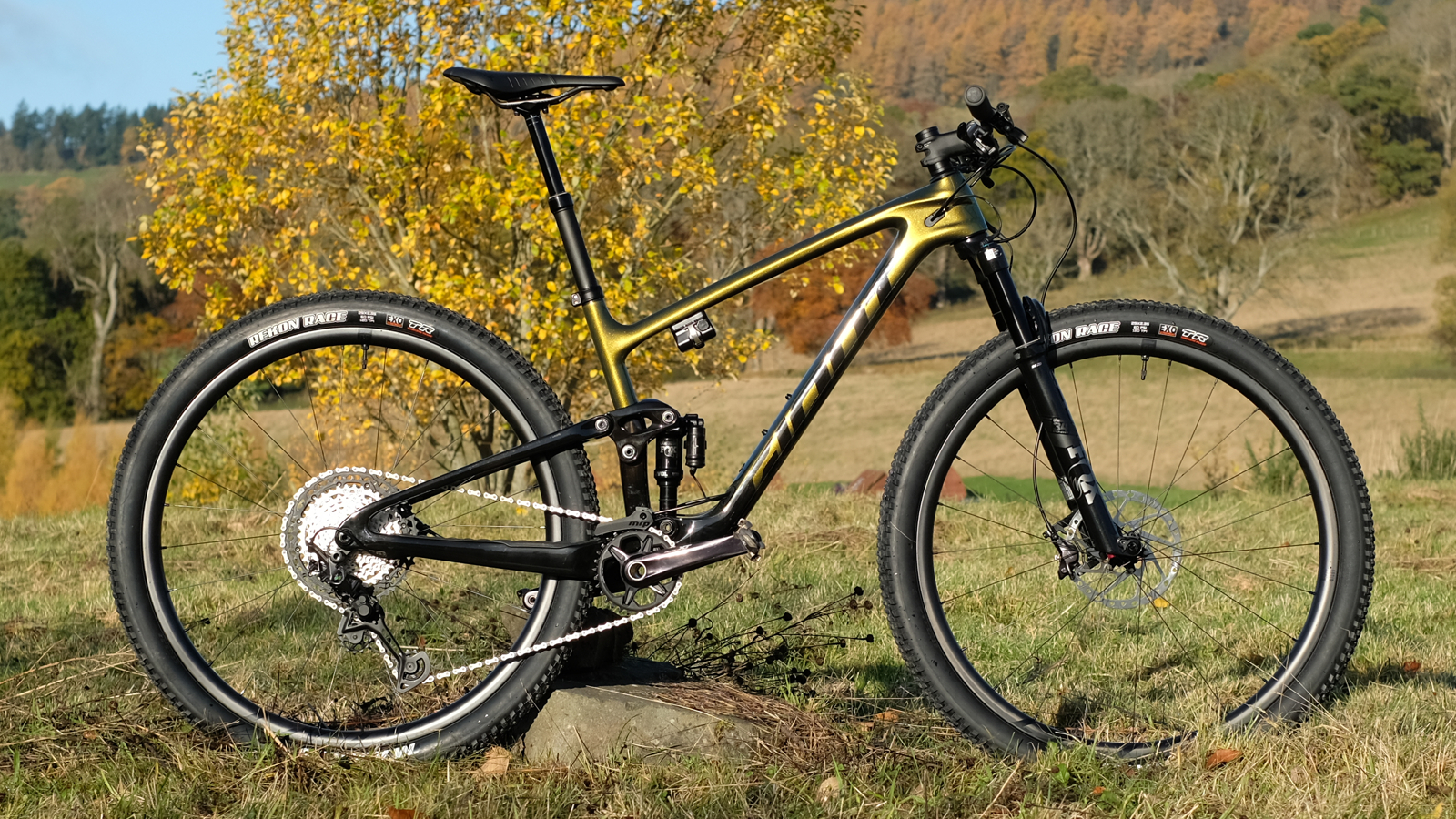
View Giant & Liv Collections →
Boutique & Performance-Driven Brands
Santa Cruz & Juliana: The VPP Specialists
Santa Cruz is the aspirational brand for a reason. Their Virtual Pivot Point (VPP) suspension is legendary for balancing a plush ride with a supportive mid-stroke. For 2025, the Hightower V4 and the Bronson (the ultimate mullet bike) continue to dominate the "cool factor" on the trail.
What really sets them apart, though, is the warranty. They offer lifetime frame and bearing warranties. If you’re the type of rider who keeps a bike for five years and rides in the mud, those free bearings are worth their weight in gold.
- Pros: Lifetime warranty; incredibly high resale value; sleek, clean cable routing.
- Cons: Very high entry price; VPP requires more frequent cleaning in muddy conditions.
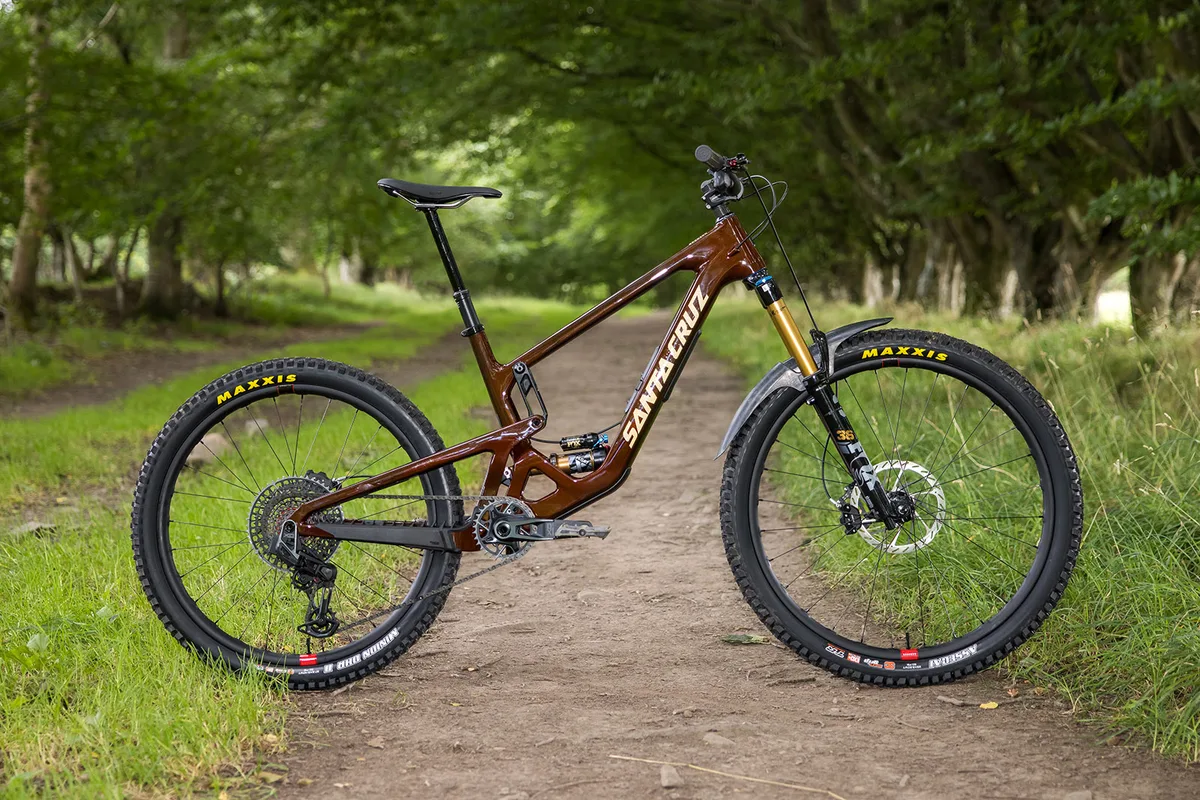
Yeti Cycles: The Cult of Turquoise
You can’t talk about boutique brands without mentioning Yeti. Their Switch Infinity suspension system—developed with Fox—uses a translating pivot that moves as the bike goes through its travel. On the trail, the SB140 and SB160 feel uniquely "planted." It’s an elite-level dampening sensation that’s hard to find elsewhere. It’s the bike you buy when you’ve graduated from "beginner" to "obsessed."
- Pros: Unique, high-performance suspension feel; racing pedigree; stunning aesthetics.
- Cons: High maintenance for the Switch Infinity link; price tags that make your wallet cry.
Pivot Cycles: Precision Engineering from the Desert
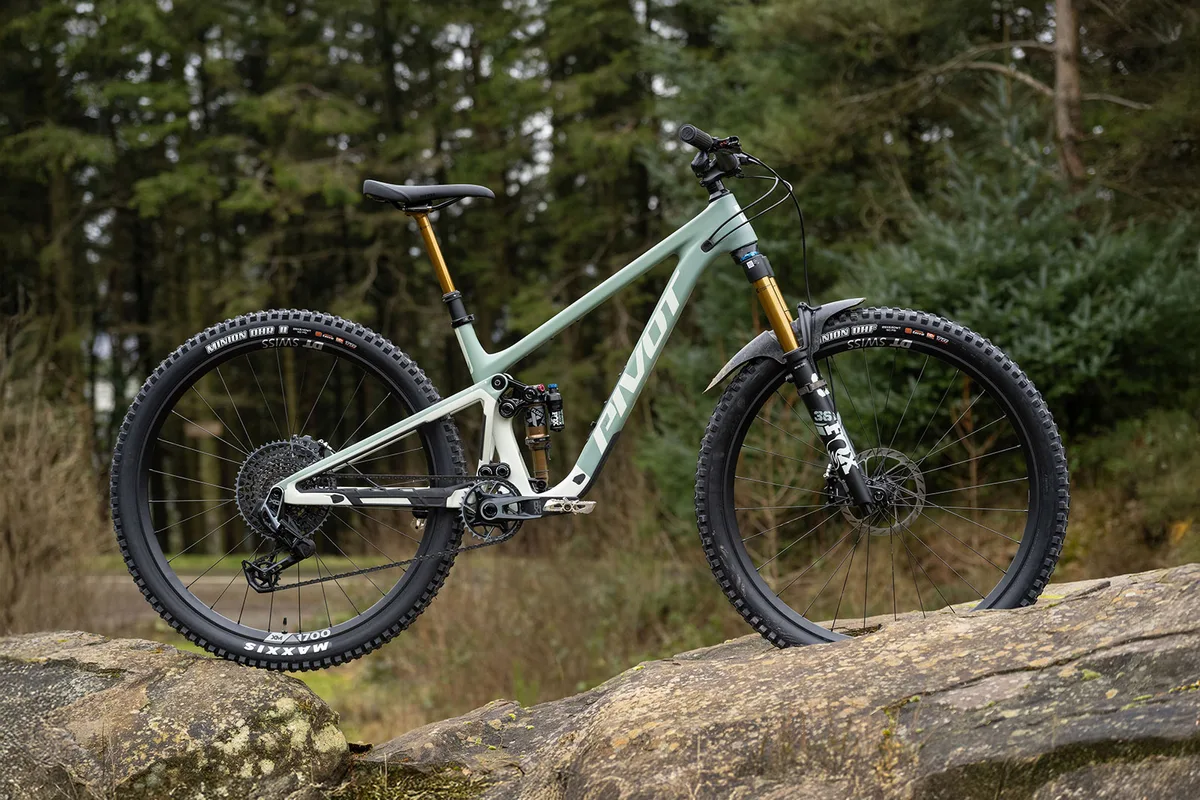
Based out of Tempe, Arizona, Pivot is obsessed with stiffness and quality control. Their bikes, like the Trailcat LT, use a sophisticated carbon molding process that results in some of the lightest yet strongest frames on the market. Pivot is also a leader in the sustainability movement, contributing to that 40% industry-wide increase in eco-reporting by implementing 100% plastic-free packaging.
- Pros: Extremely lightweight frames; DW-Link suspension efficiency; meticulous attention to detail.
- Cons: Proprietary "Super Boost" rear spacing can limit wheel upgrade options.
Value & Consumer-Direct Disrupters
Canyon: The German Direct-to-Consumer Giant
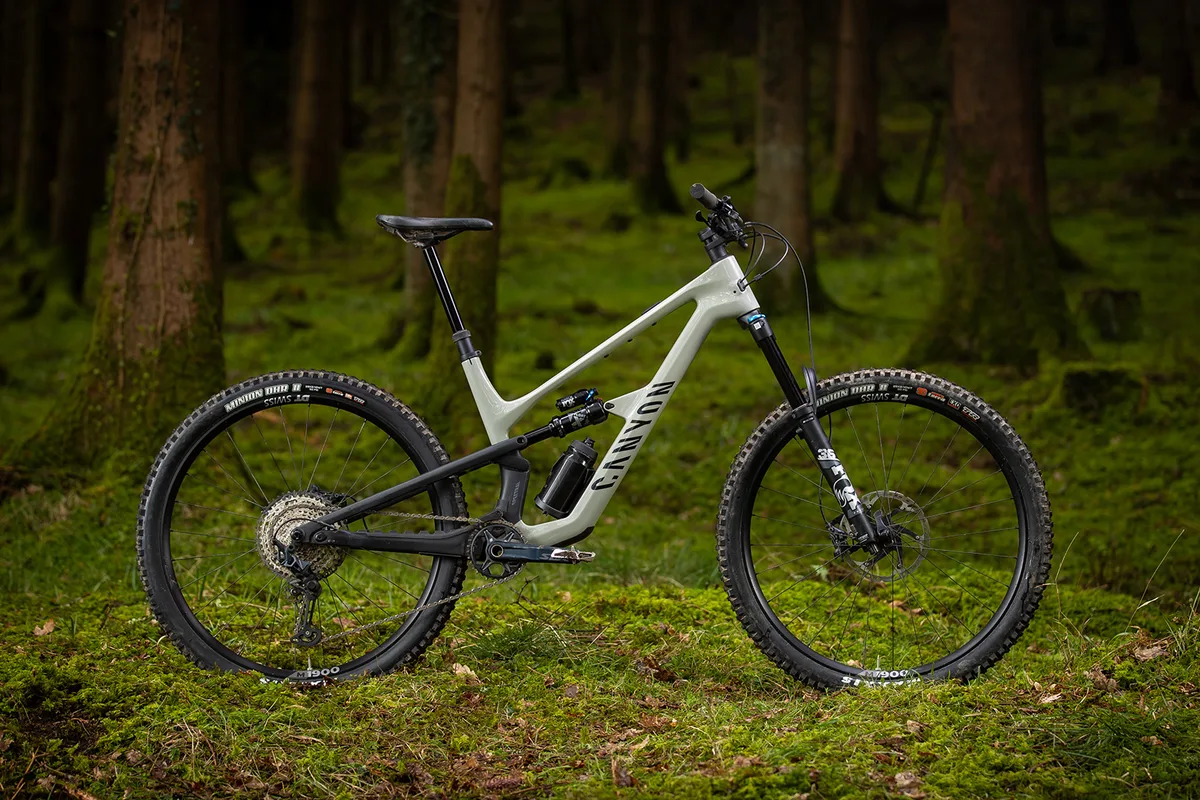
Canyon changed the game by cutting out the middleman. By shipping a bike directly to your door, they can offer high-spec components (like Fox Factory suspension and Shimano XT drivetrains) for 20-30% less than what you’d pay at a traditional bike shop. The Canyon Spectral is widely considered one of the best "all-rounders" on the planet.
- Pros: Insane value for money; high-quality German engineering; easy online ordering.
- Cons: You have to do the final assembly yourself; no local shop for immediate warranty claims.
Marin & Ibis: The Aluminum and Value Kings (Editor's Choice: Ibis Ripmo AF)
If you’re a budget-conscious rider who prioritizes frame quality over fancy carbon, look at Marin and Ibis. The Ibis Ripmo AF (Aluminum Frame) is a cult favorite. It uses the same high-end DW-Link suspension as its $10,000 carbon siblings but in a rugged, affordable alloy package. Meanwhile, the Marin Rift Zone is arguably the best mountain bike for beginners who want a "real" bike that can grow with their skills.
2025 Industry Trends: What We’ve Tested
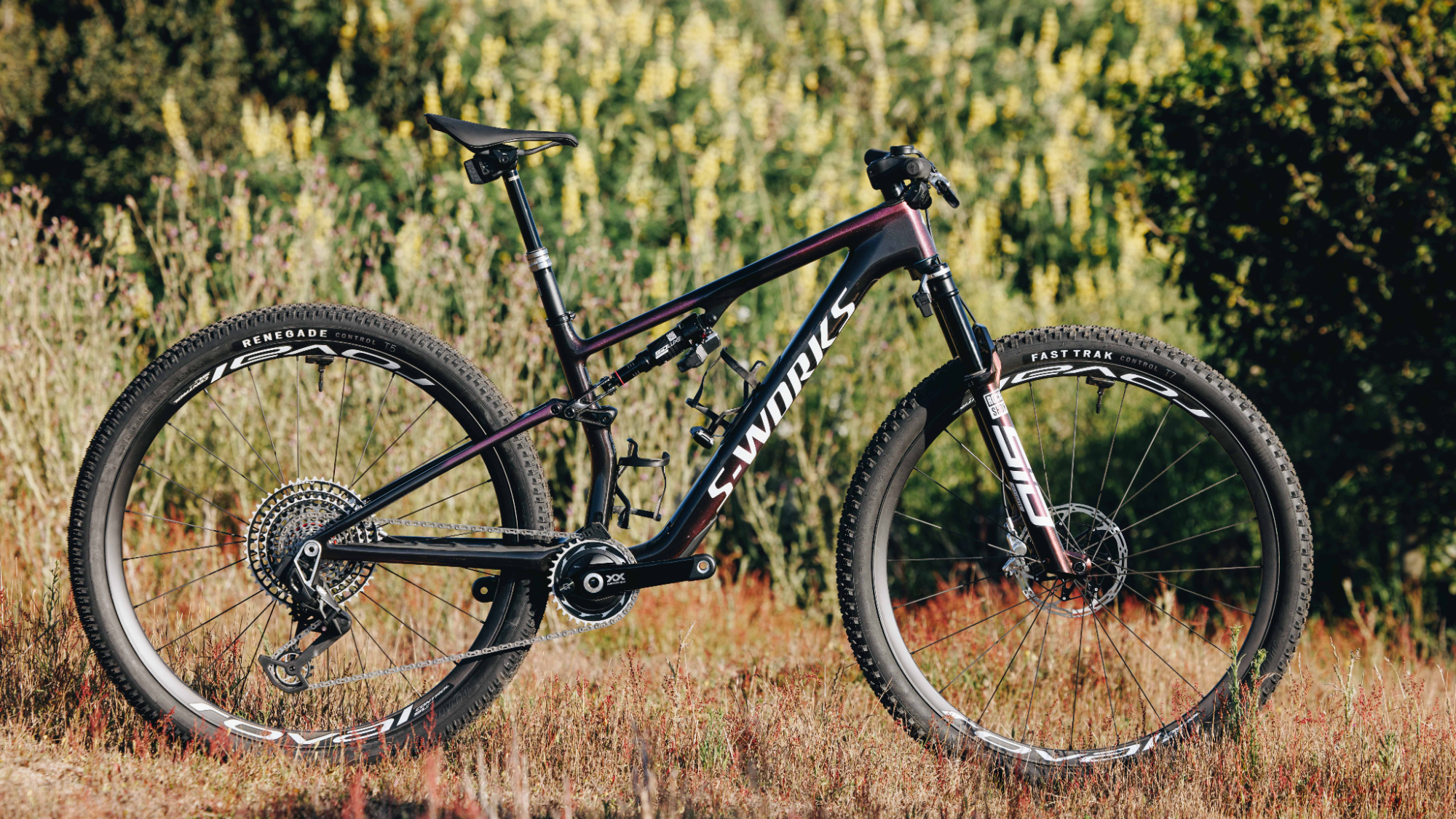
The biggest shift we’ve seen this year is the Rise of the Mullet. Nearly 75% of the 2025 bikes we tested now feature a 29-inch wheel in the front for rolling over obstacles and a 27.5-inch wheel in the rear for quick cornering. It’s a "best of both worlds" setup that has moved from niche downhill racing to mainstream trail bikes.
We’re also seeing the dawn of Electronic Suspension. Systems like the SRAM Flight Attendant use AI to adjust your fork and shock settings in real-time, hundreds of times per second. It’s spooky how well it works—climbing feels like you’re on a hardtail, but the moment you point it down, the bike opens up into a plush monster.
Buyer’s Guide: Choosing the Right Bike for Your Terrain
Don't get distracted by the shiny bits. When choosing an MTB brand, prioritize the frame material and the suspension type.
Carbon vs. Aluminum
Carbon is lighter and stiffer, which is great for racing and long climbs. However, modern aluminum (like Specialized’s SmartWeld or Ibis’s AF series) has narrowed the gap. If you’re a "heavy" rider or prone to crashing, aluminum offers peace of mind and leaves more money in your pocket for better tires and gear.
Choosing Your Travel
For 2025, the trail bike (130mm-150mm) is the sweet spot. It’s the most versatile mountain bike type because it doesn't feel like a sluggish tank on the flats but won't leave you terrified on technical descents.
| Bike Type | Travel | Best For |
|---|---|---|
| XC (Cross Country) | 100mm - 120mm | Racing, long-distance pedaling, efficiency. |
| Trail | 130mm - 150mm | The "Do-It-All" bike for 90% of riders. |
| Enduro | 160mm - 180mm | Steep descents, bike parks, racing against the clock. |
| DH (Downhill) | 200mm+ | Shuttles and chairlifts only. No climbing! |
FAQ
Q: What is the best mountain bike brand for beginners? A: Giant and Marin are top-tier choices for beginners. They offer high-quality components and reliable frames at entry-level price points, plus they have extensive dealer networks to help you with maintenance as you learn.
Q: Is a "Mullet" bike (29"/27.5") better than a full 29er? A: It depends on your height and style. If you’re shorter or love "jibbing" and throwing the bike around in corners, a mullet setup is fantastic. If you want pure speed and stability over rough rocks, a full 29er is still the king.
Q: How much should I spend on my first "real" mountain bike? A: In 2025, the "sweet spot" for a high-quality aluminum full-suspension bike is between $2,500 and $3,500. This ensures you get air-sprung suspension and a reliable 1x drivetrain.
Ready to Hit the Dirt?
There has never been a better time to get on a bike. Whether you choose the precision of a Yeti, the value of a Canyon, or the sheer versatility of a Specialized, the most important thing is to get out there and ride.
My final tip? Don't overthink the specs too much. Pick a bike that makes you want to skip work and head to the trailhead. See you out there!