Quick Facts
- Best Overall for 2026: The Astral YTV 2.0 dominates for its "hug-like" fit and superior mobility during high-output paddling.
- Top Women's Pick: The Astral Layla is the gold standard for female-specific design, utilizing a wrap-around fit and princess seams to accommodate diverse bust sizes.
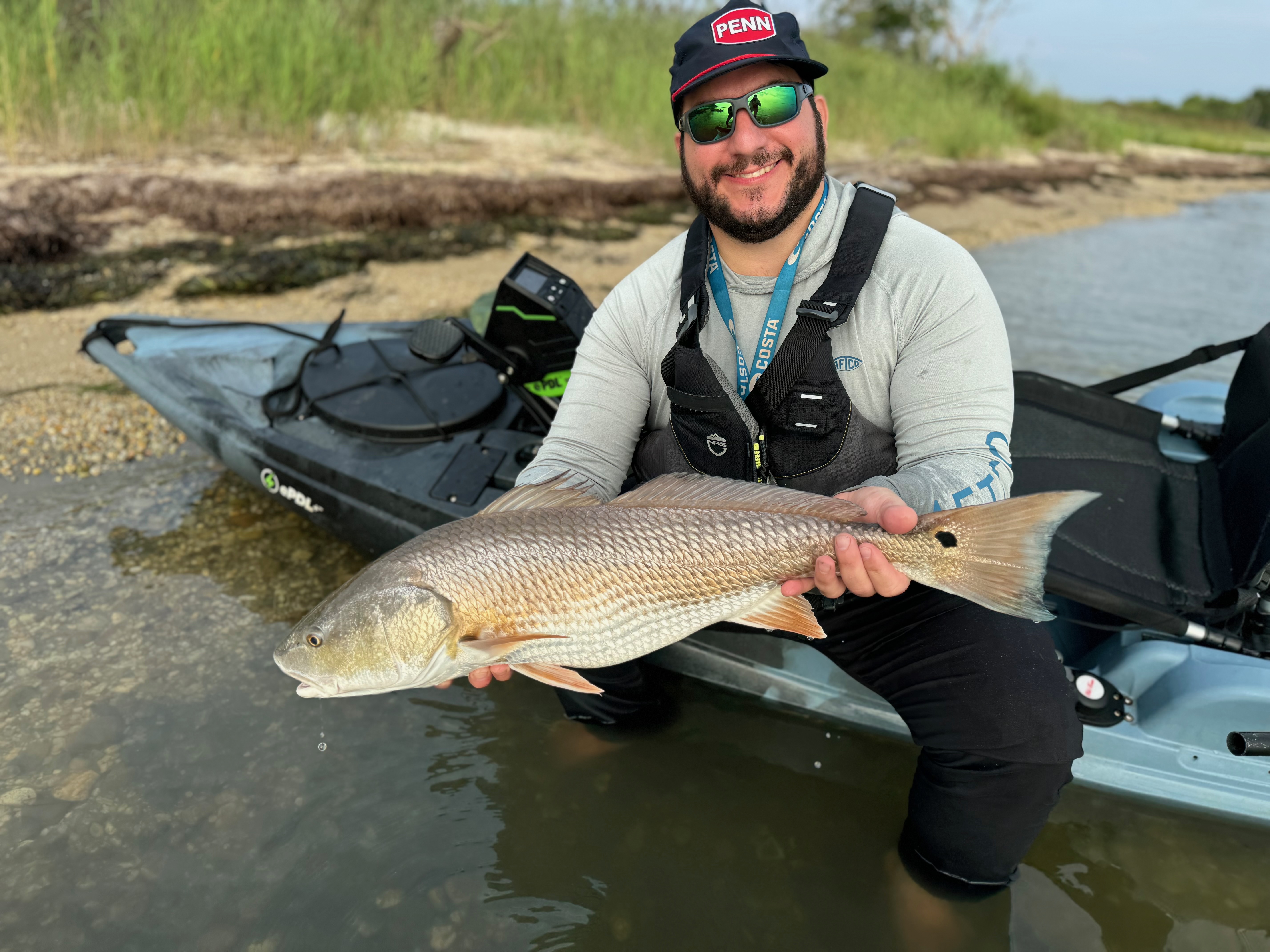
- Best for Anglers: The NRS Chinook transforms your chest into a floating workstation with specialized tool mounts and a high-back design for kayak seats.
- Testing Philosophy: Our 2026 rankings prioritize Fit (30%) and Comfort (25%), based on the philosophy that the best life jacket is the one you actually want to wear.
- Buoyancy Breakthrough: While the USCG requires 15 lbs of flotation for Type III vests, our top inflatable, the NRS Zephyr, delivers a massive 27.8 lbs—nearly 85% above the minimum.
Introduction: Safety Meets High Performance on the Water
I remember my first expedition down the Middle Fork of the Salmon River nearly fifteen years ago. Back then, "safety" meant wearing a bulky, orange foam block that felt more like a straightjacket than a piece of performance gear. It chafed my chin, restricted my reach, and by day three, I was more tempted to use it as a seat cushion than a life-saving device. Thankfully, the industry has evolved.
In 2026, the Personal Flotation Device (PFD) has been reimagined as a high-mobility garment. We no longer have to choose between safety and the freedom to execute a perfect cross-bow draw. My team and I spent the last six months putting dozens of the latest models through the wringer—from the glacial runoff of the North Cascades to the humid salt marshes of the Florida Keys.
Our testing protocol for 2026 was more rigorous than ever. We weighted Fit at 30% and Comfort & Mobility at 25%. Why? Because if a PFD isn’t comfortable, it ends up on the floor of the boat, and a life jacket only works if you’re wearing it when things go sideways. Through hundreds of "dunk tests" and thousands of paddle strokes, we’ve identified the absolute best life jackets of 2026. Whether you're a hardcore whitewater kayaker, a weekend SUP enthusiast, or an angler chasing a trophy bass, these are the PFDs that will keep you safe without slowing you down.
Top Picks At-A-Glance (Comparison Table)
| Product | Best For | Buoyancy | Entry Style | Material |
|---|---|---|---|---|
| Astral YTV 2.0 | All-Around Paddling | 16.5 lbs | Pullover | 200D Ripstop Nylon |
| Astral Layla | Female Paddlers | 16.3 lbs | Side Zip | Kapok & PE Foam |
| NRS Chinook | Fishing/Kayak | 16.5 lbs | Front Zip | 400D Ripstop Nylon |
| NRS Zephyr | SUP/Low-Risk | 27.8 lbs | Inflatable (Belt) | 210D Nylon |
| Astral Indus | Swiftwater Rescue | 22.0 lbs | Pullover | Cordura® |
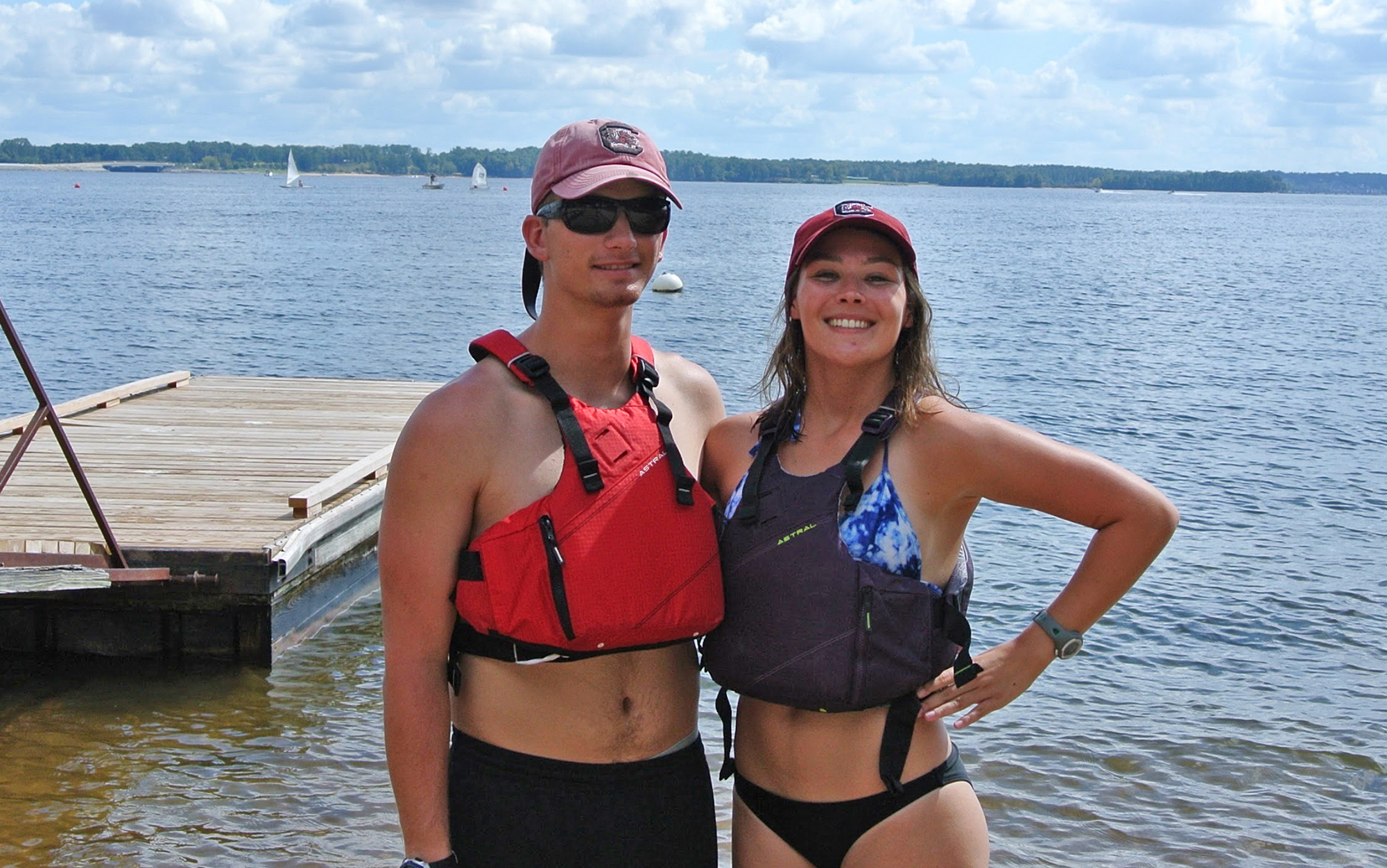
Best Overall Life Jacket for Paddling: Astral YTV 2.0
If I had to grab one vest for a month-long solo expedition, it would be the Astral YTV 2.0. This PFD is the spiritual successor to the original YTV, but with refined articulated panels that wrap around your torso like a second skin. During a three-day descent of the North Cascades, I barely noticed I had it on. The low-profile design means there is zero interference with your paddle shaft, even during high-angle strokes in technical whitewater.
The "Torso Lock" architecture is the secret sauce here. It keeps the vest from riding up into your face when you’re swimming in turbulent water—a common flaw in many cheaper vests. The 200D ripstop nylon is incredibly durable but surprisingly light, and the internal stash pocket is perfectly sized for a whistle or a snack bar.
Performance Insight: The Astral YTV 2.0 is the best paddling PFD because its articulated design eliminates the "boxiness" of traditional foam vests, providing an unmatched range of motion.
| Pros | Cons |
|---|---|
| Ultra-low profile for maximum mobility | Minimal storage (only two small pockets) |
| Articulated foam panels "hug" the body | Pullover style can be tricky for some to get on/off |
| Excellent ventilation for hot days |
View Astral YTV 2.0 on Astral →
Best Women’s-Specific Life Jacket: Astral Layla
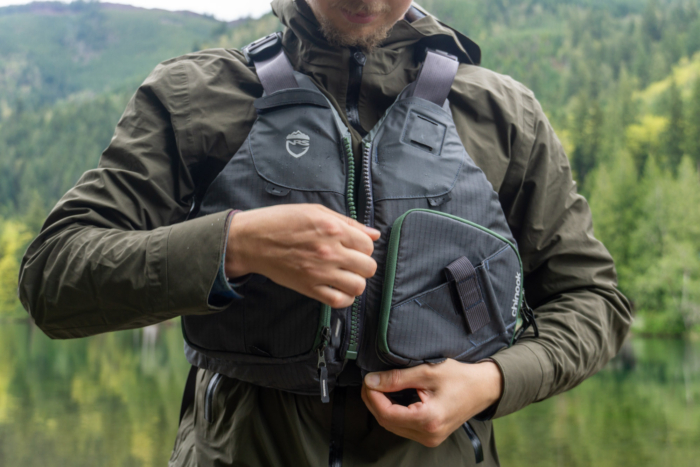
For too long, women were expected to just "make do" with unisex PFDs that didn't account for bust size or torso shape. The Astral Layla changes that narrative entirely. It features a customizable wrap-around fit and hinged front panels—known in the industry as "princess seams"—that allow the foam to contour around the chest rather than smashing against it.
In our field tests, female paddlers of various body types consistently rated the Layla as the most comfortable vest they had ever worn. A standout feature is the use of organic Kapok fiber in the front panels. Kapok is a soft, fluffy fiber that provides incredible flotation while remaining much more pliable than traditional PVC foam. This results in a "fit factor" that feels like a tailored garment rather than safety equipment.
The Expert Take: The Astral Layla is our top-rated PFD for females because its multi-panel design and side-entry system allow for a truly personalized fit across diverse body types.
| Pros | Cons |
|---|---|
| Princess seams provide superior comfort for women | Slightly bulkier than the YTV 2.0 |
| Kapok fiber is eco-friendly and soft | Side zip takes a moment to master |
| Large zippered front pocket for gear |
Best Fishing PFD: NRS Chinook
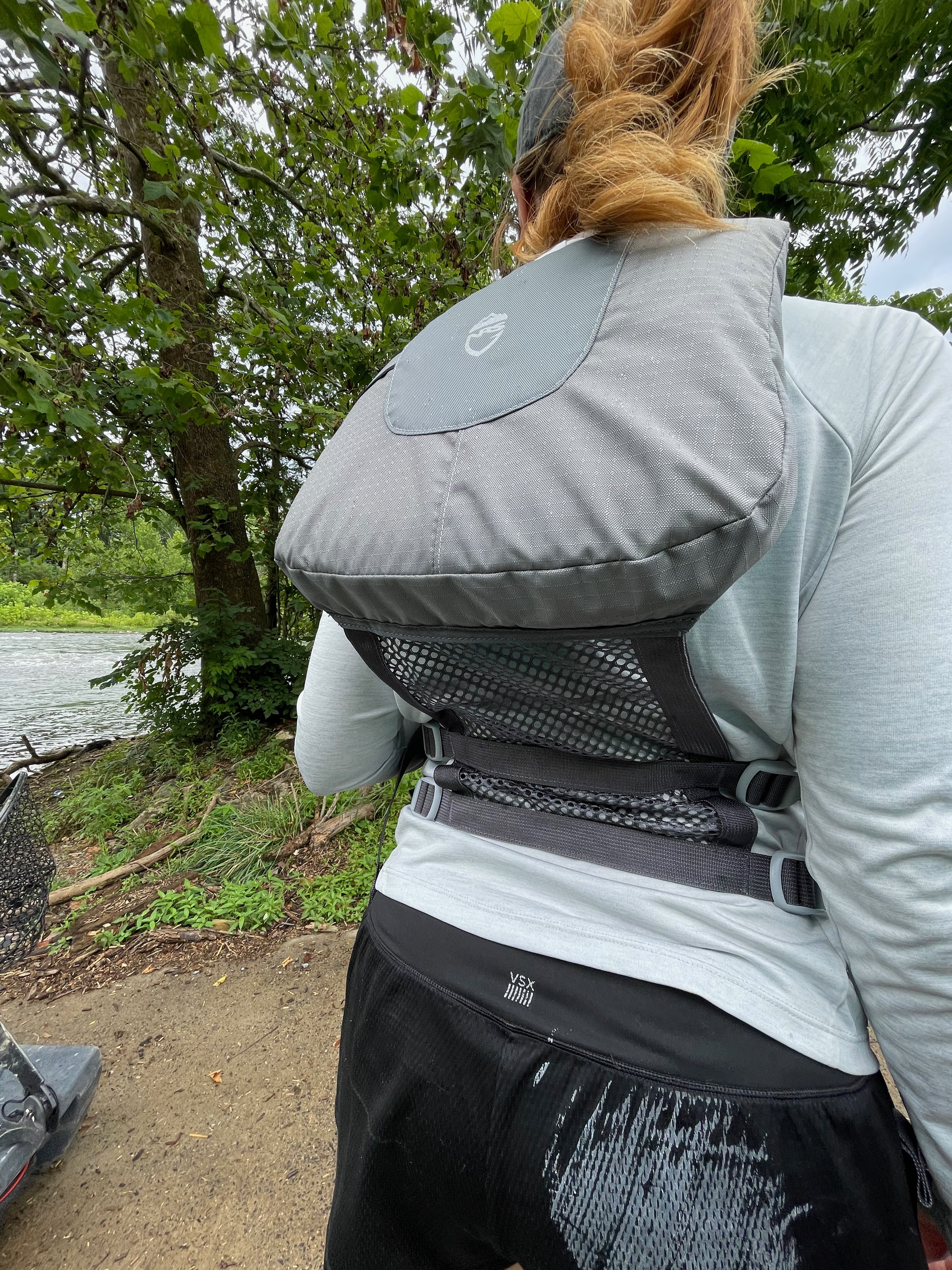
If you’re casting lines rather than chasing rapids, your needs are different. You need a vest that doubles as a tackle box. The NRS Chinook has been the "Gold Standard" for kayak anglers for years, and the 2026 iteration maintains that title. It features a high-back design that clears the tall seats found on most modern fishing kayaks, preventing the vest from pushing your head forward.
But the real magic is in the storage. With multiple D-rings, tool hangers, and specialized pockets for fly boxes and electronics, it’s a floating workstation. I spent a morning testing the Chinook on a remote lake in the Adirondacks, and I never once had to reach back into my crate for pliers or a fresh lure—everything was right on my chest.
The Functional Winner: The NRS Chinook is the most functional fishing vest on the market, featuring specialized tool attachment points and a layout optimized for the seated angler.
| Pros | Cons |
|---|---|
| Massive storage capacity for tools and lures | Can get heavy when fully loaded |
| High-back design is perfect for kayak seats | Foam takes longer to dry than minimalist vests |
| Dedicated rod holder loop |
Best Inflatable PFD for SUP and Low-Risk Activity: NRS Zephyr
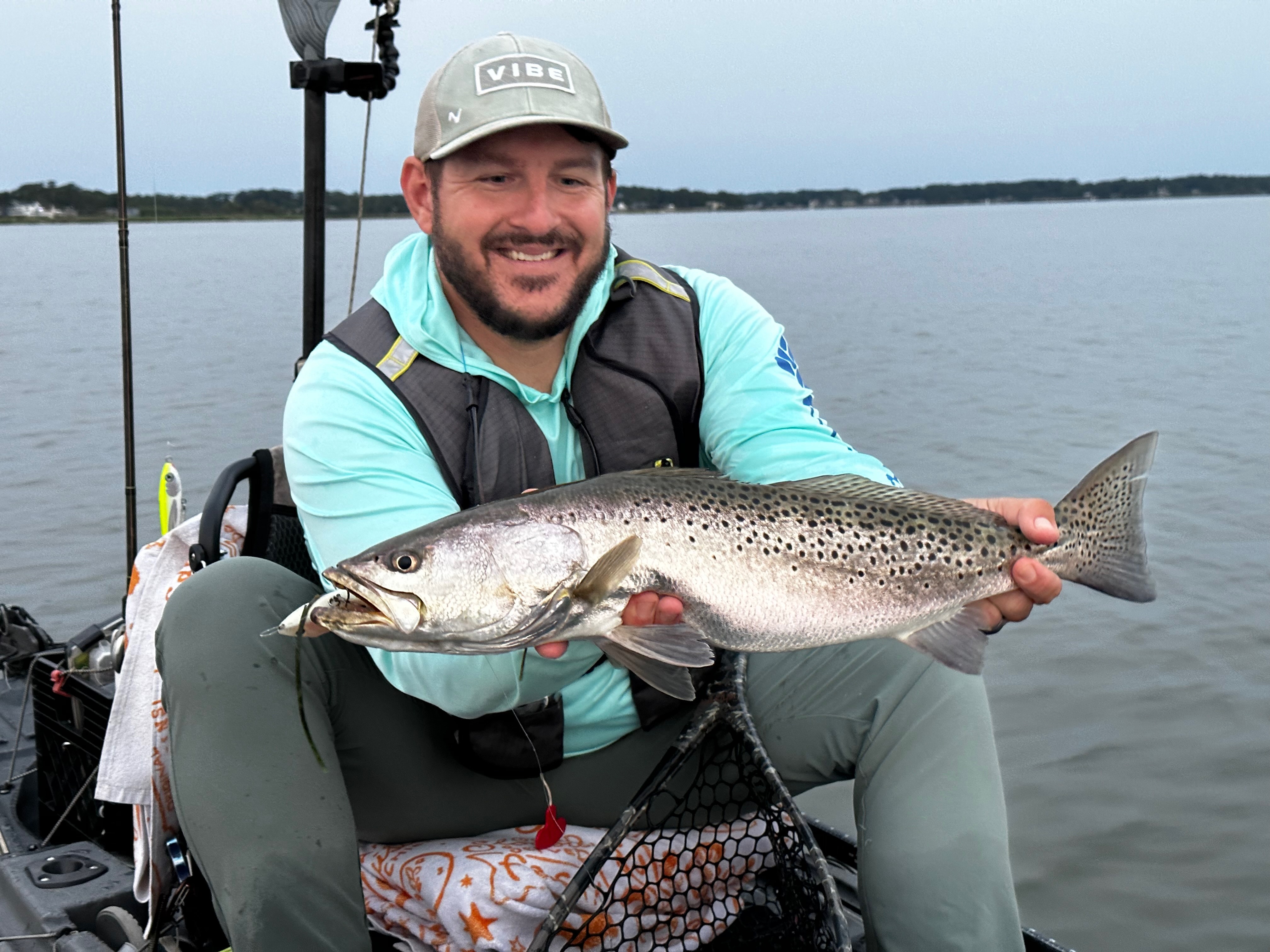
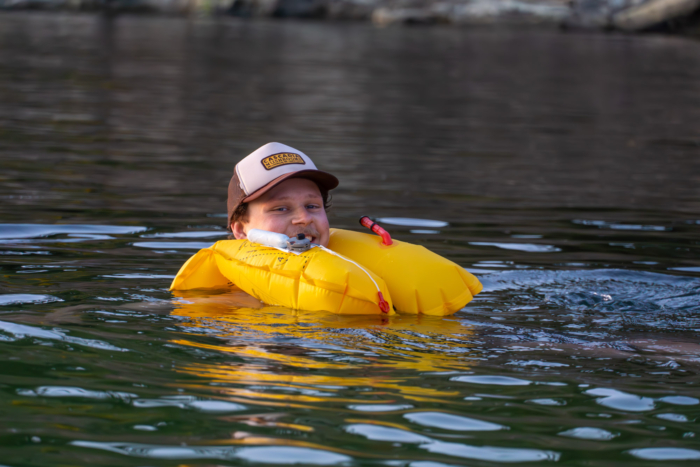
For the minimalist Stand-Up Paddleboarder (SUP) or those paddling on calm, protected waters, the bulky foam of a Type III vest can feel like overkill. Enter the NRS Zephyr. This is a belt-worn inflatable PFD—think of it as a high-tech "fanny pack" for the water. It stays out of your way completely while you're paddling, providing total cooling and zero restriction.
However, don't let its small size fool you. In the event of a fall, you simply pull the cord, and the Zephyr inflates to provide a staggering 27.8 lbs of buoyancy. That’s nearly 85% more than the USCG minimum. It’s important to note that this is a "Type V" device, meaning you must be wearing it for it to count as a legal PFD, and it’s best suited for confident swimmers in low-risk environments.
| Pros | Cons |
|---|---|
| Zero heat retention; maximum mobility | Requires manual inflation (pull cord) |
| Massive 27.8 lbs of flotation | Not suitable for whitewater or weak swimmers |
| Lightweight and low profile | Must be re-armed with CO2 after use |
Best Swiftwater and Rescue PFDs: Astral Indus vs. Kokatat HustleR
When the water gets white and the risks increase, you need a Type V Rescue PFD. These vests are built with more flotation and a quick-release harness for "live bait" rescues.
The Astral Indus is a beast. It provides 22 lbs of flotation, which is essential if you're swimming in highly aerated (bubbly) water where you naturally sink deeper. Despite the extra foam, it uses the same Freestyle Tectonics found in the YTV to keep the vest from riding up.
In contrast, the Kokatat HustleR offers a slightly more streamlined approach. It’s the choice for guides who need a rescue vest that still feels nimble for all-day paddling. While the Indus offers more "float," the HustleR offers a bit more "flow."
Expert Tip: If you're buying a rescue PFD, please seek professional Swiftwater Rescue Training (SRT). A quick-release harness is a powerful tool, but in untrained hands, it can be a hazard.
Testing Methodology: How We Ranked the Best PFDs of 2026
We don’t just read the spec sheets; we live in these vests. Our 2026 testing team consisted of four lead reviewers (including myself) who logged over 500 hours on the water combined. Our scoring was broken down into five key metrics:
- Fit (30%): Does the vest stay in place? Does it accommodate different body shapes?
- Comfort & Mobility (25%): Does it chafe? Can you execute a full range of motion?
- Quality & Durability (20%): How do the zippers and fabrics hold up to salt, sand, and sun?
- Features (15%): Storage, tool mounts, and safety extras.
- Flotation (10%): Does the vest provide more than the bare minimum of 15 lbs?
We performed "dunk tests" to see how quickly foam vests dried and how easy it was to re-arm the inflatables. We also conducted "ride-up" tests, where we jumped into moving water from a 10-foot height to see if the PFD stayed on the chest or tried to escape over the head.
Buying Guide: Understanding USCG Ratings and Buoyancy Levels
Choosing a PFD can feel like learning a new language. Here’s the breakdown of what you actually need to know:
Type III vs. Type V
- Type III (Flotation Aids): These are the most common. They are designed for conscious users in calm water where rescue is likely to be quick. Modern paddling vests fall into this category—they are comfortable and keep you in a vertical or slightly backward position.
- Type V (Special Use Devices): These are vests designed for specific activities like whitewater rescue or windsurfing. They often have extra features (like a rescue harness) and must be used according to the instructions on the label to be USCG legal.
Buoyancy: More Isn't Always Better
While the NRS Zephyr offers 27.8 lbs of lift, most recreational foam vests hover around 16 lbs. For most adults, 15 to 16 lbs of buoyancy is more than enough to keep your head above water. Going for a massive, high-buoyancy vest can actually make it harder to climb back into your kayak after a spill because the extra foam creates a "shelf" that catches on the side of the boat.
FAQ
Q: How often should I replace my life jacket? A: A high-quality PFD usually lasts 5–10 years. However, if the foam feels crunchy, the fabric is faded from sun exposure, or the straps are frayed, it’s time to retire it. The UV rays from the sun are the #1 killer of PFD longevity.
Q: Can I use an inflatable PFD for whitewater? A: No. Inflatable PFDs are not recommended for whitewater or high-impact sports. If you hit a rock and puncture the bladder, you lose your flotation instantly. Stick to foam vests for the rapids.
Q: How tight should my PFD be? A: You want it snug but not restrictive. A good test is to have a friend pull up on the shoulder straps; the vest should not move up toward your ears. Always tighten the waist straps first to "anchor" the vest.
Conclusion & Final Recommendations
The gear we’ve reviewed for 2026 proves that safety no longer has to be an anchor. If you’re a generalist looking for the best all-around performer, the Astral YTV 2.0 is an investment in comfort you won't regret. For women, the Astral Layla is a game-changer that finally prioritizes a proper fit. And if you're an angler, the NRS Chinook is essentially an upgrade to your boat’s storage capacity.
Whatever you choose, remember that the "best" life jacket is the one you have on when you need it. Get a vest that feels like a part of you, and you’ll find yourself heading out onto the water with more confidence and more freedom.
Stay safe, stay adventurous, and I'll see you on the river.