Quick Facts
- Best Overall: The Rumpl Original Puffy Blanket remains the undisputed king for 2025, offering a perfect balance of water resistance, eco-friendly materials, and rugged durability.
- Maximum Warmth: For those venturing into sub-freezing territory, the Rumpl Backcountry Blanket and the Western Mountaineering Cloud 9 Comforter are the top-rated choices for thermal retention.
- Best Value: You don't need to break the bank; the Cascade Mountain Tech Adventure Pack Blanket provides legitimate weather protection and warmth for under $50.
- Proven Durability: Our testing involved a controlled 0.5-liter water spill test and 3 years of real-world use across 40 flights and environments ranging from the high Sierras to the Montana backcountry.
9 Best Camping Blankets of 2025: Top-Tested Picks for Warmth and Durability
There is a specific kind of heartbreak that happens at 3:00 AM in the Mojave Desert when you realize your standard household "throw" is about as effective against the high-desert wind as a piece of damp tissue paper. I’ve been there—shivering in a tent, realizing that "cozy" at home doesn't equate to "survival" in the wild.
A true camping blanket isn't just a piece of bedding; it’s a piece of technical gear. Over the last three years, my team and I have dragged dozens of blankets through the mud, shoved them into overflowing carry-ons for over 40 flights, and draped them over campfires from the humid Appalachian Trail to the biting cold of the Montana mountains. We’ve subjected them to the "Hot Sock" test to measure heat loss and a grueling 0.5-liter water spill test to see which fabrics actually keep you dry.
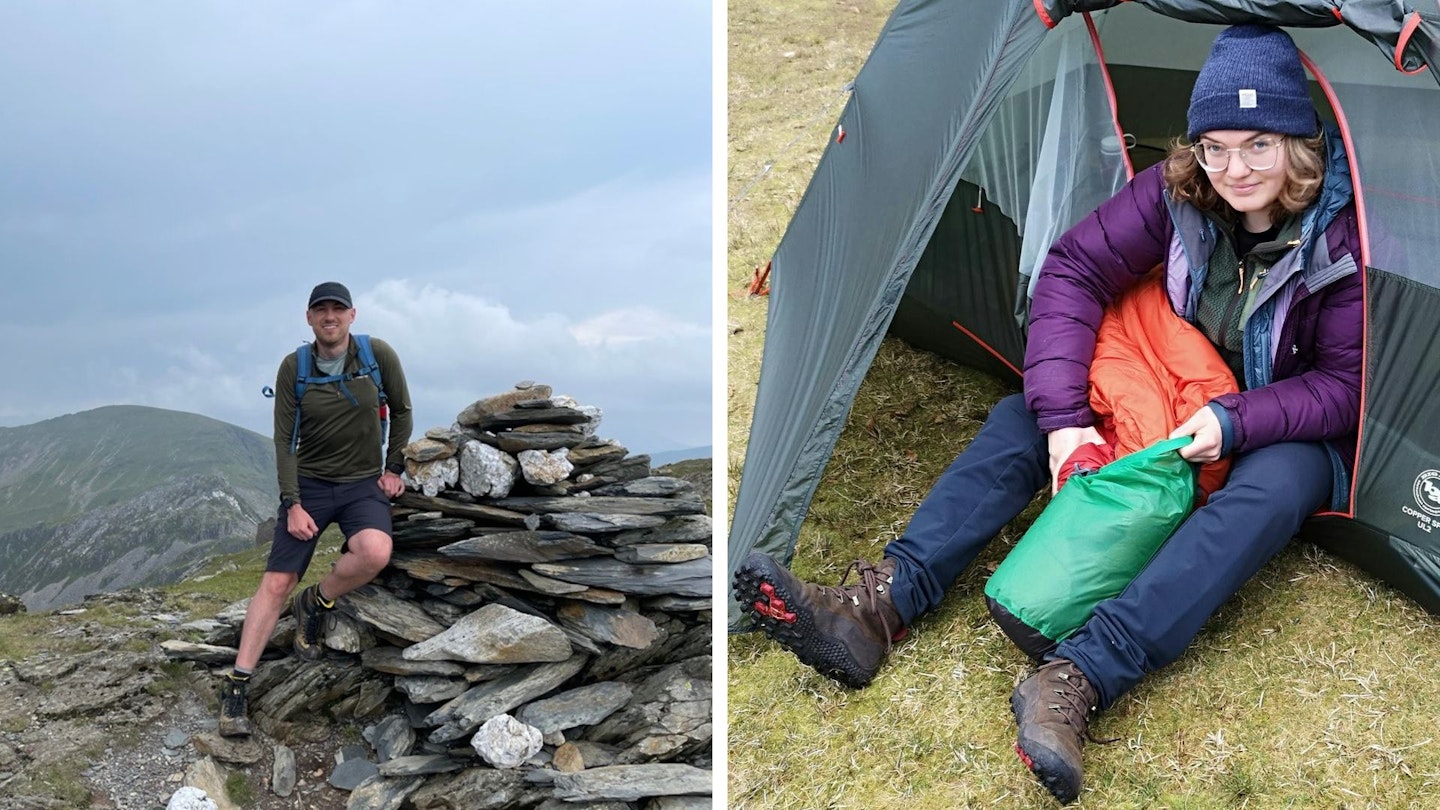
After thousands of miles on the road, one thing is clear: The Rumpl Original Puffy Blanket is the best overall camping blanket of 2025. It’s the "Golden Retriever" of the gear world—loyal, rugged, and ready for anything. But if you’re looking for something ultralight for a thru-hike or a heavy-duty "porch" for your tent, we’ve found the perfect matches for those niches, too.
Best in Class Summary
| Category | Winner | Key Strength |
|---|---|---|
| Best Overall | Rumpl Original Puffy | 100% Recycled, Waterproof, Machine Washable |
| Warmest Pick | Rumpl Backcountry | High-loft synthetic for damp, freezing nights |
| Best Budget | Cascade Mountain Tech | Performance protection for under $50 |
Comparison: Top 9 Tested Blankets at a Glance
| Model | MSRP | Insulation | Weight | Waterproofing Score |
|---|---|---|---|---|
| Rumpl Original Puffy | $125 | Recycled Synthetic | 2.1 lbs | 10/10 |
| Rumpl Backcountry | $199 | Synthetic High-Loft | 2.5 lbs | 9/10 |
| Cascade Mountain Tech | $45 | Synthetic | 1.8 lbs | 7/10 |
| WM Cloud 9 | $325 | 800-Fill Down | 1.6 lbs | 5/10 |
| Yeti Lowlands | $200 | Padded Polyester | 5.8 lbs | 10/10 |
| Kammok Firebelly | $200 | 750-Fill Down | 1.8 lbs | 6/10 |
| Honcho Poncho | $230 | 650-Fill Down | 1.9 lbs | 7/10 |
| Sackcloth & Ashes | $130 | Wool Blend | 3.5 lbs | 3/10 |
| Passenger Cabin | $110 | Recycled Sherpa | 2.8 lbs | 4/10 |
1. Best Overall Camping Blanket: Rumpl Original Puffy Blanket
If you spend any time at a trailhead, you’ve seen the Rumpl. It’s popular for a reason. During our "Testing Lab" spill test, we poured 0.5 liters of water directly onto the center of the blanket. Most mid-tier blankets began to seep within 20 minutes; the Rumpl held that pool of water for over 3 hours without a single drop leaking through to the underside.
The 100% recycled 3D hollow fiber insulation mimics the feel of down but maintains its loft even when the humidity hits 90%. I particularly love the "Cape Clip"—a simple plastic buckle that allows you to wear the blanket hands-free while you’re making morning coffee or stoking the fire. It feels crisp, looks sharp, and survives the washing machine like a champ.
- Pros: Incredible water resistance; eco-friendly construction; includes a Cape Clip for wearable convenience.
- Cons: The "swish" sound of the fabric can be loud in a quiet tent; premium price point.
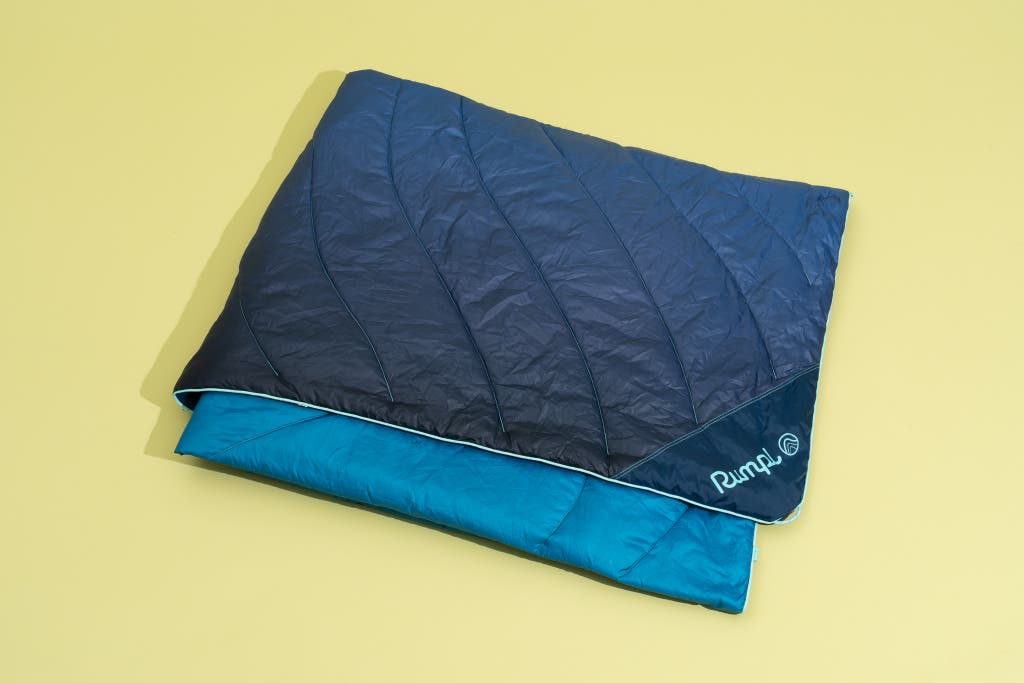
2. Warmest for Cold Weather: Rumpl Backcountry Blanket
When the temperature drops and the wind starts howling at 35mph, you want the Rumpl Backcountry. While the Original is great for summer nights and autumn bonfires, the Backcountry is built for the "real" cold. It features a higher loft synthetic insulation and a reinforced weather-resistant shell.
In our field tests during a late-season snow flurry in the Cascades, the Backcountry outperformed every down rival we had on hand. Why? Because when snow melts on your gear, down clumps and loses its ability to trap heat. The Backcountry stayed puffy and warm, keeping our lead tester, Rob, comfortable when the mercury hit 30°F.
- Pros: Top-rated choice for maximum warmth; manages moisture better than down.
- Cons: Heavier and bulkier than ultralight alternatives.
3. Best Budget Choice: Cascade Mountain Tech Adventure Pack Blanket
It’s rare to find a piece of gear under $50 that I would actually trust in the backcountry, but the Cascade Mountain Tech blanket is the exception. Made with 20D ripstop nylon and a surprisingly effective DWR (Durable Water Repellent) coating, it passed our waterproofing tests with flying colors.
It’s not as plush as the Rumpl, and the stitching isn't quite as reinforced, but for the casual camper or the "emergency kit" in the back of your Subaru, it’s unbeatable. It’s the best quality option for under $50 on the market today.
- Pros: Incredible price; lightweight; actually waterproof.
- Cons: Insulation is thinner; not as durable over long-term use.
4. Best for Extreme Packability: Western Mountaineering Cloud 9 Comforter
For the gram-counters and the long-distance trekkers, the Western Mountaineering Cloud 9 is a revelation. Western Mountaineering is legendary for their sleep systems, and the Cloud 9 brings that 800-fill European goose down expertise to a blanket format.
Weighing in as low as 25 oz, it compresses down to the size of a large grapefruit. In my experience, the "loft" is unparalleled—it feels like you’re being hugged by a warm cloud. This is the blanket you bring when every ounce in your pack counts, but you aren't willing to sacrifice a good night's sleep.
- Pros: Best-in-class warmth-to-weight ratio; extreme packability.
- Cons: Very expensive; requires specialized care (down wash).
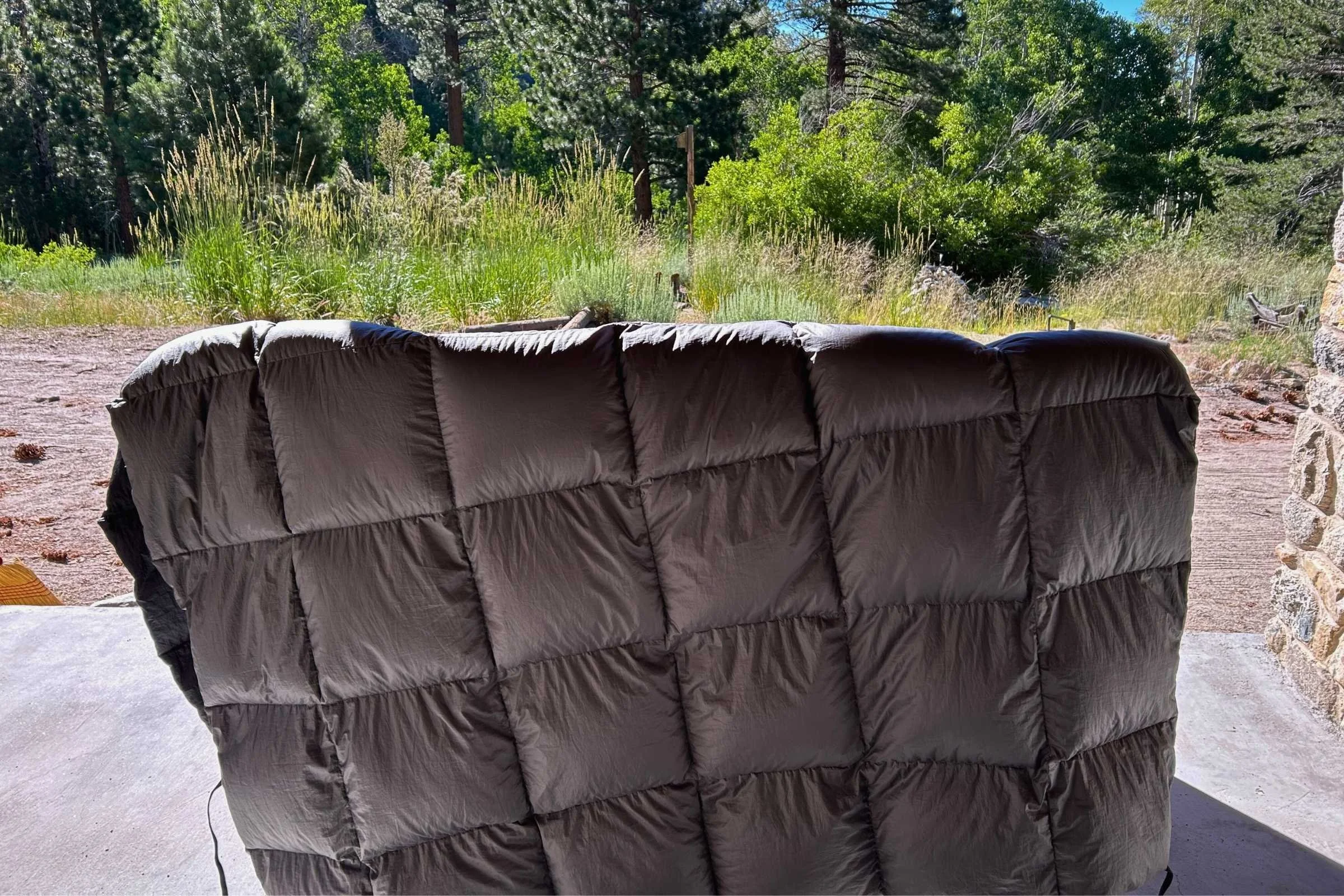
5. Best Ground & Picnic Blanket: Yeti Lowlands Blanket
The Yeti Lowlands isn't the blanket you wrap yourself in for warmth—it's the blanket you lay down to claim your territory. It features a "Hydrobarrier" waterproof bottom layer that is essentially impenetrable. We laid this down on soggy, mud-caked ground in the Pacific Northwest, and the top remained bone-dry and plush.
It’s also a pet owner’s dream. Unlike the nylon "puffy" blankets that act like a magnet for dog hair, the Lowlands repels fur and dirt. You can literally shake it out, and it’s clean.
- Pros: Completely waterproof base; creates a clean "porch" for your tent; repels pet hair.
- Cons: Very heavy (over 5 lbs); not meant for wrapping around yourself.
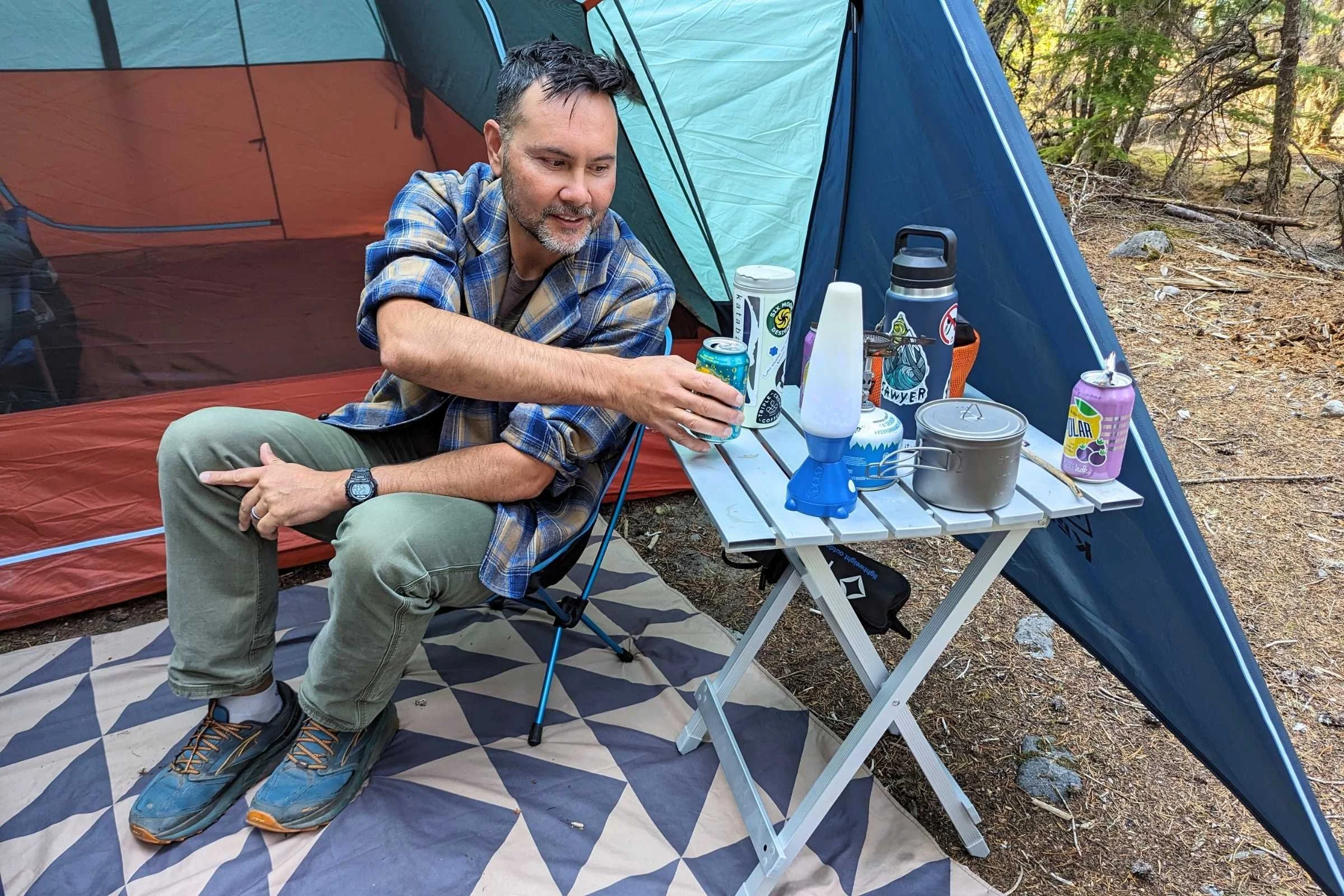
6. Most Versatile Backcountry Quilt: Kammok Firebelly
The Firebelly is the "Swiss Army Knife" of camp blankets. Using 750-fill duck down, it’s rated down to 30°F, but its real magic lies in its conversion capabilities. With a series of snaps and drawstrings, it transforms into a sleeping bag-style pod or an underquilt for a hammock.
During a hammock camping trip in Virginia, the Firebelly saved my night by snapping perfectly onto my Kammok Roo. It’s versatile, technically proficient, and uses Bluesign-approved recycled fabrics.
- Pros: Multi-use (blanket, poncho, underquilt); high-quality down.
- Cons: Snaps can be a bit finicky in the dark.
7. Best Wearable Puffy: Therm-a-Rest Honcho Poncho
If you’ve ever tried to roast marshmallows while holding a blanket around your shoulders, you know the struggle. The Honcho Poncho solves this with a dedicated head hole and a kangaroo pocket. It uses 650-Fill Nikwax Hydrophobic Down, which means it resists clumping in the rain better than standard down.
I’ve found this to be the ultimate travel companion. It’s just as useful for chilly airport layovers as it is for the campfire. It packs into its own pocket, doubling as a remarkably comfortable camp pillow.
- Pros: Wearable design; hydrophobic down; serves as a pillow when packed.
- Cons: The "one size fits most" can be quite oversized for smaller frames.

8. Coziest Wool-Blend: Sackcloth and Ashes Camp Blanket
Sometimes, you don't want the "swish-swish" of nylon. You want something that feels like home. The Sackcloth and Ashes blanket is a soft, non-itchy wool blend that feels heavy and substantial.
Unlike traditional wool blankets that require dry cleaning, this one is machine washable. We tested it through five wash cycles, and it retained its softness without pilling. It’s the perfect "cabin" blanket that can still handle a night by the fire.
- Pros: Extremely soft; beautiful designs; machine washable.
- Cons: Zero water resistance; heavy when wet.
9. Best for Van-Life and Glamping: Passenger Cabin Recycled Sherpa Blanket
If your "camping" involves a converted Sprinter van or a luxury yurt, the Passenger Cabin blanket is your best friend. It combines a durable recycled polyester outer shell with a thick, cozy Sherpa fleece lining.
It’s heavy, warm, and feels incredibly luxurious against the skin. While I wouldn't hike five miles with it, it's the first thing I grab when I’m settling in for a night of van-camping along the coast.
- Pros: High comfort; recycled materials; stylish aesthetic.
- Cons: Bulky; stays damp for a long time if it gets wet.
Buying Guide: How to Choose Your Perfect Camp Blanket
Choosing a blanket is about balancing weight, warmth, and where you intend to use it. Here’s the science behind the gear.
Material Science: Synthetic vs. Down vs. Wool
- Synthetic: The workhorse. It’s cheaper, machine-washable, and—crucially—stays warm when wet. If you're camping in humid or rainy environments, go synthetic.
- Down: The gold standard for warmth-to-weight. It packs down tiny and feels like luxury. However, it’s expensive and loses all warmth if it gets soaked.
- Wool: Naturally fire-resistant and timeless. Great for car camping, but heavy and bulky.
Durability and Denier (D)
Look at the "Denier" count. A 20D fabric (like the Rumpl) is lightweight and reasonably tough, but if you’re planning on laying your blanket directly on rocky ground or near a dog with sharp claws, you might want something higher, like the 40D+ fabrics found in ground-specific blankets.
Size and Packability
Are you sharing? A "Two-Person" or "Queen" size sounds great until you have to fit it into a 40-liter backpack. Always check the "packed size" specifications.
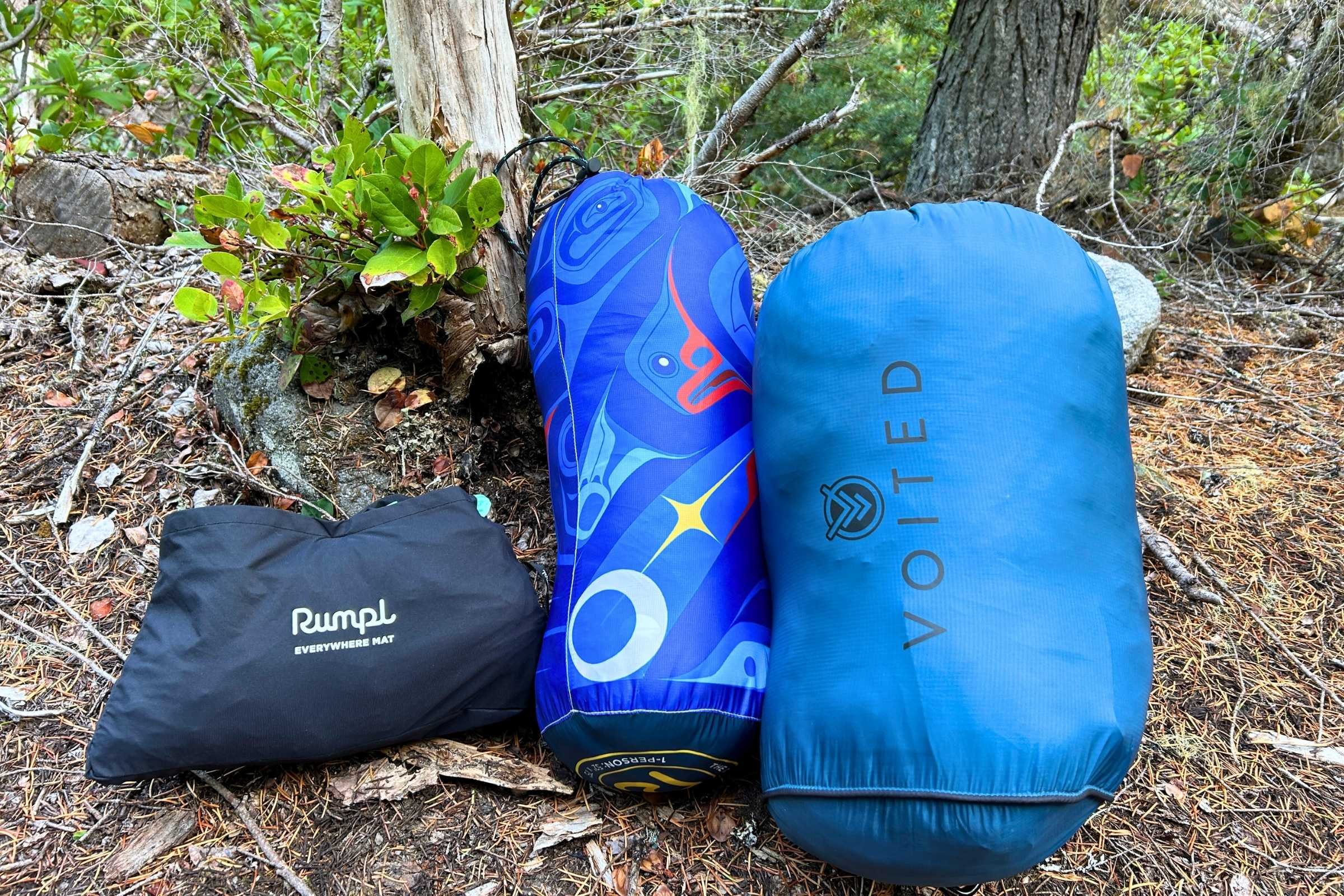
Care and Maintenance Tips
- Washing: For synthetic blankets, use cold water and a mild detergent. For down, use a specific "Down Wash" (like Nikwax) to preserve the natural oils in the feathers.
- Drying: Always tumble dry on low heat. For down blankets, add three clean tennis balls or "dryer balls" to the drum. This breaks up the clumps and restores the loft.
- Restoring DWR: If water stops beading on the surface of your blanket, you can "reset" the DWR coating by putting it in the dryer on low heat for 20 minutes, or by applying a spray-on waterproofing treatment.
FAQ
Q: Can I just use my comforter from home? A: You can, but I wouldn't recommend it. Household blankets aren't treated for moisture and will soak up morning dew like a sponge. They also lack the "ripstop" durability needed to survive sticks, rocks, and campfire sparks.
Q: Are puffy blankets fireproof? A: Absolutely not. Most are made of nylon or polyester, which will melt instantly if a spark hits them. Always keep your puffy blanket a safe distance from the flames. For fire-adjacent use, wool is a much safer bet.
Q: How do I store my blanket at home? A: Never store your blanket compressed in its stuff sack for long periods. This crushes the insulation and reduces its "loft" over time. Hang it up or store it loosely in a large mesh laundry bag.
Final Verdict
We’ve put these blankets through the ringer so you don't have to suffer through a cold night. If you want the absolute best all-rounder, get the Rumpl Original Puffy. If you’re on a budget, the Cascade Mountain Tech is a steal. And if you’re heading into the deep cold, the Rumpl Backcountry won't let you down.
Now, pack your bag, grab your blanket, and get out there. The mountains are waiting.