Quick Facts
- Top Pick for 2026: The REI Co-op Magma 850 Hoodie takes the crown for its unmatched balance of 850-fill-power warmth, portability, and value.
- The Beast for Sub-Zero: For extreme alpine conditions, the Rab Neutrino Pro remains the gold standard, utilizing 800-fill hydrophobic down and a weather-resistant shell.
- Ultralight King: Thru-hikers should look no further than the Mountain Hardwear Ghost Whisperer/2, which weighs a staggering 8.3 to 9 ounces.
- Budget Champion: The Decathlon Simond MT100 provides legitimate 800-fill performance at roughly a third of the price of premium competitors.
- Tested & Proven: Our team has field-tested over 60 models across 15 years and thousands of trail miles to bring you these rankings.
I’ve spent the better part of the last 15 years shivering in various states of undress on the Appalachian and Arizona Trails, all in the name of finding the perfect "puffy." If there’s one thing I’ve learned, it’s that a down jacket isn’t just a piece of clothing; it’s your life insurance policy when the sun dips below the ridge and the mercury bottoms out. For 2026, the technology has plateaued in terms of raw warmth, but we’re seeing a massive revolution in sustainable materials and weather resistance. I’ve lived in these jackets, slept in them, and occasionally spilled stove fuel on them, so you can trust that these rankings aren't based on a spec sheet—they’re based on dirt, sweat, and sub-zero mornings.
Why You Should Trust Our Field Tests
At Adventure & Outdoors, we don't do "living room reviews." We put gear through the ringer. Over the past decade and a half, our experts have lived in these jackets across more than 5,000 miles of rugged terrain. We evaluate every piece based on a weighted matrix: Warmth (30%), Comfort and Fit (30%), Portability (15%), Weather Resistance (15%), and Breathability (10%).
When I say a jacket is "breathable," it’s because I wore it while hauling a 40-pound pack up a 2,000-foot gain. When I say it’s "warm," it’s because I sat stationary in it at 11,000 feet while waiting for the coffee to boil in a frost-covered vestibule. We’ve compared over 60 of the market's top-rated models side-by-side to see which ones actually hold their loft after three weeks of being stuffed into a compression sack.
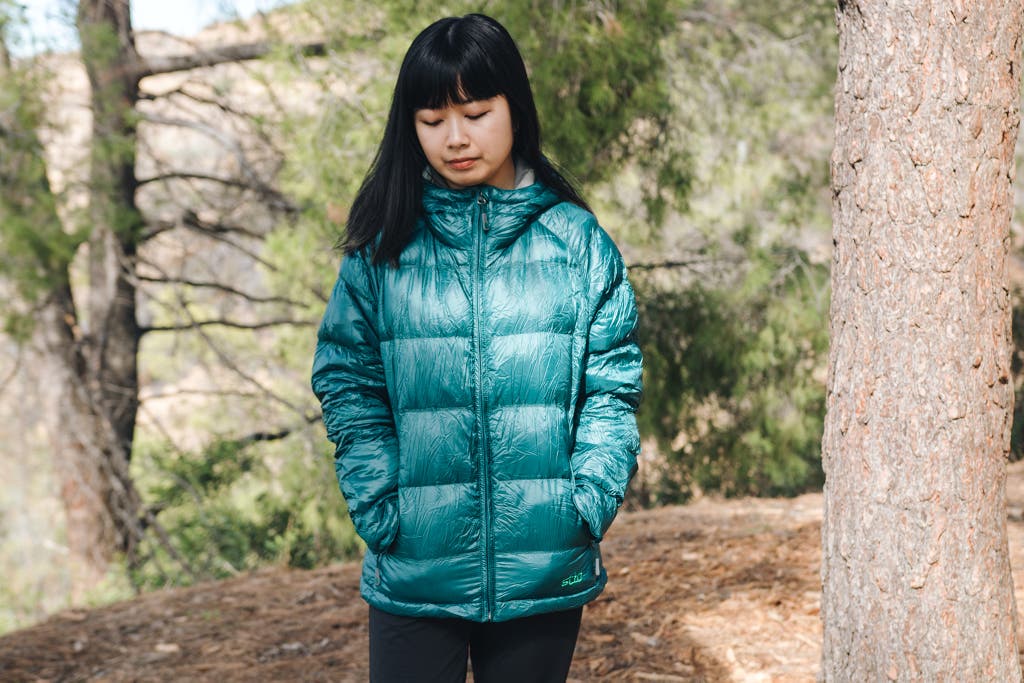
Best Overall Men's Down Jacket: REI Co-op Magma 850 Hoodie
The REI Co-op Magma 850 Hoodie is, quite simply, the best bang-for-your-buck jacket on the planet right now. It’s rare to find a piece of gear that transitions so seamlessly from a high-alpine mid-layer to a casual evening jacket in town. The secret sauce is the 850-fill-power goose down, which offers an incredible warmth-to-weight ratio that rivals jackets costing twice as much.
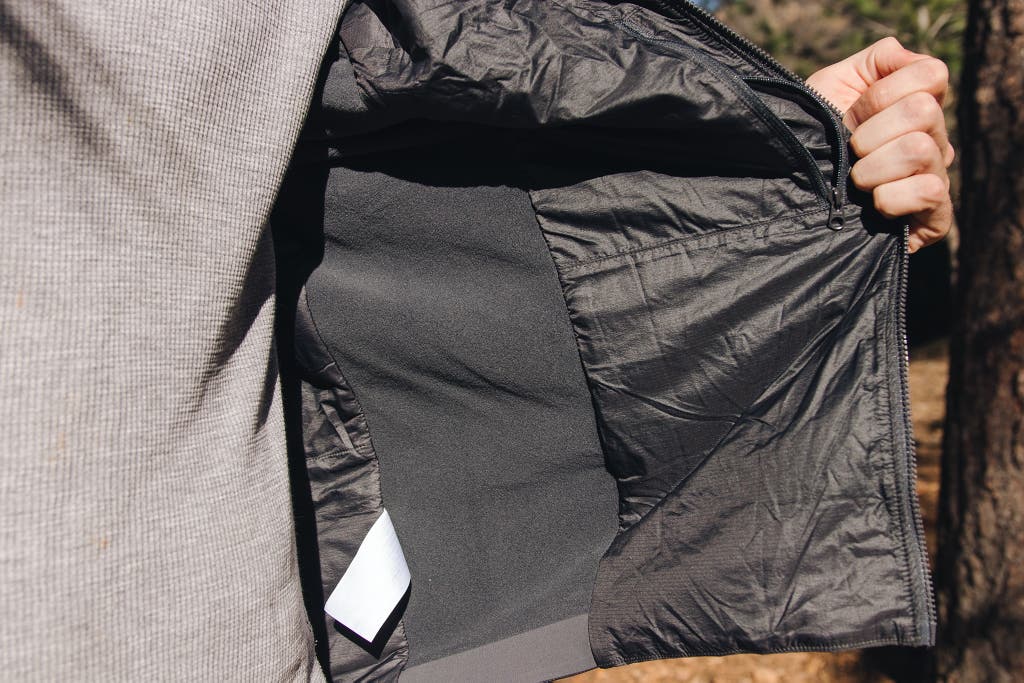
What really sold me on the Magma this season was the variable baffle sizing. REI engineered smaller baffles on the sides and underarms to reduce bulk and improve mobility, while keeping the larger, loftier baffles over the core where you need the heat. The Pertex Quantum shell is surprisingly tough for how thin it feels, and the 2026 update features a more refined, athletic fit that doesn't make you look like a marshmallow.
Field Note: During a particularly brutal cold snap in the High Sierras, I used the Magma 850 as my primary insulation layer. Even with the wind whipping at 30 mph, the hem cinch and elastic cuffs kept the heat trapped effectively. It’s the jacket I find myself reaching for 90% of the time.
The Pros:
- Incredible warmth for the price point.
- Variable baffles improve range of motion.
- Highly compressible; stuffs into its own pocket.
- Sustainable, RDS-certified down.
The Cons:
- The zipper can be a bit finicky when wearing heavy gloves.
- Not as weather-resistant as dedicated alpine shells.
Price: $249.00 View at REI →
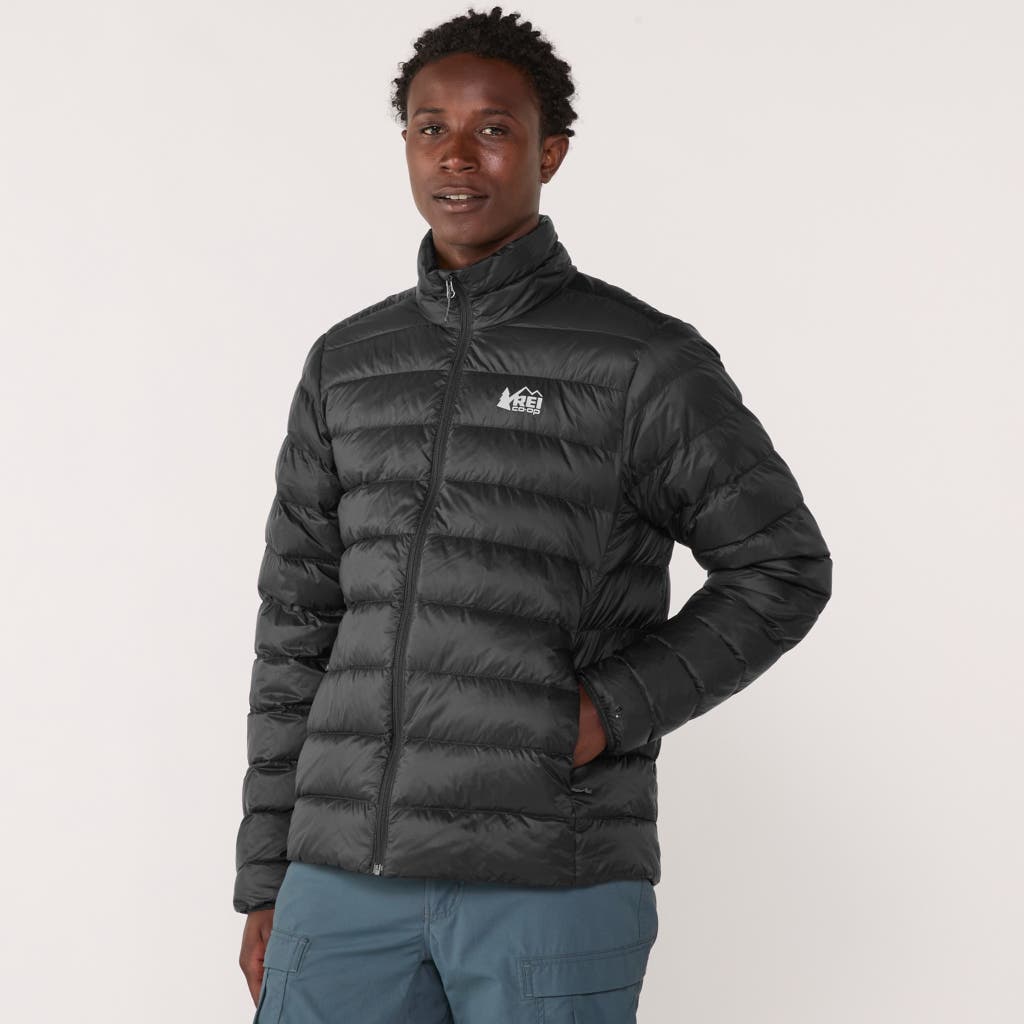
Warmest for Extreme Cold: Rab Neutrino Pro
When the forecast calls for "stupid cold," you need the Rab Neutrino Pro. This is not a jacket for your morning commute; it’s a technical piece designed for sub-zero alpine expeditions. Rab uses 800-fill-power Nikwax hydrophobic down, which means the feathers stay lofted even if they get a little damp—a lifesaver in high-altitude environments where condensation is unavoidable.
The shell is constructed from Pertex Quantum Pro, which is significantly more weather-resistant than the fabrics found on lighter jackets. Weighing in at 20.1 oz, it is approximately 58% heavier than the ultralight models on this list, but that extra weight translates directly into static warmth. If you’re standing around at a belay station or camping in the snow, the Neutrino Pro is the armor you want.
The Pros:
- Massive loft provides instant "oven-like" warmth.
- Hydrophobic down handles moisture better than standard down.
- Helmet-compatible hood with a stiffened peak.
- Excellent durability in the face of rock and ice.
The Cons:
- Too warm for high-output activities.
- Bulky to pack compared to lightweight alternatives.
Price: $400.00 View at Rab →
Best Ultralight for Backpackers: Mountain Hardwear Ghost Whisperer/2
The Ghost Whisperer is a legend in the thru-hiking community, and for good reason. If you are counting every gram for a trek on the Appalachian Trail, this is your holy grail. At just 8.3 to 9 ounces (depending on your size), it’s so light you’ll forget it’s in your pack. In side-by-side weight comparisons, it’s a featherweight champion that still manages to punch above its weight class in terms of warmth.
The 2026 version continues to use 100% recycled ripstop nylon and 800-fill RDS-certified down. It’s designed for high-output activities where you need a quick hit of warmth during a break, but don’t want to overheat. The breathability is top-notch, though the ultra-thin 10D fabric means you need to be careful around thorns and campfires.
Field Note: On the Arizona Trail, space is at a premium. The Ghost Whisperer compresses down to the size of a large grapefruit, leaving plenty of room for extra water. It’s the ultimate "just in case" layer that actually performs when "just in case" happens.
The Pros:
- World-class packability and weight.
- Great fit for layering under a shell.
- Recycled materials make it an eco-friendly choice.
The Cons:
- Fragile shell fabric requires careful handling.
- Thin baffles mean it’s not a standalone piece for true winter conditions.
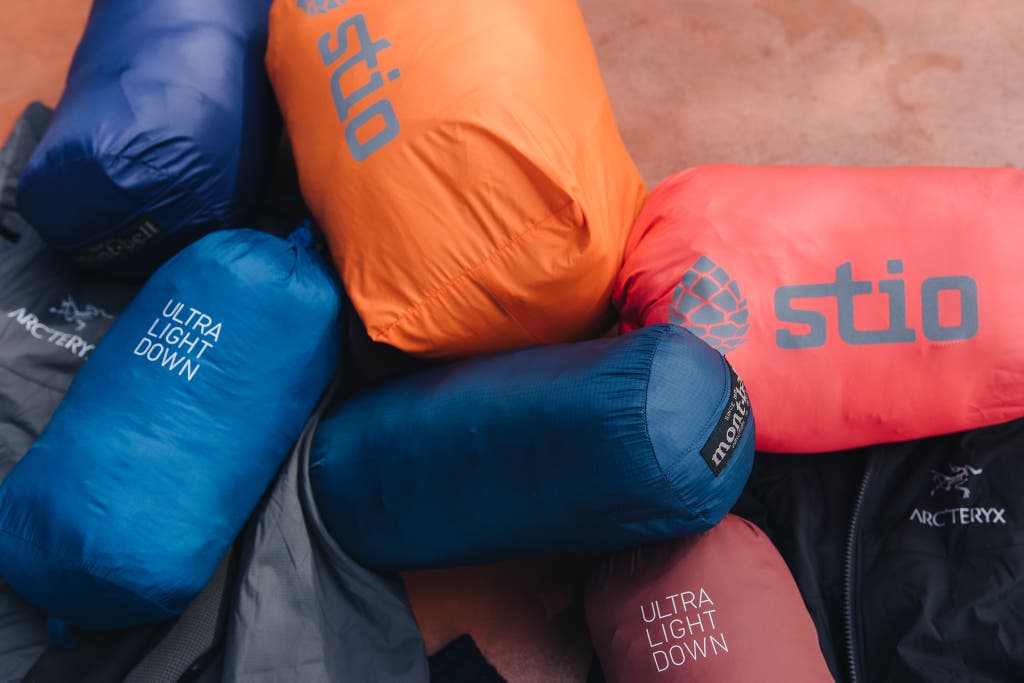
Price: $360.00 View at Mountain Hardwear →
Best Value for Budget Seekers: Decathlon Simond MT100
Don’t let the price tag fool you—the Decathlon Simond MT100 is a legitimate piece of mountain gear. For under $100, you get 800-fill-power down and a jacket that weighs a mere 10.3 ounces. It’s the "dirty secret" of the outdoor industry. While the fit isn't as tailored as the REI Magma and the fabric feels a bit more "plastic-y," the thermal performance is shockingly close to jackets triple its price.
The Pros:
- Unbeatable price-to-performance ratio.
- Lightweight and compact.
- Durable enough for daily abuse.
The Cons:
- Boxy fit isn't great for athletic builds.
- Down leakage is more common than in premium brands.
Best for Weather Resistance: Outdoor Research Helium Down Hoodie
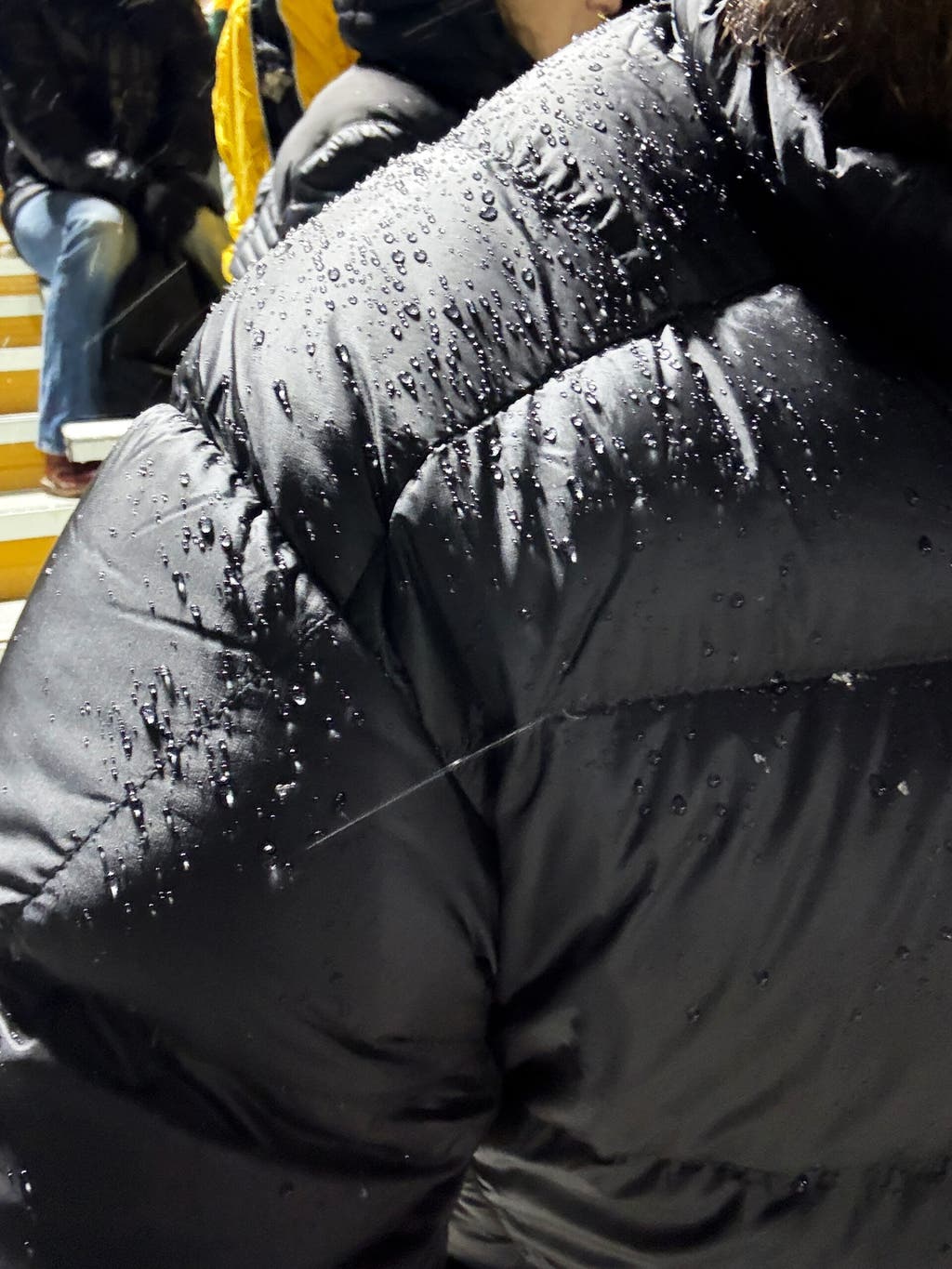
Most down jackets are terrified of rain. The Outdoor Research Helium Down Hoodie changes the game by utilizing the same waterproof Pertex Shield fabric found in their famous Helium rain jackets, specifically over the hood and shoulders. This makes it the ideal choice for "mixed" conditions—think wet snow or damp climbing routes where a standard puffy would quickly become a soggy mess.
The 800-fill down is protected by this waterproof laminate, giving you a much wider margin of safety in unpredictable weather. It’s a bit heavier than the Ghost Whisperer, but for those of us who play in the Pacific Northwest or the soggy Northeast, that extra protection is worth every gram.
The Pros:
- Hybrid construction offers superior weather protection.
- Very durable face fabric.
- Chest pocket doubles as a stuff sack.
The Cons:
- Waterproof fabric reduces breathability slightly.
- Heavier than pure insulation pieces.
Price: $279.00 View at Outdoor Research →
Comparison Table: 2026's Top Down Jackets
| Model | Fill Power | Total Weight (oz) | Best Use Case | MSRP |
|---|---|---|---|---|
| REI Magma 850 | 850 | 13.7 oz | All-Around / Backcountry | $249 |
| Rab Neutrino Pro | 800 (Hydrophobic) | 20.1 oz | Extreme Cold / Alpine | $400 |
| MH Ghost Whisperer/2 | 800 | 8.8 oz | Ultralight Backpacking | $360 |
| Decathlon MT100 | 800 | 10.3 oz | Budget / Day Hikes | $80 |
| OR Helium Down | 800 | 15.4 oz | Wet Snow / Climbing | $279 |
How to Choose: A Down Jacket Buying Guide
Fill Power vs. Fill Weight: The Loft Myth
Most people look at the "800-fill" tag and assume that's how warm the jacket is. It's not. Fill power is a measure of quality—how much space one ounce of down occupies. Fill weight is the quantity—how much down is actually stuffed into the jacket. A jacket with 10 ounces of 600-fill down will be warmer (and heavier) than a jacket with 3 ounces of 900-fill down. For 2026, look for a balance; high fill power (800+) allows the jacket to be lighter and more packable while still providing the loft needed to trap heat.
The PFAS-Free Revolution
The biggest shift in 2026 gear is the total move away from "forever chemicals" in DWR (Durable Water Repellent) treatments. Brands like REI, Rab, and Mountain Hardwear have successfully transitioned to PFAS-free coatings. These are better for the environment but require slightly more frequent re-applications to maintain their water-beading performance.
Hydrophobic Down: Is it Worth It?
Hydrophobic down is treated with a molecular-level polymer that allows it to resist water longer and dry faster than untreated down. If you live in a dry climate like Colorado, it’s a "nice to have." If you hike in the Appalachians or the UK, it’s a "must-have." It won't make your jacket waterproof, but it will keep you from losing all insulation value if you get caught in a damp fog.
FAQ
Q: How often should I wash my down jacket?
A: Only when it’s visibly dirty or starts to lose its loft. Body oils can clump the down over time. Always use a dedicated down wash (like Nikwax Down Wash Direct) and tumble dry on low heat with 3-4 clean tennis balls to "fluff" the down back up.
Q: Can I use a down jacket as a rain jacket?
A: Absolutely not. Even with hydrophobic down and DWR treatments, a down jacket will eventually soak through in sustained rain. Once down is truly wet, it loses almost all its ability to trap heat. Always carry a lightweight shell to wear over your puffy in the rain.
Q: Why are some jackets so much more expensive if they have the same fill power?
A: You’re paying for the "architecture" of the jacket. Higher-end models use better zippers, more complex baffle patterns to prevent "cold spots," and more durable, lighter-weight face fabrics like Pertex Quantum.
The Bottom Line
Choosing the right down jacket for 2026 comes down to your specific mission. If you want the absolute best all-rounder that won't break the bank, grab the REI Magma 850. If you’re pushing the limits of human endurance in sub-zero temps, the Rab Neutrino Pro is your best friend. And for the gram-counters, the Mountain Hardwear Ghost Whisperer/2 remains the undisputed king of the trail.
Whatever you choose, get out there and use it. These jackets are built for the wild, not the wardrobe. See you on the trail.