Quick Facts
- Closure Date: Telluride Ski Resort officially closed for indefinite operations on December 27, 2025, following a breakdown in labor negotiations.
- The Vote: 99% of the Telluride Ski Patrol union members voted in favor of the strike action, citing a failure to reach a "living wage" agreement.
- Core Dispute: A significant wage gap exists between the union’s request for supervisors ($47.44/hr) and the resort's final offer ($39.84/hr).
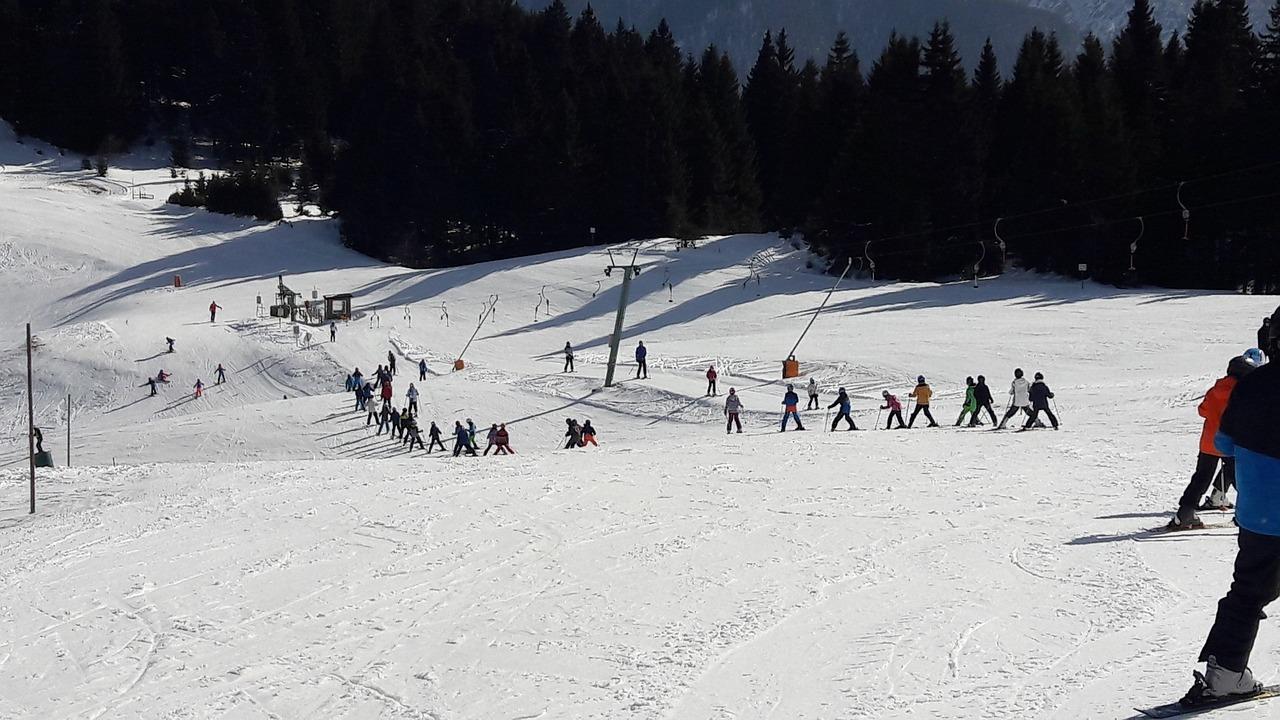
- Operational Status: Prior to the full closure, only 13.4% of the resort’s terrain was open due to unseasonably warm conditions; currently, only Lift 1 serves limited beginner terrain via temporary staff.
- Impact: This marks one of the most significant labor-related shutdowns in the North American ski industry, echoing recent unionization movements in Park City and Jackson Hole.
The December 27 Shutdown: Current Status
The slopes of the San Juan Mountains, typically bustling with holiday travelers during the final week of December, have fallen uncharacteristically quiet. On December 27, 2025, Telluride Ski Resort (Telski) ceased indefinite operations after the Telluride Ski Patrol, represented by the Communication Workers of America (CWA) Local 7781, officially walked off the job. The strike follows a tense announcement made on December 23, giving the resort and its visitors a narrow window to prepare for a total operational halt during the most profitable week of the season.
The decision to strike was nearly unanimous, with 99% of union members voting "yes." This overwhelming mandate highlights a deep-seated rift between the front-line safety staff and the resort's executive leadership. While the resort attempted to maintain limited operations through Lift 1 and the Meadows beginner area using temporary personnel and non-union management, the lack of certified ski patrol for avalanche mitigation and emergency response on high-alpine terrain made continued operation of the mountain's 149 runs impossible.
The Wage War: Breaking Down the Numbers
As a travel critic, I often look at the value proposition of a destination. In Telluride, that value is currently being dismantled by a disagreement over a few dollars an hour—amounts that seem negligible in the context of a $200+ daily lift ticket, but are life-altering for the staff. The crux of the Telluride Ski Resort strike lies in the "Living Wage" argument. The union argues that the cost of living in the box canyon has outpaced wages to the point of "economic exile" for the very people who keep the mountain safe.
To provide an objective view, we must look at the specific figures currently on the table. The gap between the union’s demands and management’s offers reflects a fundamental disagreement on the value of specialized labor.
Wage Comparison: Union Demands vs. Resort Offer (2025)
| Role / Category | Union Request (Hourly) | Resort Offer (Hourly) | The Gap |
|---|---|---|---|
| Supervisor (Average) | $47.44 | $39.84 | $7.60 |
| Specialist | $37.00 | $31.50 | $5.50 |
| Trainee / Entry Level | $25.06 | $24.06 | $1.00 |
| Gear Stipend | $1,200 (Annually) | $600 (Annually) | $600 |
The union has reportedly dropped several other secondary demands—including enhanced healthcare contributions and broader gear stipends—in an attempt to meet the resort halfway. However, the $7.60 hourly difference for supervisors remains a non-starter for management, who argue that their current offer is competitive with regional industry standards.
Beyond the Money: Why Patrollers are Striking
While wages are the primary driver, this is also a "ULP" (Unfair Labor Practice) strike. The CWA has filed claims alleging that resort management engaged in coercive tactics and failed to bargain in good faith. From my perspective, this dispute is symptomatic of a larger exhaustion within the outdoor industry. These patrollers are not merely "ski bums"; they are medical professionals, explosives experts for avalanche mitigation, and high-angle rescue technicians.
The 2025 season has already been a difficult one for Telluride. Before the strike even began, the resort was struggling with an unseasonably warm winter. Only 13.4% of the mountain's terrain—roughly 20 out of 149 runs—was open as of mid-December. This lack of natural snow likely increased the tension, as patrollers were tasked with managing crowded, limited terrain while simultaneously negotiating their futures. In a town where the median home price now exceeds $3 million, a $24-per-hour starting wage for a trainee is increasingly viewed as an impossible math problem.
Management Under Fire: The Chuck Horning Controversy
Any objective analysis of the Telluride closure must address the leadership of Chuck Horning, the resort’s owner. In recent years, Horning has become a lightning rod for criticism, not just from labor unions but from the local community. Critics point to aging infrastructure—including several lifts that are nearing the end of their operational lifespans—and a perceived lack of reinvestment into the mountain’s core experience.
Public sentiment has further soured due to personal controversies and legal allegations surrounding Horning, which have trickled down into the public's perception of the resort's management culture. When leadership is viewed as "out of touch" or embroiled in litigation, it becomes significantly harder to sell the "we are all a family" narrative that many ski resorts rely on during lean times. The strike is as much a referendum on Horning’s management style as it is on the hourly rate of a supervisor.
A Rising Tide: Unionization Across the Outdoor Industry
Telluride is not an outlier. We are witnessing a systemic shift in the American West. For decades, the "ski bum" lifestyle was accepted as a trade-off: low wages for high-quality lifestyle perks. However, as mountain towns transition into billionaire enclaves, that trade-off has evaporated.
The Telluride Ski Patrol labor dispute follows successful unionization and strike threats at other major destinations:
- Park City, Utah: A 2022 dispute nearly saw a similar shutdown before a last-minute deal was reached.
- Jackson Hole, Wyoming: Patrollers have sought better representation to combat housing instability.
- Steamboat Springs, Colorado: New contracts have emphasized career-path wages rather than seasonal pay.
The outdoor industry is undergoing a professionalization. Workers are demanding that their roles be treated as essential infrastructure rather than recreational hobbies. If Telluride remains closed for the duration of the 2025 season, it will serve as a stark warning to other major operators that the labor force can—and will—shutter the lifts if the economic floor drops too low.
Essential Info for Travelers and Pass Holders
For those currently in Telluride or with upcoming reservations, the landscape is complicated. While the mountain is closed to skiing, the town itself remains open, though the vibe is understandably somber.
Refund policies for advanced-purchase lift tickets
Telluride Ski Resort has stated they will review refund requests on a case-by-case basis for advanced-purchase lift tickets, ski school lessons, and equipment rentals. However, many travelers are finding that third-party lodging and airfare are non-refundable.
- Epic Pass Holders: Because Telluride is a partner resort (not owned by Vail Resorts), Epic Pass "Coverage" may be limited. Users should check their specific insurance policy for "Resort Closure" clauses.
- Direct Purchases: If you purchased directly through Telski, document all communication. The resort’s phone lines are currently experiencing high volume.
Alternative mountain access and the status of the free Gondola
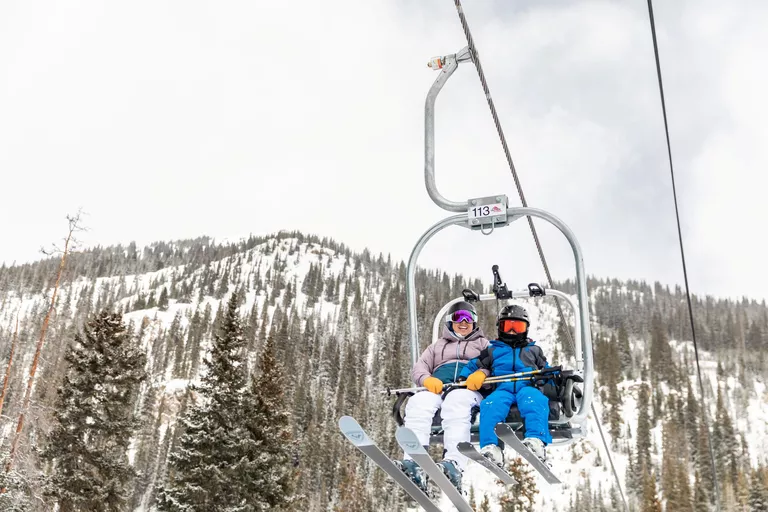
The one bright spot for local transportation is the Free Gondola connecting the Town of Telluride with Mountain Village. Because the Gondola is funded through a separate tax district and a public transportation agreement, it remains operational daily from 6:30 AM to midnight. It is a vital link for residents and tourists alike, strike or no strike.
If you are looking to salvage your ski trip, you will need to look elsewhere in the region:
- Purgatory Resort (Durango): Approximately 2 hours south.
- Silverton Mountain: For expert/guided skiing only, roughly 1.5 hours away (conditions permitting).
- Crested Butte: Roughly 3 hours away, offering a similar historic town feel.
For those looking to pivot their travel plans to a more stable destination during this labor transition, I recommend exploring resorts with established multi-year labor contracts.
Check Official Resort Status Updates →
FAQ
Is the entire mountain closed to everyone? Yes. For safety and liability reasons, the resort has closed "uphill access" (skinning) and all downhill skiing. The only exception is the small beginner area at the base of Mountain Village served by Lift 1, though availability is subject to change hourly.
Can I get a refund on my Epic Pass if Telluride is closed? Generally, no. The Epic Pass provides access to dozens of resorts. Unless a significant number of Vail-owned resorts also close, the "closure" of a single partner resort like Telluride typically does not trigger a full pass refund. However, check your "Epic Coverage" selections for specific "Resort Closure" insurance you may have opted into.
How long is the strike expected to last? The union has authorized an "indefinite" strike. In previous industry disputes, resolutions have taken anywhere from three days to several weeks. Given the current wage gap of over $7 per hour for supervisors, a quick resolution appears unlikely without significant concessions from management.
The Bottom Line
The Telluride Ski Resort strike is a watershed moment for the ski industry. It pits the old-world management style of resort owners against a modernized, unionized workforce that is no longer willing to "pay to play" in an unaffordable landscape. As a traveler, the immediate takeaway is one of caution: the stability of a ski vacation now depends as much on labor relations as it does on snowfall.
For now, the San Juans remain as beautiful as ever, but the lifts are still. Whether you support the patrol’s push for living wages or lament the loss of your holiday turns, the reality is clear: the economics of skiing have reached a breaking point.