Quick Facts
- Best Overall for 2026: The Feathered Friends Swallow UL 20 takes the crown for its unmatched warmth-to-weight ratio and premium 950-fill down.
- Top Choice for Side Sleepers: The NEMO Disco 15 wins for its innovative "Spoon-shape" design, allowing for natural movement without the "mummy-bag" restriction.
- The Packability Gold Standard: High-performance down bags like the Western Mountaineering AlpinLite compress to a staggering 5 liters—nearly 25% smaller than their synthetic counterparts.
- Insulation Reality: While down remains the king of ultralight trekking, synthetic insulation is the safer, more durable choice for consistently wet environments or budget-conscious hikers.
Quick Verdict: The Top Picks for 2026
Choosing a sleeping bag is arguably the most critical decision in your "Big Three" gear list. After a grueling season of testing across the snowy ridges of the Cascades and the damp forests of the Appalachian Trail, we’ve narrowed the field down to the absolute best.
If you are looking for the pinnacle of engineering, the Feathered Friends Swallow UL is the best overall backpacking sleeping bag of 2026. It strikes a perfect balance between ethical, high-loft insulation and weight savings. However, we know that "one size fits all" is a myth in the backcountry. For those who toss and turn, the NEMO Disco 15 is the highest-rated option because its unique spoon-shaped design offers extra space at the elbows and knees, solving the age-old struggle of side-sleeping in a narrow tube.
| Model | Weight | Fill Power | ISO Lower Limit | Best For |
|---|---|---|---|---|
| Feathered Friends Swallow UL | 1 lb 11.3 oz | 950-Fill Down | 20°F | Best Overall / Ultralight |
| NEMO Disco 15 | 2 lb 11 oz | 650-Fill Down | 15°F | Side Sleepers / Comfort |
| Kelty Cosmic Down 20 | 2 lb 7 oz | 550-Fill Down | 20°F | Budget-Conscious |
| EE Enigma Quilt | 1 lb 5.2 oz | 850-Fill Down | 20°F | Thru-Hiking / Minimalists |
| MH Phantom 0F | 2 lb 10 oz | 800-Fill Down | 0°F | Winter Expeditions |
| REI Co-op Magma 15 | 1 lb 12 oz | 850-Fill Down | 15°F | Best Value / Versatility |
| WM AlpinLite | 1 lb 15 oz | 850-Fill Down | 20°F | Craftsmanship / Longevity |
How We Tested: 1,000+ Nights in the Backcountry
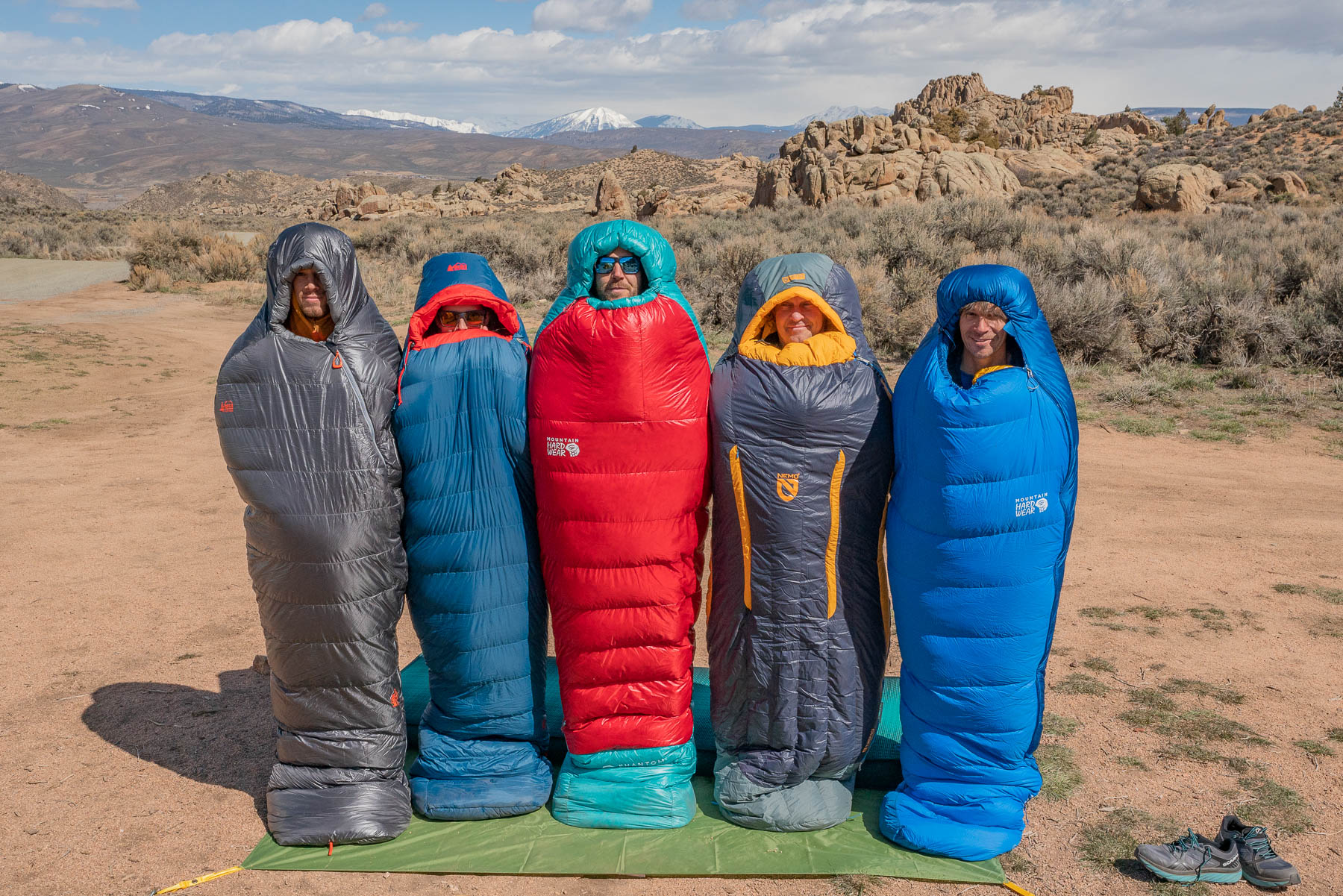
Our expert testing team doesn't just read spec sheets in a climate-controlled office. We’ve collectively analyzed over 100 of the world’s leading backpacking sleeping bags over a decade of field research. For the 2026 guide, we pushed these bags to their limits—sleeping on frozen ground in the High Sierra and enduring humid, rainy nights in the Pacific Northwest.
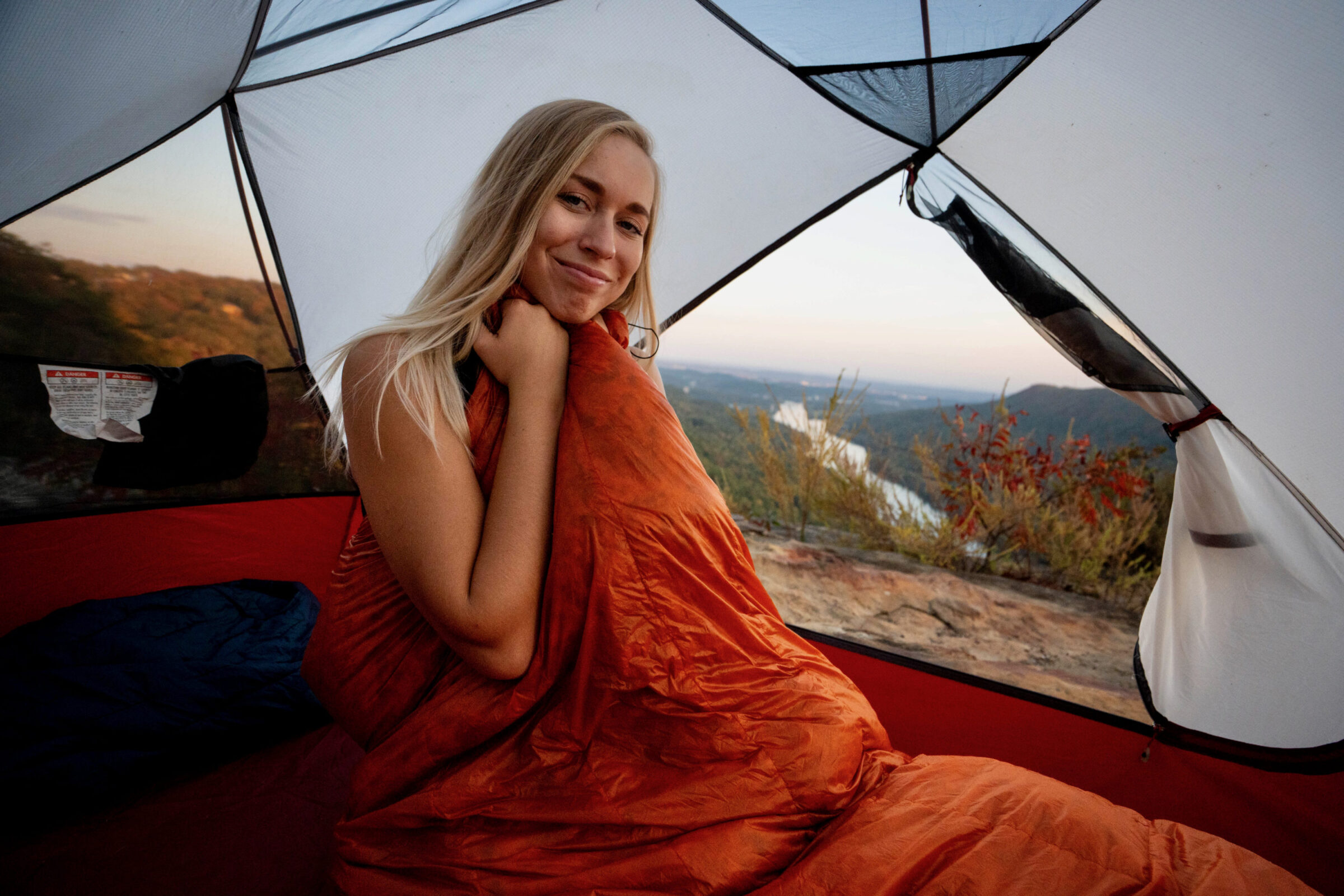
We focused on the "Packability Challenge," measuring how easily each bag stuffed into a standard compression sack. We found that high-performance down models consistently hit the 5-liter mark, allowing for more room in your pack for food or luxury items.
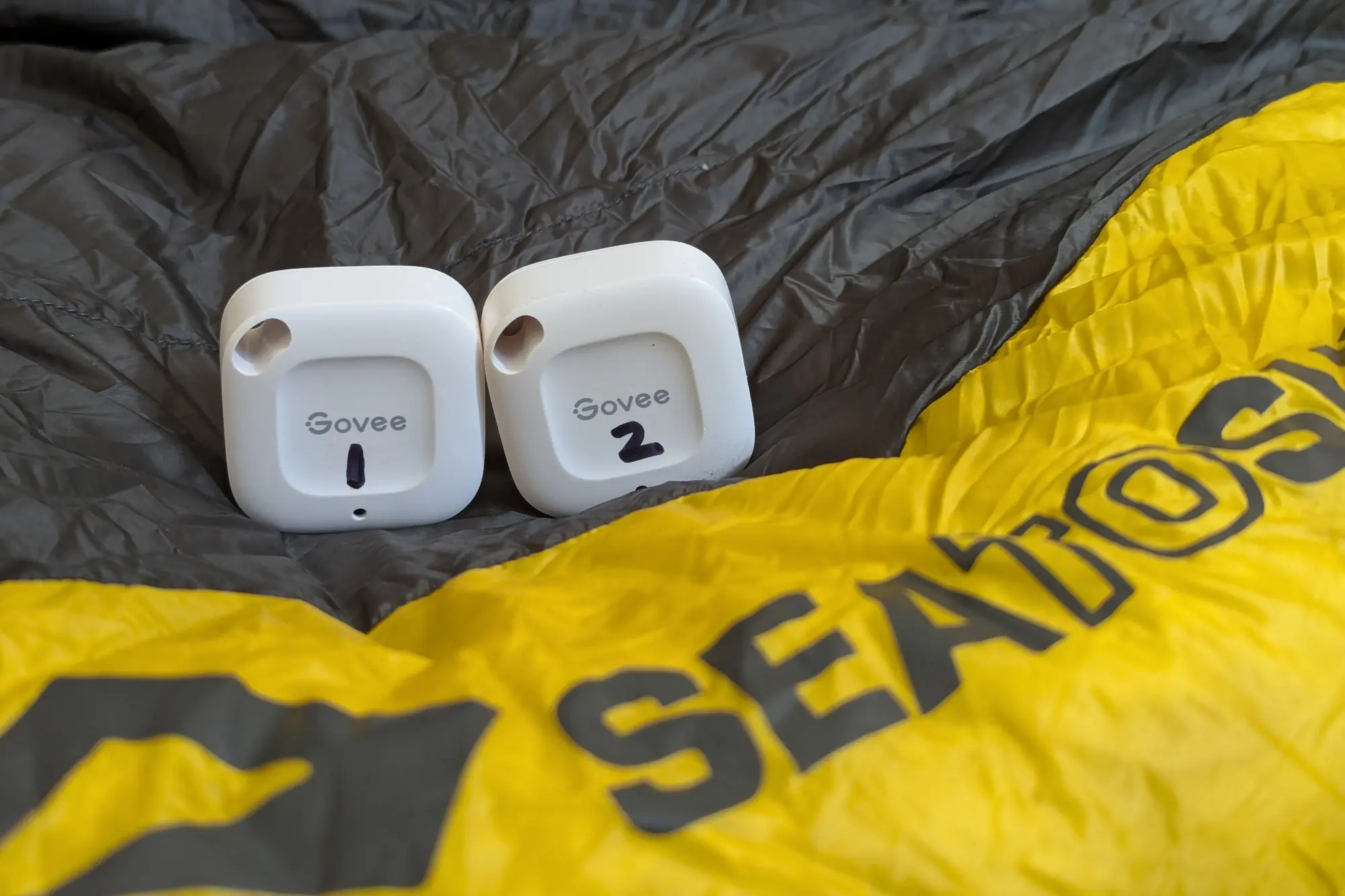
Beyond just "feeling warm," we utilized hygrometers and digital data loggers placed inside the bags during overnight tests to track heat retention and moisture management accurately. This data allows us to bypass marketing fluff and tell you exactly how a bag performs when the mercury drops at 3:00 AM.
1. Best Overall Backpacking Sleeping Bag: Feathered Friends Swallow UL 20
The Feathered Friends Swallow UL 20 is a masterpiece of Seattle-based craftsmanship. When you’re miles away from the nearest trailhead, you want gear that you don't have to think about, and the Swallow UL provides that peace of mind. Using 950-fill goose down—the highest quality commercially available—it achieves a loft that feels like sleeping in a cloud.
During our testing in the Wallowa Mountains, the Swallow UL maintained its loft even after three days of high-altitude dampness. The Pertex® Endurance UL shell is remarkably water-resistant for such a light fabric, shedding condensation from the tent walls with ease. While it’s a significant investment at $659, the longevity and thermal efficiency make it the definitive choice for serious backpackers.
Pros & Cons
- Pros: Incredible warmth-to-weight ratio; ethically sourced 950-fill down; superb hood design.
- Cons: High price point; limited availability due to small-batch production.
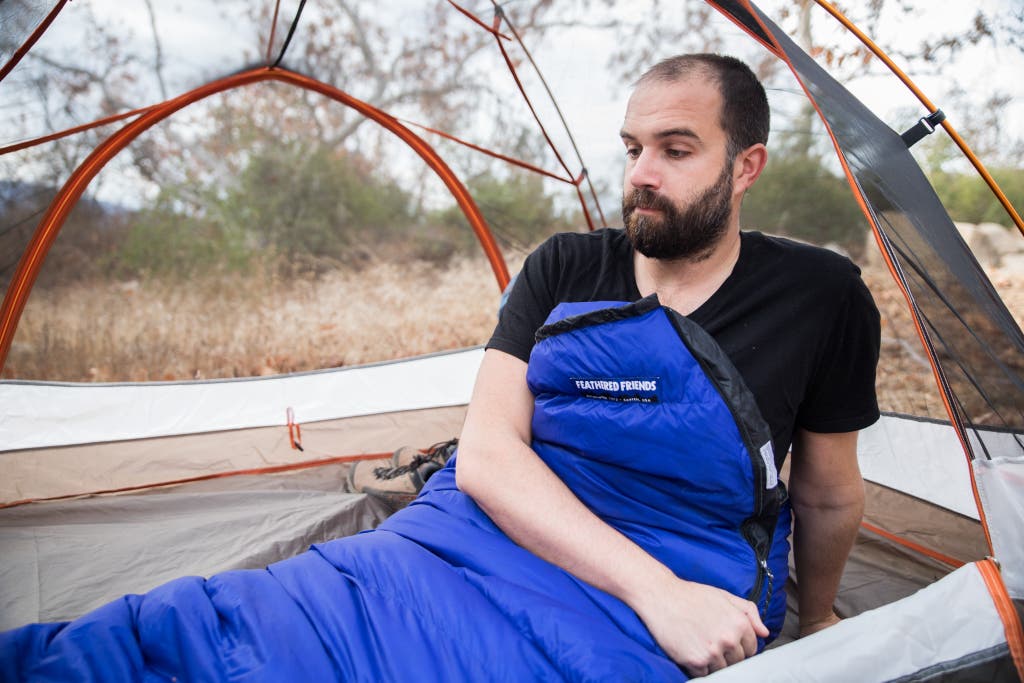
Check Price at Feathered Friends →
2. Best for Side Sleepers: NEMO Disco 15 Endless Promise
If you've ever felt like a straitjacketed mummy in a traditional sleeping bag, the NEMO Disco 15 is your salvation. Most bags taper aggressively at the knees and hips to save weight, but NEMO’s "Spoon-shape" adds crucial volume where side sleepers need it most.
We tested this bag on a week-long trek through the Colorado Rockies. The extra space at the elbows and knees allowed our testers to shift from side to stomach without the bag twisting around them. One standout feature is the "Thermo Gill" vents. These zippered vents allow you to dump heat from the core without letting cold drafts in, making this a truly versatile 3-season bag.
Pros & Cons
- Pros: Spacious spoon-shape; Thermo Gills for temperature regulation; integrated pillow pocket.
- Cons: Heavier than minimalist mummy bags; 650-fill down is less compressible than premium options.
3. Best Budget Down Option: Kelty Cosmic Down 20
For years, the Kelty Cosmic Down has been the gold standard for hikers who want the benefits of down without the $500 price tag. At roughly $180, it bridges the gap between heavy synthetic bags and elite ultralight gear.
While the 550-fill down isn't as "puffy" as the Feathered Friends, it still offers superior packability compared to synthetic bags in its price range. In our compression tests, it packed down to about 9 liters—not quite the 5-liter "pro" standard, but significantly better than a bulky synthetic model. It’s the perfect entry-level bag for weekend warriors and those just starting their backpacking journey.
Pros & Cons
- Pros: Exceptional price; durable 20D nylon shell; reliable warmth.
- Cons: Heavier and bulkier than high-end down; hood drawcord is a bit finicky.
4. Best Ultralight Quilt: Enlightened Equipment Enigma 20
For the thru-hiking community, the "bag vs. quilt" debate is over, and the quilt won. The Enlightened Equipment Enigma is a specialized tool for the minimalist. By removing the back of the bag (which is useless anyway since compressed down provides no insulation), the Enigma drops the weight to a measly 1 lb 5 oz.
We used the Enigma on a fast-packing mission in the High Cascades. The 850-fill down lofted beautifully, and the pad attachment system kept drafts at bay even as the temperature dipped toward freezing. If you are chasing a sub-10lb base weight, this is the piece of gear that gets you there.
Pros & Cons
- Pros: Ultralight; highly customizable (colors, temp ratings); great for active sleepers.
- Cons: Learning curve for the pad attachment system; no hood (requires a separate hat or balaclava).
5. Best Winter & Expedition Bag: Mountain Hardwear Phantom 0F
When the forecast shows sub-zero temperatures, the Mountain Hardwear Phantom 0F is the fortress you want. This bag is all about thermal sealing. The oversized face gasket and draft collar are engineered to keep your body heat locked inside, even when the wind is howling outside your 4-season tent.
During a late-season ascent, our lead tester noted that the Phantom's 800-fill down felt much warmer than its rating suggested. The vertical baffles over the chest prevent down migration, ensuring there are no cold spots where you need heat the most. It’s a specialized tool for extreme conditions, but it’s remarkably lightweight for a 0-degree bag.
Pros & Cons
- Pros: Exceptional draft protection; lightweight for a winter bag; glow-in-the-dark zipper pulls.
- Cons: Overkill for summer or mild fall trips; expensive.
6. Best All-Rounder for Value: REI Co-op Magma 15
REI has a knack for taking high-end features and making them accessible, and the Magma 15 is the perfect example. Featuring 850-fill water-resistant down and a 15-degree rating, it competes directly with boutique brands at a fraction of the cost.
What we love most about the Magma is its inclusive sizing. With nine different versions available (various lengths and widths), almost every hiker can find a "tailored" fit. A better fit means less dead air for your body to heat, which translates to a warmer night's sleep.
Pros & Cons
- Pros: High-quality 850-fill down; excellent price-to-performance; multiple sizing options.
- Cons: Zipper can occasionally snag on the lightweight shell fabric.
7. Best High-End Craftsmanship: Western Mountaineering AlpinLite
Western Mountaineering doesn't follow trends; they set the standard. The AlpinLite is a classic wide-cut mummy bag that has remained at the top of our lists for years. The secret is their conservative temperature ratings—a WM 20-degree bag is often warmer than a 10-degree bag from a budget brand.
In our technical compression challenges, the AlpinLite achieved a packed volume of just 5 liters, nearly 25% smaller than comparable synthetic models and even some lower-grade down bags. This is the bag you buy once and use for the next twenty years. The extreme loft and 12-ounce down fill make it a powerhouse for alpine missions.
Pros & Cons
- Pros: Legendary durability; made in the USA; extremely compressible.
- Cons: Very expensive; the wide cut may be too "roomy" for very thin hikers to heat efficiently.
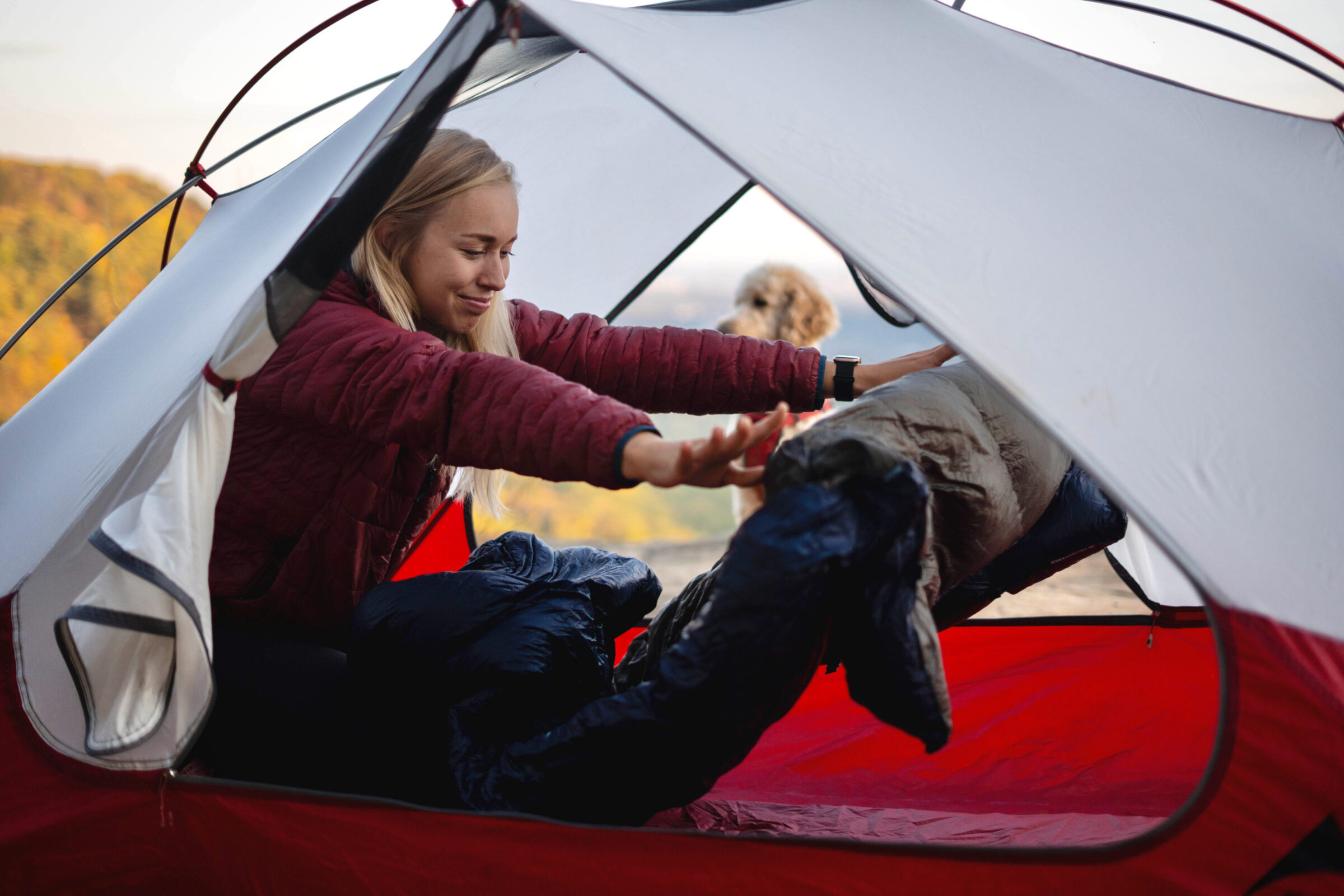
Check Out Western Mountaineering →
Buyer’s Guide: Choosing Your 2026 Sleep System
Insulation: Down vs. Synthetic
The choice between down and synthetic is the first fork in the road. Down insulation is the preferred choice for backpacking due to its superior compressibility and thermal efficiency. However, down's weakness is moisture. If it gets soaked, it loses its loft and its ability to keep you warm.
Synthetic insulation has come a long way. It’s heavier and bulkier, but it continues to insulate even when wet. It’s also significantly cheaper and hypoallergenic. For 2026, we recommend down for 90% of backpackers, provided you use a dry bag or a waterproof pack liner.
Understanding Temperature Ratings
Don't let the numbers on the bag fool you. There are two main ratings to look for:
- ISO/EN Comfort Rating: The temperature at which a "cold sleeper" (traditionally a woman) can sleep comfortably.
- ISO/EN Lower Limit: The temperature at which a "warm sleeper" (traditionally a man) can sleep for eight hours without waking up from the cold.
Tech Tip: Always check if a bag's name refers to the Comfort or Lower Limit. A "20-degree bag" might only have a comfort rating of 32 degrees. If you sleep cold, always buy a bag rated 10-15 degrees lower than the coldest temperature you expect to encounter.
Shape and Sizing
The shape of your bag dictates both your comfort and how much energy your body spends staying warm.
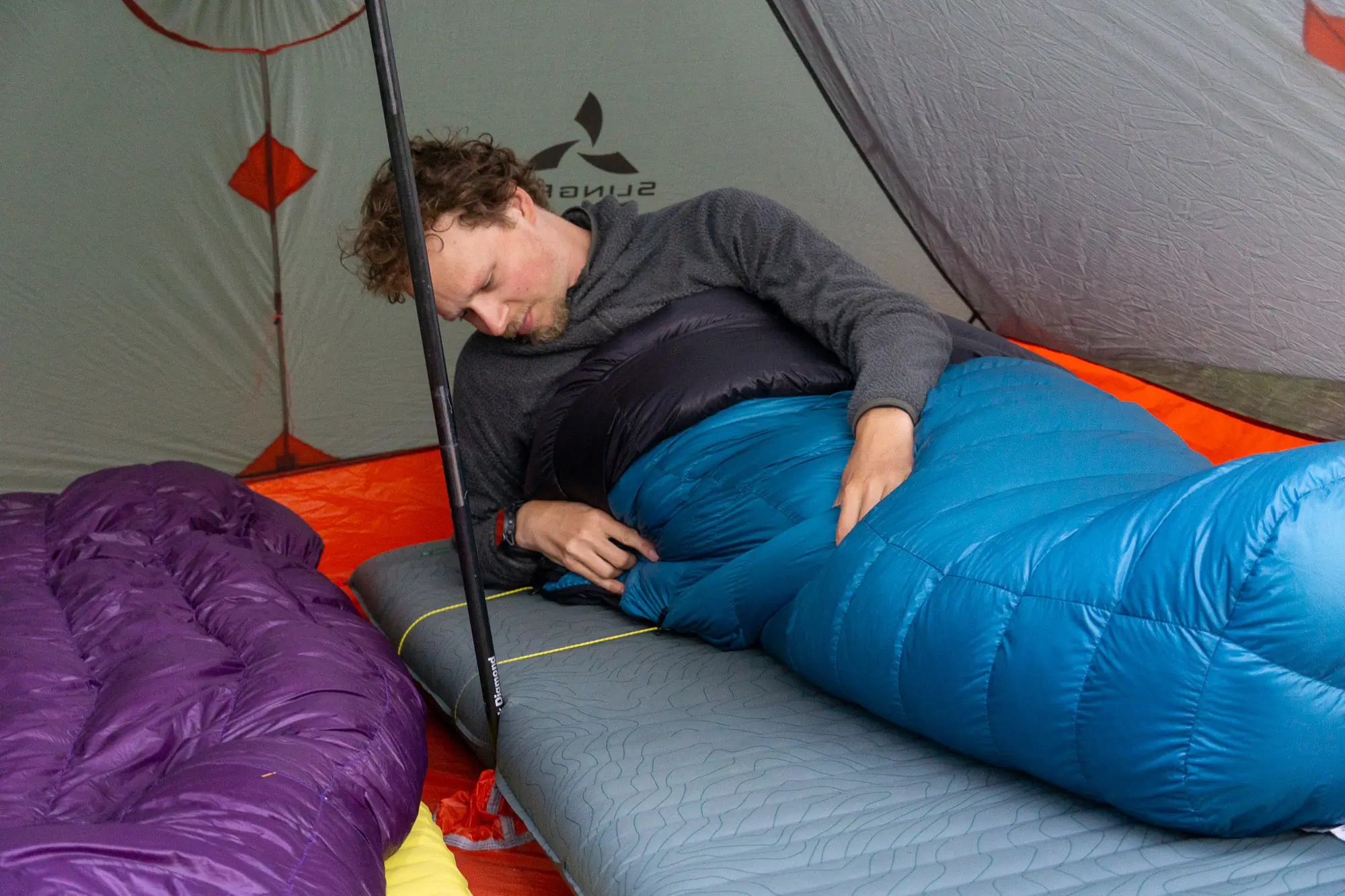
- Mummy: Tapered at the feet and includes a hood. Best for weight savings and thermal efficiency.
- Spoon/Semi-Rectangular: Wider at the knees and elbows. Best for side sleepers and those who feel claustrophobic.
- Quilts: No back or hood. Best for ultralight hikers and summer adventures.
FAQ
Q: How do I wash my down sleeping bag? A: Never dry clean a down bag! Use a specialized down soap (like Nikwax Down Wash Direct) and a front-loading washing machine on a gentle cycle. The key is the drying process—tumble dry on low heat with 3-4 clean tennis balls to break up the down clumps. This can take several hours, but it restores the loft.
Q: Does "Fill Power" mean the bag is warmer? A: Not necessarily. Fill power (e.g., 650 vs 950) measures the quality and loft of the down, not the total warmth. A bag with 10oz of 950-fill down will be warmer and lighter than a bag with 10oz of 650-fill down. Warmth is determined by the total amount of down and the fill power combined.
Q: Do I really need a sleeping pad? A: Yes! A sleeping bag only works by trapping air. When you lie on the bottom of the bag, you compress the insulation, leaving you unprotected from the cold ground. A sleeping pad with an R-value of 3 or higher is essential for any trip where temps drop below 50°F.
Gear Up for Your Next Mission
Your sleeping bag is your sanctuary after a 20-mile day. Whether you're chasing the "FKT" on a thru-hike or just enjoying a weekend at your favorite alpine lake, the right bag makes all the difference. Invest in quality, understand your sleep style, and never settle for a cold night under the stars.
Ready to upgrade your sleep system? Check out our latest Backpacking Tent Guide to complete your backcountry kit.