Quick Facts
- Best Overall for 2025: The Petzl Ange Finesse takes the top spot for its revolutionary MonoFil keylock gate, blending the lightness of a wiregate with the snag-free performance of a solid gate.
- The Sport Standard: For pure sport climbing performance, the Petzl Spirit Express remains the "Gold Standard" due to its ergonomic 25mm dogbone and tactile carabiners.
- The Weight Game: The Trango Quantum is the featherweight champion at just 52.5g—a staggering 41% lighter than the industry-standard Spirit Express (89g).
- The Beginner’s Rack: If you’re just starting out, aim for a rack of 12 quickdraws. This covers most sport routes (7-12 bolts) plus your anchor setup.
- Trad vs. Sport: The core difference lies in the "dogbone" (the webbing). Sport draws use wide, stiff nylon for easy grabbing; trad draws use thin, flexible Dyneema to save weight and reduce rope drag.
There’s a specific sound every climber lives for: the crisp, metallic snap of a rope seating into a bottom carabiner when you’re three feet above your last bolt, heart hammering against your ribs. It’s the sound of safety. In my fifteen years of chasing first ascents and taking "big whips" from the Creek to the Dolomites, I’ve learned that your quickdraws aren’t just hardware—they are your primary mental game-changers.
The 2025 gear landscape has shifted toward extreme specialization. We’re seeing draws that are lighter than a handful of almonds and others reinforced with stainless steel to survive years of "projecting" and "hangdogging." Whether you’re a gym-to-crag newcomer or an alpine soloist counting every gram, choosing the right rack is about balancing weight, ergonomics, and durability. After months of testing on granite, limestone, and the occasional terrifying frozen waterfall, here are the nine best quickdraws to get you to the chains this year.
Quickdraw Comparison Table 2025
| Model | Best Use | Weight (g) | Gate Type | Keylock | Price (Approx) |
|---|---|---|---|---|---|
| Petzl Ange Finesse | All-Around / Alpine | 72g | MonoFil | Yes | $$$ |
| Petzl Spirit Express | Sport / Projecting | 89g | Solid | Yes | $$$ |
| Wild Country Astro | Trad / Multi-pitch | 60g | Wire | No* | $$ |
| Wild Country Session | Beginners / Value | 99g | Solid | Yes | $ |
| Trango Quantum | Ultralight Alpine | 52.5g | Wire | No | $$ |
| Edelrid Bulletproof | Projecting / High Wear | 124g | Solid/Steel | Yes | $$$$ |
| Black Diamond HotForge | Budget Sport | 103g | Solid | Yes | $ |
| Camp Dyon | Technical Trad | 82g | Keywire | Yes | $$$ |
| Trango Quantum Alpine | Extendable / Trad | 61.7g | Wire | No | $$ |
*Uses a hooded nose to reduce snagging.
The Winners: Top Picks by Climbing Style
Best Overall: Petzl Ange Finesse
If I had to pick one draw to live on my harness for the rest of my life, it would be the Petzl Ange Finesse. For 2025, it remains the most versatile piece of hardware in the vertical world. What sets it apart is the MonoFil Keylock gate. It’s a hybrid design that offers the weight savings of a wiregate but the snag-free clipping of a solid keylock gate.
At 72g, it’s light enough for long multi-pitch missions but beefy enough that it doesn't feel like a toy when you're "pumped" out of your mind on a sport route. The Finesse sling is tapered, making it easy to grab when you're working a move, and the Petzl "String" element keeps the rope-end carabiner perfectly oriented. Whether you’re clipping bolts in Ten Sleep or placing nuts in the High Sierra, this draw performs flawlessly.
Editor's Note: The MonoFil gate is especially brilliant for ice climbing. Unlike traditional wiregates, it’s nearly impossible for ice to jam the mechanism, making it a top-tier choice for four-season adventurers.
Best for Sport Climbing: Petzl Spirit Express
There is a reason why almost every pro climber’s rack features the Petzl Spirit Express. It is the "Cadillac" of quickdraws. While it’s not the lightest at 89g (and up to 104g for the longer versions), its ergonomics are unmatched. The 25mm wide polyester dogbone is designed specifically for "grabbing"—a common practice when you’re "hangdogging" to figure out the beta on a difficult project.
The carabiners feature a flat back that fits perfectly in the palm, and the "clipping action" is the smoothest in the industry. It feels intentional, snappy, and secure. If you’re primarily climbing at sport crags where the approaches are short and the "sending burns" are long, don’t overthink it—buy a dozen Spirits.
Best for Trad & Multi-Pitch: Wild Country Astro Trad
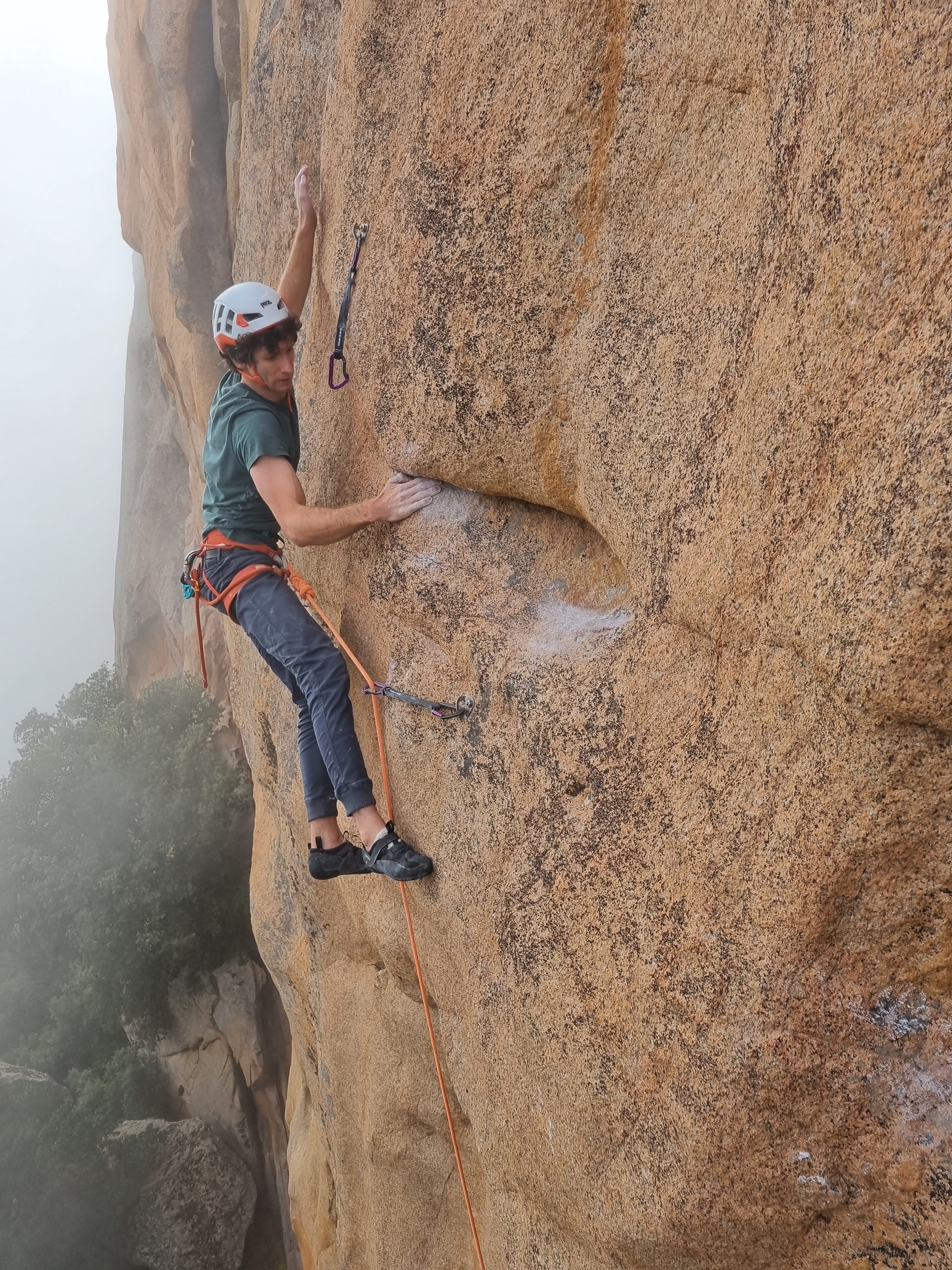
When you’re "wandering" up a granite face, rope drag is your worst enemy. The Wild Country Astro Trad draws come in color-coded lengths (10cm, 15cm, and 20cm), which is a total game-changer for gear management. I’ve used these extensively on long routes in Red Rock, and the ability to instantly grab a 20cm draw to extend a piece under a roof saves precious energy.
The Astro carabiners are small but surprisingly easy to handle with their "I-Beam" construction. At 60g, they strike a perfect balance. They won't weigh down your harness on a 10-pitch day, but they still feel substantial enough to clip with confidence when you're "run-out" above your last piece of gear.
Best for Beginners: Wild Country Session
For those just starting their journey, the Wild Country Session is the ultimate "workhorse" draw. It’s built for durability and ease of use. The solid-gate carabiners feature a classic keylock nose, which prevents the "hook" from catching on your harness or the bolt hanger—a common frustration for new climbers.
The Golden Rule for Beginners: When building your first rack, I recommend carrying at least 12 quickdraws. Most standard sport routes feature between 7 and 12 bolts. Having 12 ensures you can reach the anchors of almost any "pitch" and still have two draws left over to build your top-rope anchor. The Session offers high performance without the "boutique" price tag of ultralight gear.
Best Ultralight for Alpine: Trango Quantum
If you’ve ever carried a double rack of gear four miles up to an alpine cirque, you know that every gram is a grudge. The Trango Quantum is a marvel of engineering, weighing in at a mere 52.5g. That is a 41% weight reduction compared to a Petzl Spirit.
On a rack of 12 draws, switching to the Quantum saves you nearly a pound of weight. The trade-off? The carabiners are smaller, which can be tricky to handle with gloves or if you have large hands. However, for high-altitude missions where speed is safety, the Quantum is the undisputed king of the "light and fast" movement.
Best for Projecting: Edelrid Bulletproof
We’ve all seen it: that one "perma-draw" at the local crag with a deep, sharp groove worn into the aluminum from too many falls. It’s dangerous and ruins ropes. Enter the Edelrid Bulletproof. This draw features a stainless steel insert at the apex of the rope-side carabiner.
Aluminum is light, but it’s soft. Steel is heavy, but it’s tough. By combining the two, Edelrid has created a draw that weighs 124g but will outlast five standard aluminum draws. I always keep two of these on my rack to use on the "crux" bolts of my projects where I know I’ll be taking repeated falls. It’s an investment in your rope’s lifespan and your own peace of mind.
Buyer’s Guide: How to Choose Your Rack
Choosing the right quickdraw is a deeply personal decision that depends on your "climbing style." Here’s how to break down the technical jargon.
Sport vs. Trad Draws: What’s the Difference?
The primary difference is in the dogbone (the webbing).
- Sport Draws: Feature thick nylon (18mm to 25mm). They are stiff, making them easy to grab if you need to pull yourself up, and they prevent the carabiner from twisting during a clip.
- Trad/Alpine Draws: Prioritize weight and flexibility. They use thin Dyneema (10mm to 11mm). The flexibility is crucial because it prevents the rope’s movement from "walking" your gear (cams or nuts) out of their placements.
Weight vs. Durability: The Great Trade-off
It’s tempting to buy the lightest gear available, but consider how you climb. If you spend your weekends "hangdogging" on sharp limestone, an ultralight 52g Trango Quantum will wear out significantly faster than a beefy 103g Black Diamond HotForge.
- Choose heavy/durable for: Daily cragging, projecting, and top-roping.
- Choose light/minimalist for: Alpine climbing, long multi-pitches, and "onsight" attempts where every ounce matters.
Anatomy of a Carabiner: The Gate Matters
- Solid Gate: Generally found on sport draws. They are easier to clip and last longer, but are heavier.
- Wiregate: Lighter and less prone to "gate flutter" (a rare phenomenon where the gate opens slightly during a fall). They are also less likely to freeze shut in winter conditions.
- Keylock vs. Hook Nose: Always look for a Keylock design if possible. Traditional "hook" noses are notorious for snagging on bolt hangers or your gear loops during a stressful clip.
Pro Tip: Look at the kN (kilonewton) ratings on the spine of your carabiners. Most are rated for 20-25kN on the major axis. Remember, a carabiner is only at full strength when the gate is closed and the load is on the long axis. Cross-loading or "open-gate" scenarios reduce strength by over 60%.
Maintenance and When to Retire Gear
Climbing gear doesn't last forever. I’ve seen seasoned climbers using draws that belong in a museum, which is a recipe for disaster. Here is my "Rules of the Road" for gear retirement:
- The 10-Year Rule: Most manufacturers state that soft goods (dogbones/slings) should be retired after 10 years, even if they’ve never been used. If you use them every weekend, consider replacing the dogbones every 3-5 years.
- The "Groove" Test: Inspect your rope-side carabiners. If you see a groove deeper than 1mm, or if the edge feels sharp/serrated, retire it immediately. A "razor edge" on a carabiner can core a rope in a single fall.
- The Sticky Gate: If your carabiner gate doesn't snap shut instantly, try cleaning it with warm water and a drop of dry lube (like graphite). If it still sticks, it’s a paperweight. Never trust your life to a gate that stays open.
FAQ
How many quickdraws do I need for a standard rack? For most sport climbing areas, 12 quickdraws is the magic number. This allows you to climb routes with up to 10 bolts and have two left for the anchors. If you’re heading to places with exceptionally long pitches (like Verdon or Rodellar), you might need 16-20.
Are wiregate carabiners safe for sport climbing? Absolutely. In fact, many high-end sport draws now use wiregates because they are lighter and reduce "gate flutter." The only downside is they can be slightly less ergonomic to "thumb" open for some climbers.
Can I mix and match carabiners and dogbones? Yes, but be careful. Ensure the dogbone is wide enough for the carabiner eye and always use a rubber "string" or "keeper" on the rope-side carabiner to prevent it from flipping. Never use a keeper on the bolt-side carabiner, as this can cause the biner to unclip itself during movement.
Final Thoughts
Your quickdraws are the silent partners in every "send." Whether you opt for the high-tech Petzl Ange Finesse or the indestructible Edelrid Bulletproof, the best draw is the one you don't have to think about when you're at the crux.
Get your gear, check your knots, and I'll see you at the crag. Stay safe and keep climbing!