Quick Facts
- Freshness is Key: To identify recent bear activity, look for moisture or a "shine" on scat, sharp-edged tracks in soft mud, and overturned rocks that still show damp earth.
- The Scat Split: Black bear scat is typically tubular and filled with berries or seeds, while Grizzly scat is significantly larger in diameter and often contains hair, bone fragments, or heavy vegetation.
- Safety in Numbers: According to National Park Service data, hiking in a group of three or more makes you 70% less likely to be involved in a bear-related injury compared to solo hikers.
- Effective Deterrents: Field research indicates that bear spray successfully stops aggressive behavior in approximately 92% of close-range encounters when deployed correctly.
Introduction: Why Your Awareness is Your Best Defense
You’re six miles into the backcountry, the alpine air is crisp, and the only sound is the rhythmic crunch of your boots on the trail. Suddenly, you spot a dark, wet pile right in the middle of the path. Your heart climbs into your throat. Is that a bear? And more importantly, is it still here?
In my years of solo expeditions through the Tetons and the Canadian Rockies, I’ve learned that the "holy grail" of backcountry safety isn’t a bigger knife or a louder bell—it’s your ability to read the landscape. Bear encounters are statistically rare, but they are high-stakes. Identifying bear signs before you actually see the animal is the difference between a controlled detour and a dangerous surprise.
To stay safe, you need to differentiate between old news and immediate danger. Fresh signs are identified by moisture, a noticeable shine on scat, and sharp-edged tracks in mud or snow. If you see overturned rocks or logs that still show damp earth underneath, you’re not looking at a week-old trail; you’re walking in a bear’s kitchen, and dinner might still be served.
The Dirt on Bear Scat: Identification Guide
Identifying bear scat—or "scatology" as the pros call it—is your most reliable way to know who you’re sharing the trail with. It’s not the most glamorous part of the job, but it’s essential.
Black bear scat is generally smaller, usually about one to one and a quarter inches in diameter. Depending on the season, it’s often tubular and packed with berries, seeds, or vegetation. In the late summer, it can look like a pile of smashed blueberries. Grizzly scat, on the other hand, is a different beast entirely. It’s significantly larger—often two inches or more in diameter—and tends to be more "blob-like." Because Grizzlies are apex predators with a higher protein intake, you’ll frequently see hair, bone fragments, or massive amounts of digested sedge and roots.
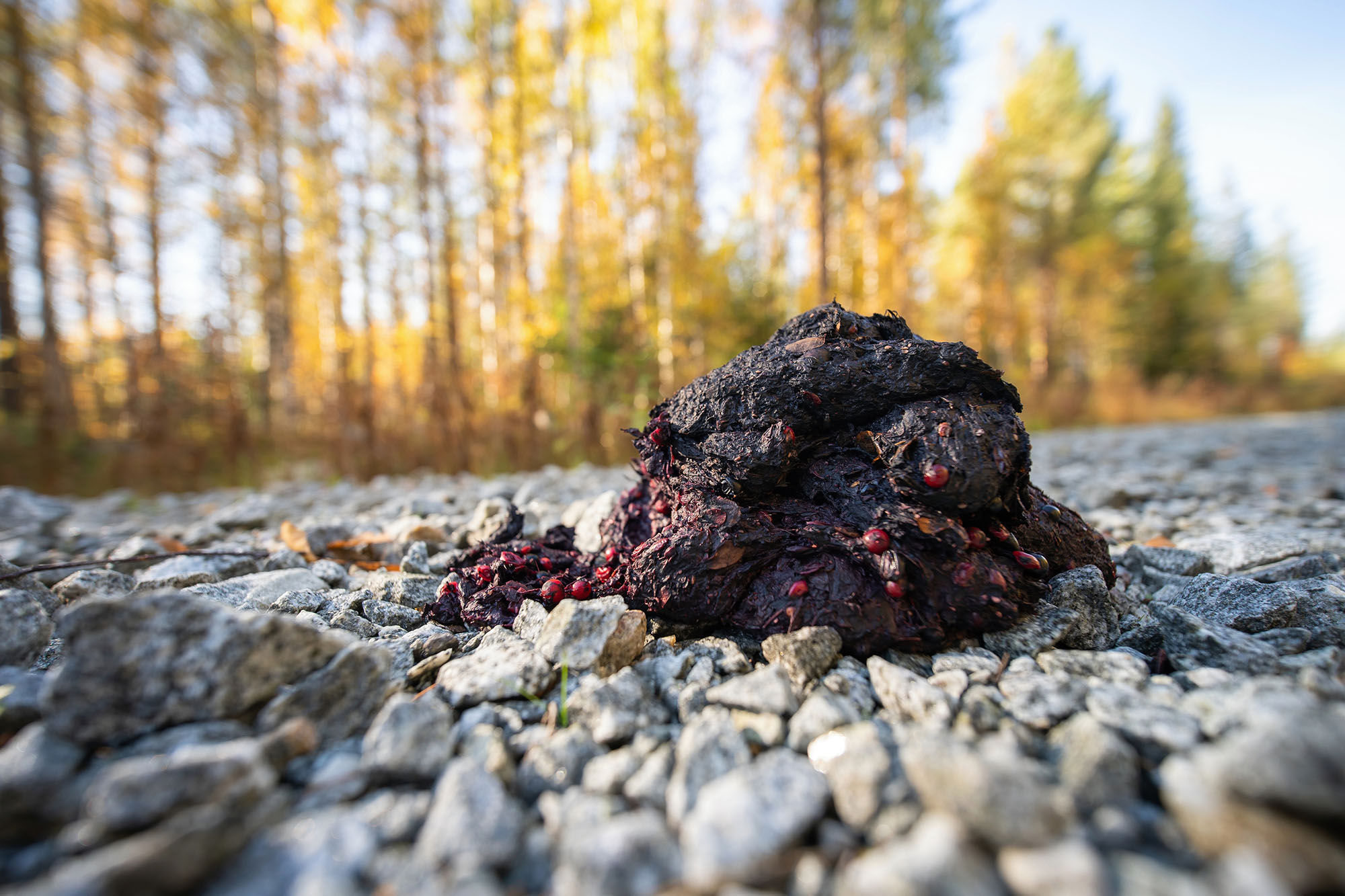
When assessing age, use your nose and your eyes. Fresh scat has a distinct "shine" from the moisture content and often carries a pungent, "stinky wet dog" or fermented fruit smell. If the scat is dry, bleached by the sun, or falling apart, the bear is likely long gone.
Pro Tip: Don't confuse bear scat with "lookalikes." Coyote scat is much narrower and usually ends in a twisted point. Raccoon scat can look similar to a small black bear's but is generally found in "latrines" (piles in the same spot) near water or trees.
Reading the Trail: Black Bear vs. Grizzly Tracks
Finding a clear paw print is like reading a signature. However, unless the mud is perfect, telling the two species apart can be tricky. This is where the "Straight Line Trick" comes into play.
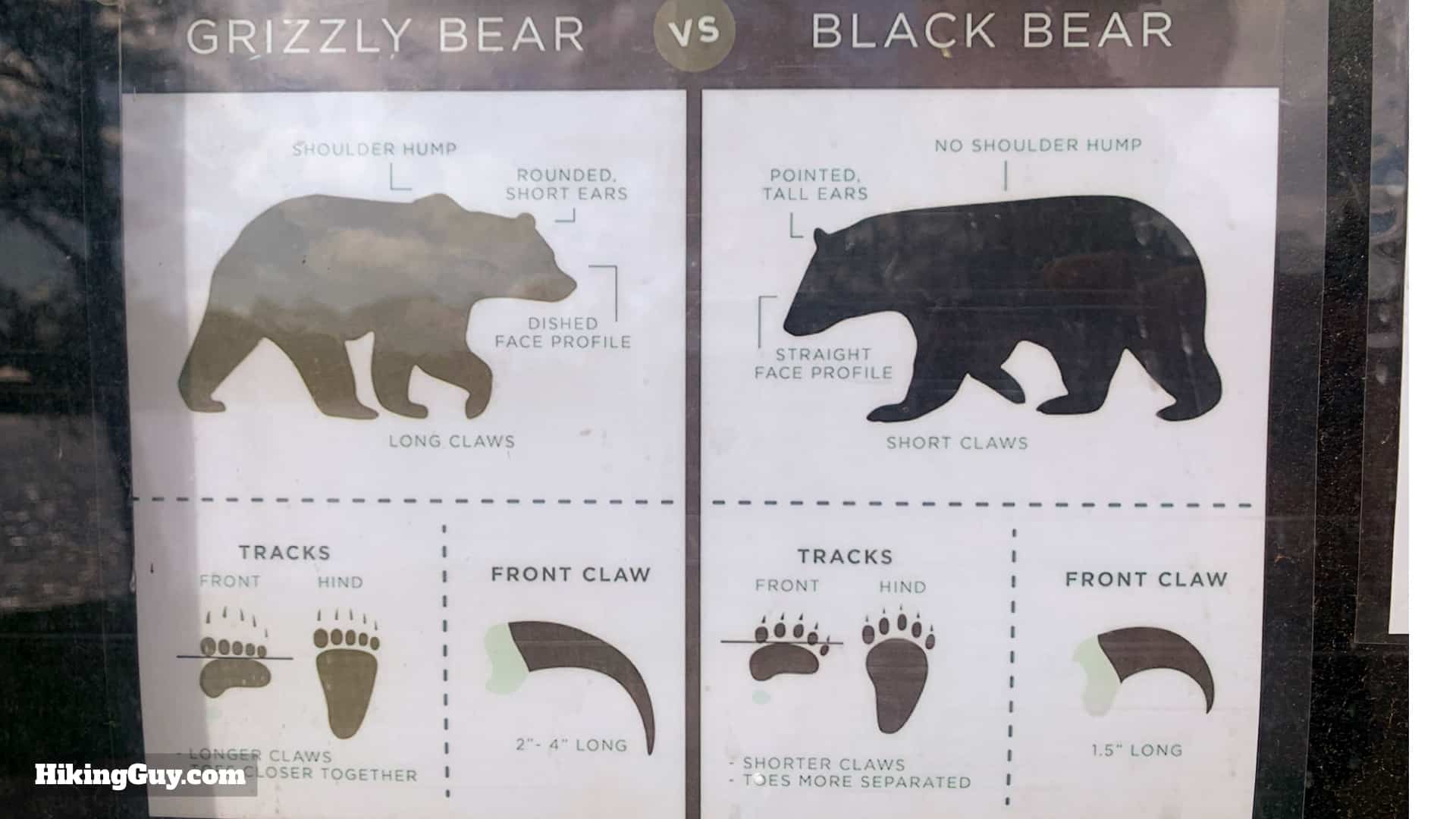
If you can find a clear track of the front paw, try to draw a straight line (or lay a trekking pole) across the top of the large palm pad, just below the toes. In a Black Bear track, the toes will follow a noticeable arc, and the line will likely intersect the outer toes. In a Grizzly track, the toes are arranged almost straight across, and your line will typically pass entirely above the palm pad without touching it.
Physical Characteristics Comparison
| Feature | Black Bear (Ursus americanus) | Grizzly Bear (Ursus arctos horribilis) |
|---|---|---|
| Claw Marks | Short (under 2"), curved, usually not visible in tracks | Long (2-4"), straight, usually visible in tracks |
| Toe Alignment | High arc, toes are separated | Straight across, toes are close together |
| Heel Pad | Smaller, often wedge-shaped | Massive, wide, and rectangular |
| Shoulder Hump | None (Highest point is the rump) | Prominent muscle hump between shoulders |
If you’re trekking in the High Arctic, keep an eye out for the "brush marks" of a Polar bear. Their tracks are massive—up to 12 inches across—and often show signs of the long fur between their toes, which acts like natural snowshoes.
Secondary Indicators: Claws, Rubs, and Digs
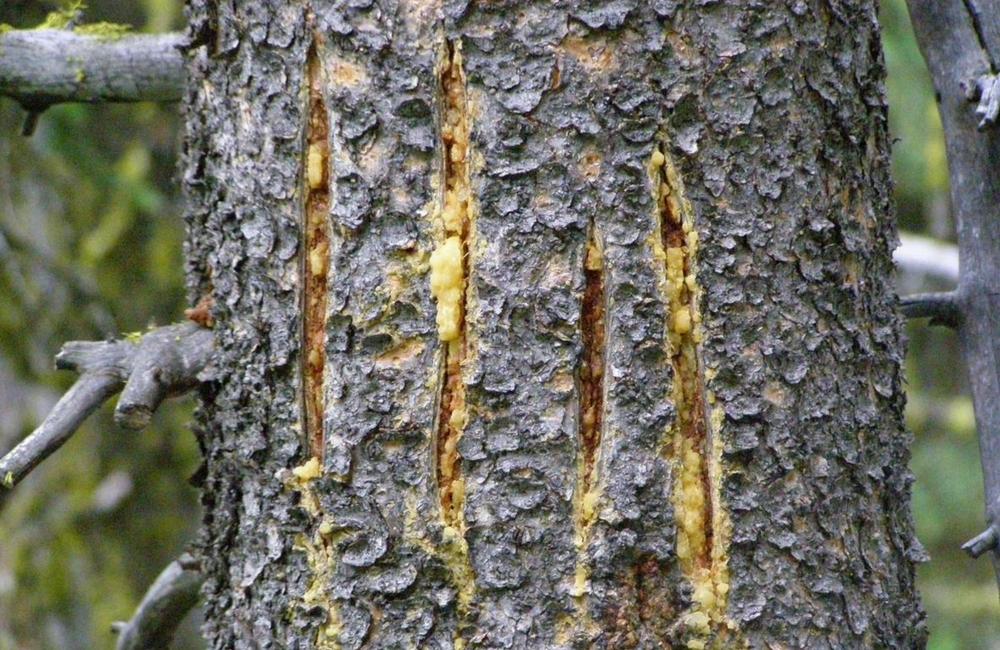
Bears are heavy-handed neighbors. They leave evidence of their presence on almost everything they touch. Tree markers are a classic sign. Look for claw marks on the bark; Black bears are expert climbers and will leave deep, vertical gashes as they scramble up a trunk. Grizzlies, while they can climb, are more likely to leave "rub marks." They’ll lean their massive weight against a tree to scratch an itch, leaving behind clumps of coarse hair and a worn-down patch of bark at shoulder height.
Feeding signs are another major giveaway. Bears are lazy foragers; they’ll overturn massive rocks or tear apart rotting logs to get at grubs and insects. If the earth underneath the rock is still dark and damp, the bear was there within the last hour.
The Red Flags of Danger:
- Cache Sites: If you see a mound of dirt and debris covering what looks like a carcass, LEAVE IMMEDIATELY. This is a bear's food cache. They are extremely territorial over these sites and will defend them with lethal force.
- Circling Birds: A high concentration of ravens or vultures often indicates a carcass nearby—and where there’s a carcass, there’s usually a bear.
Know Your Territory: The Geographic Filter
Before you even step onto the trail, you should apply the "Geographic Filter." In the lower 48 states, unless you are in the Greater Yellowstone Ecosystem, Northern Montana, or parts of the Pacific Northwest, you are almost certainly in Black Bear country.
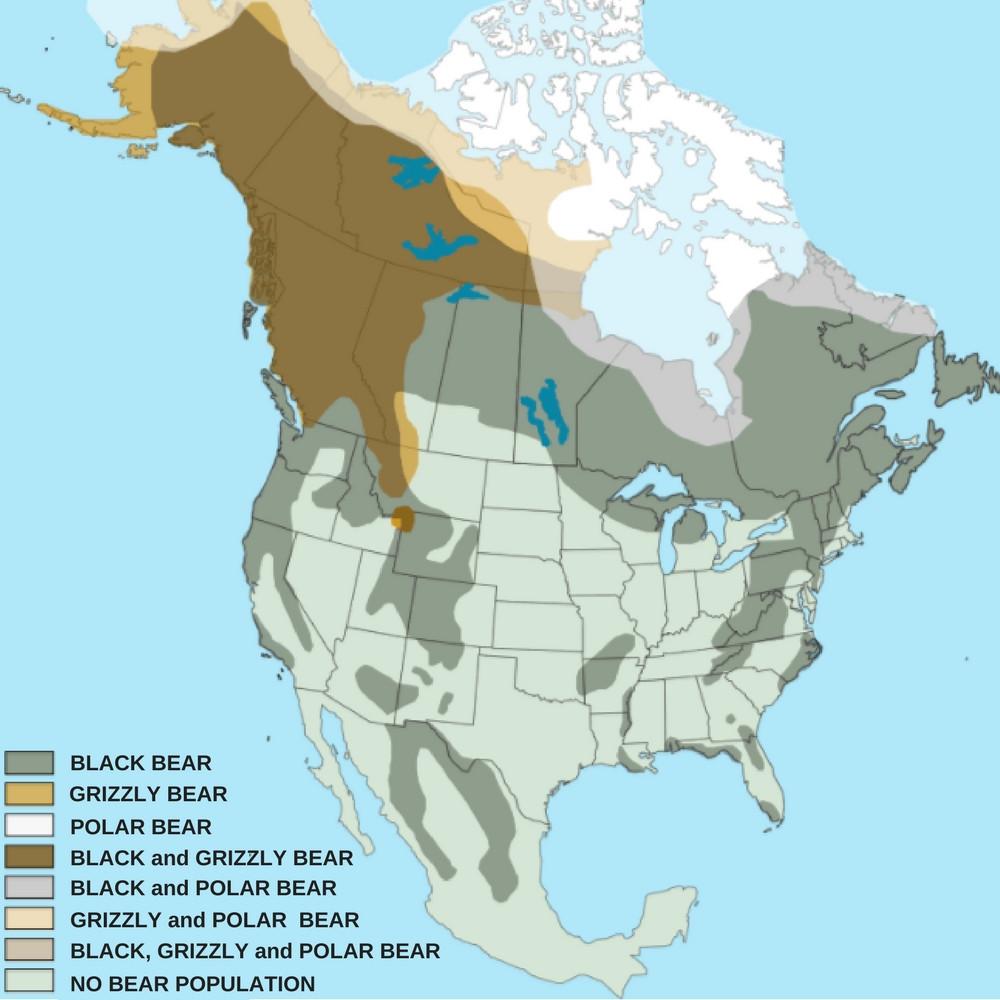
Understanding the species helps you understand the mindset. Black bears generally have an "escape" mindset; they are timid and would rather run or climb a tree than fight. Grizzlies have a "stand your ground" mindset. They evolved in open plains where there were no trees to climb, so their instinct is to neutralize a threat rather than flee from it. Knowing which bear you might encounter dictates how you'll react if things go south.
Proactive Safety: How to Hike in Bear Country
Identification is about avoidance. The goal is to never see the bear in the first place. The most effective tool in your kit isn't a weapon; it's your friends. National Park Service (NPS) data confirms that groups of three or more hikers are 70% less likely to be involved in a bear-related injury. A group is louder, smells more "human," and presents a much more intimidating silhouette to a bear.
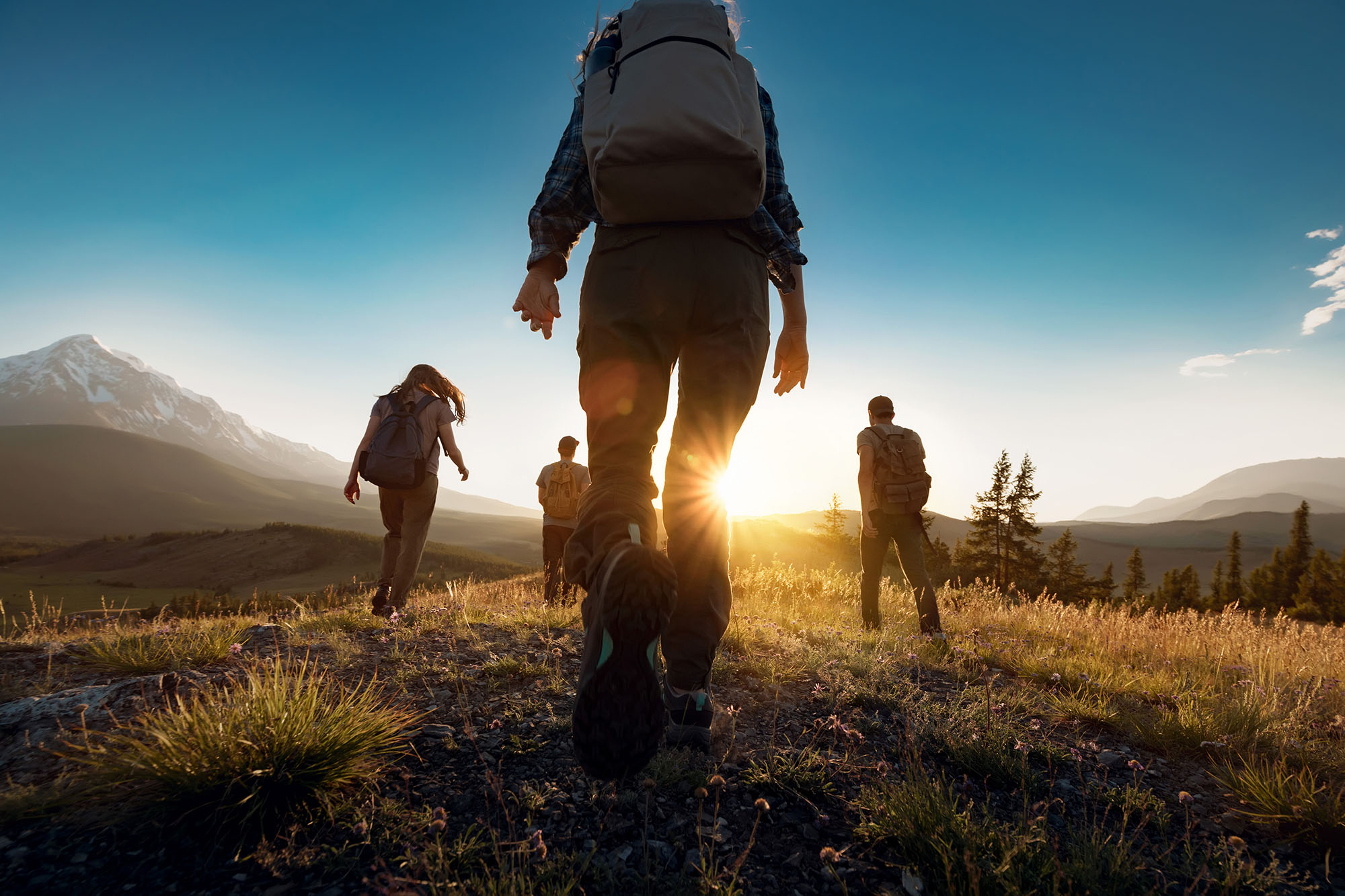
Strategic noise-making is your best active defense. Forget the "bear bells"—to a bear, they often sound like a bird or a distant insect. Use your voice. Periodically shout "Hey bear!" or "Whoop, whoop!" especially when moving through dense brush, near rushing water, or when hiking into the wind. You want to give the bear plenty of time to hear you coming so it can move off-trail.
When it comes to food, you must be disciplined. A fed bear is a dead bear. Use high-quality bear-resistant food containers (BRFCs) and never, ever keep "smellables" (toothpaste, snacks, deodorant) in your tent.
Essential Gear: The Science of Bear Spray
If avoidance fails, you need a deterrent. While the "Gun vs. Spray" debate rages on in trail towns, the data is clear. A comprehensive study by US Fish & Wildlife found that people who used firearms for self-defense against bears suffered injury about 50% of the time, while those using bear spray escaped injury in 92% of cases.
Bear spray works by creating a massive cloud of capsaicin (red pepper oil) that inflames the bear's eyes, nose, and lungs, providing you with a window to escape. It is not a "repellent"—don't spray it on your tent. It is a last-resort deterrent.
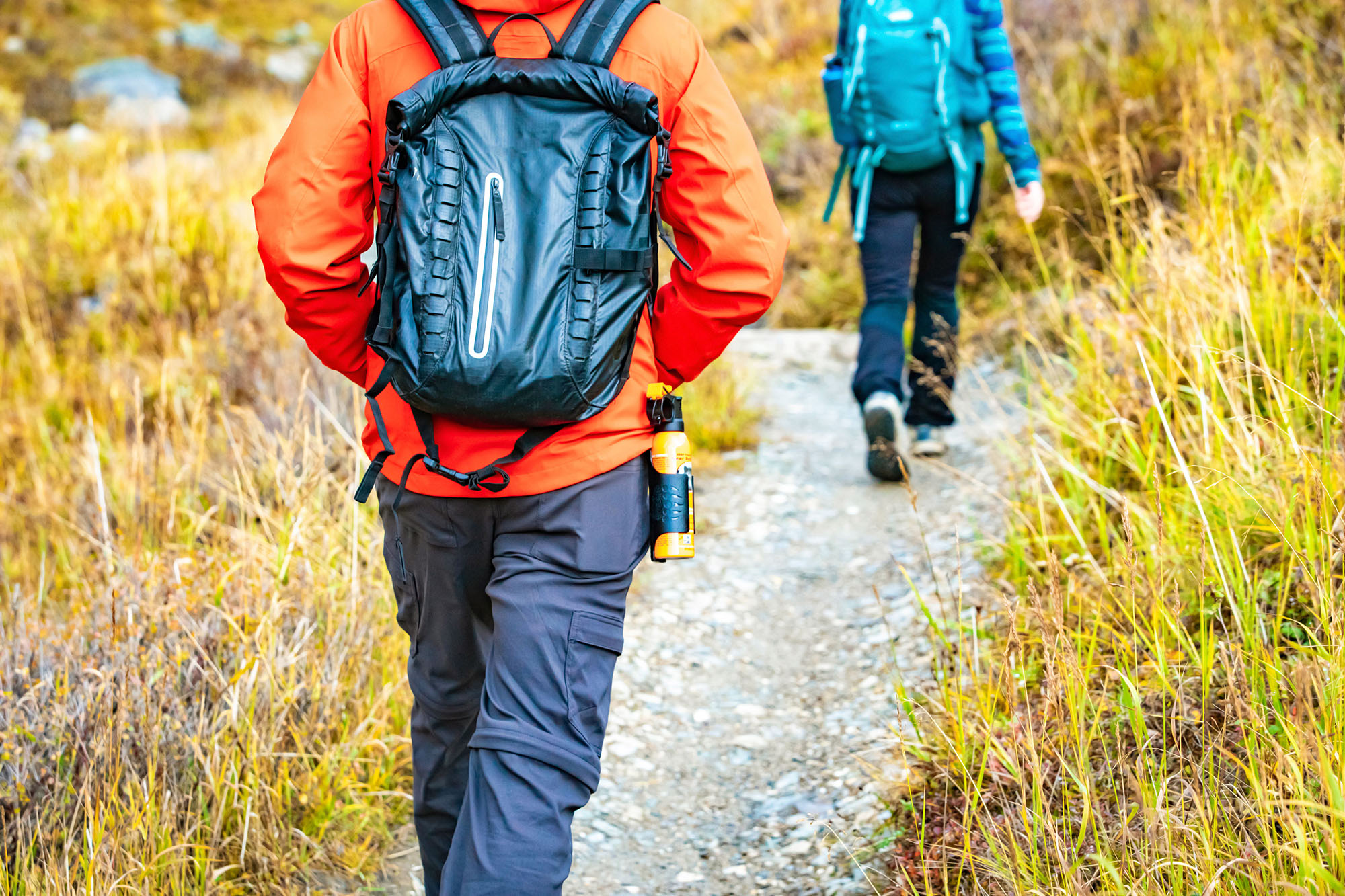
Accessibility is everything. If your bear spray is buried in the side pocket of your pack, it might as well be back at the trailhead. You have roughly 2-3 seconds to react to a charging bear. Carry your canister in a chest or hip holster where you can draw it with one hand.
Last Resort: Responding to an Aggressive Encounter
If you see a bear, stop. Do not run. Running triggers a bear’s predatory chase instinct, and you cannot outrun them (they hit 35 mph). Speak in a low, calm voice to identify yourself as human and slowly back away.
Most bear "charges" are bluff charges. The bear will run toward you at high speed but veer off at the last second. It’s a test of nerves. Stand your ground, get your spray ready, and keep talking calmly.
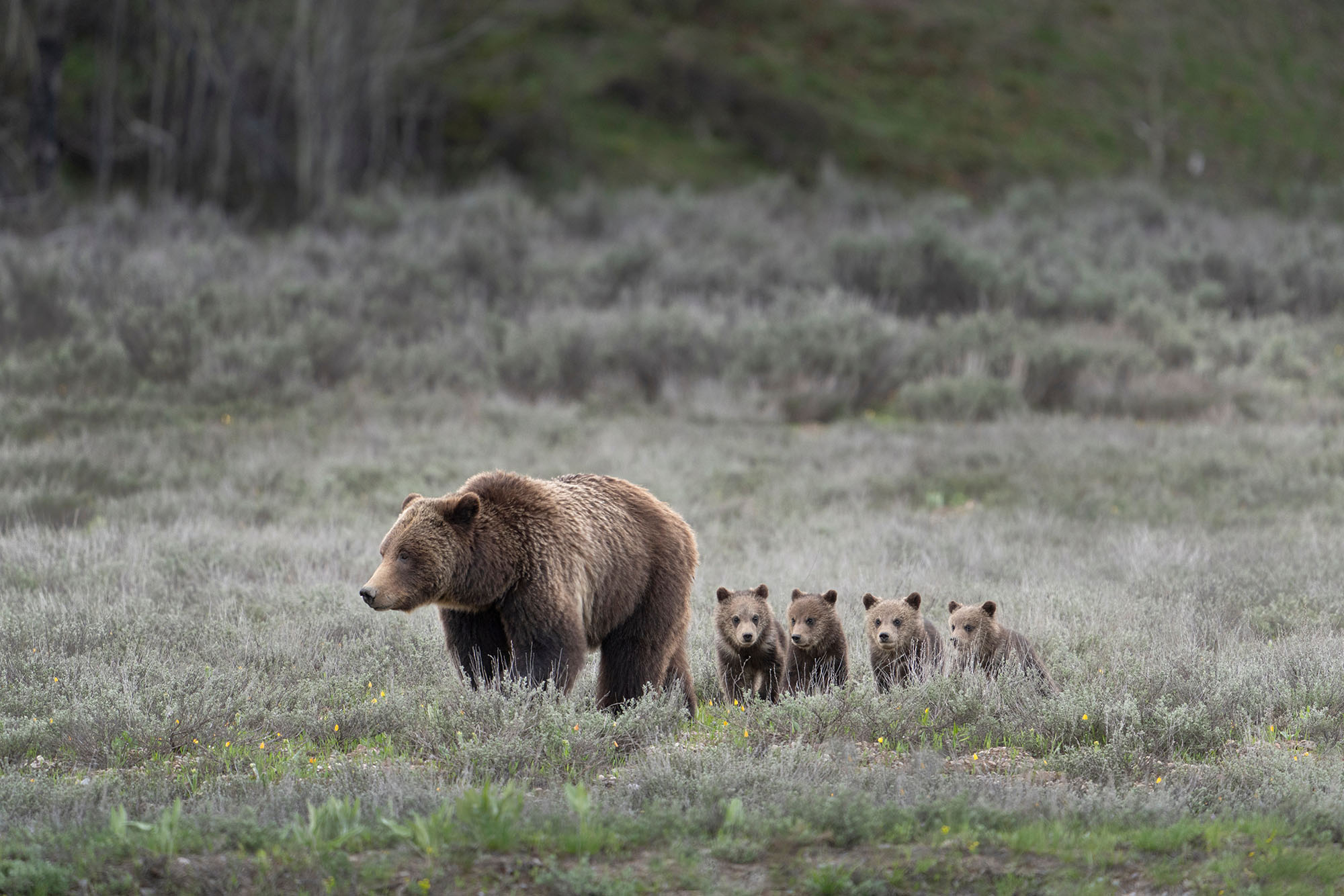
If a bear actually makes physical contact, your response depends entirely on the species:
- Grizzly Attack (Defensive): Play dead. Leave your pack on for protection, lie flat on your stomach, and lace your fingers behind your neck. Spread your legs to make it harder for the bear to flip you over. Stay still until the bear leaves the area.
- Black Bear Attack (Predatory): Do NOT play dead. Fight back with everything you have. Aim for the face and snout. Black bear attacks are almost always predatory, and playing dead will only make you an easier meal.
- Using Spray: If the bear is within 25-30 feet, deploy the spray in a 2-3 second burst, aiming slightly downward to account for the bear's head position as it runs.
FAQ
Q: Can I identify a bear species just by the color of its fur? A: No! This is a common mistake. Black bears can be cinnamon, blonde, or even white (Kermode bears). Grizzlies can be dark brown or almost black. Always look for the shoulder hump and the claw length instead of coat color.
Q: If I see fresh tracks, how far should I go before I'm "safe"? A: There is no magic number, but if you see fresh sign, increase your noise-making significantly. If the sign is "hot" (wet scat or fresh digs), consider turning back or finding an alternate route.
Q: Does bear spray expire? A: Yes. Most canisters have a shelf life of 3-4 years. The pressure can drop over time, making the spray less effective. Always check the expiration date before your season starts.
The wilderness is a place of incredible beauty, but it demands respect. By learning to read the signs and carrying the right gear, you’re not just surviving the backcountry—you’re becoming a part of it. Stay alert, stay loud, and I'll see you on the trail.