Quick Facts
- Our Testing Protocol: This guide is the culmination of a multi-month assessment involving nine top-tier stands, conducted by a team with over 60 years of combined mechanical expertise. Our testing included complete teardowns and rebuilds of downhill, road, and fat bikes to measure deflection and stability.
- The Industry Gold Standard: The Park Tool PRS-25 remains the best overall choice for 2025, offering a professional-grade 100-pound weight capacity in a portable 13-pound package.
- Stand Selection by Bike Type: Tube-clamp stands are the versatile choice for 90% of riders, while Euro-style (axle-mount) stands are the non-negotiable standard for aero-tubing or ultra-lightweight carbon frames where clamping forces are a concern.
- E-Bike Readiness: If you own an electric bike, standard 50-lb rated stands are insufficient. Look for heavy-duty options like the Feedback Sports Pro Mechanic HD, specifically engineered for the 80–100 lb range.
Why Your Garage Needs a Dedicated Repair Stand
For many home mechanics, the journey into bike maintenance begins with a series of compromises: balancing a bike upside down on its saddle and handlebars, or leaning it against a greasy garage wall. As a critic who has reviewed thousands of dollars of workshop equipment, I can tell you that the "upside-down struggle" is a recipe for frustration and mechanical inaccuracy. Without a dedicated stand, basic tasks like indexing a derailleur become an ergonomic nightmare, and the risk of scratching expensive components increases exponentially.
A high-quality repair stand transforms your maintenance experience from a chore into a precision craft. By elevating the bike to eye level, you protect your lower back and neck during long sessions. More importantly, a stand allows the drivetrain to spin freely. This is essential for fine-tuning gear shifts and bleeding hydraulic brakes—tasks that require the bike to be held at specific angles. While portability is a frequently cited perk for home users, stability remains the non-negotiable anchor of any home workshop. A stand that wobbles under the torque of a bottom bracket removal is not just annoying; it is a safety hazard.
The Great Debate: Tube-Clamp vs. Euro-Style Stands
Before diving into specific models, you must decide on the fundamental architecture of your stand. This choice is dictated more by your bike’s frame material and geometry than by your personal preference.
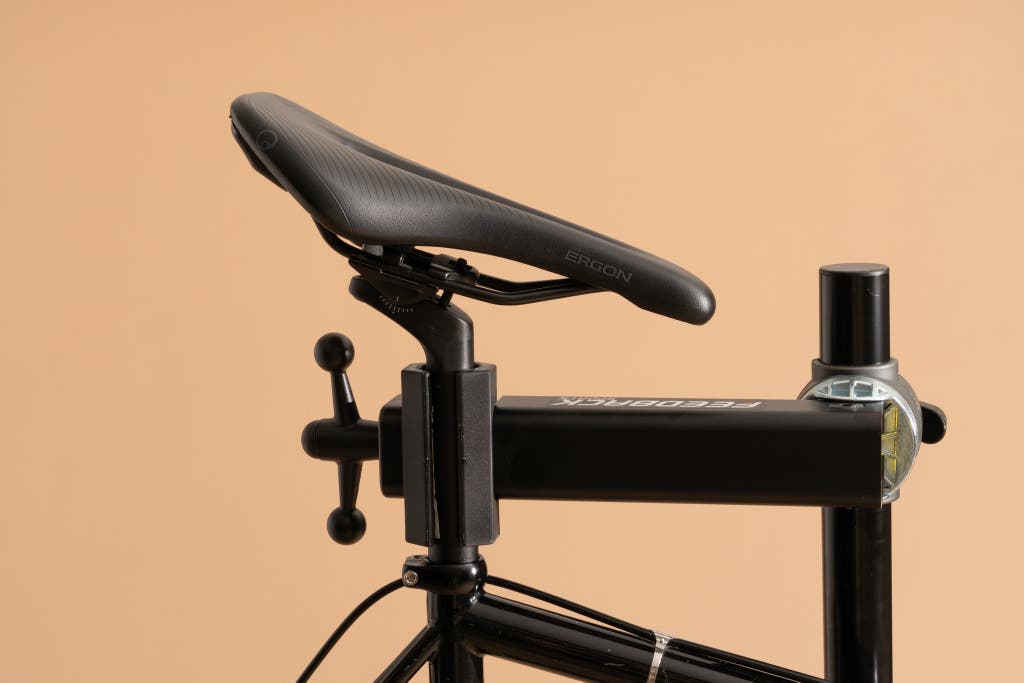
Tube-Clamp Stands are the most common and versatile. They feature a jaw-like clamp that typically grips the seatpost. Their primary advantage is speed; you can have a bike in the stand in seconds without removing wheels. Modern clamps, like those found on the Park Tool or Feedback Sports models, feature micro-adjustments to ensure you apply enough pressure to hold the bike without crushing thin-walled tubing.
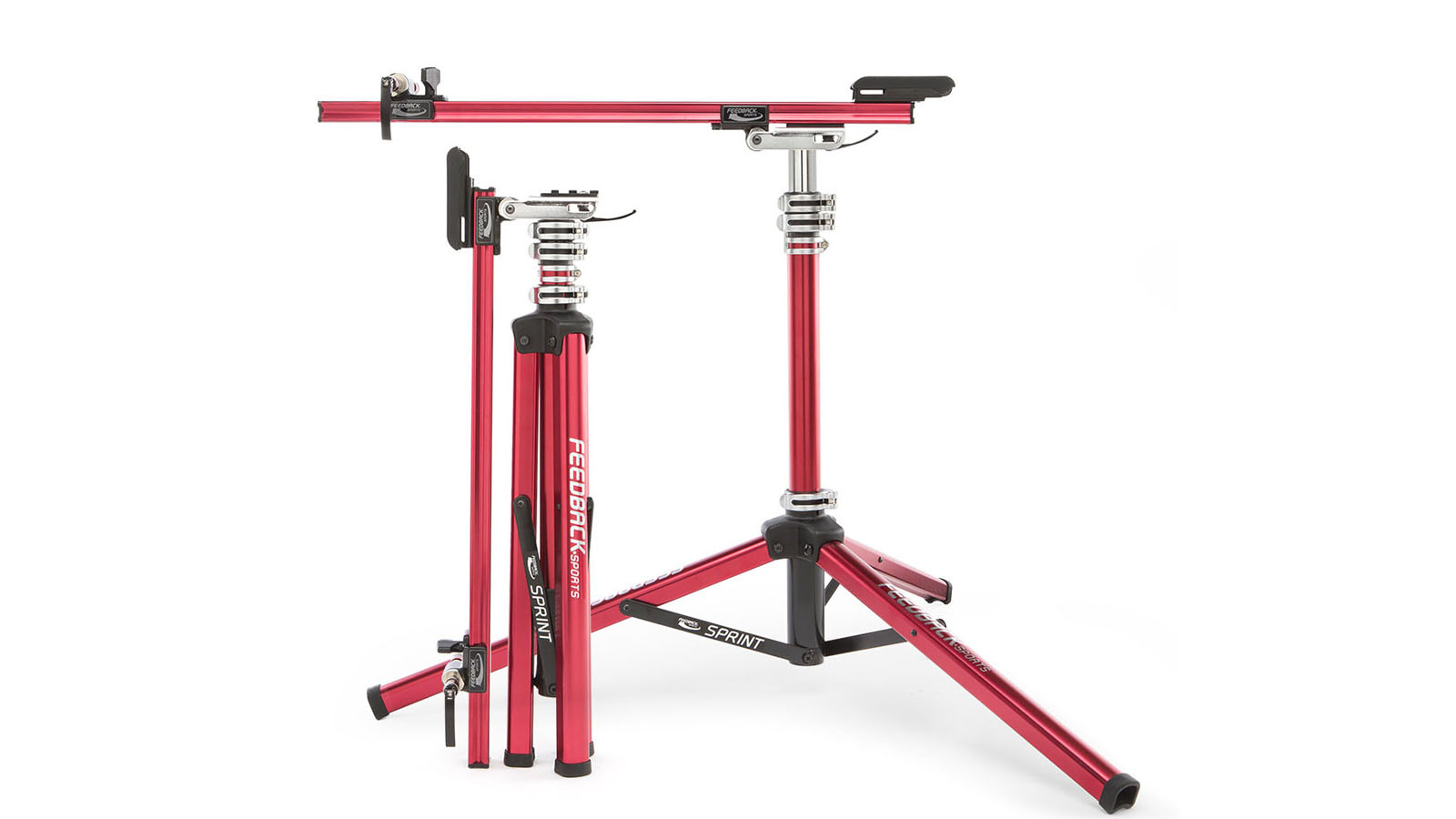
Euro-Style (Axle-Mount) Stands support the bike at the bottom bracket and secure it via the front or rear dropouts. This is the "pro-peloton" choice. These stands are indispensable for road cyclists with aero-shaped seatposts that won't fit in a standard clamp, or for those with ultra-light carbon frames where any clamping force on the tubes is a risk. Because the bike is fixed at the axle, these stands offer superior stability for high-torque tasks, though they require you to remove a wheel for every session.
Top Picks for 2025: Best Bike Repair Stand Reviews
After extensive field testing and mechanical analysis, we have narrowed the market down to the following top performers. Our evaluation focuses on torsional rigidity, ease of use, and long-term durability.
Best Overall: Park Tool Team Issue PRS-25
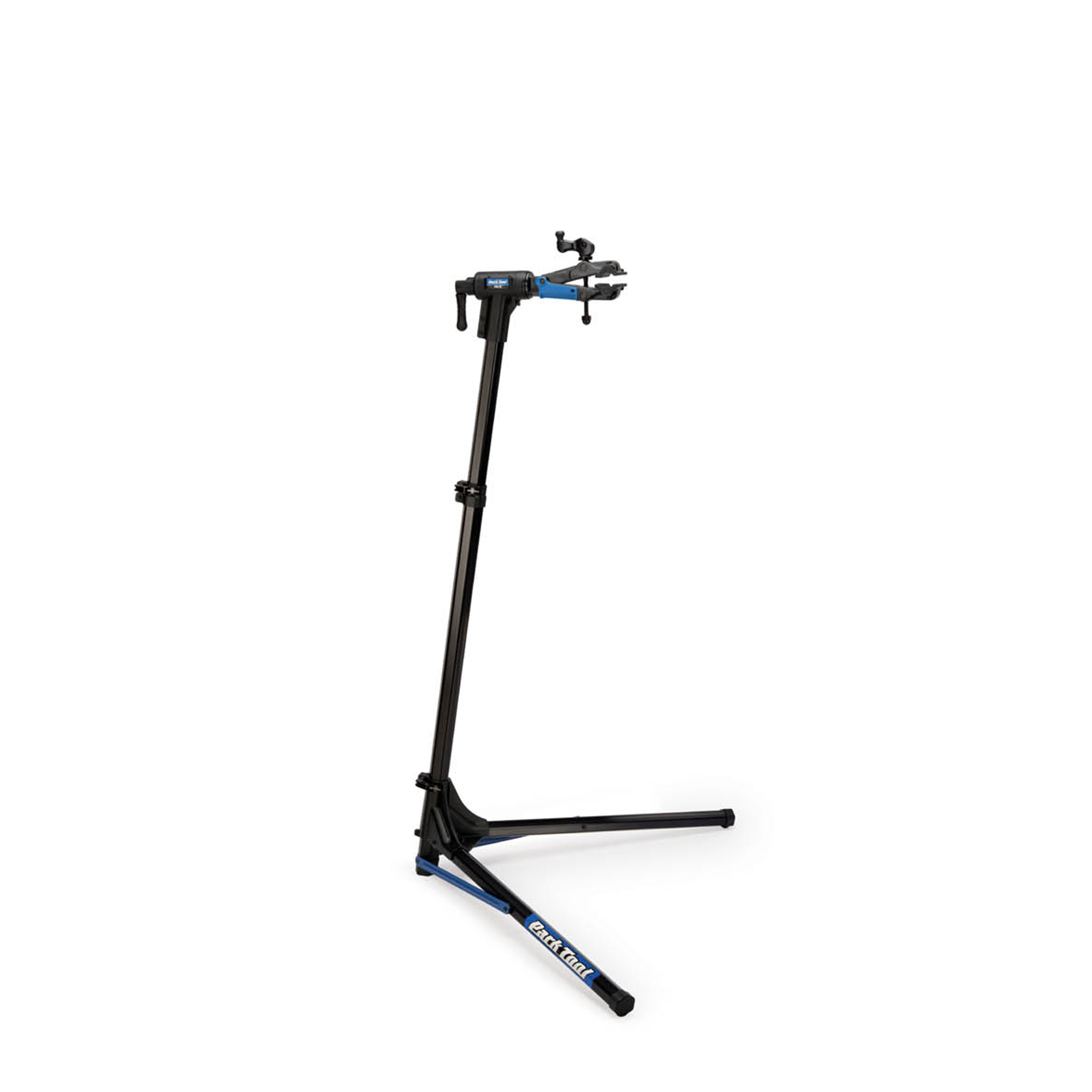
The Park Tool PRS-25 is often described as the "Rolls Royce" of folding stands, and for good reason. It successfully bridges the gap between a permanent shop fixture and a portable home stand. Constructed from proprietary Hex-shaped aluminum tubing, it minimizes flex even when loaded with a heavy mountain bike.
The standout feature is the 100-30 Micro-Adjust clamp. It’s a piece of engineering beauty that allows for quick entry and exit while providing incredibly fine control over clamping pressure. Despite its 100-pound weight capacity, the stand itself weighs only 13 pounds, making it easy to stow away or toss in the trunk for a race weekend.
Check Price for Park Tool PRS-25 →
Best for E-Bikes: Feedback Sports Pro Mechanic HD
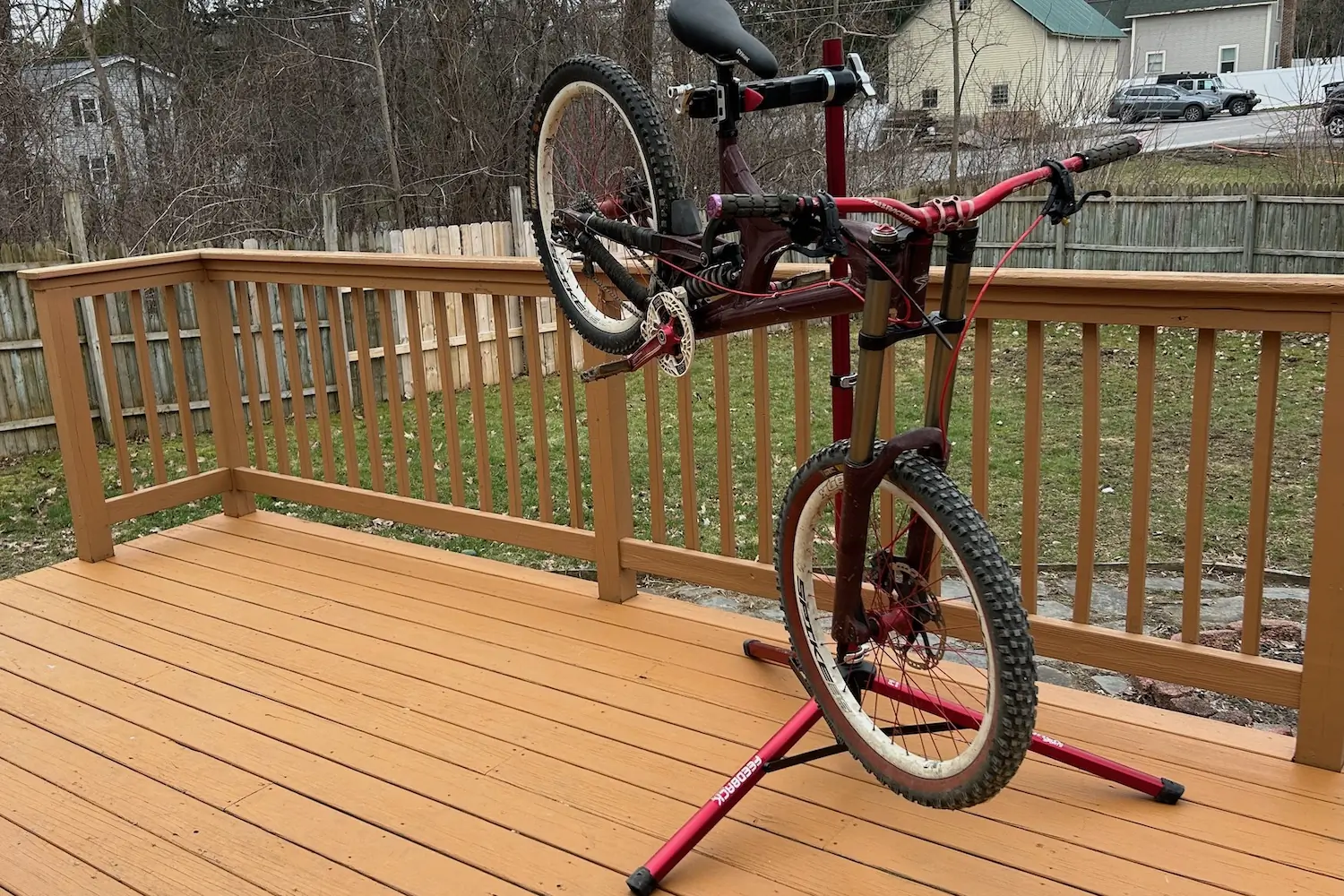
As electric bikes continue to dominate the market, the demand for "heavy duty" stands has surged. The Feedback Sports Pro Mechanic HD is the industry's answer. During our testing, we found that its oversized telescoping tubes and beefed-up tripod base handled 60-lb e-MTBs with virtually zero "creep" in the clamp head. The ratcheting closure and push-button release are particularly helpful when you are trying to hoist a heavy bike with one hand and secure the clamp with the other.
View Feedback Sports Pro Mechanic HD →
Best Budget: Bike Hand Repair Stand
For the hobbyist who only needs a stand a few times a month, spending $400 is hard to justify. The Bike Hand Repair Stand consistently punches above its weight class (sub-$140). While it lacks the ultimate rigidity of the Park Tool or the sleek finish of the Feedback Sports, its 360-degree rotating head and foldable design offer 80% of the performance for 30% of the price. It is the best entry-point for a rider starting their own home workshop.
Best for Travel: Altangle Hangar Connect
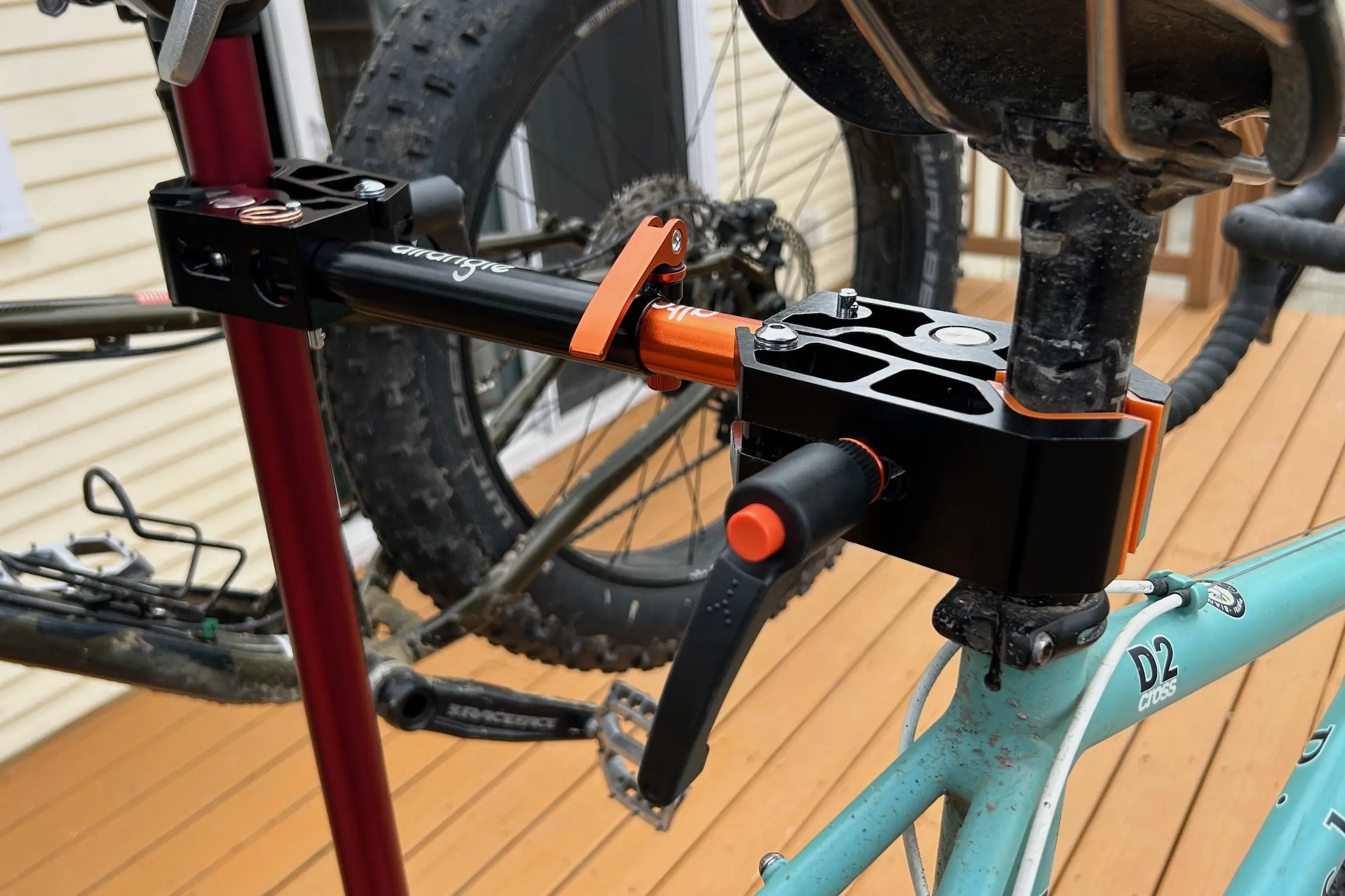
For those living in small apartments or frequent travelers, a traditional tripod stand might be too bulky. The Altangle Hangar Connect is a 3-pound marvel that clamps onto a doorway, a van ladder, or a park fence. It is surprisingly robust for its size, though it lacks the height adjustability of a floor stand. It is the ultimate "emergency" stand for those who value space above all else.
2025 Repair Stand Comparison Table
| Model | Clamp Style | Weight Capacity | Stand Weight | Best Use Case |
|---|---|---|---|---|
| Park Tool PRS-25 | Tube-Clamp | 100 lbs | 13 lbs | Best Overall / Pro Home Shop |
| Feedback Sports HD | Tube-Clamp | 100 lbs | 18 lbs | Heavy E-Bikes / DH Rigs |
| Feedback Sprint | Euro-Style | 85 lbs | 12.6 lbs | Aero Bikes / Carbon Frames |
| Bike Hand | Tube-Clamp | 55 lbs | 11 lbs | Budget / Casual Use |
| Altangle Hangar | Tube-Clamp | 50 lbs | 3 lbs | Travel / Small Apartments |
How to Choose: Key Performance Factors
Selecting the right stand requires a balance of your workshop's physical constraints and your bike's technical needs. In my experience, home mechanics often over-prioritize price and under-prioritize the "clamp feel."
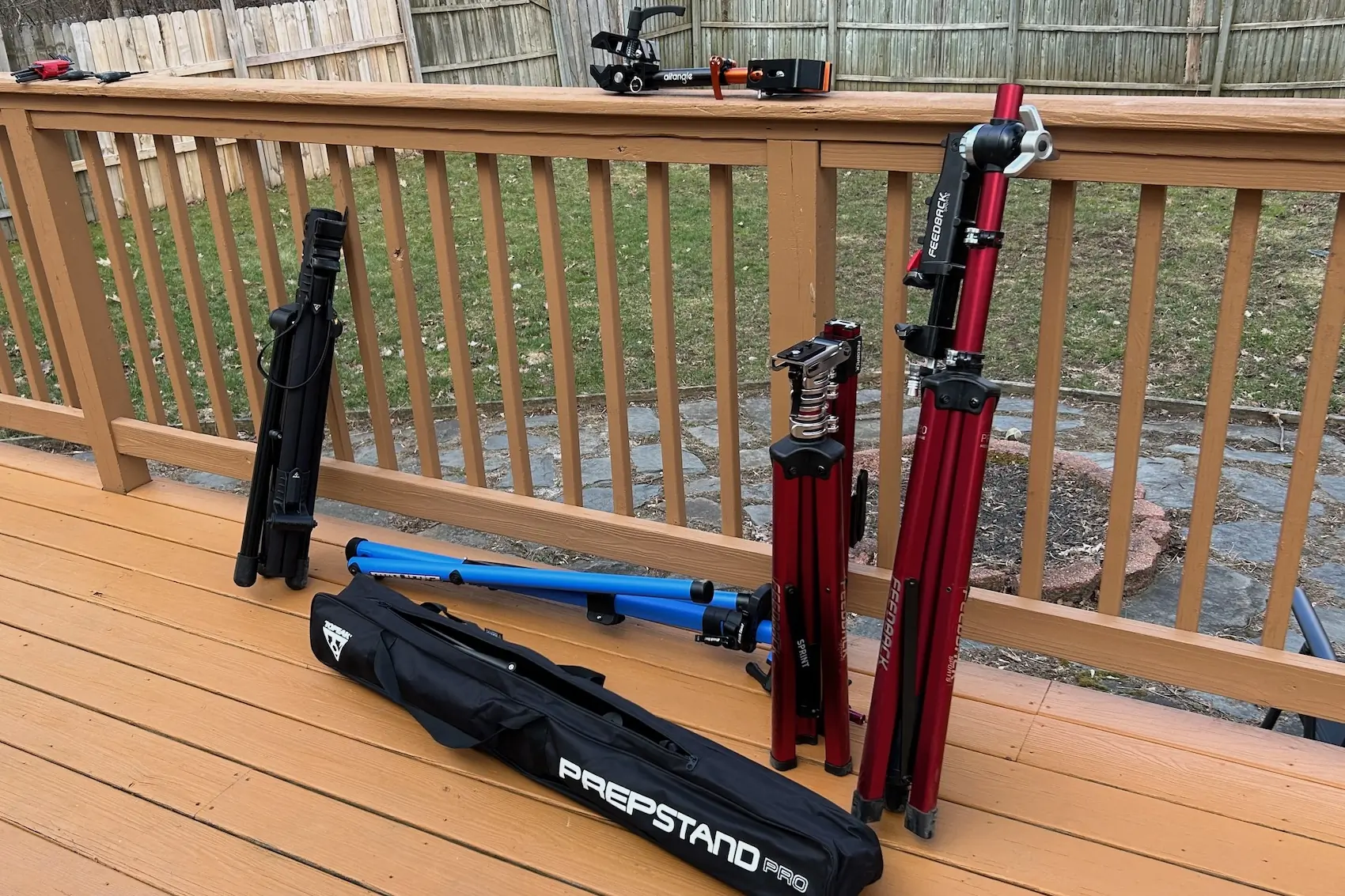
- Stability & Footprint: Tripod bases (like Feedback Sports) are excellent on uneven surfaces like a driveway because three points of contact always find balance. L-shaped bases (like some Park Tool shop stands) offer more room for pedals to spin but require a perfectly flat floor.
- Clamp Mechanism: This is your primary interface with the stand. A ratcheting quick-release is faster for high-volume work, but a cam-lock or micro-adjust screw is safer for carbon components. Avoid the "twist-knob" clamps found on ultra-cheap stands; they are often a lesson in frustration.
- Weight Capacity: Never buy a stand that is rated exactly at your bike's weight. If your e-bike weighs 50 lbs, buy a stand rated for at least 75 lbs. This ensures the internal clutch and locking mechanisms aren't operating at their failure point, which prevents the bike from "drooping" while you work.
- Portability: If you don't have a dedicated workshop, look for a stand that folds down into a slim profile. Check the folded dimensions and whether a carrying bag is included.
Specialized Advice: Maintenance for Modern Bikes
Working on modern carbon fiber and electric bikes requires a nuanced approach to avoid expensive mistakes.
The Carbon Rule: Never, under any circumstances, clamp a carbon fiber frame tube directly in a repair stand. Carbon is designed to handle specific directional loads; the crushing force of a repair stand clamp can lead to structural failure. Always clamp the seatpost. If your seatpost is also carbon, ensure the clamp is clean and use the "rag wrap" technique—placing a clean lint-free cloth between the clamp and the post—to prevent surface marring.
Dropper Posts: On mountain bikes with dropper seatposts, the rule is simple: only clamp the upper "stanchion" (the part that moves) when it is in the fully extended position. Clamping a dropped post can damage the internal seals and lead to mechanical failure.
Pro-Tip: When lifting a heavy e-bike onto a stand, don't try to lift the whole bike at once. Secure the front wheel on the ground, lift the rear of the bike into the open clamp, and then tighten. This reduces the strain on your back and the stand's clamp head.
FAQ
Can I clamp my bike by the frame? If it is a steel or thick-walled aluminum bike, yes, but it is not recommended. The seatpost is a much safer, more replaceable component if damage occurs. For carbon bikes, clamping the frame is strictly forbidden.
Is a tripod stand stable enough for heavy mountain bikes? Yes, provided the stand is engineered for it. Models like the Feedback Sports Pro Mechanic HD have a wide tripod stance specifically designed to prevent tipping when working on long-wheelbase mountain bikes.
Do I need to remove the front wheel for all Euro-style stands? Typically, yes. Most Euro-style stands secure the bike via the front fork dropouts. Some models allow for rear-dropout mounting, but front-mounting is the standard for stability.
Ready to Upgrade Your Workshop?
Choosing a repair stand is an investment in the longevity of your bike and the health of your back. While the Park Tool PRS-25 is our top recommendation for its versatility and legendary durability, the Feedback Sports Pro Mechanic HD is the clear winner for those moving into the world of heavy e-bikes.
Assess your bike’s frame, check your garage space, and stop working on your bike upside down. Your drivetrain—and your spine—will thank you.