Quick Picks: The Best MTB Saddles at a Glance
- Best Overall: WTB Volt Chromoly – A timeless classic that balances a cradled shape with incredible value.
- Best for Comfort: WTB Koda Titanium – Features softer padding and a wide relief channel for long-distance relief.
- Lightest Option: Tioga Spyder Outland – A featherweight 178g marvel for XC racers and weight-conscious builds.
- Most Durable: SDG Components Bel-Air V3 – Built with a seamless cover to withstand the harshest trail abuse.
Why Your Saddle is the Most Critical Component
In my years evaluating travel gear and outdoor equipment, I have found that the most significant upgrades are rarely the most expensive. In mountain biking, your body interacts with the machine at only three points: the grips, the pedals, and the saddle. Of these, the saddle is arguably the most critical for performance and endurance. A poorly fitted seat won't just cause temporary discomfort; it can lead to numbness, chafing, and long-term soft tissue issues that can end a season prematurely.
After an extensive testing period, the WTB Volt Chromoly has emerged as the best overall mountain bike saddle for 2025. Its legendary "whale tail" design and cradled shape offer a level of versatility that suits everything from cross-country racing to aggressive enduro descents. For riders who prioritize plushness above all else, the WTB Koda Titanium is our top recommendation for maximum comfort. Meanwhile, the Tioga Spyder Outland remains the lightest mountain bike saddle in our current testing pool, tipping the scales at a mere 178g without its optional anti-slip pads.
Choosing the right saddle is an objective science blended with subjective preference. Our goal with this review is to strip away the marketing jargon and provide data-driven insights into how these components actually perform when the trail turns technical and the miles start to stack up.
Our Testing Methodology: How We Ranked These Saddles
To ensure this guide provides the most authoritative analysis possible, our team of testers put dozens of saddles through a rigorous evaluation process. We didn't just ride around the block; we logged thousands of trail miles across the Western United States, including the high-desert punchy climbs of Moab, the sustained vertical gains of the Colorado Rockies, and the damp, technical roots of the Pacific Northwest.
Our scoring system is quantitatively weighted to reflect what truly matters to the modern rider:
- Comfort (30%): The most subjective but vital metric. We evaluated pressure distribution, sit-bone support, and the effectiveness of relief channels.
- Performance (20%): How well does the saddle allow for movement? Does the shape interfere with technical descending or thigh clearance?
- Durability (20%): We subjected these saddles to "weighted drag tests," simulated crashes, and months of exposure to mud and grit.
- Weight (20%): Measured on our digital scales (independent of manufacturer claims).
- Versatility (10%): Can this saddle bridge the gap between an E-MTB, a trail bike, and a gravel rig?
In-Depth Reviews: The Top Performers
Best Overall: WTB Volt Chromoly
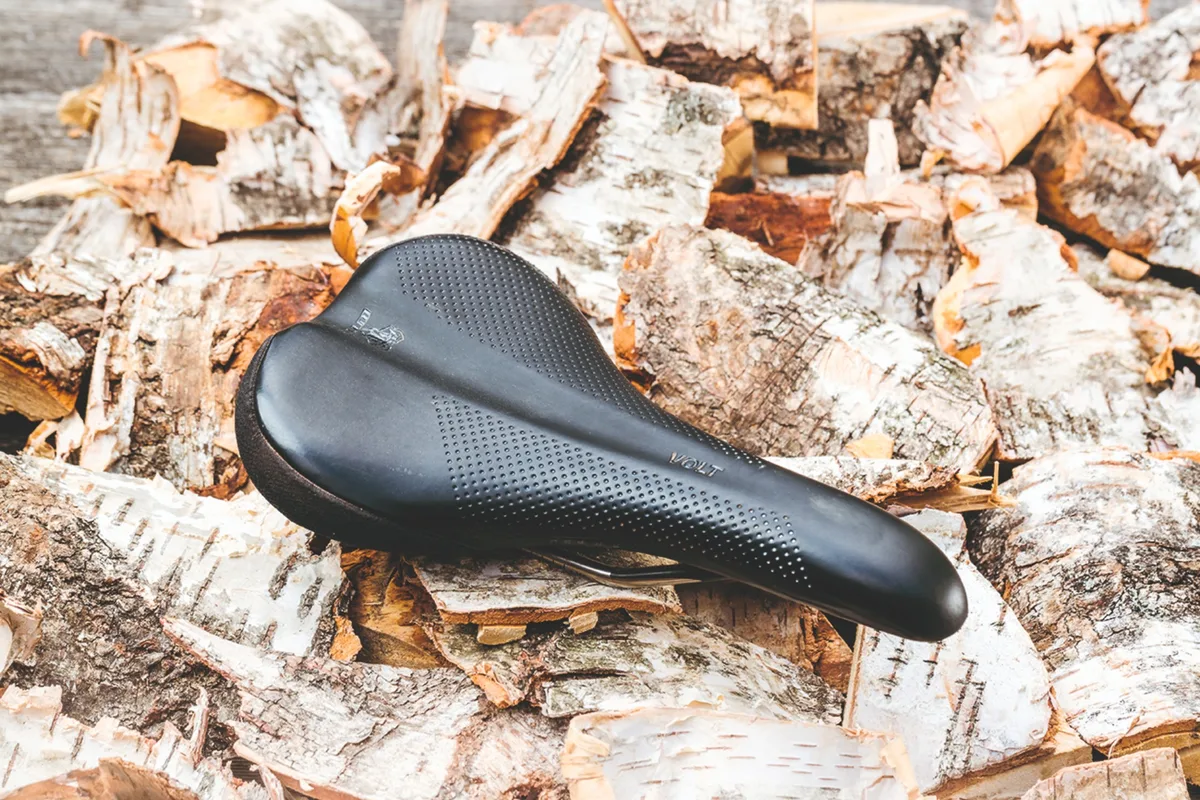
The WTB Volt has been a staple in the mountain bike world for a decade, and for good reason. During our testing, it consistently scored at the top of the charts for its "Goldilocks" fit—not too soft, not too firm, and shaped to accommodate a wide variety of pelvic tilts. The Chromoly rail version, in particular, represents the peak of value-to-performance.
Our testers noted that the slightly curved profile—often called a "cradled" shape—provides a fantastic platform to push against during steep, seated climbs. The "whale tail" helps keep the rider in a neutral position, preventing the forward-and-aft sliding that often leads to fatigue. Additionally, the "Comfort Zone" cutout—a small window in the saddle base—allows for additional flex under the perineal area, significantly reducing pressure without the need for excessive, mushy foam.
Spec Sheet:
- Weight: 239g
- Rail Material: Chromoly
- Available Widths: 135mm, 142mm, 150mm
- Best For: General trail riding, Enduro, and high-mileage days.
Best for Maximum Comfort: WTB Koda Titanium
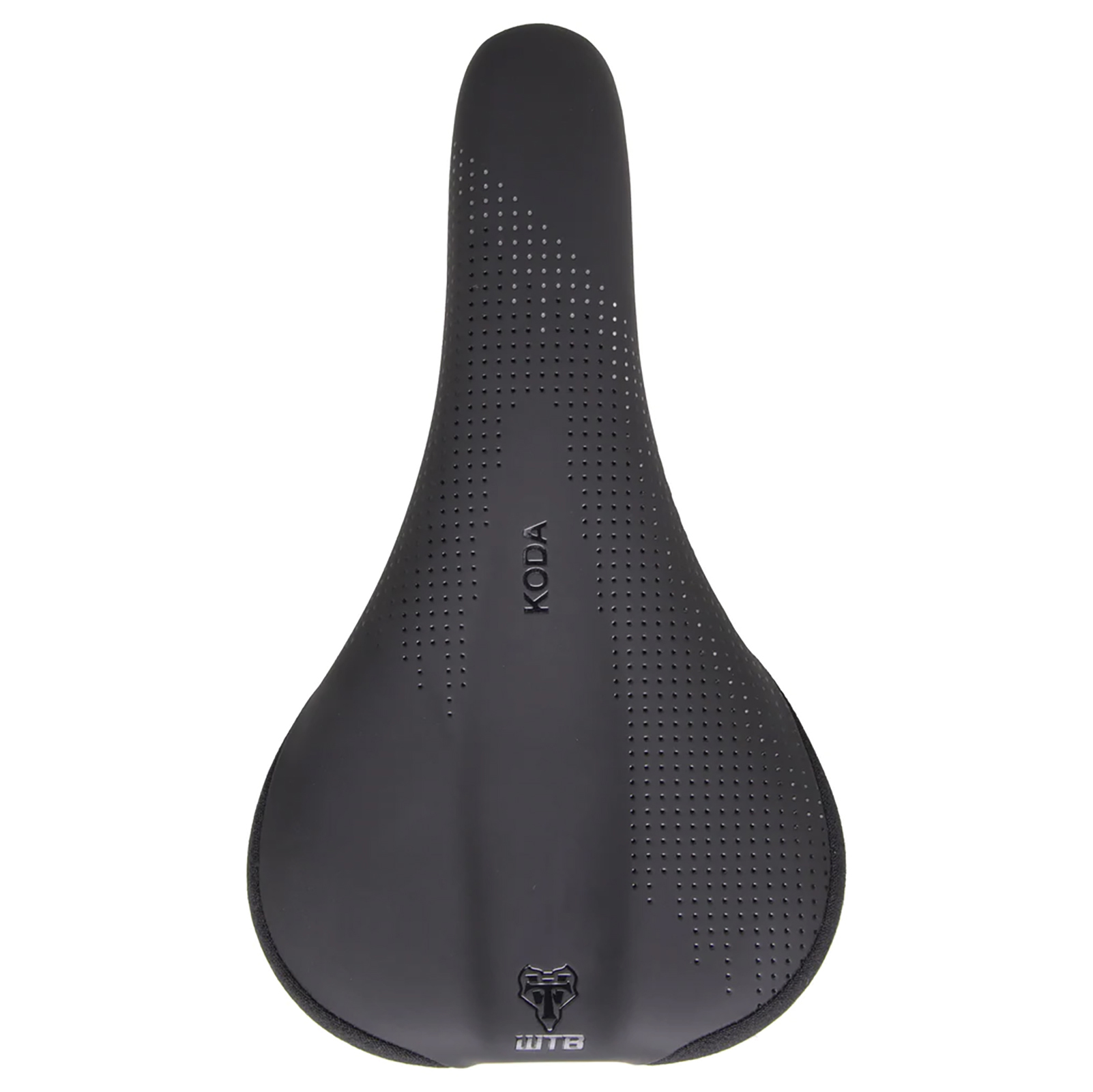
If the Volt is a performance seat, the Koda is its more refined, comfort-oriented sibling. Originally designed as a female-focused saddle, the Koda has gained a massive following among male riders who prefer a shorter nose and a wider relief channel. In our tests, it proved to be the most effective at eliminating numbness during long, steady-state climbs.
The WTB Koda Titanium features softer padding than the Volt, but it avoids being "boggy." The titanium rails provide a noticeable degree of vibration dampening, which we particularly appreciated on hardtail bikes and stiff carbon frames. The wide anatomical channel effectively reduces perineal pressure, making it the top choice for riders who suffer from "numbness" after more than an hour in the saddle. Its short-nose design also makes it less likely to snag on your shorts during technical descents.
Spec Sheet:
- Weight: 203g
- Rail Material: Titanium
- Available Widths: 142mm, 150mm
- Best For: Riders prone to numbness, E-MTB enthusiasts, and those seeking a shorter nose.
The Lightweight Champion: Tioga Spyder Outland
For the "weight-weenie" crowd or the dedicated XC racer, every gram counts. The Tioga Spyder Outland is an engineering marvel that challenges the traditional construction of a saddle. Instead of a solid shell covered in foam and fabric, the Spyder uses a "Dual-Beam" Carbonite shell with a web-like design.
Our testers were initially skeptical of its comfort, but the flexible web acts like a suspension system for your sit bones. While it lacks the plush feel of the Koda, the Spyder Outland offers surprising compliance. At 178g, it is significantly lighter than its competitors. However, riders should note that the open-web design can allow mud and water to spray up from the rear wheel more easily than a solid saddle.
Spec Sheet:
- Weight: 178g (without pads)
- Rail Material: Hollow Chromoly
- Key Feature: Flexible web design for natural suspension.
- Best For: XC Racing and ultra-lightweight builds.
The Durability King: SDG Components Bel-Air V3
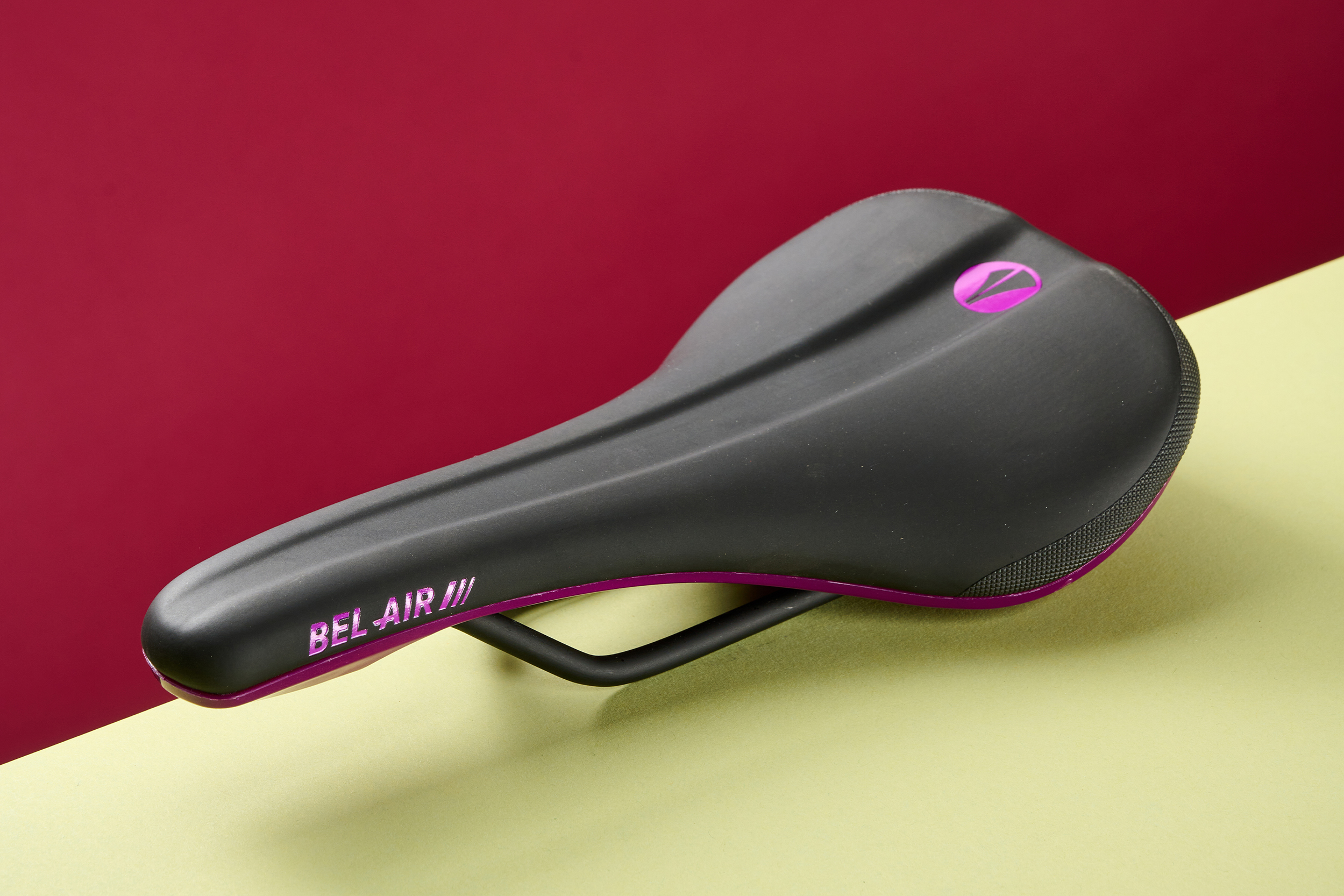
The SDG Bel-Air has achieved legendary status in the MTB community for its longevity. The V3 iteration modernizes this classic with a shorter overall length and a seamless upper. During our durability testing, we literally dragged this saddle across abrasive granite to test its scuff guards. The result? Minimal damage and zero tearing of the cover material.
The Bel-Air V3 utilizes "Lux-Alloy" rails, which SDG claims are stronger than standard titanium. While it feels firmer than the WTB options, the "Deep Peri-Canal" provides ample relief. It is a workhorse saddle designed for riders who crash occasionally, ride in foul weather, and expect their gear to last multiple seasons without falling apart.
Spec Sheet:
- Weight: 236g
- Rail Material: Lux-Alloy
- Feature: Seamless one-piece cover and hidden undercut relief.
- Best For: Aggressive trail riding, bike park laps, and riders who are hard on gear.
Comparative Analysis: Performance vs. Weight
When selecting a saddle, most riders find themselves balancing the trade-off between weight and comfort. In the table below, we compare our top five tested models based on the data collected during our field tests.
| Model | Weight (Measured) | Rail Material | Comfort Score (/10) | Durability Score (/10) |
|---|---|---|---|---|
| WTB Volt Chromoly | 239g | Chromoly | 9.0 | 8.5 |
| WTB Koda Titanium | 203g | Titanium | 9.5 | 8.0 |
| Tioga Spyder Outland | 178g | Carbonite/Ti | 7.0 | 7.5 |
| SDG Bel-Air V3 | 236g | Lux-Alloy | 8.0 | 9.5 |
| Fabric Scoop Elite | 256g | Chromoly | 8.5 | 8.0 |
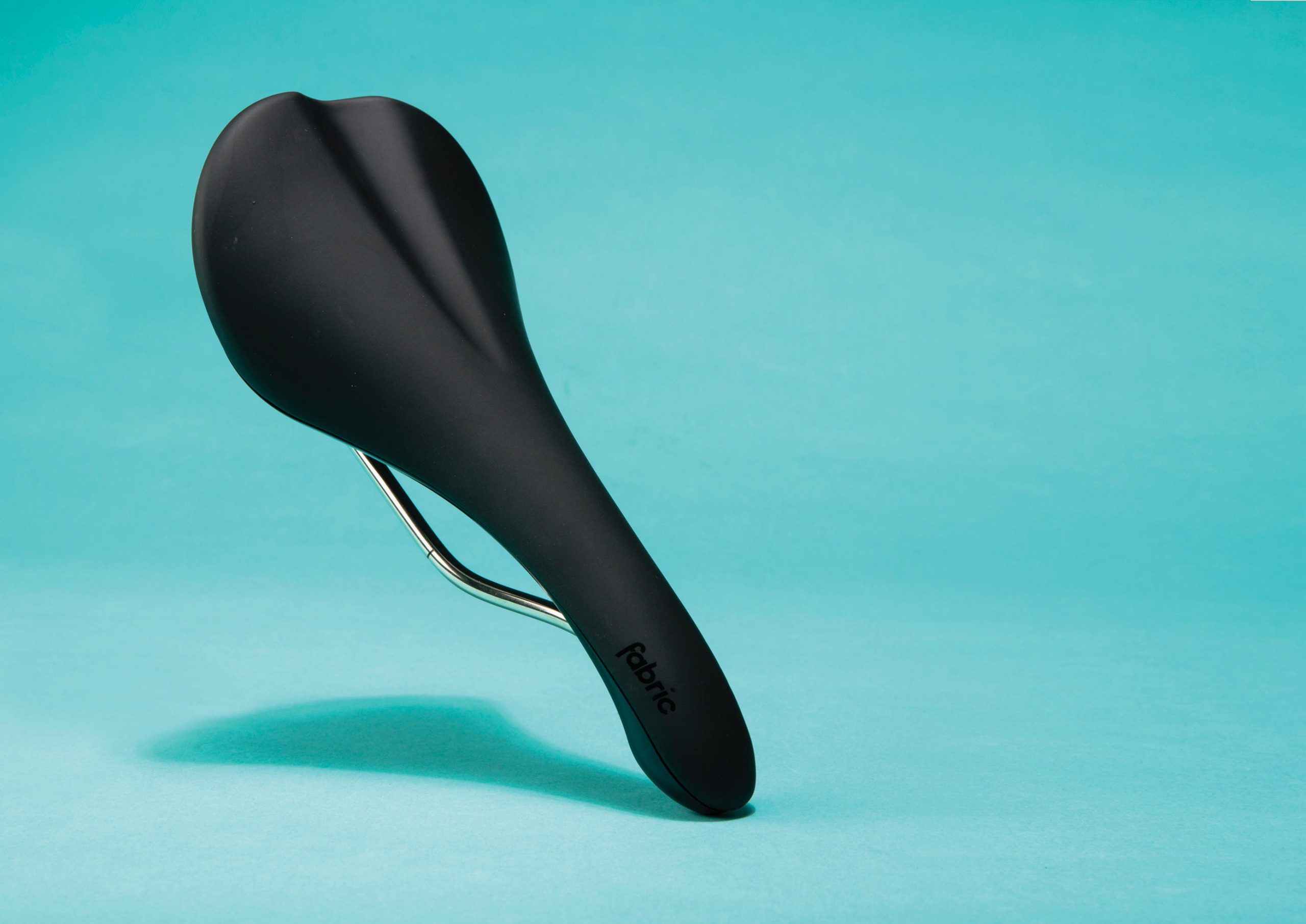
As the data suggests, the WTB Koda Titanium offers the highest comfort-to-weight ratio, while the SDG Bel-Air V3 is the undisputed champion for those who prioritize a seat that can survive a rock slide. The Fabric Scoop Elite (pictured above) remains a strong alternative for those who prefer a minimalist, easy-to-clean aesthetic with a very consistent feel across the entire surface.
How to Choose the Perfect Mountain Bike Saddle
Finding the "perfect" saddle requires an understanding of your own anatomy and your riding style. It is a myth that "more padding equals more comfort." In fact, overly soft saddles often allow your sit bones to sink in so far that pressure is transferred to the soft tissues (the nerves and blood vessels), causing the very numbness you're trying to avoid.
1. Determine Your Sit Bone Width
This is the most critical step. Your "ischial tuberosities" (sit bones) are what should be supporting your weight. If your saddle is too narrow, your bones will hang off the edges, putting all the weight on your soft tissue.
- The DIY Test: Sit on a piece of corrugated cardboard placed on a flat, hard bench. Lift your feet to mimic a riding position. The two deepest indentations are your sit bone marks. Measure the distance between the centers of these marks in millimeters.
- The Pro Tip: Add 10-20mm to your sit bone measurement to find your ideal saddle width.
2. Understand Rail Materials
- Chromoly: Heavy but durable and affordable. Best for most trail riders.
- Titanium: Lighter than steel and offers better vibration damping. The "sweet spot" for high-end builds.
- Carbon: The lightest option but requires specific seatpost clamps and is more prone to catastrophic failure if crashed.
3. Match the Saddle to Your Discipline
- XC (Cross Country): Look for flat, narrow shapes like the Tioga Spyder to allow for maximum pedaling efficiency.
- Enduro/Trail: A cradled shape like the WTB Volt helps on technical climbs, while a shorter nose prevents snagging.
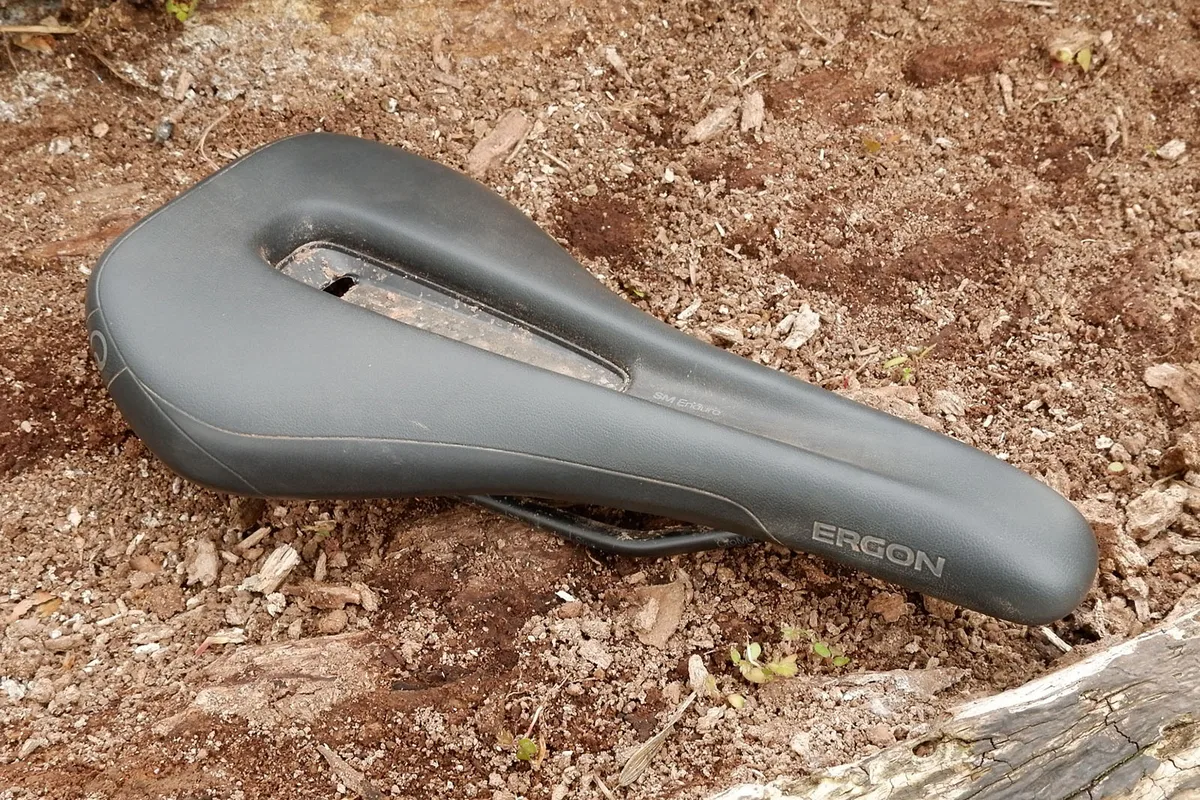
- E-MTB: Because you spend more time seated, even on climbs, look for a saddle with a slight rear rise and extra padding, such as the Ergon SM series or the WTB Koda.
FAQ
Q: Why does my new mountain bike saddle feel so hard? A: Most performance saddles use high-density foam that requires a "break-in" period for both the saddle and your body. Additionally, a firmer saddle provides better support for your skeletal structure over long distances than a soft, gel-filled "cruiser" seat.
Q: Do I need a gender-specific saddle? A: Not necessarily. While many brands offer "women's specific" saddles (usually wider with larger relief channels), many female riders prefer "men's" saddles and vice versa. The most important metric is your sit bone width, not the label on the box.
Q: How often should I replace my mountain bike saddle? A: If you notice the shell is sagging, the rails are creaking, or the padding has lost its "rebound" (staying compressed), it’s time for a replacement. For a frequent rider, this usually happens every 2-3 seasons.
Final Verdict
The "best" saddle is the one you forget is even there. For the vast majority of mountain bikers, the WTB Volt Chromoly is the safest and most effective bet, offering a shape that has been refined over decades of trail use. If you struggle with chronic discomfort, do not hesitate to upgrade to the WTB Koda, which offers one of the best relief channels in the industry.
Regardless of which model you choose, remember that a saddle is only as good as its setup. Take the time to experiment with the tilt (start level!) and the fore-aft position. Your sit bones—and your ride quality—will thank you.