The wind on a Wyoming glassing knob doesn’t just blow; it searches. It hunts for every gap in your layering system, every unsealed zipper, and every square inch of exposed skin until you’re forced to choose between staying on the glass or retreating to the tent. Last November, I was sitting at 9,000 feet, the mercury dipping toward 12°F, waiting for a mature mule deer to emerge from a pocket of timber. Normally, this is the part of the hunt where I start shivering, but the Kifaru Pointe Synthetic Puffy changed the math.
I’ll be honest: when I first saw the $310 price tag and the manufacturer’s 20–50°F comfort rating, I was skeptical. In the world of extreme backcountry hunting, "synthetic" often means "heavy and barely warm enough." However, after three months of pushing this jacket through sub-zero mornings and high-exertion climbs, I can confidently say the Kifaru Pointe defies the conventional wisdom of winter insulation. It isn't just a jacket; it’s a tactical heat-management tool.
The Bottom Line: The Kifaru Pointe Synthetic Puffy is a high-performance technical layer that outperforms its official temperature ratings. While rated for 20–50°F, field testing proves it remains effective down to 10°F when paired with a quality base layer and fleece. Featuring massive hip-to-arm pit zips for unparalleled breathability and a 133g PrimaLoft Gold core, it offers a "bombproof" alternative to down for hunters who expect to get wet, sweat hard, and stay out longer.
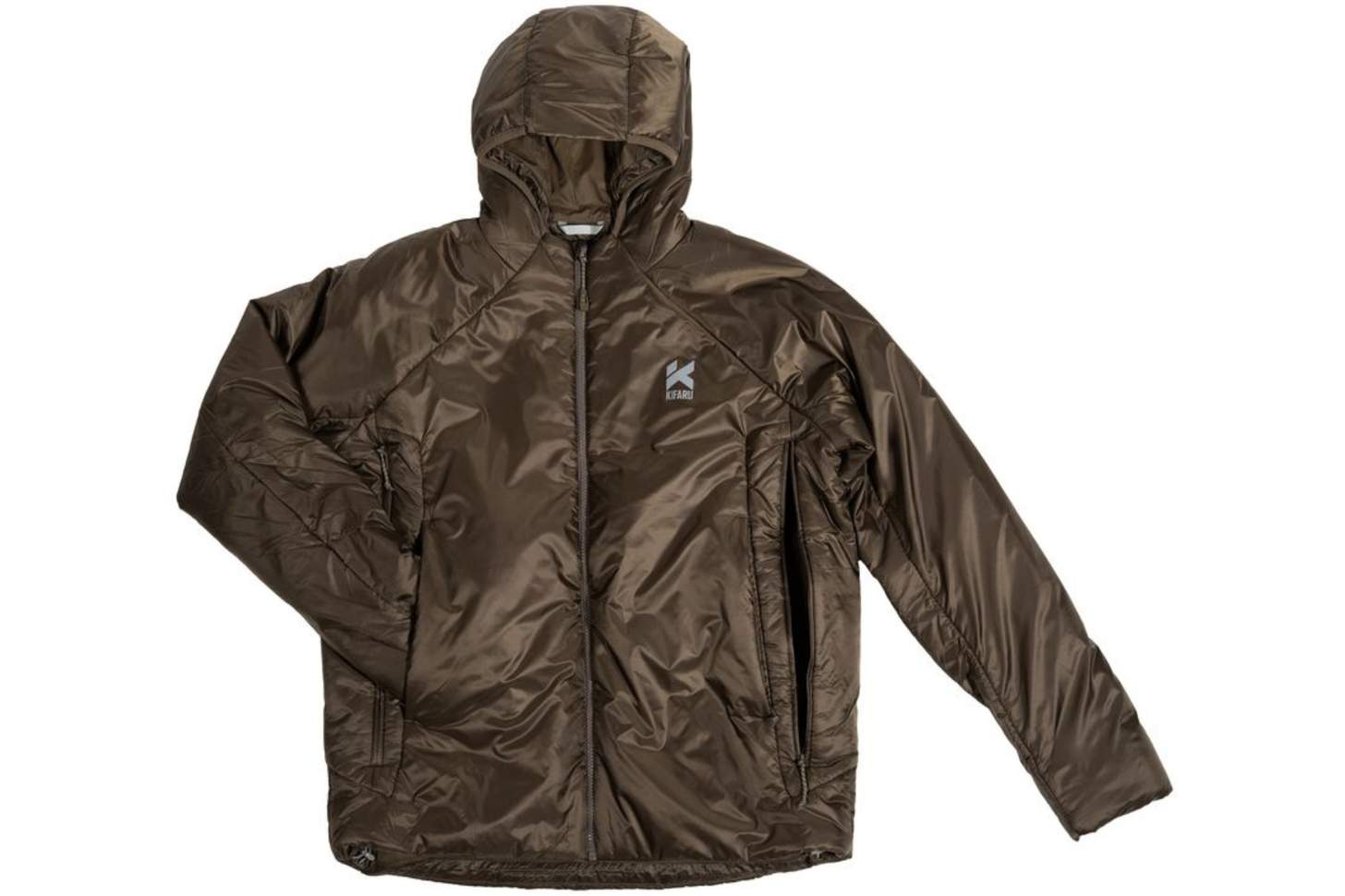
Quick Specs: The Kifaru Pointe Puffy
| Feature | Specification |
|---|---|
| Insulation | 133g PrimaLoft Gold (Synthetic) |
| Shell Material | 20D Ripstop Nylon |
| Treatment | PFAS-free DWR (Durable Water Repellent) |
| Weight | ~18 oz (Size Large) |
| Venting | Full-length pit zips (Arm to Hip) |
| Temperature Rating | 20°F – 50°F (Manufacturer) / 10°F (Field Tested) |
| MSRP | $310 |
Technical Specifications: The Anatomy of Warmth
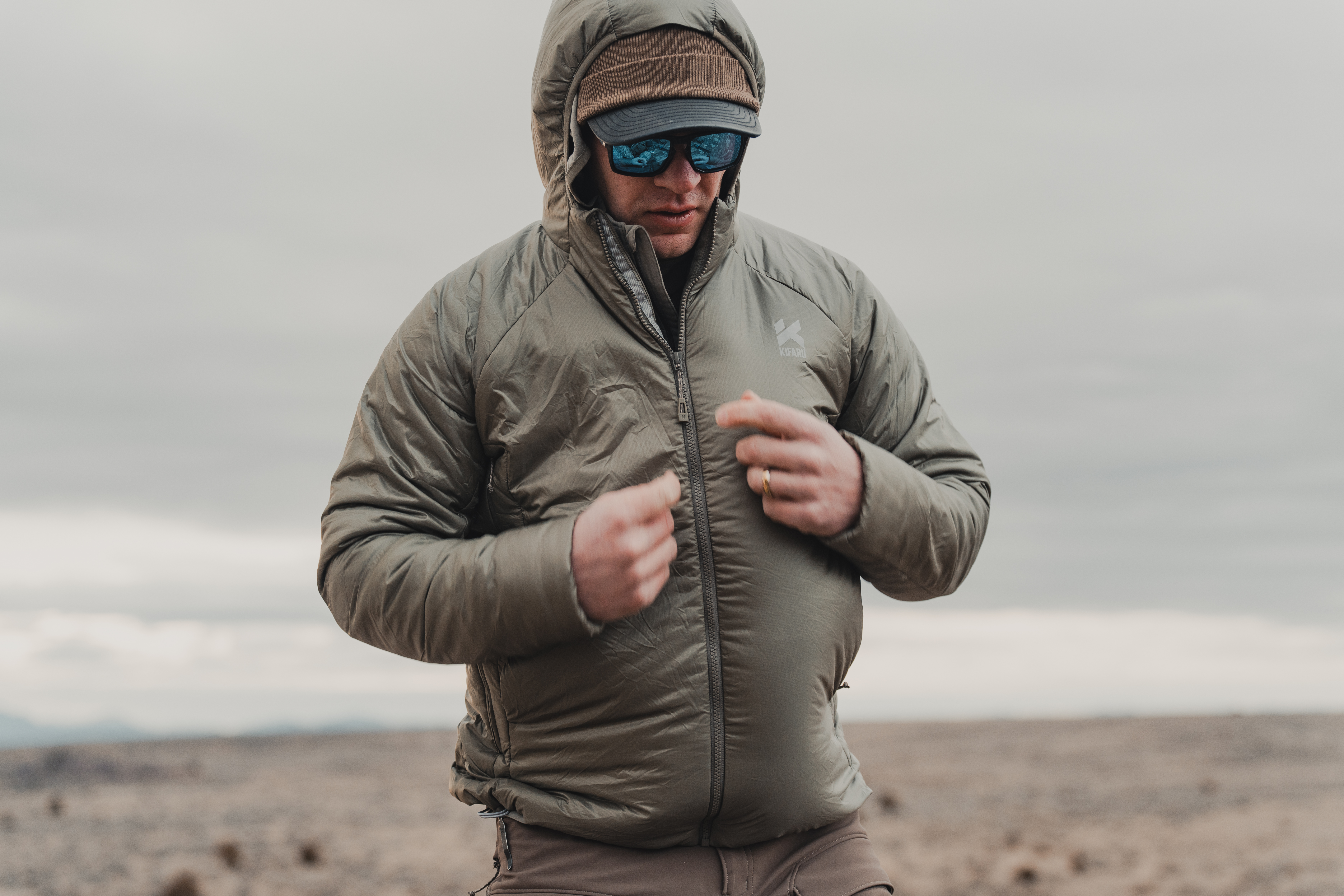
When you’re miles from the trailhead, gear failure isn't an option. The Pointe is built around a 20D ripstop nylon shell. In "gear-head" speak, 20D (denier) is the sweet spot—it’s light enough to compress into its own pocket but tough enough to shrug off the occasional encounter with mountain mahogany or jagged limestone. This fabric serves as a windproof vault for the real star of the show: the 133g PrimaLoft Gold insulation.
Most synthetic puffies use 60g or 80g insulation to keep weight down. Kifaru went heavier with the 133g fill, and the difference is felt the moment you zip it up. During my tests, this insulation maintained thermal efficiency in single-digit temperatures, exceeding its official rating by nearly 10 degrees. Unlike down, which collapses and loses warmth when damp from sweat or snow, the PrimaLoft Gold keeps its loft. I spent four hours in a sleet-snow mix near the Idaho border, and while the shell eventually felt damp, my core temperature never budged.
The exterior is finished with a PFAS-free DWR treatment. It’s not a raincoat, but it beads light moisture effectively. More importantly, the windproof nature of the 20D shell ensures that even when the wind is gusting at 30 mph, the "micro-climate" inside your jacket remains undisturbed.
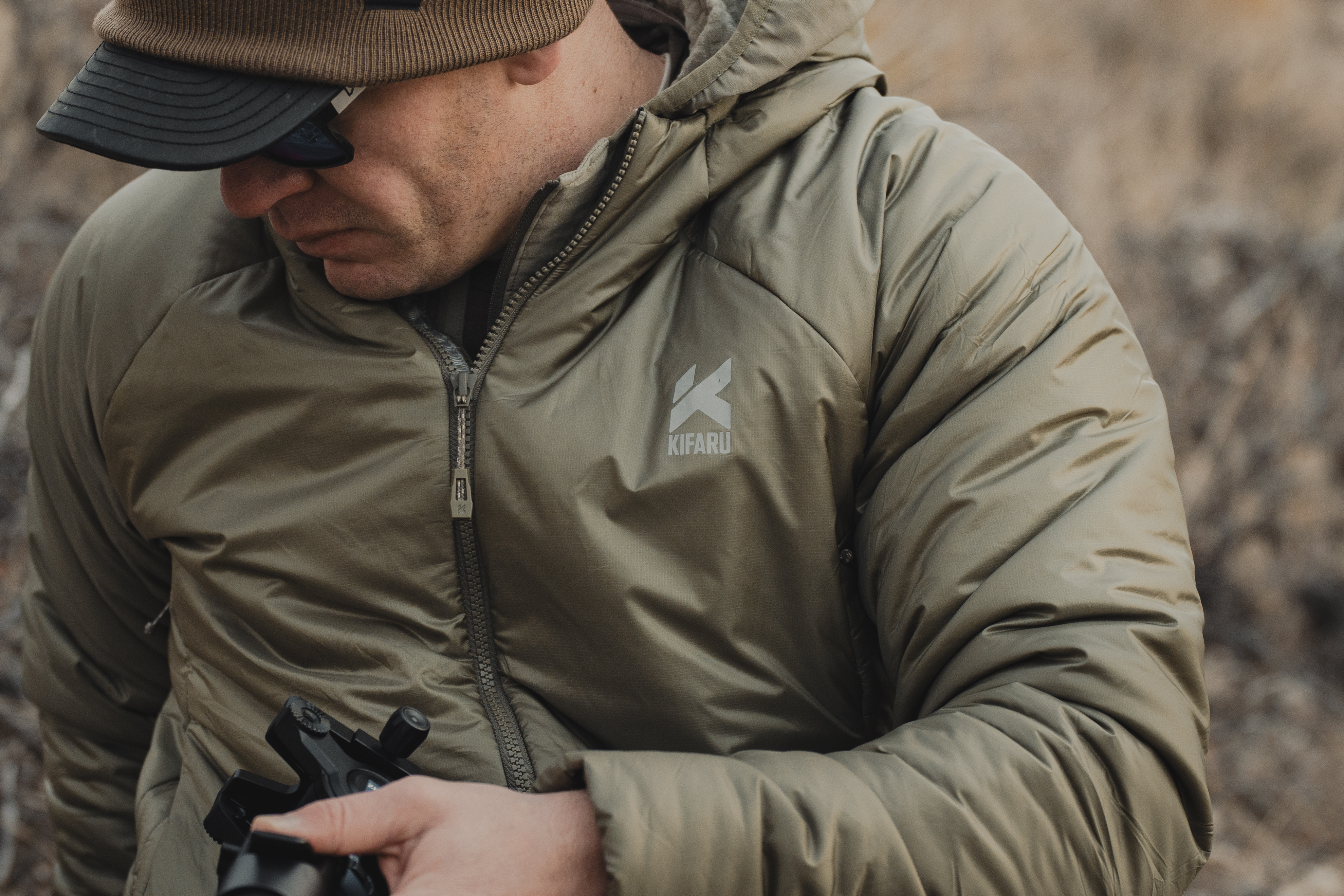
Pros & Cons
- Pros: Incredible warmth-to-weight ratio for synthetic; windproof shell is exceptional in high-altitude gusts; synthetic fill maintains loft when wet.
- Cons: Higher price point than some budget down options; 20D fabric requires care around sparks from a campfire; limited colorways at launch.
The Game Changer: Massive Pit Zips
If there is one feature that separates the Pointe from every other puffy on the market, it’s the pit zips. We aren't talking about the standard 6-inch slits you find on a rain shell. These are massive, dual-zippered vents that extend from the middle of the arm all the way down to the hip.
The design philosophy here is "static warmth vs. active movement." Usually, when you start hiking in a puffy, you’re drenched in sweat within ten minutes. With the Pointe, you can unzip the entire side of the jacket. This allows you to dump massive amounts of heat while still keeping your chest and back protected from the wind.
Furthermore, because the zips extend to the hip, they provide a secondary benefit: easy access to your mid-layer pockets or a sidearm without having to hike the whole jacket up. It’s a level of utility I didn’t know I needed until I was trying to grab a rangefinder from my fleece pocket while keeping my silhouette minimized.
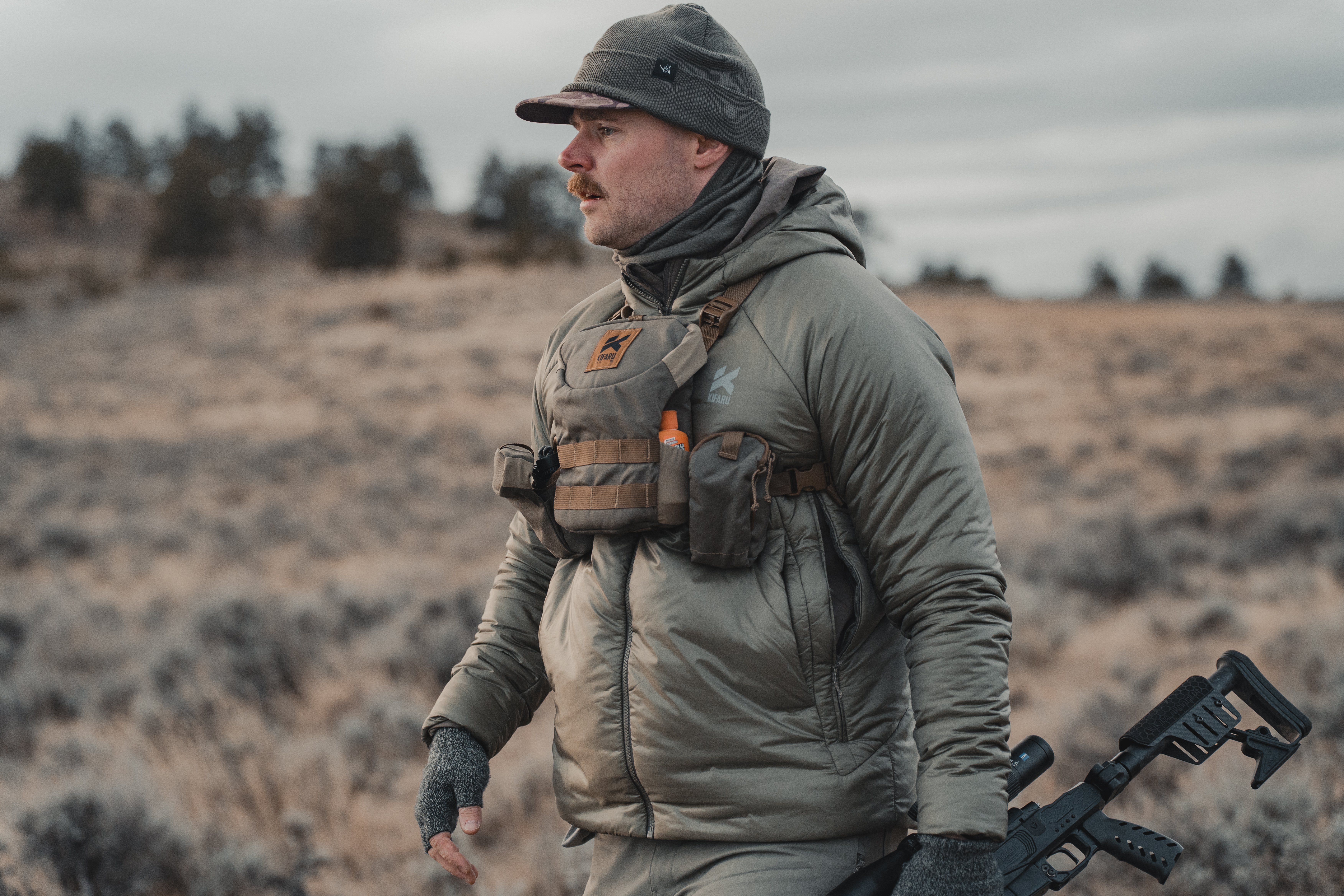
Marcus’s Tip: To maximize the effectiveness of this jacket, I recommend pairing it with a high-cfm (breathable) mid-layer. The airflow from the pit zips works best when your moisture-wicking layers can actually "breathe" into the open air.
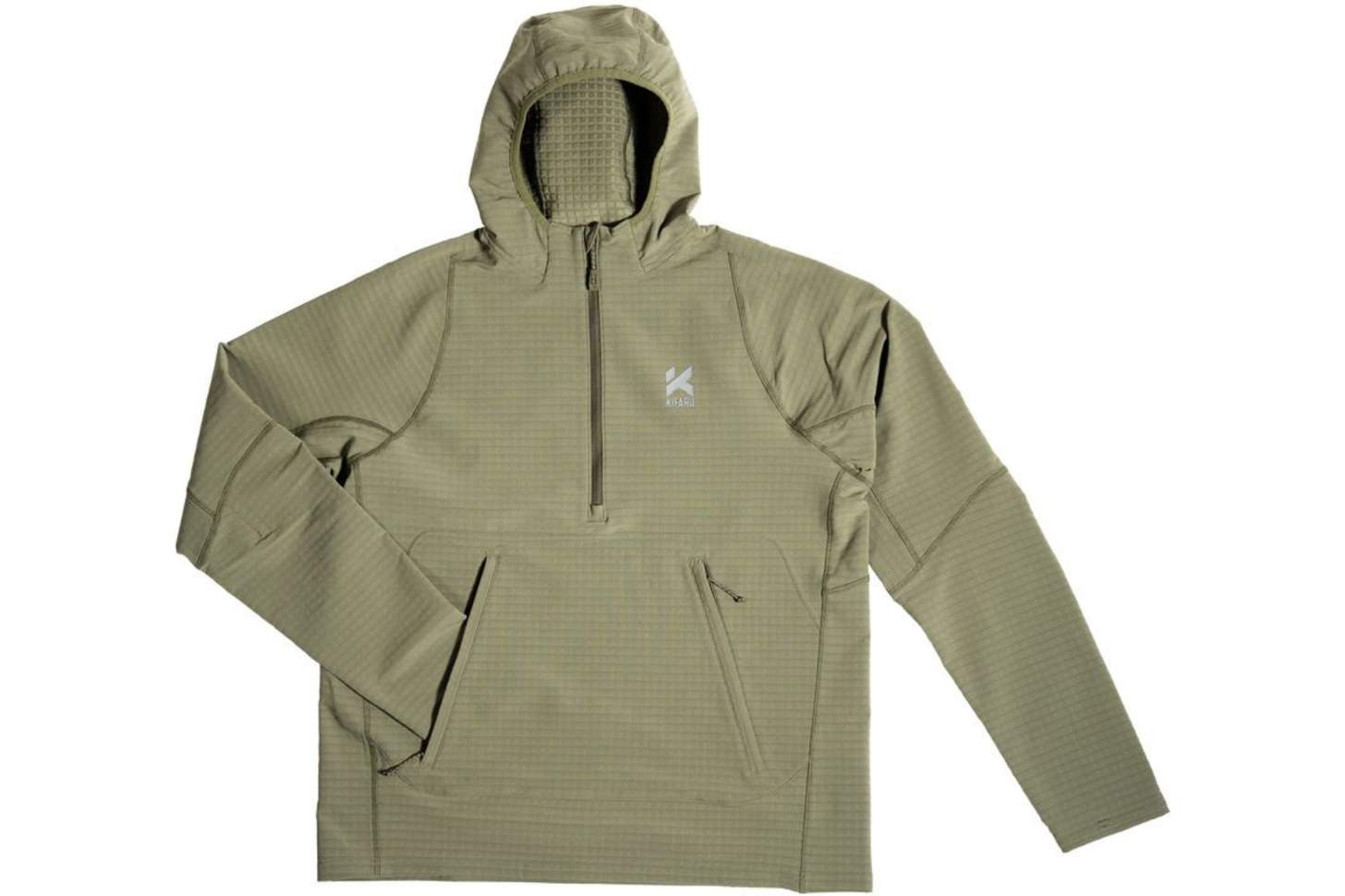
Pocket Philosophy: Why Less is More
One of the first things people notice about the Pointe is the lack of an exterior chest pocket. As someone who usually stuffs his phone and mouth calls in a chest pocket, I thought this was a mistake. I was wrong.
Kifaru opted for a streamlined exterior to prevent snagging on bowstrings or backpack straps. Instead, they moved the storage inside. The jacket features three internal mesh stow pockets designed with reduced volume. This intentional design prevents the "dark abyss" effect where small items like batteries or lighters get lost in the bottom of a large pocket.
The organization is fast and intuitive. When it’s time to move, the entire jacket stuffs into its own right-hand hip pocket. It packs down to roughly the size of a 1-liter Nalgene bottle, making it an easy addition to even the most crowded backcountry pack.
Field Performance: Layering for Single Digits
The true test of any "winter" jacket is how it integrates into a system. On a solo expedition in late December, I pushed the Pointe into the 10°F threshold. I layered it over a heavy-weight merino base and the Roam Crosslayer Grid Fleece.
The athletic cut of the Pointe is "tailored but roomy." It’s designed to fit over layers without making you look like the Michelin Man. The internal elastic cuffs are another subtle but vital feature; they seal tight against the wrist, preventing cold air from "pumping" into the sleeves as you move your arms. The hood is equally well-thought-out, with a rear drawcord that keeps the brim out of your line of sight even when you’re turning your head to scan the horizon.
Temperature Performance Comparison
| Condition | Manufacturer Rating | Marcus's Field Test |
|---|---|---|
| High Activity (Hiking) | 20°F (Too Warm) | 15°F (With Zips Open) |
| Static (Glassing) | 35°F - 50°F | 20°F (Comfortable) |
| Extreme (With Layers) | N/A | 10°F (Limit) |
The Reality Check: What Could Be Better
No piece of gear is perfect. While the 20D nylon is durable for its weight, it is a "shiny" technical fabric. If you’re a hunter who obsesses over blood stains or dirt, be aware that the lighter colorways show field use quickly. It’s a tool, not a fashion statement, but some might prefer a more stain-resistant finish.
In terms of competition, the Pointe sits in a crowded market against the KUIU Kenai or the Forloh ThermoNeutral. However, the Kifaru wins on raw warmth and venting capability. While the Kenai might be slightly quieter for archery stalks, the Pointe is the superior choice for late-season rifle hunts where wind and bone-chilling cold are the primary adversaries.
Final Verdict: Who is the Kifaru Pointe For?
The Kifaru Pointe is designed for the hunter or adventurer who doesn't stay in the tent when the weather turns foul. It’s for the person who needs a "do-it-all" puffy that can handle the sweat of a 1,000-foot vertical gain and the brutal chill of a four-hour glassing session.
If you primarily hunt in mild, dry climates, this might be more jacket than you need. But if your 2026 calendar includes multiday backcountry excursions or late-season elk hunts, the Pointe is a mandatory upgrade. It officially launches on March 5, 2026, and if Kifaru's previous apparel drops are any indication, they won't stay on the shelves for long.
FAQ
Is the Kifaru Pointe waterproof? No, it is water-resistant. The PFAS-free DWR treatment will handle light snow and brief rain, but in a sustained downpour, you should wear a dedicated hardshell over it.
How does the sizing run? The Pointe features an athletic cut. If you are between sizes or plan on wearing multiple thick layers underneath, I recommend sizing up. For most, your standard T-shirt size will provide a perfect fit over a base layer and a light fleece.
Can I wash this jacket? Yes. Unlike down, which requires special detergents and tennis balls in the dryer, the PrimaLoft Gold insulation in the Pointe is much easier to care for. Machine wash on cold/delicate and tumble dry on low heat.