Quick Facts
- Best Overall: Bison Designs Competition Chalk offers the ultimate balance of ultra-fine texture and cost-efficiency, outperforming premium brands in low-friction environments.
- The "Sweaty Hands" Solution: For maximum moisture control, use a "layering" strategy: apply a base of Black Diamond Eco Gold Liquid Chalk followed by FrictionLabs SuperB loose chalk.
- Most Sustainable: Black Diamond Eco Gold is derived from seawater desalination, avoiding the environmental impact of traditional open-pit mining.
- Best Value: Metolius Super Chalk remains the undisputed king of budget performance, though premium brands can cost up to 400% more per ounce for marginal gains in friction.
- Skin Friendly: Climbers with sensitive skin should look for high-purity options like 8BPlus Powder, which lacks the harsh drying agents (rosin) found in some commercial blends.
We’ve all been there. You’re three-quarters of the way up a high-stakes project—maybe it’s a greasier-than-expected crimp line in the Flatirons or a humid afternoon at your local gym—and you feel that dreaded "slide." Your heartbeat quickens, not from the height, but from the sensation of your skin losing its battle with the rock. In that split second, the difference between clipping the chains and taking a whip comes down to one thing: the quality of the white dust on your fingers.
After two decades of expeditions and eighteen months of rigorous field testing for this guide, I’ve learned that "chalk is not just chalk." The chemistry matters. Most climbers don't realize that 70% of the world's magnesium carbonate is sourced from massive open-pit mines, often leading to varied purity levels. When you’re at your limit, you need a compound that manages moisture without turning into a slippery paste.
The Quick Verdict: Best Chalks at a Glance
Before we dive into the grit and grime of our testing, here is the breakdown of how the top contenders stacked up in the field.
| Product | Best For | Texture | Dustiness | Price Point |
|---|---|---|---|---|
| Bison Designs Competition | Overall Performance | Ultra-Fine | Moderate | $ |
| FrictionLabs Unicorn Dust | Micro-Holds/Premium | Fine with Chunks | High | $$$ |
| BD Eco Gold Liquid | Base Layer/Eco-Friendly | Creamy to Matte | Low | $$ |
| Metolius Super Chalk | Budget/Volume | Chunky | Moderate | $ |
| 8BPlus Powder | Sensitive Skin | Soft/Silky | Moderate | $$ |
| Yosemite Gray | Stealth/Ethical Climbing | Fine | Moderate | $$ |
Why Your Chalk Choice Matters (More Than You Think)
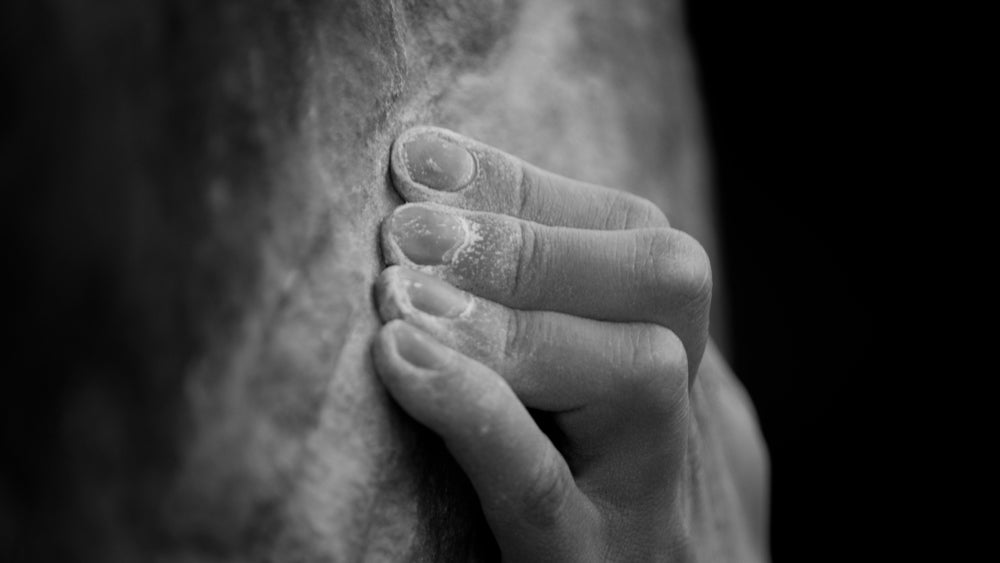
The role of moisture absorption in high-stakes friction cannot be overstated. When we climb, our sweat glands are working overtime. Magnesium carbonate works by absorbing that moisture into its crystalline structure, maintaining a dry interface between your skin and the stone. However, many budget brands include "fillers" or calcium carbonate, which can actually decrease friction when they get wet.
In our price efficiency analysis, we found a staggering disparity in the market. Premium brands like FrictionLabs Unicorn Dust can cost nearly 400% more per ounce than high-performance alternatives like Bison Designs. While the higher-priced options often offer a "silkier" feel and higher purity, the question for the everyday climber is whether that 4% increase in friction is worth a 400% increase in cost. For most, the answer lies in finding that "sweet spot" of performance and value.
Best Overall Climbing Chalk: Bison Designs Competition Chalk
If I had to pick one chalk to live in my bag for the rest of my life, it’s the Bison Designs Competition Chalk. This stuff is a sleeper hit in the climbing community. While it doesn't have the flashy marketing of "boutique" brands, its performance in low-friction environments—like the slick limestone of Rifle or the glassy granite of Yosemite—is unparalleled.
The texture is ultra-fine, almost like powdered sugar. It coats the nooks and crannies of your fingerprints more effectively than chunkier blends. During my spring testing in Colorado, I found that I needed to re-chalk significantly less often than when using standard gym chalk. It comes in moisture-resistant packaging that actually works, ensuring your chalk doesn't turn into a brick in the bottom of your pack during a humid approach.
Pros:
- Superior price-to-performance ratio.
- Ultra-fine grind provides an incredibly even coating.
- Consistently high purity with no noticeable fillers.
Cons:
- Can be quite dusty if you’re not careful when dipping.
- The fine texture may be too "thin" for those who prefer "crunching" chunks.
Best for Sweaty Hands: The Ultimate Friction System
If you suffer from "wet hands" syndrome—where you’re sweating through your chalk before you even finish the crux—you need to stop relying on a single product. The most effective method I’ve field-tested is the "Layering System."
Start with a base of Black Diamond Eco Gold Liquid Chalk. Unlike traditional liquid chalks that use harsh resins (which can eventually make the rock more slippery for others), Eco Gold provides a clean, high-friction matte finish. Once that's dry, you top it off with a high-purity loose chalk like FrictionLabs SuperB. The liquid chalk acts as a "primer," sealing the pores of your skin, while the loose chalk provides the tactile friction needed for the holds.
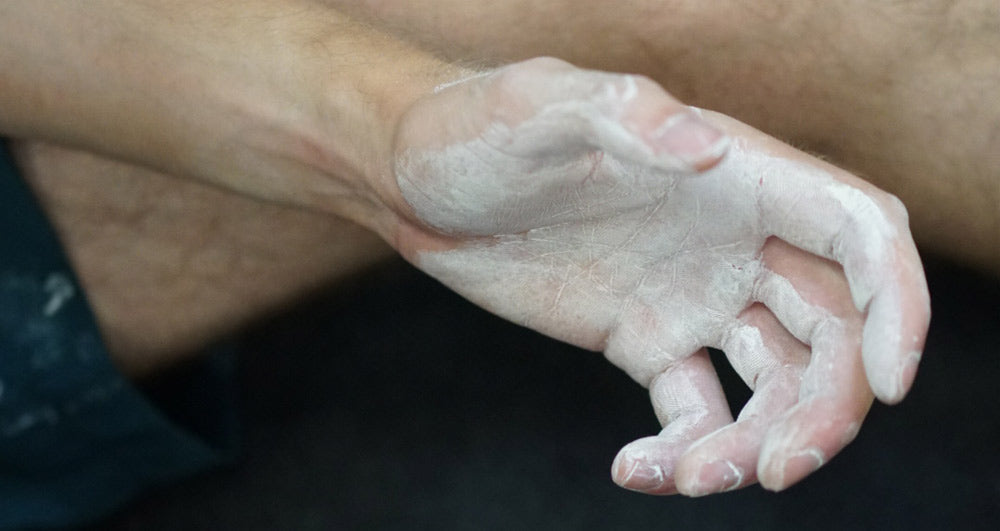
This combo is a total game-changer for summer bouldering or indoor competition-style climbing. It creates a barrier that lasts through long sequences, meaning you won't have to pause on a marginal rest just to dry your hands.
Pros:
- Longest-lasting friction available.
- Reduces the need for frequent re-chalking.
- Liquid base keeps hands cleaner and reduces airborne dust.
Cons:
- More expensive to maintain two products.
- Requires a minute of "prep time" at the base of the route.
Best Premium Pick: FrictionLabs Unicorn Dust
FrictionLabs changed the game a few years ago by focusing on chemical purity. Their Unicorn Dust (the fine-grind version) is undeniably excellent. It feels different—soft, silky, and almost "sticky" in a way that’s hard to describe until you try it. For micro-holds and razor-sharp crimps, the evenness of the coating is top-tier.
However, the premium price is a sticking point. While it’s arguably the best-performing chalk on the market, the marginal gains over Bison Designs are slim. I save my FrictionLabs for "redpoint" burns—the attempts where everything has to be perfect.
Note: The internal packaging is notoriously non-resealable, so you’ll want to dump this straight into your chalk bag or a dedicated Tupperware.
Best for Sensitive Skin: 8BPlus Powder Chalk
Many climbers don't realize that the "itchy" or "raw" feeling they get after a session isn't just from the rock—it’s from drying agents like rosin or impurities in low-grade chalk. 8BPlus Powder is remarkably pure. It lacks the aggressive drying additives that can lead to "skin splits" or excessive cracking. The texture is gentle and soft, making it my go-to for high-volume gym sessions where I’m chalking up every five minutes.
Best Budget-Friendly: Metolius Super Chalk
If you’re a collegiate climber on a budget or someone who goes through a kilo of chalk a month, Metolius Super Chalk is the gold standard. It’s cheap, it’s everywhere, and it works. It’s a "chunky" blend, which I actually prefer for outdoor bouldering—there’s something satisfying about crushing a chalk nugget between your fingers while visualizing the next move.
Best Eco-Friendly & Sustainable Options
As someone who spends most of my life outdoors, the environmental impact of my gear is always on my mind. Environmental data indicates that 70% of the world's magnesium carbonate is sourced from open-pit mines. These mines can be ecologically devastating to local landscapes.
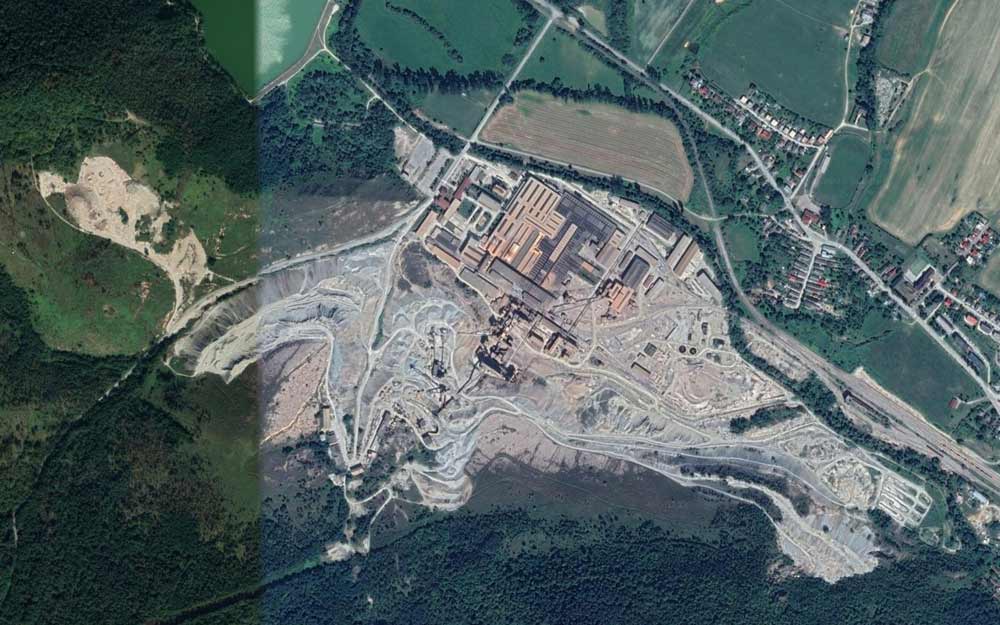
Black Diamond Eco Gold Liquid Chalk is the industry leader here. It’s made from the byproduct of seawater desalination, meaning no mining is required. It’s a sustainable, circular-economy product that performs as well as, if not better than, its mined counterparts.
For outdoor purists, Yosemite Gray is another fantastic ethical choice. They produce colored chalk designed to match the specific rock types of major climbing areas. Using gray chalk on dark granite or tan chalk on desert sandstone minimizes the visual "ticking" and white streaks that can mar the natural beauty of a crag.
Buyer’s Guide: Loose, Liquid, Block, or Ball?
Choosing the right form of chalk is just as important as the brand.
Loose Chalk
This is the most common form. It’s easy to use, allows for quick re-chalking mid-climb, and is the most versatile.
- Best for: Everything, especially outdoor sport and trad climbing.
Liquid Chalk
A mixture of magnesium carbonate and alcohol. It goes on wet and dries into a thin, even layer.
- Best for: Base layers for sweaty hands and maintaining gym hygiene (the alcohol acts as a mild disinfectant).
Block Chalk
Compressed magnesium carbonate. It’s usually cheaper because you aren't paying for the processing of breaking it down.
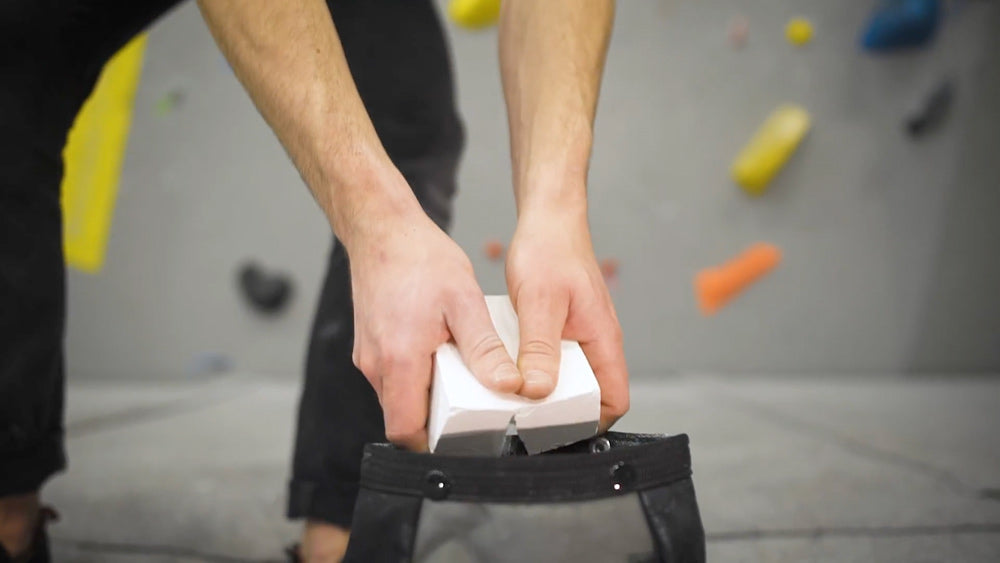
- Best for: Precision application and people who like to "crunch" their own chalk to a specific consistency.
Chalk Balls
A mesh pouch filled with chalk. It limits the amount of powder that comes out at once.
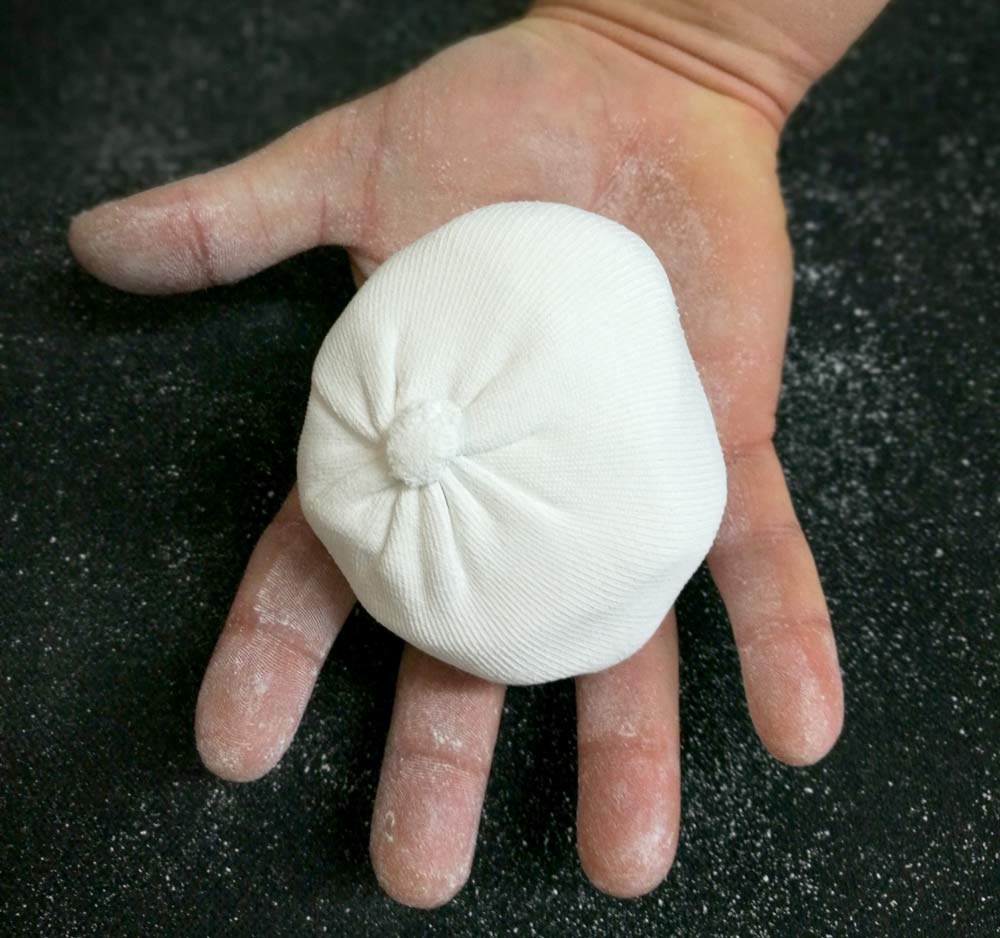
- Best for: Indoor gyms with strict "no dust" policies. It’s the most economical way to use chalk without wasting it.
Maintenance: Protecting Your Hands and the Crag
Chalk is a tool, but it can also be a burden to the rock. Whenever you’re climbing outdoors—whether it’s the sandstone of Red Rock or the boulders of Fontainebleau—make it a habit to brush your holds.
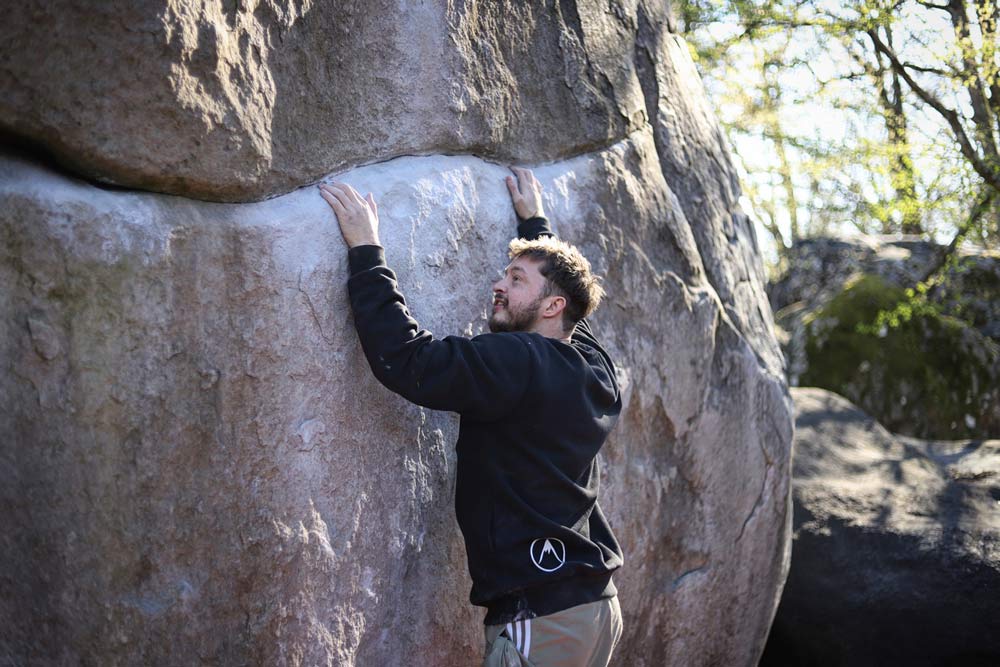
Excessive chalk buildup actually reduces friction over time, turning into a polished, slippery glaze. A simple boar's hair brush can save the project for the next person.
Furthermore, don't forget post-climb care. Chalk is designed to suck moisture out of your skin, which can lead to painful cracks and "flappers." I always apply a dedicated climbing salve (like Rhino Skin Solutions) immediately after washing my hands post-session. This helps restore the skin's elasticity, ensuring you’re ready for Day 2 of the trip.
FAQ
Q: Does expensive chalk really make a difference? A: Yes and no. For a beginner or casual gym climber, the difference is negligible. However, for advanced climbers working on their limit (V7/5.12 and up), the higher purity and finer texture of premium chalks like FrictionLabs or Bison Designs can provide a measurable boost in friction on small holds.
Q: Is liquid chalk better for the gym? A: Most gyms prefer liquid chalk because it creates significantly less airborne dust, which keeps the air filtration systems running efficiently. It’s also more hygienic.
Q: Can I mix different brands of chalk? A: Absolutely. Many pros create their own "house blends," mixing a fine powder for coverage with a chunky budget brand for tactile feel.
The Bottom Line
If you want the absolute best all-around performer that won’t break the bank, grab a bag of Bison Designs Competition Chalk. If you’re struggling with the summer heat, invest in the Black Diamond Eco Gold Liquid as a base layer.
At the end of the day, chalk is there to give you confidence. When you reach for that next hold, you shouldn't be thinking about your grip—you should be thinking about the move. Choose the chalk that lets you forget your hands and focus on the climb.