Quick Facts
- Setup Time: Two adults can fully assemble the Redwood Alaskan Cold Plunge in under 30 minutes.
- Weight & Build: The tub weighs 250 pounds when dry, featuring chemical-free Thermowood and reflective insulation.
- Freeze Thresholds: Active heating is required once ambient temperatures hit 32°F; standard chillers should be moved indoors if temperatures drop below 35°F, while Deluxe models can handle down to 5°F.
- Maintenance: A complete winterization requires draining, drying, and securing the lid to prevent liner damage from expanding ice.
Introduction: The Challenge of Winter Cold Plunging
There is a specific, primal clarity that comes with a winter cold plunge. As a destinations editor, I’ve tracked the rise of Nordic wellness traditions from the fjords of Norway to the high Rockies, and nothing quite captures that "geographic exploration" of the self like stepping into 40-degree water while the surrounding air is thick with frost. However, as the mercury drops, the physics of water becomes the primary adversary of your equipment.
The Redwood Alaskan Cold Plunge is a marvel of engineering, but it is not immune to the laws of thermodynamics. When water freezes, it expands by approximately 9%, a force capable of cracking liners, bursting pipes, and damaging expensive chiller internal components. To protect your investment, you essentially have two paths: "Hibernation Mode" (full winterization) or "Active Operation" (maintaining a heated system 24/7).
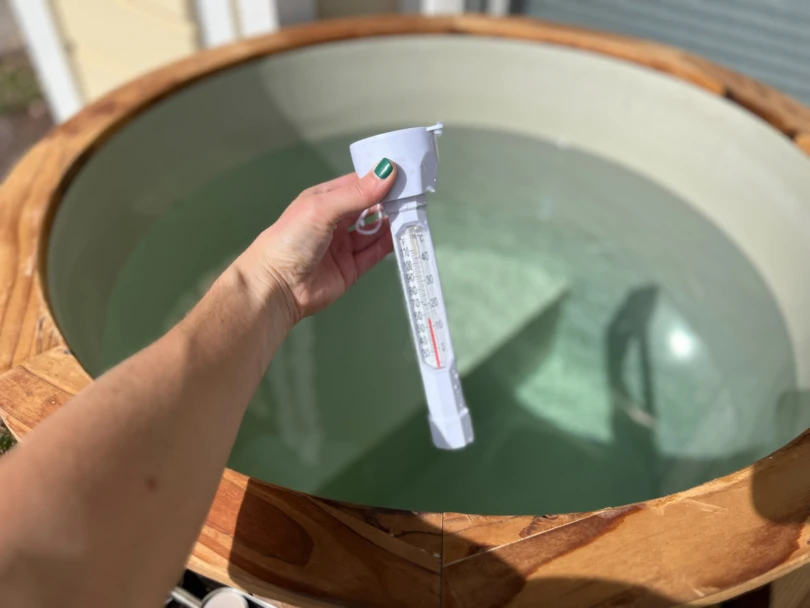
To winterize the Redwood Alaskan Cold Plunge Tub effectively, you must open the drainpipe to empty the water, wipe the interior completely dry to prevent mold growth, and store accessories like the wooden steps inside the tub before securing the insulated lid. If you choose to continue plunging through the winter, you must use a Dual Chiller-Heater or a stock tank heater 24/7 once temperatures reach 32°F to prevent freezing.
Understanding the Alaskan Cold Plunge: Built for the Elements
Before we dive into the mechanics of winterization, it’s worth understanding why the Redwood Alaskan is uniquely suited for cold climates. The tub’s exterior is crafted from Thermowood—a Scandinavian innovation where spruce or pine is heat-treated to over 400°F. This process removes moisture and resins, making the wood naturally resistant to rot, fungi, and the swelling/shrinking cycles common in northern winters.
Beyond the wood, the Alaskan model utilizes a sophisticated layer of reflective insulation nestled between the Thermowood exterior and the plastic liner. In my field tests, I’ve found that this insulation is remarkably efficient. The Redwood Alaskan Cold Plunge can maintain water temperatures between 40-50°F even when overnight ambient temperatures drop as low as 10-20°F, provided the insulated lid is securely fastened. This thermal mass is your first line of defense, but it isn't a permanent shield against a sustained deep freeze.
Explore the Alaskan Cold Plunge →
Option 1: Full Winterization (Hibernation Mode)
If you live in a region where temperatures consistently stay below 24°F for weeks at a time, or if you plan to travel and cannot monitor the tub, hibernation is the safest route. This process ensures that no water remains in the system to cause mechanical failure.
Step 1: Draining and Drying
The Redwood Alaskan holds a significant volume of water. Locate the drainpipe at the base of the tub. Once opened, allow the 250-pound unit to drain completely. Gravity will do most of the work, but I recommend slightly tilting the tub toward the drain toward the end to ensure every gallon is expelled.
Expert Tip: After draining, use a chamois or a high-absorbency microfiber towel to wipe down the interior liner. Moisture trapped under the lid during winter can lead to "biofilm" or mold growth, even in cold weather.
Step 2: Component Protection
Once the tub is dry, it becomes the perfect storage vessel for its own accessories. Place the wooden steps inside the tub. If you are using a standalone chiller, disconnect the hoses, drain them thoroughly, and move the chiller unit into a climate-controlled environment (like a basement or heated garage).
Step 3: Securing the Lid
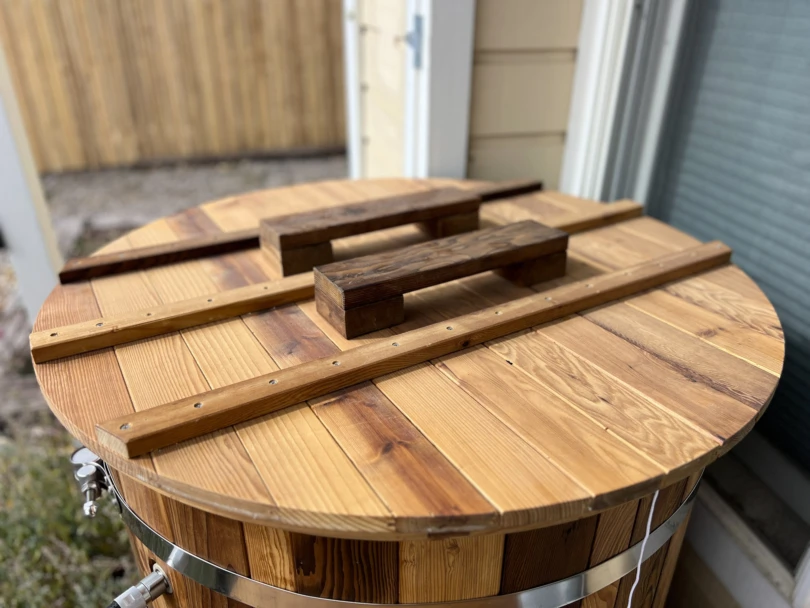
The Alaskan comes with a heavy-duty, insulated lid featuring broad wooden handles. This isn't just for keeping heat in; during winterization, it prevents snow load from collapsing into the tub and protects the liner from UV degradation and debris. Ensure the straps are tight to prevent high winter winds from catching the edge.
Option 2: Active Winter Operation (The 24/7 Strategy)
For many of us, winter is the best time for a plunge. The contrast of the cold air and the water creates a sensory experience that summer simply cannot replicate. However, active operation requires vigilance.
The golden rule is this: Once the ambient temperature hits 32°F (0°C), your system must remain "Active." This means running your pump and heater 24/7. Moving water is much harder to freeze than stagnant water, but in extreme cold, movement alone isn't enough—you need heat.
Equipment Requirements for Active Use
To safely operate in freezing conditions, we highly recommend the Redwood Cold Plunge Dual Chiller-Heater. This system is designed to kick in when temperatures drop, maintaining the water at your desired set point (usually 40°F) to prevent the liner from becoming a giant ice cube.
- Electrical Safety: Always ensure your system is plugged into a GFCI-protected outlet. Avoid using extension cords, which can drop voltage and cause the heater to underperform or the plug to overheat.
- The 5°F Threshold: It is critical to note that the Deluxe Dual Chiller-Heater should not be operated in environments where the ambient temperature drops below 5°F (-15°C). At these extremes, the internal components are at risk regardless of the water temperature.
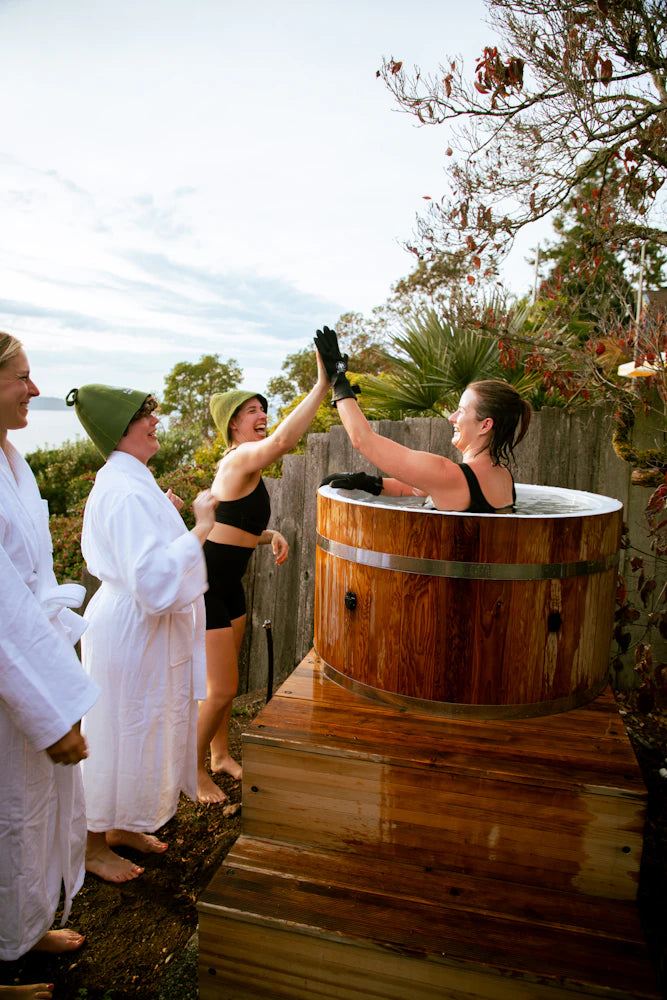
Comparing Chiller Thresholds
Not all chiller systems are created equal. Depending on which Redwood Outdoors package you have, your winter strategy will change.
| Feature | Standard Chiller | Deluxe Chiller-Heater |
|---|---|---|
| Minimum Operating Temp | 35°F (1.6°C) | 5°F (-15°C) |
| Heating Capability | No (Cooling Only) | Yes (Heats to 104°F) |
| Freeze Protection | None (Must drain) | Automatic Circulation/Heating |
| Winter Strategy | Bring indoors below 35°F | Operate 24/7 until 5°F |
View the Deluxe Chiller-Heater →
Specific Maintenance for All-in-One Systems
If you own an all-in-one system like the Denali or a modified Alaskan with integrated plumbing, you have a slight advantage. These systems often have a minimum operating temperature of roughly 23°F because the plumbing is more sheltered. However, the same logic applies: if you aren't heating it, you must drain it.
When winterizing the chiller itself, don't just disconnect the hoses. You must tip the unit to ensure the internal heat exchanger and pump housing are completely empty. Residual water in these tight metal spaces is the most common cause of "unrepairable" winter damage. I also recommend cleaning the mesh filters one last time before storage so they don't sit with organic debris all winter.
Post-Winter Recovery: Prepping for Spring
When the thaw finally arrives, don't just fill the tub and jump in. A post-winter inspection is vital for the longevity of the Thermowood and the mechanical systems.
- Inspect Plumbing Joints: Cold causes materials to contract. Check all O-rings and threaded connections. If they look flattened or cracked, replace them before filling.
- Wood Care: Thermowood is durable, but a fresh coat of Wood Wax Oil will restore the luster lost to winter’s dry air and snow. This keeps the wood supple and prevents "checking" or small surface cracks.
- Water Chemistry: Your first fill of the spring should be "shocked" with a sanitizer. Even if the tub was dry, microscopic spores can linger. Aim for a pH between 7.2–7.6 and alkalinity between 80–120 ppm.
FAQ
Q: Can I use a floating stock tank heater instead of a Redwood chiller? A: Yes, in a pinch, a floating de-icer (often used for livestock) can keep the water from freezing. However, these are not precision instruments and won't maintain a specific "plungeable" temperature. They are a "safety-only" measure to prevent the tub from cracking.
Q: What happens if my power goes out during a winter storm? A: This is the biggest risk for active users. If you lose power and the temperature is below freezing, you have about 12-24 hours (thanks to the Alaskan's insulation) before the water begins to freeze. If the outage is expected to last longer, you should drain the tub immediately.
Q: Is the Thermowood exterior affected by heavy snow? A: Not significantly. The heat-treatment process makes it very stable. However, you should brush heavy snow off the lid to prevent the weight from deforming the gasket over time.
Ready to Master the Cold?
Winterizing your Redwood Alaskan Cold Plunge isn't just about protecting a product; it’s about respecting the equipment that facilitates your wellness journey. Whether you choose to hibernate or embrace the frost with a heated system, proper maintenance ensures your sanctuary remains ready for years to come.