Quick Facts
- Machine Wash Settings: Use a permanent press cycle at 104°F (40°C) with a double rinse to ensure all detergent is removed.
- The "Never" List: Avoid fabric softeners, powder detergents, bleach, and stain removers, as these chemicals irreversibly clog the breathable membrane.
- Reactivation is Key: Tumble dry for 20 minutes on a warm, low setting after the garment is dry to reactivate the PFAS-free DWR finish.
- Sustainability Win: The new GORE-TEX ePE membrane reduces the product’s carbon footprint by 40% while delivering the same rugged waterproof durability.
The New Standard of Rugged Performance
I’ve spent the better part of two decades pushing technical shells to their absolute breaking point. From shivering in the rain-slicked backcountry of the Pacific Northwest to navigating the abrasive granite of the High Sierras, my gear is my lifeline. But there’s a persistent myth I encounter in every basecamp and trailhead: the idea that washing your high-end GORE-TEX Pro jacket will somehow "ruin" its waterproofness.
In reality, the exact opposite is true. If you aren't washing your gear, you’re killing it.
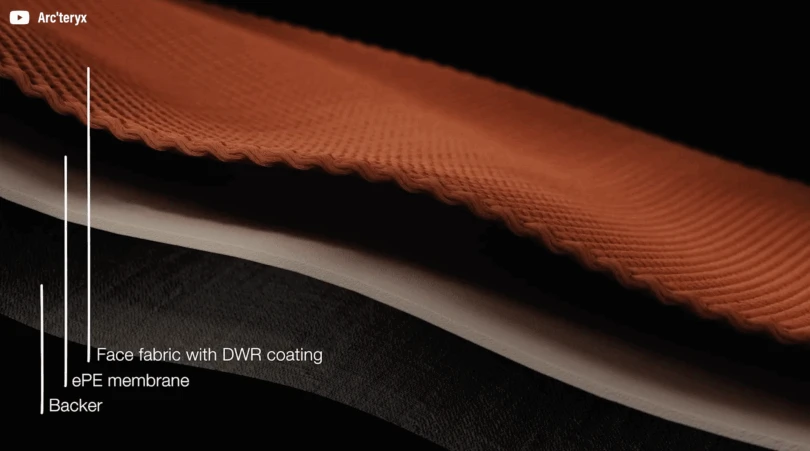
We are currently seeing a massive shift in outdoor technology with the introduction of the GORE-TEX ePE (expanded Polyethylene) membrane. This isn't just a minor update; it’s a total overhaul. This new membrane is lighter, thinner, and significantly more sustainable, boasting a 40% lower carbon footprint than previous iterations. It also utilizes a PFAS-free DWR (Durable Water Repellent) finish. While this is a massive win for the planet, it means your maintenance routine needs to be sharper than ever. Because this new tech is designed to be environmentally friendly, it requires specific care to keep it performing at an expedition-grade level.
Why You Must Wash Your GORE-TEX Pro
I understand the hesitation. When you drop $600 or more on a Pro-shell, the last thing you want to do is throw it in a machine with an agitator. But here is the technical reality: your body is a salt and oil factory. As you sweat during a steep ascent, those oils, along with dirt, campfire smoke, and sunscreen, permeate the outer fabric and begin to clog the microscopic pores of the membrane.
When those pores are blocked, the "breathability" of your jacket vanishes. You’ll find yourself soaking wet from the inside out—a phenomenon often mistaken for the jacket "leaking." Furthermore, dirt and oils act as a bridge for water, allowing it to bypass the DWR and soak into the face fabric, a state known as "wetting out." Once the face fabric is saturated, your body heat can’t escape, and you'll feel that dreaded clammy chill.
Don't worry about "wearing out" the fabric in the wash. Before these garments ever hit the retail floor, GORE-TEX Pro textiles undergo thousands of hours of specialized laboratory abrasion and human-mannequin durability testing. They are engineered to survive much more than a gentle cycle in your laundry room.
Phase 1: Preparation is Key
Before you even touch the detergent, you need to prep the garment. I’ve seen more jackets ruined by a stray piece of Velcro or an open zipper than by the wash cycle itself.
- Empty the Pockets: This seems obvious, but a forgotten tube of lip balm or a stray gum wrapper can create a disaster inside the drum.
- Close Everything: Zip up the main front zipper, pit zips, and pocket zippers. Secure all Velcro cuffs and flaps. Loose Velcro is incredibly abrasive and can pill the face fabric of your expensive shell.
- Release Tension: Loosen all elastic drawcords (at the hood and waist). This ensures the fabric isn't bunched up, allowing the water and detergent to reach every square inch of the membrane.
Marcus’s Pro-Tip: If your jacket is particularly filthy—say, covered in mud from a mountain bike ride or grease from a camp stove—feel free to pre-rinse it with a garden hose or in a sink with plain water before putting it in the machine.
Phase 2: The Washing Process
This is where most people get nervous, but if you follow these parameters, your gear will come out looking and performing like new.
The Golden Rules of the Wash:
- Temperature: Use warm water, specifically 104°F (40°C).
- Cycle: Select the "Permanent Press" or "Delicate" cycle. You want a low-spin setting to prevent excessive creasing or mechanical stress on the taped seams.
- The Detergent: This is the most critical step. Use a small amount of liquid detergent. I generally recommend a dedicated technical wash (like Nikwax Tech Wash or Grangers), but a mild, fragrance-free liquid detergent will work in a pinch.
The "No" List:
- No Powder Detergents: Powder particles can get trapped in the membrane's pores, effectively suffocating the jacket.
- No Fabric Softeners: These are essentially oils designed to coat fibers. They will completely destroy the DWR and the breathability of GORE-TEX.
- No Bleach or Stain Removers: These harsh chemicals can break down the adhesives used in seam taping.
Finally, ensure you select a double rinse. You want every single trace of surfactant (the soapy stuff) gone. If detergent remains on the fabric, it will attract water rather than repel it.
Phase 3: Drying and DWR Reactivation
In the world of technical gear, the dryer is not the enemy—it’s your best friend. For the new PFAS-free GORE-TEX ePE gear, heat is the catalyst that restores performance.
Once the wash is done, you can either line-dry your garment or put it straight into the dryer. I personally prefer to line-dry until it's just slightly damp or fully dry, then move to the heat step.
The Heat Step (Non-Negotiable): Once the garment is dry, tumble dry it for an additional 20 minutes on a warm, low setting. This specific application of heat "realigns" the DWR polymers on the surface of the fabric. It’s like recharging a battery; the heat makes the DWR stand back up on end, allowing water to bead off effectively.
| Phase | Action | Key Detail |
|---|---|---|
| WASH | 104°F (40°C) | Use liquid detergent; double rinse. |
| DRY | Line dry or Tumble | Get the garment to a "dry" state first. |
| REACTIVATE | Tumble 20 Mins | Warm/Low setting to reset the DWR. |
Pro-Tip: If you don’t have access to a dryer (like when I’m on an extended stay in a mountain hostel), you can use an iron. Set it to a warm setting with no steam. Place a towel between the iron and the jacket to prevent scorching, and pass the iron gently over the fabric.
When Heat Isn't Enough: Replenishing DWR
Eventually, after heavy use and multiple washes, the factory-applied DWR will simply wear off. You’ll know this is happening when you see "wetting out"—the fabric turns dark and heavy in certain areas (usually the shoulders and cuffs) instead of showing crisp water beads.
When the 20-minute tumble dry no longer brings back that "beading" effect, it’s time to apply a topical DWR treatment.
- Wash the garment first: Never apply DWR to a dirty jacket.
- Apply while damp: Most pump-spray DWRs (like GORE-TEX's recommended brands) work best on a damp garment.
- Target the "Bald Spots": Spray evenly, paying extra attention to high-friction areas like the shoulders where backpack straps rub.
- Heat Set: Follow the same tumble-dry instructions (20 minutes on low heat) to lock in the new treatment.
View Official GORE-TEX Care Products →
Special Considerations: Salt Water and Down Insulation
If your adventures take you near the ocean, you’re dealing with salt. Salt is a desiccant; it attracts moisture from the air. If salt crystals dry inside your GORE-TEX Pro membrane, they will literally pull water through the fabric, compromising your waterproofness. After any saltwater exposure, rinse your gear thoroughly with fresh water—even if you don’t do a full soapy wash.
If you are rocking a GORE-TEX Pro shell with Down insulation (like some high-end parka models), the rules change slightly. You must use a front-loading machine only (no top-load agitators, which can tear the baffles) and use a specialized down-specific wash. The drying process will also take much longer, as you’ll need to add clean tennis balls or dryer balls to the drum to "fluff" the down and prevent clumping.
FAQ
Can I dry clean my GORE-TEX Pro jacket? Generally, yes, GORE-TEX Pro can be professionally dry cleaned, provided the cleaner uses clear, distilled hydrocarbon solvent and follows the manufacturer's instructions. However, home washing is almost always preferred as it is gentler on the seam tapes over time.
How often should I wash my gear? If you are using it for high-intensity activities (ski touring, climbing), wash it every 10–12 days of use. For casual use (hiking, commuting), every 20–30 days is sufficient. If it smells or looks dirty, wash it immediately.
Does salt water damage the membrane? Not permanently, but it inhibits performance. Salt crystals are "hygroscopic," meaning they attract water. If your jacket is "wetting out" after a trip to the coast, a simple fresh-water wash will usually fix the issue.
Take Care of Your Gear, and It Will Take Care of You
Investing in GORE-TEX Pro ePE gear is an investment in both your safety and the health of the planet. By taking twenty minutes to properly launder and heat-treat your shell, you aren't just keeping it clean—you're ensuring that when the clouds break and the storm rolls in, you'll stay dry, warm, and ready for the next mile.
The mountains are unforgiving; your gear shouldn't be. Keep it clean, keep it dry, and I'll see you out there.