Quick Facts
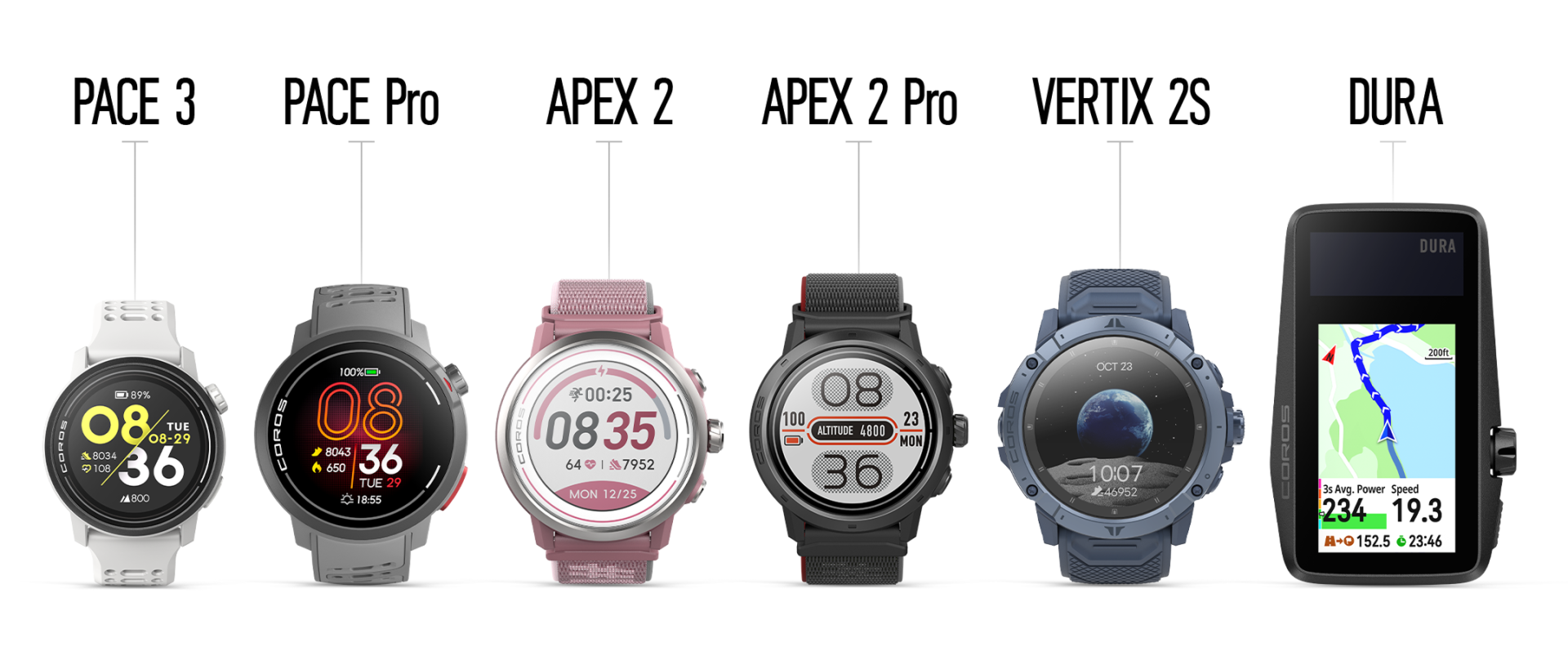
- Comprehensive Coverage: The program supports 100% of the current Coros active ecosystem, including the PACE 3, PACE Pro, APEX 2, APEX 2 Pro, VERTIX 2S, and DURA Solar GPS Bike Computer.
- Fiscal Prudence: Battery replacement services are priced between $59 and $89, making them up to 41% more affordable than the standard $100 Apple Watch battery service.
- Rapid Turnaround: By utilizing a "swap" system where a replacement device is shipped as soon as the defective unit is scanned by the courier, Coros ensures a turnaround time of approximately one week.
- Sustainability Focus: The "Fix, Don't Nix" philosophy prioritizes device longevity through factory-refurbished swaps, reducing electronic waste and the carbon footprint associated with individual repairs.
- Regional Availability: Currently, the official repair program is operational for users located within the United States and the European Union.
The 'Fix, Don't Nix' Philosophy: Why Coros Launched a Repair Program
In the hyper-competitive world of wearable technology, the prevailing industry trend has long been one of planned obsolescence. Major manufacturers often design devices that are easier to replace than to repair, nudging consumers toward the latest model every 24 months. However, Coros has recently pivoted away from this "replacement-only" culture. With the launch of their new Repair Program, the brand is championing a "Fix, Don't Nix" philosophy—a strategic move that addresses both consumer demand for value and the growing global concern over electronic waste.
For the serious endurance athlete or the frequent traveler, a GPS watch is more than just a gadget; it is a repository of training data and a critical tool for navigation. When a screen cracks or a battery begins to degrade, the traditional choice was either a high-cost out-of-warranty replacement or a full-price upgrade. Coros’s new initiative seeks to extend the life of these devices, ensuring that a $500 investment in a VERTIX 2S remains functional for years rather than seasons. This shift toward a sustainable repair ecosystem reflects a broader trend in high-end tech, where longevity is becoming a key metric of premium status.
The program isn't just about environmental altruism; it’s a data-driven response to the logistical challenges of modern electronics. By standardizing the repair process through factory-refurbished swaps, Coros effectively balances the need for speed with the necessity of quality control. It is an objective realization that a "repaired" watch—one opened and resealed in a non-factory environment—rarely maintains the high water-resistance ratings required for elite sports. This program ensures that every device returning to a user’s wrist meets original manufacturing tolerances.
Which Coros Devices Are Eligible for Repair?
When evaluating a service program, the primary concern for any user is whether their specific hardware is supported. Coros has launched this program with an impressive scope, providing 100% coverage for its current active product ecosystem. This isn't a pilot program limited to flagship models; it spans the entire range from entry-level trackers to high-performance bike computers.
Specifically, the following models are eligible for the Coros Repair Program:
- PACE Series: PACE 3 and the newly released PACE Pro.
- APEX Series: APEX 2 and APEX 2 Pro.
- VERTIX Series: VERTIX 2S.
- Cycling Hardware: The DURA Solar GPS Bike Computer.
It is important to note that while the hardware support is broad, the geographic reach is currently more targeted. At this stage, the program is restricted to customers in the United States and the European Union. This regional focus allows Coros to maintain tight control over logistics and shipping times, ensuring that the "one-week turnaround" promise is met. For international travelers or those living outside these zones, the brand continues to offer traditional support channels, though they may not yet feature the standardized pricing and swap system detailed here.
How the Coros Repair Process Works: Step-by-Step
From an analytical perspective, the most innovative aspect of the Coros Repair Program is its logistical efficiency. Traditionally, a repair involves shipping a device to a center, waiting for a technician to diagnose it, waiting for parts, and then waiting for it to be shipped back. This can take weeks. Coros has bypassed this bottleneck by implementing a "scan-and-ship" swap system.
The Workflow:
- Portal Submission: Users begin by visiting the Coros Support portal. You will need to provide your device's serial number, a description of the issue (e.g., degraded battery or cracked screen), and proof of purchase.
- Validation and Labeling: Once the request is reviewed, Coros issues a prepaid return shipping label. This removes the friction of calculating shipping costs and ensures the package is tracked within their internal system.
- The Solution Choice: You will be presented with the "Refurbished Replacement" option. Unlike traditional repairs where you get your specific unit back, you receive a factory-refurbished unit of the same model and color.
- The Transit Trigger: This is the critical step. As soon as the courier scans your broken device into their system, Coros’s fulfillment center is alerted to ship your replacement. This "in-transit" trigger is what allows for the approximately one-week turnaround time.
This system is designed for the athlete who cannot afford a gap in their training data. By the time your broken watch reaches the Coros warehouse, your replacement is likely already arriving at your doorstep. This level of logistical precision is rare in the consumer electronics sector and sets a high bar for competitors like Garmin and Apple.

Coros Repair Costs: Battery vs. Screen/Dial
Transparency in pricing is a hallmark of a mature service program. Coros has published a standardized pricing chart that allows users to make an informed "repair vs. replace" decision. The costs are tiered based on the complexity of the hardware and the specific component failing.
Generally, battery replacements are the most affordable service, while screen and digital dial repairs command a higher price due to the cost of the sapphire glass and intricate mechanical sensors involved.
| Model Series | Battery Replacement Cost | Screen / Digital Dial Repair |
|---|---|---|
| PACE 3 / PACE Pro | $59 | $79 - $89 |
| APEX 2 / APEX 2 Pro | $69 | $99 |
| VERTIX 2S | $89 | $119 |
| DURA Bike Computer | $69 | $99 |
Expert Insight: When compared to the broader market, these figures are highly competitive. A standard battery service for an Apple Watch currently sits at $100. Coros’s entry price of $59 represents a 41% saving, which significantly lowers the barrier to entry for maintaining older devices.
Furthermore, the price for a screen repair on a VERTIX 2S—a flagship device with premium materials—is just $119. Given that a new VERTIX 2S retails for significantly more, this repair cost represents excellent value for the user, reinforcing the brand's commitment to device longevity.
Why Refurbished? Understanding the Swap System
A common question among tech enthusiasts is: "Why can't they just fix my watch?" The answer lies in the intersection of engineering and environmental impact. GPS watches, particularly those with high ATM ratings (water resistance), use specialized adhesives and gaskets to maintain their seal. Opening a device in a standard repair shop often compromises these seals.
By using a "Factory Refurbished" swap system, Coros ensures that every watch sent to a customer has been rebuilt in a controlled environment. These units undergo rigorous testing—including lithium battery calibration and firmware updates—to ensure they perform like new. Every refurbished device provided through this program comes with a 1-year warranty, providing the same peace of mind as a retail purchase.
From a sustainability standpoint, the swap system allows Coros to collect damaged units and ship them in bulk back to their primary manufacturing facilities in Asia. This centralized "batch" repair process has a significantly lower carbon footprint than shipping thousands of individual parts to local repair shops around the world. It is an objective win for both logistical efficiency and environmental responsibility.
Coros vs. Garmin vs. Apple: Who Offers the Best Support?
When we look at the landscape of GPS watch support, each brand takes a distinct approach. To help you decide where to invest your training budget, here is a comparative analysis:
- Coros: Currently leads in transparency. The public pricing chart and the "scan-and-ship" swap system are designed for speed and clarity. Their battery replacement costs are the lowest among major competitors.
- Apple: Offers a very high level of service through AppleCare+, but out-of-warranty costs are steep. The $100 flat fee for battery service is significantly higher than Coros’s $59-$89 range. However, their physical "Genius Bar" locations offer immediate in-person diagnosis.
- Garmin: While Garmin also utilizes a swap/refurbishment system, their pricing is often opaque. Users typically have to contact support to receive a quote, which can vary. Garmin's turnaround times are generally reliable, but they lack the standardized, public-facing cost structure that Coros has now implemented.
For the objective consumer, Coros’s move to publicize their repair costs is a major win. It removes the "fear of the unknown" that often prevents users from seeking repairs for older devices.
Maintenance Tips: How to Avoid Needing a Repair
While the Coros Repair Program is an excellent safety net, the goal for any athlete should be to avoid needing it in the first place. High-performance GPS watches are durable, but they are not indestructible. Here are several data-backed maintenance tips to maximize your watch's lifespan:
1. Managing Chemical Exposure Sweat and saltwater are the primary enemies of the metallic contacts on your watch. After every workout or swim, rinse your device with fresh water and dry it with a lint-free cloth. Salt crystals can corrode the charging pins and the digital dial over time.
2. Smart Charging Habits Modern lithium-ion batteries are sensitive to heat. To preserve battery health, avoid using "fast-chargers" or high-wattage laptop bricks. Coros recommends using a standard 5V/1A USB port. Additionally, try to keep your battery level between 20% and 80%; deep discharges (dropping to 0%) can shorten the overall cycle life of the battery.
3. Thermal Limits Whether you are training in the Sahara or the Arctic, be mindful of temperature. Coros devices are rated for operation between 0°C to 50°C (32°F to 122°F). Leaving your watch on a car dashboard in the sun or exposing it to extreme freezing for extended periods can lead to "lithium battery calibration" issues, where the percentage reading becomes inaccurate.
FAQ
Can I upgrade my model through the repair program? No. The program is designed for like-for-like swaps. If you send in a PACE 3, you will receive a refurbished PACE 3. To upgrade to a newer model, you would need to use Coros’s separate trade-in program, if available in your region.
Is my data safe during the swap? Because you are receiving a different physical device, your local data (on the watch) will be lost. However, because all Coros watches sync with the Coros App, your training history, maps, and settings will automatically sync to your new device once you log in and pair it.
Does the repair program cover water damage? Generally, yes. If the device's water resistance failed due to a manufacturing defect, it may be covered under warranty. If the damage occurred out-of-warranty (e.g., from a cracked screen that let water in), you can still use the Repair Program at the "Screen/Dial" price point to receive a replacement unit.