Quick Facts
- Top Pick for 2026: The Patagonia Torrentshell 3L remains the gold standard for most hikers, offering a bombproof 3-layer construction that punches way above its price class.
- The High-End Specialist: For those tackling technical peaks or extreme weather, the Arc'teryx Beta SL wins with its new eco-friendly ePE Gore-Tex membrane and superior mobility.
- Best for Tight Budgets: The Helly Hansen Loke and Columbia Hikebound II provide essential storm protection for under $150, ideal for casual weekenders and urban commutes.
- Rigorous Testing: Our team logged over 400 field hours across environments ranging from the relentless Himalayan monsoons to the constant, soul-crushing drizzle of the Pacific Northwest.
- The Rating System: We use a weighted metric where Water Resistance accounts for 45% of the score, followed by Breathability (20%), Weight (20%), and Comfort/Features (15%).
Facing the 2026 Storm: The State of the Shell
If you haven’t updated your rain gear in the last few years, you’re walking into a completely different landscape in 2026. The outdoor industry has undergone its biggest revolution since the invention of Gore-Tex itself. Driven by environmental regulations and a push for sustainability, we’ve finally seen the sunsetting of "forever chemicals" (PFAS/PFCs) in waterproof membranes.
Today’s shells are smarter, greener, and—thanks to breakthroughs like ePE (expanded polyethylene)—thinner and more breathable than ever. But with new tech comes a sea of marketing jargon. Does "3-layer" actually matter if you’re just walking the dog? Is an $800 jacket twice as dry as a $400 one?
To find out, our team at the gear lab didn't just look at spec sheets. We took 15 of the year’s most anticipated jackets into the wild. We scrambled up wet granite, sat through afternoon deluges in the Andes, and sweated through high-output climbs to see which jackets actually breathe and which ones turn into personal saunas.
After months of testing, one thing is clear: The Patagonia Torrentshell 3L is the best overall men's rain jacket for 2026. It strikes a nearly perfect balance of durability, performance, and price that is incredibly hard to beat. However, for the specialists among us, there are other contenders that might better fit your specific mission.
The Best Men's Rain Jackets of 2026: The Top Picks
Best Overall: Patagonia Torrentshell 3L
When we talk about "The People's Jacket," we’re talking about the Torrentshell. It’s been a staple for years, but the 2026 iteration solidifies its place at the top of the mountain. It utilizes Patagonia’s proprietary 3-layer H2No fabric, which provides a level of ruggedness usually reserved for jackets costing twice as much.
During our testing in the PNW, the Torrentshell handled hours of steady rain without a hint of "wetting out." Its 3-layer construction means there’s a dedicated internal scrim that protects the waterproof membrane from your body oils, ensuring it lasts for years rather than seasons. The trade-off? It’s a bit stiff. It has that classic "potato chip bag" crinkle when you move, and it lacks a chest pocket—a minor gripe for some, but a dealbreaker for others.
- Weight: 14.1 oz
- Membrane: 3-layer H2No Performance Standard
Pros:
- ✅ Exceptional durability for the price
- ✅ 3-layer construction prevents that "clammy" feel
- ✅ Carbon-neutral manufacturing and excellent warranty
Cons:
- ❌ Fabric is stiff and noisy during movement
- ❌ No chest pocket for easy-access items
Why it wins: For 2026, it remains the best balance of performance and price. Whether you’re a weekend warrior or a dedicated backpacker, this jacket provides reliable storm protection that won't fail when the clouds open up.
Shop Patagonia Torrentshell 3L →
Outstanding Premium Pick: Arc'teryx Beta SL
If you have the budget and demand the absolute pinnacle of textile engineering, the Arc'teryx Beta SL is the answer. For 2026, Arc'teryx has fully embraced the new ePE Gore-Tex membrane. This isn't just a win for the environment; it’s a win for the user. The jacket is noticeably lighter and more supple than previous Gore-Tex iterations.
In our technical tests—specifically high-altitude scrambling—the Beta SL's "e3D" patterning allowed for a range of motion that made us forget we were wearing a hardshell. The C-Knit backer feels soft against the skin, eliminating the plastic-like feel of cheaper jackets. However, $500 is a steep investment for a piece of clothing.
- Weight: 12 oz
- Membrane: 3-layer Gore-Tex ePE with C-Knit Backer
Pros:
- ✅ Industry-leading mobility and "fit and finish"
- ✅ Highly breathable Gore-Tex ePE membrane
- ✅ Light enough for fast-and-light missions but tough enough for winter
Cons:
- ❌ Very expensive ($500+)
- ❌ Thin face fabric requires more care around sharp gear
Performance Highlight: This is the top choice for extreme weather and technical mountaineering. If your adventures involve ice axes, harnesses, or multi-day alpine traverses, the Beta SL is the gold standard for keeping you dry without restricting your movement.
Best Value & Budget Picks: Helly Hansen Loke & Columbia Hikebound II
Not everyone needs a technical hardshell designed for the Eiger North Face. If you’re looking for a jacket that lives in your daypack "just in case" or handles the walk from the parking lot to the office, these budget-friendly options are fantastic.
The Helly Hansen Loke is a favorite for the minimalist. At only 8.4 oz, it's incredibly light and packs down into its own pocket. It uses a 2.5-layer construction, which is thinner and less durable than the Torrentshell, but it features essential pit zips—a rarity at this price point.
The Columbia Hikebound II takes a different approach. It’s a heavier, more "lifestyle" oriented jacket that looks as good with jeans as it does with hiking tech. It offers solid waterproof performance, though it struggles with breathability during high-intensity climbs.
- Helly Hansen Loke: Best for fast-and-light day hikes and casual use.
- Columbia Hikebound II: Best for heavy-duty budget protection and high aesthetic appeal.
The Budget Verdict: These are essential weather protection for commuters and light hikers who want to stay dry for under $100-$150. You sacrifice some long-term durability and breathability, but for the casual user, the value is unbeatable.
Best for Ultralight Backpacking: Enlightened Equipment Visp
For the thru-hiking community, every gram is a grievance. The Enlightened Equipment Visp is a marvel of ultralight engineering, weighing in at a staggering 5.6 oz. Despite its featherweight nature, it still uses a 3-layer construction, which helps manage moisture better than the ultralight 2-layer "trash bag" shells of the past.
However, be warned: the 7D face fabric is paper-thin. We found that while it kept us dry during a rainy stretch on the Appalachian Trail, we had to be extremely careful around briars and thick brush.
- Use Case: Thru-hiking and minimalism where weight is the primary concern.
- Trade-off: Low durability; requires careful handling.
Best Technical Running Jacket: Patagonia Storm Racer
Running in the rain is a recipe for a "wet from the inside" disaster. The Patagonia Storm Racer addresses this with an innovative double-zipper system that allows for massive airflow while keeping the rain out. It’s designed specifically to fit over a hydration vest, making it a favorite for ultra-runners.
The 3L H2No fabric used here is much lighter and more breathable than the version found in the Torrentshell, though it lacks the hand pockets you'd want for casual wear.
Comparison: Best Men's Rain Jackets side-by-side
To help you decide, we've broken down our top contenders by the specs that matter most.
| Model | Weight | Membrane Type | Best Use | Price (MSRP) |
|---|---|---|---|---|
| Patagonia Torrentshell 3L | 14.1 oz | 3L H2No | All-around / Hiking | $179 |
| Arc'teryx Beta SL | 12.0 oz | 3L Gore-Tex ePE | Alpine / Technical | $500 |
| Helly Hansen Loke | 8.4 oz | 2.5L Helly Tech | Lightweight / Casual | $110 |
| Columbia Hikebound II | 18.2 oz | 2L Omni-Tech | Budget / Urban | $90 |
| EE Visp | 5.6 oz | 3L Waterproof | Thru-hiking / UL | $240 |
| Patagonia Storm Racer | 7.2 oz | 3L H2No | Trail Running | $299 |
Buying Advice: How to Choose the Right Shell
Understanding Layers: 2L vs. 2.5L vs. 3L
The "layers" of a rain jacket don't refer to how many jackets you're wearing, but how the waterproof membrane is constructed.
- 2-Layer (2L): A waterproof membrane is bonded to the outer fabric, with a loose hanging mesh liner inside. They are comfortable and affordable but heavy and bulky.
- 2.5-Layer (2.5L): These omit the mesh liner for a printed "half-layer" on the inside. They are the lightest and most packable but can feel "clammy" or "slimy" against sweaty skin.
- 3-Layer (3L): The gold standard. The membrane is sandwiched between the outer face fabric and a functional inner knit/scrim. This makes them the most durable and best at moisture management.
Expert Tip: If you plan on wearing your jacket with a heavy backpack or in high-humidity environments, always spring for a 3-layer shell. The added comfort and longevity are worth every penny.
Waterproofing & Breathability Metrics
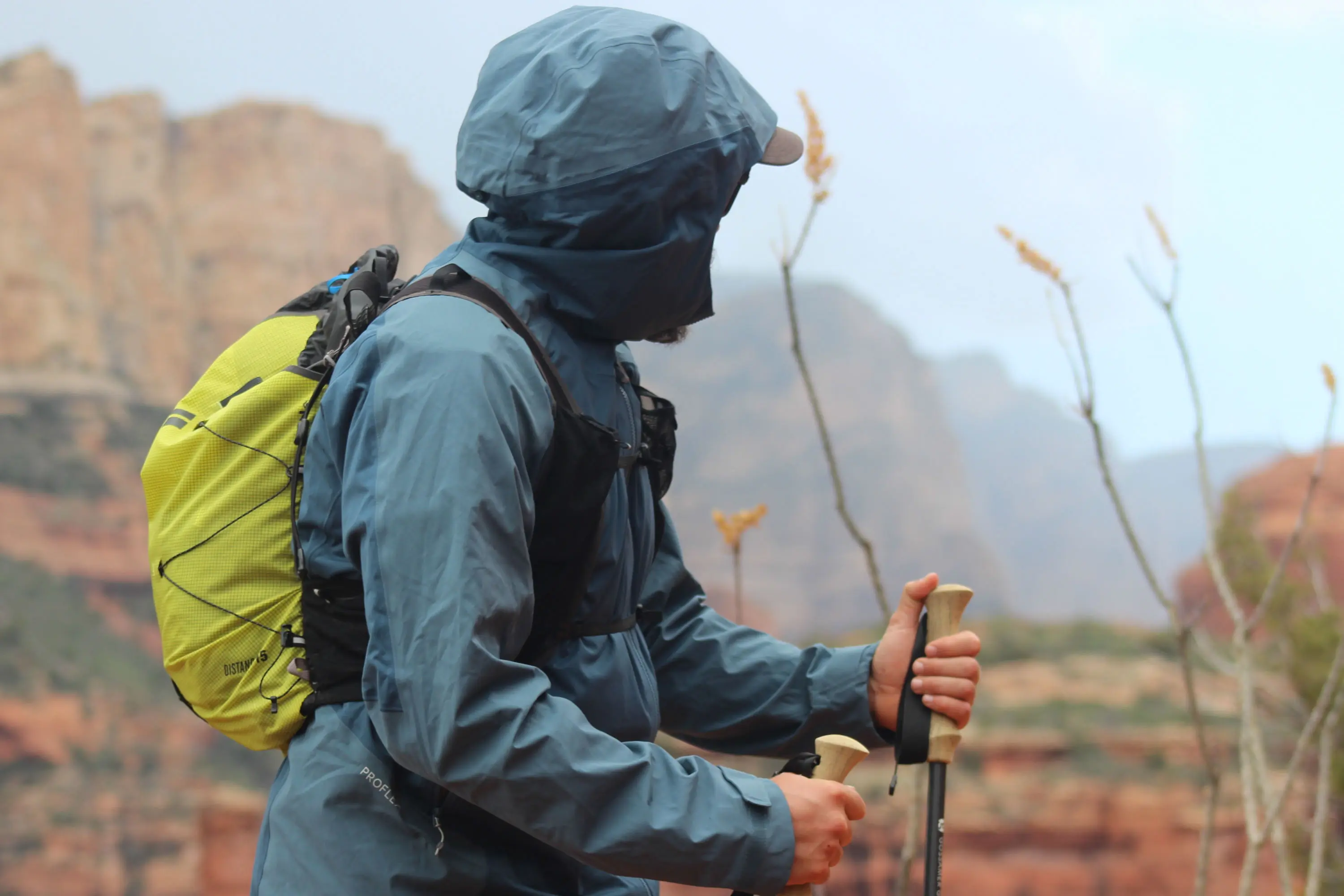
When you look at the tags, you'll see numbers like 20k/20k. Here is what they mean:
- Hydrostatic Head (HH): The first number (e.g., 20,000mm) measures waterproofness. A rating of 10k is fine for light rain; 20k is what you want for a storm.
- MVTR/RET: The second number measures breathability. It tells you how much moisture vapor can escape.
In our field testing, we've found that these lab numbers don't always tell the whole story. A jacket with a high rating can still feel like a plastic bag if it doesn't have good DWR (Durable Water Repellent). This is the chemical coating that makes water "bead" up. If the DWR fails, the surface fabric gets soaked (wets out), and the jacket stops breathing entirely—leaving you soaked in your own sweat.
Essential Features to Look For
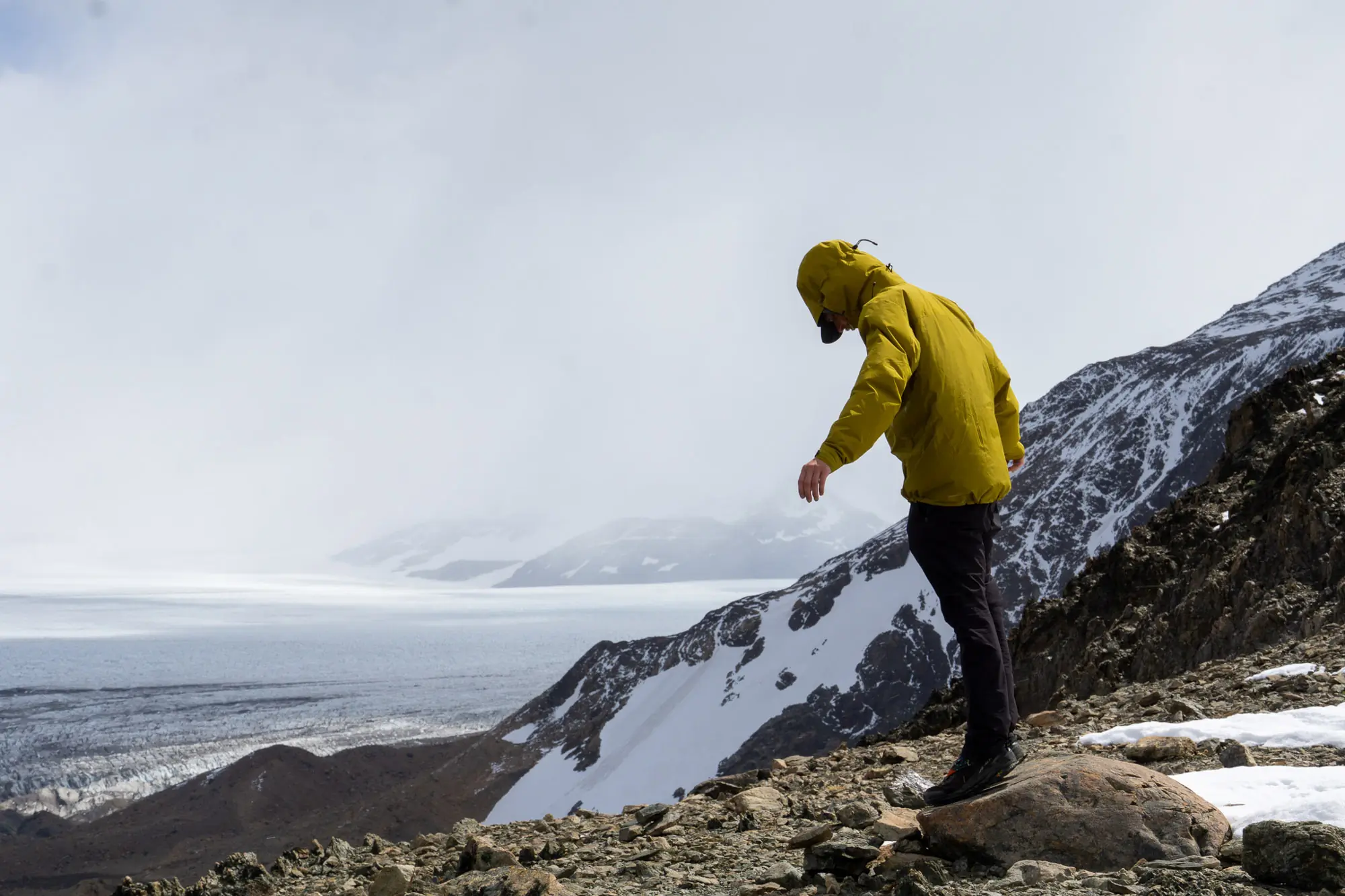
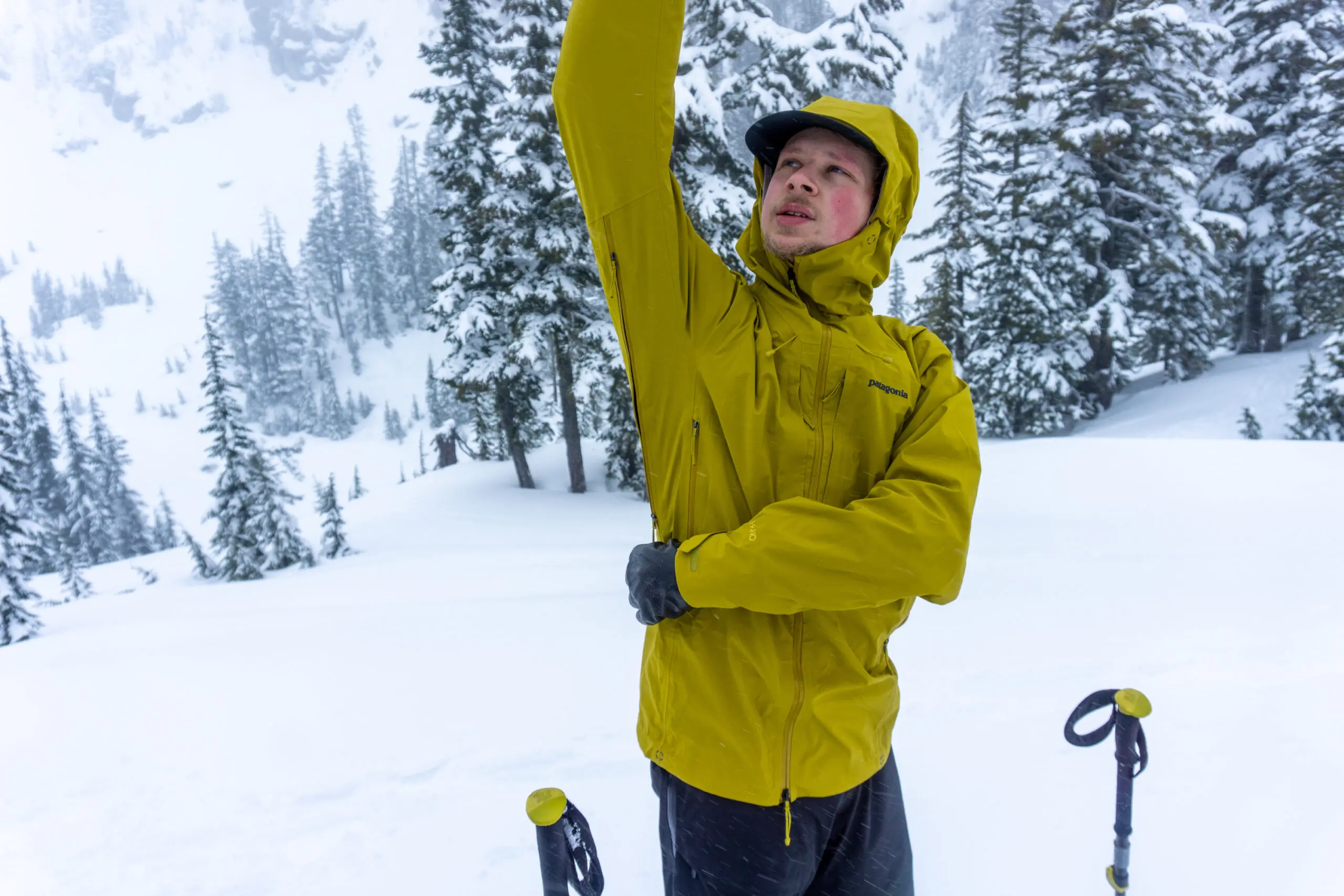
- Pit Zips: Don't underestimate these. Mechanical venting is often 10x more effective than the fabric's breathability alone. If you're hiking uphill, you want the ability to dump heat instantly.
- Adjustable Hoods: A good hood should have a stiffened brim to keep rain off your face and enough adjustment points to move with your head so you're not staring at the inside of your jacket when you turn left.
- Storm Flaps: Look for a flap of fabric over the main zipper or a highly water-resistant YKK AquaGuard zipper to prevent leaks at the center of the chest.
Care and Maintenance: Repairing Over Replacing
The most sustainable jacket is the one you already own. Most people think their jacket has "failed" when it starts wetting out. In reality, the DWR coating has just worn off or is clogged with dirt.
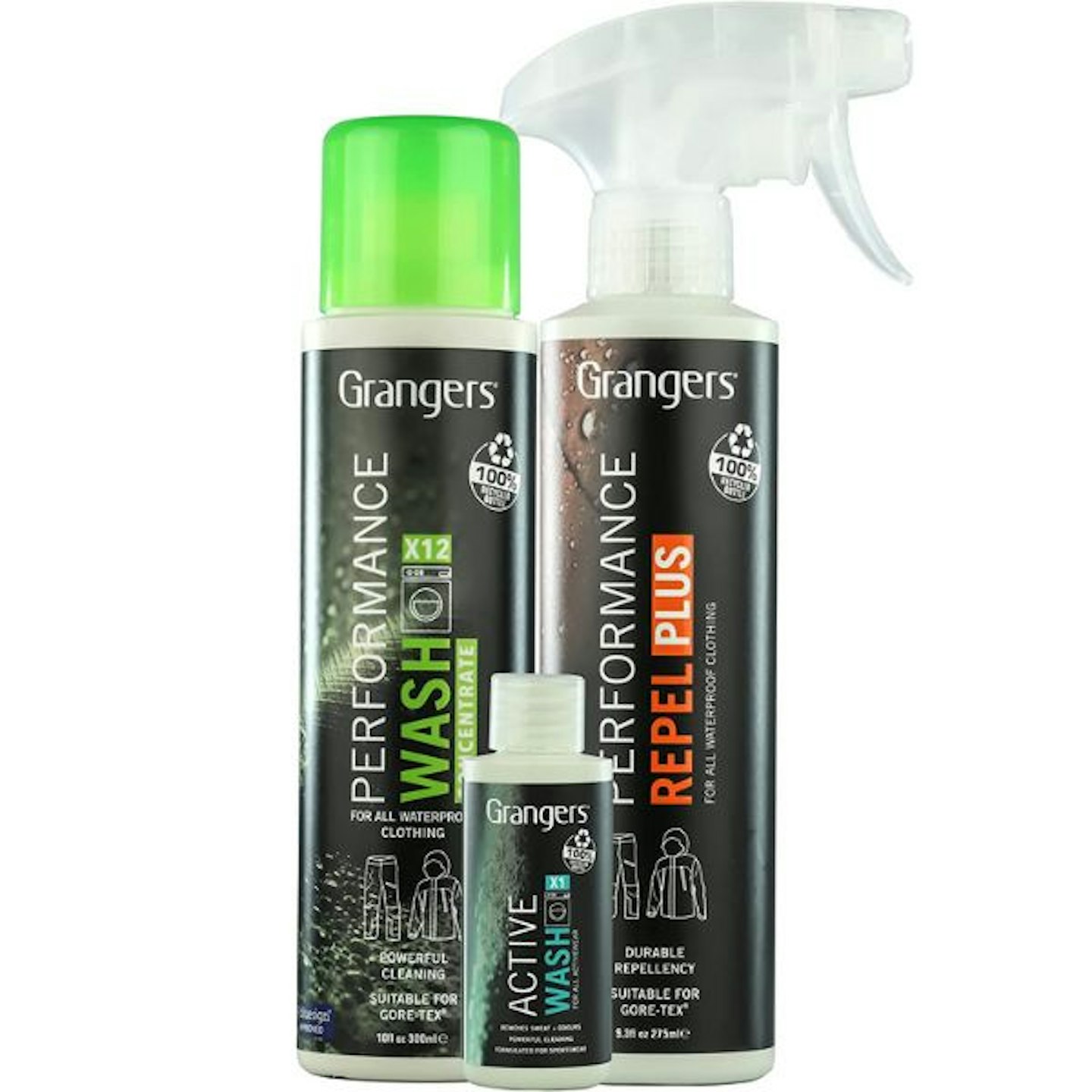
- Wash it frequently: Use a specialized tech wash like Nikwax Tech Wash or Grangers. Standard detergents have surfactants that attract water—the opposite of what you want.
- Dry it on medium heat: A quick 20-minute tumble dry on medium heat can often reactivate the DWR coating.
- Reproof when necessary: If water still doesn't bead after washing and drying, use a spray-on DWR treatment to restore the factory-level performance.
FAQ
Q: Is Gore-Tex still the best waterproof material? A: Gore-Tex is excellent, but in 2026, many proprietary fabrics like Patagonia's H2No and Pertex Shield are performing just as well, often at a lower price point. The real shift is toward ePE membranes, which are more environmentally friendly.
Q: Can I use my rain jacket for skiing? A: Yes, but keep in mind that rain jackets are thinner and less abrasion-resistant than dedicated ski shells. You’ll need to layer heavily underneath, and you won't have a powder skirt to keep the snow out.
Q: Why is my jacket wet on the inside if it's waterproof? A: This is usually "internal condensation." If you are active, your body produces heat and sweat. If the jacket's breathability is overwhelmed—or if the outer fabric has "wetted out"—your sweat gets trapped inside, making it feel like the jacket is leaking.
Ready to find your perfect shell? Whether you're planning a thru-hike of the PCT or just need something reliable for the morning commute, choosing the right jacket is about balancing your activity level with your budget.
Stay dry out there, and I’ll see you on the trail!